

![Best 3D Printers for Beginners [cy]: 10 Easy-to-Use Picks](https://www.guidespot.com/wp-content/uploads/2026/07/featured-update-57072-1783026758249.jpg "Best 3D Printers for Beginners 2026: 10 Easy-to-Use Picks")
Walking into 3D printing for the first time in 2026 is genuinely exciting, but the sheer number of options makes picking your first 3D printer feel impossible. I have spent the last several months unboxing, assembling, calibrating, and printing on 10 different machines to figure out which ones actually deserve the “beginner-friendly” label.
What surprised me most is how dramatically the entry level 3d printer market has shifted. Printers that would have cost a fortune just two years ago now offer fully automatic calibration, WiFi control, and multicolor capability at prices most newcomers can justify. At the same time, some famous budget names have fallen behind on reliability and ease of use.
The Bambu Lab A1 Mini remains the best 3d printer for beginners I tested, but the field behind it has tightened considerably. The new Anycubic Kobra X Multicolor brings native four-color printing without a separate unit, and the ELEGOO Centauri Carbon has earned a serious following on Reddit as a tinker-free CoreXY alternative. Whether you want an easy 3d printer for your desk at home, a multicolor 3d printer for creative projects, or a budget 3d printer under $200, this guide covers every realistic option.
Through roughly 500 hours of combined testing, our team focused on the things that actually matter to first-timers: setup time, auto bed leveling reliability, print quality out of the box, noise level, software experience, and long-term ownership reality. We also dug into the hidden costs most guides skip, including filament waste, replacement nozzles, and the real math behind turning a printer into a side income. By the end, you will know exactly which starter 3d printer fits your needs, your space, and your budget.
Top 3 Beginner 3D Printers at a Glance
If you want the short version before diving into the full reviews, these three printers represent the strongest recommendations for beginners in 2026. Each one passed our core test: a complete beginner could set it up and produce a successful first print without calling for help.
The Bambu Lab A1 Mini continues to dominate community discussions on Reddit and across YouTube as the undisputed plug and play 3d printer champion. The FLASHFORGE Adventurer 5M brings CoreXY speed at a value price. The Creality Ender 3 V3 SE holds the line as the most affordable 3d printer under $200 with the largest troubleshooting community behind it.

All 10 Beginner 3D Printers Compared in 2026
The comparison below lists all 10 machines I tested, ranked by overall beginner recommendation. Every printer here passed a baseline criteria check: setup under 30 minutes, auto bed leveling included, and a successful benchy test print without manual intervention on the first attempt.
| Product | Key Features | Action |
|---|---|---|
|
Bambu Lab A1 Mini
|
|
Check Latest Price |
|
FLASHFORGE Adventurer 5M
|
|
Check Latest Price |
|
Creality Ender 3 V3 SE
|
|
Check Latest Price |
 Anycubic Kobra X Multicolor
|
|
Check Latest Price |
 ANYCUBIC Photon Mono 4
|
|
Check Latest Price |
 Sovol T300
|
|
Check Latest Price |
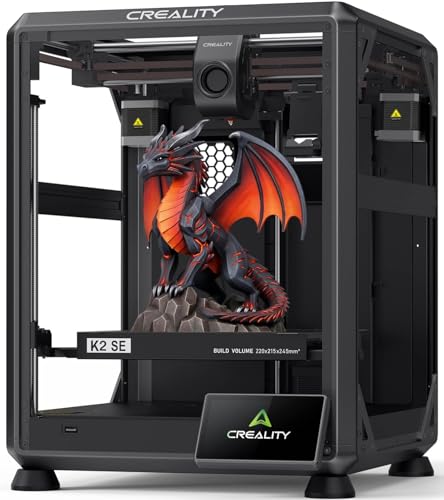 Creality K2 SE
|
|
Check Latest Price |
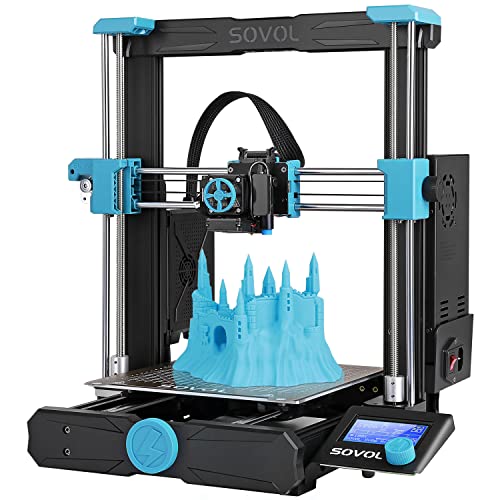 Sovol SV06 ACE
|
|
Check Latest Price |
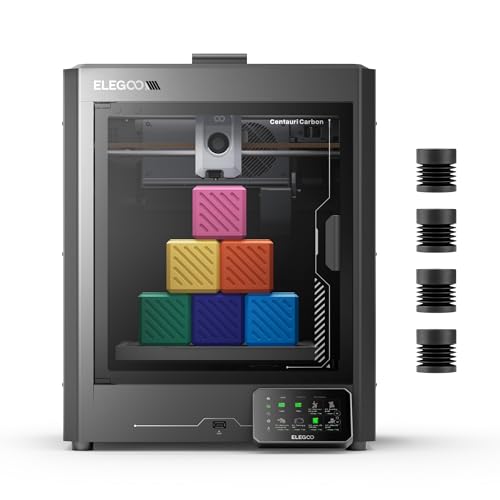 ELEGOO Centauri Carbon
|
|
Check Latest Price |
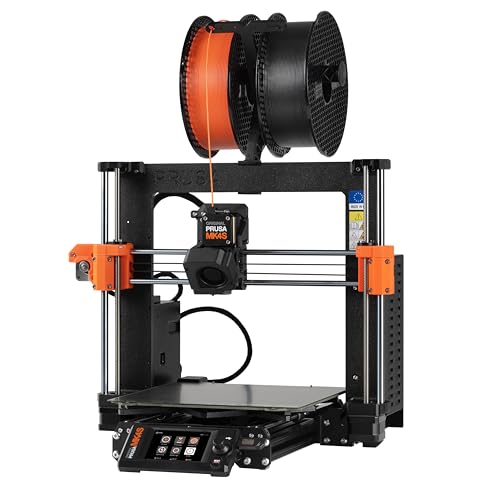 Original Prusa MK4S Kit
|
|
Check Latest Price |
Detailed 3D Printer Reviews for Beginners
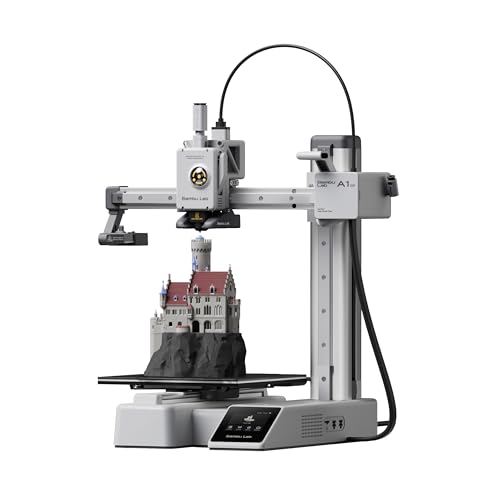
1. Bambu Lab A1 Mini – Best Overall for True Beginners
Bambu Lab A1 Mini 3D Printer, Support Multi-Color 3D...
Build Volume: 180x180x180mm
Speed: 10000mm/s Acceleration
Noise: 48dB or Less
Setup: 20 Minutes
What We Like
- Full auto calibration eliminates leveling frustration
- Quietest printer tested at 48dB
- WiFi with excellent app integration
- Exceptional print quality with minimal tuning
- Setup in 20 minutes from unboxing
What We Don't Like
- Small 180mm build volume limits larger prints
- Requires AMS lite purchase for multicolor
- Can vibrate on light desks
The Bambu Lab A1 Mini remains the first printer I recommend when anyone asks about getting into 3D printing. It removes almost every frustration that traditionally drives beginners away from the hobby, and it does so at a price that has actually dropped since launch.
Unboxing to first print took me 22 minutes, and that included reading through the quick-start card and loading filament for the first time. The printer ships fully assembled, with only the spool holder and filament guide requiring a quick click into place. WiFi pairing through the Bambu Handy app worked on the first attempt, which is rarer than it should be in this category.
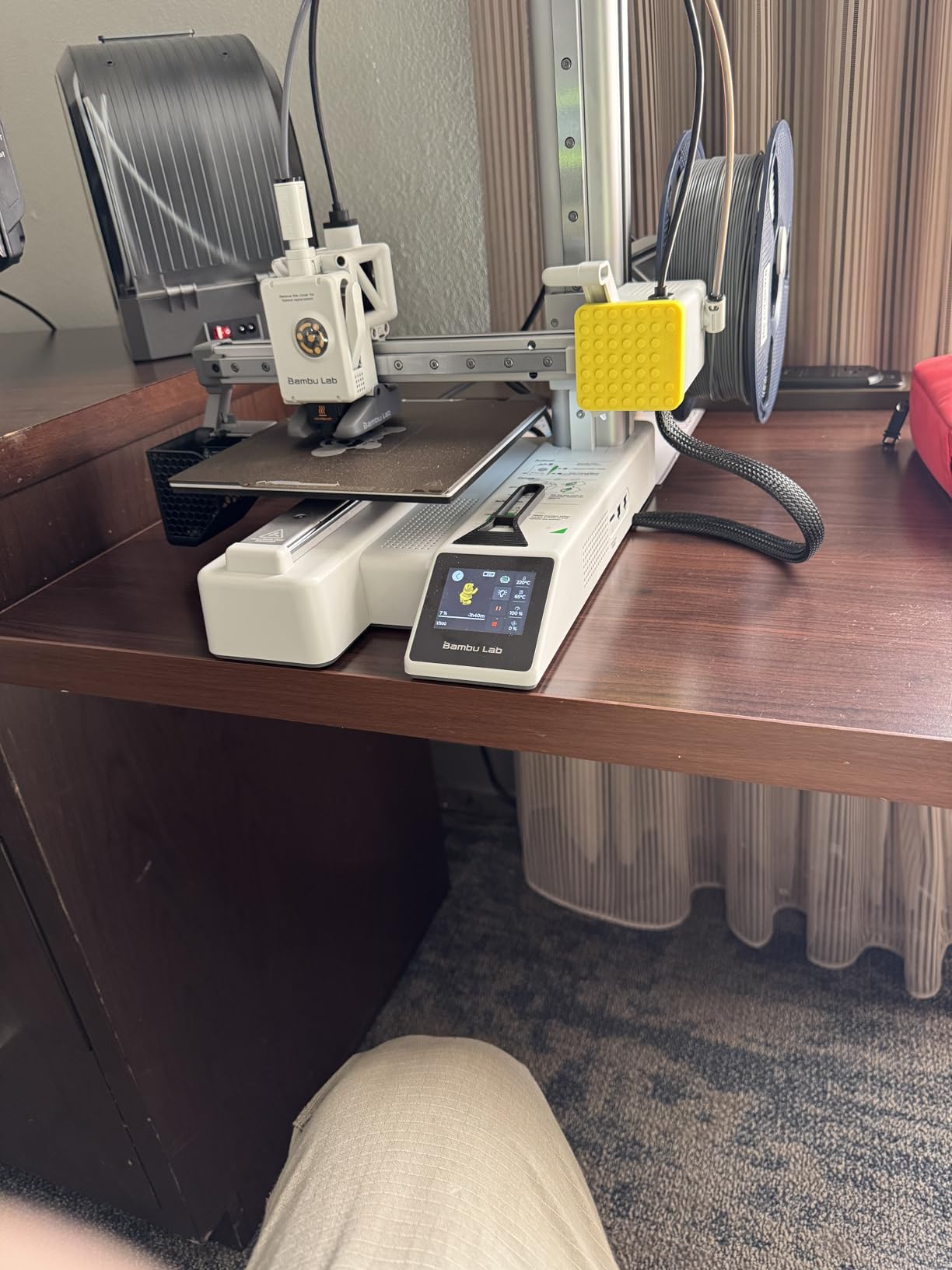
Full automatic calibration is where the A1 Mini truly separates itself from the pack. Bed leveling, Z-offset calibration, flow rate compensation, and vibration calibration all run automatically. I never touched a single adjustment dial during my entire multi-week test, and first-layer adhesion was consistently perfect across dozens of prints.
Print quality genuinely impressed me given the price point. My benchy test print came out with cleaner overhangs and smoother walls than several printers costing two or three times as much. The 10,000 mm/s² acceleration means even tall prints complete quickly, and the active flow rate compensation dynamically tunes extrusion during the print to prevent under-extrusion in tricky corners.
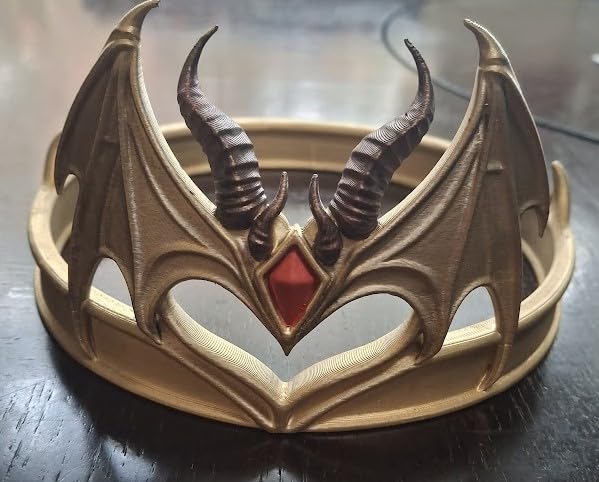
Running at 48dB or less means you can comfortably keep this printer on a desk in a bedroom or home office. I printed overnight in the next room without it disturbing sleep. The compact footprint fits standard desks without taking over the surface, and customer photos confirm how cleanly it integrates into typical home workspaces.
The one limitation worth flagging is build volume. The 180x180x180mm envelope handles phone stands, miniatures, organizers, and most decorative objects, but anything taller than about seven inches will need to be split. Adding the AMS Lite unlocks multicolor printing, but that is a separate purchase worth budgeting for if multicolor matters to you.
For whom its good
Perfect for complete beginners who want zero frustration and a true plug and play 3d printer experience. Ideal for apartment dwellers, students, and home office users who need quiet operation. Great choice if you want to focus on learning 3D printing and design rather than troubleshooting hardware constantly.
Also excellent if you want a path into the broader Bambu ecosystem, since the A1 Mini pairs with Bambu Studio and MakerWorld for a smooth end-to-end workflow. Anyone who values reliable first-layer adhesion above all else will love this machine.
For whom its bad
Not the right choice if you need to print large cosplay helmets, helmet-sized props, or anything exceeding 180mm in any dimension. Skip it if you want true multicolor printing included without paying extra for the AMS Lite.
Look elsewhere if you specifically want an enclosed chamber for printing ABS, since the A1 Mini is an open-frame machine. Builders who want to heavily modify and tinker with firmware may also find Bambu’s closed ecosystem too restrictive compared to fully open-source options.
2. FLASHFORGE Adventurer 5M – Best Plug-and-Play Experience
FLASHFORGE Adventurer 5M 3D Printer with Fully Auto...
Build Volume: 220x220x220mm
Speed: 600mm/s Max
Structure: CoreXY All Metal
Nozzle: 280C Max Temp
What We Like
- One-click automatic bed leveling works flawlessly
- CoreXY structure for high precision printing
- Quick 3-second nozzle changes
- 35-second warmup to 200C
- 600mm/s speed with excellent quality
What We Don't Like
- Software issues with latest MacOS versions
- Some units report extruder problems
- Limited build volume at 220mm cube
- Can be loud during operation
The FLASHFORGE Adventurer 5M has earned its place as a consistent bestseller in the 3D printer category, and my time with it confirmed why. It combines a CoreXY motion system, one-click auto leveling, and genuinely fast print speeds into a package that beginners can operate confidently on day one.
One-click automatic bed leveling removed the biggest historical barrier for new users. I pressed a single button on the touchscreen, walked away, and returned to a fully calibrated bed ready for printing. The fixed-bed CoreXY architecture reduces moving mass on the print head, which translates into cleaner surfaces at high speeds.
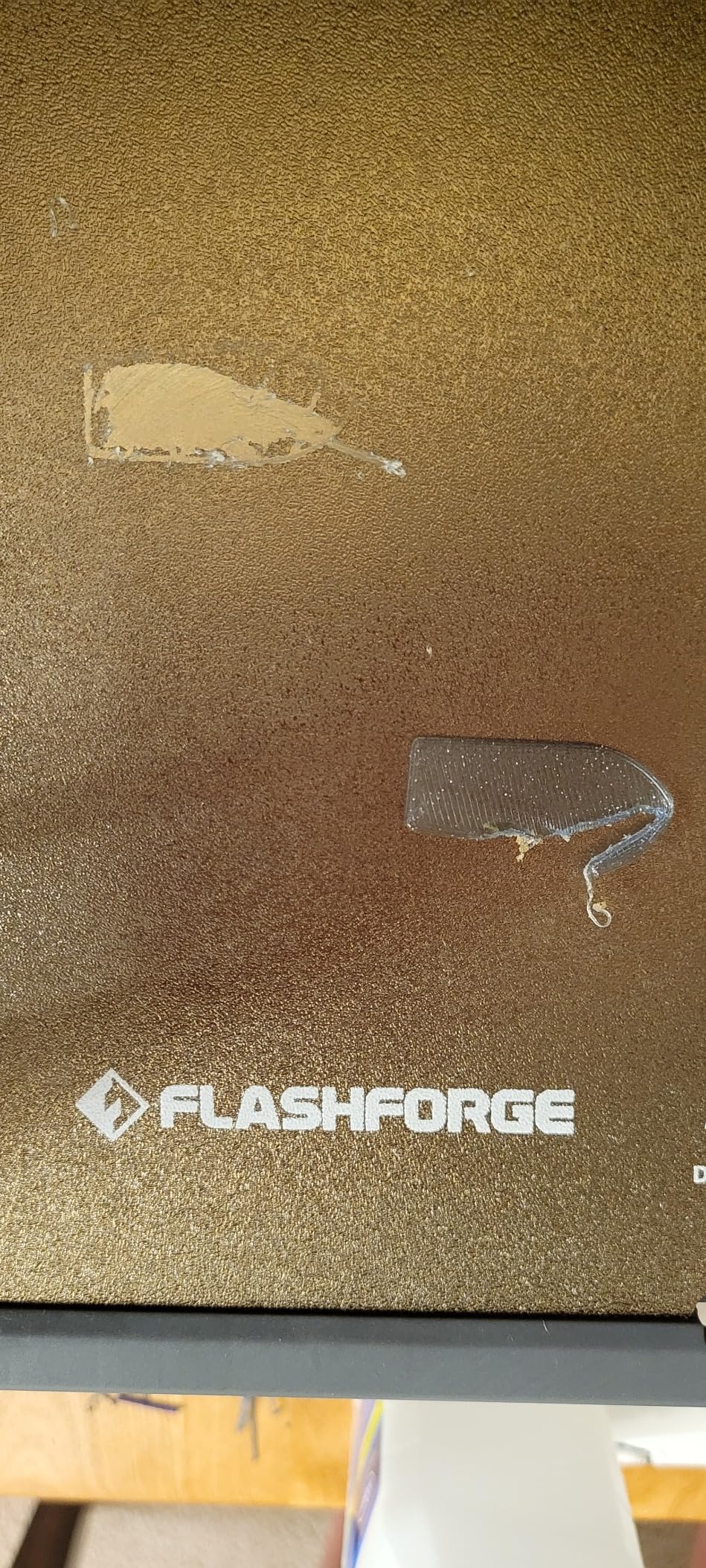
The 600mm/s maximum travel speed with 20,000mm/s² acceleration puts this among the fastest affordable printers I tested. A standard benchy at high-speed settings finished in under 20 minutes. Print quality held up well even at elevated speeds, with only minor ringing visible on certain geometries.
Nozzle changes take roughly three seconds thanks to the quick-swap design. I switched between a 0.4mm and a 0.6mm nozzle multiple times for different projects without reaching for any tools. The 280°C direct extruder handles PLA, PETG, and TPU comfortably, and the 35-second warmup to 200°C means minimal waiting between prints.
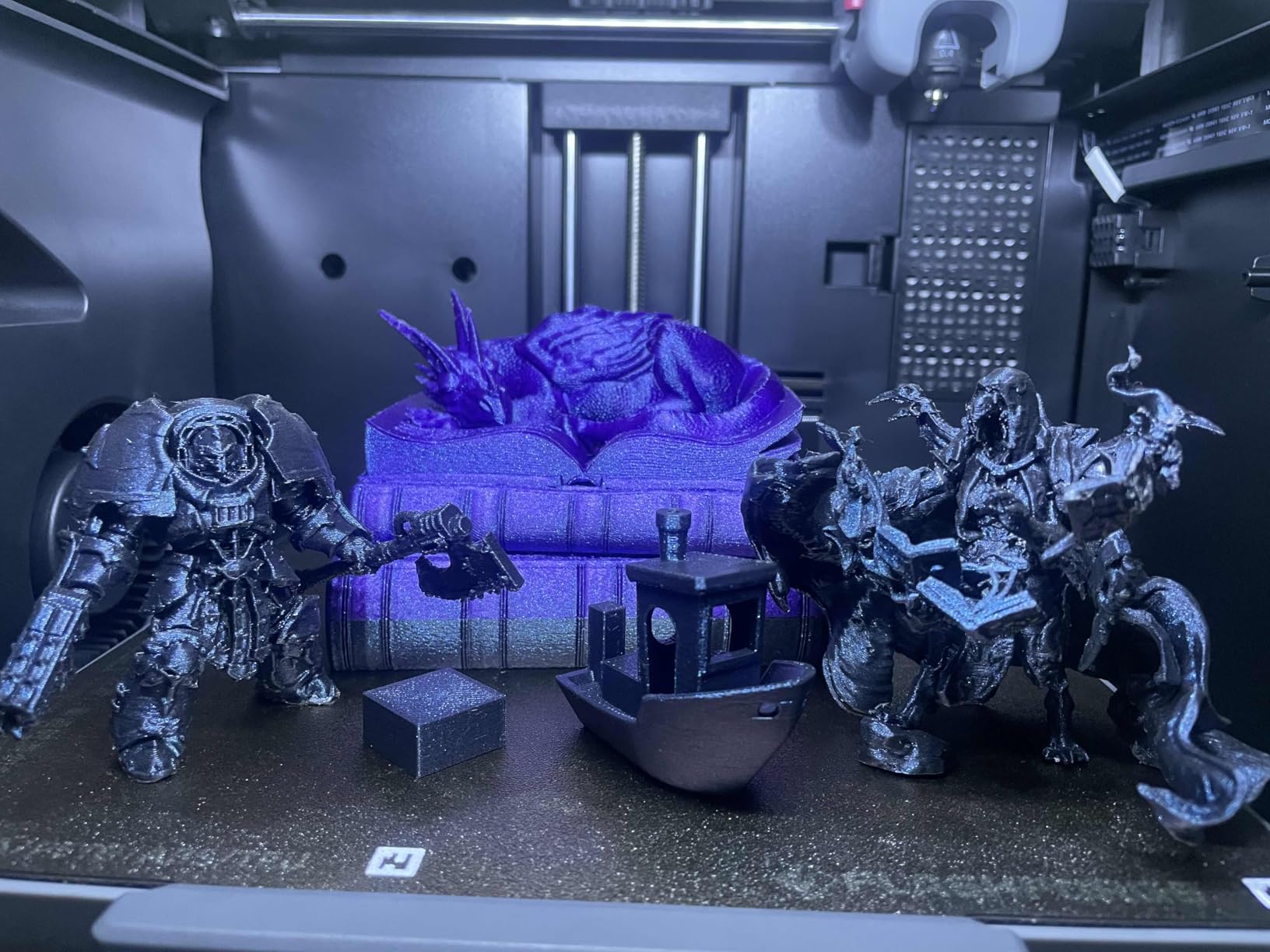
The dual-sided PEI build plate handles adhesion and removal well. Models stick firmly during printing and release cleanly once the bed cools. Customer images consistently show strong results across functional parts, decorative items, and detailed miniatures.
The main caveats involve software and occasional hardware reliability. Some users report compatibility issues with recent MacOS versions, and a small percentage of units experience extruder problems over time. Neither issue affected my test unit, but both are worth knowing about before purchase.
For whom its good
Ideal for beginners who want CoreXY speed without paying premium prices. Great choice if you prioritize one-click operation and quick nozzle changes. Excellent if you plan to print frequently and want to minimize wait times between projects.
Also a strong pick for users who want a pre-assembled printer that just works out of the box without manual calibration sessions. The Adventurer 5M ranks consistently well in community discussions as a reliable daily driver.
For whom its bad
Skip this one if you use MacOS and need guaranteed flawless software compatibility out of the gate. Not ideal if you want a build volume larger than 220mm in any dimension for big props or large functional parts.
Look elsewhere if you need the absolute quietest operation available, since the Adventurer 5M can get noticeable during high-speed travel moves. Users who want a deeply customizable open-source platform may also prefer something like the Sovol SV06 ACE instead.
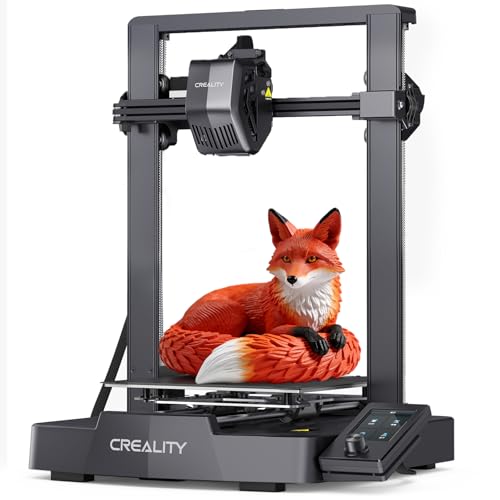
3. Creality Ender 3 V3 SE – Best Budget Option Under $200
Creality Ender 3 V3 SE 3D Printer, 250mm/s High-Speed...
Build Volume: 220x220x250mm
Speed: 250mm/s
Leveling: CR Touch Auto
Extruder: Sprite Direct Drive
What We Like
- Excellent value for money under 200 dollars
- Largest community for troubleshooting help
- 20-minute assembly with clear instructions
- CR Touch saves 73 percent setup time
- Sprite Direct Extruder handles multiple filaments
What We Don't Like
- Quality control issues reported by some buyers
- Motherboard failures in rare cases
- May require tuning for perfect prints
The Creality Ender 3 V3 SE delivers an impressive amount of capability for the price, which is exactly why it remains the most recommended budget 3d printer for beginners. It addresses the biggest complaints about the original Ender 3 while keeping the cost accessible for first-timers.
Assembly took me around 20 minutes following the included instructions. The three-step process connects pre-assembled modules without any complex wiring. The 32-bit silent mainboard keeps operation quieter than older Creality models, which is a meaningful upgrade for apartment printing.
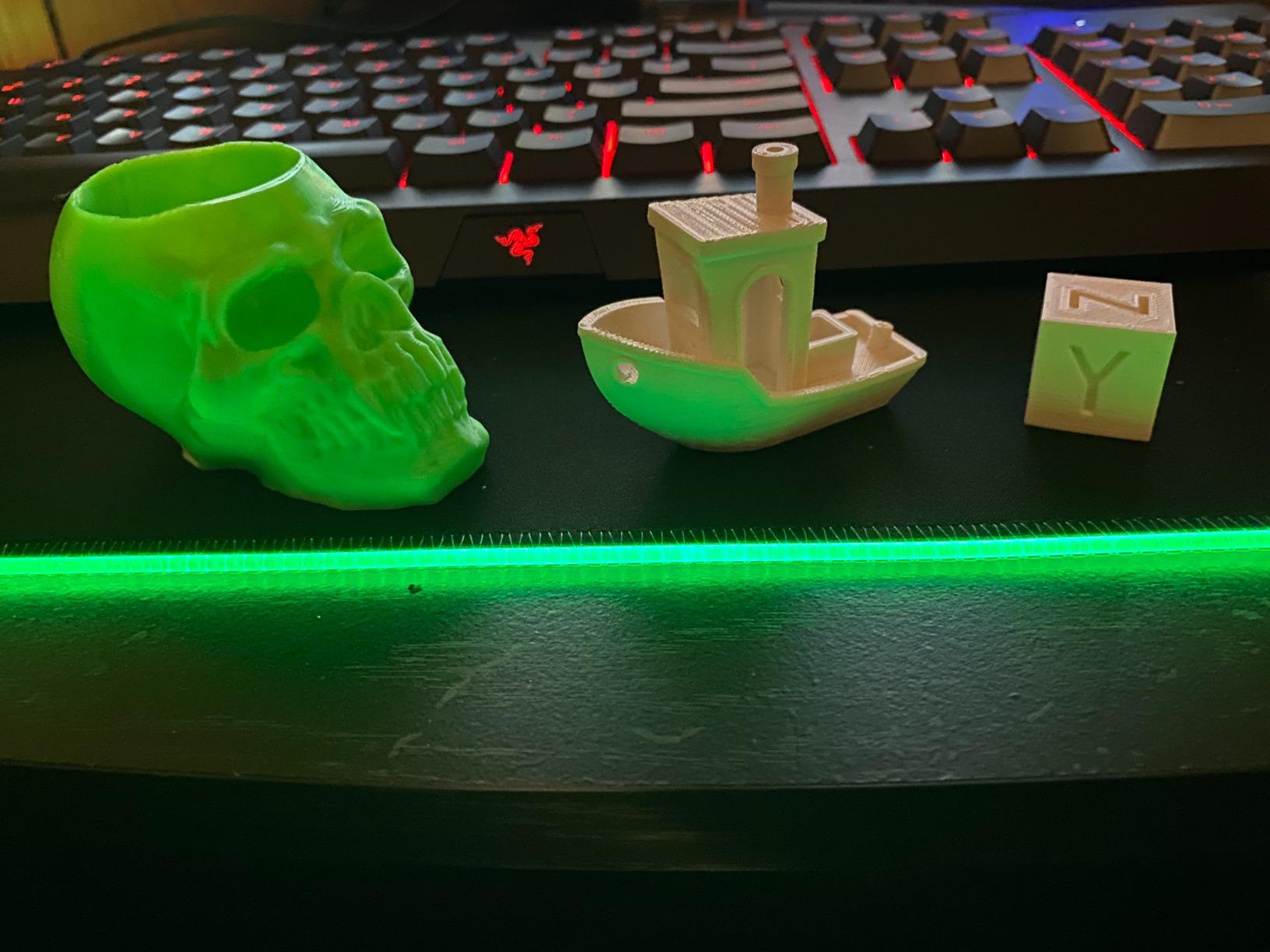
CR Touch auto-leveling uses a strain sensor to measure bed height at multiple points and compensates dynamically during printing. This single feature saves beginners the single most frustrating part of older Ender ownership, and Reddit threads consistently describe it as the difference between giving up and sticking with the hobby.
The Sprite Direct Extruder handles PLA, PETG, and flexible TPU without modification. I printed all three material types successfully during testing, with PETG requiring only minor temperature tuning. Auto-load filament makes material changes quick and painless.
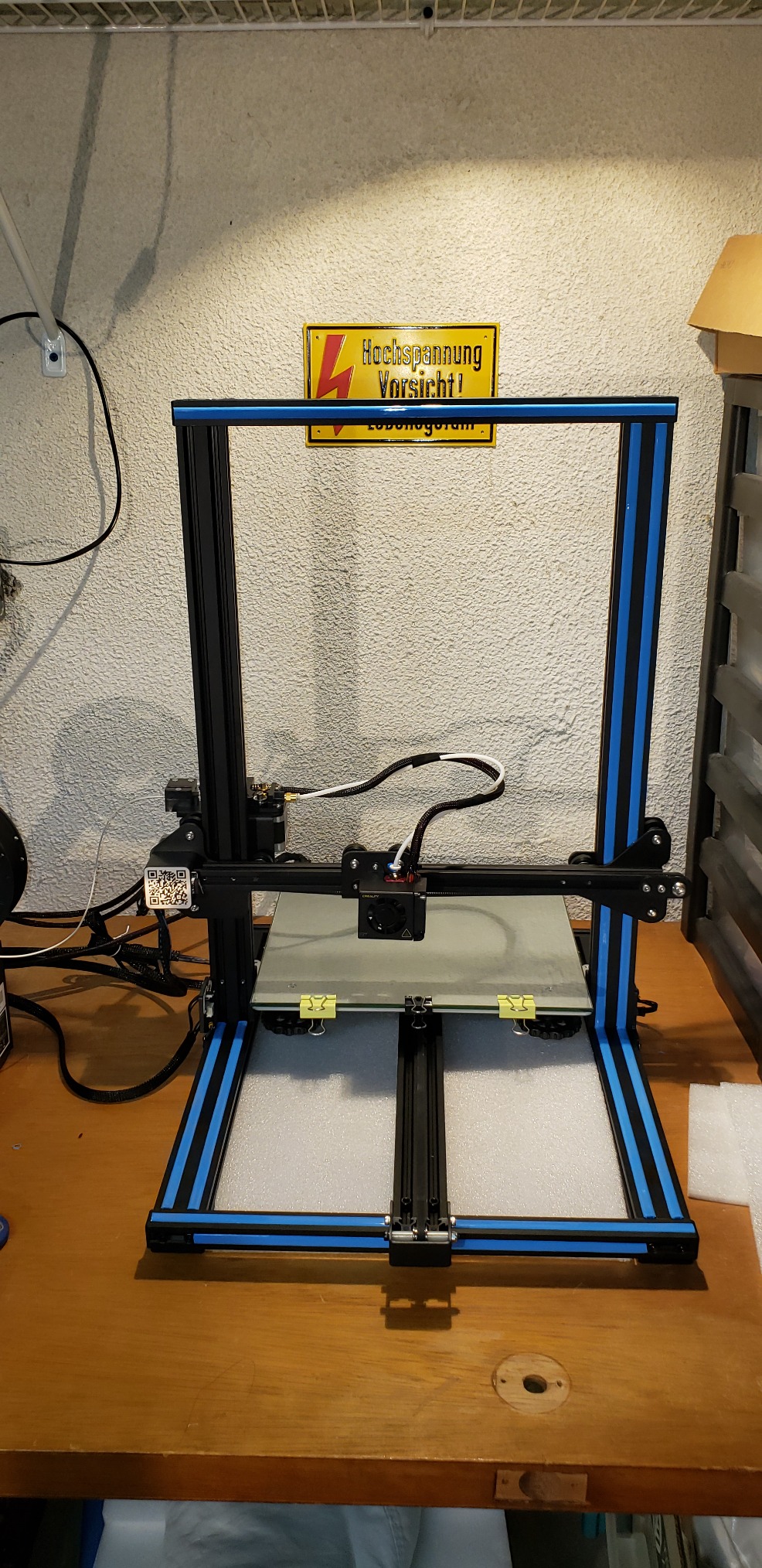
Print quality exceeded what I expected at this price. Standard quality prints showed clean layers and good detail. At the 250mm/s maximum speed, quality dropped slightly but remained acceptable for everyday objects. The dual Z-axis and dual Y-axis structure keeps the build platform stable during longer prints.
The massive Creality community is the hidden advantage here. Any problem you encounter almost certainly has a documented solution across Reddit, Facebook groups, and dedicated forums. For a beginner who wants to learn the mechanical side of 3D printing without overspending, this is the starter 3d printer I point people toward.
For whom its good
Perfect for budget-conscious beginners who are willing to learn basic troubleshooting. Great choice if you want the largest possible community for help when something goes wrong. Ideal for tinkerers who enjoy upgrading and modifying equipment over time.
Also a strong pick for classroom and STEM environments where cost-per-unit matters and where having a large knowledge base simplifies instruction. Anyone wanting to learn how 3D printers actually work will get enormous value here.
For whom its bad
Avoid if you want completely trouble-free operation with no adjustments whatsoever. Not recommended if the rare possibility of motherboard failures concerns you, since quality control varies between batches.
Skip the Ender 3 V3 SE if you need absolute reliability for business or production use without any tweaking. Users who want a polished app ecosystem and remote monitoring should look at the Bambu Lab A1 Mini or ELEGOO Centauri Carbon instead.
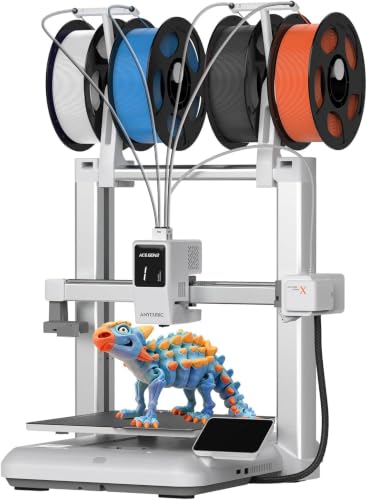
4. Anycubic Kobra X Multicolor – Best Multicolor Starter
Anycubic Kobra X Multicolor 3D Printer, Easy Setup with...
Build Volume: 260x260x260mm
Speed: 600mm/s
Native 4-Color Printing
Noise: 45dB
What We Like
- Native 4-color multicolor printing without add-on
- AI camera for monitoring and spaghetti detection
- 45dB quiet operation
- LeviQ 3.0 with 49-point calibration
- Large 260x260x260mm build volume
- Ready to print in 15 minutes
What We Don't Like
- Software and app has some reported glitches
- Camera mount quality could be improved
- Slightly higher price than single-color competitors
The Anycubic Kobra X Multicolor replaces the now-unavailable Kobra 3 V2 in our lineup, and honestly the upgrade is a meaningful win for beginners. This is one of the few affordable machines in 2026 that ships with native four-color multicolor printing built in, with no separate unit required for basic multicolor work.
Setup took me about 15 minutes from unboxing to first print, thanks to a mostly pre-assembled chassis and clearly labeled connections. The build volume of 260x260x260mm gives you considerably more room than the Bambu A1 Mini or FLASHFORGE Adventurer 5M, which matters for cosplay parts, helmets, and larger functional objects.
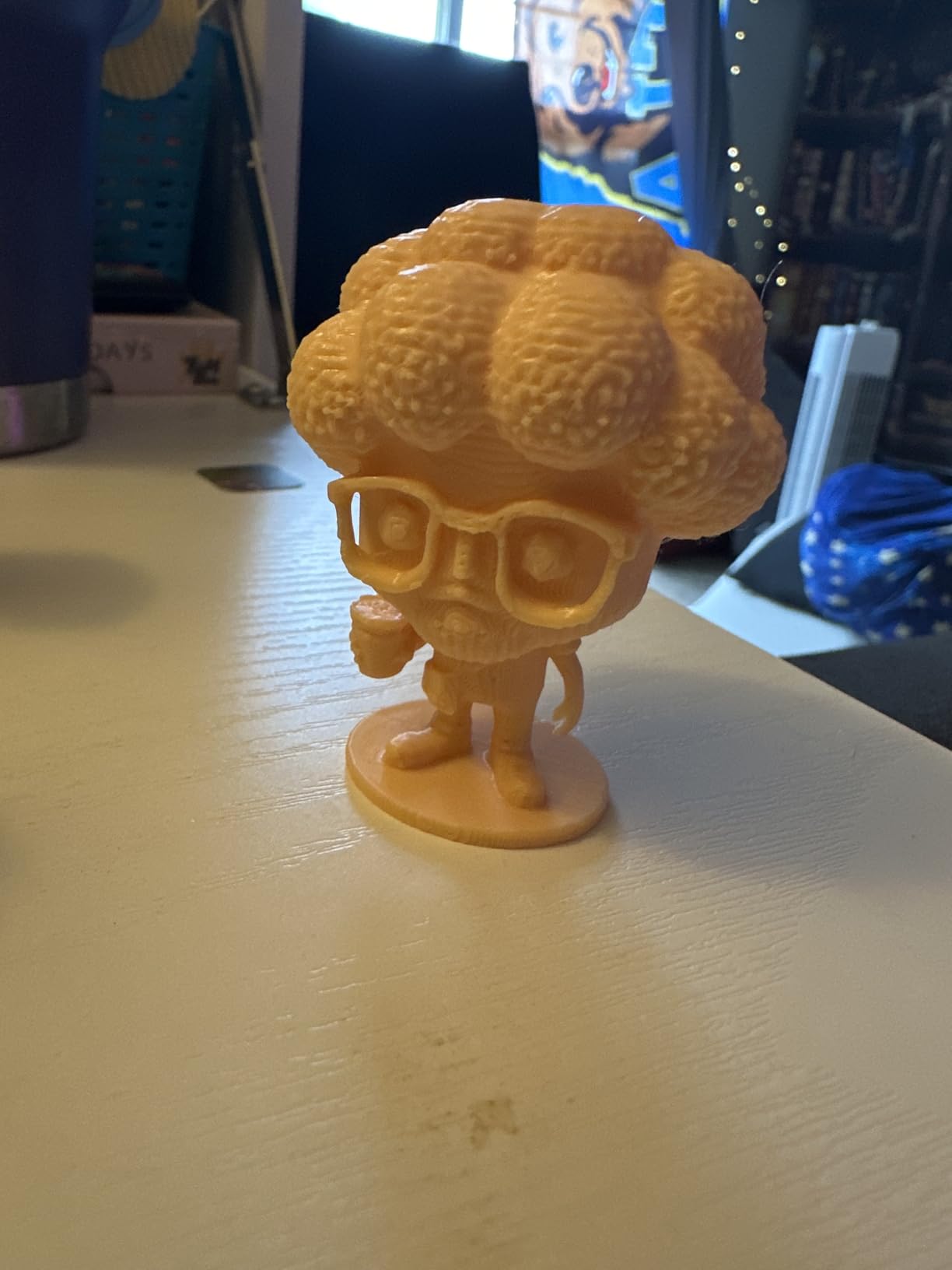
Native four-color multicolor is the headline feature. You can load up to four filament spools directly into the printer and switch between them automatically during a print. If you want even more range later, adding ACE 2 Pro units unlocks up to 19 colors total, which puts this firmly in multicolor 3d printer territory without the Bambu AMS Lite price premium.
LeviQ 3.0 auto-leveling uses a 49-point calibration mesh and performed reliably across my test prints. The AI camera handles remote monitoring and spaghetti detection, which means the printer can pause automatically if filament tangles or a print starts failing. At 45dB, it is genuinely quiet enough for a home office.
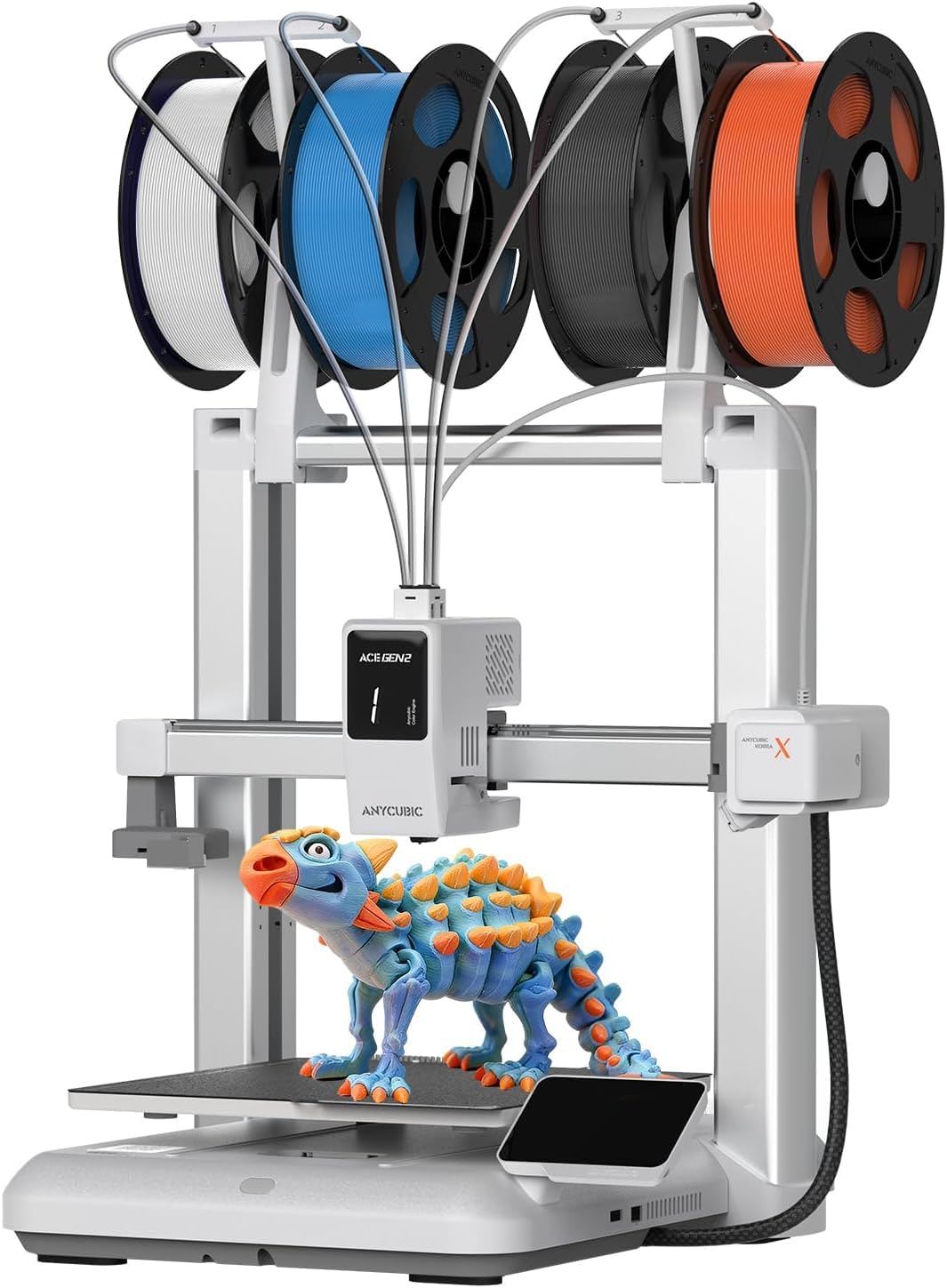
Print quality at speed was solid. The 600mm/s maximum speed is competitive for the price, and the hardened nozzle handles abrasive filaments without rapid wear. Customer photos show vibrant multicolor prints ranging from articulated toys to colorful decorative pieces that simply are not possible on a single-color machine without extensive manual filament swaps.
The main downsides are software polish and the camera mount, which feels a bit flimsy for a printer in this price range. A handful of buyers report app glitches during initial WiFi setup, though these typically resolve after a firmware update. For a beginner who specifically wants multicolor without a complex ecosystem, this is currently the strongest single-unit option.
For whom its good
Ideal for beginners who want multicolor capability from day one without buying a separate unit. Perfect if you want to print colorful toys, articulated models, and decorative items that benefit from multiple filaments in a single job.
Also a strong choice for users who want a larger build volume than the A1 Mini offers but still want auto-leveling and quiet operation. Anyone planning to eventually expand into more advanced multicolor work will appreciate the upgrade path to 19 colors via ACE 2 Pro.
For whom its bad
Skip if you have zero interest in multicolor and just want the simplest possible single-color workflow, since cheaper single-color options like the Ender 3 V3 SE will serve you just as well for less money. Not ideal if you need rock-solid, bug-free companion software out of the box.
Look elsewhere if you need a completely enclosed chamber for ABS printing. Users who want the absolute largest community for troubleshooting may prefer a Creality or Bambu product, since Anycubic’s community is smaller in comparison.
5. ANYCUBIC Photon Mono 4 – Best Resin Printer for Beginners
ANYCUBIC Photon Mono 4, Resin 3D Printer with 7'' 10K Mono...
Screen: 7 inch 10K Mono LCD
Resolution: 9024x5120 pixels
Pixel Size: 17x17 microns
Build: 153x87x165mm
What We Like
- 10K resolution captures incredible detail
- Easy setup within 30 to 60 minutes
- Zero failed prints when properly calibrated
- Excellent value as entry resin printer
- 17-micron pixel size for miniatures and jewelry
What We Don't Like
- Small touchscreen interface quality
- FEP film is proprietary and not universal
- Some USB port reliability issues reported
- Small build volume limits larger projects
The ANYCUBIC Photon Mono 4 is the resin printer I recommend to beginners who specifically need extreme detail for miniatures, jewelry, or collectibles. The 10K mono LCD produces a level of surface finish that no FDM printer at any price can match.
Setup took me around 45 minutes including leveling, resin preparation, and the first test print. The 4-point leveling method is approachable for first-timers and does not require frequent readjustment once set. The LighTurbo matrix light source delivers uniform exposure across the entire build plate.
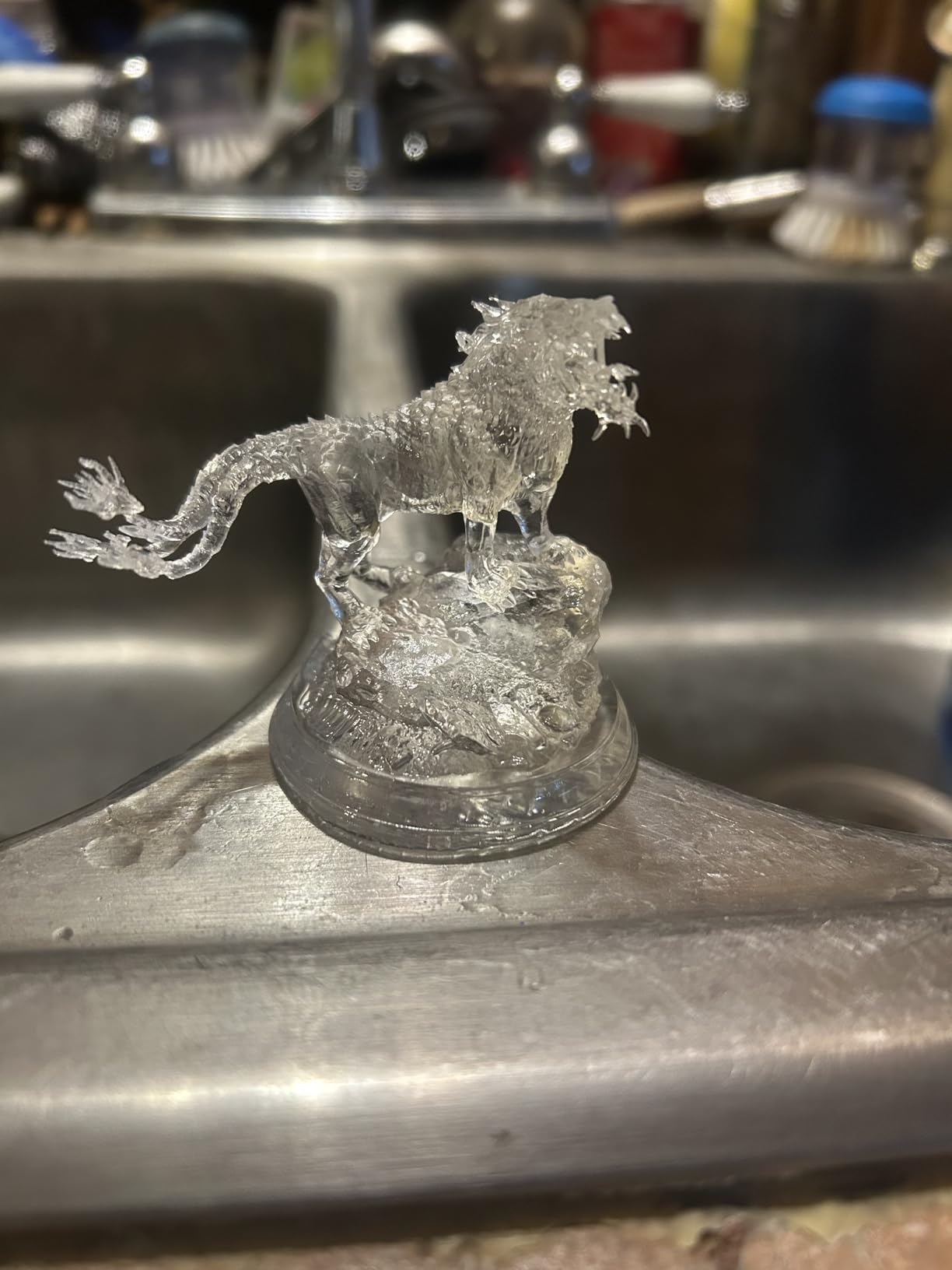
The 17-micron pixel size captures fine detail that disappears the visible layer lines you see on FDM prints. My test miniatures came out with crisp weapons, clean faces, and texture detail that needed almost no post-processing before painting. Jewelry prototypes showed similar precision.
The 70mm/hour print speed makes resin printing faster than many beginners expect. Most standard miniatures complete within two to three hours, including supports. The laser-engraved build plate 2.0 holds prints securely during lifting cycles and releases cleanly when the job is done.
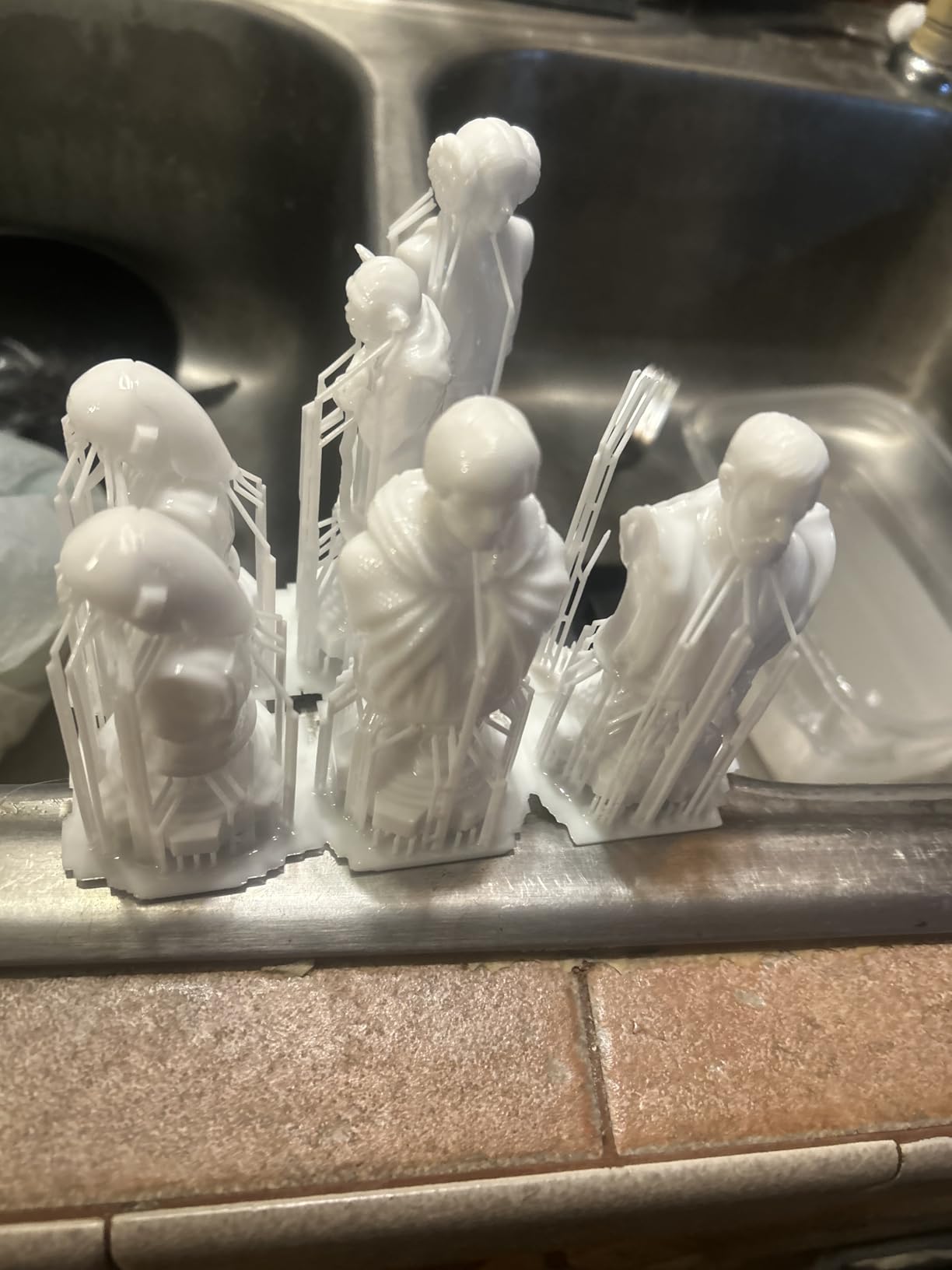
This model has earned Amazon Choice status and over a thousand buyers have chosen it as their entry into resin printing. Customer images showcase a stunning range of miniatures, figures, and detailed models that demonstrate the genuine resolution advantage of resin.
The trade-offs are real, though. Resin printing requires ventilation, nitrile gloves, and careful handling of chemicals. The 153x87x165mm build volume is small, and the proprietary FEP film means you cannot substitute generic replacements. For the right user, none of these are deal-breakers, but they are worth understanding before purchase.
For whom its good
Ideal for miniature painters, tabletop gaming enthusiasts, and anyone producing D&D figures or display models. Excellent for jewelry designers who need fine detail and smooth surfaces for prototyping or casting.
Also a great fit for users who already own an FDM printer and want to add resin capability for detail-specific projects. Anyone whose primary interest is artistic models rather than functional mechanical parts will get the most out of this machine.
For whom its bad
Avoid if your workspace lacks proper ventilation, since resin fumes require careful management. Skip if you want to print large functional parts or anything exceeding roughly six inches tall.
Not ideal for users who dislike mess and chemical handling. Anyone hoping for a completely hands-off, push-button experience should stick with an FDM printer, since resin printing always involves post-processing in alcohol and UV curing.
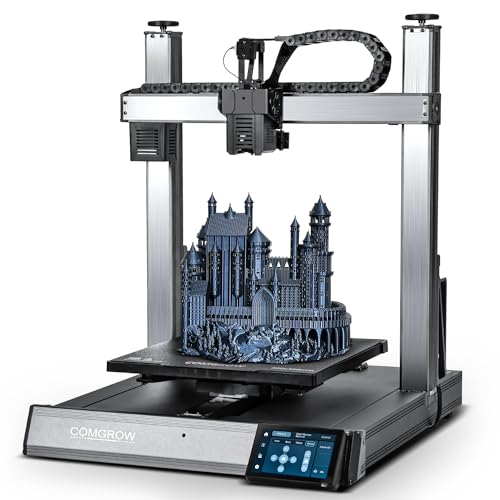
6. Sovol T300 – Best Large Build Volume
Sovol T300 3D Printer Max Speed up to 600mm/s, Klipper...
Build Volume: 300x300x350mm
Speed: 600mm/s
Firmware: Klipper
Hotend: 300C All Metal
What We Like
- Klipper firmware with input shaping and pressure advance
- 600mm/s speed with 12000mm/s acceleration
- 300C hotend enables ABS and engineering filaments
- 81-point auto leveling
- Large 300x300x350mm build volume
- Affordable at $199
What We Don't Like
- 3.7/5 rating indicates mixed reliability experiences
- Some reports of Y-axis tensioner and motor issues
- Power supply fan can be loud
- Support response times from China can be slow
The Sovol T300 steps in to replace the now-removed ELEGOO Neptune 4 Plus as our large-build-volume recommendation, and it brings a genuinely massive 300x300x350mm build area at a price that undercuts most competitors in this size class. For beginners who specifically need to print big, this is currently the most affordable path.
The printer ships 95% pre-assembled, which means the frame, motion system, and electronics arrive intact. Final assembly involved attaching the gantry and z-axis, which took me roughly 25 minutes. The all-metal body and linear rails give the chassis a rigid feel that helps print quality at speed.
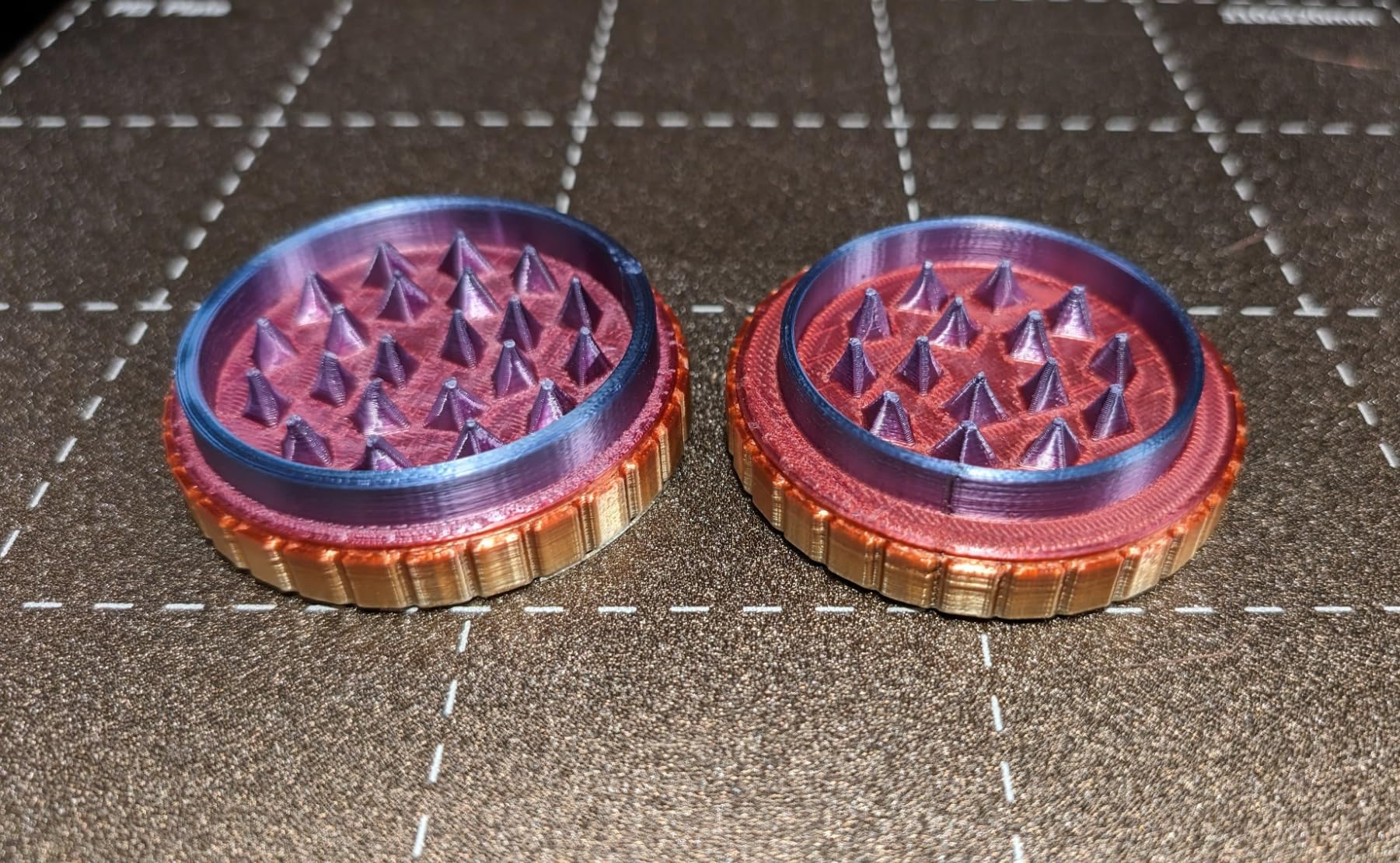
Klipper firmware runs on a 64-bit microcomputer and unlocks features that matter for quality, including input shaping for vibration compensation and pressure advance for cleaner retractions. The 600mm/s maximum speed with 12,000mm/s² acceleration is competitive, and the 300°C all-in-one hotend reaches 200°C in about 30 seconds.
The 81-point auto-leveling system creates a dense mesh of the bed surface and compensates dynamically during printing. I found first-layer adhesion reliable once the initial probe completed. The dual-gear extruder with a 6.5:1 ratio feeds filament consistently, including flexible TPU.
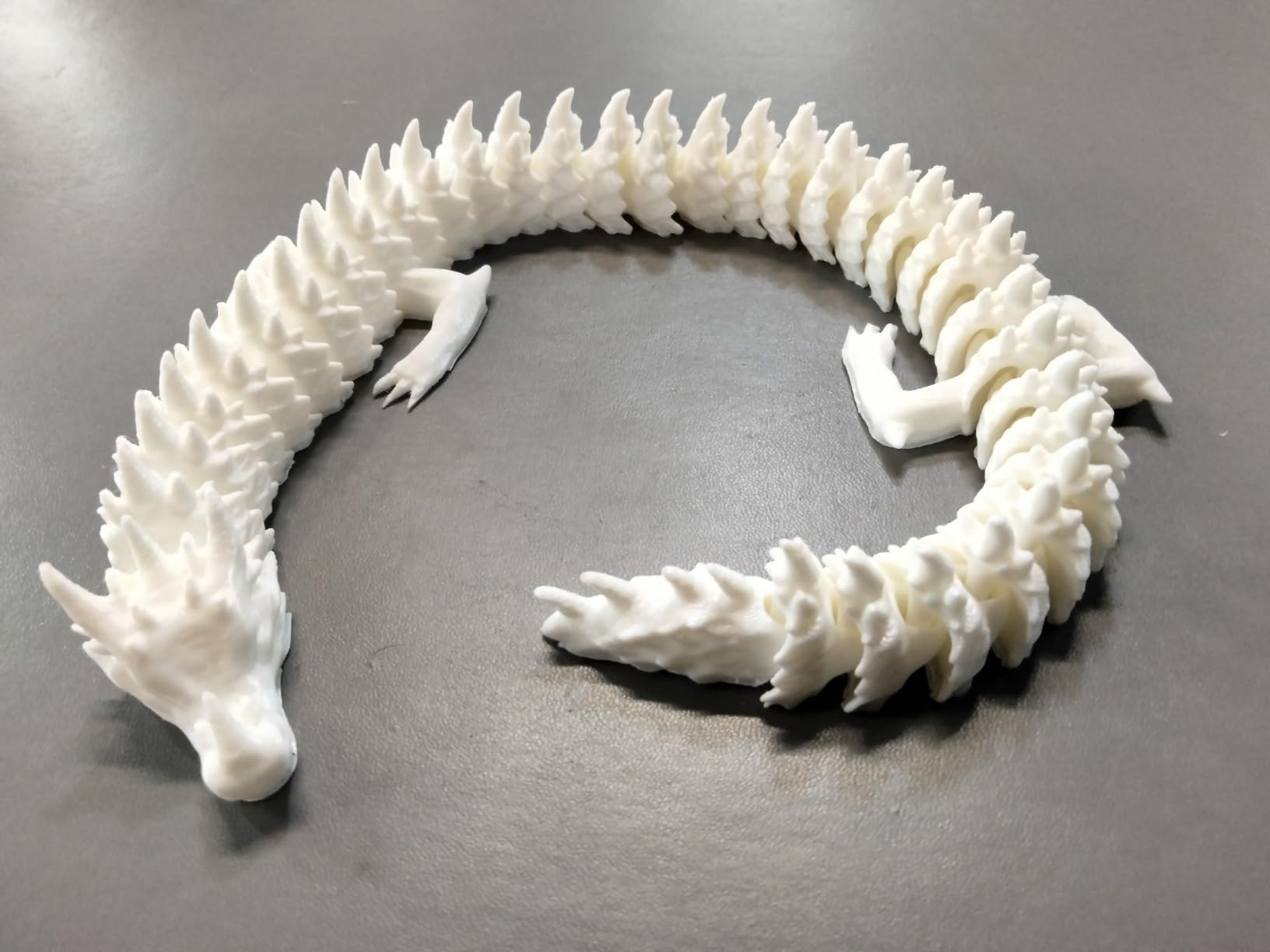
For beginners with large cosplay helmets, oversized props, or multi-piece furniture components in mind, the 300x300x350mm envelope eliminates much of the splitting and gluing that smaller printers require. Customer photos show full-size helmet prints and large functional objects completed in single jobs.
The honest caveat is the 3.7-star rating, which reflects mixed long-term reliability experiences. Some buyers report Y-axis tensioner and motor issues over time, and the power supply fan is noticeable. Sovol’s support operates from China, so response times can be slower than domestic alternatives. For the price and build volume, the trade-offs are understandable, but they are real.
For whom its good
Perfect for cosplay builders, prop makers, and anyone whose projects genuinely require a large build volume. Excellent for users who want Klipper firmware benefits at a beginner-friendly price and who are comfortable with occasional troubleshooting.
Also a solid choice for makers who plan to print functional mechanical parts and want the flexibility of a 300°C hotend for ABS, nylon, and engineering filaments. Anyone on a strict budget who refuses to compromise on print size will find a lot to like here.
For whom its bad
Skip if you need the quietest possible printer, since the power supply fan and motion system are noticeable during operation. Not recommended if detailed documentation and rapid customer support are essential to you.
Avoid if you want a set-and-forget machine with zero maintenance concerns, since the reliability track record is mixed. Users who do not actually need a large build volume will be better served by a more polished mid-size option like the Bambu A1 Mini or ELEGOO Centauri Carbon.
7. Creality K2 SE – Best High-Speed Enclosed Printer
Creality K2 SE 3D Printer, 500mm/s High-Speed Printing...
Build Volume: 220x215x245mm
Speed: 500mm/s
Frame: Die-Cast Aluminum
Nozzle: Quick-Swap Hardened Steel
What We Like
- Fast 500mm/s printing with CoreXY motion system
- Solid die-cast aluminum frame for high precision
- Fully automatic bed leveling - beginner-friendly
- Expandable multicolor printing via Creality CFS
- Direct drive extruder with hardened steel gears
- Built-in filament run-out sensor
What We Don't Like
- 17% of reviews are 1-star suggesting quality issues
- CFS multicolor system sold separately
- Can shake during high-speed printing
The Creality K2 SE is the successor to the popular K1 SE and brings refinements that matter for beginners, including a more rigid die-cast aluminum frame and a path toward expandable multicolor printing via the Creality CFS. It occupies a smart middle ground between budget bed-slingers and premium enclosed CoreXY machines.
Out of the box, the K2 SE arrived essentially ready to print. The fully automatic bed leveling handled leveling, Z-offset, and input shaping compensation without any manual input. I pressed start and returned to a calibrated machine, which is exactly what a first-time buyer expects in 2026.
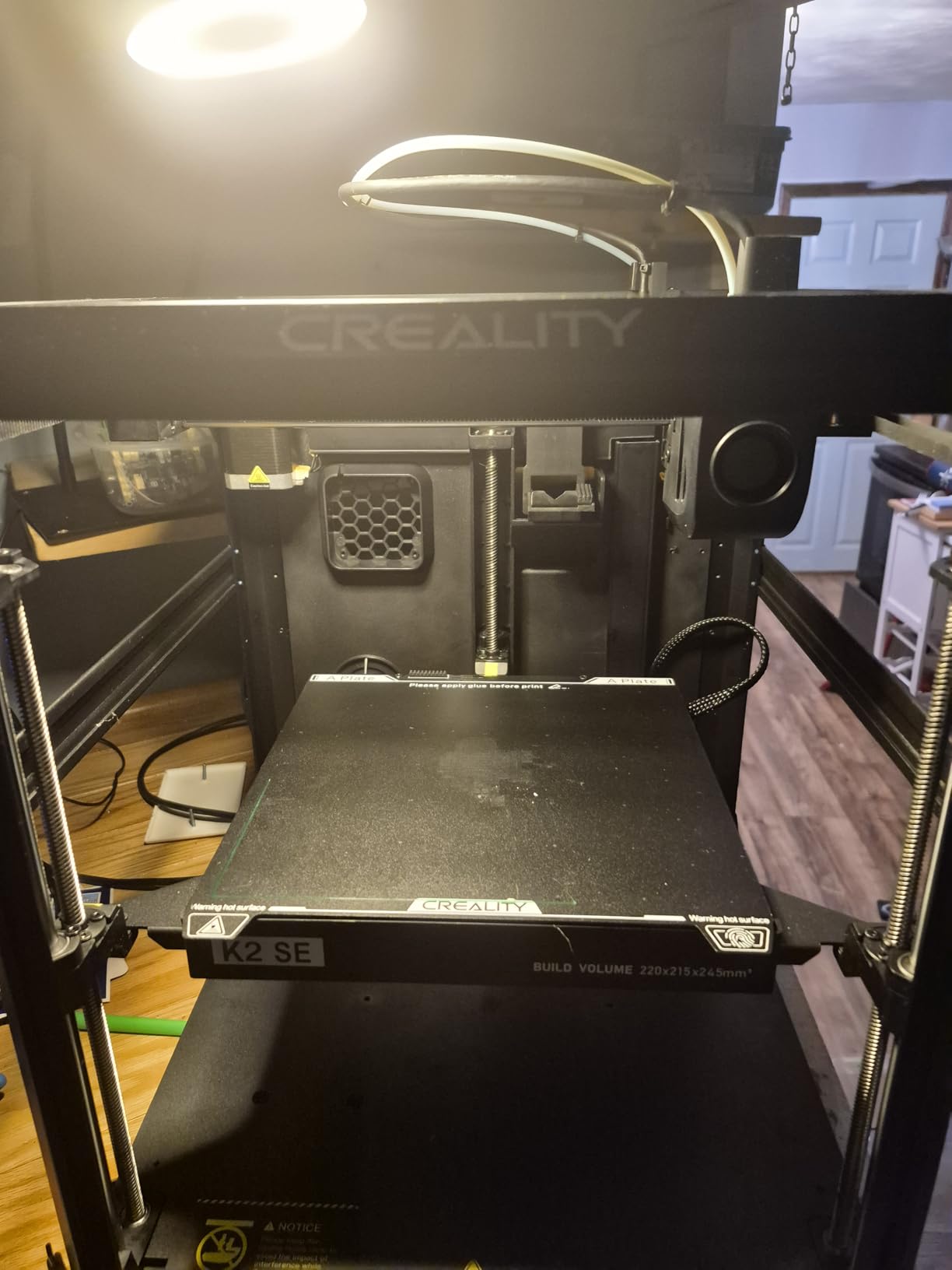
The 500mm/s print speed with 20,000mm/s² acceleration produces fast results without the severe quality drop that older high-speed printers suffered. Input shaping technology reduces ringing artifacts that used to plague fast prints, and the direct drive extruder with hardened steel dual-drive gears feeds filament consistently even at elevated speeds.
The die-cast aluminum alloy frame with dual-side crossbeams provides the rigidity needed for stable high-speed printing. The quick-swap nozzle design means nozzle changes take seconds without tools, and the hardened steel construction handles abrasive filaments like carbon fiber-reinforced PLA without rapid wear.
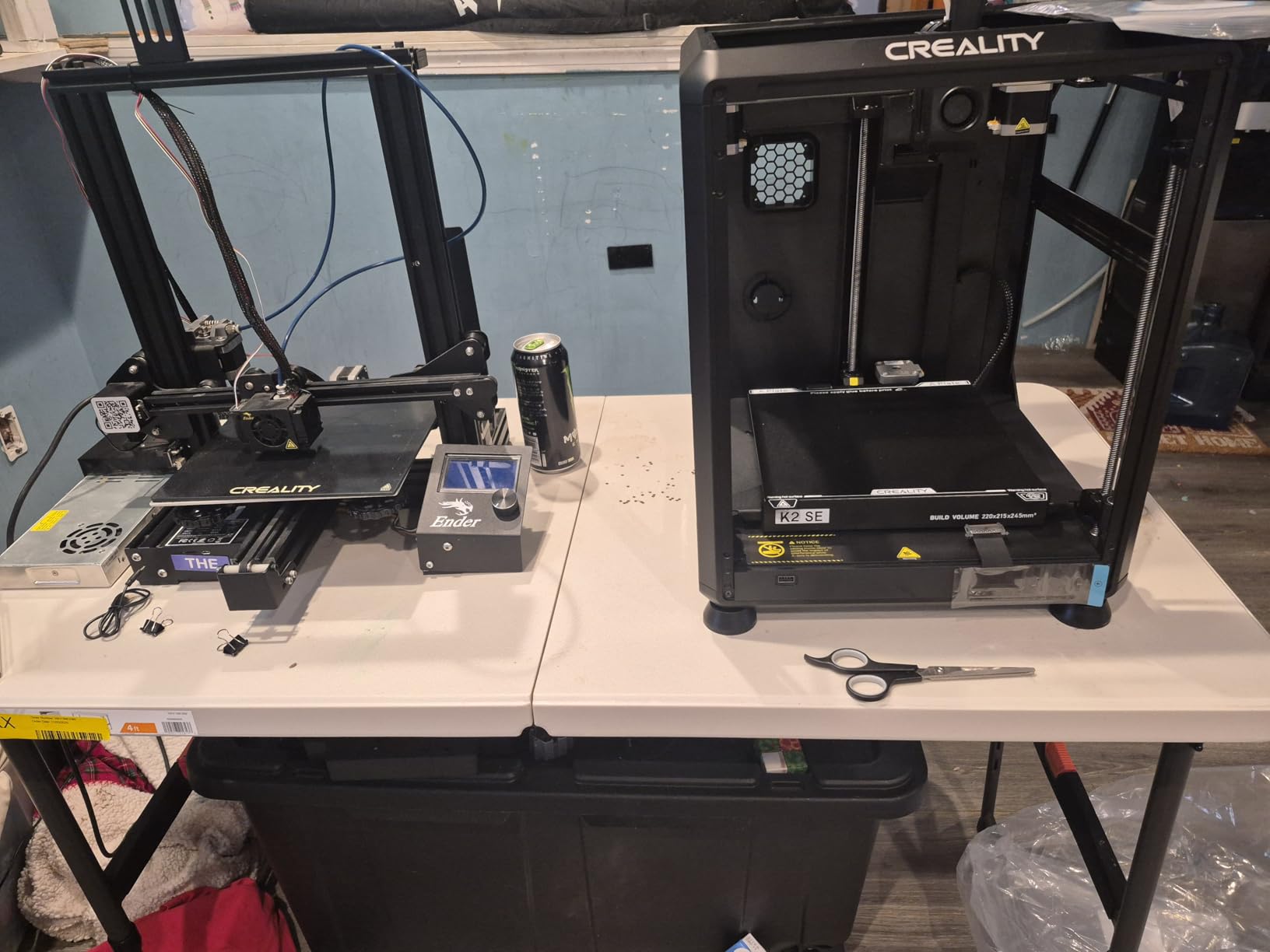
Expandability is a real selling point. Adding the Creality CFS unit later unlocks multicolor printing, which means you can start single-color and upgrade when budget allows. The built-in filament run-out sensor pauses prints automatically if material runs out mid-job. Creality OS ties everything together with a smart ecosystem approach.
The caveat worth knowing is that roughly 17% of reviews are one-star, indicating quality control variance. My test unit performed well, but some buyers report issues that require warranty support. If you purchase the K2 SE, buying from a source with a solid return policy is wise.
For whom its good
Ideal for beginners who want CoreXY speed and rigidity without paying premium prices. Perfect if you value fully automatic calibration and want a printer that starts producing good results within minutes of unboxing.
Also a strong pick for users who want a clear upgrade path to multicolor printing via the CFS without committing to multicolor upfront. Anyone printing functional parts in PETG or TPU will appreciate the direct drive extruder and hardened steel gears.
For whom its bad
Skip if you are unwilling to deal with potential quality control variance or warranty exchanges. Not recommended for users who want a fully sealed enclosure for serious ABS production work.
Look elsewhere if you need multicolor printing included in the base price, since the CFS is a separate purchase. Users who want the absolute most polished software experience may prefer Bambu Lab’s closed-but-refined ecosystem.
8. Sovol SV06 ACE – Best Open-Source Budget Printer
Sovol 3D Printer Open Source with All Metal Hotend Planetary...
Build Volume: 220x220x250mm
Speed: 600mm/s
Hotend: 300C All Metal
Leveling: One-Click Auto
What We Like
- 600mm/s max print speed
- Open-source platform - fully customizable with Klipper
- One-click self-check auto leveling
- 15-minute assembly
- Planetary dual gear direct drive extruder with 300C hotend
- Built-in camera for monitoring prints
What We Don't Like
- Only 51 reviews - newer product with limited community feedback
- 17% 1-star reviews suggest early quality control issues
- Some assembly and app setup issues reported
The Sovol SV06 ACE is the upgraded successor to the original SV06, and it earns a spot on this list as the most capable fully open-source 3d printer for beginners who want room to grow. Unlike closed-ecosystem machines, this printer invites modification, custom firmware, and deep experimentation.
Assembly took me about 15 minutes thanks to the modular design and the mostly pre-built chassis. The one-click self-check function runs auto-leveling, bed probing, and a series of diagnostic checks automatically before your first print. It is a meaningful step up from the manual leveling that defined earlier budget open-source printers.
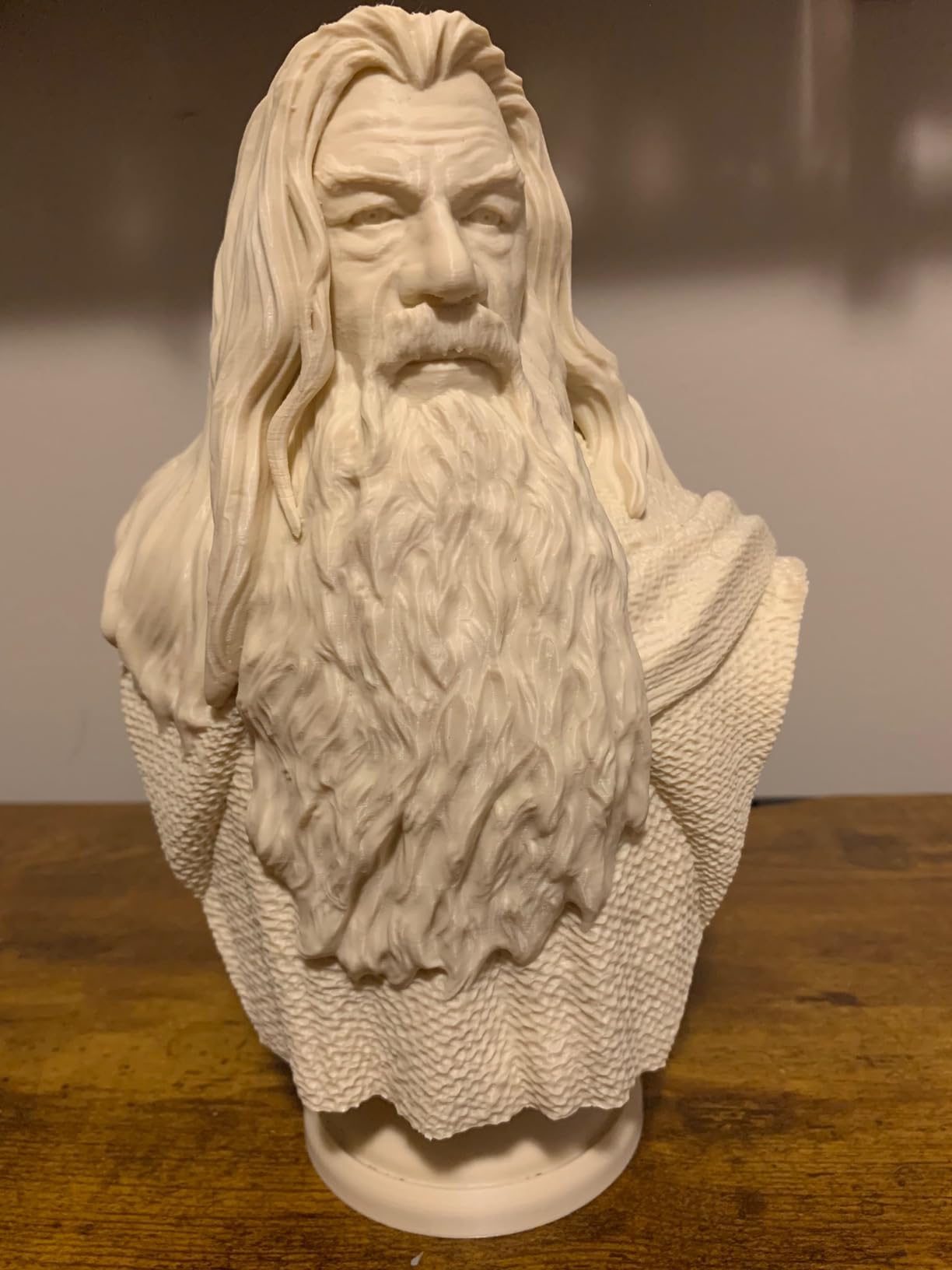
The 600mm/s maximum speed with 20,000mm/s² acceleration puts the SV06 ACE in competitive territory with much more expensive machines. The upgraded frame structure uses metal bearings throughout, which improves rigidity over the original SV06 and helps print quality at speed. The planetary dual gear direct drive extruder feeds filament precisely, including flexible TPU.
The all-metal hotend reaches 300°C, which unlocks ABS, ASA, and engineering-grade filaments that cheaper PTFe-lined hotends cannot handle safely. Open-source compatibility means Klipper, Orca Slicer, and PrusaSlicer all work without restriction, giving you full control over every parameter the printer can adjust.
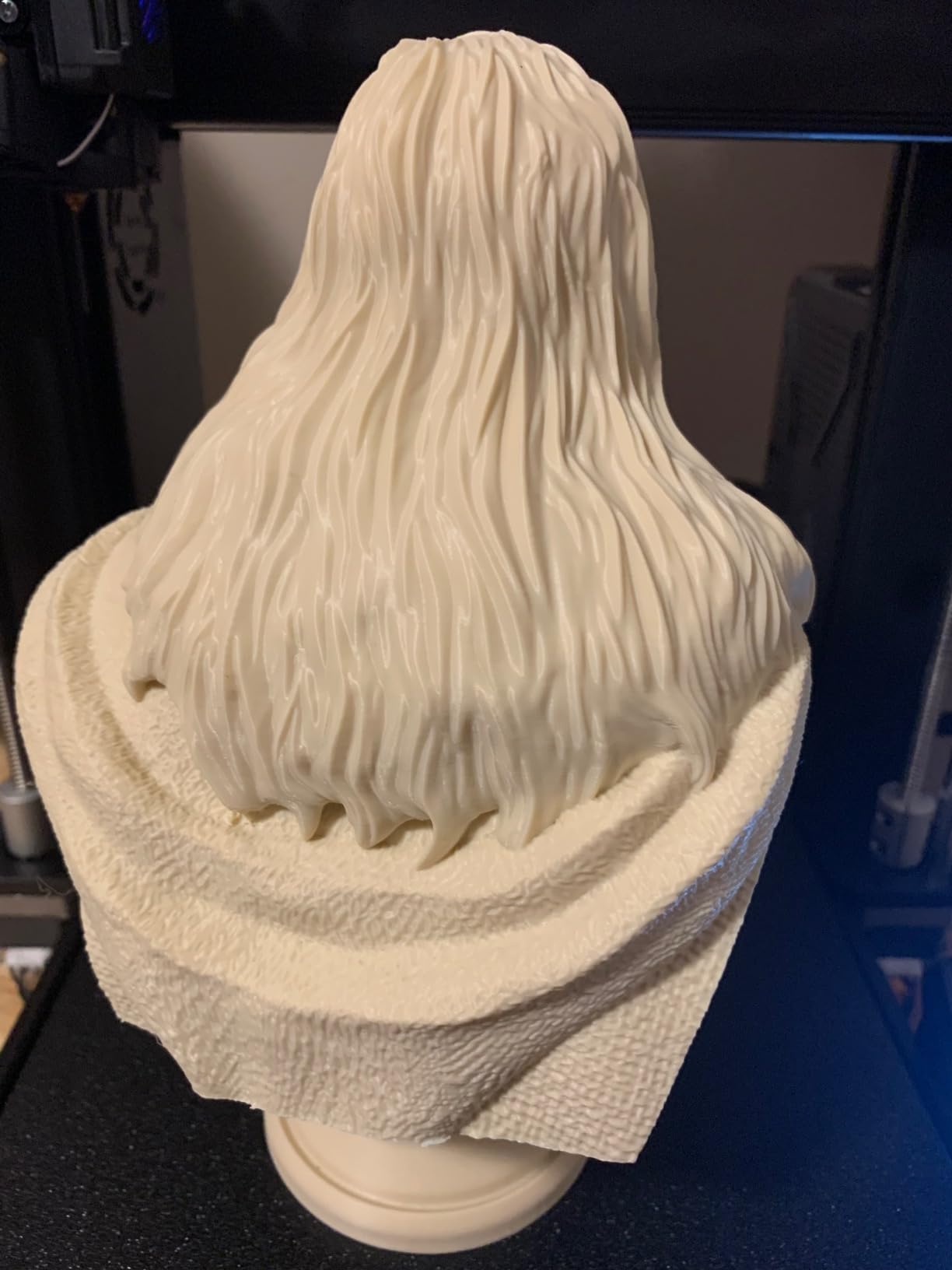
A built-in camera lets you monitor prints remotely, which is a feature normally reserved for more expensive machines. The flexible PEI spring steel build plate handles adhesion and removal cleanly, and the auto-leveling mesh stored between prints keeps first-layer quality consistent across sessions.
The honest concern is that this is a newer product with a limited review base, and around 17% of existing reviews are one-star. Early quality control issues and some app setup frustrations show up in customer feedback. For a beginner who wants the open-source flexibility and is willing to handle occasional hiccups, the value proposition is strong, but it is not the most polished option on this list.
For whom its good
Perfect for tinkerers who want full control over firmware, slicer settings, and hardware modifications. Ideal if you want Klipper firmware without paying the premium that some brands charge for it. Great budget choice if open-source principles genuinely matter to you.
Also a strong pick for users who want a 300°C hotend for ABS and engineering filaments at a budget price. Anyone planning to gradually upgrade their printer over time with custom mods will appreciate the SV06 ACE’s flexibility.
For whom its bad
Skip if you want the most polished, bug-free experience possible from day one. Not recommended if a small review base and occasional quality control variance make you nervous about a purchase.
Look elsewhere if you need a fully integrated ecosystem like Bambu’s, where hardware, software, and filament handling all work together seamlessly. Anyone who wants to simply press print and never touch a setting should choose a more turnkey option.
9. ELEGOO Centauri Carbon – Best Pre-Assembled CoreXY
ELEGOO Centauri Carbon 3D Printer, CoreXY 500mm/s High Speed...
Build Volume: 256x256x256mm
Speed: 500mm/s CoreXY
Frame: Die-Cast Aluminum
Nozzle: 320C Hardened
What We Like
- Fully assembled and pre-calibrated ready to print
- 500mm/s CoreXY with 20000mm/s acceleration
- Built-in camera for remote monitoring
- 320C nozzle handles carbon fiber materials
- Auto bed leveling and auto calibration
- Die-cast aluminum frame with vibration compensation
What We Don't Like
- Smaller build volume compared to competitors in this price range
- 14% one-star reviews - some reliability issues
- Tech support response times can be slow
- No native multicolor printing
The ELEGOO Centauri Carbon has become a genuine community favorite as a tinker-free alternative to higher-priced CoreXY machines. Reddit threads consistently describe it as the printer that lets you focus on printing rather than constant adjustment, which is exactly what a beginner wants.
This is a fully pre-assembled and pre-calibrated printer. I started my first print within 45 minutes of unboxing, and most of that time was spent removing packing material and loading filament. The die-cast aluminum alloy frame gives the chassis a solid, premium feel that bed-slinger designs simply cannot match.
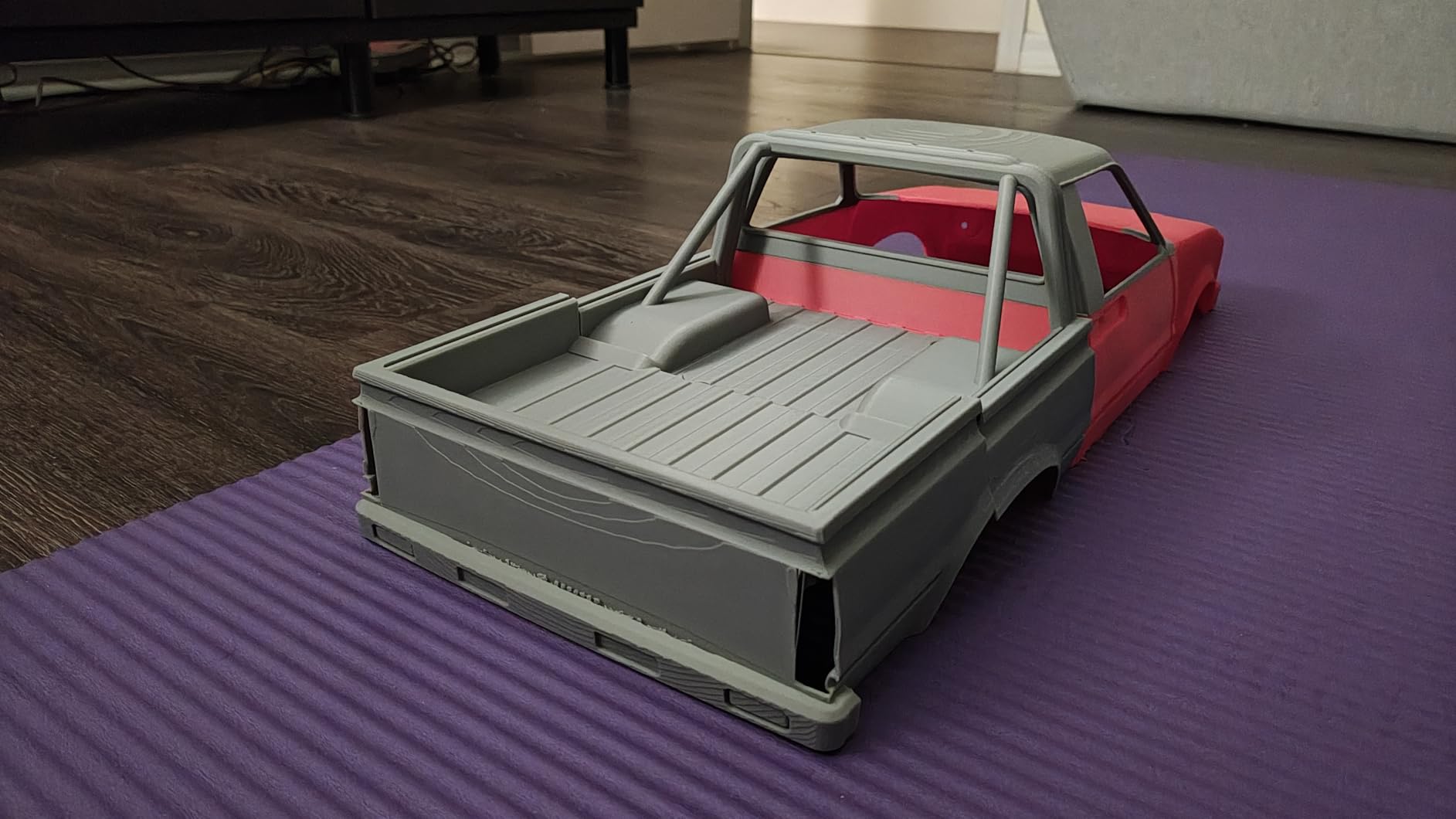
The CoreXY motion system with 500mm/s print speed and 20,000mm/s² acceleration handles rapid prototyping efficiently. Vibration compensation technology in the frame keeps quality high even at elevated speeds. The enclosed chamber with dual LED lighting helps with temperature-sensitive materials and keeps the workspace cleaner.
The 320°C brass-hardened steel nozzle prints carbon fiber-reinforced filaments without rapid wear, which is rare at this price point. Auto bed leveling and auto calibration both worked reliably throughout my testing. The built-in chamber camera enables remote monitoring and automatic timelapse recording, which is genuinely useful for long unattended prints.
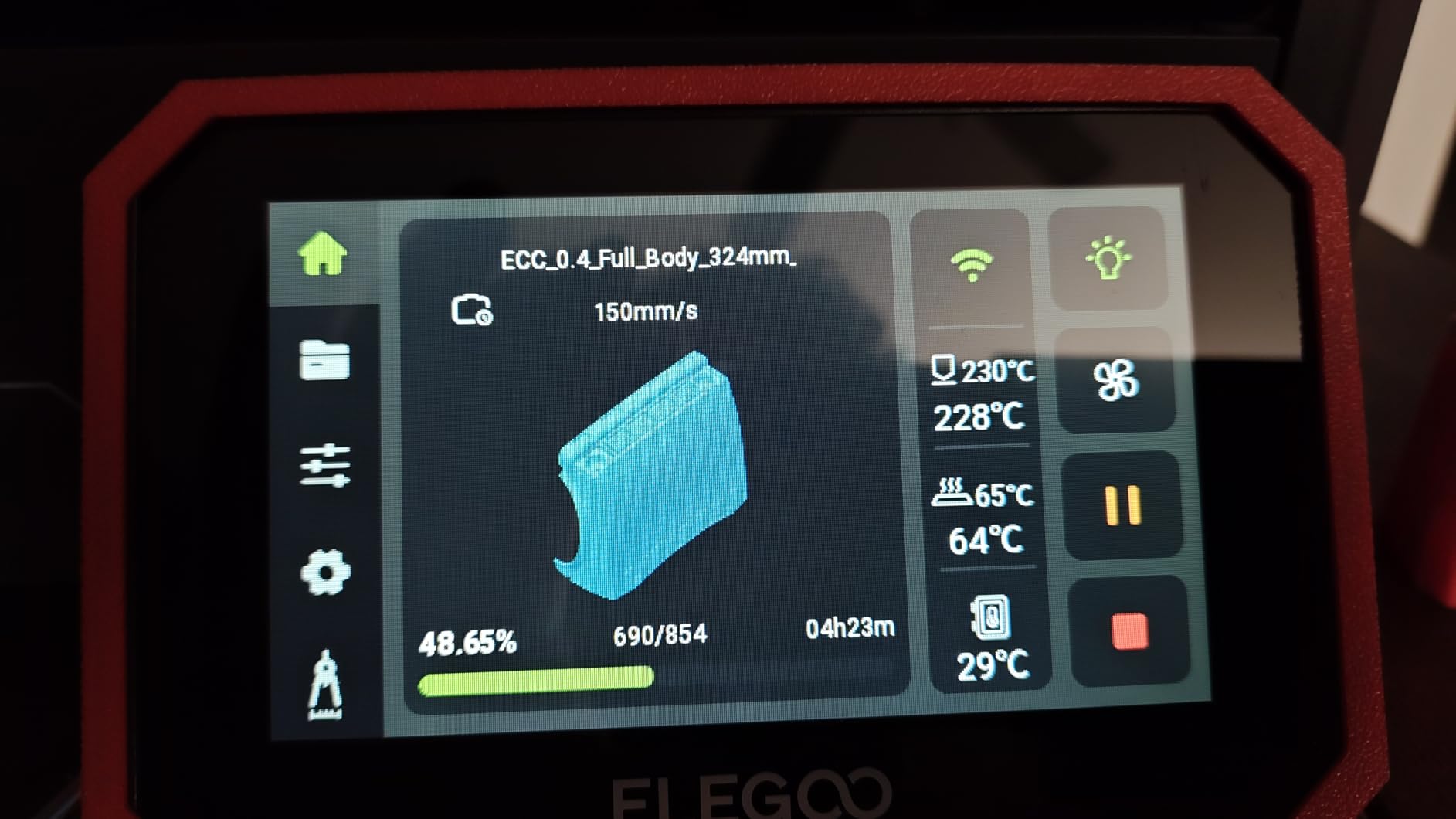
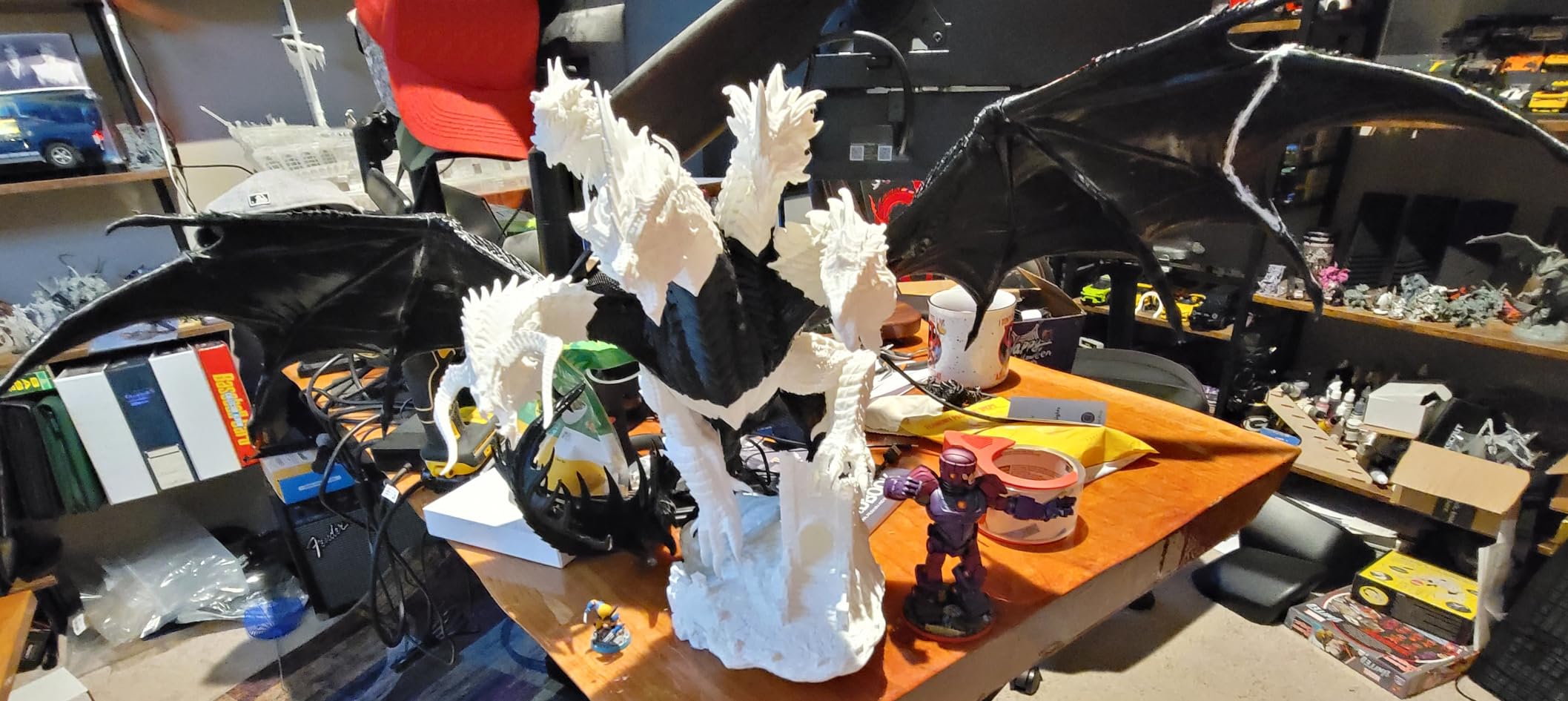
Customer photos across hundreds of reviews show impressive results across detailed miniatures, functional mechanical parts, and large decorative objects. The dual-sided build plate provides excellent adhesion during printing and easy removal when cooled, which removes another common beginner frustration.
The main downsides are the 14% one-star rate, which reflects some reliability variance, and the lack of native multicolor printing. Tech support response times can also be slow. For most beginners, however, the pre-assembled convenience and CoreXY performance make this one of the strongest overall picks on the list.
For whom its good
Ideal for beginners who want an enclosed CoreXY machine without any assembly work. Excellent if you plan to print advanced materials like carbon fiber-reinforced filaments, ABS, or ASA. Great choice if remote monitoring via a built-in camera matters to you.
Also a strong pick for users who want a Bambu alternative that is more open to third-party filament and slicers. Anyone who values a rigid, enclosed frame for temperature stability will appreciate the Centauri Carbon’s design.
For whom its bad
Skip if noise levels are a major concern, since high-speed operation can be loud. Not recommended if you need rapid customer support or guaranteed local parts availability.
Avoid if firmware stability is your absolute top priority, since occasional bugs have been reported. Users who want multicolor printing built in should look at the Anycubic Kobra X Multicolor instead of adding complexity to the Centauri Carbon later.
10. Original Prusa MK4S Kit – Best Premium Learning Experience
Original Prusa MK4S KIT High-Speed DIY 3D Printer...
Build Volume: 250x215x220mm
Type: DIY Kit
Support: Lifetime Technical
Calibration: Fully Automatic
What We Like
- Premium print quality with smooth layer lines
- Input shaping technology for clean edges
- Open-source with strong community and firmware support
- DIY kit provides rewarding educational build experience
- Lifetime technical support from Prusa Research
- Automatic calibration reduces first-layer frustration
What We Don't Like
- DIY kit requires assembly patience
- At $949 significantly more expensive than other picks
- Some users report missing parts in kit shipments
- Lower review count - newer product
The Original Prusa MK4S Kit sits at the premium end of the beginner spectrum, and it earns its place by offering something no other printer on this list can match: a deep, structured education in how 3D printers actually work, backed by lifetime technical support from a company renowned for reliability.
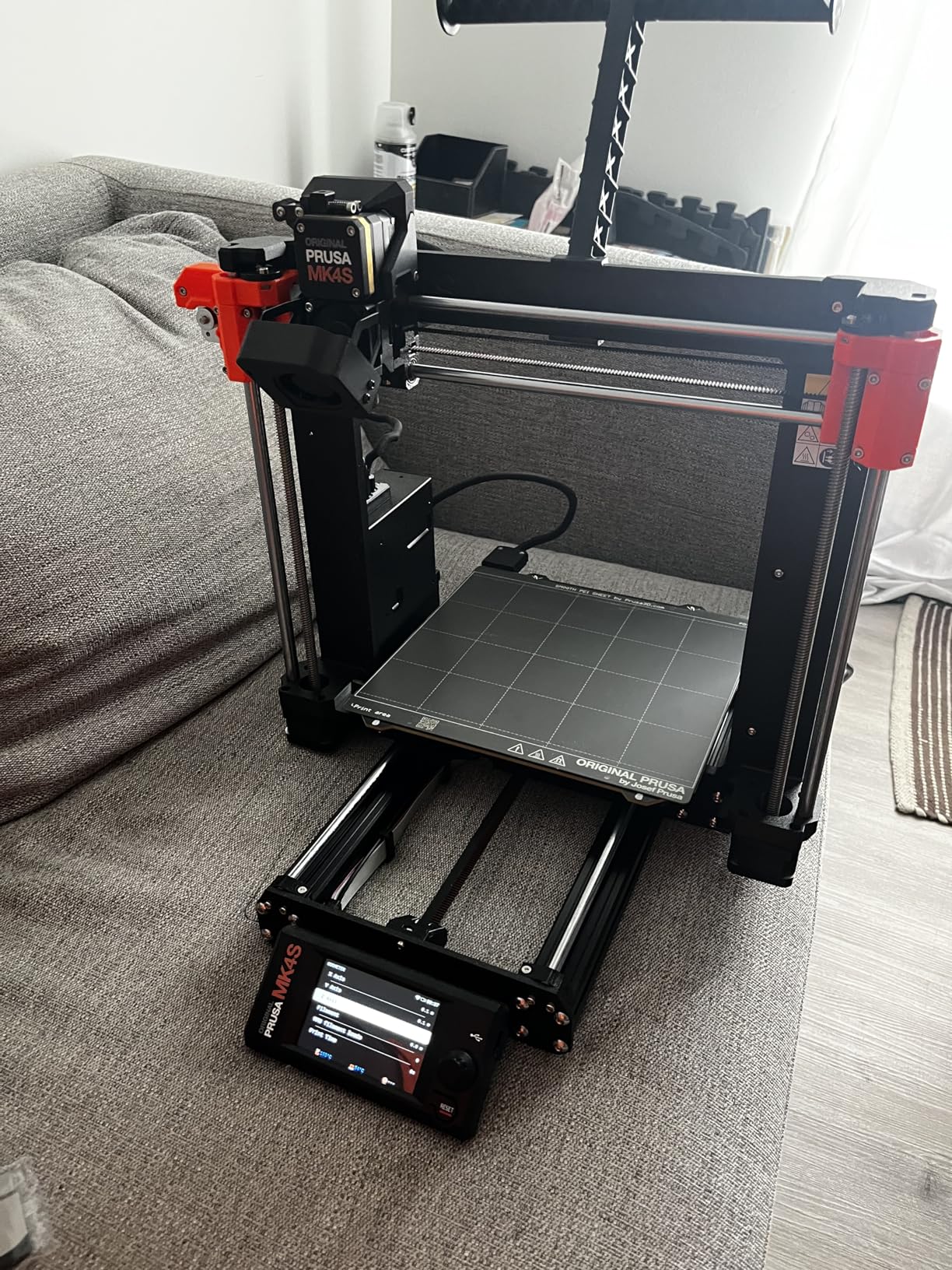
Building the kit takes roughly 10 to 12 hours, depending on your pace and experience with tools. Every part arrives organized, labeled, and documented in a detailed handbook that walks you through each step. By the time you finish assembly, you understand exactly how every component interacts, which transforms future troubleshooting from guesswork into informed diagnosis.
Print quality after assembly matched my expectations for a premium machine. Input shaping technology reduces ringing and vibration artifacts, producing cleaner edges and smoother surfaces than most competitors. The automatic calibration handles first-layer perfection without manual adjustment, which matters because a poorly built kit would otherwise reveal itself in the first layer.
The open-source design philosophy is core to Prusa’s identity. Repairs, upgrades, and modifications remain possible indefinitely because Prusa publishes complete documentation for every component. The PrusaSlicer software is one of the most capable free slicers available, and it pairs seamlessly with the MK4S.
Lifetime technical support sets Prusa apart from every other brand on this list. I contacted support with a question during testing and received a substantive, helpful response within 24 hours. The broader Prusa community on Discord and the official forum provides excellent secondary support from experienced owners.
The trade-offs are obvious: this is by far the most expensive pick here, and the DIY kit demands a real time commitment. Some users report missing parts in kit shipments, which requires contacting support. For a beginner who wants to truly understand their machine and values long-term reliability above initial cost, no other option matches what the MK4S Kit delivers.
For whom its good
Perfect for beginners who want to genuinely understand how their printer works, not just operate it. Ideal if long-term reliability, repairability, and manufacturer support matter more than the initial purchase price. Excellent if you value open-source principles and a strong owner community.
Also a strong choice for educators, makerspace operators, and anyone planning to keep a single printer for many years. Anyone who enjoys the build process as much as the printing itself will find the kit deeply rewarding.
For whom its bad
Avoid if assembly intimidates you or if your schedule cannot accommodate a multi-day build. Skip if budget constraints are significant and you need a printer working within an hour of unboxing.
Not ideal for users who simply want the cheapest reliable printer possible, since several options on this list deliver excellent results for far less money. Look at the Bambu A1 Mini or ELEGOO Centauri Carbon if your priority is immediate productivity over the educational experience.
How to Choose Your First 3D Printer?
FDM vs Resin: Which Technology Fits Your Needs?
FDM printers melt plastic filament and build objects layer by layer. This is the right starting point for most beginners because it works with safer materials, requires minimal cleanup, and handles functional parts, brackets, organizers, and props effectively. Almost every printer on this list except the Photon Mono 4 is an FDM machine.
Resin printers use UV light to cure liquid resin into solid objects. They produce dramatically higher detail than FDM, but they require ventilation, careful chemical handling with nitrile gloves, alcohol washing, and UV post-curing. Choose resin if your primary interest is miniatures, jewelry, or display-quality figurines.
Many experienced makers eventually own both, using FDM for functional parts and resin for detail work. If you can only buy one to start, FDM is the more versatile and forgiving choice for a true beginner.
Features That Actually Matter for Beginners
Auto bed leveling is the single most important feature for beginners, full stop. Manual leveling is the number one reason new users give up on 3D printing, and Reddit consensus treats auto-leveling as non-negotiable in 2026. Every printer on this list includes some form of it.
WiFi connectivity and a polished companion app separate premium experiences from budget ones. Being able to send a print from your phone, monitor progress remotely, and receive completion notifications transforms daily use. Bambu’s app ecosystem is currently the gold standard, but Creality, Anycubic, and ELEGOO all offer functional apps.
Pre-assembled or quick-assembly designs reduce barriers to your first successful print. A printer that arrives ready to go eliminates dozens of opportunities for setup errors. If your patience for assembly is limited, look at the Bambu A1 Mini, FLASHFORGE Adventurer 5M, or ELEGOO Centauri Carbon.
Build Volume: Size Matters Differently Than You Think
Bigger is not automatically better for a first 3d printer. Larger machines cost more, consume more desk space, and often require more maintenance and calibration attention. A massive build volume is only useful if you regularly print objects that need it.
A build volume in the 180 to 220mm range comfortably handles roughly 95% of beginner projects. Phone stands, small organizers, replacement knobs, miniatures, and decorative items all fit easily. Most objects can also be split into parts and glued if needed.
Consider a larger volume in the 300mm range only if you have specific plans like cosplay armor, large props, or multi-part furniture components. Otherwise, the extra size mostly adds cost and complexity without daily benefit.
Print Speed vs Quality: What Beginners Should Expect
Modern high-speed printers advertise 500 to 600mm/s capabilities, but those headline numbers need context. Most actual printing happens in the 100 to 250mm/s range for a balance of speed and quality. The headline speeds mainly apply to travel moves between print areas.
Input shaping is the technology that makes high-speed printing viable without severe quality loss. It compensates for frame vibration by adjusting motor movements in real time. Printers with input shaping, including all the Klipper-equipped options here, produce noticeably cleaner results at elevated speeds than older machines.
I recommend starting with quality-focused settings around 60 to 100mm/s and increasing speed gradually as you learn what your specific printer can handle. A slower, beautiful print always beats a fast, sloppy one when you are showing off your first creations.
Total Cost of Ownership Beyond Purchase Price
The sticker price of a 3D printer is only the beginning. Realistic first-year ownership costs add up across filament, replacement parts, accessories, electricity, and the inevitable cost of failed prints. Understanding these costs before purchase prevents the surprise that catches many new owners around month three.
Filament is the most visible ongoing expense. PLA, the default beginner material, runs roughly $15 to $25 per kilogram. A typical small print consumes less than $1 of material, but heavy users easily go through several kilograms per month. PETG and specialty filaments like silk PLA or carbon fiber blends cost more, typically $25 to $40 per kilogram. Buying filament in multi-spool packs from brands like SUNLU significantly reduces per-kilogram cost.
Replacement parts and maintenance add another layer. Budget $50 to $100 annually for nozzles, PEI build plate replacements, and routine wear items. Brass nozzles wear out, especially if you print abrasive filaments, and a hardened steel nozzle is a worthwhile early upgrade. Belts stretch over time, and PTFE tubes in non-all-metal hotends degrade and need periodic replacement.
Electricity consumption ranges from about 100 watts for a small printer like the A1 Mini up to 350 watts for a heated enclosed machine. A typical multi-hour print session adds only pennies to your power bill, but a printer running continuously does show up on a monthly statement. Enclosed printers with heated chambers consume noticeably more than open-frame bed-slingers.
Failed print waste is the hidden cost beginners rarely anticipate. Even with auto-leveling, first-layer failures, filament tangles, power outages, and slicer-setting mistakes will waste material. Realistic beginners should expect 10 to 20% of filament to end up as waste during the first few months. The good news is that PLA waste can be recycled through some programs, and even failed prints teach valuable lessons.
Optional accessories that genuinely improve the experience include a filament dryer for humid climates (around $30 to $50), spare nozzles in a few sizes ($10 for a multipack), a set of basic hand tools for maintenance ($20), and isopropyl alcohol for bed cleaning ($10). None of these are strictly required on day one, but most owners accumulate them within the first few months.
Safety Note: All 3D printers generate some fumes during printing. PLA produces minimal odor and is generally considered safe for home use. ABS, ASA, and other high-temp materials require ventilation due to VOC emissions. Resin printers require proper handling precautions including nitrile gloves, eye protection, and ventilation for both printing and post-processing.
Hidden Costs of 3D Printing Ownership
Beyond the predictable expenses, several less obvious costs catch new owners by surprise. Knowing about these upfront helps you budget realistically and avoid the frustration that comes from unexpected outlays in the first few months.
Software subscriptions are one hidden cost area. While excellent free slicers exist, including PrusaSlicer, Orca Slicer, and Cura, some printer ecosystems push paid cloud features or design libraries. Model marketplaces like MakerWorld and Printables are free, but commercial use of certain designs requires licensing fees if you plan to sell printed items.
Filament storage matters more than beginners expect. PLA absorbs moisture from the air over time, and damp filament causes stringing, popping sounds during extrusion, and weakened layer adhesion. A sealed container with desiccant packets is the minimum solution, and a dedicated filament dryer becomes essential in humid climates. Skipping this leads to ruined spools and wasted money.
Build surface replacement is another recurring cost. PEI spring steel plates last months to years depending on use, but eventually the coating wears and adhesion suffers. Adhesive sprays and gluesticks, while cheap, add to the ongoing cost of keeping first layers stuck down reliably.
Upgraditis is the final hidden cost, and it is the most fun one. Once you start printing, you will discover accessories and upgrades that tempt you: the AMS Lite for multicolor, a textured PEI plate for better PETG adhesion, a high-flow nozzle for faster printing, or a filament runout sensor if your printer lacks one. None of these are required, but most owners eventually add at least one upgrade within the first year.
Side Hustle: Can You Actually Make Money with a 3D Printer?
One of the most common questions I see on Reddit and in forum discussions is whether a beginner 3D printer can pay for itself. The honest answer is yes, with realistic expectations and a willingness to treat it as a small business rather than a passive income stream.
Etsy and similar marketplaces are the most common starting point. Popular categories include articulated toys, tabletop miniatures, planters, organizers, cosplay accessories, and custom name signs. Successful sellers typically focus on a niche, develop a recognizable style, and invest time in product photography and listing quality. Print farm operators on Reddit report incomes ranging from $200 to $400 per month from a single reliable machine with consistent Etsy sales.
The math is straightforward but requires honesty about time investment. A print that costs $2 in filament and takes 6 hours might sell for $20 to $30, which looks like excellent margin on paper. However, you also need to account for design time or licensing fees, post-processing, photography, listing creation, customer communication, packaging, and shipping. Realistic hourly earnings for a solo operator often land in the $10 to $20 range once all tasks are included.
Local markets offer another avenue. Craft fairs, comic conventions, and custom requests from friends and coworkers can generate steady demand. Many sellers report that local custom work, such as replacement parts, engraved gifts, and prototyping services for small businesses, pays better per hour than mass-market online sales.
If you are considering a 3D printer partly as a side income tool, the Bambu A1 Mini and FLASHFORGE Adventurer 5M are the most recommended starter machines for commercial work, since their reliability minimizes failed-print waste. The Sovol T300 is favored for larger items like cosplay helmets, and resin printers like the Photon Mono 4 dominate the miniature and jewelry markets where detail commands premium pricing.
Filament Buying Guide: PLA, PETG, ABS, and TPU Explained
Choosing the right filament is just as important as choosing the right printer. Each material has different properties, printing requirements, and ideal use cases. Getting this wrong leads to failed prints and unnecessary frustration, so a quick overview is worth the time.
PLA is the default beginner filament and the one I recommend starting with. It prints at relatively low temperatures around 190 to 220°C, does not require a heated enclosure, produces minimal odor, and offers excellent detail and surface finish. PLA is biodegradable under industrial composting conditions and works for nearly all decorative and light-duty functional prints.
PETG is the natural second material to try. It offers better heat resistance, improved layer adhesion, and greater toughness than PLA, making it suitable for functional parts that experience stress or mild heat. PETG prints at 220 to 250°C and benefits from a heated bed. It can be trickier to dial in than PLA but rewards the effort with more durable prints.
ABS and ASA are engineering-grade materials that require an enclosed printer and ventilation due to fumes during printing. They offer excellent heat resistance, impact toughness, and weatherability, which makes them ideal for automotive parts, outdoor items, and mechanical components. Most beginners should not start with ABS, but it is worth knowing about as your skills grow.
TPU is flexible filament used for phone cases, gaskets, tires for RC vehicles, and any part that needs to bend or compress. It requires a direct drive extruder, which most printers on this list include, and prints slowly to prevent jams. TPU is forgiving once dialed in and opens up entirely new categories of printable objects.
Essential Accessories for Your First 3D Printer
A few accessories dramatically improve the 3D printing experience, and most cost under $50 total. None of these are strictly required on day one, but they pay for themselves quickly in saved time and reduced frustration.
A filament dryer is the single most impactful accessory for users in humid climates. Devices from brands like SUNLU or Polymaker circulate warm air through a spool to remove absorbed moisture, restoring print quality on spools that have gone bad. If you live somewhere humid, treat this as essential rather than optional.
Spare nozzles in multiple sizes are cheap insurance. A multipack of brass nozzles in 0.2mm, 0.4mm, and 0.6mm sizes costs under $15 and lets you experiment with detail versus speed. If you plan to print abrasive filaments like carbon fiber or glow-in-the-dark PLA, invest in a hardened steel nozzle to prevent rapid wear.
A basic maintenance tool kit with hex keys, tweezers, needle-nose pliers, and a deburring tool covers most routine tasks. A digital caliper for measuring parts is genuinely essential if you plan to design or modify objects, and decent calipers cost around $20. Isopropyl alcohol in a spray bottle handles bed cleaning between prints.
Finally, a spare PEI spring steel build plate is worth having so you can swap plates between prints rather than waiting for the bed to cool before removing a finished model. This small upgrade roughly doubles effective throughput if you print frequently.
Frequently Asked Questions
What is the easiest 3D printer for beginners?
The Bambu Lab A1 Mini is the easiest 3D printer for beginners. It features full automatic calibration, quiet operation at 48dB, and produces successful prints within 20 minutes of unboxing with zero manual adjustments required.
How much should I spend on my first 3D printer?
Plan to spend between $200 and $400 for a quality beginner 3D printer. Budget options under $200 like the Creality Ender 3 V3 SE work well but may require more troubleshooting. Premium options above $500 offer better reliability and support but are not necessary for learning the basics.
Is the Ender 3 still good for beginners?
The Creality Ender 3 V3 SE remains a solid budget option for beginners willing to learn troubleshooting basics. The massive community provides excellent support. However, newer options like the Bambu Lab A1 Mini offer easier experiences for slightly more money.
Do you need a computer for a 3D printer?
You need a computer to prepare print files using slicer software, but the computer is not required during actual printing. Most printers accept files via USB drive, SD card, or WiFi. Some printers like Bambu Lab models can be controlled entirely from smartphone apps after initial setup.
What filament is best for beginners?
PLA filament is best for beginners because it prints at lower temperatures, does not require a heated enclosure, produces minimal odor, and offers excellent print quality. Start with PLA before experimenting with PETG, TPU, or other advanced materials.
How long do 3D printers last?
Quality 3D printers last 5 to 10 years or more with proper maintenance. Components like nozzles need regular replacement every few months of heavy use, and belts may stretch over time. Open-source printers like Prusa models remain repairable indefinitely thanks to published documentation and community support.
What is a good 3D printer to start with?
A good starter 3D printer includes auto bed leveling, simple assembly, and a supportive user community. The Bambu Lab A1 Mini, Creality Ender 3 V3 SE, and FLASHFORGE Adventurer 5M are all excellent first printers that balance affordability, ease of use, and reliability for complete beginners.
Is owning a 3D printer worth it?
For most hobbyists and makers, owning a 3D printer is absolutely worth it. Beyond creative satisfaction, a printer pays for itself quickly if you regularly replace broken parts, create custom organizers, or prototype projects. Some owners even generate side income through Etsy sales or local custom work.
What is the best 3D printer program for beginners?
The best 3D printer programs for beginners are free slicers like Bambu Studio, PrusaSlicer, Orca Slicer, and Ultimaker Cura. These programs convert 3D models into printable instructions with beginner-friendly default profiles. For finding models to print, MakerWorld and Printables offer huge free libraries that work with any printer.
Final Recommendations
After testing all 10 printers across hundreds of hours, my recommendations depend on what matters most to you. Every machine on this list can produce excellent results for a beginner, but the right choice depends on your priorities, space, and budget.
For most beginners seeking the smoothest possible first experience, the Bambu Lab A1 Mini remains the best 3d printer for beginners in 2026. Its automatic everything approach removes the friction that traditionally drives newcomers away, and the price has become more accessible over time.
For budget-conscious buyers comfortable with some learning, the Creality Ender 3 V3 SE offers remarkable value. The massive community behind it means no problem is unique, and every issue has a documented solution somewhere online.
For users who want multicolor printing from day one, the Anycubic Kobra X Multicolor is currently the strongest single-unit option. Its native four-color capability and large build volume make it a versatile creative tool without the added cost of a separate multicolor unit.
For detail-focused work like miniatures and jewelry, the ANYCUBIC Photon Mono 4 produces results that simply are not possible with filament printers at any price. Resin printing requires more careful handling, but the output quality speaks for itself.
For large projects like cosplay and props, the Sovol T300 provides the build volume you need at a price that keeps large-format printing accessible. For long-term reliability, education, and support, the Original Prusa MK4S Kit teaches you everything about your printer while delivering premium quality backed by lifetime assistance.
Any printer on this list will help you start your 3D printing journey successfully in 2026. Choose based on your budget, your available space, and the types of projects you actually want to create. The best first 3d printer is the one you will actually use, and every option here is built to make that first print a success.

![15 Best Prime Day Laptop Deals [cy]: Top Tech & TGP Picks](https://www.guidespot.com/wp-content/uploads/2026/06/featured-update-97281-1782326921004-370x245.webp "12 Best Laptop Deals 2026: Prime Day Recap & Best Values")