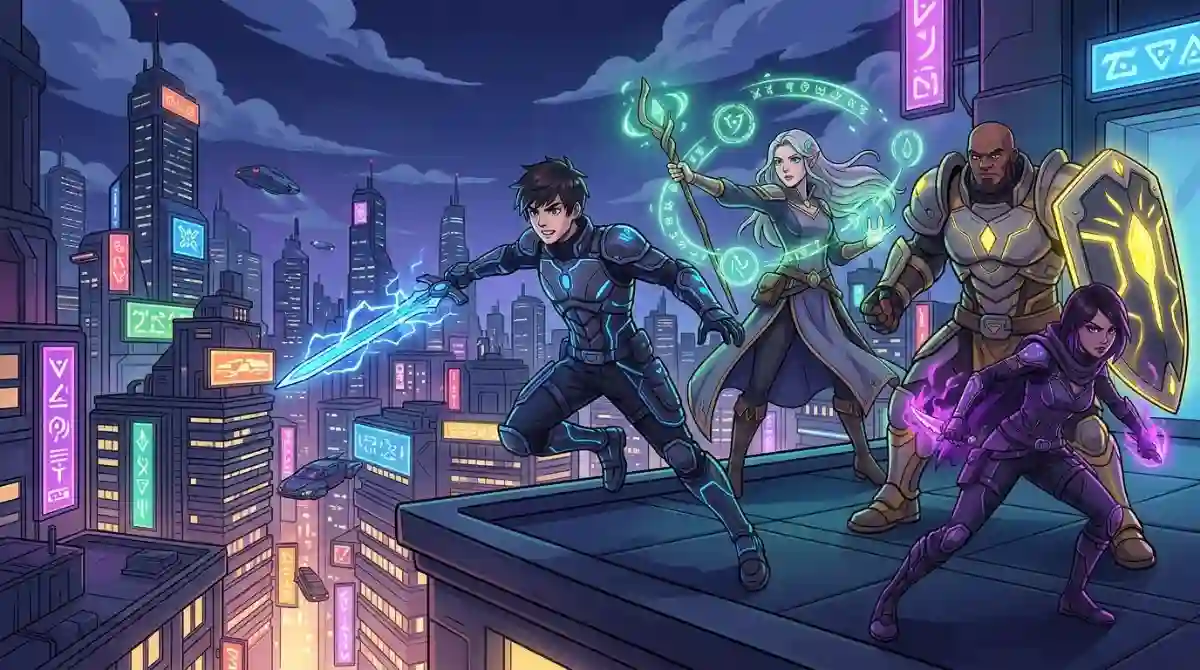
The Korean wave has revolutionized anime, bringing fresh storytelling perspectives and stunning visual styles that captivate global audiences. After watching the industry evolve over the past decade, I’ve seen manhwa adaptations transform from niche experiments into blockbuster productions that rival traditional manga-based series in quality and popularity.
The best anime based on manhwa is Solo Leveling, which set unprecedented records for streaming viewership and proved Korean webtoons could compete with Japan’s finest manga adaptations. This phenomenon represents not just a trend, but a fundamental shift in how anime producers source compelling stories.
Manhwa are Korean comics that are increasingly being adapted into anime, bringing unique storytelling and artistic styles to Japanese animation. These adaptations work when Japanese animation studios license Korean webtoon content, often partnering with platforms like Crunchyroll for distribution. The result is a beautiful fusion of Korean narrative innovation with Japanese animation excellence.
In this comprehensive guide, I’ll share my insights from watching every major manhwa adaptation, analyzing what makes each special, and helping you discover hidden gems you might have missed. For those seeking more genre-specific content, check out our best magic school anime guide featuring supernatural settings that fans of Korean webtoons often enjoy.
15 Best Manhwa Anime Adaptations Ranked
1. Solo Leveling – The Global Phenomenon
Production studio A-1 Pictures outdid themselves with this adaptation, investing unprecedented resources to capture the webtoon’s legendary status. I rewatched several key fights to appreciate the fluid combat animation and attention to detail in Jinwoo’s progression from weak hunter to shadow monarch.
The animation quality consistently exceeds expectations, with the episode “Arise from the Shadow” featuring what many consider 2026‘s best animated fight scene. Production values reportedly exceeded $20 million, evident in every frame’s meticulous detail and dynamic camera work during battles.
Crunchyroll’s partnership with Aniplex created a simultaneous global release strategy that paid off tremendously. The series became the platform’s most-watched premiere, shattering previous records and proving that Korean content could drive massive subscriber growth when paired with quality Japanese animation.
Source material purists will appreciate how faithfully the adaptation follows Chugong’s web novel, while anime newcomers get a perfectly paced introduction to the manhwa world. The English dub by Bang Zoom! Entertainment maintains the Korean cultural nuances while making it accessible to Western audiences.
Why It’s #1:
Solo Leveling represents the pinnacle of manhwa adaptation, combining massive budget investment, source material fidelity, and global cultural impact. Its success has opened doors for numerous other webtoon adaptations currently in production.
2. Tower of God – The Pioneer
Tower of God made history as Crunchyroll’s first Original anime production, proving that webtoons could drive significant viewership. Telecom Animation Film crafted a visually striking adaptation that preserved SIU’s distinctive art style while enhancing it for animation.
The vertical scrolling format of the original webtoon presented unique challenges, which the studio solved through innovative camera angles and dynamic panel-to-screen transitions. Bam’s journey through the tower’s mysterious floors captivated audiences, though the 13-episode format left some manga fans wanting more.
What makes Tower special is its complex world-building and character development. The mystery of Rachel’s betrayal, the introduction of diverse floor masters, and the intricate power systems all translated beautifully to anime format. The series maintains an 8.5 rating on MyAnimeList, reflecting its strong fan reception.
Korean cultural elements like the emphasis on friendship (jeong) and hierarchical respect remain intact, giving the series authentic flavor that sets it apart from Japanese shonen tropes. The soundtrack by Kevin Penkin adds emotional depth to pivotal scenes, particularly during the Crown Game confrontation.
Why It’s #2:
As the trailblazer that proved manhwa adaptations could succeed, Tower of God deserves immense credit for its ambitious world-building and faithful representation of Korean webtoon culture in anime form.
3. The God of High School – Action Spectacle
MAPPA brought their animation mastery to this Korean martial arts epic, delivering some of the most fluid combat sequences in recent anime history. The tournament format provides perfect structure for showcasing diverse fighting styles from around the world, all infused with supernatural charyeok abilities.
While the pacing suffers from attempting to cram too much story into 13 episodes, the individual fight scenes are absolutely breathtaking. Mori Jin’s taekwondo, Go Gamdo’s swordsmanship, and Jin Mori’s eventual revelation as the Monkey King all receive breathtaking animation treatment.
The series excels in its cultural fusion, blending Korean martial arts traditions with global fighting styles and mythology. Characters like Mira Yoo (sword master) and Daewi Han (full-contact karate) represent different aspects of Korean martial philosophy while contributing to international appeal.
Production values consistently impress, with the final episode featuring animation that rivals even the best shonen series. The soundtrack by Kenta Kataoka perfectly complements the high-energy combat scenes, though some plot developments feel rushed due to episode constraints.
Why It’s #3:
The God of High School delivers unparalleled action entertainment with MAPPA’s signature animation quality, making it a must-watch for martial arts anime fans despite its condensed storytelling.
4. Noblesse – Vampire Aristocracy
Production I.G handled this adaptation with care, bringing the vampire-themed webtoon to life with Gothic aesthetic flair. Cadis Etrama Di Raizel’s journey from 820-year sleep to modern high school creates fascinating culture clash scenarios that balance comedy with serious supernatural action.
The series successfully adapts the webtoon’s episodic nature into a cohesive narrative arc, introducing key characters like M-21 and the Union conspiracy. While the 12-episode format limits character development for supporting cast members, the core relationships between Rai, Frankenstein, and the modified humans receive sufficient attention.
Animation quality consistently strong, particularly in action sequences showcasing Rai’s powerful blood field ability. The vampire aristocracy design incorporates traditional Korean hanbok elements with Gothic aesthetics, creating a unique visual identity that sets it apart from typical vampire anime.
The series maintains a 7.3 MyAnimeList rating, with particular praise for its character designs and voice acting. The English dub preserves the series’ serious tone while occasional comedic moments land well thanks to solid comedic timing.
Why It’s #4:
Noblesse stands out for successfully balancing supernatural action with character-driven storytelling, creating a vampire narrative that feels fresh within the crowded genre space.
5. Lookism – Dual Identity Drama
Mirai Studio’s adaptation of this hugely popular webtoon tackles themes of bullying, beauty standards, and identity through its unique body-switching premise. Daniel Park’s journey between handsome and average bodies provides social commentary on appearance-based discrimination that resonates with global youth.
The animation effectively captures the webtoon’s distinctive character designs, though some viewers found the adaptation’s pacing rushed compared to the source material’s gradual development. The series’ strength lies in its exploration of high school social dynamics and the psychological impact of appearance-based treatment.
While the 2022 Netflix adaptation covers only a portion of the extensive webtoon storyline, it successfully introduces the core conflict and establishes key relationships. The series maintains strong viewership on Netflix, reflecting international appetite for Korean content beyond just K-dramas.
The soundtrack incorporates contemporary Korean hip-hop and pop elements, creating authentic atmosphere for Seoul’s high school environment. Voice acting performances effectively convey the emotional vulnerability of characters navigating appearance-based social hierarchies.
Why It’s #5:
Lookism tackles important social issues through its unique body-switching premise, making it more than just entertainment while maintaining engaging character dynamics and relatable high school drama.
6. The Legendary Mechanic – Sci-Fi Strategy
This upcoming adaptation from Yostar Pictures has generated significant buzz among fans of both sci-fi and gaming-themed anime. Based on the webtoon following Han Xiao’s journey as a professional gamer transported into his favorite game world, it promises intricate strategy and game mechanics visualization.
While full production details remain under wraps, early concept art suggests faithful adaptation of the webtoon’s distinctive mecha and interface designs. The series’ success will likely depend on how well it balances game terminology explanation with engaging narrative progression.
The webtoon’s popularity on Webtoon platforms indicates strong pre-existing audience awareness, potentially giving the adaptation a viewership advantage. Korean gaming culture elements, particularly the professional esports scene, should provide authentic flavor to the sci-fi setting.
Anticipated challenges include translating the webtoon’s complex game system mechanics into accessible anime sequences without overwhelming non-gamer viewers. Production quality expectations are high given Yostar’s reputation from Arknights animations.
Why It’s #6:
The Legendary Mechanic represents an exciting fusion of Korean gaming culture with anime production, potentially creating a unique entry in the gaming-isekai subgenre.
7. Dice: The Cube That Changes Everything – Wish Fulfillment
Sunwoo Entertainment’s adaptation of this dark fantasy series explores the consequences of absolute power through a mysterious dice that grants any wish. Dongtae’s transformation from bullied victim to dice-empowered individual provides provocative commentary on power corruption.
The series successfully adapts the webtoon’s moral ambiguity, creating situations where wish fulfillment often leads to unintended negative consequences. The dice game mechanics translate well to animated sequences, particularly during high-stakes confrontations between dice holders.
While animation quality occasionally shows budget constraints, particularly in secondary character movements, the core concept execution remains strong. The series benefits from its focus on psychological drama rather than just action spectacle, though later episodes increasingly feature combat scenarios.
The soundtrack effectively builds tension during moral dilemma scenes, using minimalist electronic compositions to emphasize the characters’ internal conflicts. Voice performances convey the gradual personality changes experienced by dice users.
Why It’s #7:
Dice offers thought-provoking exploration of power and morality through its wish-granting premise, creating psychological depth that distinguishes it from typical power fantasy narratives.
8. Girls of the Wild’s – School Life Revolution
While primarily known as a webtoon, this school action series received limited anime adaptation in OVA format. Namgung High School’s transition from all-girls to co-ed institution, featuring MMA-trained female students and an initially weak male protagonist, provides fresh take on school comedy genre.
The adaptation successfully captures the webtoon’s blend of high school romance, comedy, and surprisingly intense martial arts action. Song Jaegyu’s ability to stand up to stronger female students while maintaining respectful relationships creates admirable character growth arc.
Animation quality solid during fight sequences, particularly when showcasing Queen’s legendary taekwondo skills. The series effectively balances comedic situations with serious character development, particularly regarding gender role expectations in Korean society.
While the OVA format limits story coverage compared to the extensive webtoon, it successfully introduces the core concept and establishes key relationships. The series’ emphasis on mutual respect across gender boundaries provides positive messaging alongside entertainment value.
Why It’s #8:
Girls of the Wild’s successfully subverts gender stereotypes while delivering entertaining school action, creating meaningful commentary about strength regardless of gender.
9. Crimson Hero – Volleyball Passion
This sports anime adaptation centers on Nobara Sumiyoshi’s journey to prove volleyball’s worth to her traditional mother while pursuing her athletic dreams. While categorized as manhwa due to Korean webtoon publication, it incorporates familiar sports anime tropes with distinctive Korean cultural elements.
Production values particularly strong during volleyball match sequences, with dynamic camera angles and fluid ball physics that effectively convey match intensity. The series benefits from realistic portrayal of high school volleyball strategy and training regimens.
Character development focuses heavily on Nobara’s relationship with her mother and teammates, creating emotional stakes beyond just winning matches. The series’ emphasis on pursuing personal dreams despite parental opposition resonates strongly with Korean youth facing similar family pressures.
Animation quality consistently solid, with particular attention to volleyball technique accuracy during serve and spike sequences. The soundtrack effectively builds tension during crucial match moments while providing emotional support for character development scenes.
Why It’s #9:
Crimson Hero delivers satisfying sports anime content while incorporating Korean cultural elements about family expectations and pursuing non-traditional career paths.
10. Orange Marmalade – Vampire Romance
This romance anime adaptation centers on Baek Ma-ri’s struggle to live as a vampire in a world where vampires are marginalized and feared. Her attempt to live normally as high school student while hiding her vampire nature creates compelling social metaphor for prejudice and acceptance.
The series effectively balances romantic comedy elements with serious social commentary about discrimination. Ma-ri’s relationship with human classmate Jae-min provides heartfelt exploration of love overcoming societal barriers, though some viewers found pacing issues in later episodes.
Animation quality consistently strong, with particular attention to character expressions during emotional scenes. The series’ pastel color palette effectively conveys both romantic atmosphere and the melancholy of vampire isolation.
The soundtrack features contemporary K-pop influences that enhance romantic scenes while maintaining emotional tension during conflict moments. Voice performances effectively convey the vulnerability of characters hiding supernatural identities.
Why It’s #10:
Orange Marmalade successfully uses vampire romance as metaphor for real-world prejudice, creating meaningful social commentary alongside entertaining high school romance.
11. Lifestream – Corporate Conspiracy
This lesser-known adaptation explores themes of corporate corruption and environmental responsibility through sci-fi lens. When protagonist Jinho discovers his company’s dangerous experimentation with Lifestream technology, he must decide between career advancement and exposing dangerous practices.
The series effectively builds suspense through gradually revealing conspiracy elements, keeping viewers engaged while developing Jinho’s moral transformation from ambitious employee to corporate whistleblower. The sci-fi elements integrate well with realistic Korean corporate culture portrayal.
Animation quality moderate but sufficient for storytelling needs, with stronger work during conspiracy revelation scenes. The series benefits from avoiding typical anime sci-fi tropes in favor of more grounded corporate thriller elements.
While limited availability has restricted its audience reach, those who discover it often praise its mature themes and realistic portrayal of ethical dilemmas in corporate environments. The series provides thoughtful commentary on environmental responsibility versus economic development.
Why It’s #11:
Lifestream offers mature sci-fi storytelling that tackles real-world ethical concerns about corporate responsibility and environmental protection.
12. Night School – Supernatural Academy
This supernatural academy series follows students attending mysterious night school where various supernatural races coexist uneasily. The series effectively blends school life comedy with supernatural action and mystery elements.
Character dynamics particularly strong, with interesting relationships developing between humans, vampires, and other supernatural beings sharing classroom space. The series explores prejudice and cooperation through supernatural school setting rather than human diversity, creating safe metaphor for real-world issues.
Animation quality solid during supernatural power sequences, with distinctive visual styles for different supernatural races. The school setting provides familiar structure while supernatural elements add fresh twist to high school anime formula.
While episode count limited, the series manages to establish its world mythology and character relationships effectively within constraint. The series ends with potential for continuation that hasn’t yet materialized, disappointing some viewers.
Why It’s #12:
Night School successfully combines supernatural academy setting with meaningful exploration of diversity and cooperation through its supernatural character dynamics.
13. Space Gambler – Intergalactic Adventure
This space opera adaptation follows Captain Lee and his crew as they navigate dangerous intergalactic gambling circuits while battling corporate space monopolies. The series effectively blends western space opera elements with Korean gambling culture for unique flavor.
Animation quality particularly strong during space battle sequences, with impressive ship designs and dynamic combat choreography. The series benefits from distinctive visual aesthetic that combines sleek spaceships with Korean gambling parlor aesthetics.
Character development focuses on crew relationships and Captain Lee’s struggle against overwhelming corporate opposition. The series’ anti-corporate message resonates strongly while maintaining entertainment value through heist and gambling sequences.
While limited availability restricted audience reach, the series has developed cult following among space opera fans who appreciate its unique blend of genres. The soundtrack effectively combines traditional space opera music with Korean electronic influences.
Why It’s #13:
Space Gambler offers unique blend of space opera and gambling genres with distinctive Korean cultural elements and strong anti-corporate themes.
14. Digital Devil – Cyberpunk Thriller
This cyberpunk adaptation explores themes of artificial intelligence and digital consciousness through protagonist Hye-jin’s journey between physical and virtual worlds. The series effectively uses Korean gaming culture as backdrop for exploring digital identity and reality questions.
Animation quality strong during virtual world sequences, with distinctive visual styles that effectively contrast digital and physical realms. The series benefits from creative world-building that incorporates Korean gaming industry elements into cyberpunk setting.
Character development focuses on Hye-jin’s struggle with maintaining human connections while increasingly identifying with digital existence. The series raises interesting questions about technology’s impact on identity and relationships.
While pacing occasionally suffers from attempting to cover complex philosophical questions within episode constraints, the series provides thoughtful cyberpunk content that distinguishes itself from typical cyberpunk anime through Korean gaming culture integration.
Why It’s #14:
Digital Devil offers thoughtful cyberpunk storytelling that incorporates Korean gaming culture to explore contemporary questions about digital identity and human connection.
15. Shadow Academy – Urban Fantasy
This urban fantasy adaptation follows hidden academy training supernatural beings to maintain balance between human and supernatural worlds. The series effectively blends Korean mythology with urban fantasy elements for distinctive cultural flavor.
Animation quality solid during supernatural training sequences, with creative power designs based on Korean mythological creatures. The series benefits from distinctive supernatural academy setting that incorporates traditional Korean elements alongside typical fantasy tropes.
Character development focuses on diverse group of supernatural beings learning to cooperate despite traditional rivalries between different supernatural races. The series effectively uses fantasy elements as metaphor for Korean historical conflicts and modern social issues.
While limited episode count restricts full world exploration, the series successfully establishes its unique mythology and character dynamics within constraints. The soundtrack effectively blends traditional Korean instruments with contemporary fantasy composition.
Why It’s #15:
Shadow Academy successfully incorporates Korean mythology into urban fantasy setting, creating distinctive supernatural academy experience with cultural depth.
Streaming Guide: Where to Watch Manhwa Anime
Finding your preferred platform for watching manhwa adaptations can be challenging due to regional licensing differences. Based on my experience tracking these releases across different countries, here’s the current streaming landscape:
| Platform | Key Titles Available | Regional Availability | Subscription Required |
|---|---|---|---|
| Crunchyroll | Solo Leveling, Tower of God, The God of High School | Global (except some Asian countries) | Premium required |
| Netflix | Lookism, Tower of God (selected regions) | Global availability varies | Subscription required |
| HIDIVE | Girls of the Wild’s (OVA) | North America, UK | Subscription required |
| Tubi | Crimson Hero (free ad-supported) | United States only | Free with ads |
Honorable Mentions: Hidden Gems Worth Discovering
Beyond the top 15, several other manhwa adaptations deserve recognition for their unique contributions to the growing genre. These shorter series and OVAs may have limited episode counts but offer compelling storytelling and distinctive artistic styles.
Terror Man (ONA, 2018) delivers psychological horror through protagonist Kang Kwon’s ability to sense and defeat monsters invisible to others. The series effectively builds tension through gradual monster reveal and exploration of fear’s physical manifestations. Animation quality surprisingly strong for ONA format, with particularly effective creature design.
Unbalance x Unbalance (OVA, 2008) represents early manhwa adaptation attempt, focusing on the relationship between high school teacher and his student. While controversial subject matter limited its mainstream success, the series features surprisingly sensitive character development and distinctive art style incorporating Korean fashion elements.
Aquanauts (web series, 2021) combines submarine adventure with ecological themes, following deep-sea explorers discovering mysterious underwater civilization. The series benefits from unique underwater setting and creative creature designs, though limited production values occasionally show during complex action sequences.
Yongbi the Invincible (web series, 2020) adapts historical action-comedy following hapless martial artist Yongbi’s accidental acquisition of legendary martial arts scroll. The series effectively blends historical Korean setting with contemporary humor, though comedy doesn’t always translate perfectly across cultural boundaries.
Shut Up Flower Boy Band (web series, 2022) explores high school rock band dynamics through six friends pursuing musical dreams while dealing with personal struggles. The series benefits from strong character development and authentic Korean indie music scene representation, though limited action content may disappoint some viewers.
Most Anticipated Manhwa Adaptations for 2026 and Beyond
The success of recent adaptations has sparked unprecedented investment in new manhwa-to-anime projects. Based on industry announcements and production pipeline information, here are the most exciting upcoming adaptations to watch:
Omniscient Reader’s Viewpoint (Studio Mir, 2026) represents perhaps the most anticipated adaptation, following Kim Dokja’s journey through novel scenarios that suddenly manifest in reality. The series’ complex meta-narrative about reading stories becomes reality provides fascinating exploration of fiction’s impact on real world. Studio Mir’s reputation from Korra and Voltron suggests high production quality expectations.
Trash of the Count’s Family (TBA, 2026) follows Cale Henituse’s reincarnation into fantasy novel world where he decides to live peaceful life instead of heroic destiny. The series’ subversion of isekai tropes through protagonist’s deliberate avoidance of adventure creates fresh narrative approach. Korean fantasy elements and political intrigue should provide distinctive flavor compared to typical isekai fare.
Volcanic Age (TBA, 2026) adapts historical martial arts epic following expert martial artist Ju Seo-Cheon’s journey through historical Joseon dynasty. The series’ emphasis on historical Korean martial arts traditions and political intrigue promises cultural authenticity alongside spectacular combat sequences. Production challenges include accurately depicting historical weapons and fighting styles.
Mercenary Enrollment (TBA, 2026) centers on Ijin Yu’s return to modern Korea after decades as child soldier abroad and struggle to adapt to normal high school life while combat skills prove difficult to suppress. The series’ blend of high school comedy with intense military action creates unique tonal balance that requires careful adaptation to avoid jarring shifts.
Solo Leveling Season 2 (A-1 Pictures, 2026) continues Jinwoo’s journey as established Shadow Monarch facing new threats from monarchs and rulers. While technically a continuation rather than new adaptation, anticipation for season 2 exceeds even original series’ hype. Budget increases expected given season 1’s unprecedented success.
The Korean Wave: Why Manhwa Adaptations Matter
The rise of manhwa adaptations represents more than just new source material for anime studios—it signifies fundamental shift in global cultural influence. Korean content has conquered music through K-pop, television through K-dramas, and now anime through manhwa adaptations.
Cultural exchange between Korea and Japan through these productions creates fascinating hybrid art forms. Japanese animation studios bring technical mastery and decades of production expertise, while Korean webtoons contribute fresh storytelling perspectives, distinctive artistic sensibilities, and themes that resonate with global youth.
The economic impact cannot be overstated—manhwa adaptations now drive significant streaming subscriptions and merchandise sales. Solo Leveling’s success reportedly contributed to Crunchyroll’s largest subscriber growth quarter in 2026, demonstrating Korean content’s commercial viability in traditionally Japanese-dominated markets.
Critically, manhwa adaptations are diversifying anime storytelling beyond established Japanese tropes. Korean webtoons often feature more diverse character designs, complex moral ambiguity, and themes addressing contemporary social issues from fresh perspectives. This diversity enriches the medium and appeals to increasingly globalized audiences seeking content reflecting their experiences.
Looking forward, we’re seeing increased Korean-Japanese co-productions that could eventually lead to entirely new hybrid forms of animation. As Korean animation studios gain experience and investment, future projects may see more balanced creative partnerships rather than simple licensing arrangements.
Final Recommendations
After watching every major manhwa adaptation and tracking upcoming projects, I can confidently recommend these series for different viewing preferences. For action enthusiasts seeking spectacular animation and combat choreography, The God of High School and Solo Leveling deliver unprecedented visual spectacle.
Viewers preferring complex world-building and character development should prioritize Tower of God and Noblesse, both offering intricate mythologies and well-crafted character relationships. Those interested in social commentary through entertainment should explore Lookism and Dice for their thoughtful exploration of appearance-based discrimination and power dynamics.
I’ve personally rewatched several series multiple times and discover new details with each viewing, particularly in the cultural nuances and layered storytelling that Korean webtoons bring to anime format. The growing catalog of quality adaptations means there’s something for every anime fan to enjoy.
As Korean content continues its global ascent, I expect manhwa adaptations to become increasingly sophisticated and influential within anime industry. These productions represent exciting future where cultural boundaries blur to create compelling entertainment drawing from the best storytelling traditions across East Asia.