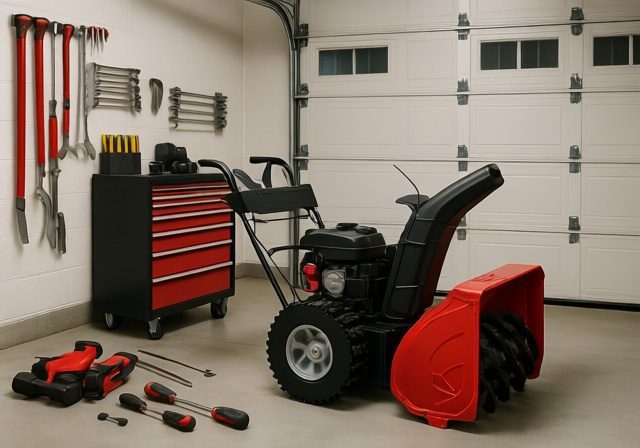
When that first snowstorm hits, the last thing you want is a snow blower that won’t start or breaks down halfway through clearing your driveway. I’ve learned this lesson the hard way – after spending an entire morning shoveling what my broken snow blower should have handled in 20 minutes. Proper maintenance isn’t just about avoiding breakdowns; it’s about ensuring your equipment runs efficiently, lasts longer, and keeps you safe throughout winter.
Most snow blower failures happen because of neglected maintenance, not because the machines are inherently unreliable. The good news? Nearly all the maintenance tasks your snow blower needs can be done at home with basic tools and about an hour of your time. Regular maintenance can extend your snow blower’s life by 5-10 years and save you hundreds in repair costs.
This comprehensive guide covers everything from pre-season preparation to proper storage techniques. Whether you own a single-stage electric model or a heavy-duty two-stage gas machine, these maintenance procedures will keep your equipment running smoothly season after season. We’ll walk through each maintenance task step-by-step, explain why it matters, and show you how to spot problems before they become expensive repairs.
Pre-Season Maintenance Checklist
Starting your pre-season maintenance in early fall gives you time to order parts and complete repairs before the first snow. I typically begin my snow blower prep in October, well before the winter rush when repair shops get backed up and parts become scarce. This timing also allows you to test everything thoroughly without the pressure of an incoming storm.
Essential Pre-Winter Inspection Points
Begin with a complete visual inspection of your snow blower. Check the auger housing for rust or damage, examine the chute for cracks, and inspect all cables for fraying or stiffness. Look closely at the scraper bar and skid shoes – these wear items directly contact the ground and often need replacement every 2-3 seasons. The scraper bar should sit flat against the ground with no more than 1/8 inch gap.
Test all controls before the season starts. The auger engagement should feel smooth and positive, not sticky or loose. The chute rotation and deflector controls should move freely through their full range. If you have electric start, test it now while you have time to replace the battery or repair the starter if needed. Manual recoil starters should pull smoothly without catching or excessive resistance.
Check your shear pins inventory and order extras if needed. These sacrificial pins protect your auger gearbox by breaking when you hit obstacles. Keep at least 6 spare pins on hand – they’re inexpensive insurance against being stuck mid-storm. While checking pins, inspect the auger itself for bent or damaged paddles that could affect snow throwing performance.
Fuel System Preparation
Old fuel causes more snow blower problems than any other single factor. Gasoline starts degrading after just 30 days, forming varnish deposits that clog carburetors and fuel lines. If your snow blower has been stored with fuel, drain the tank completely and dispose of the old gas properly. Never use fuel that’s more than 30 days old without stabilizer.
After draining old fuel, add fresh gasoline with the appropriate octane rating for your engine (usually 87 octane). Add fuel stabilizer immediately – don’t wait until storage. Modern ethanol-blended fuels are particularly problematic for small engines, so consider using ethanol-free fuel if available in your area. The extra cost (typically $1-2 per gallon) is worth avoiding carburetor problems.
Run the engine for 10 minutes after adding stabilized fuel to circulate it through the entire system. This ensures the stabilizer reaches the carburetor and protects all fuel system components. While the engine runs, listen for smooth operation without surging or stalling, which could indicate carburetor issues requiring attention.
Engine Maintenance Procedures
Your snow blower’s engine requires the most attention but rewards proper care with years of reliable service. Small engines work hard in cold conditions, making regular maintenance critical for performance and longevity. These procedures apply to most 4-stroke snow blower engines, though always consult your owner’s manual for specific requirements.
Oil Change Schedule and Procedure
Change your snow blower’s oil after the first 5 hours of use for new machines, then every 25 hours of operation or annually, whichever comes first. I track my hours with a simple log sheet taped inside my garage – it takes the guesswork out of maintenance timing. For most homeowners clearing average driveways, annual oil changes suffice.
To change the oil, run the engine for 2-3 minutes to warm it slightly – warm oil drains more completely than cold. Position a drain pan under the oil drain plug, remove the plug, and let the oil drain completely for at least 5 minutes. While draining, remove and check the oil fill cap’s rubber seal for damage. Replace the drain plug with a new washer if provided, then add fresh oil to the proper level.
Use the oil weight specified in your manual, typically 5W-30 for winter operation. Synthetic oil performs better in extreme cold but costs more. Never overfill – too much oil causes smoking, spark plug fouling, and potential engine damage. Check the level with the dipstick after adding about 3/4 of the capacity, then add small amounts until reaching the full mark.
Spark Plug Maintenance
Replace your spark plug annually or every 100 hours of operation. A fresh plug ensures easy starting and smooth running, especially important in cold weather when engines are already hard to start. The small investment in a new plug (usually under $5) prevents frustrating starting problems.
Remove the spark plug with the engine cold to prevent thread damage. Inspect the old plug’s electrode – light tan or gray indicates proper operation, while black soot suggests rich running or the need for carburetor adjustment. Check the gap on your new plug with a gap gauge, adjusting if necessary to match your manual’s specification (typically 0.030 inches).
Thread the new plug in by hand initially to avoid cross-threading, then tighten with a socket wrench. The proper tightness is critical – too loose causes poor performance and compression loss, while over-tightening can crack the plug or damage cylinder head threads. Tighten finger-tight plus 1/2 turn for new plugs with gaskets, or 1/4 turn for used plugs.
Air Filter Service
A clean air filter protects your engine from damage while ensuring proper fuel mixture and performance. Snow blowers operate in dusty conditions as they throw snow and debris, making filter maintenance especially important. Check your filter monthly during the season and clean or replace as needed.
Foam filters can be washed with warm soapy water, squeezed dry (never wring or twist), and lightly oiled with clean engine oil. Squeeze out excess oil – the filter should be barely damp with oil, not dripping. Paper filters cannot be cleaned effectively; replace them when dirty. A clogged filter restricts airflow, causing rich running, poor performance, and increased fuel consumption.
Some snow blowers have pre-filters or snow screens that require separate cleaning. These coarse filters catch large snow and ice particles before they reach the main filter. Clean these more frequently, especially when operating in powder snow conditions that create more airborne particles.
Component Inspection and Adjustment
Beyond engine maintenance, your snow blower’s mechanical components need regular inspection and adjustment for safe, effective operation. These checks take just minutes but prevent dangerous failures and poor snow-clearing performance.
Auger and Impeller Inspection
Inspect your auger paddles for wear, damage, or missing rubber edges. Two-stage machines have rubber paddles that wear down over time – when worn to the wear indicators or metal backing, they need replacement. Single-stage machines use rubber paddles that both collect and throw snow; these typically last 2-3 seasons with average use.
Check the impeller (second stage fan) for damage or excessive play. The impeller should spin freely by hand with the engine off and auger disengaged. Any wobbling or scraping indicates bearing wear or bent blades requiring attention. Small clearances between the impeller and housing are normal, but contact during rotation requires immediate repair.
Lubricate the auger shaft bearings according to your manual’s schedule, typically every 10 hours of operation. Use the specified grease type – usually a low-temperature grease for winter equipment. Over-greasing attracts dirt and can damage seals, so follow the recommended quantity (usually 2-3 pumps from a grease gun).
Drive System Maintenance
Inspect drive belts for cracks, fraying, or glazing (shiny appearance). Belts typically last 3-5 years but can fail suddenly if damaged. Keep spare belts on hand – they’re difficult to find during snow season. Proper tension is critical; loose belts slip and wear quickly, while over-tight belts strain bearings and pulleys.
Check your friction wheel or disc if equipped. This rubber wheel transfers power from the engine to the wheels in many snow blower designs. The rubber surface should be clean and slightly tacky, not hard or glazed. Clean with alcohol if glazed, and replace if worn flat or damaged. Adjustment procedures vary by model, but proper contact pressure ensures good traction without excessive wear.
Test wheel engagement and steering functions. Self-propelled models should engage smoothly without jerking and maintain consistent speed. Track-drive models need proper track tension – too loose causes slipping, while too tight increases wear and reduces power. Adjust according to your manual’s specifications, typically allowing 1/2 to 3/4 inch deflection at the track’s midpoint.
Safety Considerations During Maintenance
Snow blower maintenance involves working with sharp blades, flammable fuels, and powerful springs. Taking proper safety precautions prevents injuries and makes maintenance tasks easier. I’ve seen too many emergency room visits from preventable maintenance accidents – a few simple precautions eliminate most risks.
Essential Safety Equipment
Always wear safety glasses when working on your snow blower. Springs can release unexpectedly, and rust or debris often falls during inspection. Heavy work gloves protect against sharp edges and pinch points, particularly when working around the auger. Keep a fire extinguisher nearby when working with fuel or running the engine indoors for testing.
Disconnect the spark plug wire before any maintenance involving the auger or impeller. This simple step prevents accidental engine starting if someone bumps the starter. Even with the engine off, never put your hands near the auger – use a stick or broom handle to clear obstructions. The auger can still rotate from stored energy even with the engine stopped.
Work in a well-ventilated area when running the engine, even briefly. Carbon monoxide builds up quickly in enclosed spaces and is particularly dangerous because it’s odorless. If you must run the engine in a garage for testing, open all doors and use a fan to ensure adequate ventilation. Better yet, roll the snow blower outside for any running tests.
Handling Fuel Safely
Store fuel in approved containers away from heat sources and living spaces. A detached shed or garage corner away from water heaters and furnaces provides safe storage. Never store more fuel than you’ll use in 30 days, as gasoline degrades and becomes less safe over time. Label containers clearly with the purchase date and whether stabilizer was added.
Allow the engine to cool completely before adding fuel – hot engine parts can ignite fuel vapors. Clean up any spills immediately and dispose of fuel-soaked rags properly in a metal container. Never use gasoline for cleaning parts; proper parts cleaners are safer and more effective. When draining fuel, use a siphon rather than tipping the machine to avoid spills.
Dispose of old fuel responsibly at a hazardous waste collection site. Many auto parts stores and service stations accept small quantities of old gasoline. Never pour old fuel on the ground, down drains, or in regular trash – it contaminates soil and groundwater. Mix small amounts of old fuel with fresh gas in your car’s tank if the fuel isn’t too degraded.
Seasonal Storage Tips
Proper storage prevents more damage than any other maintenance task. Moisture, ethanol-blended fuel, and rodents cause most storage-related problems. Taking time to store your snow blower correctly in spring saves hours of repair work in fall. I’ve restored many neglected machines, and storage damage is always the worst to fix.
End-of-Season Preparation
Start your storage prep on the last snow clearing of the season while everything still works properly. Run the machine until the fuel tank empties, then run it until the engine stops from fuel starvation. This removes fuel from the carburetor, preventing varnish buildup. Alternatively, fill the tank completely with stabilized fuel if you prefer the wet storage method.
Clean the entire machine thoroughly before storage. Snow and ice trap moisture against metal parts, accelerating rust. Pay special attention to the auger housing, chute, and any areas where snow accumulates. Use a pressure washer if available, but avoid forcing water into bearings or the engine air intake. Let everything dry completely before final storage.
Change the oil before storage rather than waiting until fall. Used oil contains acids and moisture that corrode engine internals during storage. Fresh oil protects bearing surfaces and cylinder walls. Run the engine briefly after the oil change to circulate new oil, then fog the cylinder with storage oil through the spark plug hole.
Storage Location and Method
Store your snow blower in a dry location above freezing if possible. Basements work well if you can manage the stairs, otherwise choose the driest area of your garage or shed. Avoid dirt floors that transfer moisture – place the machine on plywood or a tarp. Cover with a breathable cover, not plastic, which traps moisture and promotes rust.
Mice and rodents love making nests in snow blower engines during summer. They chew wires, air filters, and fuel lines, causing expensive damage. Place mothballs or dryer sheets around the engine area to deter pests. Some owners remove the air filter and plug the intake with steel wool, remembering to remove it before starting in fall.
Release tension on belts and cables during storage to prevent stretching and premature wear. Lower the chute to its lowest position and release the auger engagement. This relaxes springs and cables, helping them maintain proper tension. Document any repairs needed so you can order parts during the off-season when prices are lower.
Troubleshooting Common Issues
Most snow blower problems have simple causes and solutions. Understanding common issues helps you diagnose problems quickly and decide whether you can fix them yourself or need professional help. These troubleshooting tips address the problems I see most frequently in my neighborhood each winter.
Starting Problems
When your snow blower won’t start, check the basics first. Ensure fresh fuel is in the tank, the fuel valve is open, and the choke is set correctly for the temperature. Cold engines need full choke, while warm engines start better with little or no choke. The safety key must be inserted, and the auger control must be disengaged on most models.
If the engine turns over but won’t start, you likely have a fuel delivery problem. Old fuel is the usual culprit – drain and replace with fresh fuel. A clogged carburetor from old fuel requires cleaning or rebuilding. Try spraying starting fluid into the air intake – if it runs briefly, you’ve confirmed a fuel problem. If it doesn’t run at all, check for spark.
Test for spark by removing the plug, reconnecting the wire, and grounding the plug threads against the engine while pulling the starter. You should see a bright blue spark. No spark indicates a bad plug, faulty ignition coil, or safety switch problem. A weak orange spark suggests a failing ignition system that needs attention.
Poor Snow Throwing Performance
Reduced throwing distance usually indicates belt slippage or worn parts. Check belt tension first – loose belts are the most common cause. Worn auger paddles on single-stage machines dramatically reduce performance. Two-stage machines suffer when the gap between the impeller and housing becomes too large from wear.
Engine speed affects throwing distance significantly. If the engine won’t reach full throttle, clean the carburetor and check the governor linkage. A partially clogged muffler from carbon buildup also restricts engine speed. Some machines have adjustable impeller kits that reduce the gap between the impeller and housing, restoring throwing performance.
Wet, heavy snow challenges any snow blower. Spray the chute and auger housing with silicone spray or cooking spray to prevent sticking. Clear the chute frequently in wet conditions. Reduce your clearing width and speed in heavy snow – trying to take full-width passes overloads the machine and reduces throwing distance.
Unusual Noises and Vibrations
New noises always indicate developing problems requiring investigation. Squealing suggests belt problems – check for proper tension, alignment, and wear. Grinding noises often come from damaged bearings in the auger or impeller. Rattling might indicate loose bolts, damaged shear pins, or foreign objects in the housing.
Vibration usually means something is out of balance or loose. Check for bent auger paddles, damaged impeller blades, or accumulated ice. Ensure all bolts are tight, particularly engine mounting bolts. A bent auger shaft from hitting an obstruction causes severe vibration and requires professional repair or replacement.
Clicking or popping sounds often come from worn gear cases or damaged chains in track-drive units. Check gear case oil levels and look for metal shavings indicating internal wear. Address these issues promptly – continued operation with damaged gears can result in complete transmission failure and expensive repairs.
Maintenance Schedule and Record Keeping
Consistent maintenance according to a schedule prevents most snow blower problems and extends equipment life significantly. I maintain a simple logbook for each piece of power equipment, tracking hours of use, maintenance performed, and parts replaced. This record proves invaluable for warranty claims, resale value, and troubleshooting recurring issues.
Creating Your Maintenance Schedule
Your maintenance schedule depends on usage intensity and manufacturer recommendations. For average homeowners clearing 1-2 driveways, seasonal maintenance suffices for most tasks. Commercial operators or those clearing multiple properties need more frequent service. Start with your owner’s manual schedule, then adjust based on your experience and conditions.
Track operating hours using a simple timer or hour meter installed on the machine. Many maintenance intervals specify hours rather than calendar time. Without tracking, you’re guessing when service is due. For typical homeowner use of 20-30 hours per season, annual service intervals usually align with hourly requirements.
Create a checklist combining manufacturer requirements with the specific needs of your machine and conditions. Dusty environments require more frequent air filter service. Wet, heavy snow regions need more attention to rust prevention. Machines stored in unheated spaces need extra attention to fuel system maintenance. Customize your schedule to match your situation.
Quick Reference Maintenance Chart
Before Each Use: Check oil level, inspect shear pins, test controls, check tire pressure (wheeled models), clear any debris from intake
Every 5 Hours: Check belt tension, lubricate chute rotation mechanism, inspect scraper bar and skid shoes, clean around engine cooling fins
Every 25 Hours/Annually: Change engine oil, replace spark plug, clean or replace air filter, lubricate all grease fittings, adjust cables and linkages, inspect and adjust belts
Every 50 Hours/2 Years: Replace drive belts, service gear case (if equipped), replace fuel filter (if equipped), deep clean carburetor, inspect and service wheel bearings
Every 100 Hours/3 Years: Professional carburetor rebuild, valve adjustment (4-stroke engines), complete drive system inspection, consider professional tune-up
Cost-Saving Maintenance Tips
Smart maintenance saves money beyond preventing major repairs. Buying parts off-season, performing your own service, and knowing when to repair versus replace all impact your total cost of ownership. These strategies have saved me hundreds of dollars over the years while keeping my equipment in excellent condition.
DIY vs Professional Service
Most routine maintenance tasks require only basic mechanical skills and common tools. Oil changes, spark plug replacement, belt adjustments, and filter service are all manageable DIY projects. These tasks cost $75-150 at a shop but only $20-30 in parts when done yourself. The time investment is minimal once you’ve done it once or twice.
Leave complex repairs to professionals unless you have experience. Carburetor rebuilds, transmission repairs, and engine overhauls require special tools and expertise. Attempting these repairs without proper knowledge often causes more damage. A good rule: if the repair manual says “see your dealer,” it’s probably beyond typical DIY scope.
Buy parts during the off-season when prices drop and availability improves. Many online retailers offer spring sales on winter equipment parts. Stock up on maintenance items like spark plugs, shear pins, and filters when prices are low. Join manufacturer mailing lists for coupons and special offers on parts and accessories.
Preventive Maintenance ROI
Calculate the return on preventive maintenance by comparing costs to potential repairs. Annual maintenance costing $50 in parts prevents a $300 carburetor replacement from neglected fuel. Regular belt adjustments costing nothing prevent $150 in belt and pulley replacements. The math strongly favors prevention over reaction.
Proper maintenance dramatically extends equipment life. A well-maintained snow blower lasts 15-20 years, while neglected machines fail in 5-7 years. Spreading the purchase price over 20 years versus 7 years represents huge savings. Quality machines maintained properly provide better long-term value than buying cheap replacements repeatedly.
Consider maintenance costs when purchasing equipment. Machines with easily accessible maintenance points save time and encourage regular service. Features like hour meters, tool-free access panels, and grease fittings add initial cost but reduce long-term maintenance expense and extend equipment life.
Frequently Asked Questions
How often should I change my snow blower’s oil?
Change the oil after the first 5 hours on new machines, then every 25 hours of operation or annually, whichever comes first. Most homeowners can follow an annual schedule. Always change oil before storage to prevent corrosion from acids in used oil. Use the oil weight specified in your manual, typically 5W-30 synthetic for best cold-weather performance.
What type of gas should I use in my snow blower?
Use fresh regular unleaded gasoline (87 octane) unless your manual specifies premium. Avoid gas with more than 10% ethanol (E10) if possible – ethanol attracts moisture and causes carburetor problems. Ethanol-free fuel costs more but prevents many fuel system issues. Always add fuel stabilizer, even to fresh gas, since you’ll likely store fuel between storms.
Why won’t my snow blower throw snow as far as it used to?
Reduced throwing distance usually indicates worn or loose belts, worn auger paddles, or engine speed problems. Check belt tension first – it’s the most common cause. Inspect auger paddles for wear and replace if worn to indicators. Ensure the engine reaches full speed by cleaning the air filter and checking for carburetor issues. The impeller-to-housing gap on two-stage units may need adjustment.
Can I use my snow blower on gravel driveways?
Yes, but adjust the skid shoes and scraper bar to maintain clearance above the gravel surface. Set approximately 1/4 to 3/8 inch clearance to avoid picking up stones. Single-stage snow blowers are more challenging on gravel since the auger contacts the ground. Two-stage machines work better on gravel due to their adjustable height design. Always clear the driveway of loose stones before the first snow if possible.
How do I prevent snow from sticking in the chute?
Spray the chute and auger housing with silicone spray, cooking spray, or WD-40 before each use. Some people use car wax or ski wax for longer-lasting protection. Clean and dry the chute thoroughly before applying any treatment. In wet snow conditions, you may need to clear the chute periodically despite treatments. Never use petroleum-based products that can damage rubber and plastic components.
When should I replace shear pins?
Replace shear pins whenever they break – they’re designed to break to protect your gear case from damage. Never substitute bolts for proper shear pins, as this eliminates protection and can cause expensive damage. Keep spare pins on hand and replace them in pairs when one breaks. If pins break frequently, check for auger damage or obstructions causing excessive resistance.
How should I store gas between storms?
Store gasoline in an approved container with fuel stabilizer added, in a cool, dry location away from living spaces and ignition sources. Use containers 2.5 gallons or smaller for easier handling. Label with the purchase date and stabilizer addition. Don’t store more than you’ll use in 30 days. Consider using pre-mixed fuel with stabilizer and ethanol-free formulation for convenience and reliability.
What causes my snow blower to vibrate excessively?
Vibration indicates something is loose, damaged, or out of balance. Check for bent auger paddles, damaged impeller blades, or loose engine mounting bolts. Ice buildup on the auger or impeller causes imbalance – clear it before operating. A bent auger shaft from hitting an object requires professional repair. Address vibration immediately to prevent further damage to bearings and other components.
Final Thoughts
Maintaining your snow blower doesn’t require advanced mechanical skills or expensive tools. The time invested in regular maintenance pays dividends in reliability, performance, and equipment longevity. We’ve covered everything from basic oil changes to troubleshooting complex problems, giving you the knowledge to keep your snow blower running reliably for years.
The key to successful snow blower maintenance is consistency and attention to detail. Following a regular schedule prevents small issues from becoming major repairs. Keeping good records helps track patterns and plan future maintenance. Most importantly, addressing problems promptly when they arise prevents cascading failures that lead to expensive repairs or premature replacement.
Start implementing these maintenance practices now, before winter arrives. Order spare parts, organize your tools, and create your maintenance schedule. When that first storm hits, you’ll have the confidence of knowing your equipment is ready. Your neighbors will wonder why your snow blower starts on the first pull while theirs sits in the repair shop.
Remember that safety comes first in all maintenance activities. Take time to work carefully, use proper protective equipment, and never take shortcuts that compromise safety. A well-maintained snow blower not only works better but operates more safely. Your investment in proper maintenance protects both your equipment and your family’s safety throughout winter.