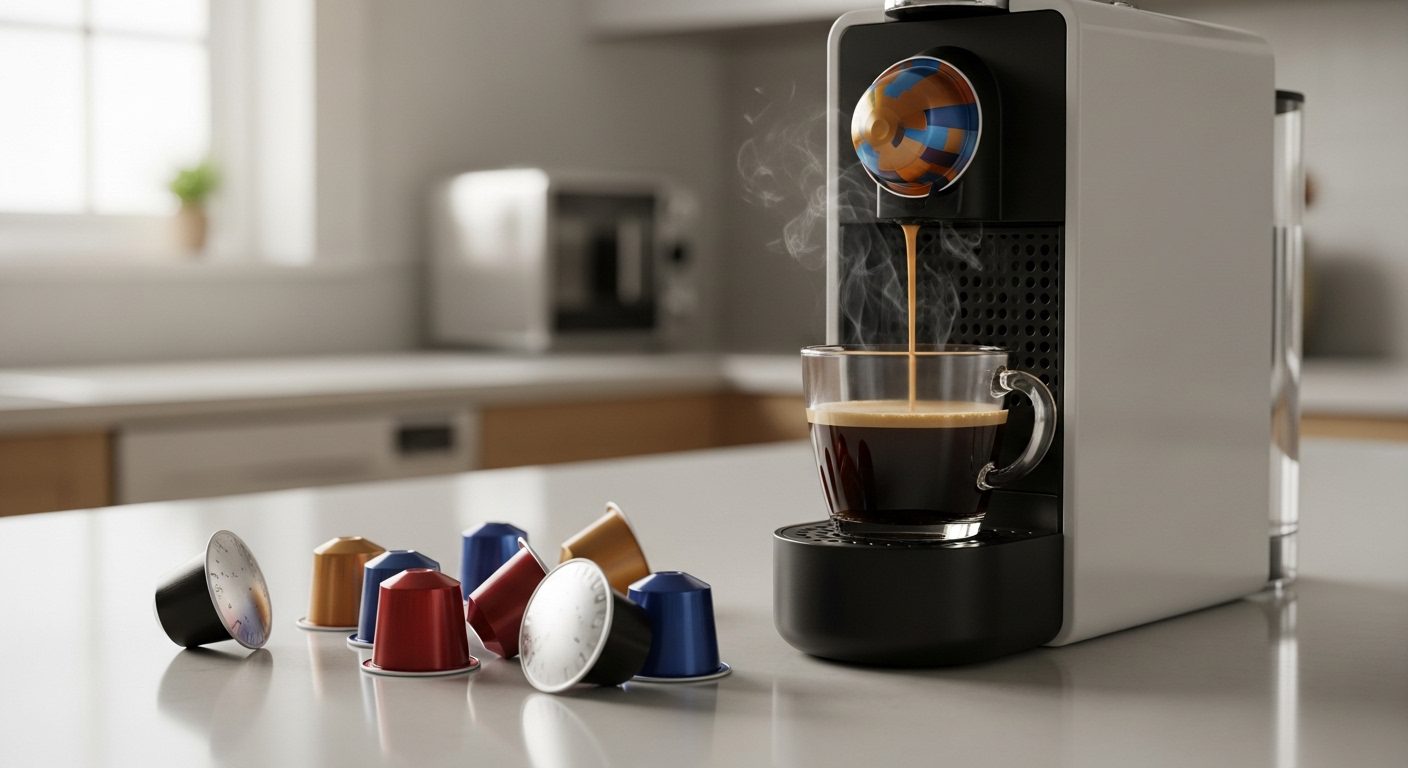
If you’ve ever watched your pod coffee machine transform a small capsule into a perfect cup of coffee in under a minute, you’ve witnessed a remarkable feat of engineering. I’ve spent considerable time researching the intricate mechanisms that make these machines work, and the technology is more sophisticated than most people realize.
Pod coffee machines combine precise water temperature control, calibrated pressure systems, and carefully engineered extraction chambers to deliver consistent coffee with minimal user intervention. The entire process involves multiple components working in perfect synchronization, from the initial pod piercing to the final extraction phase.
In this comprehensive guide, we’ll explore the complete technical workings of pod coffee machines, examining each component’s role and the scientific principles that govern coffee extraction. Whether you’re curious about the engineering behind your morning brew or considering purchasing a pod machine, understanding these mechanisms will give you valuable insights into this popular brewing technology.
The Core Components of Pod Coffee Machines
Every pod coffee machine contains several essential components that work together to create your coffee. At the heart of the system sits the water reservoir, which typically holds between 24 and 60 ounces of water depending on the model. This reservoir feeds water into the heating element through a series of internal tubes and valves.
The heating element, usually a thermoblock or boiler system, rapidly heats water to the optimal brewing temperature between 192°F and 196°F (89°C to 91°C). Thermoblocks consist of aluminum blocks with embedded heating coils that heat water as it passes through, while boiler systems heat a small chamber of water before dispensing. Most modern pod machines use thermoblocks because they heat faster and maintain more consistent temperatures.
The pump system creates the pressure necessary for proper extraction. Most pod machines use vibration pumps that generate between 15 and 19 bars of pressure, though only about 9 bars actually reach the coffee pod due to pressure regulation valves. This pump draws water from the reservoir, pushes it through the heating element, and forces it through the coffee pod.
The brewing chamber holds the coffee pod securely during extraction. This chamber includes piercing needles that puncture the pod’s top and bottom, creating entry and exit points for water flow. The chamber must create an airtight seal around the pod to maintain proper pressure during extraction.
The Step-by-Step Brewing Process
When you press the brew button on your pod coffee machine, a carefully orchestrated sequence begins. First, the machine performs a quick self-check, ensuring all systems are operational and the water reservoir contains sufficient water. This initialization typically takes 1-2 seconds.
Next, the pump activates and begins drawing water from the reservoir. As water flows through the system, it passes through the heating element where it rapidly reaches brewing temperature. The thermoblock or boiler maintains this temperature through thermostatic controls that continuously monitor and adjust heat output.
Once the water reaches optimal temperature, the pump increases pressure to force water into the brewing chamber. The top piercing needle punctures the pod’s aluminum or plastic seal, creating an entry point for hot water. Simultaneously or shortly after, the bottom needle pierces the pod’s base, establishing an exit route for extracted coffee.
Hot water enters the pod under pressure, saturating the ground coffee inside. The pressure forces water through the coffee grounds, extracting oils, aromatics, and solubles that create the coffee’s flavor profile. This extraction phase typically lasts 20-30 seconds for espresso-style drinks or 45-60 seconds for longer coffee beverages.
The extracted coffee flows through the bottom piercing needle and into your cup through the dispensing spout. Throughout this process, the machine maintains consistent water temperature and pressure to ensure optimal extraction. Once brewing completes, the pump stops, and any remaining pressure in the system releases through relief valves.
Understanding Pressure Systems and Extraction Science
Pressure plays a crucial role in pod coffee extraction, fundamentally different from traditional drip brewing methods. The high pressure forces water through the tightly packed coffee grounds much faster than gravity alone, extracting more compounds in less time. This pressure-driven extraction creates the characteristic crema layer on espresso-style beverages.
According to scientific research on coffee extraction kinetics, the extraction process follows predictable patterns based on pressure, temperature, and contact time. At 9 bars of pressure, water molecules penetrate coffee particles more effectively, dissolving both surface compounds and those within the coffee’s cellular structure. This enhanced penetration extracts approximately 18-22% of the coffee’s total mass, compared to 15-18% in drip brewing.
The pressure also affects which compounds get extracted and when. Acids and caffeine extract first, followed by sugars and caramelized compounds, and finally bitter tannins. Pod machines optimize this extraction sequence through precise pressure control, stopping the process before excessive bitter compounds dissolve.
Temperature works synergistically with pressure to optimize extraction. Water between 192°F and 196°F provides sufficient thermal energy to dissolve coffee compounds without causing over-extraction or burning. The combination of optimal temperature and pressure creates what coffee scientists call the “extraction sweet spot,” where maximum flavor develops without bitterness.
Different Pod Types and Compatibility Systems
The pod coffee market features several proprietary systems, each with unique design characteristics. Nespresso pods use aluminum construction with precisely ground coffee compressed to specific densities. These pods require 19 bars of pressure for optimal extraction and include a filtered bottom that helps create crema.
K-Cup pods, used in Keurig machines, feature plastic construction with a paper filter inside. These pods operate at lower pressures, typically 1-2 bars, functioning more like accelerated drip brewing. The K-Cup design includes a larger internal volume to accommodate various beverage types, from coffee to tea and hot chocolate.
Dolce Gusto pods use a unique hermetically sealed design that preserves coffee freshness through nitrogen flushing. These pods work with 15 bars of pressure and feature a special flow regulation system that controls extraction speed based on beverage type.
ESE (Easy Serving Espresso) pods differ from capsules as they consist of coffee wrapped in filter paper rather than plastic or aluminum. These pods work in machines with special ESE-compatible portafilters and typically require manual insertion rather than automatic loading systems.
Compatibility between pod types and machines remains limited due to proprietary designs and patent protections. Each system optimizes its pods for specific pressure levels, water volumes, and extraction times, making cross-compatibility technically challenging and often legally restricted.
Advanced Features in Modern Pod Machines
Contemporary pod coffee machines incorporate sophisticated technology beyond basic brewing mechanisms. Many models feature barcode reading systems that scan pods to automatically adjust brewing parameters. These systems recognize the specific coffee type and set optimal water volume, temperature, and extraction time accordingly.
Centrifugal extraction technology, pioneered by Nespresso’s Vertuo line, spins pods at up to 7,000 rotations per minute during brewing. This centrifugal force creates a unique extraction pattern, producing different pressure profiles throughout the brewing cycle and generating exceptional crema through centrifugal emulsification.
Smart connectivity allows some machines to connect to smartphones via Bluetooth or Wi-Fi. Users can schedule brewing times, adjust extraction parameters, order pods automatically, and receive maintenance reminders through dedicated apps. These connected features transform pod machines from simple appliances into integrated smart home devices.
Temperature profiling systems in premium models adjust water temperature dynamically during extraction. Starting with slightly cooler water prevents initial over-extraction, then increasing temperature maximizes flavor development, and finally reducing temperature prevents bitter compound extraction at the cycle’s end.
Maintenance and Troubleshooting Common Issues
Regular maintenance ensures pod machines continue operating efficiently. Scale buildup from mineral deposits in water represents the most common issue affecting performance. Calcium and magnesium deposits accumulate in heating elements and water lines, reducing heating efficiency and restricting water flow.
Descaling every 3-6 months, depending on water hardness, removes these mineral deposits. The descaling process involves running a citric acid or specialized descaling solution through the machine, dissolving accumulated minerals. Most machines include descaling programs that optimize solution contact time and flush cycles.
Clogged piercing needles can prevent proper pod puncturing or restrict coffee flow. Coffee oils and fine particles occasionally block needle openings, especially with frequent use. Cleaning needles with a paperclip or specialized cleaning tool restores proper function. Some machines include automatic needle cleaning cycles that use water pressure pulses to clear obstructions.
Inconsistent extraction often results from worn pump components or seal degradation. Pumps typically last 5,000-10,000 cycles before requiring replacement. Brewing chamber seals may compress or crack over time, preventing proper pressure maintenance. Regular inspection and timely replacement of wear components maintains brewing quality.
Water reservoir sensors sometimes malfunction, incorrectly indicating empty or full status. Mineral buildup on sensor contacts or electronic component failure causes these issues. Cleaning sensor areas with vinegar or rubbing alcohol often resolves detection problems.
Environmental Considerations and Sustainability
Pod coffee systems face criticism for environmental impact, particularly regarding single-use pod waste. Billions of pods enter landfills annually, with aluminum and plastic varieties taking decades or centuries to decompose. This environmental concern drives innovation in sustainable pod alternatives.
Recyclable pod programs now exist for several major brands. Nespresso operates collection programs that separate aluminum from coffee grounds, recycling both components. Some K-Cup varieties feature recyclable plastic components, though users must remove foil tops and empty grounds before recycling.
Compostable pods made from plant-based materials offer eco-friendly alternatives. These pods use materials like corn starch, sugar cane, and paper that decompose in industrial composting facilities within 12 weeks. However, compostable pods often cost more and may have shorter shelf lives than traditional pods.
Reusable pod systems allow users to fill their own pods with ground coffee. These stainless steel or plastic pods work in standard machines but require manual filling and cleaning. While less convenient, reusable pods eliminate single-use waste and allow users to choose any coffee variety.
Energy consumption represents another environmental consideration. Pod machines typically use 800-1500 watts during brewing and 1-5 watts in standby mode. Automatic shut-off features and energy-efficient heating systems reduce overall power consumption compared to keeping traditional coffee makers hot for extended periods.
The Science of Coffee Extraction in Pod Systems
Coffee extraction in pod systems follows fundamental chemical and physical principles. Water acts as a solvent, dissolving soluble compounds from roasted coffee grounds. The extraction rate depends on several variables including temperature, pressure, grind size, and contact time.
In pod systems, manufacturers pre-optimize grind size for each specific coffee type. Finer grinds increase surface area, accelerating extraction but potentially causing over-extraction if contact time isn’t controlled. Pod designers balance grind size with pod architecture to achieve optimal extraction within predetermined brewing times.
Mass transfer principles govern how compounds move from coffee particles into water. Initially, water saturates the coffee bed, displacing gases and beginning surface extraction. As brewing continues, water penetrates deeper into particles, extracting compounds from within cellular structures through diffusion.
The extraction yield, typically 18-22% for pod coffee, represents the percentage of coffee mass dissolved into the brew. This yield encompasses various compounds including caffeine (1.2-1.5%), acids (4-5%), sugars (2-3%), and oils (1-2%). The remaining 78-82% consists of insoluble cellulose and other structural compounds.
Extraction uniformity affects flavor consistency. Pod systems achieve high uniformity through controlled water distribution and consistent pressure application. The confined pod environment ensures all grounds receive similar water exposure, unlike pour-over methods where channeling can create uneven extraction.
Comparing Pod Machines to Traditional Brewing Methods
Pod coffee machines offer distinct advantages and limitations compared to traditional brewing methods. The primary advantage lies in consistency and convenience. Every cup from a pod machine tastes virtually identical because variables like water temperature, extraction time, and coffee dose remain constant.
Traditional espresso machines require skill to achieve consistent results. Baristas must master grinding, dosing, tamping, and extraction timing. Pod machines eliminate these variables, making quality espresso accessible without training. However, this automation removes the artisanal aspect many coffee enthusiasts value.
Cost considerations vary significantly between methods. Pod machines typically cost less initially than quality espresso machines, ranging from $50 to $500 versus $300 to $3,000 for traditional machines. However, pod coffee costs significantly more per cup, averaging $0.50-$1.00 compared to $0.20-$0.40 for whole bean coffee.
Freshness represents another key difference. Pods maintain consistent freshness through sealed packaging and nitrogen flushing, but coffee in pods may be weeks or months old. Traditional methods allow use of freshly roasted beans, which many argue produces superior flavor. The trade-off between convenience and optimal freshness remains a personal preference.
Frequently Asked Questions
How long do pod coffee machines typically last?
Most pod coffee machines last 5-10 years with proper maintenance. The pump and heating element are usually the first components to fail. Regular descaling and cleaning significantly extend machine lifespan. Premium models with better build quality may last longer than budget options.
Can I use regular ground coffee in a pod machine?
Some pod machines accept reusable pods that you can fill with regular ground coffee. However, you cannot put loose grounds directly into machines designed for pods. Reusable pods require specific grind sizes and careful filling to work properly.
Why does my pod coffee taste different from café espresso?
Pod coffee differs from café espresso due to several factors: pre-ground coffee in pods oxidizes faster than fresh grounds, pod machines typically use lower pressure than commercial espresso machines, and the confined pod environment creates different extraction dynamics than traditional portafilters.
How much electricity do pod coffee machines use?
Pod machines consume 800-1500 watts during brewing, which lasts 30-60 seconds. In standby mode, they use 1-5 watts. Daily usage typically costs $0.01-$0.03 in electricity. Machines with instant heating use more power briefly but save energy overall by not maintaining hot water.
Are expensive pods worth the extra cost?
Premium pods often contain higher-quality coffee beans, more careful roasting, and optimized grind sizes for better extraction. Whether they’re worth the cost depends on your taste preferences and budget. Many users find significant flavor differences between budget and premium pods.
Can pod machines make drinks other than coffee?
Many pod systems offer tea, hot chocolate, and other beverage pods. These pods contain instant or concentrated ingredients that dissolve in hot water. Some machines adjust temperature and water volume automatically based on beverage type for optimal results.
Why do some pods produce more crema than others?
Crema production depends on coffee freshness, roast level, pressure, and pod design. Darker roasts and fresher coffee produce more crema. Some pods include design features like special filters or pressure valves that enhance crema formation through mechanical agitation.
How do I know when my machine needs descaling?
Signs include slower brewing, reduced water flow, unusual noises, or incomplete cup filling. Many machines have indicator lights that activate after a set number of brewing cycles. In hard water areas, descale every 2-3 months; in soft water areas, every 4-6 months suffices.
Conclusion
Pod coffee machines represent a fascinating intersection of engineering, chemistry, and convenience. These devices pack sophisticated technology into compact appliances, using precisely controlled pressure, temperature, and timing to extract coffee consistently. From the initial water heating through the final extraction phase, every component plays a crucial role in transforming a small pod into your morning coffee.
Understanding how these machines work helps you appreciate the engineering behind each cup and make informed decisions about maintenance, pod selection, and troubleshooting. While pod systems may lack the romance of traditional brewing methods, their technical elegance and reliability have revolutionized home coffee preparation.
As technology continues advancing, we can expect future pod machines to offer even greater efficiency, sustainability, and customization options. Whether you’re a casual coffee drinker valuing convenience or an enthusiast exploring different brewing technologies, pod machines demonstrate how engineering innovation can transform everyday experiences. The next time you insert a pod and press brew, you’ll understand the remarkable process occurring inside your machine.