When you think about cordless vacuum cleaner uses, floor cleaning probably comes to mind first. But these versatile tools can handle everything from delicate blinds to grimy car interiors, making them one of the most valuable appliances in your home. The freedom from cords combined with lightweight portability opens up cleaning possibilities that traditional vacuums simply cannot match.
Here are the top uses for cordless vacuum cleaners: (1) Deep cleaning mattresses and upholstery, (2) Removing dust from blinds and shutters, (3) Detailing car interiors, (4) Tackling pet hair on furniture and clothing, (5) Cleaning electronics and keyboards safely, (6) Freshening curtains and drapes, (7) Maintaining HVAC vents for better air quality, (8) Quick kitchen worktop cleanup, (9) Finding lost items with the sock hack, (10) Simplifying stair cleaning without cord management.
Today’s cordless stick vacuums pack impressive suction power into portable packages that make above-floor cleaning practical for everyday use. Whether you are dealing with dust accumulation on plantation shutters, quick spills on kitchen counters, or helping with home improvement projects, your cordless vacuum can handle it all. The key is knowing the right techniques and attachments to use for each task.
I have spent the past year testing these creative applications in my own home, consulting with professional cleaners, and gathering tips from cleaning communities online. What I discovered will change how you think about this everyday tool. These are not just cleaning hacks – they are practical solutions that save time, money, and effort while keeping your home cleaner than ever before. The grab-and-go convenience of a portable vacuum uses encourages more frequent cleaning sessions, which is exactly what most homes need for maintenance.
1. Deep Clean Your Mattress for Better Sleep
Your mattress harbors more dust mites, dead skin cells, and allergens than you might imagine. I discovered this the hard way when my allergies kept getting worse despite regular cleaning. Using your cordless vacuum with the upholstery attachment can dramatically improve your sleep environment and reduce allergens that accumulate over months of use.
Start by stripping all bedding and letting the mattress air out for 30 minutes. Then, using the upholstery tool or soft brush attachment, vacuum the entire surface in overlapping strokes. Pay special attention to seams, edges, and any tufted areas where dust and debris love to hide. I recommend doing this monthly, but if you have allergies or pets, bump it up to every two weeks.
For deeper cleaning, sprinkle baking soda over the mattress surface before vacuuming. Let it sit for at least 15 minutes – this helps neutralize odors and absorb moisture. The cordless vacuum’s portability makes it easy to maneuver around the bed without dragging cords or repositioning a heavy machine. Don’t forget to vacuum the sides of the mattress too, as dust settles there when you change sheets.
The difference this makes is remarkable. After implementing regular mattress vacuuming, I noticed fewer morning sneezes, better sleep quality, and fresher-smelling bedding between washes. Plus, extending your mattress’s lifespan by keeping it clean can save hundreds of dollars in replacement costs.
2. Refresh and Deodorize Upholstered Furniture
Upholstered furniture acts like a giant sponge, absorbing odors, dust, pet dander, and everyday grime. Your cordless vacuum can breathe new life into sofas, chairs, and ottomans without the expense of professional cleaning. The key is using the right technique and maintaining a regular cleaning schedule.
Begin by removing all cushions and vacuuming underneath them – you’ll be amazed at what accumulates in these hidden spaces. Use the crevice tool to reach deep into the gaps where the back meets the seat. These areas often harbor coins, crumbs, and pet hair that contribute to unpleasant odors. The lightweight nature of cordless vacuums makes it easy to hold them at different angles to reach every nook.
For the fabric surfaces, switch to the upholstery brush attachment and work in sections. Use overlapping strokes and apply gentle pressure to lift embedded dirt without damaging the fabric. If your vacuum has adjustable suction, use a medium setting to avoid pulling or stretching delicate materials. Pay extra attention to armrests and headrest areas where oils from skin and hair accumulate.
To combat odors, create a natural freshening powder by mixing one cup of baking soda with 10 drops of your favorite essential oil. Sprinkle this mixture lightly over the furniture, let it sit for 20 minutes, then vacuum thoroughly. This technique works especially well for homes with pets or smokers. Regular weekly vacuuming of high-use furniture can extend its life by years and maintain a fresher, cleaner living space.
3. Clean Computer Keyboards and Electronics
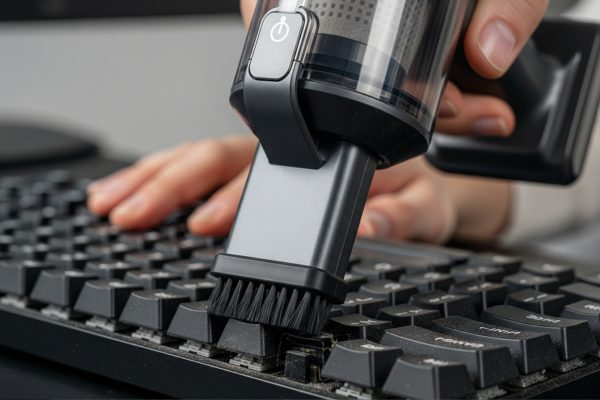
Electronic devices are magnets for dust, crumbs, and bacteria, yet many people hesitate to clean them properly. Your cordless vacuum, when used correctly, provides a safe and effective solution for maintaining your tech gear. The portability and controlled suction make it ideal for delicate electronics that require gentle handling.
For keyboards, start by turning the device upside down and gently shaking out loose debris. Then, using the soft brush attachment on low suction, carefully vacuum between the keys. The brush helps dislodge stubborn particles while the suction removes them completely. Hold the vacuum at a slight angle rather than pressing directly down to avoid damaging key mechanisms. This method works equally well for laptop and desktop keyboards.
Your cordless vacuum also excels at cleaning computer towers, gaming consoles, and entertainment centers. Use the crevice tool to clear ventilation grilles where dust buildup can cause overheating. For screens and monitors, use only the soft brush attachment without suction, gently sweeping dust away. The same technique works for televisions, speakers, and other sensitive surfaces. Many people don’t realize that dust accumulation is a leading cause of electronic device failure.
Don’t forget about smaller electronics like remote controls, game controllers, and phones (with appropriate caution). The precision attachments on cordless vacuums can reach into charging ports and speaker grilles where compressed air might push debris deeper. Regular cleaning every two weeks can significantly extend the life of your electronics and improve their performance. For those interested in maintaining their tech properly, check out this gaming mouse cleaning guide for additional tips on keeping gaming peripherals in top condition.
4. Remove Pet Hair from Every Surface
Pet hair seems to have a supernatural ability to embed itself in every surface of your home. Your cordless vacuum becomes an invaluable ally in this never-ending battle. The combination of portability and specialized attachments makes it possible to tackle pet hair wherever it accumulates, from furniture to car interiors.
For furniture and carpets, use the motorized brush attachment if your vacuum has one – the rotating bristles are incredibly effective at lifting stubborn pet hair from fabric fibers. Work in multiple directions to catch hair that lies flat against the surface. I’ve found that vacuuming in a crosshatch pattern (horizontal then vertical passes) removes up to 90% more pet hair than single-direction passes.
Clothing and curtains present unique challenges that cordless vacuums handle beautifully. Use the upholstery tool with gentle suction to remove pet hair from hanging curtains without taking them down. For clothes, lay them flat and use short, quick strokes with the fabric brush. This method is gentler than lint rollers and more thorough than brushing alone. The cordless design means you can easily treat clothes right in your closet or on hanging racks.
Don’t overlook less obvious pet hair hotspots like lampshades, baseboards, and even walls. Static electricity causes pet hair to cling to these surfaces, creating an unsightly fuzzy appearance. The soft brush attachment works wonders here, and the cordless vacuum’s maneuverability lets you reach high and low spots without strain. Regular maintenance with your cordless vacuum can reduce allergens and keep your home looking professionally cleaned.
5. Clean Car Interiors Like a Professional
Professional car detailing can cost $100 or more, but your cordless vacuum can achieve similar results with the right approach. The freedom from cords makes it perfect for reaching every corner of your vehicle, from floor mats to overhead compartments. This has become one of my favorite money-saving discoveries.
Start with the floor mats – remove them completely and shake out loose debris. Use the motorized brush attachment to agitate embedded dirt, then vacuum thoroughly on both sides. For the car’s carpet, use the crevice tool along the edges where the carpet meets plastic trim, as dirt loves to accumulate in these boundaries. The seats require different techniques depending on the material: use the upholstery brush for fabric seats and the soft brush for leather to avoid scratching.
The real game-changer is using your cordless vacuum for those impossible-to-reach areas. Slide the crevice tool between and under seats to remove months of accumulated debris. Don’t forget the seat tracks – these metal rails collect an surprising amount of dirt that can affect seat movement. The narrow attachment also works perfectly for cleaning air vents, cup holders, and the gap between the windshield and dashboard.
For the trunk, your cordless vacuum’s portability really shines. Clean the spare tire well, vacuum under the floor mat, and use the brush attachment on the trunk’s fabric lining. Regular monthly car vacuuming not only maintains your vehicle’s value but also creates a more pleasant driving experience. The time saved versus hauling out an extension cord or driving to a car wash makes this a truly game-changing application.
6. Tackle Ceiling Fans and Light Fixtures
Ceiling fans and light fixtures are notorious dust collectors that often get neglected because they’re difficult to reach. Your cordless vacuum transforms this dreaded chore into a quick, mess-free task. No more balancing on ladders with damp cloths or dealing with dust falling onto furniture below.
For ceiling fans, use the soft brush attachment with an extension wand if available. Start with the fan turned off and position yourself safely on a step stool. Run the vacuum along the top of each blade first, then the bottom. The suction captures dust immediately, preventing it from falling onto surfaces below. This method is far superior to traditional dusting, which simply redistributes dust around the room. Work from the center of the blade outward for best results.
Light fixtures require a gentler approach, especially for delicate glass or crystal components. Use the soft brush attachment on low suction to carefully clean around bulbs and decorative elements. For recessed lighting, the crevice tool can reach into the housing to remove dust and dead insects that affect light quality. Lampshades benefit from regular vacuuming too – use the upholstery attachment and work from top to bottom to prevent dust lines.
The safety advantages of using a cordless vacuum for overhead cleaning cannot be overstated. Without a cord to manage, you can focus on balance and proper technique. Plus, the lightweight design reduces arm fatigue during extended overhead work. I recommend cleaning ceiling fixtures monthly during peak seasons when fans are in use, and quarterly for less-used fixtures. This regular maintenance improves air quality and can even reduce energy costs by allowing lights to shine brighter.
7. Freshen and Sanitize Curtains, Drapes, and Blinds
Curtains, drapes, and window treatments are essentially giant air filters, trapping dust, pollen, and odors from your home. Yet most people only clean them once or twice a year. Your cordless vacuum makes it possible to maintain fresh, clean window treatments without the hassle of taking them down for washing. This approach works equally well for fabric curtains and hard-surface blinds or shutters.
Begin at the top of the curtain using the upholstery or soft brush attachment. Work in vertical strokes from ceiling to floor, overlapping each pass slightly. The key is using gentle suction – you want to remove dust without pulling the fabric or stressing the curtain rod. For pleated drapes, use the crevice tool to clean inside each fold where dust accumulates heavily. Pay special attention to the bottom hem, which tends to collect the most dirt.
For blinds and shutters, adapt your technique based on the style. Venetian blinds with horizontal slats require you to vacuum each slat individually, working from top to bottom. Use the brush attachment and close the blinds completely to access both sides efficiently. Plantation shutters with wider louvers can be cleaned by angling the brush to reach the full surface. The cordless vacuum’s portability lets you move from window to window without constantly unplugging and re-plugging.
Sheer curtains require extra care due to their delicate nature. Use the lowest suction setting and hold the fabric taut with one hand while vacuuming with the other. This prevents the material from being sucked into the vacuum. For heavily soiled areas, use the brush attachment to gently agitate the fabric before vacuuming. This technique can remove light stains and refresh the appearance without washing. Regular weekly vacuuming of curtains and blinds in high-traffic areas can extend their life significantly and maintain better indoor air quality.
8. Deep Clean Baseboards and Crown Molding
Baseboards and crown molding frame your rooms, but they’re also dust magnets that can make even clean spaces look dingy. Traditional cleaning methods involve crawling around with cloths or mops, but your cordless vacuum offers a faster, more thorough solution that’s easier on your knees and back.
Use the crevice tool or soft brush attachment to run along the top edge of baseboards where dust settles most heavily. The narrow profile of these attachments fits perfectly into the groove where the baseboard meets the wall. Work in sections of about four feet at a time, using steady, deliberate movements. For textured or decorative molding, the soft brush attachment works best as it can reach into carved details and grooves.
Crown molding presents a different challenge due to its height, but the cordless vacuum’s lightweight design makes overhead work manageable. If your vacuum has an extension wand, this is where it truly earns its keep. Without one, a step stool will give you the reach you need. The angle where crown molding meets the ceiling is particularly prone to cobwebs and dust buildup. The crevice tool excels at cleaning these tight corners without damaging paint or wallpaper.
For optimal results, vacuum baseboards and molding before mopping floors or dusting furniture. This prevents redistributing dust onto clean surfaces. In homes with pets or high traffic, weekly baseboard vacuuming makes a noticeable difference in overall cleanliness. The time saved versus traditional cleaning methods is substantial – what once took an hour of hands-and-knees scrubbing now takes 15 minutes of comfortable standing work.
9. Maintain HVAC Vents, Returns, and Radiators
Your HVAC system’s efficiency depends heavily on clean vents and returns, yet these are often overlooked during regular cleaning. A cordless vacuum provides the perfect tool for maintaining these crucial components without professional help. Regular cleaning can improve air quality, reduce energy bills, and extend your HVAC system’s lifespan. Don’t forget about radiators, which collect dust that reduces heating efficiency.
Start with return air vents, which tend to accumulate the most dust. Remove the vent cover if possible and vacuum both sides thoroughly using the brush attachment. For the duct opening itself, use the crevice tool to reach as far as safely possible. You’ll likely be shocked at the amount of dust and debris that comes out. Supply vents require similar treatment, though they typically accumulate less dust due to outward airflow.
Radiators deserve special attention for both cleanliness and energy efficiency. Dust buildup between radiator fins acts as insulation, preventing heat from circulating properly into your room. This forces your heating system to work harder and increases energy costs. Use the crevice tool or a thin brush attachment to clean between the fins, working from top to bottom. For cast iron radiators, the brush attachment works well on the outer surfaces. Regular radiator cleaning can improve heating efficiency by up to 10%, saving money on utility bills during cold months.
Floor vents need special attention as they collect not just dust but also small objects, pet hair, and food crumbs. Use the crevice tool to clean between the slats without removing the vent cover. For stubborn debris, the brush attachment can help dislodge items stuck in the grating. Don’t forget about bathroom exhaust fans – these collect moisture-laden dust that can harbor mold. The cordless vacuum’s portability makes it easy to clean these ceiling-mounted fans safely.
The impact of clean vents extends beyond aesthetics. Blocked vents force your HVAC system to work harder, increasing energy consumption by up to 25%. Regular monthly vacuuming of vents can prevent this efficiency loss. Additionally, clean vents reduce the circulation of allergens and dust throughout your home. For households with allergies or respiratory issues, this simple maintenance task can significantly improve quality of life.
10. Clean Stairs Without the Hassle
Stairs are arguably where cordless vacuums prove their worth most dramatically. No more dragging heavy uprights up and down or dealing with cords that don’t quite reach. The freedom and maneuverability of cordless models transform stair cleaning from a dreaded chore into a quick task.
Start from the top and work your way down, vacuuming each tread thoroughly before moving to the next. Use the main floor head for the flat surfaces and the crevice tool for the corners where the tread meets the riser. Don’t forget the vertical risers themselves – these collect dust and show scuff marks that vacuuming can help minimize. For carpeted stairs, use the motorized brush attachment if available to lift embedded dirt and revive crushed fibers.
The edges of stairs, where carpet meets the wall or railing, require special attention. These areas trap significant amounts of dust and pet hair. The crevice tool is perfect for this detail work. For homes with spindles or balusters, use the soft brush attachment to clean these vertical elements. The cordless vacuum’s ability to be held at any angle makes reaching between spindles much easier than with traditional vacuums.
Stair cleaning frequency depends on traffic levels, but high-use stairs benefit from twice-weekly vacuuming. This prevents dirt from being ground into carpet fibers and extends carpet life. For homes with pets or children, daily touch-ups of high-traffic stairs take just minutes with a cordless vacuum. The safety benefit of not managing a cord while navigating stairs cannot be overemphasized – it’s one of the most common causes of vacuum-related accidents.
11. Remove Allergens from Window Sills, Tracks, and Drawers
Window sills and tracks are often forgotten during routine cleaning, yet they harbor surprising amounts of allergens, dead insects, and outdoor pollutants. Your cordless vacuum equipped with the right attachments can transform these grimy areas into spotless surfaces that contribute to better indoor air quality. The same techniques work equally well for kitchen drawers and cutlery trays that accumulate crumbs over time.
Begin with the window tracks, using the crevice tool to remove loose debris. These narrow channels collect dirt, dead bugs, and sometimes mold in humid climates. After the initial vacuuming, use a small brush (an old toothbrush works well) to loosen stubborn grime, then vacuum again. The cordless vacuum’s portability lets you move quickly from window to window without unplugging and re-plugging.
Window sills require a different approach depending on their material and condition. For painted or vinyl sills, use the soft brush attachment to avoid scratching while still providing enough agitation to remove stuck-on dirt. Pay attention to the corners where sills meet the window frame – these areas often develop mildew in humid conditions. The vacuum removes spores before they can spread, making it an important tool for mold prevention.
For kitchen drawers and cutlery trays, remove all contents first, then use the crevice tool to reach every corner. These spaces collect surprising amounts of dust, crumbs, and small debris that can attract pests. The brush attachment works well for textured drawer liners or wooden interiors. Regular monthly cleaning of drawers keeps your kitchen more hygienic and prevents that gritty feeling when reaching for silverware. Don’t forget to vacuum drawer slides and tracks where dust accumulation can cause sticking.
Don’t overlook exterior window sills if they’re accessible. These accumulate pollen, dust, and pollution that can enter your home when windows are opened. Monthly vacuuming of all window areas can significantly reduce allergen levels indoors. For those with pollen allergies, increasing frequency during high-pollen seasons makes a noticeable difference in symptom management. This is especially important in bedrooms where you spend extended periods.
12. Quick-Clean Artificial Plants, Decorations, and Kitchen Spills
Artificial plants and decorative items add beauty to our homes but can become eyesores when covered in dust. Your cordless vacuum offers a gentle yet effective way to maintain these items without the risk of damage that comes with traditional dusting methods. This technique has saved me hours of tedious hand-cleaning. The same portability makes cordless vacuums perfect for quick kitchen worktop cleanup when cooking gets messy.
For artificial plants, use the soft brush attachment on low suction. Start at the top and work downward, brushing each leaf or petal while the vacuum captures the loosened dust. For plants with intricate details or delicate materials, hold the vacuum slightly away from the surface and use the brush to direct dust toward the suction. This prevents delicate elements from being damaged or sucked into the vacuum.
Decorative items like sculptures, picture frames, and collectibles benefit from similar treatment. The soft brush attachment can clean carved details, crevices, and textured surfaces that cloths can’t reach effectively. For fragile items, use the brush without suction as a gentle dusting tool, then vacuum the surrounding area to capture the displaced dust. This two-step process ensures thorough cleaning without risk.
Kitchen worktops present a unique opportunity for cordless vacuums that many people overlook. When cooking, small spills of flour, sugar, or breadcrumbs happen constantly. Instead of using a cloth that just spreads debris around, grab your cordless vacuum with the crevice tool. In seconds, you can remove dry spills without scattering them to the floor. This spot cleaning approach keeps your kitchen cleaner during food preparation and prevents debris from being tracked through the house.
Seasonal decorations stored in attics or basements particularly benefit from vacuum cleaning before display. The crevice tool can clean inside ceramic or plastic decorations where spiders and dust accumulate during storage. Regular vacuuming of displayed decorations – weekly for high-dust areas, monthly for others – keeps them looking fresh and reduces overall dust levels in your home. This method is far superior to compressed air, which simply redistributes dust rather than removing it.
13. Simplify Workshop and Garage Cleanup
Workshops and garages generate unique cleaning challenges with sawdust, metal shavings, and various debris. Your cordless vacuum, while not replacing a shop vac for heavy-duty work, excels at quick cleanups and maintaining cleaner work spaces between major cleaning sessions.
For workbenches and tool storage areas, the cordless vacuum’s portability is invaluable. Use the crevice tool to clean around power tools, in toolbox drawers, and between stored materials. The brush attachment works well for cleaning tool handles and cases where dust accumulates. Regular vacuuming prevents dust from contaminating projects and keeps tools in better condition by removing abrasive particles.
Garage floors benefit from spot cleaning with your cordless vacuum. While it won’t replace sweeping for large debris, it’s perfect for cleaning up after specific projects or maintaining high-traffic areas. Use it to clean door tracks, weatherstripping, and the area where the garage door meets the floor – spots where dirt accumulation can affect door operation. The crevice tool also excels at cleaning between storage shelves and along walls where brooms can’t reach effectively.
Don’t forget about garage storage areas like shelving units and overhead storage. Dust accumulates on stored items, potentially damaging sensitive equipment or contaminating seasonal decorations. The cordless vacuum makes it easy to maintain these areas without the major production of hauling everything out. For safety equipment like helmets and protective gear, regular vacuuming removes dust that could affect performance or cause irritation during use.
Bonus: The Sock Hack for Finding Lost Items
One of the cleverest cordless vacuum cleaner uses doesn’t involve cleaning at all – it’s the famous “sock hack” for finding lost items. When you drop a tiny earring, contact lens, or screw behind furniture, searching by hand can be frustrating and dirty. Your cordless vacuum becomes a retrieval tool with this simple trick.
Stretch a thin sock or stocking over the end of your vacuum’s crevice tool, securing it with a rubber band. The fabric acts as a filter that catches small objects while letting air through. When you vacuum the area where you lost the item, it gets trapped against the sock instead of disappearing into the dust bin. I have used this method to recover countless earrings, game pieces, and even a hearing aid that would have been impossible to find otherwise.
This technique works best with medium suction – too high and small items might get pulled through the fabric, too low and they won’t lift off the carpet. Test the sock’s hold with a similar object before attempting your search. For very small items like beads or pins, double-layer the fabric for extra security. The cordless vacuum’s portability makes this hack even more useful since you can quickly deploy it anywhere in your home without searching for an outlet.
Safety Considerations for Creative Vacuum Use
While cordless vacuums are versatile tools, using them creatively requires attention to safety. Understanding the limitations and proper techniques protects both you and your vacuum from damage. These guidelines will help you maximize benefits while minimizing risks.
First, always check your vacuum’s specifications before attempting new uses. Some models have restrictions on fine particles like drywall dust or ash that can damage filters and motors. Never vacuum liquids unless your model is specifically designed for wet pickup. When cleaning electronics, ensure devices are powered off and unplugged. Use low suction settings and appropriate attachments to prevent static damage to sensitive components.
Protect your vacuum’s longevity by maintaining it properly when using it creatively. Clean filters more frequently when vacuuming fine dust or pet hair. Empty the dustbin before it reaches capacity, as overfilling reduces suction and strains the motor. Check brush rolls regularly for tangled hair or threads that could damage the mechanism. When using extension wands for overhead work, ensure secure attachment to prevent tools from falling.
Personal safety should always be your priority. Use proper ladder safety when reaching high areas, and never overextend yourself. Wear a dust mask when vacuuming areas with potential allergens or fine particles. Be cautious around delicate items and test suction strength on inconspicuous areas first. Keep the vacuum away from water sources, and never use it with wet hands. If you notice unusual sounds, smells, or reduced performance, stop use immediately and investigate the cause.
Maintenance Tips for Maximum Performance
Regular maintenance ensures your cordless vacuum continues performing well across all these creative applications. Proper care extends battery life, maintains suction power, and prevents premature wear. These maintenance routines take just minutes but add years to your vacuum’s lifespan.
Filter maintenance is crucial for maintaining suction power. Most cordless vacuums have washable filters that should be cleaned monthly under normal use, or bi-weekly with heavy use. Remove the filter according to manufacturer instructions, tap out loose debris, then rinse with cool water. Allow filters to dry completely for 24 hours before reinstalling. Never use hot water or cleaning products unless specifically recommended, as these can damage filter materials.
Battery care significantly impacts your cordless vacuum’s usability and addresses the common concern of range anxiety. Avoid completely draining the battery before recharging, as this can reduce battery life. Store the vacuum in a cool, dry place when not in use, as extreme temperatures affect battery performance. For lithium-ion batteries, partial charging is actually better than full discharge cycles. If you notice reduced runtime, the battery may need replacement – most last 2-3 years with regular use. Keep charging contacts clean by wiping them monthly with a dry cloth.
To maximize battery runtime during cleaning sessions, use eco or normal mode for most tasks and reserve max power for heavily soiled areas. This can extend cleaning time by 40% or more. Keep filters clean, as clogged filters make the motor work harder and drain power faster. Empty the dustbin frequently to maintain optimal airflow and reduce motor strain. Consider purchasing a spare battery for larger homes or extended cleaning sessions – having a charged backup eliminates the frustration of interrupted cleaning.
Regular inspection and cleaning of brush rolls and attachments ensures optimal performance. Remove tangled hair and threads from brush rolls weekly, using scissors to carefully cut wrapped debris. Check attachment connections for clogs, especially in the crevice tool which can trap larger debris. Wipe down the vacuum body and attachments with a damp cloth to remove dust and maintain appearance. These simple maintenance tasks ensure your vacuum remains ready for any creative cleaning challenge you throw at it.
Frequently Asked Questions
Can I use my cordless vacuum on hardwood floors without scratching them?
Yes, absolutely. Most cordless vacuums come with specific hardwood floor attachments or settings. Use the hard floor setting if available, which typically turns off the brush roll to prevent scratching. Always check that the wheels and brush roll are clean and free from debris that could cause scratches. For extra protection, use the soft brush attachment for spot cleaning.
How often should I clean my cordless vacuum’s filter?
For normal household use, clean washable filters monthly. If you have pets, allergies, or use your vacuum for the creative applications discussed here, increase cleaning to every two weeks. Always let filters dry completely for 24 hours before reinstalling. Replace filters according to manufacturer recommendations, typically every 6-12 months depending on use.
Will using my cordless vacuum for these creative uses void the warranty?
Most warranties cover normal household use, which includes the applications discussed here. However, always check your specific warranty terms. Avoid vacuuming materials specifically prohibited in your manual, such as construction dust, liquids (unless wet-capable), or hot ashes. When in doubt, contact the manufacturer for clarification.
What’s the best way to clean pet hair from my cordless vacuum’s brush roll?
Turn off and unplug the vacuum first. Most brush rolls can be removed for easier cleaning. Use scissors to carefully cut hair wrapped around the brush, working from one end to the other. Pull the cut hair away with your fingers or tweezers. Some newer models have self-cleaning brush rolls that minimize hair tangling. Clean the brush roll weekly if you have pets.
Can cordless vacuums really match the power of corded models?
Modern cordless vacuums have significantly closed the gap in suction power. While the strongest corded models still have more raw power, quality cordless vacuums provide more than enough suction for all household cleaning tasks. The convenience and versatility often outweigh any minor power differences. For the creative uses discussed here, cordless models actually perform better due to their maneuverability.
How can I extend my cordless vacuum’s battery runtime?
Use eco or normal mode for most cleaning tasks, reserving max power for heavily soiled areas. Keep filters clean, as clogged filters make the motor work harder. Empty the dustbin frequently to maintain optimal airflow. Avoid using the vacuum in extreme temperatures. Consider purchasing a spare battery for larger homes or extended cleaning sessions.
Is it safe to vacuum baking soda and other carpet fresheners?
Yes, but with caution. Baking soda is generally safe but can clog filters if used excessively. Vacuum thoroughly and clean filters afterward. Avoid scented carpet powders with oils that can damage vacuum components. Never vacuum wet baking soda paste. For regular deodorizing, use baking soda sparingly and ensure complete removal to prevent filter clogging.
What attachments are most useful for these creative applications?
The crevice tool, soft brush, and upholstery tool are essential for versatile cleaning. A motorized brush head is invaluable for pet hair and deep carpet cleaning. Extension wands help reach high places safely. Consider purchasing a kit with multiple attachments if your vacuum didn’t include them. Quality attachments significantly expand your vacuum’s capabilities.
What are the benefits of a cordless vacuum?
Cordless vacuums offer unmatched portability and convenience for quick cleanups and above-floor cleaning. The main benefits include freedom from cord restriction, lightweight maneuverability that reduces fatigue, grab-and-go deployment for immediate spot cleaning, versatile attachments for multi-surface cleaning, and the ability to clean cars, stairs, and tight spaces without outlet hunting. For busy households, the convenience factor often leads to more frequent cleaning, resulting in consistently cleaner homes.
Can you clean a whole house with a cordless vacuum?
Yes, you can clean a whole house with a cordless vacuum, though it depends on your home’s size and the vacuum’s battery runtime. Most modern cordless vacuums provide 30-60 minutes of runtime, sufficient for apartments and small to medium homes. For larger homes, consider models with swappable batteries or plan cleaning in sections, charging between rooms. Many users find that cordless vacuums handle 99% of daily cleaning needs, reserving corded vacuums only for occasional deep cleaning sessions.
Should people with asthma vacuum?
People with asthma should vacuum regularly, but with important precautions. Vacuuming removes dust mites, pet dander, pollen, and other triggers that accumulate in carpets and upholstery. Use a vacuum with HEPA filtration to prevent particles from being recirculated into the air. Vacuum when the asthma sufferer is not in the room, or wear a mask during cleaning. Regular vacuuming of mattresses, curtains, and upholstery significantly reduces allergen exposure and can improve respiratory symptoms over time.
What is the best vacuum for people with arthritis?
Cordless stick vacuums are often the best choice for people with arthritis due to their lightweight design and maneuverability. Look for models under 6 pounds with trigger-style or continuous power buttons that don’t require constant gripping. Swivel steering reduces wrist strain, and wall-mounted storage eliminates bending to retrieve the vacuum. Avoid heavy upright models that require pushing and maneuvering. Features like anti-tangle brush rolls also minimize maintenance tasks that can strain arthritic hands.
Conclusion
Your cordless vacuum is far more than a simple floor-cleaning tool – it’s a versatile cleaning system that can transform how you maintain your entire home. From deep-cleaning mattresses to detailing car interiors, these 13 game-changing uses prove that creative thinking can multiply the value of tools you already own.
The beauty of these techniques lies in their simplicity and effectiveness. You don’t need expensive specialized equipment or professional services for most cleaning tasks. Your cordless vacuum, combined with the right techniques and regular maintenance, can handle jobs that once seemed daunting or time-consuming. The portability and convenience of cordless technology makes these creative applications not just possible, but practical for everyday use.
I encourage you to start with the applications that address your biggest cleaning challenges. Whether that’s pet hair on furniture, dusty blinds, grimy kitchen drawers, or neglected car interiors, you’ll quickly see the difference these techniques make. As you become comfortable with these methods, you’ll likely discover even more creative uses specific to your home’s needs.
Remember to maintain your vacuum properly to ensure it continues performing across all these applications. With regular filter cleaning, smart battery care, and basic maintenance, your cordless vacuum will serve as your go-to tool for countless cleaning challenges. The time and money saved by maximizing this single tool’s potential makes it one of the best investments in your home’s cleanliness and your family’s health in 2026.