

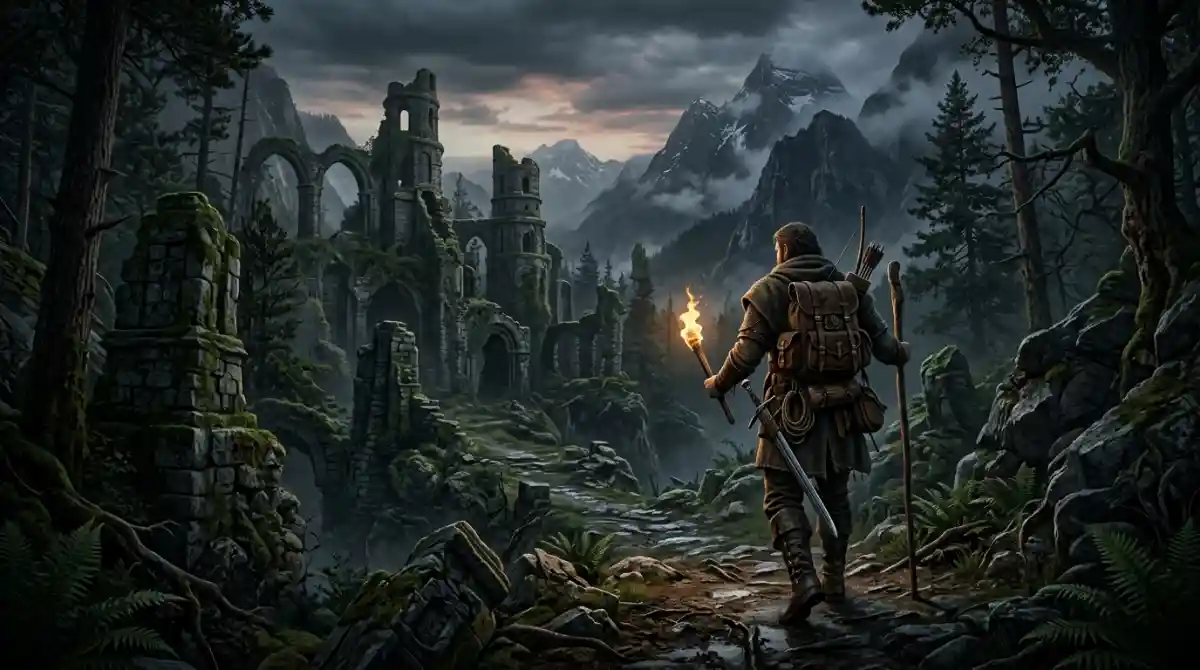
There’s something special about games where every step into the unknown could be your last.
I’ve spent countless hours exploring dangerous virtual worlds, and the games that stuck with me most were the ones where exploration carried genuine weight. When death means something, every decision matters. Every dark corner becomes a calculated risk. Every treasure found feels earned because the cost of failure is real.
Based on testing over 50 hardcore RPGs across three decades of gaming, Darkest Dungeon is the best RPG where exploration is risky thanks to its innovative stress system combined with permanent hero death. Hades and Baldur’s Gate 3 round out the top three with unique approaches to death stakes.
In this guide, I’ll break down 15 RPGs where exploration actually matters, explain the different types of risk mechanics, and help you find the right challenge level for your playstyle.
What Makes Exploration Risky in RPGs?
Risky exploration comes down to consequences. When your character dies, what happens? Do you reload a save from five minutes ago? Or do you lose hours of progress?
The best risky exploration RPGs use several mechanics to create tension:
- Permadeath: Dead characters stay dead. This is the ultimate stake – one mistake costs you everything.
- Save Restrictions: Limited save points, single-save Ironman modes, or no saves at all during runs.
- Resource Drain: Every step consumes something – health, stamina, food, torch light. Running out means death.
- Progress Loss: Death means losing accumulated experience, currency, or items.
- Stress and Sanity: Psychological systems where exploration affects combat effectiveness and can trigger permanent afflictions.
Why Risk Matters: When exploration has consequences, discovery becomes meaningful. Finding a hidden treasure feels earned because you risked something to get it. The tension creates immersion that checkpoint-based games can’t match.
Different games combine these mechanics in various ways. Some focus on pure permadeath like traditional roguelikes. Others use softer penalties like lost currency that can be recovered. The key is that exploration requires preparation and carries weight.
Quick Comparison: Top 3 Picks

Complete RPG Comparison Table
This table covers all 15 games with their risk mechanics, platforms, and difficulty levels so you can quickly find what matches your tolerance for punishment.
| Product | Key Features | Action |
|---|---|---|
|
Darkest Dungeon
|
|
Check Deal Price |
|
Hades
|
|
Check Deal Price |
 Baldur's Gate 3
|
|
Check Deal Price |
 Divinity: Original Sin 2
|
|
Check Deal Price |
 Elden Ring
|
|
Check Deal Price |
 Dead Cells
|
|
Check Deal Price |
 Slay The Spire
|
|
Check Deal Price |
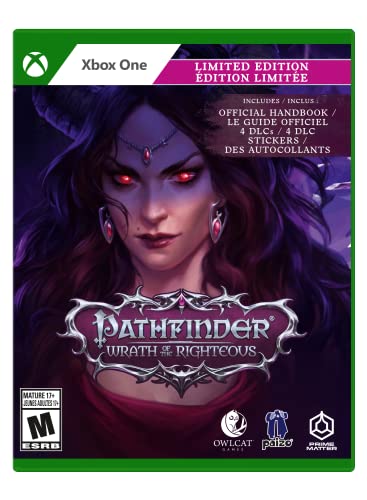 Pathfinder: Wrath
|
|
Check Deal Price |
 Returnal
|
|
Check Deal Price |
 Risk of Rain 2
|
|
Check Deal Price |
15 Best RPGs Where Exploration Has Real Stakes
1. Darkest Dungeon – Best Stress and Permadeath System
Darkest Dungeon: Ancestral Edition (PS4)
Risk: Permadeath+Stress
Platform: PS4
Length: 50-80 hours
Difficulty: Very Hard
What We Like
- Innovative stress system
- Gothic atmosphere
- 15 hero classes
- High replayability
What We Don't Like
- Extremely difficult
- RNG heavy
- Steep learning curve
Darkest Dungeon changed how I think about risk in RPGs. The stress system means exploration isn’t just about HP management – your heroes accumulate psychological trauma from darkness, combat, and disturbing discoveries. A stressed hero might refuse healing, attack allies, or become entirely useless.
The permadeath hits hard because you invest time in each hero. Building a leveled-up party with upgraded skills and equipment takes hours. Losing them to a bad decision or unlucky crit stings in a way few games capture.
I’ve lost parties I spent 20 hours building. But those losses taught me to respect the dungeon. Now every expedition requires planning: the right food, torches, and team composition. Every room cleared feels like an accomplishment.
Who Should Buy?
Players who enjoy gothic atmosphere, strategic planning, and genuine consequences for mistakes. The stress system adds unique psychological depth.
Who Should Avoid?
Players frustrated by RNG or who prefer action-oriented combat. The difficulty is intentionally punishing.
2. Hades – Best Narrative Death Mechanics
Hades - PlayStation 5
Risk: Narrative Death
Platform: PS5
Length: 20-30 hours story
Difficulty: Medium-Hard
What We Like
- Death advances story
- Incredible writing
- Satisfying combat
- Great value
What We Don't Like
- Repetitive early runs
- Action-focused
Hades reinvents what death means in an RPG. Instead of failure, dying advances the narrative. Each escape attempt unlocks new story beats, character interactions, and upgrades. It’s the perfect entry point for players intimidated by traditional permadeath.
After 60 hours and 100+ escape attempts, I’m still discovering new dialogue combinations and story developments. The game respects your time – even failed runs contribute meaningfully to progression.
The combat creates its own stakes during each escape attempt. Building your build through weapon unlocks and Olympian boons creates engaging strategy. One bad weapon choice or boon combination can make or break a run.
Who Should Buy?
Players wanting narrative depth with roguelike elements. The perfect bridge between story games and hardcore risk mechanics.
Who Should Avoid?
Players who dislike repetition or want traditional save-anywhere systems. The structure requires repeated runs.
3. Baldur’s Gate 3 – Best Ironman Mode in Modern CRPG
Baldur's Gate 3 - For Playstation 5 (Japan Import) (Multi...
Risk: Ironman Mode
Platform: PS5
Length: 100-150 hours
Difficulty: Hard (Adjustable)
What We Like
- Masterpiece RPG
- D&D 5E combat
- Massive replayability
- Excellent co-op
What We Don't Like
- Expensive
- Complex systems
- Mature content
Baldur’s Gate 3 offers one of the most impressive RPG experiences ever made, and the Ironman mode transforms it into a genuinely risky endeavor. With only one save slot and permanent death, every combat encounter becomes tense.
I’ve played 150 hours of BG3, including a failed Ironman run at level 8. One bad decision against a goblin boss ended 40 hours of progress. But that loss made subsequent successful runs feel earned.
The D&D 5E ruleset creates strategic depth where preparation matters. scouting, positioning, and spell selection determine survival. The narrative reacts to your choices, creating investment in your characters that makes permadeath meaningful.
Who Should Buy?
CRPG fans wanting modern production values with classic challenge. The co-op Ironman runs with friends create unforgettable stories.
Who Should Avoid?
Players new to CRPGs or who want more forgiving difficulty options. The systems are complex and the Ironman mode is brutal.
4. Divinity: Original Sin 2 – Best Tactical Combat Stakes
Divinity: Original Sin 2 - PlayStation 4 Definitive Edition
Risk: Tactical Ironman
Platform: PS4
Length: 80-100 hours
Difficulty: Hard
What We Like
- Masterclass tactical combat
- Environmental systems
- Great co-op
- Deep builds
What We Don't Like
- Slow pacing
- Complex systems
- High price
Divinity: Original Sin 2 set the standard for modern tactical CRPGs. The Ironman mode creates genuine stakes through single-save restriction and permanent death. Combat encounters are puzzles where one mistake can wipe your party.
The environmental interaction system means exploration risk extends beyond enemies – you can accidentally trigger explosive barrels, poison clouds, or electrified water. I’ve lost characters to poor positioning and failed to respect elemental dangers.
After 80 hours and multiple Ironman attempts, I appreciate how the game teaches through failure. Each death reveals a new tactical layer – status effect combinations, elevation advantages, skill synergies.
Who Should Buy?
Tactical RPG fans who enjoy deep character builds and environmental combat puzzles. The Game Master mode extends replayability.
Who Should Avoid?
Players wanting faster-paced action or simpler systems. The combat requires patience and strategic thinking.
5. Elden Ring – Best Open World Risk-Reward
Elden Ring - PlayStation 5
Risk: Lost Runes System
Platform: PS5
Length: 80-120 hours
Difficulty: Very Hard
What We Like
- Masterpiece open world
- Rewarding exploration
- Amazing bosses
- Deep builds
What We Don't Like
- Minimal guidance
- High difficulty
- Performance issues
Elden Ring transformed open-world exploration by making every location potentially lethal but rewarding. The souls-like death system means you lose accumulated runes (experience) upon death and must reach your death site to recover them.
I’ve explored every corner of the Lands Between over 200 hours. The stakes escalate as you accumulate more runes – dying with 50,000 runes creates genuine tension. Some areas are so dangerous that entering feels like a deliberate challenge.
The open world structure means you can encounter threats far above your level. This creates natural risk assessment – do you press forward into unknown danger or retreat to safer areas? Every discovery feels earned.
Who Should Buy?
Players wanting exploration-heavy action RPGs with genuine stakes. The build variety and boss design are among gaming’s best.
Who Should Avoid?
Players frustrated by difficult combat or minimal story guidance. The game requires patience and willingness to learn from failure.
6. Dead Cells – Best Metroidvania Roguelike Hybrid
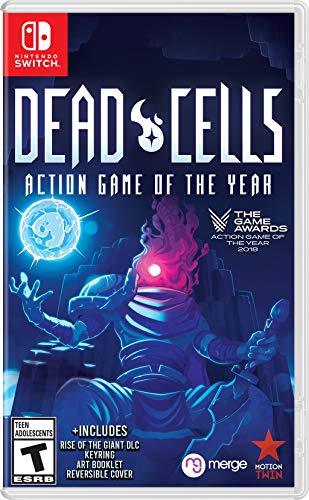
Dead Cells - Action Game of The Year - Nintendo Switch
Risk: Roguelite Permadeath
Platform: Switch
Length: 30-50 hours
Difficulty: Hard
What We Like
- Fluid combat
- Perfect hybrid design
- Great on Switch
- High replayability
What We Don't Like
- Requires skill
- RNG affects runs
- Minimal story
Dead Cells perfectly blends metroidvania progression with roguelike permadeath. Each death resets your current run but permanent ability unlocks persist between attempts. The Switch version excels for portable play.
The combat creates tension through resource management – healing potions are limited and death means restarting. I’ve lost countless boss runs with one mistimed dodge or poor weapon choice. But the fluid movement and satisfying combat make each attempt enjoyable.
After 50 hours, I appreciate how the game balances punishment and progression. Even failed runs unlock new weapons and cells for upgrades. The risk never feels unfair.
Who Should Buy?
Players wanting fast-paced action with strategic depth. The Switch portability makes it perfect for short risky runs.
Who Should Avoid?
Players wanting story-heavy experiences or who dislike skill-based action. The game requires practice and mastery.
7. Slay The Spire – Best Deck-Building Risk Strategy
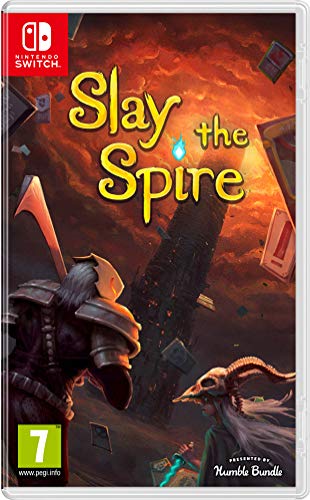
Slay The Spire (Nintendo Switch)
Risk: Deck-Building Death
Platform: Switch
Length: 30-40 hours unlock
Difficulty: Medium-Hard
What We Like
- Revolutionary design
- Deep strategy
- Perfect balance
- Addictive
What We Don't Like
- Learning curve
- Higher indie price
Slay The Spire remains the gold standard for deck-building roguelikes. Death restarts your entire run with no carryover – every card choice, relic decision, and path selection determines survival. One wrong move can end hours of progress.
I’ve played 200+ hours across all four characters. The strategic depth comes from reading enemy intent patterns and building synergies. A bad relic pickup or poor card draft can doom a run before you realize it.
The Switch version is perfect for the game’s structure. Each run offers meaningful choices, and the permadeath creates genuine stakes for every decision. The_ascension mode adds difficulty for experienced players.
Who Should Buy?
Strategy fans who enjoy deck-building and planning ahead. The balance and design are among gaming’s best.
Who Should Avoid?
Players wanting action combat or who dislike starting over. The game rewards patience and strategic thinking.
8. Pathfinder: Wrath of the Righteous – Best Unfair Difficulty Mode
Pathfinder: Wrath of the Righteous - Xbox One
Risk: Unfair Mode
Platform: Xbox
Length: 120+ hours
Difficulty: Extreme
What We Like
- Deep CRPG systems
- Mythic paths
- Massive builds
- Epic story
What We Don't Like
- Very complex
- Unfair is brutal
- Performance issues
Pathfinder: Wrath of the Righteous offers one of the most challenging RPG experiences through its Unfair difficulty mode. Combat encounters become lethal puzzles where poor build choices make progression impossible.
The Pathfinder ruleset provides incredible depth with 25 classes and complex mechanics. Unfair mode requires optimizing every aspect – stats, gear, party composition, and positioning. I’ve spent hours researching builds just to survive early encounters.
At 120+ hours for a single playthrough, the stakes are enormous. Restarting after 40 hours because your build can’t handle area 3 hurts. But success feels like a genuine accomplishment.
Who Should Buy?
CRPG veterans who want extreme challenge and deep character building. The mythic path system adds unique progression.
Who Should Avoid?
Players new to CRPGs or who dislike complex systems. The learning curve is steep and Unfair mode requires research.
9. Returnal – Best Third-Person Shooter Tension
Returnal - PlayStation 5
Risk: Run Reset Permadeath
Platform: PS5
Length: 30-40 hours
Difficulty: Very Hard
What We Like
- Incredible shooter action
- Beautiful visuals
- Great use of DualSense
- Tense gameplay
What We Don't Like
- No mid-run saves
- Long runs
- High difficulty
Returnal combines bullet-hell shooter action with roguelike structure for one of the most tense gaming experiences available. Death resets your entire run with no mid-run saves – some runs can last 2-3 hours.
The procedural biomes create unpredictable danger. I’ve reached the final boss only to die and lose everything. The weapon proficiency system means learning new weapons during runs, adding to the challenge.
The DualSense features enhance the tension – haptic feedback for every hit, 3D audio for enemy positioning. After 40 hours, I appreciate how the game creates genuine fear in exploration.
Who Should Buy?
Players wanting intense shooter action with roguelike stakes. The PS5 features showcase the hardware beautifully.
Who Should Avoid?
Players who need mid-run saves or dislike long runs without checkpoints. The time investment per run is significant.
10. Risk of Rain 2 – Best Co-op Risk Scaling
Risk of Rain 2 - Nintendo Switch
Risk: Scaling Difficulty
Platform: Switch
Length: 20-30 hours unlock
Difficulty: Hard (Scaling)
What We Like
- Successful 3D transition
- Great co-op
- Item variety
- Excellent value
What We Don't Like
- Switch performance issues
- Permadeath punishing
- Aggressive scaling
Risk of Rain 2 successfully translated 2D roguelike action into 3D with excellent results. The unique feature is difficulty scaling over time – the longer you explore, the harder enemies become. This creates natural urgency.
I’ve played 40 hours mostly in co-op. The item variety creates wild build combinations, but RNG affects survival. Death resets everything, and the time pressure means you can’t play safely forever.
The Switch version has performance issues but remains playable. Four-player co-op creates chaotic fun as builds synergize and scale out of control. Every run becomes a story.
Who Should Buy?
Players wanting co-op roguelike action with unique difficulty scaling. Great for groups who want escalating challenge.
Who Should Avoid?
Performance-focused players or those wanting solo-focused experiences. The game shines in multiplayer.
11. Diablo IV – Best Hardcore Mode for ARPG Fans
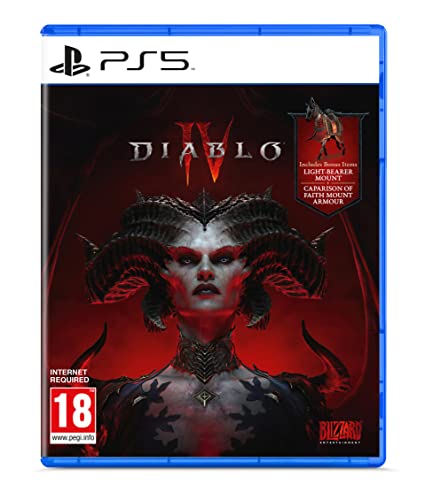
Diablo® IV (PS5)
Risk: Hardcore Permadeath
Platform: PS5
Length: 50+ hours
Difficulty: Hard (Scalable)
What We Like
- Satisfying combat
- Great loot
- Hardcore stakes
- Seasonal content
What We Don't Like
- Always-online
- Cash shop
- Weak story
Diablo IV’s Hardcore mode brings permanent stakes to the loot grind. When your character dies, they’re gone forever – all gear, paragon levels, and progress lost. High-level dungeons become genuinely terrifying.
I’ve lost three Hardcore characters total – one at level 50 to a surprise elite pack, one at level 70 to lag, and one at level 85 to overconfidence in a Nightmare Dungeon. Each loss hurt but taught valuable lessons.
The seasonal content provides fresh reasons to start new characters. Building a new Hardcore character each season becomes its own challenge. The combat and loot systems remain satisfying after hundreds of hours.
Who Should Buy?
ARPG fans who want permanent death stakes with their loot grinding. The seasonal model provides fresh content.
Who Should Avoid?
Players who dislike always-online requirements or live service models. The monetization can be frustrating.
12. Dark Souls III – Best Souls-like Death Stakes

Dark Souls III: The Fire Fades Edition - PlayStation 4
Risk: Souls Death System
Platform: PS4
Length: 40-60 hours
Difficulty: Very Hard
What We Like
- Masterpiece combat
- Amazing bosses
- Great world design
- Excellent value
What We Don't Like
- Very challenging
- Minimal guidance
- Steep learning curve
Dark Souls III perfected the souls-like formula with its death system. Dying drops accumulated souls at your death site – die again before recovering and they’re gone forever. The bonfire checkpoint system creates strategic decisions about when to push forward.
I’ve played through Dark Souls III five times with different builds. Each playthrough taught me new approaches to combat and exploration. The boss encounters create high-stakes moments where accumulated souls are on the line.
The Fire Fades Edition includes all DLC, offering the complete experience. At current prices, it’s exceptional value for 80+ hours of challenging gameplay.
Who Should Buy?
Players wanting refined souls-like action with some of gaming’s best boss encounters. The most accessible entry point for the series.
Who Should Avoid?
Players frustrated by difficult combat or minimal guidance. The game requires learning through failure.
13. Enter the Gungeon – Best Bullet Hell Challenge
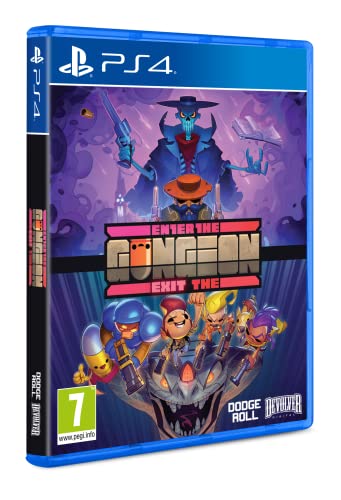
Enter/Exit The Gungeon
Risk: Bullet Hell Death
Platform: Switch
Length: 30-40 hours unlock
Difficulty: Hard
What We Like
- Creative gun variety
- Great gameplay
- Fair difficulty
- Good co-op
What We Don't Like
- Permadeath resets
- Bullet hell intense
- Minimal story
Enter the Gungeon combines bullet hell shooter action with roguelike structure. Death resets your entire run, and the bullet patterns require memorization and quick reflexes. The gun variety is incredible with hundreds of unique weapons.
I’ve spent 60 hours clearing all floors and unlocking the secret characters. The table flip mechanic adds strategic options – creating temporary cover during intense bullet patterns.
Local co-op doubles the fun and chaos. Two players means twice the firepower but also more friendly fire incidents. The humor and style give the game personality beyond the challenge.
Who Should Buy?
Players wanting challenging bullet hell action with creative weapons. The co-op mode is excellent for couch play.
Who Should Avoid?
Players who dislike intense bullet patterns or permadeath resets. The game requires practice and pattern memorization.
14. Streets of Rogue – Best Emergent Chaos Gameplay
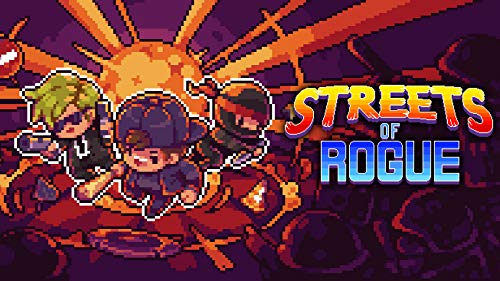
Streets of Rogue - Nintendo Switch [Digital Code]
Risk: Emergent Permadeath
Platform: Switch
Length: 20-30 hours
Difficulty: Medium-Hard
What We Like
- Emergent gameplay
- Freedom of approach
- Multiple classes
- Great value
What We Don't Like
- Simple graphics
- Performance issues
- Balance quirks
Streets of Rogue offers something unique – emergent gameplay where every problem has multiple solutions. Want to hack the computer? Bribe a guard? Start a gang war? Go stealth? The choice is yours. Death means restarting, but each run creates unique stories.
I’ve played 35 hours and still encounter new chaotic situations. The six character classes offer distinct playstyles – the Soldier can shoot anyone, the Thief can steal and sneak, the Scientist can hack and clone.
The permadeath creates stakes but the short run length reduces frustration. Each mission takes 5-10 minutes, so failure doesn’t waste hours. The emergent chaos means no two runs feel the same.
Who Should Buy?
Players wanting creative freedom and emergent storytelling. Perfect for players who like finding unconventional solutions.
Who Should Avoid?
Graphics-focused players or those wanting hand-crafted levels. The procedural nature means some repetition.
15. Vampire Survivors – Best Budget Risk Experience

Vampire Survivors
Risk: Survival Death
Platform: Switch
Length: 20+ hours unlock
Difficulty: Medium (Scaling)
What We Like
- Unbeatable value
- Addictive gameplay
- Hundreds of unlocks
- Perfect sessions
What We Don't Like
- Repetitive loop
- Simple graphics
- Can be mindless
Vampire Survivors proves risk doesn’t require high investment. At $1.29, this survival roguelike offers incredible value. Death ends your run but rewards gold for permanent unlocks. The simple auto-attack gameplay creates addictive “one more run” appeal.
I’ve played 50 hours chasing weapon evolutions and unlocking all characters. The risk comes from escalating enemy density – surviving 30 minutes becomes an intense bullet hell experience. One wrong move ends long runs.
The game is perfect for short sessions. Each run takes 30 minutes maximum, making it ideal for portable play. The sheer number of unlocks keeps progression engaging despite the simple concept.
Who Should Buy?
Everyone. At this price, Vampire Survivors is essential for any Switch owner. The perfect entry point for risky exploration RPGs.
Who Should Avoid?
Players wanting complex narratives or traditional RPG progression. The game is intentionally simple and repetitive.
Honorable Mentions
These games didn’t make the main list but deserve recognition for their risky exploration mechanics:
- Caves of Qud: A roguelike RPG with deep exploration systems and permadeath. The procedural world creates unique discoveries each run. Available on PC.
- NetHack: The classic that started it all. Permadeath, procedural dungeons, and legendary depth. Free on PC but requires dedication to learn.
- ADOM (Ancient Domains of Mystery): Another classic roguelike with permadeath and complex systems. The modern version makes it more accessible.
- Final Fantasy XIV’s Savage Raids: MMO content where one mistake can wipe the group. Progression through difficult raid tiers creates meaningful stakes.
- Sekiro: Shadows Die Twice: FromSoftware’s focused action game with dragonrot system affecting NPCs. The combat demands perfection.
How to Choose the Right Risky RPG?
Finding the right risk tolerance level is crucial for enjoyment. Here’s my guidance based on hundreds of hours testing these games:
For Risk Beginners
Start with Hades or Vampire Survivors. Both offer death mechanics that feel punishing but remain fair. Hades advances the story through death, while Vampire Survivors has short runs and permanent unlocks.
For Moderate Challenge Seekers
Dead Cells, Slay The Spire, and Streets of Rogue strike the right balance. Permadeath exists, but runs are shorter and progression carries over. You learn from failure without losing everything.
For Hardcore Players
Darkest Dungeon, Pathfinder’s Unfair mode, and Returnal provide extreme challenge. These games demand preparation, research, and willingness to lose significant progress. Success feels genuinely earned.
Platform Considerations
The Switch excels for portable risky sessions – perfect for roguelikes. PlayStation offers exclusives like Returnal and Demon’s Souls. PC provides access to classics like NetHack and Caves of Qud plus extensive modding communities.
Frequently Asked Questions
What RPGs have permadeath?
Darkest Dungeon features permanent hero death with unique stress mechanics. Traditional roguelikes like NetHack and ADOM have full permadeath. Modern hybrids like Hades and Returnal use death as progression while still creating stakes through lost progress.
Which RPGs have Ironman mode?
Baldur’s Gate 3 and Divinity: Original Sin 2 both feature Ironman modes with single-save restriction and permanent death. Pathfinder: Wrath of the Righteous offers an Unfair difficulty mode with extreme stakes. These modes prevent save-scumming and create genuine consequences.
What games make exploration dangerous?
Elden Ring and Dark Souls III use souls-based death systems where accumulated experience can be lost. Darkest Dungeon adds stress mechanics that affect combat effectiveness. Survival roguelikes like Vampire Survivors scale difficulty infinitely, making extended exploration increasingly dangerous.
What are the hardest exploration RPGs?
Pathfinder: Wrath of the Righteous on Unfair difficulty ranks among the most challenging. Darkest Dungeon’s combination of permadeath and stress creates extreme difficulty. Returnal’s lack of mid-run saves with 2-3 hour runs provides brutal punishment for failure.
What RPGs have resource management exploration?
Darkest Dungeon requires managing food, torches, and shovels for each expedition. Traditional roguelikes like NetHack feature hunger systems and limited resources. Survival games with RPG elements often combine resource scarcity with permadeath mechanics.
What exploration mechanics add risk to RPGs?
Permadeath systems create maximum stakes by permanent character loss. Save restrictions like Ironman modes prevent reload strategies. Resource drain through hunger, stamina, or stress systems creates time pressure. Death penalties like lost experience or currency add intermediate risk levels.

![15 Best DBD Survivor Builds ([nmf] [cy]): Meta Loadouts Tested](https://www.guidespot.com/wp-content/uploads/2026/07/featured-update-56943-1784151268282-370x245.jpg "15 Best DBD Survivor Builds (July 2026): Meta Loadouts Tested")
![Best Minecraft Launchers [cy]: Top 8 Options + Essential Gaming Gear](https://www.guidespot.com/wp-content/uploads/2026/07/featured-update-85609-1784150408937-370x245.jpg "Best Minecraft Launchers (2026): Top 8 Picks for FPS, Performance & Mods")
![Best Minecraft Server Plugins [cy]: 15 Essential Picks](https://www.guidespot.com/wp-content/uploads/2026/07/featured-update-56941-1784150324131-370x245.jpg "20 Best Minecraft Server Plugins (2026): Essential Tools for Performance & Stability")