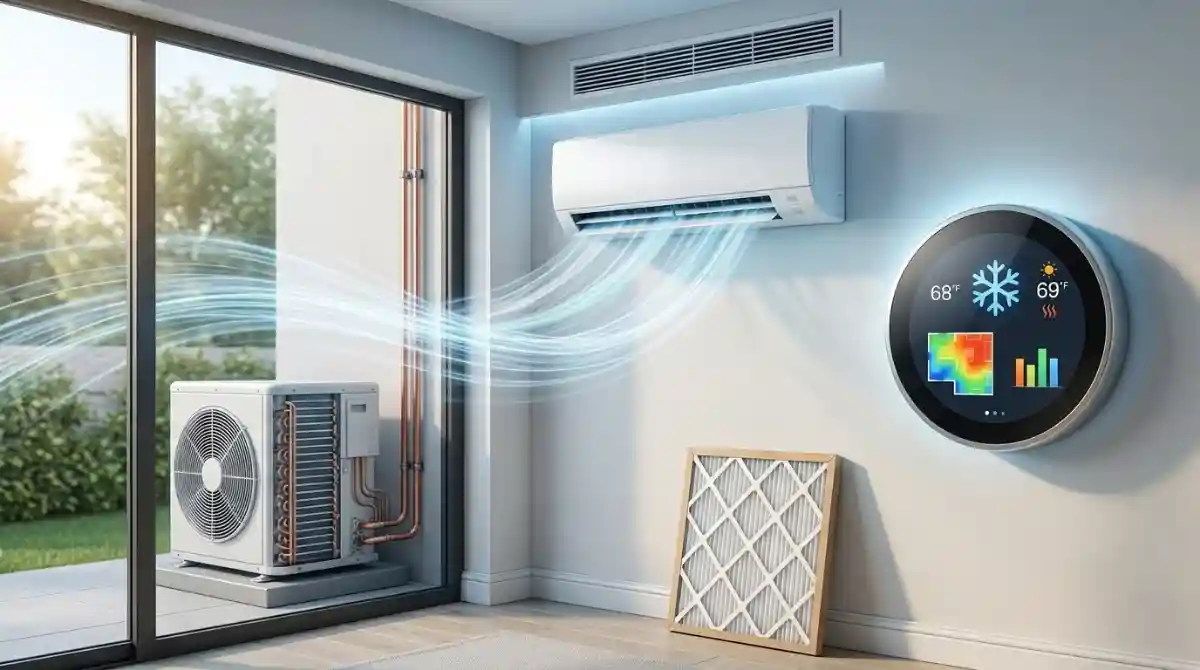
Your air conditioner running too long is not just an annoyance. It drives up your electricity bill and puts unnecessary strain on expensive components. A typical cooling cycle lasts 15 to 30 minutes, with your system cycling on and off two to three times per hour. When your AC runs continuously for an hour or more without reaching the thermostat setting, something needs attention.
In this guide, I will walk you through exactly why this happens and what you can do about it. I have researched the most common causes that HVAC technicians encounter daily, along with the specific smart thermostat issues that trip up homeowners with modern systems.
Quick Diagnosis: Is Your AC Actually Running Too Long?
Before diving into fixes, let us establish whether your system truly has a problem. During normal operation, your AC should cycle on and off throughout the day. Here is a quick checklist to assess your situation:
Step 1: Time your cooling cycles. If individual cycles exceed 30-60 minutes repeatedly, that indicates extended runtime.
Step 2: Check if the indoor temperature reaches your thermostat setting. If the AC runs for hours but never hits the target temperature, you have a performance issue.
Step 3: Note your outside temperature. When it is over 95°F, longer cycles are normal and expected.
Step 4: Review your electricity bill. A sudden 30% or higher spike often signals constant AC operation.
Step 5: Listen for the compressor. If it runs non-stop even when the fan cycles off, you may have a stuck contactor requiring immediate professional attention.
Why an Air Conditioner Running Too Long Is a Problem?
Continuous operation wastes energy and accelerates wear on critical components. Your compressor, the heart of the system, is designed for intermittent cycling. Running it non-stop shortens its lifespan and increases the risk of expensive failures.
The financial impact is immediate and measurable. A standard 3-ton central AC unit consumes about 3.5 kilowatts per hour. At the national average of $0.14 per kilowatt-hour, running constantly adds roughly $0.50 per hour to your bill. Over a month, that can mean an extra $150 to $200 in electricity costs during peak summer.
Beyond the money, there is the comfort factor. An AC that cannot reach the set temperature means you are sweating through the day and tossing at night. That is not sustainable, especially in hot climates like Florida or Arizona where one forum user reported their system running 20 hours daily.
Common Causes of an Air Conditioner Running Too Long
Understanding why your AC runs constantly helps you target the right fix. These are the seven most common culprits HVAC technicians identify.
Dirty Air Filters
Clogged filters restrict airflow across the evaporator coils. When air cannot pass through efficiently, the system works harder and longer to cool the same space. A filter loaded with dust and pet hair can reduce airflow by up to 50%, forcing your AC to run twice as long to achieve the same result.
Check your filter monthly during heavy use seasons. If it looks gray or you cannot see light through it when held up to a lamp, replace it immediately. Standard 1-inch pleated filters should be changed every 60 to 90 days. Homes with pets or high dust levels need more frequent replacements.
Thermostat Issues (Including Smart Thermostat Settings)
Incorrect thermostat settings are a surprisingly common cause of extended runtime. If your fan is set to ON instead of AUTO, it will blow constantly even when the compressor is off. This makes it seem like the AC is running non-stop when really only the fan is active.
Smart thermostats like Ecobee and Nest introduce another layer of complexity. These devices use algorithms that can extend cooling cycles intentionally to maintain humidity levels or achieve gradual temperature changes. One Reddit user reported their AC running for five hours straight after installing an Ecobee, convinced something was broken when it was actually the thermostat’s eco+ features working as designed.
Check your smart thermostat settings for features like “Smart Recovery,” “Eco+,” or “Follow Me.” Disable these temporarily to see if runtime returns to normal. Also verify your temperature differential setting, which determines how many degrees the house must warm before the AC kicks on. A setting that is too narrow causes excessive cycling, while one that is too wide can cause extended single cycles.
Refrigerant Problems
Low refrigerant levels force your AC to run longer because there is less cooling capacity available. This usually indicates a leak somewhere in the system, as refrigerant does not get consumed during normal operation.
Signs of low refrigerant include ice buildup on the copper lines running to the outdoor unit, hissing sounds from the refrigerant lines, and warm air blowing from vents even though the system runs constantly. This is not a DIY fix. Refrigerant handling requires EPA certification, and leaks must be located and repaired professionally.
Dirty Condenser Coils
The outdoor condenser unit releases heat removed from your home. When the coils are covered in dirt, grass clippings, or debris, heat transfer becomes inefficient. Your system cannot shed heat effectively, so it runs longer to compensate.
Cleaning condenser coils is straightforward maintenance. Turn off power to the unit at the breaker. Remove the top grille and use a soft brush or vacuum to clear debris from the fins. Spray the coils with foaming cleaner from your local hardware store, let it sit for 10 minutes, then rinse gently with a garden hose. Never use a pressure washer as the high pressure bends the delicate aluminum fins.
Incorrect AC Size
An undersized air conditioner cannot keep up with cooling demand during hot weather. It runs continuously because it lacks the BTU capacity to remove heat faster than it enters your home. This is a common issue in homes that have added square footage through additions without upgrading the HVAC system.
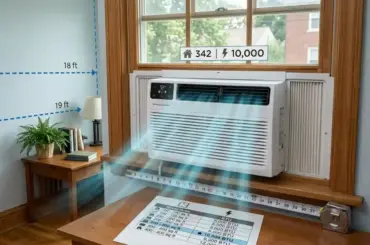
Proper sizing requires a load calculation considering square footage, insulation levels, window sizes, and local climate. A system that is too small for your space will run non-stop during summer and still leave you uncomfortable. If sizing is your issue, solutions include adding a window air conditioner to supplement cooling or replacing the central unit with properly sized equipment.
Air Leaks and Ductwork Issues
Leaky ductwork wastes cooled air before it reaches your living spaces. The Department of Energy estimates that typical homes lose 20 to 30 percent of conditioned air through duct leaks. Your AC runs longer trying to make up for that lost cooling capacity.
Common leak locations include connections at the air handler, joints in the ductwork, and registers that are not sealed to the wall or floor. Inspect visible ductwork in your attic or basement for disconnected sections or gaps at seams. Use metal tape or mastic sealant to repair small leaks. For comprehensive sealing, hire a professional to pressurize the system and identify hidden leaks.
Air leaks in your home envelope also matter. Gaps around windows, doors, and electrical outlets let hot air in constantly. Your AC cannot reach the set temperature because it is fighting a continuous influx of outdoor heat.
Extreme Weather Conditions
Sometimes an air conditioner running too long is completely normal. During extreme heat waves with temperatures exceeding 95°F, even properly sized and maintained systems may run continuously. The cooling load simply exceeds the unit’s capacity for brief periods.
This is especially true in desert climates. HVAC professionals note that a correctly sized unit SHOULD run non-stop during peak heat. Short cycling during extreme heat actually indicates an oversized unit that is not removing humidity effectively. If your AC reaches the set temperature eventually but takes hours during the hottest part of the day, that is expected behavior.
DIY Solutions to Stop Your AC from Running Constantly
Before calling a technician, try these fixes that cost little to nothing and solve many extended runtime issues.
Replace your air filter. This is the single most effective DIY step. A clean filter can reduce runtime by 15 to 20 minutes per cycle immediately.
Clean your condenser coils. As described above, removing debris from the outdoor unit improves heat transfer and shortens cooling cycles.
Check and adjust thermostat settings. Verify the fan is on AUTO, not ON. Review smart thermostat features and disable any eco modes temporarily to test.
Seal visible air leaks. Apply weatherstripping to doors and caulk around windows. Use foam gaskets behind outlet covers on exterior walls.
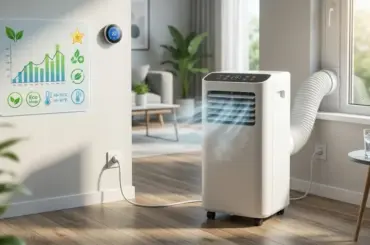
Add supplemental cooling. A tower fan or portable air conditioner in the hottest room reduces the load on your central system. This can shorten overall runtime significantly.
Close blinds and curtains during peak heat. Solar heat gain through windows accounts for up to 30 percent of cooling load in some homes. Blocking that heat keeps indoor temperatures lower naturally.
Use a smartphone with IR blaster to monitor and adjust your AC remotely throughout the day, catching issues before they drive up your bill.
When to Call a Professional HVAC Technician?
Some issues require licensed professionals with the tools and training to diagnose and repair safely. Call a technician if you experience any of the following:
Refrigerant concerns: If you suspect low refrigerant based on ice buildup or hissing sounds, professional service is mandatory. Handling refrigerant without EPA certification is illegal and dangerous.
Electrical issues: A compressor that never shuts off, buzzing sounds from the outdoor unit, or burnt smells indicate electrical problems requiring immediate professional attention.
System sizing problems: If load calculations confirm your unit is undersized, you need professional guidance on whether to supplement or replace the system.
Persistent issues after DIY fixes: If runtime remains excessive after cleaning filters and coils and checking thermostat settings, deeper diagnostics are needed.
Age-related efficiency loss: Systems over 15 years old lose efficiency regardless of maintenance. A professional can advise whether repair or replacement makes financial sense.
Expect to pay $75 to $150 for a basic service call. Comprehensive diagnostics including refrigerant checks and duct pressure testing range from $200 to $400. These costs are small compared to the ongoing expense of an inefficient system running constantly.
Prevention Tips to Keep Your AC Running Efficiently
Regular maintenance prevents the problems that cause extended runtime. Establish these habits to keep your system operating within normal cycles.
Change filters every 60 to 90 days without fail. Mark your calendar or set phone reminders. Clean condenser coils annually before summer starts. Schedule professional tune-ups every spring. A technician will check refrigerant levels, electrical connections, and component condition before peak cooling season.
Monitor your electricity bills month to month. A sudden increase often signals developing AC issues before you notice them during daily operation. Address small problems promptly to avoid the major expense of continuous runtime.
Frequently Asked Questions
Is it normal for AC to run for 30 minutes?
Yes, a 30-minute cooling cycle is completely normal. Standard AC cycles typically last 15 to 30 minutes, running 2 to 3 times per hour. Cycles extending beyond 60 minutes repeatedly indicate potential issues requiring investigation.
What is the 3 minute rule for air conditioners?
The 3-minute rule refers to the built-in delay that prevents your AC compressor from restarting too quickly after shutting off. This protects the compressor from damage caused by rapid cycling and high pressure differentials. Modern thermostats and control boards enforce this automatically.
Can AC cause sinus issues?
Air conditioning can contribute to sinus problems in some people. Dry air from constant AC operation irritates nasal passages. Poor maintenance leading to mold or bacteria growth in the system can trigger allergies. Maintaining proper humidity levels between 30 to 50 percent and changing filters regularly reduces these risks.
Is AC harmful for bronchitis?
Air conditioning is not inherently harmful for bronchitis, but extremely cold or dry air can irritate airways. If you have bronchitis, set your thermostat to a moderate temperature between 72 to 76°F and ensure adequate humidity. Avoid sitting directly in the path of cold airflow from vents.
Conclusion: Take Control of Your Air Conditioner Running Too Long
An air conditioner running too long signals problems ranging from simple maintenance needs to serious system issues. Start with the basics. Check and replace your air filter. Clean your condenser coils. Verify your thermostat settings, especially if you have a smart model with complex features.
If DIY steps do not resolve the extended runtime within a day or two, call a professional. Refrigerant leaks, electrical problems, and sizing issues require expert diagnosis and repair. The cost of a service call is small compared to months of inflated electricity bills and potential system failure.
Remember that some extended runtime is normal during extreme heat. A properly sized system should run almost continuously when outdoor temperatures exceed 95°F. The key is knowing the difference between normal seasonal operation and a system struggling with preventable problems.
Stay proactive with annual maintenance and monthly filter checks. Your AC will run efficiently, your home will stay comfortable, and your electricity bill will stay under control in 2026 and beyond.