Setting your air conditioner to the right temperature can save you hundreds of dollars annually while keeping your home comfortable. According to the Department of Energy, the best air conditioner settings follow a simple framework: 78 degrees Fahrenheit when you are home and awake, 85 degrees when you are away, and 82 degrees when you are sleeping. Each degree you raise your thermostat can reduce your cooling costs by approximately 3 percent, making small adjustments add up to significant savings over a summer.
Our team analyzed hundreds of forum discussions and expert recommendations to create this comprehensive guide for 2026. Whether you have central air, window units, or a portable air conditioner, these settings will help you balance comfort with efficiency. We will walk you through every scenario from daily use to vacation settings, plus debunk common myths that cost you money.
Quick Reference: Optimal AC Temperatures by Scenario
Before diving into the details, here is your quick reference guide for the best thermostat settings. Save this table or bookmark this page for easy access throughout the cooling season.
- Home and awake: 78°F (26°C) — The Department of Energy baseline for energy-efficient comfort
- Away from home: 85°F (29°C) — Setback temperature that saves money without overworking your system
- Sleeping: 82°F (28°C) — Higher temperature works with your body’s natural cooling during sleep
- Vacation (3+ days): 85-88°F (29-31°C) — Higher setting for extended absences, but never turn completely off in humid climates
These recommendations assume a typical home with reasonable insulation and a properly maintained AC system. Your personal comfort preferences may vary, and we will explain how to adjust these settings to match your needs while keeping costs down.
Best Air Conditioner Settings by Situation
Different times of day and activities call for different thermostat settings. Here is how to optimize your AC for every scenario.
When You Are Home and Active?
The Department of Energy recommends 78 degrees Fahrenheit as the baseline for when you are home and awake. This temperature strikes a balance between comfort and energy efficiency for most people. If you find 78 degrees uncomfortable at first, try raising your thermostat gradually over several days to acclimate your body.
Many Reddit users in our forum research reported keeping their homes cooler, with preferences ranging from 69 to 74 degrees. While cooler temperatures feel nice, each degree below 78 increases your energy bill by about 3 percent. A 72-degree setting costs roughly 18 percent more than the recommended 78 degrees.
Use ceiling fans or portable fans to improve comfort at higher temperatures. The wind-chill effect from air circulation can make a 78-degree room feel several degrees cooler. Running a fan costs significantly less than lowering your AC temperature.
When You Are Away from Home?
Setting your thermostat to 85 degrees when you leave home for more than a few hours saves substantial energy. Your AC does not need to maintain a comfortable temperature in an empty house. The 7-degree increase from 78 to 85 can reduce cooling costs by about 21 percent during those hours.
Some homeowners mistakenly believe turning the AC completely off saves the most money. In humid climates, shutting down your system allows humidity to build up, which can cause mold, damage wood furnishings, and make your AC work harder when restarted. Stick to 85 degrees for daily absences.
If you have a programmable thermostat, set it to return to 78 degrees about 30 minutes before you typically arrive home. This timing ensures comfort without wasting energy cooling an empty house all day.
When You Are Sleeping?
Your body temperature naturally drops during sleep, allowing you to sleep comfortably at warmer temperatures than when active. The recommended 82 degrees works well for most people overnight. This 4-degree increase from your daytime setting saves about 12 percent on nighttime cooling costs.
Some people prefer cooler sleeping temperatures. If 82 degrees feels too warm, try 78 to 80 degrees with a lightweight ceiling fan running. The combination often provides better comfort than a lower thermostat setting alone while still saving energy.
Sleep research suggests cooler environments promote better sleep quality. Experiment to find your personal sweet spot between 78 and 82 degrees. Even a few degrees higher than your daytime setting will reduce energy consumption overnight.
The 20-Degree Rule: Understanding Your AC’s Limits
The 20-degree rule states that your air conditioner can reasonably cool your home to about 20 degrees below the outside temperature. If it is 100 degrees outside, your AC will struggle to maintain 72 degrees indoors. Understanding this limitation helps set realistic expectations and prevents overworking your system.
During extreme heat waves, many homeowners report their AC cannot cool below 78 degrees. This is normal operation, not a sign of system failure. Setting your thermostat to 72 degrees when it is 100 outside forces your AC to run continuously without reaching the target, wasting energy and wearing out components.
Well-insulated homes may achieve greater than 20 degrees of cooling. If your home struggles to maintain reasonable temperatures during normal summer heat, consider improving insulation, sealing air leaks, or having your system inspected for proper refrigerant levels and airflow.
Window AC vs Central AC: Different Settings for Different Systems
Central air conditioning and window units require slightly different approaches to temperature management. Understanding these differences helps you maximize comfort with whichever system you have.
Central Air Conditioning Settings
Central AC systems cool your entire home through ductwork, making programmable thermostats highly effective. Follow the 78/85/82 framework for central systems. Zoning systems allow different temperatures for different areas, which helps with multi-story homes where upper floors run warmer.
Central systems benefit from gradual temperature changes. Program your thermostat to adjust temperatures slowly over 30-minute periods rather than abrupt changes. This approach maintains comfort while reducing system strain.
Window Air Conditioner Settings
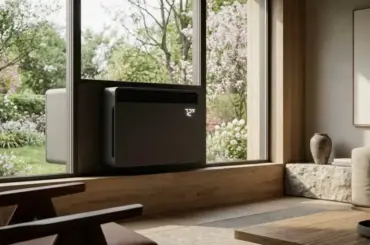
Window air conditioners cool individual rooms rather than whole homes. Setting window units to 72-74 degrees often makes sense since they only condition occupied spaces. The energy savings from a higher setting matter less when cooling one room versus an entire house.
Window units typically use mechanical thermostats that may not be as precise as digital programmable models. Check your room temperature with a separate thermometer to verify accuracy. If you are shopping for a new unit, see our guide to the best window air conditioners for recommendations.
For supplemental cooling in specific rooms, portable air conditioner units offer flexibility. Set these to match your comfort needs in the specific room being cooled, often 72-75 degrees for bedrooms or home offices.
Multi-Story Home Temperature Management
Forum discussions revealed multi-story homes present unique cooling challenges. Heat rises naturally, making upper floors 5-10 degrees warmer than lower levels. Setting one temperature for the whole house often leaves some areas uncomfortable.
Single-zone systems struggle with this issue. Homeowners report keeping thermostats at 70-73 degrees to make upper floors tolerable, which over-cools lower levels and wastes energy. If possible, close some lower-level vents to redirect more cool air upstairs during the hottest parts of the day.
Ceiling fans help enormously in multi-story homes. Running tower fans or ceiling fans in upper rooms allows higher thermostat settings while maintaining comfort. The wind-chill effect from moving air compensates for slightly warmer temperatures.
Consider a zoning system if your budget allows. Zoning uses dampers in ductwork to direct cooling where needed, allowing different temperatures for different floors. While expensive to install, zoning can pay for itself through energy savings and improved comfort in challenging multi-story layouts.
Humidity Management: The Hidden Comfort Factor
Temperature only tells part of the comfort story. Humidity levels significantly impact how cool your home feels. Air at 78 degrees with 40 percent humidity feels comfortable, while the same temperature at 70 percent humidity feels sticky and unpleasant.
Air conditioners remove humidity as they cool, but they may not keep up in extremely humid climates. If your home feels clammy even at reasonable temperatures, your AC may be oversized. An oversized unit cools quickly without running long enough to dehumidify properly.
Consider using a dehumidifier alongside your AC in humid regions. Removing excess moisture allows you to raise your thermostat several degrees while maintaining comfort. For every 5 degrees you raise the thermostat, you save approximately 15 percent on cooling costs.
Target indoor humidity between 40 and 50 percent for optimal comfort. Below 40 percent causes dry skin and static electricity. Above 60 percent promotes mold growth and feels uncomfortable. A simple hygrometer costing under 15 dollars helps monitor humidity levels throughout your home.
Common AC Myths Debunked
Misconceptions about air conditioning cost homeowners money and reduce comfort. Let us clear up the most persistent myths.
Myth: Setting a Lower Temperature Cools Faster
Turning your thermostat to 65 degrees does not cool your home any faster than setting it to 78 degrees. Your AC runs at full capacity regardless of the target temperature. Setting an extremely low temperature simply makes your system run longer, wasting energy and money.
Set your desired temperature directly rather than trying to “rush” the cooling process. If you want 74 degrees, set it to 74. Setting it to 65 and forgetting to adjust back wastes significant energy over time.
Myth: Closing Vents Saves Energy
Closing vents in unused rooms seems logical, but it actually harms efficiency. Modern HVAC systems are designed for balanced airflow throughout the home. Closing vents increases pressure in ductwork, forcing your system to work harder and potentially causing damage.
Instead of closing vents, focus on proper temperature scheduling and insulation. These approaches actually reduce energy consumption without risking equipment damage.
Myth: Auto Mode vs Cool Mode Confusion
Many homeowners wonder whether to use “Auto” or “Cool” mode on their thermostat. Auto mode allows the fan to cycle on and off with the compressor, saving energy. Cool mode keeps the fan running continuously even when the compressor is off, which circulates air but uses more electricity.
Use Auto mode for energy efficiency. The only exception is if you have a high-efficiency air filtration system where continuous airflow improves air quality. For most homes, Auto provides the best balance of comfort and savings.
Myth: AC Units Need Annual Refrigerant
Air conditioners do not consume refrigerant like a car consumes oil. The refrigerant operates in a closed loop, and the charge should last the system’s lifetime. If your AC needs refrigerant added, you have a leak that requires repair.
Annual maintenance should include checking refrigerant levels, but topping off without fixing leaks wastes money and harms the environment. Always insist on leak detection and repair when refrigerant service is recommended.
Proven Tips to Boost AC Efficiency
Smart thermostat settings provide the foundation for energy savings. These additional strategies compound your savings while improving comfort.
Use Fans Strategically with Your AC
Running ceiling fans allows you to raise your thermostat 2-4 degrees without noticing a comfort difference. Fans create a wind-chill effect that makes you feel cooler without actually lowering room temperature. Remember to turn fans off when leaving a room since they cool people, not spaces.
Set ceiling fans to rotate counterclockwise during summer for the best cooling effect. Most fans have a small switch on the motor housing that reverses direction. Clockwise rotation helps with winter heating by pulling cool air up and pushing warm air down.
Invest in a Programmable or Smart Thermostat
Manual thermostats rely on memory and discipline to adjust temperatures throughout the day. Programmable models automatically implement your schedule, ensuring you never cool an empty house or forget to adjust before bed. Smart thermostats learn your patterns and make automatic adjustments while providing energy usage reports.
The investment pays for itself quickly. A programmable thermostat costing 50 dollars can save 180 dollars annually, paying for itself in under four months. Smart models with WiFi connectivity cost more upfront but offer greater convenience and potentially higher savings.
Maintain Your Filter and System
Dirty air filters restrict airflow, forcing your AC to work harder and longer to maintain temperature. Check filters monthly and replace them every 1-3 months depending on usage and household conditions. Homes with pets or allergy sufferers need more frequent changes.
Annual professional maintenance keeps your system running efficiently. Technicians clean coils, check refrigerant, inspect electrical connections, and identify small problems before they become expensive repairs. The cost of maintenance is far less than emergency repairs or premature system replacement.
Improve Insulation and Seal Leaks
Even perfect thermostat settings cannot overcome poor insulation. Check attic insulation levels and add more if needed. Seal gaps around windows, doors, and utility penetrations with caulk and weatherstripping. These improvements keep cool air inside where it belongs.
Focus on the attic first since heat rises and hot attics transfer heat downward. Proper attic insulation and ventilation can reduce cooling costs by 10-15 percent independently of thermostat settings.
Practice Acclimatization
Your body adapts to temperature over time. Gradually raising your thermostat by one degree every few days allows acclimatization without noticeable discomfort. Many forum users reported successfully adapting to 76-78 degrees after starting at 72.
Spending time outdoors during summer also helps your body accept warmer indoor temperatures. When you come inside from 90-degree heat, a 78-degree house feels refreshingly cool. Users in hot climates like Florida mentioned acclimating to 80 degrees successfully.
FAQ: Common Questions About Air Conditioner Settings
Is 75 too cold for AC?
75 degrees Fahrenheit is not too cold for air conditioning, but it costs approximately 9 percent more than the recommended 78-degree setting. The Department of Energy suggests 78 degrees as the optimal balance between comfort and efficiency. If 75 degrees feels significantly more comfortable to you, the extra cost may be worth it, but try using fans first to achieve comfort at higher temperatures.
What is the most efficient setting for an air conditioner?
The most efficient setting for air conditioning is 78 degrees Fahrenheit when you are home and awake, 85 degrees when away, and 82 degrees when sleeping. This framework from the Department of Energy balances comfort with energy savings. Each degree higher saves approximately 3 percent on cooling costs, so raising your thermostat from 72 to 78 degrees reduces your bill by roughly 18 percent.
What is the 20 rule for air conditioning?
The 20-degree rule states that an air conditioner can reasonably cool your home to about 20 degrees below the outside temperature. If it is 100 degrees outside, your AC will struggle to maintain 72 degrees indoors. This is normal operation, not a sign of system failure. During extreme heat, raise your expectations and set realistic temperature targets.
Which is colder, 16 or 24 in AC?
In air conditioning displays using Celsius, 16 degrees is colder than 24 degrees. Lower numbers indicate lower target temperatures. 16 degrees Celsius equals 61 degrees Fahrenheit, while 24 degrees Celsius equals 75 degrees Fahrenheit. Many countries outside the United States display AC settings in Celsius rather than Fahrenheit.
Final Thoughts
The best air conditioner settings for 2026 follow a simple but powerful framework: 78 degrees when home, 85 degrees when away, and 82 degrees when sleeping. These recommendations from the Department of Energy provide the foundation for significant energy savings without sacrificing comfort. Remember that each degree higher saves approximately 3 percent on cooling costs.
Your specific needs may vary based on climate, home construction, and personal comfort preferences. Use the 78/85/82 framework as your starting point, then adjust gradually to find your personal sweet spot. Combine smart thermostat settings with fans, proper maintenance, and humidity management for maximum comfort and efficiency.
Start implementing these best air conditioner settings today. Even small adjustments add up to meaningful savings over a cooling season, and your wallet will thank you when the utility bill arrives.