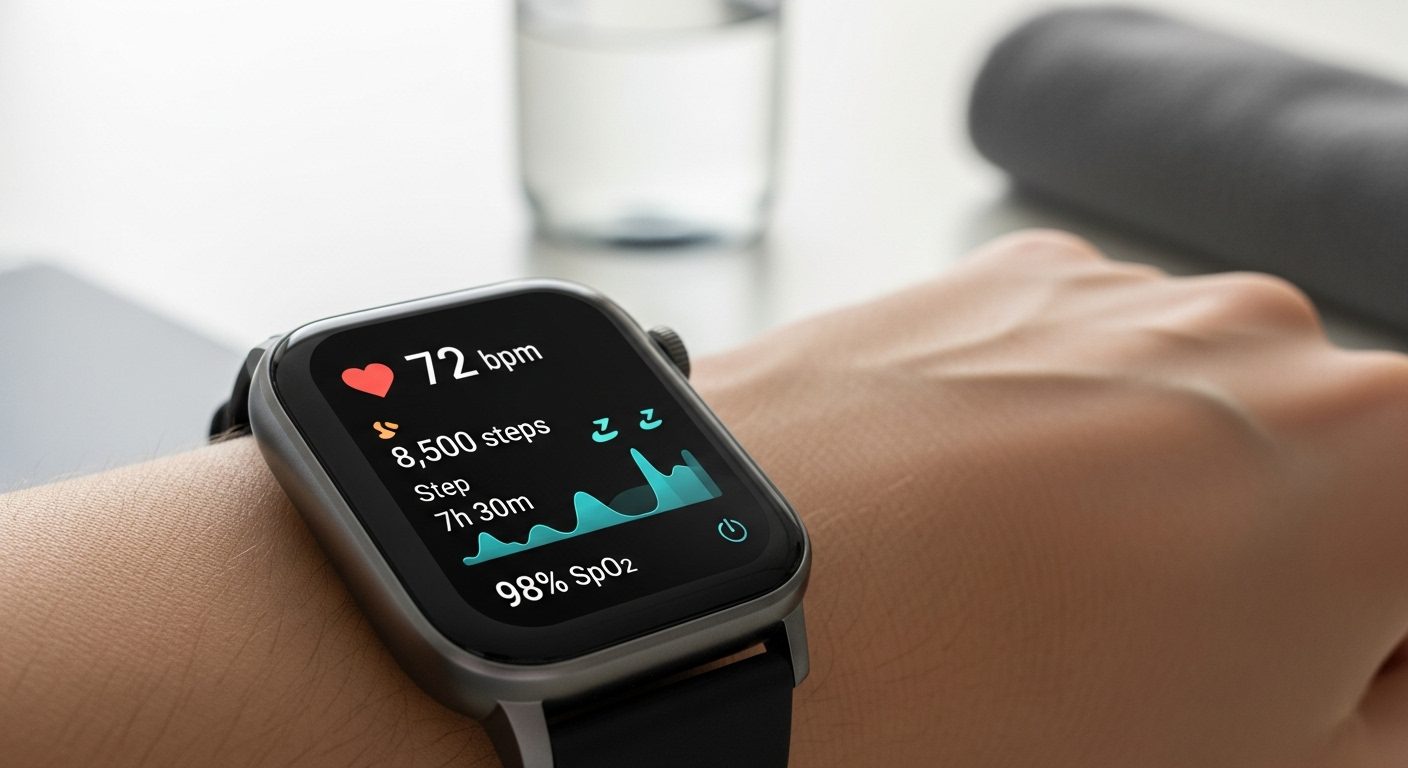
The integration of advanced health monitoring capabilities into smartwatches has transformed these devices from simple fitness trackers into sophisticated health companions. With over 25 years of research supporting wearable health technology and a market projected to reach $505.9 billion by 2035, smartwatches now offer clinical-grade monitoring features that were once exclusive to medical facilities.
Modern smartwatches employ an array of biosensors and sophisticated algorithms to track everything from basic heart rate to complex cardiac arrhythmias. According to research published in PMC (PubMed Central), certain smartwatch features now achieve accuracy rates comparable to medical-grade equipment, with atrial fibrillation detection reaching 93% sensitivity and 84% specificity. This technological evolution has prompted FDA clearance for specific health monitoring applications, marking a significant milestone in consumer health technology.
Whether you’re considering a smartwatch for health monitoring or already own one, understanding these features’ capabilities, limitations, and clinical validity is essential. This comprehensive guide examines the science behind smartwatch health monitoring, explores accuracy considerations, and reveals what the future holds for wearable health technology.
Core Health Monitoring Features
At the foundation of smartwatch health monitoring lies a suite of essential features that track basic physiological parameters. These core capabilities form the backbone of health tracking and provide valuable insights into daily wellness patterns.
Heart Rate Monitoring
Heart rate monitoring represents the most fundamental health feature in modern smartwatches. Using photoplethysmography (PPG) technology, these devices emit green LED light into the skin and measure blood volume changes through light absorption patterns. The optical sensors can detect heart rates ranging from 30 to 210 beats per minute, with most devices sampling continuously throughout the day.
The technology works by detecting the subtle color changes in blood vessels as the heart pumps. When your heart beats, blood flow increases momentarily, absorbing more green light. Between beats, absorption decreases. This variation allows the smartwatch to calculate precise heart rate measurements, typically updating every 5-10 seconds during continuous monitoring and every second during active workouts.
Modern implementations include advanced algorithms that filter out motion artifacts and compensate for varying skin tones. Some devices now incorporate multiple LED wavelengths and additional photodiodes to improve accuracy across diverse populations and activity levels.
Step Counting and Activity Tracking
Accelerometer-based step counting has evolved significantly from simple pedometers. Today’s smartwatches use three-axis accelerometers combined with gyroscopes to detect movement patterns with remarkable precision. These sensors measure acceleration forces in multiple directions, allowing the device to distinguish between walking, running, cycling, and other activities.
The algorithms process raw sensor data through sophisticated pattern recognition systems that identify characteristic movement signatures. For instance, walking produces a distinct acceleration pattern different from arm movements while sitting. Machine learning models trained on millions of movement samples help differentiate genuine steps from false positives like driving on bumpy roads or hand gestures.
Activity tracking extends beyond step counting to include distance estimation, pace calculation, and route mapping when GPS is available. Many devices also track activity intensity through metabolic equivalent calculations (METs), providing a more comprehensive view of physical exertion throughout the day.
Sleep Monitoring and Analysis
Sleep tracking leverages multiple sensors to provide detailed sleep architecture analysis. Combining accelerometer data for movement detection with heart rate variability measurements, smartwatches can identify different sleep stages including light sleep, deep sleep, REM sleep, and wake periods.
The technology relies on the principle that heart rate patterns and movement characteristics vary predictably across sleep stages. During deep sleep, heart rate decreases and becomes more regular, while REM sleep shows increased variability. Movement patterns help distinguish between restless sleep and actual wake periods.
Advanced sleep analysis features now include sleep quality scores, sleep consistency tracking, and environmental factor correlation. Some devices monitor ambient noise and light levels to identify potential sleep disruptors, while others track respiratory rate variations that might indicate sleep disorders.
Calorie Burn Estimation
Calorie expenditure calculation combines multiple data streams including heart rate, movement patterns, and user profile information. The fundamental equation considers basal metabolic rate (BMR) based on age, gender, height, and weight, then adds activity-based energy expenditure calculated from movement intensity and duration.
Heart rate data significantly improves calorie estimation accuracy by providing direct insight into metabolic intensity. The relationship between heart rate and oxygen consumption allows for more precise energy expenditure calculations, particularly during non-standard activities where movement alone might be misleading.
Recent advances incorporate machine learning models that personalize calorie algorithms based on individual patterns. These adaptive systems learn from user-specific responses to different activities, gradually improving estimation accuracy over time.
Advanced Health Monitoring Capabilities
Beyond basic tracking, modern smartwatches now offer sophisticated health monitoring features previously requiring specialized medical equipment. These advanced capabilities represent significant technological achievements in miniaturization and algorithm development.
Electrocardiogram (ECG) Technology
ECG functionality in smartwatches represents one of the most significant advances in consumer health technology. Unlike traditional 12-lead medical ECGs, smartwatch ECG features typically use a single-lead configuration, measuring electrical signals between the wrist and a finger placed on the crown or bezel.
The technology captures the electrical signature of heartbeats, recording the P wave (atrial depolarization), QRS complex (ventricular depolarization), and T wave (ventricular repolarization). This electrical pattern reveals crucial information about heart rhythm and can detect irregularities like atrial fibrillation, which affects millions worldwide and significantly increases stroke risk.
FDA-cleared ECG apps have demonstrated impressive accuracy in detecting atrial fibrillation, with studies showing sensitivity rates exceeding 90%. The ability to capture ECG readings on-demand or automatically when irregular rhythms are detected provides valuable data for healthcare providers, particularly for intermittent conditions that might be missed during routine medical visits.
Clinical integration has become increasingly streamlined, with many ECG apps generating PDF reports that can be shared directly with healthcare providers. This capability has proven particularly valuable for remote patient monitoring and telehealth consultations.
Blood Oxygen (SpO2) Monitoring
Pulse oximetry in smartwatches uses red and infrared LEDs to measure blood oxygen saturation levels. The technology exploits the different light absorption characteristics of oxygenated versus deoxygenated hemoglobin. By analyzing the ratio of absorbed red to infrared light, the device calculates the percentage of oxygen-saturated hemoglobin in the blood.
Normal SpO2 levels typically range from 95% to 100%, with readings below 90% potentially indicating respiratory issues. During the COVID-19 pandemic, this feature gained particular prominence as low blood oxygen levels became recognized as an early indicator of severe infection.
Smartwatch SpO2 monitoring offers unique advantages including continuous overnight tracking, high-altitude acclimatization monitoring, and sleep apnea screening. Research indicates that overnight SpO2 patterns can help identify sleep-disordered breathing with accuracy comparable to dedicated medical screening devices.
The technology does have limitations, particularly regarding measurement conditions. Factors like cold temperatures, poor circulation, nail polish, and excessive movement can affect accuracy. Most devices recommend remaining still during spot measurements and provide guidelines for optimal sensor positioning.
Blood Pressure Estimation
Blood pressure monitoring in smartwatches employs various technological approaches, with most current implementations using pulse transit time (PTT) or pulse wave analysis (PWA). These methods analyze the time delay between heartbeats and pulse arrival at the wrist, or examine pulse waveform characteristics that correlate with blood pressure.
PTT-based systems often require initial calibration with a traditional blood pressure cuff, after which they can track relative changes in blood pressure throughout the day. Some newer approaches incorporate additional sensors like bioimpedance or advanced optical configurations to improve accuracy without frequent recalibration.
While not yet achieving the accuracy of traditional cuff-based measurements for absolute values, smartwatch blood pressure monitoring excels at tracking trends and detecting significant changes. This capability proves valuable for hypertension management, medication efficacy monitoring, and identifying blood pressure patterns related to stress or activity.
Regulatory approval varies by region, with some countries clearing specific devices for blood pressure monitoring while others await additional validation studies. The technology continues evolving rapidly, with promising research into cuffless continuous monitoring that could revolutionize hypertension management.
Temperature Sensing
Skin temperature monitoring has emerged as a valuable health metric, particularly for fertility tracking, illness detection, and recovery monitoring. Modern smartwatches use thermistors or infrared sensors to measure wrist skin temperature with precision often exceeding 0.1°C.
The technology typically establishes a personal baseline through several nights of wear, then detects deviations that might indicate physiological changes. For fertility tracking, subtle temperature shifts can help identify ovulation windows with accuracy comparable to dedicated basal body temperature monitors.
Recent research has demonstrated temperature monitoring’s potential for early illness detection, with studies showing detectable temperature changes days before symptom onset for various infections. This capability has sparked interest in using wearables for population health monitoring and epidemic surveillance.
Advanced implementations now differentiate between ambient temperature effects and genuine physiological changes, using multiple sensors and environmental compensation algorithms. Some devices also correlate temperature data with other metrics like heart rate variability to provide more comprehensive health insights.
Stress and Mental Health Monitoring
Stress detection in smartwatches primarily relies on heart rate variability (HRV) analysis, which measures the variation in time intervals between heartbeats. Higher HRV generally indicates better stress resilience and parasympathetic nervous system activity, while reduced HRV often correlates with stress, fatigue, or illness.
Modern algorithms combine HRV data with activity patterns, sleep quality, and even voice analysis in some devices to provide comprehensive stress assessments. Machine learning models trained on large datasets can identify personal stress patterns and triggers, offering insights into stress management strategies.
Some devices now include guided breathing exercises, mindfulness reminders, and stress intervention prompts based on detected stress levels. Research indicates that such real-time interventions can effectively reduce acute stress responses and improve overall stress management.
Mental health monitoring extends beyond stress to include mood tracking, with some platforms using passive data collection to identify patterns associated with depression or anxiety. While not diagnostic tools, these features can provide valuable insights for mental health professionals and support early intervention strategies.
Sensor Technology and Working Principles
Understanding the sophisticated sensor technology behind smartwatch health features reveals both their capabilities and limitations. These miniaturized sensors represent remarkable engineering achievements, packing medical-grade monitoring capabilities into devices smaller than traditional wristwatches.
Photoplethysmography (PPG) Sensors
PPG technology forms the cornerstone of optical health monitoring in smartwatches. The system consists of LEDs that emit specific wavelengths of light and photodiodes that measure reflected light. Green light (typically 525-565nm wavelength) is most commonly used for heart rate monitoring due to its optimal absorption by hemoglobin and minimal penetration depth, making it ideal for detecting blood flow changes in capillaries.
Advanced PPG implementations now use multiple wavelengths simultaneously. Red and infrared light penetrate deeper into tissue, enabling SpO2 monitoring and improving accuracy for users with darker skin tones. Some devices incorporate up to four different LED colors and eight or more photodiodes arranged in specific patterns to optimize signal quality across diverse wearing conditions.
Signal processing represents a critical component of PPG technology. Raw optical signals contain substantial noise from motion artifacts, ambient light changes, and physiological variations. Sophisticated algorithms employ adaptive filtering, spectral analysis, and machine learning to extract clean physiological signals. Modern processors can perform millions of calculations per second to maintain accuracy during intense physical activity.
Recent innovations include dynamic LED intensity adjustment based on skin tone and environmental conditions, multi-path signal routing to find optimal measurement sites, and accelerometer-assisted motion compensation. These advances have improved accuracy rates from around 80% in early devices to over 95% in current generation smartwatches during various activity levels.
Bioelectrical Impedance Sensors
Bioelectrical impedance analysis (BIA) in smartwatches measures the body’s resistance to tiny electrical currents. By sending imperceptible electrical signals through the body and measuring impedance variations, these sensors can estimate body composition, hydration levels, and even detect certain cardiovascular parameters.
The technology typically uses four electrodes integrated into the watch case and band. Two electrodes inject a high-frequency alternating current (usually 50-100 kHz), while the other two measure the resulting voltage. The impedance calculation reveals information about tissue composition, as different tissues exhibit distinct electrical properties – muscle conducts electricity better than fat due to higher water content.
Modern implementations can differentiate between intracellular and extracellular water by using multiple frequencies, providing insights into hydration status and potential edema. Some devices combine bioimpedance with other sensors to estimate parameters like pulse wave velocity, contributing to blood pressure estimation algorithms.
Accuracy depends significantly on electrode contact quality, body position, and hydration status. Manufacturers have addressed these challenges through improved electrode materials, automatic measurement quality assessment, and calibration protocols that account for individual variations.
Accelerometers and Gyroscopes
Modern smartwatches typically incorporate 6-axis inertial measurement units (IMUs) combining three-axis accelerometers and three-axis gyroscopes. These sensors work synergistically to capture complex movement patterns with remarkable precision, measuring accelerations as small as 0.001g and rotational velocities with accuracy better than 0.1 degrees per second.
Accelerometers measure linear acceleration along three perpendicular axes, detecting both dynamic acceleration from movement and static acceleration from gravity. This dual capability enables position sensing, allowing the device to determine wrist orientation and detect specific gestures. Advanced algorithms can identify over 40 different activity types based solely on acceleration patterns.
Gyroscopes complement accelerometers by measuring angular velocity, providing crucial information about rotational movements. This data proves essential for accurate step counting during activities with complex arm movements, swimming stroke detection, and fall detection algorithms that must distinguish between intentional rapid movements and actual falls.
Sensor fusion algorithms combine accelerometer and gyroscope data with magnetometer readings (when available) to create comprehensive motion models. These models enable features like automatic workout detection, sleep position tracking, and even early Parkinson’s disease detection through tremor analysis. Machine learning continuously improves these algorithms by learning from millions of user interactions across diverse populations.
Environmental Sensors
Environmental monitoring capabilities in smartwatches extend health tracking beyond direct physiological measurements. Barometric pressure sensors enable altitude tracking with accuracy typically within 1 meter, valuable for determining floors climbed, monitoring altitude acclimatization, and improving GPS positioning accuracy.
Ambient light sensors serve multiple purposes beyond display brightness adjustment. They can track light exposure patterns that influence circadian rhythms, detect indoor versus outdoor activities, and even estimate vitamin D exposure potential. Some studies suggest correlation between light exposure patterns and mood disorders, making this data valuable for comprehensive health monitoring.
Advanced environmental sensing includes UV radiation detection in some models, helping users manage sun exposure and reduce skin cancer risk. Temperature and humidity sensors provide context for physiological measurements, as environmental conditions significantly affect parameters like heart rate and sweat rate.
Integration of environmental data with physiological measurements enables sophisticated health insights. For example, correlating barometric pressure changes with headache logs can help identify weather-triggered migraines, while combining altitude data with SpO2 readings provides valuable information for altitude training or acclimatization monitoring.
Accuracy and Clinical Validation
The reliability of smartwatch health features remains a critical consideration for both consumers and healthcare providers. Understanding accuracy limitations, validation methodologies, and appropriate use cases ensures responsible adoption of these technologies.
Heart Rate Accuracy Studies
Comprehensive validation studies have compared smartwatch heart rate measurements against gold-standard ECG recordings across diverse populations and activity levels. Research published in the Journal of Medical Internet Research indicates that modern smartwatches achieve accuracy within 5% of ECG measurements during rest and moderate activity, with mean absolute error typically below 5 beats per minute.
Accuracy varies significantly with activity type and intensity. During steady-state aerobic exercise like running or cycling, accuracy typically exceeds 90%. However, high-intensity interval training, weightlifting, and activities involving rapid arm movements show reduced accuracy, with error rates sometimes exceeding 20%. This degradation occurs due to motion artifacts overwhelming the optical signal and reduced skin contact during vigorous movement.
Factors affecting accuracy include skin tone, with some studies showing slightly reduced accuracy in individuals with darker skin, though recent multi-wavelength sensors have largely addressed this disparity. Tattoos over the sensor area can completely block optical measurements, while factors like cold temperatures, poor circulation, and certain medications affecting blood flow can reduce accuracy.
Clinical validation for arrhythmia detection shows promising results. The Apple Heart Study, involving over 400,000 participants, demonstrated that irregular rhythm notifications had a positive predictive value of 84% for atrial fibrillation detection. Similar large-scale studies with other manufacturers have shown comparable results, supporting the use of smartwatches for cardiac rhythm monitoring in appropriate populations.
Sleep Tracking Validation
Validation against polysomnography, the gold standard for sleep assessment, reveals that smartwatches excel at detecting sleep versus wake states with accuracy typically exceeding 85%. Sleep stage classification shows more variability, with accuracy rates ranging from 60% to 80% for distinguishing between light, deep, and REM sleep stages.
Recent studies using advanced machine learning algorithms and multiple sensor inputs have improved sleep stage detection accuracy. Devices that incorporate temperature sensing and respiratory rate monitoring alongside traditional accelerometer and heart rate data show accuracy approaching 85% for sleep stage classification in controlled studies.
The technology performs particularly well for identifying sleep patterns and trends over time rather than single-night absolute accuracy. This makes smartwatches valuable for detecting changes in sleep quality, identifying potential sleep disorders, and monitoring treatment effectiveness rather than replacing diagnostic sleep studies.
Research indicates that smartwatch sleep tracking can effectively screen for sleep apnea, with some devices showing sensitivity above 85% and specificity exceeding 80% for detecting moderate to severe sleep apnea. While not diagnostic, this screening capability can prompt timely medical evaluation for at-risk individuals.
SpO2 Monitoring Reliability
Clinical validation of smartwatch SpO2 monitoring against medical-grade pulse oximeters shows accuracy typically within 2-4% for readings above 90%. This accuracy level meets FDA requirements for over-the-counter pulse oximeters, though smartwatches are generally not marketed as medical devices.
Accuracy decreases at lower oxygen saturation levels, with errors potentially exceeding 5% below 90% SpO2. This limitation is particularly relevant for monitoring severe respiratory conditions where precise low-range measurements are critical. Additionally, motion artifacts significantly affect SpO2 accuracy, necessitating stillness during measurements for reliable readings.
Continuous overnight SpO2 monitoring shows promise for sleep disorder screening. Studies comparing smartwatch data against clinical sleep studies demonstrate good correlation for identifying desaturation events, though absolute SpO2 values may differ from medical-grade equipment. The pattern of desaturations often provides more clinical value than absolute numbers.
Environmental factors significantly impact measurement reliability. Cold temperatures causing peripheral vasoconstriction, high altitude affecting baseline readings, and even nail polish or artificial nails can interfere with optical measurements. Manufacturers typically provide guidance on optimal measurement conditions, though real-world adherence varies.
Regulatory Approvals and Medical Device Classification
Regulatory landscape for smartwatch health features varies globally, with different agencies applying distinct classification frameworks. The FDA has cleared specific smartwatch features as Class II medical devices, including ECG apps for atrial fibrillation detection and irregular rhythm notifications. This clearance indicates substantial equivalence to existing medical devices but doesn’t constitute full FDA approval.
European CE marking under Medical Device Regulation (MDR) applies similar standards, with several smartwatch features receiving certification for specific medical indications. However, most smartwatch health features are marketed as wellness devices rather than medical devices, avoiding stringent regulatory requirements but limiting medical claims.
The distinction between wellness and medical features has important implications. Wellness features can track general health metrics and trends but cannot diagnose, treat, or prevent disease. Medical device features undergo rigorous validation and can make specific health claims, but require regulatory compliance and post-market surveillance.
Recent regulatory guidance suggests increasing acceptance of consumer devices for certain medical applications. The FDA’s Digital Health Software Precertification Program aims to streamline approval for low-risk digital health tools, potentially accelerating innovation while maintaining safety standards. This evolving regulatory framework reflects growing recognition of consumer health technology’s potential while acknowledging the need for appropriate oversight.
Data Privacy and Security Considerations
The continuous collection of intimate health data by smartwatches raises significant privacy and security concerns. Understanding how this data is collected, stored, shared, and protected is essential for informed decision-making about using these devices.
Health data collected by smartwatches typically includes continuous physiological measurements, location information, activity patterns, and potentially sensitive information like fertility tracking or mental health indicators. This comprehensive dataset creates detailed health profiles that could be valuable to insurers, employers, marketers, or malicious actors if not properly protected.
Most major manufacturers employ end-to-end encryption for health data transmission and storage, with data encrypted both on-device and in cloud storage. However, encryption standards and implementation quality vary between manufacturers. Some devices use advanced security features like secure elements or trusted execution environments to protect sensitive health data even if the device is compromised.
Data sharing policies differ significantly between platforms. While some manufacturers commit to not selling health data to third parties, others may share anonymized or aggregated data for research or marketing purposes. Understanding these policies requires careful review of privacy agreements, which often change over time. Users should regularly review privacy settings and understand what data sharing they’ve consented to.
The integration of smartwatch data with third-party apps and services introduces additional privacy considerations. Each connected service potentially has different privacy policies and security standards. Similar to setting up secure home networks, protecting health data requires understanding the entire ecosystem of connected services and their security implications.
Regulatory protections for health data vary by jurisdiction. In the United States, health data collected by consumer devices generally falls outside HIPAA protection unless shared with covered healthcare entities. The European GDPR provides stronger protections, classifying health data as special category data requiring explicit consent for processing. Understanding applicable regulations in your jurisdiction helps inform decisions about data sharing and privacy settings.
Healthcare Integration and Medical Applications
The integration of smartwatch health data into clinical practice represents a paradigm shift in healthcare delivery. Healthcare providers increasingly recognize the value of continuous health monitoring data for patient management, though challenges remain in standardization and workflow integration.
Remote patient monitoring programs now routinely incorporate smartwatch data for managing chronic conditions like heart failure, diabetes, and hypertension. Continuous data streams enable early detection of deterioration, medication effectiveness assessment, and timely interventions that can prevent hospitalizations. Studies show remote monitoring programs using consumer wearables can reduce hospital readmissions by up to 40% for certain conditions.
Clinical decision support systems increasingly incorporate wearable data to enhance diagnostic accuracy and treatment planning. For example, cardiologists use smartwatch ECG recordings to capture intermittent arrhythmias that might be missed during office visits. The ability to correlate symptoms with objective data improves diagnostic confidence and treatment decisions.
Healthcare providers face challenges in managing the volume and variability of consumer-generated health data. Unlike standardized medical devices, smartwatches produce data in various formats with different accuracy levels and measurement conditions. Developing workflows to efficiently review, interpret, and act on this data requires significant investment in training and infrastructure.
Liability and reimbursement issues complicate clinical integration. Healthcare providers must balance the benefits of continuous monitoring against potential liability for missed abnormalities in large datasets. Reimbursement models are evolving, with some insurance providers now covering remote monitoring programs that include consumer wearables, though coverage remains inconsistent.
Interoperability standards like HL7 FHIR are beginning to enable seamless integration of smartwatch data into electronic health records. Apple Health Records, Google Health Studies, and similar platforms facilitate standardized data sharing between patients and providers, though widespread adoption requires continued standardization efforts and workflow optimization.
Future Trends and Emerging Technologies
The future of smartwatch health monitoring promises revolutionary capabilities that could transform preventive healthcare and chronic disease management. Emerging technologies and research directions suggest dramatic expansions in monitoring capabilities over the next decade.
Non-Invasive Glucose Monitoring
Perhaps the most anticipated advancement is non-invasive continuous glucose monitoring without requiring skin penetration. Multiple technological approaches are under development, including optical spectroscopy, microwave sensing, and bioimpedance analysis. While technical challenges remain significant, with issues like measurement lag time and individual calibration requirements, several companies report promising clinical trial results.
Raman spectroscopy shows particular promise, using laser light to identify glucose molecules through skin without physical penetration. Recent advances in miniaturization and signal processing have brought this technology closer to commercial viability. Some prototypes demonstrate accuracy within 15% of traditional blood glucose meters, approaching the threshold for clinical utility.
The impact of reliable non-invasive glucose monitoring would be transformative for diabetes management, potentially improving compliance and outcomes for millions of patients worldwide. Beyond diabetes, continuous glucose monitoring could provide valuable insights for metabolic health optimization in healthy individuals, supporting personalized nutrition and exercise recommendations.
Advanced Cardiovascular Monitoring
Next-generation cardiovascular monitoring will extend beyond current capabilities to include continuous blood pressure tracking, advanced hemodynamic parameters, and early heart failure detection. Researchers are developing novel sensor configurations that could measure blood pressure continuously without cuffs, using combinations of optical, acoustic, and bioimpedance sensing.
Phonocardiography integration could enable detection of heart murmurs and valve disorders through analysis of heart sounds captured by sensitive microphones. Combined with ECG and other sensors, this could provide comprehensive cardiac assessment comparable to basic echocardiography, enabling early detection of structural heart disease.
AI-powered predictive analytics will identify subtle patterns indicating increased cardiovascular risk years before traditional risk factors become apparent. Machine learning models trained on population-scale data could personalize risk assessment and prevention strategies based on continuous monitoring data.
Mental Health and Neurological Monitoring
Future smartwatches may incorporate advanced mental health monitoring through combination of physiological markers, behavioral patterns, and potentially even direct neural sensing. Research shows promising correlations between wearable data patterns and mental health conditions including depression, anxiety, and bipolar disorder.
Digital biomarkers derived from passive data collection – including activity patterns, sleep quality, heart rate variability, and even typing patterns – show potential for early detection of mental health changes. Clinical studies demonstrate that these digital phenotypes can predict depressive episodes days to weeks before clinical symptoms manifest.
Emerging technologies like functional near-infrared spectroscopy (fNIRS) could enable non-invasive brain activity monitoring through the wrist, potentially detecting early signs of neurological conditions like Alzheimer’s disease or monitoring treatment response for mental health conditions. While technical challenges remain substantial, laboratory prototypes demonstrate feasibility.
AI-Powered Health Insights and Predictions
Artificial intelligence will transform raw sensor data into actionable health insights with unprecedented sophistication. Large language models trained on medical literature could provide personalized health coaching based on individual data patterns, offering evidence-based recommendations for lifestyle modifications.
Federated learning approaches will enable AI models to improve accuracy while preserving privacy, training on distributed data without centralizing sensitive health information. This could accelerate algorithm improvement while addressing privacy concerns that currently limit data sharing for research.
Predictive models will extend beyond single disease detection to comprehensive health forecasting, identifying complex interactions between multiple risk factors and suggesting personalized prevention strategies. Just as advanced microscopy reveals cellular details invisible to the naked eye, AI-powered analysis will uncover health patterns imperceptible to traditional monitoring methods.
Integration with genomic data, environmental factors, and social determinants of health will enable truly personalized health monitoring that accounts for individual genetic predispositions, environmental exposures, and lifestyle factors. This holistic approach could revolutionize preventive medicine by identifying and addressing health risks before disease develops.
Practical Considerations for Users
Maximizing the benefits of smartwatch health features while avoiding potential pitfalls requires understanding practical considerations around device selection, proper use, and data interpretation.
Choosing the Right Device
Device selection should prioritize features relevant to individual health goals and medical conditions. For cardiovascular monitoring, prioritize devices with FDA-cleared ECG capabilities and validated arrhythmia detection. For fitness optimization, accuracy during specific activities and advanced training metrics matter more than medical features.
Battery life significantly impacts monitoring continuity. Devices requiring daily charging may miss overnight health events, while those with multi-day battery life provide more complete data but may sacrifice advanced features or display quality. Consider your charging habits and monitoring priorities when evaluating battery life trade-offs.
Ecosystem compatibility affects long-term usability and data portability. Devices that integrate with your existing health apps, medical providers’ systems, and other smart home devices provide greater value. Consider whether proprietary ecosystems or open platforms better serve your needs.
Comfort and wearability influence compliance with continuous monitoring. Factors like band material, device weight, and skin sensitivity affect long-term wear comfort. Some users require hypoallergenic materials or frequent band changes to prevent skin irritation that could interrupt monitoring.
Optimizing Measurement Accuracy
Proper device positioning significantly affects measurement accuracy. The watch should sit snugly above the wrist bone, with sensors maintaining consistent skin contact without restricting circulation. During exercise, tightening the band slightly can reduce motion artifacts and improve accuracy.
Environmental conditions affect various measurements differently. For optimal SpO2 readings, ensure warm hands and minimal movement. ECG recordings require clean, dry skin and relaxed positioning. Understanding these requirements helps obtain reliable measurements when accuracy matters most.
Regular device maintenance ensures continued accuracy. Clean sensors weekly with appropriate materials to remove debris that could interfere with optical measurements. Software updates often include algorithm improvements that enhance accuracy, making timely updates important for optimal performance.
Calibration and personalization improve accuracy over time. Many devices require initial calibration periods to establish baseline measurements. Providing accurate profile information including age, weight, and medical conditions helps algorithms provide more precise estimates.
Interpreting Health Data
Understanding normal variation prevents unnecessary concern about isolated abnormal readings. Heart rate, blood pressure, and other metrics naturally fluctuate throughout the day based on activity, stress, hydration, and numerous other factors. Focus on trends rather than individual measurements.
Context matters when interpreting health data. A elevated heart rate during exercise is normal, while the same rate at rest might indicate illness or stress. Consider recent activities, medications, sleep quality, and environmental factors when evaluating measurements.
Establishing personal baselines requires consistent monitoring over several weeks. Individual normal ranges often differ from population averages, making personal trends more valuable than absolute values. Many devices automatically establish baselines and alert to significant deviations.
Knowing when to seek medical attention based on smartwatch data requires understanding device limitations and medical guidelines. While devices can detect potential issues, they cannot diagnose conditions. Persistent abnormalities, symptoms accompanying abnormal readings, or measurements significantly outside normal ranges warrant medical consultation.
Frequently Asked Questions
How accurate are smartwatch health features compared to medical devices?
Smartwatch accuracy varies by feature and measurement conditions. Heart rate monitoring typically achieves 95% accuracy during rest and moderate activity compared to medical-grade ECG. ECG features for atrial fibrillation detection show over 90% sensitivity in clinical studies. SpO2 readings usually fall within 2-4% of medical pulse oximeters for readings above 90%. Sleep tracking accurately detects sleep versus wake states about 85% of the time but shows lower accuracy (60-80%) for specific sleep stages. While impressive, smartwatches shouldn’t replace medical devices for diagnostic purposes but serve as valuable screening and monitoring tools.
Can smartwatches detect heart attacks or strokes?
Current smartwatches cannot directly detect heart attacks or strokes, though they may identify some warning signs. ECG-capable devices can detect atrial fibrillation, a major stroke risk factor, with high accuracy. Some devices alert to unusual heart rates or rhythms that might indicate cardiac events. Fall detection features could potentially alert emergency services if someone collapses from a heart attack or stroke. Research is ongoing into detecting subtle changes that might predict these events, but current technology cannot definitively diagnose acute cardiovascular events. Any concerning symptoms should prompt immediate medical attention regardless of smartwatch readings.
Do I need to wear my smartwatch all the time for accurate health tracking?
Continuous wear provides the most comprehensive health data, but isn’t always necessary depending on your monitoring goals. For features like atrial fibrillation detection, sleep tracking, and recovery monitoring, consistent wear including overnight is important. However, spot checks for measurements like ECG, blood oxygen, or blood pressure can provide valuable data without continuous wear. Most devices require at least 12-14 hours of daily wear to establish accurate trends and baselines. Consider your specific health monitoring needs and comfort preferences when determining wear patterns.
How do environmental factors affect smartwatch health monitoring accuracy?
Environmental conditions significantly impact measurement accuracy. Cold temperatures can reduce peripheral blood flow, affecting optical sensors for heart rate and SpO2. Excessive heat and humidity may cause sweat accumulation that interferes with sensor contact. High altitude affects baseline SpO2 readings and heart rate. Bright ambient light can interfere with optical measurements if sensors aren’t properly shielded. Motion during measurements reduces accuracy for most features. Understanding these effects helps identify when readings might be less reliable and how to optimize measurement conditions.
Is my health data from smartwatches private and secure?
Health data privacy depends on manufacturer policies, security implementations, and user settings. Most major manufacturers use encryption for data transmission and storage, though security standards vary. Health data may be shared with third parties for research or product improvement unless users opt out. In the US, smartwatch health data generally isn’t protected by HIPAA unless shared with healthcare providers. European GDPR provides stronger protections. Review privacy policies carefully, understand what data sharing you’ve consented to, regularly check privacy settings, and consider which features require cloud connectivity versus local processing.
Can smartwatch health data be used by insurance companies?
Insurance company access to smartwatch data depends on jurisdiction, policy type, and user consent. Some insurers offer wellness programs that provide discounts for sharing activity data, requiring explicit opt-in. Life and health insurance applications may ask about wearable data, though providing it is typically voluntary. In most jurisdictions, insurers cannot require smartwatch data for coverage or pricing without consent. However, data shared with healthcare providers might become part of medical records accessible to insurers. Understand your rights and carefully consider the implications before sharing health data with insurance companies.
How often should I calibrate or update my smartwatch for optimal health tracking?
Software updates should be installed promptly as they often include algorithm improvements and bug fixes that enhance accuracy. Most devices auto-calibrate continuously, learning from your patterns to improve personalization. Blood pressure features typically require monthly calibration with a traditional cuff. ECG features generally don’t require calibration. Clean sensors weekly or more frequently if you exercise heavily. Replace bands when worn to ensure proper sensor contact. Some features benefit from periodic manual calibration – check manufacturer recommendations for specific features.
Are there any health risks associated with wearing smartwatches continuously?
Smartwatches are generally safe for continuous wear, though some considerations exist. Skin irritation or contact dermatitis can occur, particularly with certain band materials or prolonged wear without cleaning. Electromagnetic radiation from smartwatches is far below levels considered harmful by regulatory agencies. Some users report sleep disruption from notifications or lights, which can be minimized through settings adjustments. Psychological dependence on health metrics might cause anxiety in some individuals. Proper hygiene, regular band changes, and balanced attention to health data minimize potential risks while maximizing benefits.
What’s the difference between medical-grade and wellness features in smartwatches?
Medical-grade features undergo regulatory approval (FDA clearance or CE marking) and can make specific health claims about detecting or monitoring medical conditions. These features meet defined accuracy standards and require clinical validation. Examples include ECG apps cleared for atrial fibrillation detection. Wellness features track general health metrics without making medical claims. They don’t require regulatory approval but cannot diagnose, treat, or prevent disease. The distinction affects how data can be used clinically and what claims manufacturers can make. Medical-grade features typically have stricter accuracy requirements and clearer clinical applications.
How will artificial intelligence improve smartwatch health monitoring in the future?
AI will revolutionize smartwatch health monitoring through improved pattern recognition, predictive analytics, and personalized insights. Machine learning algorithms will better filter noise from sensor data, improving accuracy during challenging conditions. Predictive models will identify health risks days to weeks before symptoms appear. Natural language processing will enable conversational health coaching based on individual data patterns. Federated learning will improve algorithms while preserving privacy. AI will also enable new capabilities like detecting subtle neurological changes or predicting medication responses. These advances will transform smartwatches from passive monitors to proactive health guardians.
Conclusion
Smartwatch health features have evolved from simple fitness trackers to sophisticated health monitoring systems capable of detecting serious medical conditions and providing continuous physiological surveillance. With clinical validation supporting many features and regulatory approval for specific medical applications, these devices now occupy a unique position between consumer electronics and medical devices.
The technology’s rapid advancement shows no signs of slowing. Current capabilities already include FDA-cleared ECG monitoring, validated atrial fibrillation detection achieving over 90% sensitivity, and sleep apnea screening comparable to medical devices. Research published in leading medical journals confirms that smartwatches can effectively support remote patient monitoring, potentially reducing hospital readmissions by up to 40% for certain chronic conditions.
Looking ahead, emerging technologies promise even more transformative capabilities. Non-invasive glucose monitoring could revolutionize diabetes management for millions, while AI-powered predictive analytics might identify health risks years before traditional symptoms appear. The market’s projected growth to $505.9 billion by 2035 reflects both consumer demand and healthcare system recognition of these technologies’ value.
However, responsible adoption requires understanding both capabilities and limitations. While smartwatches excel at continuous monitoring and trend detection, they cannot replace medical diagnosis or emergency care. Accuracy varies with measurement conditions, and data privacy considerations demand careful attention to settings and sharing permissions.
For consumers, smartwatches offer unprecedented insight into personal health patterns, enabling early detection of potential issues and supporting informed lifestyle decisions. For healthcare providers, they provide valuable continuous monitoring data that can enhance clinical decision-making and enable proactive interventions. As technology continues advancing and integration with healthcare systems improves, smartwatches will play an increasingly central role in preventive medicine and chronic disease management.
The convergence of miniaturized sensors, sophisticated algorithms, and AI-powered analytics has created a new paradigm in health monitoring. Whether tracking basic fitness metrics or monitoring complex cardiac conditions, smartwatch health features empower individuals to take active roles in their health management while providing healthcare systems with tools for more effective and efficient care delivery. As we stand on the brink of even more revolutionary advances, the future of health monitoring sits conveniently on our wrists, ready to transform how we understand and manage our health.