When I replaced my old refrigerator last month, I faced the same dilemma millions of homeowners encounter yearly: what’s the best way to dispose of a 300-pound appliance that contains hazardous materials? After researching numerous options and comparing costs, I discovered there are more disposal methods than most people realize, ranging from free utility programs to creative repurposing projects.
Old refrigerators can’t simply be left at the curb due to environmental regulations and the hazardous refrigerants they contain. According to the EPA, improper disposal of refrigerated appliances violates federal law and can result in significant fines. But here’s the good news: proper disposal is easier than you might think, and some options even pay you for your old appliance.
Whether your refrigerator still works or has given up the ghost, this comprehensive guide covers every disposal option available, from utility rebate programs that pay up to $100 to creative DIY projects that transform old fridges into useful outdoor storage. I’ll walk you through preparation steps, cost comparisons, and environmental considerations to help you choose the best solution for your situation.
Understanding Refrigerator Disposal Regulations
Before diving into disposal methods, it’s crucial to understand why you can’t simply leave an old refrigerator on the curb like regular trash. Federal regulations under Section 608 of the Clean Air Act require proper handling of refrigerants, which are potent greenhouse gases that can damage the ozone layer if released into the atmosphere.
The EPA mandates that certified technicians must remove refrigerants from appliances before disposal. This requirement applies to all refrigerators manufactured before and after the phase-out of CFCs (chlorofluorocarbons) in the 1990s. Modern refrigerators typically contain HFCs (hydrofluorocarbons), which, while less harmful to the ozone layer, are still significant contributors to climate change if not properly handled.
Additionally, many states and municipalities have their own disposal regulations. Some areas prohibit placing large appliances in landfills entirely, while others require specific disposal permits. Violating these regulations can result in fines ranging from $100 to $37,500 per violation, depending on the severity and location. Always check with your local waste management authority before proceeding with any disposal method.
Preparing Your Refrigerator for Disposal
Regardless of which disposal method you choose, proper preparation is essential for safety and compliance. Start by emptying all contents at least 24 hours before removal. This includes not just food items but also removable shelves, drawers, and ice makers. Clean the interior thoroughly to prevent odors and potential health hazards during transport.
Next, secure or remove the doors. This critical safety step prevents children or animals from becoming trapped inside. If keeping the doors attached for transport, use strong tape or rope to secure them closed. For refrigerators being stored temporarily, the Consumer Product Safety Commission recommends removing doors entirely or installing a locking mechanism that prevents closure from the inside.
Disconnect the power supply and allow the unit to defrost completely if it has a freezer compartment. Place towels around the base to catch water from melting ice. If your refrigerator has an automatic ice maker or water dispenser, turn off the water supply valve and disconnect the water line. Cap the line to prevent leaks during transport.
Free and Low-Cost Disposal Options
Utility Company Rebate Programs
Many utility companies offer the best of both worlds: free pickup and cash rebates for recycling old, inefficient refrigerators. These programs, often partnered with ENERGY STAR’s Responsible Appliance Disposal (RAD) initiative, typically pay $50-$100 for qualifying units while ensuring environmentally responsible recycling.
To qualify, refrigerators usually must be in working condition, between 10-30 cubic feet in capacity, and owned by the utility account holder. Some programs have age requirements, accepting only units manufactured before a certain year. The application process is straightforward: schedule online or by phone, and technicians handle removal from your home.
I found these programs particularly attractive because they handle all aspects of disposal, including proper refrigerant removal and material recycling. According to ENERGY STAR data, participants save an average of $50 annually on energy bills after replacing old units, making the rebate an added bonus to long-term savings.
Municipal Bulk Pickup Services
Most municipalities offer bulk item pickup services for large appliances, though policies vary significantly. Some cities provide free scheduled pickups monthly or quarterly, while others charge fees ranging from $15-$50 per appliance. Contact your local waste management department to understand specific requirements and schedules in your area.
Preparation requirements for municipal pickup typically include placing the appliance at the curb on designated days and ensuring refrigerants have been properly removed. Some municipalities require proof of refrigerant removal from a certified technician, which can cost $50-$150 if not included in the pickup service.
Retailer Haul-Away Services
When purchasing a new refrigerator, most major retailers offer haul-away services for old appliances. Fees typically range from free to $50, depending on the retailer and current promotions. This convenient option eliminates the hassle of coordinating separate disposal while ensuring proper recycling through established partnerships.
Best Buy, Home Depot, and Lowe’s all offer haul-away services with delivery of new appliances. Some retailers waive fees for purchases above certain thresholds or during promotional periods. Always confirm haul-away availability when scheduling delivery, as some areas have restrictions or additional requirements.
Professional Removal Services
For those seeking convenience without purchasing a new appliance, professional junk removal services offer comprehensive solutions. National companies like 1-800-GOT-JUNK and local services typically charge $75-$150 for refrigerator removal, including lifting from any location in your home and ensuring proper disposal.
These services excel in challenging situations, such as removing appliances from basements or upper floors where DIY removal would be difficult or dangerous. Most reputable companies are licensed, insured, and follow EPA guidelines for appliance disposal. They typically handle refrigerant removal and coordinate with certified recycling facilities.
When comparing services, ask about their disposal methods and whether they prioritize recycling over landfill disposal. Some companies provide certificates of proper disposal, which can be valuable for businesses or property managers needing documentation for compliance purposes.
Donation and Resale Options
Working refrigerators in good condition can find new life through donation or resale, benefiting both the environment and community. Organizations like Habitat for Humanity ReStores accept functioning appliances less than 10 years old, offering free pickup in many areas while providing tax deduction receipts.
Local charities, churches, and community centers often need appliances for their facilities or to help families in need. Contact organizations directly to verify their needs and pickup capabilities. Some require appliances to meet specific energy efficiency standards or cosmetic conditions.
For refrigerators with resale value, online marketplaces like Facebook Marketplace, Craigslist, or OfferUp can connect you with buyers. Price competitively based on age, condition, and features, typically 20-40% of comparable new models. Include clear photos, detailed descriptions, and energy consumption information to attract serious buyers.
Creative Repurposing Projects
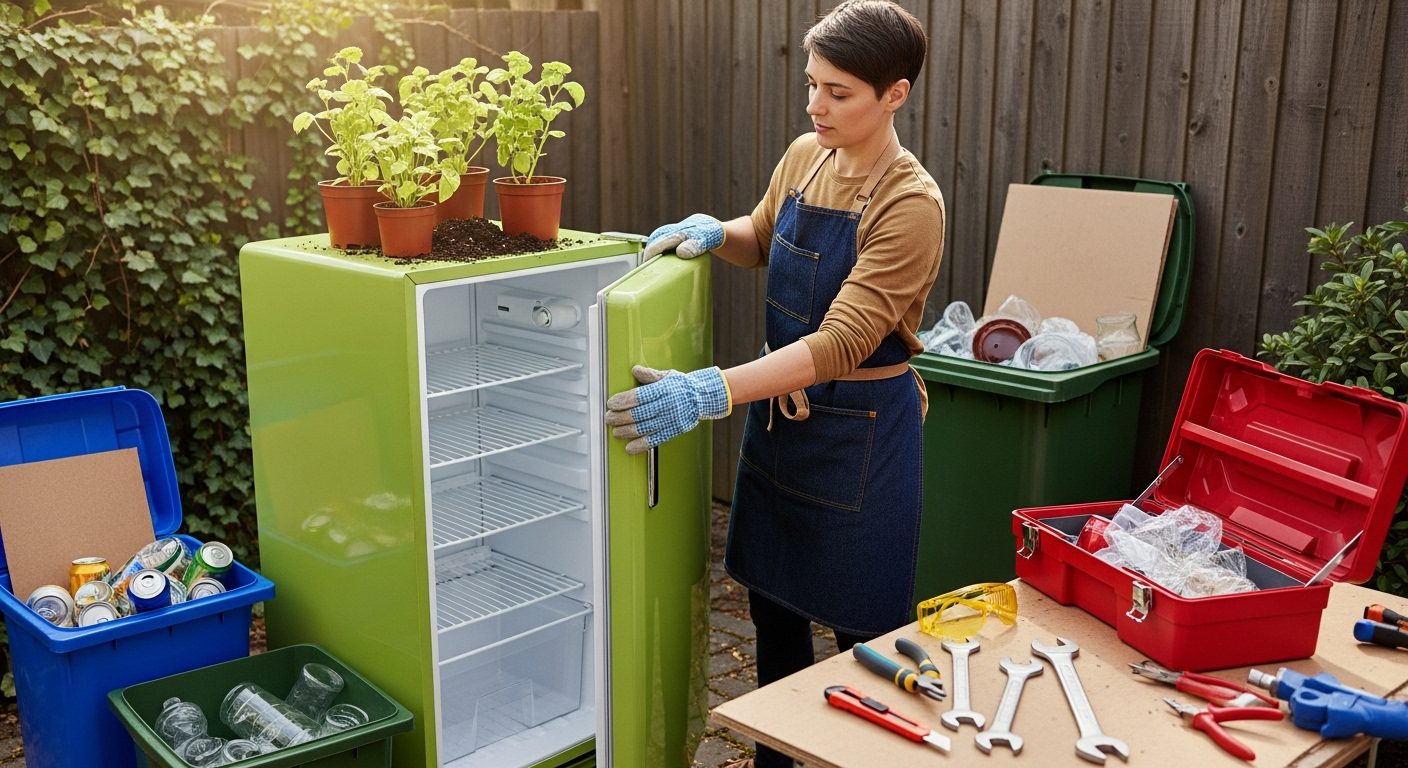
Before sending that old refrigerator to recycling, consider creative repurposing projects that extend its useful life. With basic DIY skills and safety precautions, old refrigerators can transform into unique and functional items for your home entertainment systems area or outdoor spaces.
Outdoor Storage Solutions
Convert an old refrigerator into weatherproof outdoor storage for gardening supplies, pool equipment, or workshop tools. After removing the compressor and refrigerant (requiring professional service), the insulated cabinet provides excellent protection from elements. Add ventilation holes to prevent moisture buildup and install new shelving systems tailored to your storage needs.
Root Cellar or Pantry
Buried partially underground or installed in a basement, old refrigerators make excellent root cellars for storing vegetables, canned goods, or wine. The insulation maintains stable temperatures naturally, reducing energy consumption compared to powered alternatives. Ensure proper ventilation and drainage to prevent mold and maintain optimal storage conditions.
Smoker or Grill Conversion
Ambitious DIYers have successfully converted old refrigerators into custom smokers or grills. This project requires significant modifications, including adding ventilation, installing heating elements, and creating temperature controls. While complex, the result is a unique outdoor cooking appliance with excellent insulation properties.
Environmental Impact and Benefits
Proper refrigerator disposal and recycling provides substantial environmental benefits beyond regulatory compliance. According to EPA data, recycling one refrigerator prevents approximately 1 ton of CO2 equivalent emissions annually through proper refrigerant handling and material recovery.
Modern recycling facilities recover up to 95% of refrigerator materials. Steel comprises the largest component, with an average unit yielding 120 pounds of recyclable metal. Plastic components, copper wiring, and aluminum are also recovered and processed into new products. Even the foam insulation, once stripped of blowing agents, can be repurposed for various applications.
The energy savings from retiring old, inefficient refrigerators are equally impressive. Units manufactured before 2001 use 40% more energy than current ENERGY STAR models. Replacing a 20-year-old refrigerator saves approximately 1,100 kWh annually, reducing carbon emissions equivalent to removing a car from the road for six weeks.
Cost Comparison of Disposal Methods
Understanding the true cost of each disposal method helps make informed decisions based on your budget and circumstances. Here’s a comprehensive breakdown of expenses and potential returns for each option:
Utility Rebate Programs: Net gain of $50-$100 (free removal plus rebate payment). No hidden costs, but availability limited to specific service areas and qualifying appliances.
Municipal Pickup: $0-$50 for the pickup service, plus $50-$150 for refrigerant removal if required separately. Total cost: $0-$200 depending on local policies.
Retailer Haul-Away: $0-$50 with new appliance purchase. Most cost-effective when already buying a replacement. No additional refrigerant removal fees.
Professional Removal: $75-$150 all-inclusive. Higher cost but includes all labor, refrigerant handling, and disposal. Best for difficult removals or time-sensitive situations.
Donation: Free removal for qualifying appliances, plus potential tax deduction valued at $50-$250 depending on appliance condition and your tax bracket.
Private Sale: Net gain of $50-$300 for working units in good condition. Requires time and effort for listing, showing, and coordinating pickup.
Safety Considerations and Warnings
Refrigerator disposal involves several safety hazards that require careful attention. The average refrigerator weighs 250-300 pounds, making improper lifting techniques a leading cause of back injuries during DIY removal. Always use proper lifting equipment, such as appliance dollies, and enlist help for moving heavy units.
Never attempt to remove refrigerants yourself. These chemicals require specialized equipment and EPA certification for legal handling. Improper release can cause severe frostbite, respiratory issues, and environmental damage. The $37,500 maximum fine for illegal refrigerant release far exceeds any savings from DIY disposal.
When storing a refrigerator temporarily, even for a few hours, remove or secure doors to prevent entrapment. According to the Consumer Product Safety Commission, an average of 30 children die annually from appliance entrapment, with refrigerators being the most common hazard.
For repurposing projects, disconnect all electrical components before beginning modifications. Capacitors in older units can retain dangerous charges even when unplugged. If uncertain about electrical safety, consult a qualified electrician before proceeding with any modifications.
State-Specific Disposal Programs and Resources
While federal regulations provide baseline requirements, state and local programs offer additional resources and sometimes more stringent regulations. California’s appliance recycling program, for example, provides rebates up to $100 through participating utilities and requires retailers to offer free haul-away services for appliance purchases over $399.
New York State mandates that retailers accepting appliance deliveries must provide free removal of similar appliances. The state also operates an extensive network of recycling facilities specifically equipped for appliance processing, ensuring maximum material recovery and proper hazardous material handling.
Texas offers unique agricultural repurposing programs where old refrigerators are converted into grain storage or livestock feeding stations. These programs, coordinated through county extension offices, provide technical assistance and sometimes financial incentives for rural property owners.
Research your state’s specific programs through the ENERGY STAR website or your state’s environmental protection agency. Many states maintain online directories of certified recyclers and current rebate programs, updated regularly as programs change.
Planning Your Disposal Timeline
Successful refrigerator disposal requires strategic timing, especially when coordinating with utility programs or seasonal considerations. Utility rebate programs often have limited annual budgets, with funds typically replenished at the fiscal year start. Applying early in the program year increases approval chances and reduces wait times.
Schedule disposal during moderate weather when possible. Summer heat makes moving appliances more challenging and potentially dangerous, while winter conditions can create slip hazards. Spring and fall offer ideal conditions for DIY projects or when contractors have more scheduling flexibility.
If selling or donating, consider timing around peak demand periods. College towns see increased demand for used appliances in late summer when students return. Tax season (January-April) often sees increased donation activity as people seek deductions.
Allow adequate lead time for your chosen method. Utility programs may have 4-6 week wait times during peak seasons. Professional removal services typically schedule within a week, while municipal pickups might occur monthly or quarterly. Plan accordingly to avoid storage issues or conflicts with new appliance delivery.
Making the Final Decision
Choosing the best disposal method depends on several factors unique to your situation. Working refrigerators less than 10 years old often have resale value that exceeds disposal costs. Units over 15 years old typically qualify for the most generous utility rebates due to their energy inefficiency.
Consider your physical capabilities and available help. While DIY transport to recycling centers costs less, the risk of injury or property damage may outweigh savings. Professional services provide peace of mind, especially for challenging removals from basements or upper floors.
Evaluate time versus money trade-offs honestly. Selling privately might net $200, but requires creating listings, responding to inquiries, and coordinating showings. Utility rebate programs offer less money but handle everything with a single phone call.
Environmental impact should factor into decisions as well. While all legal disposal methods ensure proper refrigerant handling, some prioritize material recycling over others. Ask disposal services about their recycling rates and partnerships with certified facilities. Supporting responsible recyclers encourages continued investment in proper disposal infrastructure.
Frequently Asked Questions
Can I put my old refrigerator out with regular trash?
No, refrigerators cannot go in regular trash due to federal regulations requiring proper refrigerant removal. Most municipalities prohibit curbside placement without scheduled bulk pickup or proof of refrigerant removal. Illegal disposal can result in fines ranging from $100 to $37,500.
How much does professional refrigerator removal typically cost?
Professional junk removal services charge $75-$150 for refrigerator removal, including all labor and disposal fees. Prices vary based on location, accessibility (basement vs. ground floor), and local disposal costs. Some companies offer discounts for multiple items or senior citizens.
Do all utility companies offer refrigerator recycling rebates?
Not all utilities offer rebate programs, but many major providers participate in ENERGY STAR’s Responsible Appliance Disposal initiative. Check with your specific utility company or visit the ENERGY STAR website’s recycling program locator. Programs typically operate in areas where energy demand reduction is prioritized.
What happens to refrigerators when they’re recycled?
Recycling facilities first remove hazardous materials including refrigerants, oils, and mercury switches. The unit is then shredded, with materials separated magnetically and manually. Steel, copper, aluminum, and plastics are processed for reuse. Foam insulation is treated to remove blowing agents before disposal or repurposing. Overall, 95% of materials are typically recovered.
Can I remove the refrigerant myself to save money?
No, federal law requires EPA-certified technicians to handle refrigerants. DIY removal is illegal and dangerous, potentially causing severe frostbite, respiratory damage, or death. The certification requires training and specialized equipment. Fines for illegal refrigerant release far exceed any potential savings.
How old does a refrigerator need to be for utility rebate programs?
Requirements vary by program, but most accept refrigerators 10+ years old that are still functioning. Some programs have maximum age limits (typically 30 years) or minimum size requirements (10 cubic feet). Check specific program guidelines, as some utilities focus on pre-2001 models due to their significantly higher energy consumption.
Is it worth repairing an old refrigerator instead of disposing of it?
Generally, refrigerators over 10 years old aren’t worth major repairs due to energy inefficiency and likely additional failures. If repair costs exceed 50% of replacement value, disposal and replacement make more financial sense. Modern ENERGY STAR models use 40% less energy than 20-year-old units, often paying for themselves through energy savings.
What should I do if my old refrigerator contains mold?
Clean thoroughly with a solution of 1 tablespoon bleach per gallon of water before disposal. Wear protective equipment including gloves, masks, and eye protection. For extensive mold, consider professional removal to avoid health risks. Some disposal services refuse heavily contaminated appliances, so cleaning is essential.
Conclusion
Disposing of an old refrigerator doesn’t have to be complicated or expensive. From utility rebate programs that pay you for recycling to creative repurposing projects that give new life to old appliances, numerous options exist for every situation and budget. The key is understanding your local regulations, evaluating available programs, and choosing the method that best balances convenience, cost, and environmental responsibility.
I’ve found that taking time to research options pays off significantly. What initially seemed like a disposal headache turned into a $75 rebate from my utility company, plus the satisfaction of knowing my old refrigerator was recycled responsibly. The entire process, from scheduling to pickup, took less effort than I spent worrying about what to do.
Remember that proper disposal isn’t just about following regulations—it’s about protecting our environment and maximizing resource recovery. Whether you choose professional removal, utility programs, or donation, ensure your chosen method includes proper refrigerant handling and material recycling. With the comprehensive options outlined in this guide, you can confidently dispose of your old refrigerator while potentially putting money back in your pocket and contributing to a more sustainable future.