Every homeowner dreams of that thick, vibrant carpet of grass that makes neighbors stop and admire. Yet despite faithful watering, fertilizing, and mowing, many lawns never reach their full potential. The hidden culprit? Compacted soil silently suffocating your grass roots beneath the surface. A lawn aerator might be the missing tool in your lawn care arsenal that transforms struggling turf into the lush landscape you envision.
A lawn aerator is a specialized tool designed to perforate your lawn’s soil with small holes, creating pathways for air, water, and nutrients to reach the grass root zone. This mechanical process, known as core aeration, physically removes small plugs of soil to alleviate compaction that builds up naturally over time from foot traffic, mowing equipment, and seasonal settling. Research from university extension programs consistently shows that proper aeration can reduce water usage by up to 30% while dramatically improving root development and overall turf health.
In 2026, lawn care experts continue to emphasize aeration as one of the most impactful yet overlooked maintenance practices. Whether you’re dealing with heavy clay soil, high-traffic areas that have seen better days, or simply want to optimize your lawn’s health and resilience, understanding how aeration works and when to apply it can make the difference between a mediocre lawn and one that truly thrives. This comprehensive guide covers everything you need to know about lawn aerators, from the science behind the process to practical considerations for your specific lawn situation.
What Is a Lawn Aerator?
A lawn aerator is a gardening tool or machine designed to combat soil compaction by creating controlled holes in your turf. These holes serve multiple critical functions: they allow oxygen to reach grass roots, enable water to penetrate deeply rather than running off the surface, and create channels for nutrients to reach the root zone where they’re needed most. The concept is simple but the impact on lawn health is profound.
Soil compaction occurs when soil particles are pressed together, reducing pore space between them. This compression creates a dense barrier that restricts root growth, limits oxygen availability, and prevents proper water infiltration. According to turf research from leading universities, compacted soil can reduce pore space by up to 50%, effectively suffocating grass roots and making your lawn more susceptible to drought stress, disease, and weed invasion.
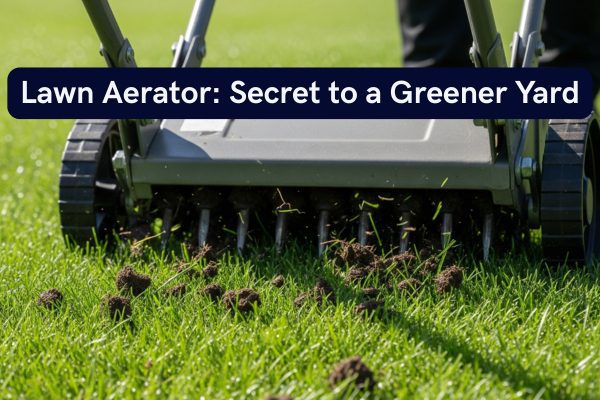
Lawn aerators address this problem through mechanical means. The most effective type, the core aerator (also called a plug aerator), uses hollow tines to physically remove small cylinders of soil from your lawn. These removed plugs, typically 2-3 inches deep and ½-¾ inches in diameter, create permanent channels that remain open for extended periods. As the plugs break down on the surface, they return valuable microorganisms and organic matter to the soil, further enhancing the biological activity that keeps lawns healthy.
The science behind aeration extends beyond simply poking holes in the ground. By relieving compaction, aeration promotes deeper root systems that can access water and nutrients more effectively. Well-aerated soil also supports beneficial microbial activity that breaks down thatch naturally, reducing the need for additional maintenance practices. The result is a more resilient lawn that better withstands environmental stresses, requires less water, and responds more effectively to fertilization and other care practices.
Understanding Lawn Aeration: The Science Behind Healthy Grass
Lawn aeration works on the principle that grass roots, like all living plant tissues, require oxygen to function properly. In compacted soil, oxygen levels drop dramatically because the compressed particles leave minimal air space between them. This oxygen deprivation causes roots to become shallow and weak, making grass more vulnerable to drought, heat stress, and disease pressure.
When a core aerator removes soil plugs, it instantly creates pathways for air exchange between the atmosphere and the root zone. This improved oxygenation stimulates root growth and enhances the metabolic processes that keep grass plants healthy. Research from West Virginia University Extension demonstrates that properly aerated lawns develop root systems twice as deep as those in compacted soil, dramatically improving drought tolerance and overall vigor.
The water management benefits are equally significant. Compacted soil repels water like a sidewalk, causing irrigation and rainfall to run off rather than infiltrating. This not only wastes water but also prevents moisture from reaching root systems. Aeration creates permanent channels that allow water to penetrate deeply, encouraging roots to grow downward in search of moisture. According to Oregon State University Extension studies, aerated lawns can maintain healthy growth with 20-30% less water than compacted lawns.
Nutrient uptake efficiency represents another critical benefit of aeration. Fertilizers applied to compacted surfaces often wash away before grass can absorb them, or remain in the topsoil layer where shallow roots access them temporarily. Aeration channels allow nutrients to move directly to the root zone, where they’re needed for optimal growth. This improved efficiency means you can achieve better results with less fertilizer, reducing costs and environmental impact while promoting more sustainable lawn care practices.
Types of Lawn Aerators: A Comparison
Not all lawn aerators work the same way, and choosing the wrong type can actually worsen soil compaction rather than improve it. Understanding the differences between aerator types helps ensure you select the right tool for your lawn’s specific needs.
| Aerator Type | How It Works | Best For | Pros | Cons |
|---|---|---|---|---|
| Core/Plug Aerator | Removes cylindrical soil plugs (2-3″ deep) | Heavy compaction, all lawn sizes | Most effective, creates lasting channels, reduces thatch | Higher cost, leaves plugs on surface |
| Spike Aerator | Pokes holes with solid tines (no soil removal) | Light compaction, small areas | Lower cost, simpler operation | Can increase compaction around holes, short-lived relief |
| Liquid Aerator | Applied as spray, chemically conditions soil | Maintenance between mechanical aeration | Easy application, covers large areas quickly | Limited research, doesn’t physically relieve compaction |
| Manual Aerator | Hand-operated core removal tool | Small lawns (<2,500 sq ft), spot treatment | Low cost, precise control | Labor-intensive, impractical for large areas |
| Walk-Behind Aerator | Powered or push-style machine | Medium lawns (2,500-20,000 sq ft) | Efficient, consistent results | Requires rental or purchase, physical effort |
| Tow-Behind Aerator | Pulled by lawn tractor, weight-driven penetration | Large properties (>½ acre) | Covers large areas quickly, less physical effort | Requires lawn tractor, higher initial cost |
The table above highlights the key differences between aerator types. Core aerators consistently rank as the most effective option for addressing genuine compaction issues. University extension programs universally recommend core aeration over spike aeration for this reason. Want a detailed comparison of plug vs spike aerators? Our in-depth guide examines the scientific differences and helps you choose the right type for your situation.
Core Aerators (Plug Aerators)
Core aerators represent the gold standard in lawn aeration technology. These machines use hollow metal tines to physically remove small cylinders of soil from your lawn, creating genuine holes that remain open for extended periods. The removed soil plugs, typically 2-3 inches deep and ½-¾ inches in diameter, are deposited on the lawn surface where they break down naturally over 2-3 weeks, returning valuable organic matter and microorganisms to the turf.
According to Iowa State University Extension research, proper core aeration should achieve 20-40 holes per square foot with each hole penetrating at least 3 inches deep. This density and depth ensures comprehensive compaction relief throughout the root zone. Core aerators come in various configurations including manual tools, walk-behind units, and tow-behind attachments for lawn tractors, making them suitable for properties of virtually any size.
Spike Aerators
Spike aerators use solid metal spikes or tines to poke holes in the soil without removing any material. While these tools may seem like an attractive alternative due to their lower cost and simpler operation, turf scientists caution that spike aeration can actually increase soil compaction. The University of Maryland Extension specifically warns that solid tines push soil particles aside and compress them around the holes, potentially worsening compaction rather than relieving it.
Despite these limitations, spike aerators have limited applications. They can provide temporary relief for light surface compaction and may improve water infiltration in mildly affected areas. Some lawn care professionals use spike aeration as a maintenance practice between core aeration treatments, particularly on sandy soils where compaction is less severe. However, for lawns with genuine compaction problems, core aeration remains the recommended approach.
Liquid Aerators
Liquid aerators represent a newer approach to soil management. These products typically contain surfactants, humic acids, and other compounds designed to chemically condition soil and improve its structure. Applied through a hose-end sprayer or tank sprayer, liquid aeration products claim to reduce compaction without mechanical intervention.
While some homeowners report positive results from liquid aeration products, university research on their effectiveness remains limited. Most extension programs emphasize that liquid products cannot physically create the channels for air and water movement that mechanical aeration provides. Liquid aeration may have value as a supplemental treatment between mechanical aeration sessions, particularly for maintaining soil structure improvements. However, it should not be considered a substitute for core aeration when addressing established compaction problems.
Manual vs. Powered Aerators
The choice between manual and powered aerators depends primarily on your lawn size and physical capability. Manual aerators, which typically feature two or four hollow tines operated by foot pressure, can be effective for lawns under 2,500 square feet. These tools cost significantly less than powered options but require substantial physical effort. Reddit users consistently report that manual aeration is “exhausting and takes forever,” with one user noting it took over 4 hours to aerate just 1,000 square feet.
Powered aerators dramatically reduce the physical labor required. Walk-behind aerators, available in gas and electric models, can handle lawns up to half an acre efficiently. These rental units typically cost $50-75 for a half-day and complete the job in a fraction of the time manual tools require. For properties larger than half an acre, tow-behind aerators that attach to lawn tractors offer the most efficient solution, though they require access to appropriate equipment.
The Benefits of Lawn Aeration: Why Your Grass Needs It
The advantages of regular lawn aeration extend far beyond simple hole-poking. Research from multiple university extension programs has documented numerous benefits that contribute to overall lawn health, appearance, and sustainability.
Enhanced Root Development
When soil compaction is relieved through aeration, grass roots can penetrate deeper into the soil profile. This increased rooting depth provides multiple advantages: deeper roots access water from lower soil layers, making grass more drought-tolerant; they encounter more nutrients throughout a larger soil volume; and they anchor grass plants more securely, improving wear tolerance. Research indicates that aerated lawns can develop root systems up to twice as deep as those in compacted soil, dramatically improving overall turf resilience.
Improved Water Conservation
Oregon State University Extension research demonstrates that properly aerated lawns can reduce water requirements by 20-30%. This significant reduction occurs because water penetrates efficiently into aerated soil rather than running off compacted surfaces. The improved infiltration means irrigation reaches root systems where it’s needed, rather than pooling on the surface or flowing into storm drains. For homeowners in drought-prone regions or those seeking to reduce water bills, aeration offers one of the most effective water conservation strategies available.
Better Nutrient Uptake
Fertilizers perform significantly better on aerated lawns. The channels created by core aeration allow nutrients to move directly to the root zone rather than remaining on the soil surface where they can wash away or volatilize. This improved efficiency means you can achieve better results with less fertilizer, reducing both costs and environmental impact. Timing fertilizer applications immediately after aeration maximizes this benefit, as nutrients can move into the soil profile through the newly created channels.
Thatch Reduction
Thatch, the layer of dead grass and organic matter between green growth and soil surface, becomes problematic when it exceeds ½ inch in thickness. Aeration promotes beneficial microbial activity that breaks down thatch naturally. The soil plugs deposited on the surface after core aeration contain microorganisms that accelerate decomposition of the thatch layer, reducing the need for separate dethatching operations. Regular aeration can prevent thatch from reaching problematic levels in the first place.
Enhanced Disease Resistance
Well-aerated lawns demonstrate improved resistance to fungal diseases and other turf problems. Many lawn pathogens thrive in conditions created by poor drainage and excessive thatch – both issues that aeration directly addresses. The improved air circulation and drainage reduce the humid conditions that fungi need to proliferate, while healthier grass plants with robust root systems are naturally more resistant to disease pressure. This enhanced resistance can reduce the need for fungicide applications and other interventions.
When to Aerate Your Lawn: Timing Is Everything
The timing of lawn aeration significantly impacts its effectiveness. Aerate at the wrong time, and you could stress your grass unnecessarily or create opportunities for weed invasion. Understanding the optimal timing for your specific grass type and region ensures maximum benefits from your aeration efforts.
Cool-Season Grasses
For cool-season grasses like Kentucky bluegrass, perennial ryegrass, tall fescue, and fine fescue, early fall (August through October) represents the ideal aeration window. During this period, grass is actively growing, soil moisture is typically adequate from summer rains, and temperatures moderate. Fall aeration allows grass to recover quickly before winter dormancy while taking advantage of reduced weed pressure compared to spring.
Spring aeration (March through May) serves as the second-best option for cool-season grasses. However, spring aeration can promote weed germination, particularly crabgrass and other annual grasses. If aerating in spring, coordinate with pre-emergent herbicide applications carefully, as aeration can disrupt the chemical barrier these products create. Most lawn care experts recommend avoiding pre-emergent applications for at least four weeks before or after aeration.
Warm-Season Grasses
Warm-season grasses such as Bermuda grass, Zoysia grass, St. Augustine grass, and centipede grass follow a different schedule. These grasses should be aerated in late spring through early summer (May through July) when they’re actively growing and temperatures consistently reach the 80s. This timing allows the grass to recover quickly and fill in aeration holes before entering fall dormancy. Avoid aerating warm-season grasses in early spring when they’re just breaking dormancy, as this can delay green-up and stress the turf.
Frequency of Aeration
Most lawns benefit from annual aeration, but the appropriate frequency depends on several factors specific to your situation. High-traffic areas, heavy clay soils, and lawns receiving frequent irrigation typically need aeration twice per year – once during the primary growing season and once during the secondary period. Sandy soils that drain well might only require aeration every two to three years. Athletic fields and other high-use areas may need aeration three or more times per year to maintain optimal conditions.
Signs Your Lawn Needs Aeration
Recognizing when your lawn needs aeration helps you address problems before they become severe. While annual aeration serves as excellent preventive maintenance, certain signs indicate an immediate need for this important practice.
The Screwdriver Test
One simple yet effective way to check for soil compaction is the screwdriver test. After watering your lawn or following rainfall, attempt to push a standard screwdriver into the soil. If it penetrates easily to 4-6 inches, your soil is probably fine. If you meet significant resistance or cannot penetrate beyond 2 inches, your soil is likely compacted and would benefit from aeration. This quick test provides immediate feedback about soil conditions and requires no special equipment.
Water Runoff and Puddling
When water runs off your lawn rather than soaking in, or if puddles form in areas that aren’t natural low spots, compaction is preventing proper infiltration. This problem becomes especially noticeable during heavy rains or irrigation cycles. You might see water flowing onto sidewalks or driveways shortly after watering begins, or observe standing water in areas that should drain properly. These symptoms indicate that soil pores are compressed and water cannot penetrate effectively.
Thin or Bare Spots
Areas where grass struggles to grow or has died out completely often indicate severe compaction. These spots typically appear first in high-traffic zones like pathways, play areas, or routes regularly taken by pets. Even with proper fertilization and watering, grass in compacted areas continues to decline without aeration. The grass simply cannot establish the root system needed to survive, leading to thinning and eventual bare spots that weeds readily colonize.
Excessive Thatch Buildup
If your lawn has a thatch layer thicker than ½ inch, aeration can help stimulate the microbial activity needed to break it down. You can check thatch thickness by removing a small wedge of grass and soil with a knife and measuring the brown, spongy layer between the green grass and soil surface. While some thatch is normal and beneficial, layers exceeding ½ inch can harbor pests, diseases, and prevent water from reaching soil. Aeration helps manage this problem naturally without aggressive dethatching.
Heavy Clay Soil
Properties with clay soil almost always benefit from regular aeration. Clay particles are extremely small and pack together tightly, creating natural compaction even without traffic. If your soil forms hard clumps when wet or develops surface cracks during dry periods, it likely has high clay content and needs frequent aeration. Clay lawns typically require twice-yearly aeration to maintain optimal conditions, compared to once yearly for sandy loam soils.
The Aeration Process: Step-by-Step Guide
Proper execution of lawn aeration maximizes benefits while minimizing stress on your grass. Following these detailed steps ensures professional-quality results whether you’re doing it yourself or hiring a service.
Step 1: Pre-Aeration Preparation
Begin by mowing your lawn to its normal height the day before aeration. This makes it easier to see your work pattern and allows the aerator tines to penetrate the soil more effectively. Mark all sprinkler heads, shallow utility lines, buried rocks, and other obstacles with flags to avoid damage during aeration. Walk your lawn and note any particularly thin or bare areas that might benefit from overseeding after aeration.
Water your lawn thoroughly one to two days before aeration if rainfall hasn’t provided adequate moisture. The soil should be moist but not muddy – similar to the consistency ideal for planting seeds. To test, try pushing a screwdriver into the soil. It should penetrate easily but not feel sticky or muddy. Dry soil is too hard for tines to penetrate effectively, while overly wet soil causes excessive mess and can damage your lawn’s structure.
Step 2: Aeration Technique
When operating a walk-behind aerator, maintain a steady pace similar to mowing – not too fast that you miss spots, but not so slow that you’re removing excessive soil. For optimal results, make two passes over your lawn in perpendicular directions, creating a crosshatch pattern. This ensures adequate hole density, achieving the 20-40 holes per square foot recommended by turf experts. Pay special attention to highly compacted areas, making additional passes if necessary.
For tow-behind aerators, ensure adequate weight for proper penetration. Most models include weight trays that can be loaded with concrete blocks or sandbags. Start with lighter weight and add more if tines aren’t penetrating fully. Avoid overloading, which can damage equipment or create excessive holes. Plan your route to minimize turns on the lawn, as turning maneuvering can tear turf.
When using manual aerators, work in small sections and focus on proper technique rather than speed. Place one foot on each foot bar and use your body weight to drive the tines fully into the soil. Rock the tool slightly back and forth before removing to ensure clean plug extraction. Expect this process to be physically demanding – plan rest breaks and consider enlisting help for larger areas.
Step 3: Post-Aeration Care
Leave the soil plugs on your lawn to decompose naturally. While they may look unsightly initially, they’ll break down within 2-3 weeks, returning valuable nutrients and microorganisms to your soil. You can speed decomposition by mowing over dried plugs with a mulching mower or dragging a piece of chain-link fence across the lawn to break them up. Avoid raking up plugs unless absolutely necessary for aesthetic reasons, as you’ll be removing valuable organic matter.
This is an ideal time to overseed thin or bare areas, as seeds falling into aeration holes have excellent soil contact for germination. Apply seed immediately after aeration using 50% more than the recommended rate to account for some seeds not reaching holes. Follow with a balanced starter fertilizer to support new seedling growth. Continue your regular watering schedule, adjusting for any rainfall, to help grass recover and fill in the aeration holes.
Aeration vs Dethatching: Understanding the Difference
Homeowners often confuse aeration and dethatching, but these processes address different lawn problems. Understanding when to use each practice ensures you’re applying the right solution to your specific lawn issues.
Aeration primarily addresses soil compaction by creating channels for air, water, and nutrient movement. It’s most beneficial when soils are compressed, when water runs off rather than soaking in, or when grass struggles despite proper care. Aeration removes small plugs of soil, leaving holes that relieve compaction and improve root zone conditions. The process is most effective when performed annually or biannually as preventive maintenance.
Dethatching, in contrast, targets the layer of dead grass, roots, and organic matter that accumulates between green growth and soil surface. While some thatch (¼-½ inch) is normal and beneficial, layers exceeding ½ inch can harbor pests and diseases while blocking water and nutrients from reaching soil. Dethatching uses vertical blades or tines to cut through and remove this excessive organic layer. The process is more aggressive than aeration and can stress lawns, so it’s typically performed only when thatch measurements indicate a problem.
Many lawns benefit from both practices, but they serve different purposes. If your primary problem is water runoff or failed screwdriver tests, focus on aeration. If you can measure a thatch layer exceeding ½ inch with a ruler, dethatching takes priority. In cases where both issues exist, complete aeration first, allow the lawn to recover for 3-4 weeks, then perform dethatching. Never combine these aggressive practices in a single session, as the combined stress can severely damage your lawn.
Lawn Aerator Cost Guide: What to Expect?
Understanding the costs associated with lawn aeration helps you budget appropriately and make informed decisions about DIY versus professional service. Prices vary significantly based on your location, lawn size, and chosen approach.
Manual aerators represent the most economical option for small lawns, typically costing $30-100 for purchase. Brands like Yard Butler and Corona offer reliable manual core aerators in this price range. However, factor in the substantial physical labor required – Reddit users consistently report that manual aeration is “exhausting and takes forever,” with one user noting over 4 hours to aerate just 1,000 square feet. For very small lawns or spot treatment, manual tools make financial sense. For anything larger, the time and physical effort often justify renting powered equipment.
Aerator rental costs typically run $50-75 for a half-day or $75-100 for a full day at most equipment rental locations. Most residential lawns can be completed in a half-day rental. Walk-behind aerators are the standard rental option, capable of handling lawns up to half an acre. Some rental locations also offer tow-behind models, but these require a lawn tractor for operation. When budgeting for rental, factor in the cost of pick-up and return, potential trailer rental if you lack appropriate transport, and any damage deposits required by the rental company.
Purchasing a powered aerator represents a significant investment, with quality walk-behind models ranging from $800-2,000 and tow-behind units costing $1,500-3,000. For most homeowners, purchasing makes sense only if aerating multiple properties or planning to use the equipment frequently enough to amortize the cost over several years. Before purchasing, consider storage requirements and maintenance needs – powered aerators require regular servicing like any gasoline equipment.
Professional aeration services typically charge $75-200 for average-sized residential lawns, with prices varying based on location and lawn size. Most companies quote per 1,000 square feet, with rates ranging from $15-30 per thousand square feet. Professional services bring commercial-grade equipment that often produces better results than rental units, and the service usually includes proper prep work, cleanup, and disposal of plugs if desired. For homeowners lacking physical ability to operate equipment or those wanting guaranteed professional results, hiring a service often proves worth the additional cost.
Top Lawn Aerator Recommendations
While this article focuses on educational content about lawn aeration, many readers ask for specific product recommendations when choosing equipment. Based on professional testing, user reviews, and lawn care expert feedback, these aerator categories represent reliable options for different lawn situations.
For manual aeration of small lawns or spot treatment, the Yard Butler IDM-2C core aerator consistently ranks as a top choice. This manual tool features two hollow tines that remove 3.5-inch plugs, providing genuine core aeration rather than spike penetration. At around $50, it offers an affordable entry point for homeowners with very small lawns or those who prefer to tackle compaction problem areas by hand. Users report it’s built to last with powder-coated steel construction, though they universally acknowledge the physical effort required – expect to work up a sweat if aerating more than a few hundred square feet.
In the walk-behind category, the Agri-Fab 40-inch Plug Aerator receives consistent praise from lawn care professionals. This tow-behind unit can be converted for walk-behind use with available conversion kits and features 32 galvanized steel plugs that penetrate up to 3 inches deep. The weight tray allows you to add up to 150 pounds for proper penetration in compacted soils, addressing one of the most common complaints about lighter aerators. At approximately $400, it represents a significant investment but offers commercial-grade durability that can handle yearly use for decades.
For homeowners with lawn tractors seeking the most efficient solution, the Brinly-Hardy PA-40BH Tow-Behind Plug Aerator consistently ranks as the premier option. This 40-inch unit features 16 heat-treated plug spoons that penetrate up to 3 inches, with a weight capacity of 150 pounds. The universal hitch fits most lawn tractors and zero-turn mowers, while the transport wheels allow easy movement between storage and work areas. At approximately $500-600, it’s not an inexpensive purchase, but reviews consistently praise its durability and effectiveness on large properties. The heavy-duty construction means it can withstand regular use year after year, making it a one-time purchase that pays dividends over decades of lawn care.
The Greenworks Cordless 40V Aerator represents an emerging category of battery-powered aerators that offer gas-level performance without emissions or maintenance requirements. This 10-inch unit features four coring tines and can aerate up to 10,000 square feet on a single charge. While its narrow width means more passes compared to larger models, the lightweight design and push-button start make it accessible for homeowners who struggle with heavier gas equipment. At around $300 plus the cost of batteries and charger if not already owned in the Greenworks ecosystem, it offers a middle-ground option between manual tools and commercial-grade equipment.
For renters who need professional results without long-term commitment, most equipment rental locations offer either Ryan or Classen aerators. These commercial-grade brands manufacture the workhorse machines used by lawn care professionals. Rental units typically feature 20-24 inches wide working widths, weight capacities over 200 pounds, and plug depths exceeding 3 inches. While specific models vary by location, you can expect to pay $50-75 for a half-day rental that provides access to equipment far superior to consumer-grade models. Rental units are professionally maintained and typically more reliable than purchased equipment that may sit unused for years between uses.
DIY vs Professional Aeration: Making the Right Choice
The decision between tackling aeration yourself and hiring a professional service involves multiple factors beyond just cost. Understanding the pros and cons of each approach helps you choose the option that best fits your situation.
DIY aeration typically costs $50-100 for equipment rental plus your time and effort. The primary advantage is cost savings and the flexibility to work on your own schedule. You control the process and can focus extra attention on problem areas. However, DIY aeration requires physical strength and stamina, particularly when operating heavy equipment. You’ll also need to transport the equipment, which may require a truck or trailer rental. The learning curve means your first attempt might not achieve optimal results, particularly in terms of overlap pattern and consistency.
Professional aeration services typically cost $75-200 for residential lawns, with the exact price depending on lawn size and location. The primary advantage is professional-quality results – technicians perform aerations daily and achieve consistent coverage that DIYers rarely match on their first attempt. Professionals bring commercial-grade equipment that often penetrates more deeply and consistently than rental units. They also handle all prep work, marking, and cleanup. For those with physical limitations or busy schedules, professional services remove the burden of equipment operation and transport.
Reddit discussions reveal that many homeowners view DIY aeration as a one-time experiment before switching to professional services. Common themes include underestimating the physical effort required, difficulty achieving consistent results, and rental equipment that doesn’t penetrate properly due to insufficient weight. One user summed up the sentiment: “Rented an aerator once, never again. Paid a pro the next year and the difference was obvious – they had better equipment and knew exactly what they were doing.”
For most homeowners with average-sized lawns, professional services offer the best balance of results and convenience, particularly when the cost difference isn’t substantial. DIY makes most sense for very small lawns where rental minimums make professional service uneconomical, or for rural homeowners where access to professional services is limited. Consider also whether you’re combining aeration with other services like overseeding or fertilization – many lawn care companies offer package deals that improve the overall value proposition.
Common Aeration Mistakes to Avoid
Even with the best intentions, certain mistakes can reduce aeration effectiveness or actually damage your lawn. Being aware of these common errors helps ensure successful results.
Aerating at the Wrong Time
Aerating during summer heat or winter cold stresses grass unnecessarily and can cause lasting damage. Similarly, aerating during drought conditions when grass is already stressed can do more harm than good. Always aerate when grass is actively growing and can recover quickly. For cool-season grasses, this means fall or spring when temperatures are moderate. For warm-season grasses, late spring through early summer provides the ideal window. Timing aeration for your grass’s peak growth period ensures rapid recovery and maximum benefits.
Using the Wrong Equipment
As emphasized by the University of Maryland Extension, using spike aerators on compacted soil often worsens the problem by increasing compaction around the holes. Similarly, using equipment that doesn’t penetrate deep enough (less than 2 inches) provides minimal benefit. Always verify that rental equipment has hollow tines for core removal rather than solid spikes. Check that tines can penetrate at least 3 inches deep, as shallow holes provide temporary surface relief without addressing deeper compaction. Using inadequate equipment wastes time and effort while failing to solve the underlying problem.
Inadequate Coverage
Making only one pass over your lawn rarely provides sufficient aeration. Most lawns need two perpendicular passes to achieve the recommended 20-40 holes per square foot. Skipping heavily compacted areas or avoiding slopes reduces overall effectiveness and leaves problem areas untreated. Approach aeration systematically, planning your passes to ensure complete coverage. Pay particular attention to high-traffic zones, areas where water pools, and sections where grass appears thin or stressed. These problem areas typically need extra attention rather than being bypassed.
Improper Soil Moisture
Aerating bone-dry soil results in poor penetration and can damage equipment as tines bounce off hard ground. Conversely, aerating waterlogged soil creates a muddy mess and can damage soil structure by compressing it further. The ideal soil moisture falls between these extremes – moist enough that you can easily insert a screwdriver but not so wet that soil sticks to your shoes or tools. If conditions aren’t right, postpone aeration rather than proceeding with suboptimal soil moisture. Your patience will be rewarded with better results and less frustration.
Removing Soil Plugs Too Soon
Many homeowners rake up soil plugs immediately after aeration because they look unsightly. However, these plugs provide valuable benefits as they decompose. They contain microorganisms that help break down thatch, provide organic matter that improves soil structure, and return nutrients to the lawn as they break down. Allow plugs to dry and break down naturally over 2-3 weeks. If appearance is a major concern, you can speed the process by mowing over dried plugs with a mulching mower or dragging a piece of chain-link fence across the lawn to break them up. Avoid raking up fresh plugs unless absolutely necessary.
Maximizing Aeration Benefits: Advanced Tips
To get the most from your aeration efforts, consider these professional strategies that enhance results and extend benefits throughout the growing season.
Combine with Overseeding
Aeration creates ideal conditions for overseeding thin or damaged areas. Seeds falling into aeration holes benefit from excellent soil contact and protection from birds. Apply seed immediately after aeration, using 50% more than the recommended rate to account for some seeds not reaching holes. The combination addresses both soil compaction and grass density simultaneously, producing dramatic improvements in lawn thickness. For best results, choose grass seed appropriate for your region and growing conditions, and apply a starter fertilizer to support new seedling growth.
Topdressing Application
Applying a thin layer (¼ to ½ inch) of compost or quality topsoil after aeration helps improve soil structure over time. The topdressing material works into the aeration holes, gradually amending the soil profile. This is particularly beneficial for lawns with heavy clay soil or poor organic matter content. While topdressing requires additional work and materials, the long-term benefits include improved water retention, better nutrient availability, and enhanced soil biology. Use screened compost free of weed seeds and apply evenly with a spreader or shovel.
Strategic Fertilization
Apply fertilizer immediately after aeration to take advantage of improved access to the root zone. The nutrients can move directly into the soil through aeration holes rather than sitting on the surface. This timing improves fertilizer efficiency and reduces the risk of nutrient runoff. Choose a balanced fertilizer appropriate for your grass type and season, and water lightly after application to move nutrients into the soil. For newly aerated lawns, consider using fertilizers with slower-release forms to provide extended feeding as the lawn recovers.
Water Management
Adjust your irrigation schedule after aeration to maintain consistent moisture without overwatering. The improved infiltration means you may need less water to achieve the same soil moisture levels. However, the open holes can also allow faster drying in some conditions. Monitor your lawn closely for the first few weeks and adjust accordingly. The goal is to keep soil consistently moist but not waterlogged to support recovery and encourage root growth into the newly created spaces.
Frequently Asked Questions About Lawn Aeration
Is it worth buying a lawn aerator?
For most homeowners, renting an aerator or hiring professional service makes more financial sense than purchasing, especially for use only once or twice per year. Manual aerators cost $30-100 but are extremely labor-intensive. Powered units cost $800-3,000 and require storage and maintenance. Consider buying only if aerating multiple properties annually or planning extensive lawn renovation work. Otherwise, rental ($50-75 per half-day) or professional service ($75-200) provides better value.
When should you aerate your lawn?
Time aeration for when your grass is actively growing. For cool-season grasses (Kentucky bluegrass, fescue, ryegrass), aerate in fall (August-October) or spring (March-May), with fall being ideal. For warm-season grasses (Bermuda, Zoysia, St. Augustine), aerate in late spring through summer (May-July) when temperatures are consistently warm. Avoid aerating during dormancy, extreme heat, drought, or when soil is frozen or saturated.
Does lawn aeration really work?
Yes, university research consistently confirms that core aeration effectively relieves soil compaction. Studies show aerated lawns develop root systems up to twice as deep as compacted lawns, reduce water requirements by 20-30%, and show improved nutrient uptake. The physical removal of soil plugs creates lasting channels for air, water, and nutrient movement. Results are typically visible within 2-3 weeks as grass color and density improve, with full benefits developing over 4-6 weeks as root systems expand.
What is better, plugging a yard or aerator?
Core aeration (plugging) is universally recommended over spike aeration by university extension programs and turf professionals. Core aerators physically remove soil plugs, creating lasting channels that remain open for extended periods. Spike aerators only poke holes without removing soil, which can actually increase compaction around the holes. While spike aeration may provide temporary relief for light surface crusting, it cannot address genuine soil compaction. For lasting results, choose core/plug aeration every time.
What is the best month to aerate my lawn?
The best month depends on your grass type. For cool-season grasses, September is ideal as temperatures moderate and grass is actively growing before winter dormancy. August and October also work well for cool-season lawns. For warm-season grasses, June is optimal – late enough for active growth but before peak summer stress. May and July also work for warm-season varieties. Always avoid aerating during extreme temperature periods or dormancy.
Is there a downside to aerating?
Potential downsides include temporary aesthetic impact from soil plugs on the lawn surface, physical exertion required for DIY operation, and equipment rental costs if doing it yourself. Aeration also creates temporary stress on grass, though this is minor when timed correctly. Improper technique can make compaction worse, particularly with spike aerators. However, these minor downsides are far outweighed by the benefits of healthier, more resilient grass. When performed correctly, aeration has virtually no negative long-term effects.
What type of lawn aeration is best?
Core aeration (also called plug aeration) is the best type for addressing genuine soil compaction. This method physically removes small cylinders of soil, creating lasting channels for air, water, and nutrient movement. University extension programs universally recommend core aeration over spike aeration because spike devices can increase compaction around holes. Liquid aeration products may provide some soil conditioning benefits but cannot physically relieve compaction. For lasting results, choose core aeration with hollow tines that remove soil plugs.
Conclusion: Your Path to a Healthier Lawn
Understanding what a lawn aerator is and how it transforms compacted soil into thriving turf represents one of the most valuable insights in lawn care. Core aeration stands as a scientifically proven method for alleviating soil compaction, improving root development, and enhancing overall lawn health. The research from multiple university extension programs consistently demonstrates that proper aeration can reduce water usage by 20-30%, improve nutrient uptake, and create more resilient grass that better withstands environmental stresses.
The key to success lies in choosing the right equipment – specifically core aerators that remove soil plugs rather than spike aerators that can worsen compaction. Timing your aeration for when grass is actively growing, whether that’s fall for cool-season grasses or late spring for warm-season varieties, ensures quick recovery and maximum benefits. Regular aeration, typically once or twice per year depending on soil type and traffic levels, prevents minor compaction from becoming major problems that require extensive renovation.
Whether you choose to rent equipment and tackle the job yourself or hire a professional service, the investment in regular aeration pays dividends through reduced water bills, more effective fertilizer use, and a genuinely healthier lawn. By recognizing the signs that your lawn needs aeration – from water runoff and bare spots to failed screwdriver tests – you can address issues before they severely impact your lawn’s health. The vibrant, resilient grass you envision is achievable when you address what’s happening beneath the surface, and a lawn aerator provides the key to unlocking your lawn’s full potential in 2026 and beyond.

![8 Best Cleaner For Stainless Steel Refrigerator [cy]: Top Products Tested](https://www.guidespot.com/wp-content/uploads/2026/06/featured-update-82073-1781902135468-370x245.jpg "8 Best Cleaner For Stainless Steel Refrigerator 2026: Top Products Tested")