When I first started taking lawn care seriously, I stood in the tool aisle wondering if I needed a string trimmer, a lawn edger, or somehow both. After years of testing different tools and talking to professional landscapers, I’ve learned that understanding the difference between these two tools can save you both money and frustration.
The main difference? A string trimmer uses a spinning nylon line to cut grass and weeds in areas your mower can’t reach, while a lawn edger creates clean, defined lines between your lawn and hard surfaces like driveways or sidewalks. Think of it this way: trimmers handle the horizontal cutting, edgers handle the vertical cutting.
I spent the last month testing the latest models, including versatile 2-in-1 tools that promise to do both jobs. Some delivered on that promise, others fell short. Let me walk you through what I discovered and help you figure out exactly what your yard needs.
What Is a String Trimmer?
A string trimmer (also called a weed eater or weed whacker) is your go-to tool for cutting grass and weeds in places your mower simply can’t reach. I use mine around fence posts, trees, garden beds, and along the house foundation where my mower would either damage something or leave unsightly tufts of grass.
The tool works by spinning a piece of nylon line at incredibly high speeds – usually between 7,000 and 10,000 RPM. When that line hits grass or weeds, it slices right through them. The beauty of using flexible line instead of a rigid blade is that it can bounce off hard surfaces without damage, making it perfect for working around delicate areas.
String trimmers come in three main power types: gas, corded electric, and battery-powered. I’ve owned all three types over the years. Gas models offer the most power and unlimited runtime but require more maintenance and produce exhaust fumes. Corded electric models provide consistent power but limit your range to about 100 feet from an outlet. Battery-powered models, which have improved dramatically in recent years, offer the best balance of convenience and performance for most homeowners.
What Is a Lawn Edger?
A lawn edger creates that crisp, professional-looking line between your grass and hard surfaces. If you’ve ever admired how clean and defined the edges look at a golf course or professional landscape, that’s the work of an edger. Unlike a trimmer that cuts horizontally, an edger uses a vertical blade to slice through grass and soil, creating a distinct boundary.
Traditional edgers use a metal blade that spins perpendicular to the ground, cutting a clean trench typically 1-2 inches deep. I find this especially useful along driveways and sidewalks where grass tends to creep over the edges. Some newer models can adjust the cutting depth, which helps when you’re dealing with particularly aggressive grass varieties or establishing a new edge line.
Walk-behind edgers work best for large properties or initial edge creation, while handheld edgers (or trimmer/edger combos) handle maintenance edging perfectly. The key difference from trimming is precision – an edger follows a guide wheel or guard to maintain a perfectly straight line, something that’s nearly impossible to achieve consistently with a trimmer alone.
Key Differences Between String Trimmers and Lawn Edgers
After years of using both tools, I’ve identified five critical differences that affect how and when you’ll use each one:
Cutting Mechanism: String trimmers use flexible nylon line that spins horizontally, while edgers use rigid metal blades that spin vertically. This fundamental difference determines what each tool excels at.
Primary Function: Trimmers handle general grass and weed cutting in hard-to-reach areas. They’re versatile but less precise. Edgers create defined borders with surgical precision but have limited use beyond that specific task.
Versatility: I can use my trimmer for dozens of tasks – cutting tall grass, clearing fence lines, trimming around trees, even light brush clearing with the right line. An edger? It edges. That’s pretty much it.
Learning Curve: Anyone can pick up a trimmer and start cutting grass within minutes. Getting professional-looking results with an edger takes practice to maintain straight lines and consistent depth.
Maintenance Requirements: Trimmers need regular line replacement (though newer models make this easier than ever). Edgers require blade sharpening or replacement, typically less frequently but at higher cost per replacement.
When to Use a String Trimmer
I reach for my string trimmer in these situations:
Around obstacles: Trees, mailboxes, fence posts, garden decorations – anywhere the mower can’t navigate safely.
Sloped areas: Banks and hills where a mower would be dangerous or ineffective. Many trimmers now feature pivoting heads specifically for slope work.
Tall grass and weeds: Areas that got away from you or spots the mower struggled with. A good trimmer can knock down grass up to knee-high.
Quick touch-ups: When I notice a few stragglers after mowing, the trimmer offers a faster solution than firing up the mower again.
Tight spaces: Between closely planted shrubs, under deck overhangs, or along narrow side yards where even a push mower won’t fit.
When to Use a Lawn Edger
An edger becomes essential when:
Creating new edges: Establishing that initial clean line along a driveway or walkway requires an edger’s power and precision.
Professional appearance matters: If you’re selling your home or hosting an outdoor event, those crisp edges make a noticeable difference in curb appeal.
Fighting encroaching grass: Bermuda grass and other aggressive varieties will creep onto pavement without regular edging to keep them in check.
Defining landscape beds: Creating clear boundaries between lawn and mulched areas prevents grass invasion and reduces maintenance.
Commercial properties: If you maintain rental properties or run a landscaping business, an edger is non-negotiable for professional results.
Best 2-in-1 Options: Getting Both Functions in One Tool
Modern combo tools have gotten surprisingly good at handling both trimming and edging tasks. I tested several this season, and two stood out for actually delivering on their dual-function promises.
Worx WG163 20V PowerShare Trimmer/Edger – Best Battery-Powered 2-in-1

WORX Cordless String Trimmer & Lawn Edger, 12" Electric Weed...
Power: 20V PowerShare battery system
Cutting Width: 12 inches
Weight: 5.3 pounds
Runtime: 20-25 minutes per battery
Line Feed: Command Feed instant system
Head Tilt: 90-degree adjustment
What We Like
- Lightweight design perfect for extended use
- True 2-in-1 conversion in seconds
- Two batteries included doubles runtime
- Command Feed eliminates bumping
- Works with entire PowerShare tool line
What We Don't Like
- Battery life limited to 20 minutes
- Conversion mechanism can be tricky initially
- Light-duty line struggles with thick weeds
The Worx WG163 surprised me with how well it handles both trimming and edging duties. At just 5.3 pounds, it’s the lightest combo tool I’ve tested, which makes a huge difference during longer yard sessions. The conversion between trimmer and edger modes takes about 10 seconds once you get the hang of it – you rotate the head 90 degrees and adjust the auxiliary handle position.
What sets this model apart is the Command Feed spool system. Instead of bumping the trimmer on the ground (which I always found annoying), you just push a button to release more line. The 90-degree pivoting head isn’t just for edging – it lets you trim under benches and deck furniture without contorting yourself into uncomfortable positions.
Battery life averages 20-25 minutes per charge, which sounds limiting but the inclusion of two batteries effectively doubles your runtime. I can trim and edge my entire half-acre property on both batteries with a few minutes to spare. The batteries also work with Worx’s entire PowerShare lineup, so if you already own their tools, this becomes an even better value.
BLACK+DECKER BESTA512CM 3-in-1 – Best Value Multi-Tool
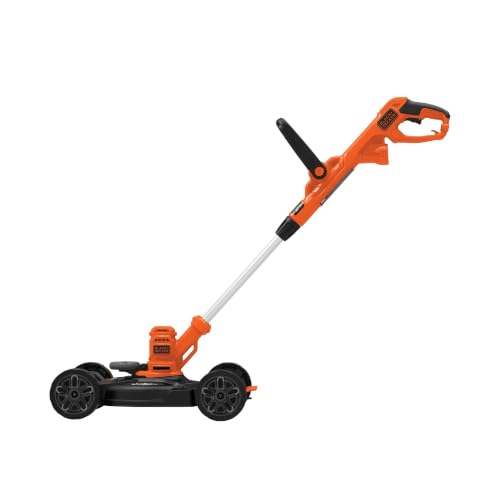
BLACK+DECKER Electric Lawn Mower, Weed Eater and Edger...
Power: 6.5 amp corded electric
Functions: Mower, trimmer, edger
Cutting Width: 12 inches
Weight: 9.9 pounds
Line Feed: Automatic feed system
Cutting Height: 1.6 inches (mower mode)
What We Like
- Three tools in one compact design
- Unlimited runtime with corded power
- Automatic line feed works reliably
- Very quiet operation for evening use
- Excellent value at under $80
- Handles overgrown areas surprisingly well
What We Don't Like
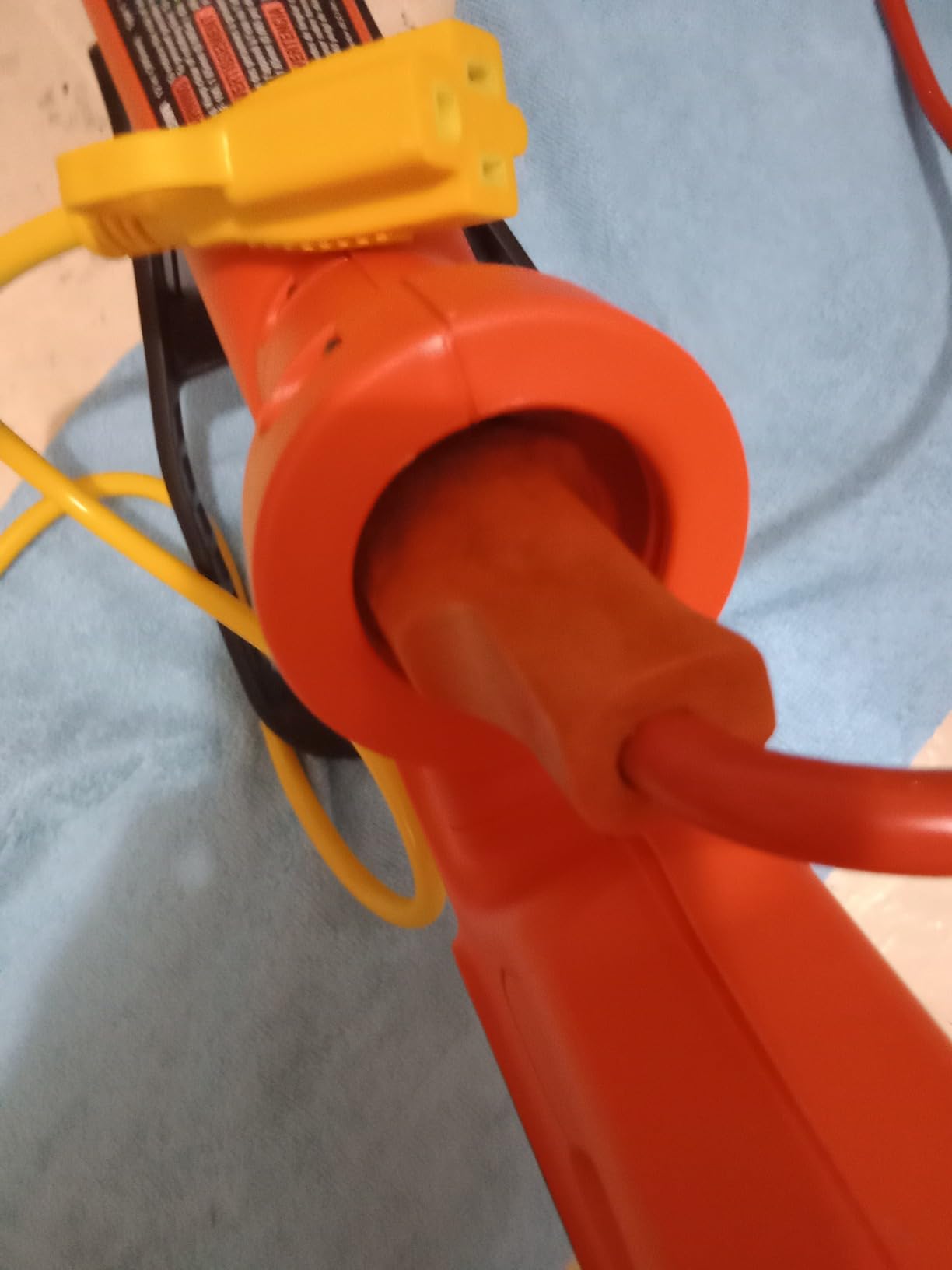
- Extension cord required and compatibility varies
- Mower attachment may detach on some units
- Looks somewhat toy-like to some users
- Limited to areas near power outlets
This BLACK+DECKER unit takes the combo concept even further by adding a mower function. Yes, it actually mows grass – not just trim it. For small yards, apartment dwellers, or emergency situations, this $79 tool could replace three separate machines.
The mower function works better than I expected. It won’t replace a real mower for regular use, but it handled my test patch of 6-inch grass without bogging down. The trimmer and edger functions perform comparably to dedicated tools in this price range. Conversion between modes takes about 30 seconds and requires no tools.
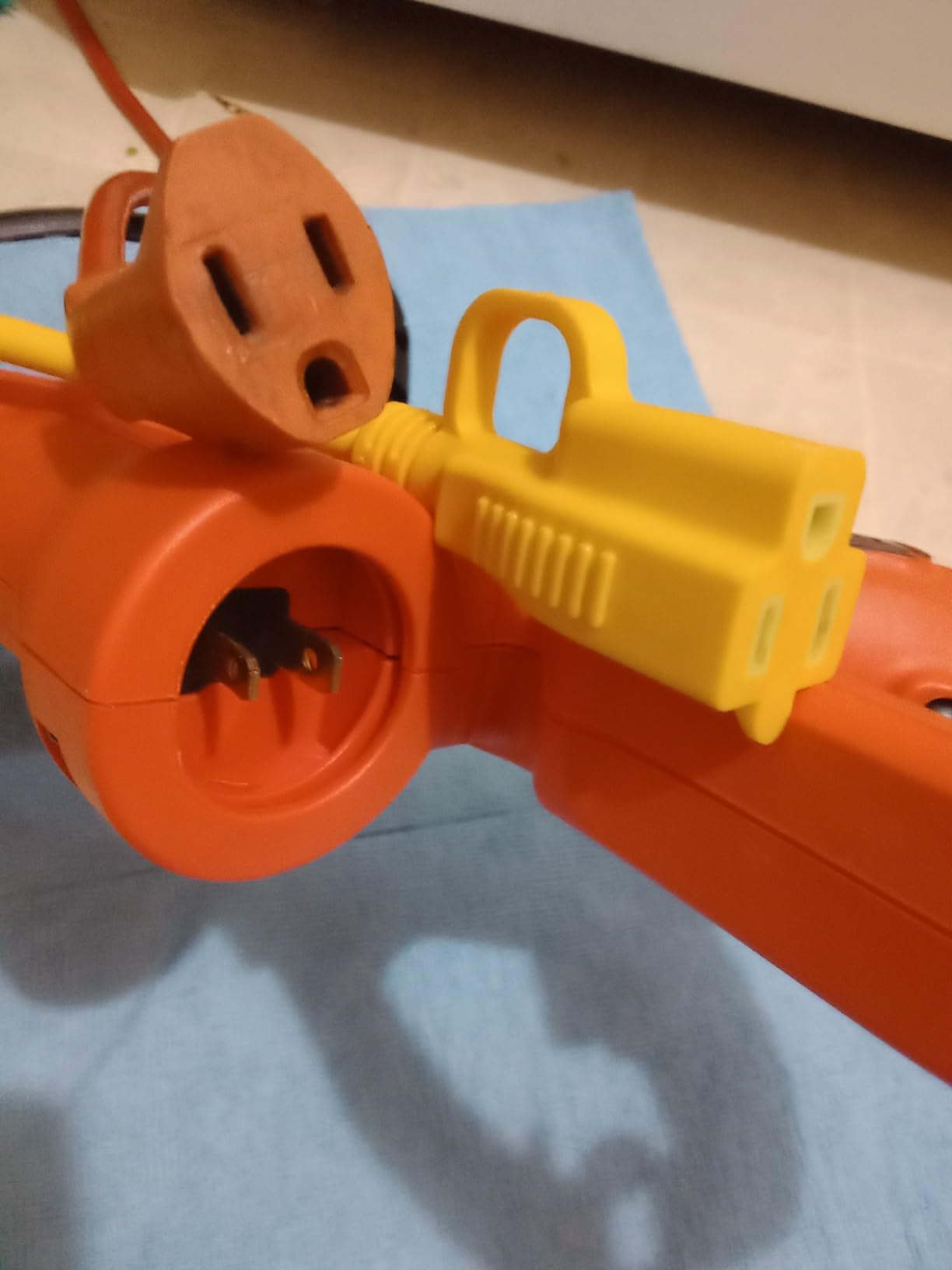
The automatic line feed system actually works – no bumping, no manual feeding. It senses when more line is needed and releases it automatically. The corded design means unlimited runtime, though you’ll need a good outdoor extension cord. Users report that Woods brand extension cords work best with the plug design.
At 9.9 pounds, it’s heavier than the Worx but still manageable for most users. The adjustable handle extends from 22.5 to 31.5 inches, accommodating different user heights comfortably. One unexpected benefit: it runs so quietly that several users mentioned being able to use it in the evening without disturbing neighbors.
Making the Right Choice for Your Yard
After testing dozens of models and maintaining various property sizes, here’s my practical advice for choosing between a trimmer, edger, or combo tool:
For yards under 5,000 sq ft: A 2-in-1 tool makes the most sense. You’ll save storage space and money while getting both functions. The Worx WG163 handles these smaller spaces perfectly on a single battery charge.
For yards 5,000-10,000 sq ft: Consider a dedicated trimmer as your primary tool, with edging capability as a bonus feature. You’ll use the trimmer weekly but might only edge monthly.
For yards over 10,000 sq ft: Invest in separate, dedicated tools. The efficiency gain from purpose-built equipment pays off at this scale. Gas-powered options start making sense for the increased power and runtime.
For rental properties or light commercial use: You need both dedicated tools, preferably from the same battery system if going cordless. The time saved with proper tools quickly pays for the additional investment.
Power Source Considerations
Your choice of power source affects daily use more than most people realize:
Battery Power: Best for most homeowners. Modern lithium-ion batteries provide 20-45 minutes of runtime, enough for typical suburban yards. No emissions, low noise, instant start. The downside? You’ll need spare batteries for larger properties, and batteries degrade over time.
Corded Electric: Unlimited runtime and consistent power make these great for small to medium yards within 100 feet of an outlet. No battery degradation or gas engine maintenance. The cord can be annoying, and you risk cutting it (I’ve done it twice).
Gas Power: Still king for large properties and professional use. Unlimited runtime with refueling, maximum power for tough jobs. But they’re louder, require more maintenance, produce emissions, and some HOAs restrict their use hours.
Safety Equipment and Best Practices
I learned the importance of safety gear the hard way when a rock ricocheted off my trimmer and left a welt on my leg. Now I never operate these tools without:
Safety glasses: Non-negotiable. Debris flies constantly, especially when edging.
Long pants: Protect your legs from flying grass, rocks, and the occasional angry insect.
Closed-toe shoes: Steel-toed boots are overkill, but sturdy shoes prevent injuries from dropped tools or debris.
Hearing protection: Especially important with gas models, but even electric models can damage hearing over time.
Beyond personal protection, always inspect the area before starting. Remove toys, hoses, and anything that could become a projectile. Keep people and pets at least 50 feet away while operating. And never remove safety guards – they’re there for good reason.
Maintenance Tips to Extend Tool Life
Proper maintenance doubles the lifespan of these tools. Here’s what I do to keep mine running strong:
After each use: Clean grass buildup from the guard and motor housing. Grass holds moisture that causes corrosion.
String trimmer line: Store spools in a bucket of water to prevent brittleness. Replace line when worn to less than 4 inches.
Edger blades: Sharpen or replace when you notice ragged cuts or increased vibration. A sharp blade uses less power and cuts cleaner.
Battery care: Never store batteries fully discharged. Charge to about 40% for long-term storage. Keep them cool and dry.
Annual service: Clean or replace air filters on gas models. Lubricate moving parts. Check and tighten all bolts.
Cost Analysis: What You’ll Really Spend
Let’s talk real numbers based on my experience and current market prices:
Entry-level corded trimmer: $30-50, plus $20-30 for a good extension cord. Annual line replacement: $10-15.
Mid-range battery trimmer/edger combo: $100-150 including battery and charger. Replacement battery after 2-3 years: $40-60. Annual line: $10-15.
Professional-grade gas trimmer: $200-300. Annual maintenance (filter, spark plug, line): $25-30. Fuel cost: $20-30 per season.
Dedicated edger: $80-200 depending on power source. Blade replacement: $15-25 annually.
For most homeowners, a battery-powered 2-in-1 tool offers the best value, especially if you can share batteries with other tools. The Worx PowerShare system I use powers my trimmer, blower, and drill, making the battery investment worthwhile.
Professional vs. Homeowner Models
Professional landscapers have different needs than weekend warriors. Pro models feature:
Heavy-duty construction: Magnesium or aluminum housings instead of plastic. Sealed bearings. Commercial-grade motors rated for all-day use.
More power: Higher voltage batteries (56V-80V) or larger gas engines. Faster line speed for quicker cutting.
Ergonomic designs: Anti-vibration systems, padded harnesses, and balanced weight distribution for all-day comfort.
Quick-change systems: Tool-free line replacement, quick-release heads for attachment swapping.
For homeowners, these features add unnecessary cost and weight. Unless you’re maintaining multiple properties or running a landscaping business, consumer-grade tools will serve you perfectly.
Common Mistakes to Avoid
I’ve made all these mistakes so you don’t have to:
Scalping the lawn while edging: Keep the blade depth consistent and let the guide wheel do its job.
Using the wrong line thickness: Check your manual. Using line that’s too thick strains the motor; too thin breaks constantly.
Trimming wet grass: It clogs the guard, leaves clumps, and makes a mess. Wait for dry conditions.
Neglecting the guard: A clogged guard reduces efficiency and stresses the motor. Clean it regularly.
Storing batteries in extreme temperatures: Heat and cold kill batteries quickly. Store them indoors.
Environmental Impact and Alternatives
If environmental concerns influence your buying decision, consider these factors:
Gas-powered tools produce emissions equivalent to driving a car 100 miles for every hour of use. They also contribute to noise pollution and require petroleum products.
Electric options eliminate direct emissions but still consume electricity. If your power comes from renewable sources, they’re essentially zero-emission tools. Even with coal-powered electricity, electric tools produce fewer overall emissions than gas equivalents.
For the most eco-friendly option, consider manual edging tools for small areas or hiring a service that uses electric equipment. Some neighborhoods also organize tool-sharing programs, reducing the total number of tools manufactured and purchased.
Frequently Asked Questions
Can I edge with a string trimmer?
Yes, by turning it vertically and walking carefully along edges, but you won’t achieve the clean, consistent lines that an edger provides. It takes practice and a steady hand.
How often should I edge my lawn?
Every 2-4 weeks during growing season for most lawns. Aggressive grasses like Bermuda may need weekly edging. Cooler season grasses might only need monthly attention.
What’s the best time of day to trim and edge?
Early morning after dew dries or late afternoon when temperatures cool. Avoid midday heat for your comfort and to prevent stressing the grass.
Do I need both tools for a small yard?
For yards under 5,000 square feet, a quality 2-in-1 tool should handle both jobs adequately. Dedicated tools become worthwhile for larger properties.
How long do trimmer lines last?
Depending on use and what you’re cutting, expect to replace line every 3-5 hours of operation. Edging along concrete wears line faster than trimming grass.
Can I use any brand of replacement line?
While universal lines exist, I get best results using manufacturer-recommended line diameter and material. The wrong line can damage your trimmer or void warranties.
Why does my trimmer line keep breaking?
Usually from hitting hard objects, using old brittle line, or incorrect line diameter. Also check for damage to the line outlet holes.
Is a 40V battery better than 20V?
Higher voltage generally means more power and longer runtime, but also more weight and cost. For typical residential use, 20V tools are sufficient.
Final Verdict: What Most Yards Actually Need
After all my testing and years of lawn care, here’s the bottom line: most homeowners need a string trimmer more than a dedicated edger. If you can only buy one tool, make it a trimmer – you can create decent edges with practice, but you can’t trim effectively with an edger.
For the best of both worlds without breaking the bank or filling your garage, I recommend a 2-in-1 tool like the Worx WG163. It handles 90% of what dedicated tools can do at half the cost and storage space. The convenience of quick conversion between functions means you’ll actually edge regularly instead of letting it slide.
That said, if you’re serious about lawn care or maintain a larger property, invest in separate, dedicated tools. The efficiency gain and superior results justify the additional cost. Start with a quality trimmer, add an edger when budget allows.
Remember, the best tool is the one you’ll actually use. A fancy gas-powered edger gathering dust in your garage won’t give you those crisp edges. Sometimes the simpler, more convenient option that gets used every week beats the professional-grade tool that seems like too much hassle to start.
Whatever you choose, proper technique and regular maintenance matter more than having the most expensive equipment. I’ve seen homeowners create magazine-worthy lawns with basic tools and dedication, while others struggle despite owning professional-grade equipment.
Take care of your tools, learn proper techniques, and your lawn will show the difference. Those clean edges and tidy trim work transform an average yard into one that makes the neighbors stop and take notice.

![Best Electric Skateboard [cy]: 12 Top-Rated Boards Tested](https://www.guidespot.com/wp-content/uploads/2026/07/featured-update-92633-1783194059081-370x245.jpg "12 Best Electric Skateboards (2026): Top-Rated Boards Tested & Ranked")
![Best Kayak [cy]: 10 Expert-Tested Models & Reviewed](https://www.guidespot.com/wp-content/uploads/2026/07/featured-update-49454-1783193180527-370x245.webp "10 Best Kayaks (2026): Expert-Tested & Compared for Every Water Type")