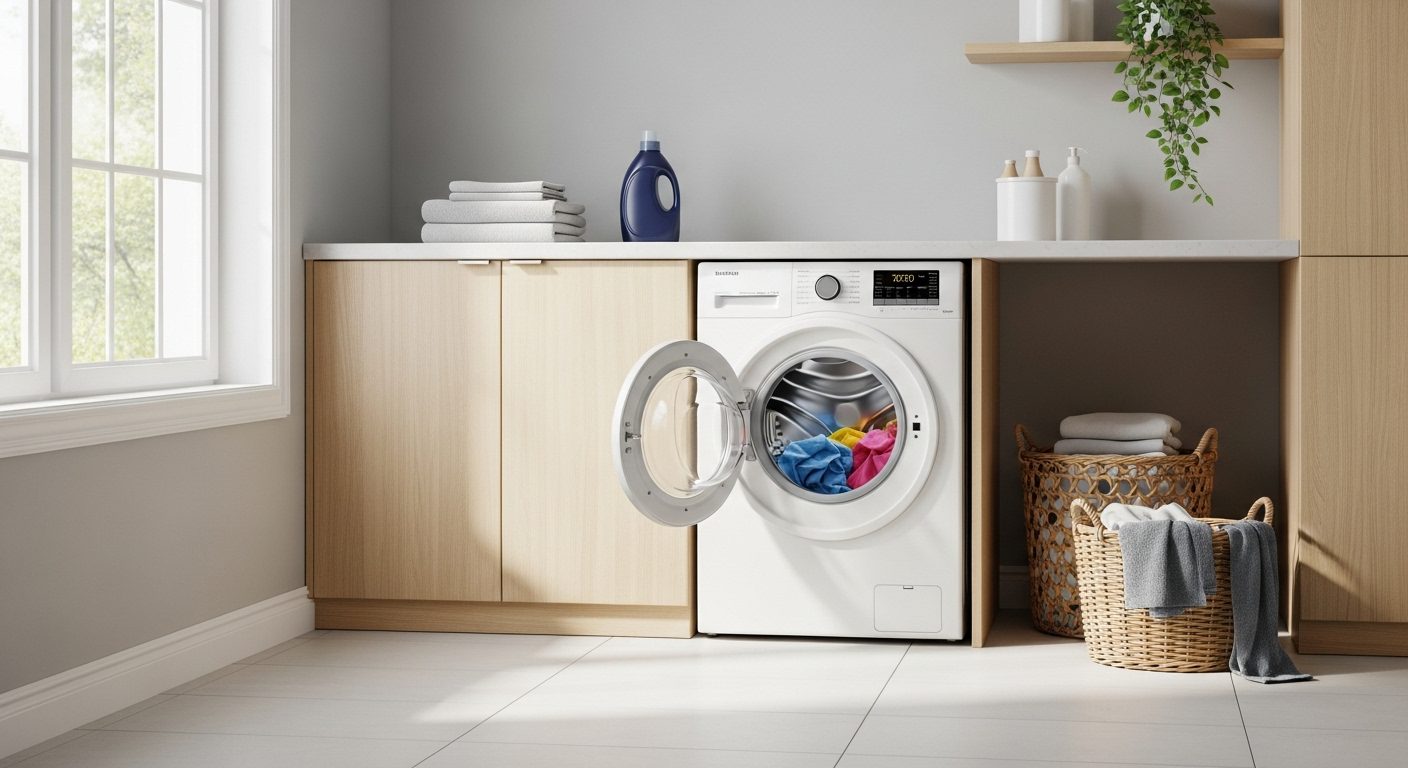
If you’re using a washing machine for the first time, whether you’re a college student, new homeowner, or simply taking on more household responsibilities, I understand it can feel overwhelming. After helping countless people master their laundry routines, I’ve learned that with the right guidance, anyone can become confident with their washing machine in no time.
We’ll walk through everything you need to know, from preparing your clothes to selecting the perfect settings. I’ll share the safety tips that have saved me from costly mistakes, and we’ll explore energy-efficient practices that can reduce your utility bills while protecting your clothes.
This guide covers both top-loading and front-loading machines, so you’ll find relevant information regardless of your washing machine type. By the end, you’ll know exactly how to sort your laundry, choose the right detergent amount, select appropriate cycles, and troubleshoot common issues that might arise.
Before You Start: Essential Preparation Steps
Proper preparation makes all the difference between clothes that last for years and garments that fade or shrink after just a few washes. I’ve learned these steps through trial and error, so you don’t have to make the same mistakes I did.
Sorting Your Laundry Like a Pro
The first step happens before you even open the washing machine door. Sort your clothes into distinct piles based on color and fabric type. I separate my laundry into whites, lights, darks, and delicates. This prevents color bleeding and ensures each fabric gets the treatment it needs.
Check every pocket thoroughly. I once washed a pen that ruined an entire load of work shirts. Now I make it a habit to check for tissues, coins, keys, receipts, and any other items that could damage your clothes or the machine. Turn jeans and printed t-shirts inside out to preserve their color and design.
Understanding Fabric Care Labels
Those little symbols on clothing tags aren’t just suggestions – they’re your roadmap to keeping clothes looking new. A square with a circle inside indicates machine washing is safe. The dots inside represent temperature: one dot means cold (30°C/86°F), two dots mean warm (40°C/104°F), and three dots mean hot (60°C/140°F).
If you see a hand in a tub of water, that item needs hand washing. A crossed-out twisted symbol means no wringing, while a triangle indicates bleaching instructions. Taking a photo of these symbols on your phone can help you reference them quickly while doing laundry.
Choosing the Right Detergent
The detergent aisle can be overwhelming, but the choice is simpler than it appears. For standard loads, I use regular detergent – powder for heavily soiled items and liquid for everyday washing. High-efficiency (HE) machines require HE detergent, which produces fewer suds and rinses cleaner.
The amount matters more than you might think. Using too much detergent leaves residue on clothes and can damage your machine over time. For a standard load, I use about two tablespoons of liquid detergent or one tablespoon of powder. Heavily soiled loads might need slightly more, but never exceed the manufacturer’s recommended amount.
Step-by-Step Washing Machine Instructions
Now we’re ready for the main event. These steps apply to most washing machines, though your specific model might have slight variations. I’ll note the differences between top-loaders and front-loaders where relevant.
Step 1: Loading Your Washing Machine
Open your washing machine and load clothes loosely, allowing them to move freely during the wash cycle. For top-loaders, distribute clothes evenly around the agitator or wash plate. Don’t pack them down – clothes need room to circulate for effective cleaning.
Front-loaders work differently. Load items one at a time, shaking them out first to prevent tangling. Fill the drum about three-quarters full for optimal results. Overloading prevents proper cleaning and can strain the motor, while underloading wastes water and energy.
Heavy items like towels and jeans go in first, creating a stable base. Add lighter items on top. Mix large and small items for better balance during the spin cycle. This prevents the excessive vibration that can move your machine or trigger error codes.
Step 2: Adding Detergent and Additives
Most modern washing machines have a detergent drawer with compartments for different products. The main wash compartment (usually marked II or with a flower symbol) holds your regular detergent. The pre-wash compartment (marked I) is for heavily soiled loads that need an extra cleaning phase.
The fabric softener compartment (marked with a flower or star symbol) automatically dispenses during the final rinse. Don’t overfill this compartment – the maximum line is there for a reason. If your machine doesn’t have a drawer, add detergent directly to the drum before loading clothes.
For top-loaders without dispensers, start the water flow first, add detergent to let it dissolve, then add your clothes. This prevents detergent from sitting directly on fabrics, which can cause spotting or fading.
Step 3: Selecting the Right Cycle
Your washing machine likely offers multiple cycles, each designed for specific fabric types and soil levels. The normal or cotton cycle works for most everyday items like t-shirts, underwear, and sheets. It uses warm water and a standard spin speed.
The delicate or gentle cycle uses cooler water and slower agitation for lingerie, silk, and wool items. Permanent press reduces wrinkles in synthetic fabrics by using warm water for washing and cool water for rinsing. Heavy duty tackles heavily soiled items like work clothes or muddy sports gear with hot water and extended wash time.
Quick wash cycles clean lightly soiled items in 15-30 minutes but shouldn’t be your default choice. They work best for refreshing clothes worn briefly or washing a few items you need quickly.
Step 4: Starting Your Wash
After selecting your cycle, choose the water temperature. Cold water (60-80°F) works for most loads and saves energy. Warm water (90°F) helps dissolve detergent better and removes body oils effectively. Hot water (130°F or above) should be reserved for whites, heavily soiled items, and items that need sanitizing.
Select your spin speed if your machine offers this option. Higher speeds extract more water, reducing drying time, but can wrinkle delicate fabrics. Close the door firmly – front-loaders won’t start unless the door locks properly. Press the start button and let the machine work its magic.
Step 5: Post-Wash Care
Remove clothes promptly when the cycle ends to prevent wrinkles and musty odors. Shake out each item before placing it in the dryer or hanging it to dry. Check pockets one more time – sometimes items hide in pocket corners even after washing.
Leave your washing machine door open after use to air dry the interior. This prevents mold and mildew growth, especially in front-loaders. Wipe down the door seal and detergent drawer weekly to maintain cleanliness.
Understanding Washing Machine Settings and Cycles
Modern washing machines offer numerous settings that can optimize cleaning while protecting your clothes. Understanding these options helps you customize each wash for better results.
Temperature Settings Decoded
Water temperature significantly impacts cleaning effectiveness and fabric care. Cold water preserves colors and prevents shrinking, making it ideal for dark clothes, delicates, and lightly soiled items. It’s also the most energy-efficient option, as about 90% of washing machine energy use goes to heating water.
Warm water balances cleaning power with fabric protection. I use it for synthetic fabrics, moderately soiled clothes, and permanent press items. It helps dissolve powdered detergent and removes body oils more effectively than cold water.
Hot water provides maximum cleaning power but should be used sparingly. Reserve it for white cotton items, heavily soiled clothes, cloth diapers, and items that need sanitizing like towels or bedding after illness.
Special Features and Options
Many machines offer extra rinse cycles, which I use for baby clothes or when family members have sensitive skin. The pre-wash option adds a short initial cycle for heavily soiled items – think of it as a built-in pre-treatment phase.
Delay start lets you schedule washes for off-peak energy hours or ensures clothes finish just as you arrive home. Steam options help remove wrinkles and odors, particularly useful for refreshing clothes that aren’t truly dirty.
Energy Efficiency and Cost-Saving Tips
Reducing your washing machine’s energy consumption benefits both your wallet and the environment. I’ve cut my laundry-related energy costs by 40% using these strategies, saving approximately $150 annually on utility bills.
Optimal Load Sizes and Scheduling
Wash full loads whenever possible, but avoid overloading. A properly filled machine uses energy most efficiently. When you must wash smaller loads, adjust the water level accordingly if your machine allows it. I group similar items throughout the week to create full loads rather than running multiple partial loads.
Schedule your washing during off-peak hours if your utility company offers time-of-use rates. I run my washer early morning or late evening when electricity costs less. Some modern machines feature delay-start options specifically for this purpose.
Water Temperature Strategies
Cold water washing saves significant energy without sacrificing cleanliness for most items. Modern detergents are formulated to work effectively in cold water, with special enzymes that activate at lower temperatures. I wash about 80% of my laundry in cold water, switching to warm only when necessary for heavily soiled items or when dissolving powder detergent.
Consider that heating water accounts for approximately 90% of the energy used in a warm wash cycle. By switching from hot to cold water for just four loads per week, you could save enough energy to power your entire home for nearly two weeks annually.
Spin Speed and Drying Considerations
Choose high spin speeds for items heading to the dryer. The more water your washer extracts, the less time and energy your dryer needs. A high-speed spin can reduce drying time by up to 20 minutes per load. However, air-drying when possible saves even more energy and extends fabric life significantly.
I’ve installed a retractable clothesline in my laundry room for air-drying delicates and quick-dry fabrics year-round. During warmer months, outdoor line drying gives clothes a fresh scent while eliminating dryer energy use entirely.
Maintenance for Maximum Efficiency
Regular maintenance keeps your machine running efficiently and extends its lifespan. Clean the lint filter in top-loaders monthly, checking also for lint buildup in the agitator if your model has one. Front-loader door seals need weekly attention to prevent mold that can restrict proper door closure and affect efficiency.
Run an empty hot water cycle with two cups of white vinegar every month to remove detergent buildup and mineral deposits. This simple maintenance routine prevents the gradual efficiency decline that forces machines to work harder and use more energy over time.
Check and clean your machine’s pump filter quarterly if accessible. A clogged filter makes the pump work harder, increasing energy consumption and potentially shortening your machine’s life. Also inspect water inlet hoses annually for sediment buildup that can restrict water flow and extend cycle times.
Troubleshooting Common Washing Machine Problems
Even with proper use, washing machines occasionally develop issues. Most problems have simple solutions you can handle yourself.
Clothes Not Getting Clean
If clothes emerge still dirty or smelly, you might be overloading the machine. Reduce load size to allow proper water circulation. Check if you’re using enough detergent for your water hardness – hard water requires more detergent for effective cleaning.
Ensure you’re selecting appropriate cycles and temperatures for soil levels. Pre-treat stains before washing, and consider running a machine cleaning cycle if you notice persistent odors.
Excessive Vibration or Movement
A washing machine that walks across the floor or vibrates excessively usually isn’t level. Adjust the leveling feet until the machine sits firmly on all four corners. Ensure loads are balanced – mixing heavy and light items prevents the drum from becoming lopsided during spinning.
Water Drainage Issues
If water remains after the cycle ends, check for clogs in the drain hose or pump filter. Front-loaders typically have an accessible pump filter behind a small door at the bottom front. Clean this filter every few months to prevent drainage problems.
Washing Machine Maintenance Schedule
Establishing a regular maintenance routine prevents breakdowns, extends your machine’s life, and ensures consistent cleaning performance. I follow this schedule religiously and haven’t needed a repair technician in over five years.
Weekly Maintenance Tasks
After your last load each week, wipe down the door seal with a mixture of equal parts water and white vinegar. Pay special attention to the folds where water collects in front-loaders. Remove and rinse the detergent drawer, checking for clogs in the fabric softener dispenser. A old toothbrush works perfectly for scrubbing away buildup in drawer corners.
Check the drum for small items like socks or underwear that might be stuck to the sides. Run your hand around the drum’s interior to feel for rough spots or damage that could snag clothes. If you notice any chips or rust, address them immediately to prevent fabric damage.
Monthly Deep Cleaning
Run a cleaning cycle using either commercial washing machine cleaner or a DIY solution. For the DIY approach, run an empty hot water cycle with two cups of white vinegar, followed by another hot cycle with half a cup of baking soda. This combination eliminates odors, removes residue, and kills bacteria.
Inspect and clean the pump filter if your machine has one accessible (usually behind a small door at the bottom front of front-loaders). You’ll likely find coins, lint, and small items. Have towels ready as water will drain out when you open the filter housing.
Quarterly and Annual Tasks
Every three months, pull your machine forward and vacuum behind it. Dust buildup can affect motor cooling and create fire hazards. Check water inlet hoses for bulges, cracks, or mineral deposits. Replace hoses every five years as preventive maintenance – a burst hose can cause thousands in water damage.
Annually, check that your machine remains level using a bubble level. Adjust the feet as needed to prevent walking and excessive vibration. Also verify that the drain hose is properly secured and free of kinks that could impede water flow.
Frequently Asked Questions
How much laundry detergent should I really use?
For standard loads in soft water areas, use 1-2 tablespoons of liquid detergent or 1 tablespoon of powder. Hard water requires about 25% more detergent. HE machines need even less – about 1 tablespoon of HE detergent. More isn’t better; excess detergent leaves residue, creates excessive suds, and can damage your machine’s pump and seals over time.
Can I wash different fabric types together?
While possible, it’s not recommended for best results. Different fabrics require different water temperatures and cycle settings. Mixing delicates with heavy items can damage lighter fabrics through abrasion, and combining materials with different care requirements compromises cleaning effectiveness. I keep a separate basket for delicates to make sorting easier.
How do I prevent colors from bleeding?
Always sort by color intensity, wash new items separately for the first 2-3 washes, use cold water for colored items, and add a color catcher sheet for mixed loads. If you’re unsure about a garment, test for colorfastness by dampening a hidden area and blotting with a white cloth. Adding a cup of white vinegar to the rinse cycle can help set colors in new garments.
How often should I clean my washing machine?
Run a cleaning cycle monthly using hot water and either washing machine cleaner or two cups of white vinegar. Wipe the door seal and detergent drawer weekly, and leave the door open between uses to air dry. Front-loaders especially need regular cleaning to prevent mold and mildew in the door seal.
What’s the difference between top-load and front-load washing?
Front-loaders generally use 40% less water and 50% less energy, clean more effectively through tumbling action, and are gentler on clothes. They also extract more water during spinning, reducing drying time. Top-loaders are typically faster (30-40 minute cycles vs 60-90 minutes), easier to load without bending, and allow you to add forgotten items mid-cycle. Choose based on your space, budget, and physical needs.
Why do my clothes smell musty after washing?
Musty odors usually indicate mold or mildew in your machine or on clothes left wet too long. Clean your machine thoroughly, ensure you’re using the right amount of detergent, and remove clothes immediately after washing. For persistent odors, add a cup of baking soda to your wash cycle or half a cup of white vinegar to the rinse cycle.
Can I stop a cycle once it’s started?
Most machines allow pausing, though the method varies. Front-loaders must drain below the door level before unlocking, which can take 2-3 minutes after pressing pause. Top-loaders usually stop immediately when you lift the lid. Always wait for complete stops before reaching in to prevent injury from the agitator or drum.
How do I wash pillows and comforters?
Check care labels first, but most synthetic-filled items are machine washable. Use the bulky or bedding cycle with an extra rinse to remove all detergent. Wash two pillows together for balance, and add clean tennis balls to the dryer to prevent clumping. For down items, use specialized down detergent and ensure complete drying to prevent mildew.
What causes excessive suds?
Too much detergent is the primary culprit, especially in soft water areas or when using non-HE detergent in HE machines. If you see suds climbing up the door or excessive foam, run an extra rinse cycle. For severe over-sudsing, add a tablespoon of fabric softener to break down the bubbles, then run additional rinse cycles until clear.
Should I use fabric softener?
Fabric softener reduces static and adds fragrance but can decrease towel absorbency and moisture-wicking properties in athletic wear. It also leaves residue that attracts dirt and can clog machine dispensers. Consider alternatives like wool dryer balls or white vinegar in the rinse cycle for natural softening without the buildup.
Looking for a new washing machine? Check out our comprehensive LG WM4000HWA washing machine review to see how modern features can simplify your laundry routine.
Final Tips and Best Practices
Mastering your washing machine takes practice, but following these guidelines ensures great results every time. Remember to sort carefully, use appropriate detergent amounts, select suitable cycles, and maintain your machine regularly.
Safety remains paramount – never ignore unusual sounds, smells, or error codes. When in doubt, consult your machine’s manual or contact a professional. With proper care and use, your washing machine will provide years of reliable service while keeping your clothes looking their best.
Start with smaller loads as you learn your machine’s quirks, and don’t hesitate to experiment with different settings for optimal results. Every washing machine has its own personality, and you’ll soon discover the perfect combinations for your laundry needs.