Did you know that your washing machine harbors bacteria, mold, and mildew that can transfer to your supposedly clean clothes? I discovered this firsthand when my front-loader developed a musty smell that wouldn’t go away, even after multiple wash cycles. After researching EPA guidelines and testing various sanitization methods, I’ve compiled this comprehensive guide to help you properly sanitize your washing machine and keep it bacteria-free.
According to the Environmental Protection Agency (EPA), standing water and wet materials in appliances can breed microorganisms including bacteria and mold. Your washing machine’s warm, moist environment creates ideal conditions for these contaminants to thrive, especially in the rubber door seals, detergent dispensers, and internal drum components. Regular sanitization eliminates 99.9% of common household bacteria and prevents the buildup that causes odors and reduces cleaning effectiveness.
This guide covers multiple sanitization methods for both front-load and top-load washing machines, safety precautions, troubleshooting tips, and a maintenance schedule to keep your washer hygienic year-round. Whether you’re dealing with persistent odors, visible mold, or simply want to maintain a healthier laundry routine, you’ll find the solution here.
Why Sanitizing Your Washing Machine Matters?
Your washing machine processes dirty laundry daily, accumulating bacteria, viruses, and fungi from soiled clothing. Without regular sanitization, these microorganisms multiply in the machine’s damp environment, creating biofilm layers that resist normal wash cycles. This contamination doesn’t just cause unpleasant odors – it actively transfers to your clean laundry, potentially causing skin irritation, allergic reactions, and spreading illness throughout your household.
The EPA emphasizes that moisture control is key to preventing mold and bacteria growth in home appliances. When moisture remains in your washer between cycles, it creates perfect breeding grounds for microorganisms. Front-loading machines face particular challenges because water collects in the door seal, creating hidden pockets where mold flourishes undisturbed. Top-loading machines aren’t immune either – residue buildup in the drum and agitator harbors bacteria that regular detergent can’t eliminate.
Modern high-efficiency washers compound these problems by using less water and lower temperatures. While these features save energy and water, they reduce the natural sanitizing effect of hot water washing. Cold water cycles, though gentle on fabrics and energy-efficient, allow bacteria and viruses to survive and multiply. This makes intentional sanitization even more critical for maintaining hygienic laundry conditions.
Health implications extend beyond simple hygiene concerns. Immunocompromised individuals, elderly family members, and young children face increased risks from bacterial and fungal exposure. During cold and flu season, or after family illness, proper washer sanitization becomes essential for preventing disease transmission through contaminated linens and clothing.
How Often Should You Sanitize Your Washing Machine?
The frequency of sanitization depends on your household size, washing habits, and environmental factors. For average households doing 8-10 loads weekly, I recommend monthly sanitization to maintain optimal hygiene. However, certain situations require more frequent cleaning to prevent bacterial buildup and health risks.
Increase sanitization frequency to bi-weekly if you regularly wash heavily soiled items like workout clothes, cloth diapers, or pet bedding. These items introduce higher bacterial loads that accelerate biofilm formation. Similarly, households in humid climates should sanitize more frequently, as the EPA notes that maintaining humidity below 60% helps prevent mold growth – a challenging task in naturally humid environments.
After any household illness, particularly stomach bugs or respiratory infections, immediately sanitize your washer to prevent recontamination. The same applies after washing items exposed to flood water, sewage backup, or other contamination sources. These situations introduce dangerous pathogens that survive normal wash cycles without proper sanitization.
Watch for warning signs indicating immediate sanitization needs: visible mold or mildew, persistent musty odors, clothes smelling worse after washing, or unusual residue on clean laundry. These symptoms suggest established bacterial colonies requiring thorough sanitization to eliminate.
Safety Precautions Before Sanitizing
Before beginning any sanitization process, ensure proper ventilation by opening windows or running exhaust fans. Many sanitizing agents release fumes that can irritate respiratory systems, particularly bleach and commercial cleaners. Never mix different cleaning products – combining bleach with ammonia or acids creates toxic chlorine gas that causes severe respiratory damage.
Wear protective equipment including rubber gloves to prevent skin irritation and safety glasses when using spray cleaners or working with bleach solutions. Keep children and pets away from the laundry area during sanitization, as residual chemicals pose ingestion and contact risks. Store all cleaning products in locked cabinets between uses.
Check your washing machine’s user manual for manufacturer-specific warnings. Some machines have special coatings or components incompatible with certain cleaners. Using inappropriate products voids warranties and potentially damages internal mechanisms. Pay particular attention to stainless steel drums, which may discolor with improper bleach use.
Test any new cleaning method on a small, hidden area first. Apply your chosen cleaner to an inconspicuous spot like the underside of the door seal, wait 10 minutes, then check for discoloration or damage. This prevents visible damage to prominent surfaces if the cleaner proves incompatible with your machine’s materials.
Method 1: Hot Water and Bleach Sanitization
The bleach method remains the gold standard for eliminating bacteria, viruses, and mold spores. This EPA-recommended approach kills 99.9% of household germs when executed properly. Start by removing all laundry and checking pockets for forgotten items that might react with bleach.
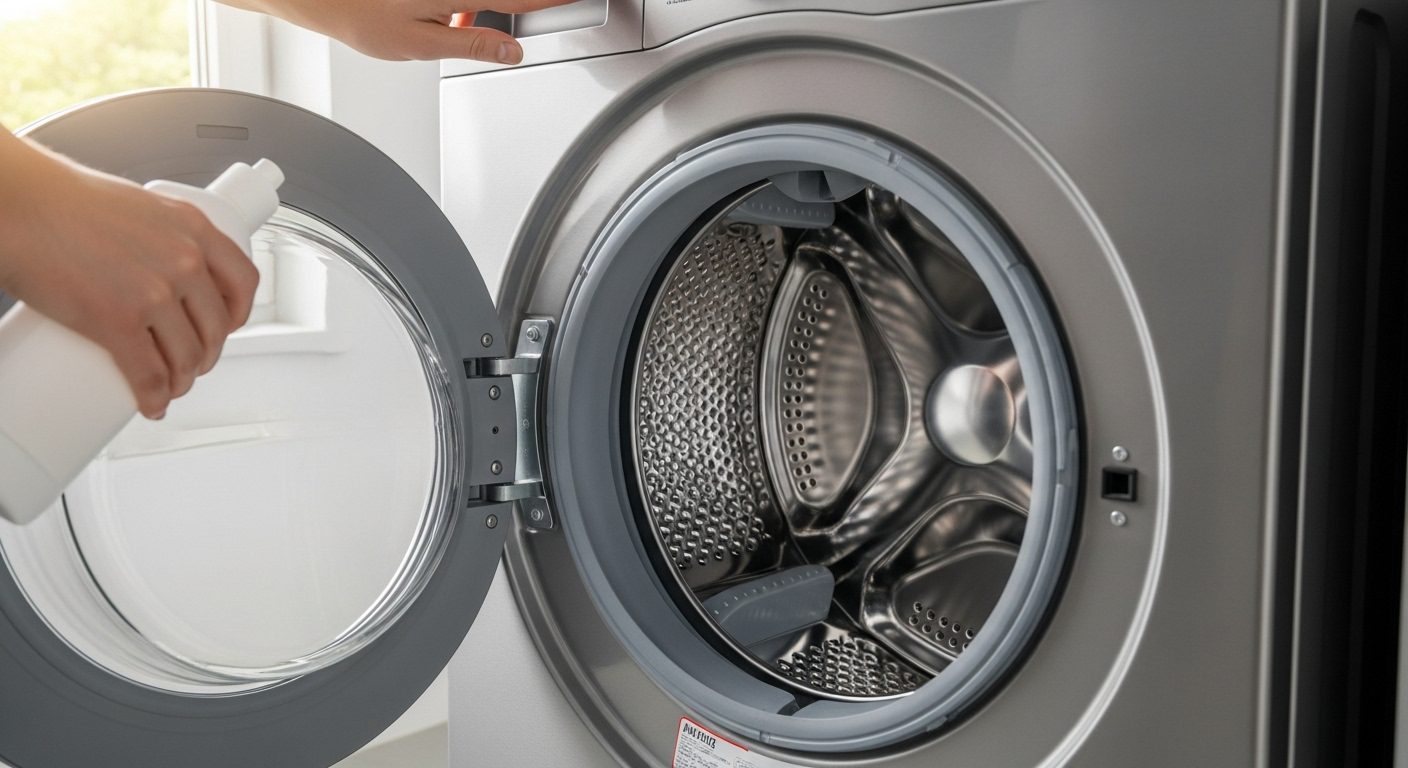
For front-loading machines, add 1 cup of regular chlorine bleach directly to the drum – never use color-safe or splash-less formulas, which lack sanitizing properties. Select the hottest water setting available and the longest cycle duration. Many modern washers include a “Clean Washer” or “Sanitize” cycle specifically designed for this purpose. Run the complete cycle without interruption.
Top-loading machines require a slightly different approach. Fill the washer with hot water using the highest level setting. Once filled, add 1 cup of bleach and let the machine agitate for one minute to mix thoroughly. Stop the cycle and let the solution soak for one hour, allowing bleach to penetrate biofilm layers. After soaking, close the lid and complete the full wash cycle.
Following the bleach cycle, run an additional rinse cycle with plain hot water to remove residual bleach. This prevents fabric damage and skin irritation from bleach traces. Wipe the drum with a clean, damp cloth, paying special attention to the door seal on front-loaders where bleach solution may collect.
Leave the washer door open after sanitization to air-dry completely. The EPA emphasizes that all wet areas should dry within 24-48 hours to prevent mold regrowth. Position a fan near the open washer to accelerate drying if your laundry area lacks good airflow.
Method 2: Natural Sanitization with Vinegar and Baking Soda
For those preferring natural alternatives, the vinegar and baking soda method effectively removes odors, breaks down residue, and inhibits bacterial growth without harsh chemicals. While not as powerful as bleach for killing pathogens, this method works well for regular maintenance between deeper sanitizations.
Begin by mixing 1/4 cup baking soda with 1/4 cup water to create a paste. Apply this mixture to the detergent dispenser, focusing on visible residue or mold spots. For front-loaders, spread the paste around the rubber door seal, working it into crevices where mold hides. Let the paste sit for 15 minutes to break down buildup.
Pour 2 cups of white vinegar directly into the drum for front-loaders, or into the filled tub for top-loaders. The acid in vinegar dissolves mineral deposits, soap scum, and biofilm while creating an inhospitable environment for bacteria. Set your machine to the hottest water setting and run a complete wash cycle.
During the cycle, the baking soda and vinegar react to create a fizzing action that loosens stubborn deposits. This natural reaction reaches areas regular cleaning might miss, including pump filters and drain hoses. The combination also neutralizes odors rather than masking them with fragrances.
After the cycle completes, scrub any remaining residue with an old toothbrush dipped in vinegar. Focus on the detergent drawer, door seal, and agitator (for top-loaders). Run a final rinse cycle with plain water to remove any vinegar smell, then dry thoroughly with the door open.
Method 3: Commercial Washing Machine Cleaners
Specialized washing machine cleaners offer convenience and targeted formulations for specific problems. These products contain enzymes and surfactants designed to break down the exact types of buildup found in washers. Popular brands like Affresh use slow-dissolving tablets that maintain cleaning action throughout the entire cycle.
Follow package instructions carefully, as formulations vary between brands. Most commercial cleaners require running the hottest, longest cycle available. Some products recommend using multiple tablets for the first cleaning if you’ve never sanitized your machine or notice heavy buildup.
Place tablets directly in the drum, not the detergent dispenser, unless specifically directed otherwise. The tablets need water flow to dissolve properly and distribute cleaning agents throughout the machine. For stubborn odor problems, some manufacturers suggest using their product weekly for three consecutive weeks before switching to monthly maintenance.
Commercial cleaners often include ingredients that prevent future buildup, creating a protective barrier on internal surfaces. This preventive action extends the time between deep cleanings, though it doesn’t eliminate the need for regular sanitization. These products typically cost more than DIY methods but save time and eliminate guesswork about proper dilution ratios.
Deep Cleaning Components and Hidden Areas
Complete sanitization requires attention to often-overlooked components where bacteria and mold hide. Start with the detergent dispenser drawer, which accumulates soap residue and develops mold in its dark, damp environment. Remove the entire drawer (consult your manual for proper removal technique) and soak in hot water mixed with 1 tablespoon of bleach or vinegar for 30 minutes.
While the drawer soaks, clean its housing cavity with a bottle brush or old toothbrush dipped in your chosen cleaning solution. Black mold often grows in the back corners where water pools. Scrub thoroughly, then wipe with a damp cloth to remove loosened debris. Don’t forget the drawer’s underside and the tiny holes where water enters – these areas trap significant residue.
For front-loaders, the rubber door seal requires special attention. Pull back the seal to expose hidden areas where water collects. You’ll likely find hair, lint, and possibly mold growth. Wipe thoroughly with a bleach solution or vinegar, depending on your preference. Check for small drainage holes at the bottom of the seal – these often clog with debris, creating standing water that breeds bacteria.
Clean or replace the drain pump filter every three months, or monthly if you notice slow drainage or error codes. Located behind a small door on the front bottom of most front-loaders, this filter catches buttons, coins, and lint that escape the drum. Have towels ready before opening, as trapped water will spill out. Remove debris, rinse the filter under hot water, and scrub with an old toothbrush before reinstalling.
Top-loading machines with agitators require special attention to the agitator itself. Many models allow agitator removal for thorough cleaning. If yours doesn’t remove easily, use a long-handled brush to clean underneath and around its base where fabric softener residue accumulates. This buildup creates a sticky film that traps bacteria and causes persistent odors.
Preventing Future Contamination
Prevention proves easier than remediation when maintaining a sanitary washing machine. Implement these daily habits to minimize bacterial growth and extend time between deep cleanings. After each load, immediately remove wet laundry to prevent moisture accumulation that feeds microorganisms.
Leave the washer door or lid open between uses, allowing air circulation that dries internal surfaces. The EPA’s moisture control guidelines emphasize that dry environments prevent mold growth. If you have curious pets or children, consider using a magnetic door prop that holds the door slightly ajar while preventing full access.
Wipe the door seal and glass after each use with a dry microfiber cloth. This 30-second task removes moisture and debris before they contribute to biofilm formation. Keep a designated towel hanging near your washer for this purpose, washing it weekly with your sanitization cycle.
Use the correct detergent amount for your water hardness and load size. Excess detergent doesn’t improve cleaning – it leaves residue that feeds bacteria and creates suds that trap moisture in hidden areas. High-efficiency machines require even less detergent than traditional models. When in doubt, use less rather than more.
Run a monthly maintenance wash even if you’re not doing a full sanitization. Simply run an empty hot water cycle to flush residual detergent and prevent buildup. This practice maintains cleanliness between deeper cleanings and helps identify developing problems before they become severe.
Troubleshooting Persistent Odor Problems
Sometimes standard sanitization doesn’t eliminate stubborn odors, indicating deeper issues requiring targeted solutions. If smells persist after thorough cleaning, check your home’s water quality. Hard water deposits create rough surfaces where bacteria anchor themselves, resisting normal cleaning efforts. Consider installing a water softener or using washing soda in your regular loads to combat mineral buildup.
Investigate your washer’s installation for drainage problems. Improper drain hose positioning causes water to flow back into the machine, creating standing water that breeds bacteria. The drain hose should form a high loop or connect to a standpipe at least 30 inches tall to prevent backflow. Consult your installation manual or call a plumber if you suspect drainage issues.
Biofilm formation in older machines sometimes resists standard cleaning methods. These bacterial colonies create protective layers that shield underlying organisms from sanitizers. Try a shock treatment: run three consecutive hot water cycles with different cleaners (bleach, then vinegar, then commercial cleaner), allowing each to work on different biofilm components. This aggressive approach breaks through stubborn colonies.
Consider professional servicing if odors persist despite your efforts. Internal components like the tub-to-pump hose or outer tub may harbor contamination invisible from the user-accessible areas. Technicians can disassemble machines for deep cleaning or identify mechanical issues contributing to odor problems. While costly, professional service beats replacing an otherwise functional machine.
For particularly stubborn mold in door seals, create a paste of bleach and baking soda (wear gloves and ensure ventilation). Apply this thick paste to moldy areas and cover with plastic wrap to prevent drying. Leave overnight, then scrub with an old toothbrush and rinse thoroughly. This extended contact time penetrates deep mold roots that quick cleaning misses.
Special Considerations for Different Washer Types
High-efficiency front-loaders require modified sanitization approaches due to their water-saving design. These machines use minimal water, concentrating cleaning solutions for better effectiveness but potentially leaving more residue. Always run an extra rinse cycle after sanitization to ensure complete chemical removal. HE machines also benefit from more frequent sanitization due to lower wash temperatures and longer cycle times that encourage bacterial growth.
Traditional top-loaders with central agitators clean differently than HE models without agitators. Agitator models create more water turbulence, distributing sanitizers effectively but potentially trapping debris under the agitator base. Focus extra attention on cleaning around and under the agitator during sanitization.
Compact or portable washing machines popular in apartments require special consideration. Their smaller capacity means proportionally less sanitizer – typically half the amount recommended for full-size machines. However, their confined spaces concentrate odors and bacteria, necessitating more frequent cleaning. Sanitize portable units bi-weekly if used regularly.
Steam-enabled washers offer built-in sanitization advantages. The high-temperature steam kills bacteria and loosens residue more effectively than water alone. Utilize steam cycles monthly for maintenance, but still perform thorough sanitization quarterly to address areas steam doesn’t reach, like the detergent dispenser and door seal.
Smart washers with WiFi connectivity often include maintenance reminders and diagnostic features. Enable these notifications to track sanitization schedules and identify problems early. Some models even have specialized cleaning cycles that adjust water temperature and duration based on detected buildup levels. While convenient, these features supplement but don’t replace manual cleaning of accessible components.
Health Benefits of Regular Washing Machine Sanitization
Regular sanitization provides significant health benefits beyond eliminating odors. By removing bacteria, viruses, and allergens from your washer, you prevent their transfer to clean laundry that contacts your skin for hours daily. This proves especially important for individuals with sensitive skin, allergies, or compromised immune systems who react strongly to bacterial contamination.
Sanitization eliminates common bacteria like E. coli and Staphylococcus aureus that survive normal wash cycles. These pathogens cause skin infections, gastrointestinal issues, and respiratory problems when transferred from contaminated laundry. Regular sanitization breaks this transmission cycle, protecting your family’s health.
Removing mold and mildew prevents exposure to mycotoxins – toxic compounds produced by certain molds. These substances trigger allergic reactions, asthma attacks, and other respiratory issues. The EPA’s mold prevention guidelines emphasize that controlling moisture and removing existing mold protects indoor air quality and occupant health.
For households with babies or elderly members, sanitization becomes even more critical. These vulnerable populations have weaker immune defenses against pathogens that healthy adults might resist. Clean machines ensure their clothing, bedding, and towels remain truly hygienic, reducing infection risks and supporting overall health.
Seasonal Maintenance Schedule
Creating a seasonal maintenance schedule ensures consistent sanitization without overwhelming your routine. Spring cleaning traditionally includes deep home maintenance, making it ideal for thorough washer sanitization. Disassemble and clean all removable components, check hoses for wear, and perform your most aggressive sanitization method.
Summer’s increased activity means more heavily soiled laundry from outdoor activities, sports, and swimming. Increase sanitization frequency to bi-weekly during peak summer months. Pay special attention to removing sunscreen and chlorine residues that build up with frequent beach and pool visits.
Fall preparation should include sanitization before cold and flu season begins. This preventive measure ensures your washer won’t harbor germs when you need it most for sanitizing sick family members’ bedding and clothing. Consider switching to hot water washes more frequently during illness season for added protection.
Winter requires vigilance against increased indoor humidity from closed windows and heating systems. Monitor for mold growth more carefully and ensure proper ventilation in your laundry area. If your smart home setup guide includes humidity sensors, set alerts for levels exceeding 60% in the laundry room.
Signs Your Washing Machine Needs Immediate Sanitization
Recognizing warning signs helps you address contamination before it becomes severe. The most obvious indicator is persistent odor – if your machine smells musty or sour even when empty, bacteria and mold have established colonies requiring immediate attention. Don’t mask these odors with fabric softeners or scented detergents; eliminate the source through proper sanitization.
Visual indicators include visible mold spots (often black or gray) in the door seal, detergent dispenser, or drum. Any discoloration suggests bacterial growth, even if you can’t identify specific mold. Pink or orange residue indicates Serratia marcescens, a bacteria that thrives in moist environments and resists normal cleaning.
Performance changes signal sanitization needs too. If clothes emerge with spots or streaks despite proper detergent use, biofilm may be interfering with cleaning action. Similarly, if white fabrics appear dingy or colors seem dull after washing, bacterial contamination likely transfers to your laundry during cycles.
Unusual sounds or mechanical issues sometimes indicate buildup affecting operation. Scraping noises might mean hardened detergent residue on the drum. Slow drainage suggests filter clogs from accumulated debris. Address these issues promptly to prevent mechanical damage alongside sanitization.
Family health symptoms provide indirect indicators. Increased skin irritation, unexplained rashes, or recurring respiratory issues might trace back to contaminated laundry. While many factors cause these symptoms, consider washer sanitization as part of your investigation, especially if multiple family members experience similar issues.
Professional Products vs. DIY Solutions
Choosing between commercial products and homemade solutions depends on your specific needs, budget, and environmental preferences. Commercial cleaners offer convenience and proven effectiveness, with formulations tested for safety and efficacy. Their main drawback is cost – regular use adds up, especially for large families doing frequent laundry.
DIY solutions using bleach, vinegar, or baking soda cost pennies per cleaning while matching commercial products’ effectiveness for routine maintenance. You control exactly what enters your machine, avoiding unnecessary fragrances or harsh chemicals. However, mixing your own solutions requires more effort and knowledge about proper ratios and safety precautions.
Consider alternating between methods for optimal results. Use commercial cleaners quarterly for deep sanitization, supplemented by monthly DIY maintenance. This approach balances thorough cleaning with cost-effectiveness while preventing resistance buildup that might occur from using the same method repeatedly.
Environmental impact influences many decisions about cleaning products. While bleach effectively kills pathogens, it poses environmental concerns when entering water systems. Vinegar and baking soda offer eco-friendly alternatives, though they may require more frequent application to maintain the same hygiene level. Commercial “green” cleaners attempt to balance effectiveness with environmental responsibility, though at premium prices.
Common Mistakes to Avoid When Sanitizing
Understanding common sanitization mistakes helps ensure your efforts achieve intended results. The biggest error is using too much cleaner, thinking more equals better. Excess sanitizer doesn’t improve effectiveness – it leaves residues that actually feed bacteria and damage machine components. Always follow recommended measurements precisely.
Mixing different cleaning products creates dangerous chemical reactions. Never combine bleach with anything except water. Even “natural” products like vinegar become hazardous when mixed with bleach, producing toxic chlorine gas. Complete one sanitization method fully, including rinse cycles, before trying another approach.
Rushing the process undermines effectiveness. Sanitizers need contact time to kill bacteria and break down biofilm. Stopping cycles early or skipping soak periods allows organisms to survive and quickly recolonize your machine. Plan sanitization when you can complete the full process without interruption.
Neglecting to dry the machine after sanitization invites immediate recontamination. The EPA emphasizes that moisture control prevents mold growth – leaving your freshly cleaned washer closed and damp wastes your sanitization efforts. Always ensure complete drying with the door open after cleaning.
Forgetting about the laundry room environment limits sanitization success. If your laundry area has moisture problems, mold on walls, or poor ventilation, these issues continuously recontaminate your clean washer. Address room-wide moisture and cleanliness alongside machine sanitization. Consider adding a dehumidifier or improving ventilation if persistent moisture plagues your laundry space.
Advanced Sanitization Techniques for Stubborn Problems
When standard methods fail, advanced techniques target specific contamination types. For severe mold infestations, try enzyme cleaners designed for mold remediation. These biological products contain organisms that consume mold and organic matter, reaching areas chemical cleaners might miss. Apply according to package directions, usually requiring longer contact times than traditional cleaners.
Ozone generators offer high-tech sanitization for persistent odor problems. These devices produce ozone gas that penetrates fabrics and surfaces, destroying odor-causing bacteria and mold spores. Use only in unoccupied spaces with proper ventilation, as ozone irritates respiratory systems. Run the generator in your closed laundry room for 30 minutes, then air out thoroughly before use.
UV-C light sanitization provides chemical-free disinfection for those avoiding traditional cleaners. Portable UV-C wands designed for surface sanitization work well for washing machine drums and door seals. Slowly pass the light over surfaces for the manufacturer-recommended duration, wearing protective eyewear and keeping skin covered. While effective against surface contamination, UV light doesn’t penetrate to hidden areas like drainage systems.
For machines with recurring problems despite regular cleaning, consider professional restoration. Some services specialize in appliance deep cleaning, using commercial-grade equipment and products unavailable to consumers. They disassemble accessible components, clean internal areas you can’t reach, and identify mechanical issues contributing to contamination. While expensive, professional restoration extends machine life and ensures thorough sanitization.
Integration with Smart Home Systems
Modern smart home technology enhances washing machine maintenance through automation and monitoring. If your home security camera setup includes laundry room coverage, use motion detection to remind you about leaving the washer door open after cycles. Some users program smart assistants to announce sanitization reminders based on usage patterns.
Smart plugs monitoring energy usage can track washing machine cycles, automatically calculating when sanitization is due. Set up notifications after every 30 cycles or monthly intervals, whichever comes first. This data-driven approach ensures consistent maintenance without relying on memory.
Humidity sensors integrated with smart home systems provide valuable laundry room monitoring. Set alerts when humidity exceeds 60%, indicating conditions favorable for mold growth. Automatically trigger exhaust fans or dehumidifiers in response to high moisture levels, preventing environmental factors that necessitate frequent sanitization.
Voice assistants simplify maintenance scheduling by setting recurring reminders and providing cleaning instructions on demand. Create custom routines that guide you through sanitization steps, ensuring you don’t skip important components. Some users record their own instructions for consistency across family members sharing laundry duties.
Frequently Asked Questions
Can I use dish soap to sanitize my washing machine? While dish soap cuts grease and creates suds, it’s not recommended for washer sanitization. Dish soap doesn’t kill bacteria effectively and creates excessive suds that damage high-efficiency machines. The suds can trigger error codes, leave residue, and potentially void warranties. Stick to products specifically designed for laundry applications or proven sanitizers like bleach and vinegar.
Is the sanitize cycle on my washer enough, or do I still need to clean manually? Built-in sanitize cycles effectively kill bacteria in laundry but don’t clean the machine itself. These cycles heat water to specific temperatures for set durations, meeting NSF standards for sanitization. However, they don’t address residue buildup in dispensers, door seals, or filters. Use sanitize cycles for laundry disinfection, but perform manual cleaning monthly to maintain the machine.
Why does my washer smell worse right after cleaning it? Temporary odor intensification occurs when cleaning agents disturb established biofilm, releasing trapped bacteria and organic matter. This phenomenon indicates your cleaning works – you’re breaking down contamination layers. Continue with the full sanitization process, including thorough rinsing. The smell should disappear completely after the final rinse cycle and proper drying.
Can I sanitize my washer with just hot water? Hot water alone provides limited sanitization. While heat kills some bacteria, effective sanitization requires temperatures above 140°F sustained for specific periods. Most home water heaters don’t reach these temperatures, and even if they did, the heat dissipates quickly in the machine. Combine hot water with proven sanitizers like bleach or vinegar for effective results.
Should I sanitize a brand new washing machine? Yes, sanitizing new machines removes manufacturing residues, shipping contamination, and warehouse dust. Run an empty hot water cycle with 1 cup of vinegar before first use. This also helps identify any mechanical issues before adding laundry. Many manufacturers recommend this initial cleaning in their setup instructions.
How do I know if my washer’s sanitize cycle actually works? Machines with NSF-certified sanitize cycles meet specific standards for bacteria reduction. Check your model’s specifications for NSF certification. You can also purchase bacterial test strips to verify effectiveness, though this isn’t necessary for certified cycles used properly. If clothes still smell after sanitize cycles, the issue likely involves machine contamination rather than cycle effectiveness.
Is it safe to use essential oils for washing machine sanitization? While essential oils provide pleasant scents and some have antimicrobial properties, they shouldn’t replace proper sanitizers. Oils can leave residues that attract dirt and potentially damage rubber seals. If you enjoy essential oil scents, add a few drops to wool dryer balls rather than directly to your machine. For sanitization, rely on proven methods using bleach, vinegar, or commercial cleaners.
What’s the difference between cleaning and sanitizing my washing machine? Cleaning removes visible dirt, residue, and buildup but doesn’t necessarily kill bacteria. Sanitizing specifically targets pathogen elimination, requiring products and methods that destroy microorganisms. Effective maintenance includes both: cleaning removes the environment bacteria need to thrive, while sanitizing kills existing contamination. Perform both actions during your monthly maintenance routine.
Can washing machine contamination make my family sick? Yes, contaminated washing machines can harbor pathogens that transfer to clean laundry, potentially causing illness. E. coli, Salmonella, and other bacteria survive in biofilm and transfer to clothing. While healthy adults might resist infection, vulnerable individuals face higher risks. Symptoms range from skin irritation and respiratory issues to gastrointestinal problems, depending on the contamination type and individual susceptibility.
Why does my front-loader need more frequent sanitization than my old top-loader? Front-loaders create ideal conditions for bacterial growth: they use less water, operate at lower temperatures, and retain moisture in door seals. Their horizontal drum doesn’t drain as completely as vertical top-loaders. The rubber door seal creates hidden pockets where water pools. These factors combine to require more vigilant maintenance compared to traditional top-loaders that use more water and drain more thoroughly.
Conclusion
Sanitizing your washing machine isn’t just about eliminating odors – it’s about protecting your family’s health and ensuring your laundry truly gets clean. By following the EPA’s moisture control guidelines and implementing regular sanitization, you prevent the buildup of bacteria, mold, and biofilm that compromise both machine performance and household hygiene.
Whether you choose the powerful bleach method, natural vinegar and baking soda approach, or convenient commercial cleaners, consistency matters most. Monthly sanitization, combined with daily prevention habits like leaving the door open and wiping seals dry, maintains a hygienic laundry environment year-round.
Remember that different situations require adjusted approaches – increase frequency during illness, humid seasons, or when washing heavily soiled items. Pay attention to warning signs like persistent odors or visible mold, addressing problems promptly before they become severe.
Start your sanitization routine today. Pick the method that fits your preferences and schedule, gather your supplies, and give your washing machine the deep clean it needs. Your clothes will smell fresher, look brighter, and most importantly, be truly clean and safe for your family to wear.