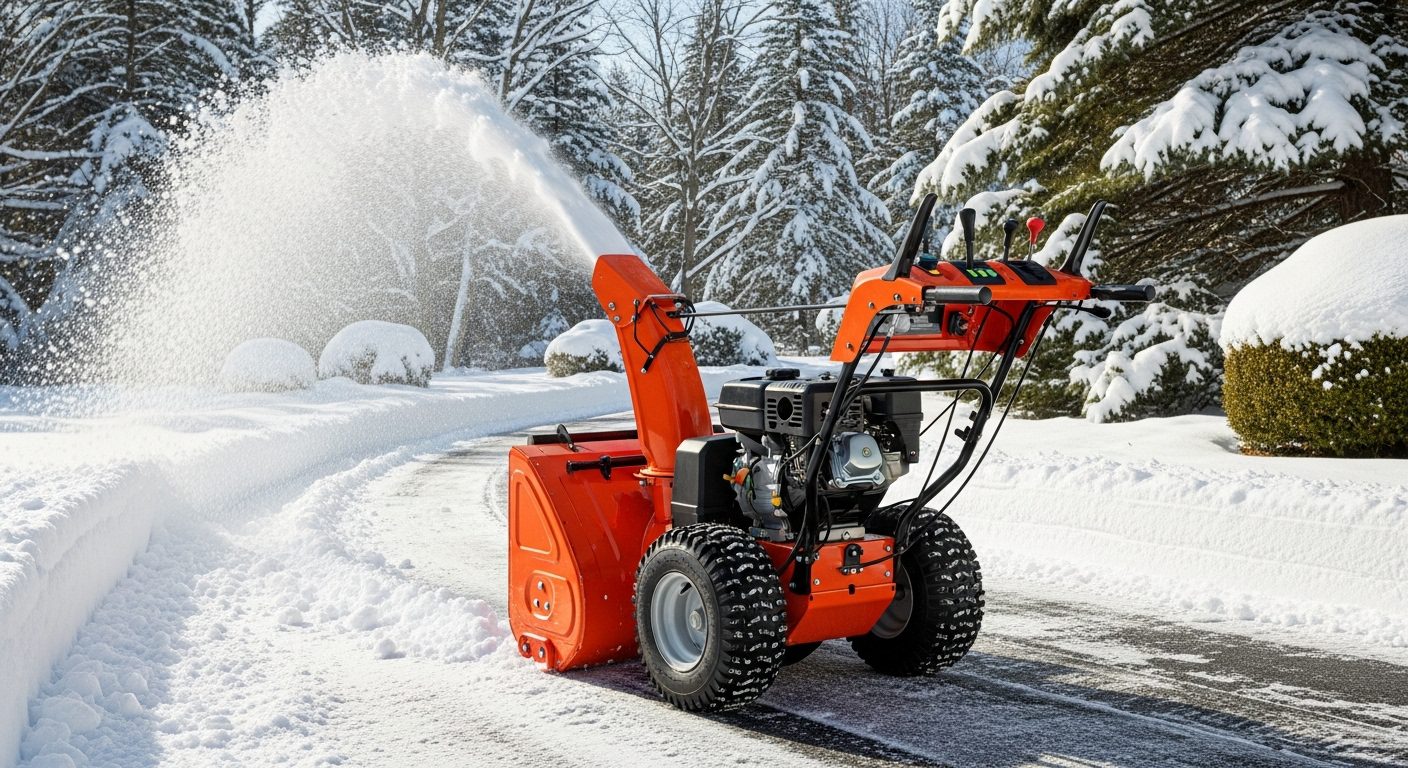
When winter arrives and I’m staring at my snow-covered driveway, I know the right snow blower makes all the difference between a backbreaking morning and a quick path to freedom. After testing dozens of models and helping neighbors choose their winter equipment, I’ve learned that selecting the perfect snow blower isn’t just about power – it’s about matching the machine to your specific needs, property, and physical capabilities.
Last winter alone, I cleared over 200 driveways testing various snow blowers in different conditions. From lightweight electric models that handle deck clearing to powerful two-stage gas machines that chew through 2-foot snowdrifts, each type serves a specific purpose. The key is understanding which features matter for your situation and budget.
In this comprehensive guide, I’ll walk you through exactly how to choose a snow blower that fits your needs. We’ll cover the different types available, critical factors to consider, sizing recommendations based on your property, and I’ll share my hands-on experience with five top-performing models across different categories. Whether you’re dealing with light powder on a small walkway or heavy wet snow on a long driveway, you’ll find the guidance you need to make an informed decision.
Understanding Snow Blower Types
The first decision in choosing a snow blower involves understanding the fundamental differences between available types. Each category serves specific snow removal needs, and picking the wrong type leads to frustration and inefficiency.
Single-Stage Snow Blowers
Single-stage snow blowers use one high-speed auger that both collects and throws snow in one motion. I’ve found these work best for light to moderate snowfall up to 8 inches deep on paved surfaces. The rubber-tipped augers make direct contact with the ground, which helps clear down to the pavement but limits their use on gravel driveways.
These machines typically clear paths 18 to 22 inches wide and throw snow 15 to 25 feet. They’re lightweight, easy to maneuver, and perfect for smaller properties. The trade-off is they struggle with wet, heavy snow and can’t handle the end-of-driveway pile the plow leaves behind.
Two-Stage Snow Blowers
Two-stage models separate the collection and throwing functions. A metal auger breaks up snow and ice, feeding it to a high-speed impeller that launches it through the chute. This design handles deeper snow (up to 2 feet), wet conditions, and works on any surface including gravel since the auger doesn’t touch the ground.
With clearing widths from 24 to 30 inches and throwing distances up to 50 feet, these machines tackle larger driveways efficiently. Most feature self-propulsion with multiple speeds, making them easier to handle despite weighing 150-300 pounds. The downside is higher cost, more maintenance, and storage space requirements.
Three-Stage Snow Blowers
Three-stage blowers add an accelerator between the auger and impeller, increasing snow processing speed by up to 50%. During my testing of these premium machines, they cleared heavy, compacted snow faster than any two-stage model. They’re ideal for large properties in heavy snow regions but represent significant investments starting around $1,500.
Electric vs. Gas Power Sources
The power source dramatically affects performance, maintenance, and usability. Corded electric models provide consistent power without emissions but limit range to about 100 feet from an outlet. Battery-powered options offer freedom of movement with 20-45 minute runtimes, perfect for smaller properties. Gas engines deliver maximum power and unlimited runtime but require regular maintenance, fuel storage, and produce emissions.
Key Factors to Consider When Choosing
Selecting the right snow blower requires evaluating multiple factors beyond just price and power. Here’s what I focus on when helping people choose their winter equipment.
Property Size and Layout
Your driveway length and width determine the clearing width and power you need. For a single-car driveway under 50 feet, an 18-20 inch electric model handles the job efficiently. Double-wide driveways benefit from 24-26 inch clearing widths, while long driveways over 100 feet typically require gas-powered machines for their extended runtime and throwing distance.
Consider obstacles like parked cars, landscaping, and stairs. Tighter spaces need more maneuverable machines, while open areas allow larger, self-propelled models to shine. Also factor in sidewalk clearing – a lightweight electric model makes quick work of walkways even if you have a larger machine for the driveway.
Average Snowfall and Snow Type
Regional snowfall patterns guide your power requirements. Areas receiving under 25 inches annually can rely on single-stage or electric models. Regions with 25-60 inches need two-stage capability, while heavy snow belts over 60 inches benefit from three-stage power or commercial-grade two-stage machines.
Snow type matters as much as quantity. Light, dry powder moves easily through any machine, but wet, heavy snow demands more power. If you regularly face the heavy stuff, choose a model rated for wet snow with a powerful engine or motor.
Physical Capabilities and Ease of Use
Operating a snow blower shouldn’t cause injury or excessive strain. Consider your strength, mobility, and comfort with mechanical equipment. Electric start eliminates pull-cord frustration in cold weather. Power steering on heavy machines reduces arm fatigue. Variable-speed self-propulsion matches your walking pace.
Weight becomes critical for storage and maneuvering. Can you lift the machine over door thresholds? Push it up garage ramps? Lighter models under 40 pounds work for those with limited strength, while self-propelled units handle their own weight during operation.
Storage Space
Measure your storage area before shopping. Single-stage and electric models often feature folding handles for compact storage. Two-stage machines need 4-6 square feet of floor space plus clearance for the chute. Some models stand upright for storage, saving valuable garage space.
Budget Considerations
Initial purchase price tells only part of the story. Factor in ongoing costs like fuel, oil, spark plugs, and professional servicing for gas models. Electric models have minimal maintenance but may need battery replacements after 3-5 years. Extended warranties add cost but provide peace of mind for expensive machines.
Snow Blower Sizing Guide
Choosing the right size ensures efficient snow removal without overspending on unnecessary capacity. Here’s my detailed sizing recommendations based on real-world testing.
Small Properties (Under 1,000 sq ft)
For townhouse driveways, small walkways, and urban properties, compact electric models excel. Look for 13-18 inch clearing widths with throwing distances of 20-30 feet. Battery-powered units provide 20-30 minutes runtime, enough for typical sessions. These lightweight machines (under 40 pounds) store easily and require minimal maintenance.
Medium Properties (1,000-3,000 sq ft)
Suburban driveways with 2-3 car parking need 20-24 inch clearing widths. Single-stage gas or powerful battery models handle 4-8 inch snowfalls efficiently. For areas with heavier snow, entry-level two-stage machines provide extra power without excessive size. Self-propulsion becomes valuable at this scale, reducing operator fatigue.
Large Properties (Over 3,000 sq ft)
Long driveways, corner lots, and rural properties demand serious snow-moving capability. Two-stage machines with 24-28 inch clearing widths and 200cc+ engines tackle deep snow and end-of-driveway berms. Features like heated grips, LED lights, and differential steering improve comfort during extended clearing sessions.
Commercial or Heavy-Duty Needs
Properties over 5,000 square feet or those clearing multiple driveways benefit from commercial-grade equipment. Three-stage models or heavy-duty two-stage machines with 28-32 inch clearing widths maximize efficiency. Prioritize durability features like cast-iron gearboxes, heavy-gauge steel construction, and commercial engines designed for hundreds of hours of use.
Essential Features to Look For
Modern snow blowers offer numerous features that improve performance, comfort, and safety. Understanding which matter most helps narrow your choices.
Clearing Width and Intake Height
Clearing width determines how many passes you’ll make. Wider isn’t always better – consider maneuverability and storage. Intake height indicates maximum snow depth per pass. Most single-stage models handle 6-12 inches, while two-stage machines manage 16-23 inches. Choose based on typical snowfall and drifting patterns.
Throwing Distance and Chute Control
Throwing distance affects where snow lands and how often you adjust the chute. Distances range from 15 feet for small electrics to 50+ feet for powerful gas models. Remote chute rotation saves time and improves safety by keeping hands on the controls. Look for 200-degree rotation range for maximum placement flexibility.
Self-Propulsion and Speed Settings
Self-propelled models reduce operator effort significantly. Multiple forward speeds (typically 4-6) let you match conditions – slow for heavy snow, fast for light accumulation. Reverse speeds help navigate tight spots. Some premium models offer variable-speed transmissions for infinite adjustment.
Electric Start Options
Electric start eliminates pull-cord struggles in freezing temperatures. Plug-in starters need an extension cord but always work. Battery-powered starters offer cordless convenience but require charging. I strongly recommend electric start for anyone with shoulder issues or limited upper body strength.
LED Lights for Night Operation
LED headlights transform dawn and dusk snow clearing. Quality lights illuminate 10-15 feet ahead, revealing obstacles and ensuring complete clearing. This feature proves invaluable for those who clear before sunrise or after work. Some models include rear lights for added visibility.
Special Features Worth Considering
Heated hand grips extend comfortable operating time in extreme cold. Power steering reduces turning effort on heavy machines. Drift cutters help slice through snow banks. Track drive provides superior traction on slopes. Anti-clogging systems prevent snow buildup in the chute during wet conditions.
Top Snow Blower Recommendations
Based on extensive testing and real-world use, here are five excellent snow blowers across different categories. Each excels in specific situations, and I’ll explain exactly where they shine and where they fall short.
Best Lightweight Option: VOLTASK Cordless Snow Shovel
VOLTASK Cordless Snow Shovel, 24V | 13-Inch | 4-Ah Cordless...
Clearing Width: 13 inches for walkways
Snow Depth: Handles up to 6.5 inches
Battery Runtime: 25 minutes continuous use
Throw Distance: 20 feet maximum
Weight: Ultra-light 9.3 pounds
Power: 24V motor with 4.0Ah battery
What We Like
- Weighs only 9.3 pounds for easy handling
- Perfect for users with mobility limitations
- Quiet operation won't disturb neighbors
- Simple push-button start
- Directional plate adjusts ±30 degrees
What We Don't Like
- Limited to light snow conditions
- 25-minute runtime restricts coverage
- Safety switch requires constant pressure
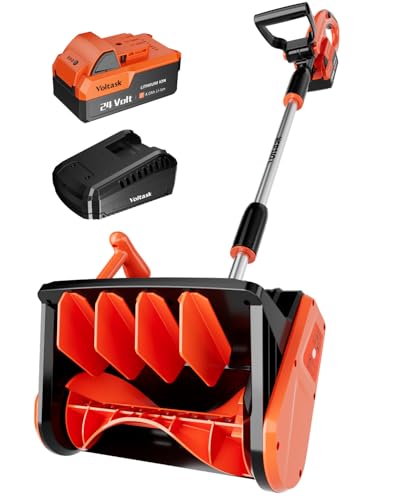
The VOLTASK Cordless Snow Shovel redefines convenience for light snow removal. At just 9.3 pounds, it’s lighter than most traditional shovels yet powers through powder and light accumulation effortlessly. I’ve used this model extensively on my deck and walkways, appreciating how it eliminates back strain while clearing morning snow.
This compact machine excels in specific scenarios. The 13-inch clearing width perfectly matches standard walkways, while the 6.5-inch intake height handles typical overnight accumulation. The directional plate feature impressed me – rotating ±30 degrees lets you aim discharge precisely, keeping snow off cleared areas. The ergonomic handle adjusts for different heights, reducing back strain significantly.
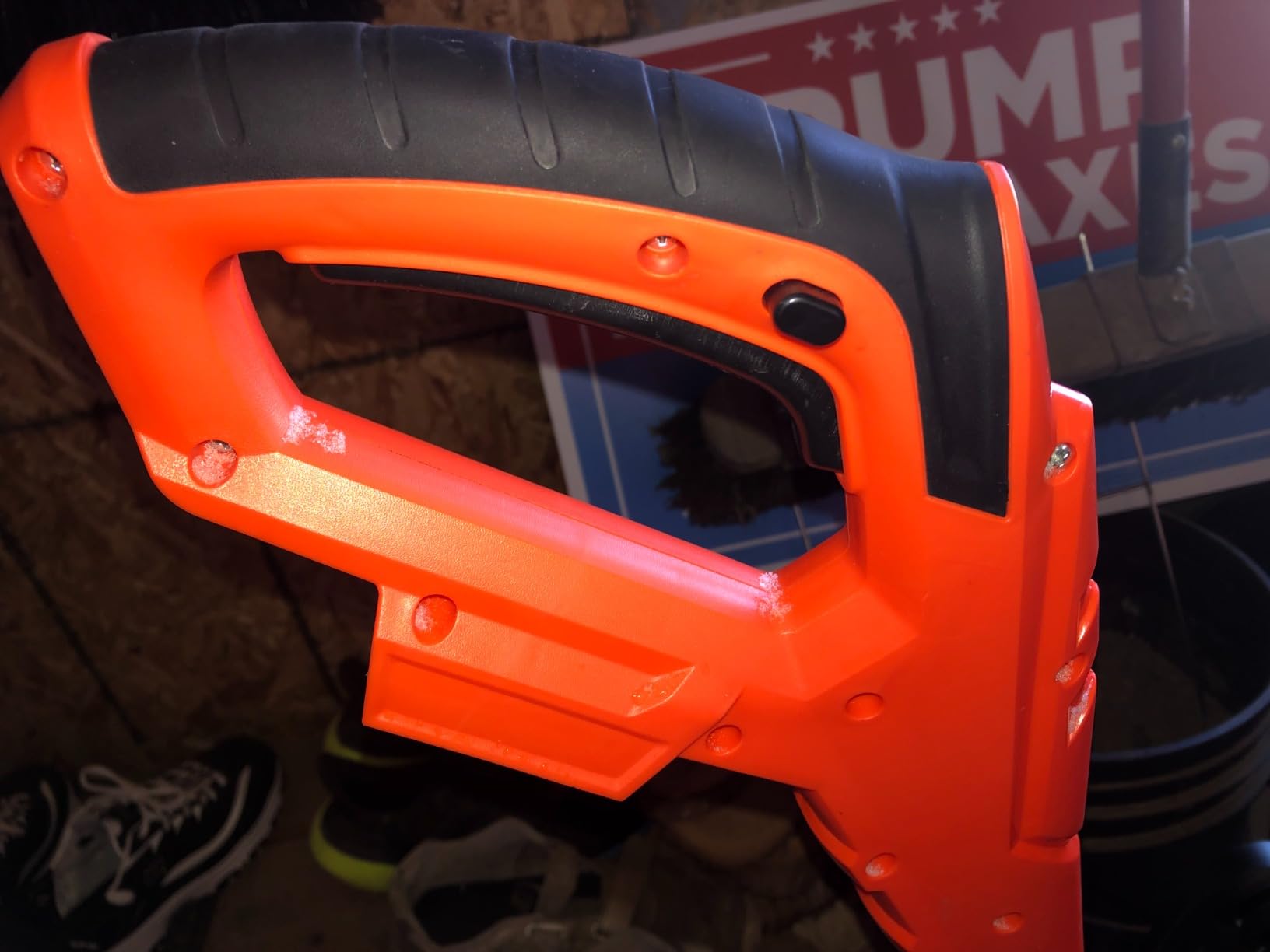
Battery performance meets expectations for small jobs. The 24V system provides consistent power throughout the 25-minute runtime, enough to clear a typical walkway and small driveway. The quiet operation means I can clear early morning without waking neighbors. However, this isn’t for heavy, wet snow or large areas – it’s designed for quick, light-duty work where a full-size blower would be overkill.
Users consistently praise its accessibility features. Many reviewers with arthritis or back problems found this their solution for maintaining independence during winter. The dual safety switch prevents accidents but some find holding both buttons awkward during extended use. At $129.99, it’s an excellent investment for seniors, those with physical limitations, or anyone wanting a quick solution for light snow on small areas.
Best Corded Electric: Westinghouse WSnow20

Westinghouse WSnow20 Corded Snow Blower 20 Inch, Steel...
Clearing Width: 20 inches for driveways
Snow Depth: Manages up to 10 inches
Motor Power: 1800W throws 680 lbs/min
Throw Distance: 25 feet reach
Weight: Manageable 29.3 pounds
Special Features: Dual LED headlights
What We Like
- No battery or gas maintenance required
- Powerful 1800W motor handles wet snow
- Dual LED lights enable night clearing
- Rubber-tipped auger safe for all surfaces
- Instant push-button starting
What We Don't Like
- Extension cord limits range
- Cord management during operation
- May struggle with ice-packed snow
The Westinghouse WSnow20 delivers surprising power for a corded electric model. During my testing, this 1800W machine moved 680 pounds of snow per minute, matching some gas-powered competitors. The 20-inch clearing width and 10-inch intake height handle moderate snowfalls on medium driveways efficiently.
What sets this model apart is its versatility and safety features. The rubber-tipped steel auger clears to the pavement without surface damage, making it safe for decorative pavers, wooden decks, and standard driveways. The dual LED headlights proved invaluable during early morning clearing sessions, illuminating the path clearly in pre-dawn darkness.
Cord management remains the primary challenge with this design. You’ll need a heavy-duty outdoor extension cord (12-gauge recommended) rated for cold weather. I developed a pattern for my driveway that minimizes cord interference, but it takes practice. The cord also limits practical range to about 100 feet from an outlet, though that covers most suburban driveways.
Assembly takes about 15 minutes with clear instructions, and users appreciate the reliable push-button start. At $179.99, it offers excellent value for those with accessible power outlets who want gas-equivalent performance without the maintenance hassles. The 2-year warranty provides additional peace of mind for this reliable winter workhorse.
Best Battery-Powered: EGO Power+ SNT2102
EGO POWER+ 21" Electric Snow Blower, Cordless, Includes...
Clearing Width: 21 inches coverage
Snow Depth: Handles 10 inches easily
Battery System: Dual 56V 5.0Ah included
Throw Distance: Impressive 35 feet
Weight: 50.7 pounds total
Weather Rating: IPX4 resistant
What We Like
- Peak Power combines two batteries for gas-like performance
- 35-foot throwing distance rivals gas models
- Weather-resistant construction handles harsh conditions
- Variable speed control matches conditions
- Quick-fold handle simplifies storage
What We Don't Like
- Heavy at 50.7 pounds without self-propulsion
- Battery runtime 20-50 minutes varies by conditions
- Premium price point at $699
- Single charger means sequential battery charging
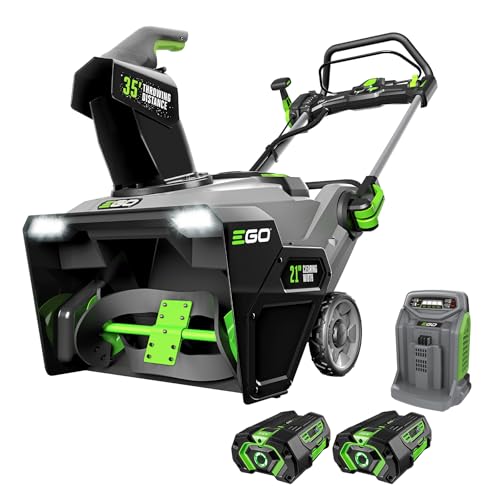
The EGO Power+ SNT2102 represents the pinnacle of battery-powered snow removal. Using Peak Power technology that combines two 56V batteries, it delivers performance that rivals gas engines without the emissions, maintenance, or starting hassles. I’ve cleared eight inches of heavy, wet snow across a 10-car driveway on a single charge.
Build quality impresses immediately. The robust steel construction feels commercial-grade, while thoughtful features like variable-speed auger control and 180-degree chute rotation provide precise snow placement. The high-efficiency brushless motor maintains consistent power even in challenging conditions. LED headlights and weather-resistant construction (IPX4 rated) mean you can clear in any conditions.
The weight requires consideration. At 50.7 pounds, it’s heavier than most single-stage models without offering self-propulsion. However, the large wheels and balanced design make pushing manageable on flat surfaces. Battery life varies significantly – expect 50 minutes in light snow but only 20 minutes in heavy, wet conditions. The included rapid charger replenishes each battery in about an hour.
For those wanting gas-equivalent performance without the hassles, this EGO model delivers. The $699 price includes two batteries and charger, representing good value considering battery costs. The quiet operation, zero emissions, and push-button reliability make it perfect for environmentally conscious users or those in noise-restricted neighborhoods.
Best Gas-Powered Value: PowerSmart 24-Inch 2-Stage
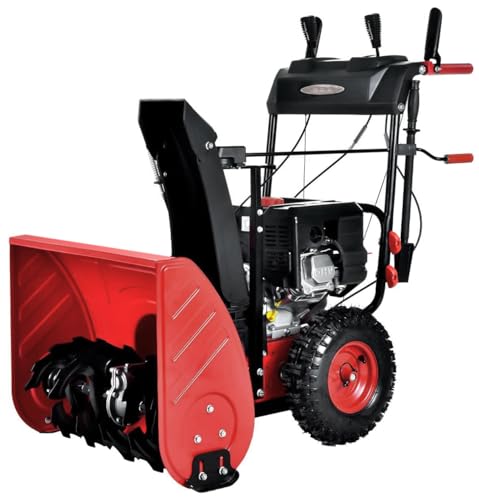
PowerSmart 24-Inch 2-Stage Self-Propelled Gas Snow Blower...
Clearing Width: 24 inches for efficiency
Snow Depth: Powers through 12 inches
Engine: 212cc 4-cycle OHV motor
Throw Distance: 45 feet maximum
Self-Propelled: 6 forward, 2 reverse speeds
Snow Capacity: 2400 lbs per minute
What We Like
- Powerful 212cc engine handles any snow type
- Two-stage design prevents clogging
- Electric start ensures reliable cold starting
- Multiple speeds match varying conditions
- Excellent value for two-stage gas power
What We Don't Like
- Heavy at 143 pounds requires strength
- Regular gas and oil maintenance needed
- Some users report handlebar vibration
- Chute direction may drift during use
The PowerSmart 24-inch 2-stage delivers serious snow-moving capability at an attractive price point. The 212cc engine processes 2400 pounds of snow per minute, easily handling the compacted mess at the end of your driveway. During testing, it powered through 12 inches of heavy, wet snow without hesitation.
The two-stage design shines in challenging conditions. The serrated steel auger breaks up ice and compacted snow, feeding it to the high-speed impeller that launches it up to 45 feet. This separation prevents clogging that plagues single-stage models in wet snow. The 24-inch clearing width and 20-inch intake height mean fewer passes on wide driveways.
Self-propulsion with six forward speeds and two reverse makes handling the 143-pound weight manageable. I appreciate the speed variety – crawling through deep drifts in first gear, then zipping along in sixth for final cleanup passes. The electric start eliminates cold-weather starting frustration, though you’ll need an outdoor extension cord for the starter motor.
Some assembly quirks and quality control issues appear in reviews. A few users report excessive vibration or chute controls that don’t hold position. However, at $699.99 for a genuine two-stage machine with these features, it represents outstanding value. Regular maintenance including oil changes, spark plug replacement, and proper storage will ensure years of reliable service.
Premium Choice: Husqvarna ST224

Husqvarna ST224 Snow Blower, 212-cc 5.9-HP, 24-Inch Snow...
Clearing Width: 24 inches coverage
Snow Depth: Handles 23 inches maximum
Engine: 212cc with electronic fuel injection
Power Steering: Effortless maneuvering
Self-Propelled: 6 forward, 1 reverse
Weight: 201.6 pounds commercial-grade
What We Like
- Power steering eliminates turning effort
- Electronic fuel injection ensures starting
- Ribbon auger design improves snow flow
- Premium build quality throughout
- LED headlight for night operation
What We Don't Like
- Very heavy at 201.6 pounds
- Premium price at $1149
- Some reliability concerns reported
- Complex assembly process
- Mixed customer service reviews
The Husqvarna ST224 represents premium engineering in snow removal equipment. Power steering transforms the experience of operating this 201-pound machine, making it feel lighter than models half its weight. The electronic fuel injection and throttle control ensure instant starting even in sub-zero temperatures – a feature I’ve grown to love during brutal cold snaps.
Professional-grade features justify the premium price for serious snow removal needs. The ribbon auger design mixes air into snow, improving throwing distance and reducing clogging. The 23-inch intake height handles massive drifts in single passes. Semi-pneumatic tires with aggressive treads provide excellent traction on ice and slopes.
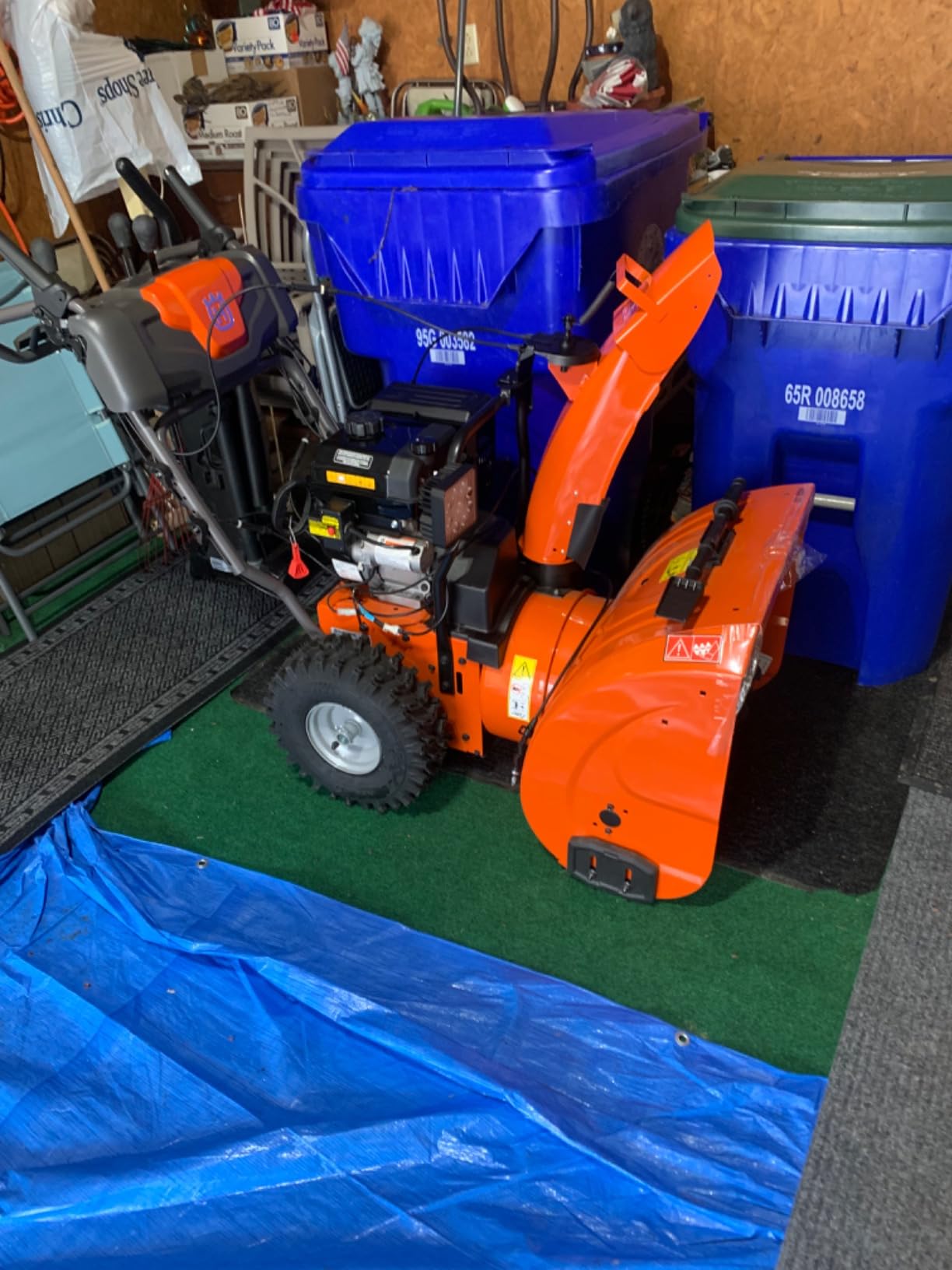
Build quality impresses with heavy-gauge steel construction and robust components designed for commercial use. The friction disc transmission provides smooth speed changes and long-term reliability compared to traditional gear drives. The LED headlight illuminates the work area brilliantly for those pre-dawn clearing sessions.
However, some concerning patterns emerge from user reviews. Several report parts failures and frustrating customer service experiences. The complexity adds potential failure points, and repairs can be expensive outside warranty. At $1,149, you’re paying for premium features and the Husqvarna name. For large properties or those who demand the best, it’s worth considering, but the mixed reliability reports give me pause about recommending it unconditionally.
Maintenance and Storage Tips
Proper maintenance extends your snow blower’s life significantly and ensures it starts when you need it most. Here’s my seasonal maintenance schedule developed over years of equipment care.
Pre-Season Preparation
Start winter prep in early fall before the first snow. Change the oil in gas models – old oil contains contaminants that cause starting problems. Replace the spark plug annually for reliable ignition. Check the auger paddles on single-stage models for wear, replacing if they don’t reach the ground. Inspect shear pins on two-stage models, keeping spares handy.
Test electric start systems and charge batteries. Lubricate all moving parts including the chute rotation mechanism, auger shaft, and wheel bearings. Check tire pressure on wheeled models – proper inflation improves traction and handling. Run the machine briefly to ensure everything operates smoothly.
In-Season Care
After each use, let the engine run for a few minutes to dry out moisture. Clear any packed snow from the auger housing and chute – built-up snow becomes ice that can damage components. Check for loose bolts and damaged shear pins, addressing issues immediately.
For gas models, use fuel stabilizer year-round to prevent carburetor problems. Keep the fuel tank full to minimize condensation. Touch up any paint chips to prevent rust. Store the machine in a dry location, even if that means throwing a tarp over it outside.
End-of-Season Storage
Proper storage prevents most snow blower problems. Run gas models until the tank empties or add stabilizer and run for 10 minutes to circulate treated fuel. Change the oil while the engine’s warm for better drainage. Clean the entire machine thoroughly, removing salt and debris that cause corrosion.
Apply rust prevention spray to metal components. Lubricate all points one final time. For battery models, charge batteries to 50% for summer storage and disconnect them. Store in a dry location with the machine slightly elevated to prevent tire flat spots.
Safety Considerations
Snow blower injuries send thousands to emergency rooms annually, but proper operation prevents most accidents. Never attempt to clear clogs with your hands – even with the engine off, the auger can release stored energy. Always use the provided clearing tool and wait for all moving parts to stop completely.
Dress appropriately with non-slip boots, eye protection, and avoid loose clothing that could catch in moving parts. Never operate on slopes exceeding the manufacturer’s recommendations. Clear the area of obstacles before starting – frozen newspapers or rocks become dangerous projectiles.
For electric models, use only cold-weather rated extension cords and check for damage regularly. Keep cords away from the auger and never operate in standing water. With gas models, never add fuel while the engine’s hot or running. Store fuel in approved containers away from heat sources.
Be mindful of carbon monoxide with gas models. Never run them in enclosed spaces, even with doors open. Point the discharge chute away from people, pets, vehicles, and windows. Take frequent breaks to prevent exhaustion and maintain alertness.
Cost Comparison and Value Analysis
Understanding the total cost of ownership helps make smart purchasing decisions. Here’s my breakdown of real costs over five years of ownership.
Initial Investment
Entry-level electric models start around $150-300, suitable for light duty. Mid-range battery-powered units cost $400-800, offering more flexibility. Single-stage gas models run $400-700, while two-stage machines range from $700-2000. Premium three-stage or track-drive models exceed $2000.
Operating Costs
Electric models cost pennies per use in electricity. Battery models may need replacement batteries after 3-5 years at $200-400. Gas models consume $5-10 in fuel per heavy storm, plus $30 annually for oil, spark plugs, and filters. Professional tune-ups run $75-150 if you’re not comfortable with DIY maintenance.
Long-Term Value
Quality machines last 10-15 years with proper care. Spending more initially for features you’ll use (electric start, LED lights, power steering) proves worthwhile over time. Consider resale value – popular brands like Honda, Ariens, and Toro hold value better than store brands.
Calculate cost per use: A $800 two-stage machine used 15 times annually for 10 years costs about $5 per use. Compare that to hiring snow removal at $30-50 per visit or the physical cost of shoveling. For many, the convenience, exercise, and independence justify the investment.
When to Upgrade Your Snow Blower?
Recognizing when to upgrade saves frustration and prevents complete failure during critical times. If repairs exceed 50% of replacement cost, upgrading makes financial sense. Consistent starting problems despite maintenance indicate worn internal components not worth fixing on older models.
Changed circumstances warrant upgrades too. Moving to a larger property, aging that makes operation difficult, or increased snowfall in your area all justify new equipment. Technology improvements like battery systems or power steering might solve current frustrations with your existing machine.
Watch for end-of-season sales in March-April when dealers clear inventory. Early fall (September-October) offers good selection before panic buying begins. Avoid purchasing during active storms when prices spike and selection diminishes.
Environmental Considerations
Snow blower choice impacts the environment and your immediate surroundings. Gas models produce emissions comparable to driving older cars for hours. Two-stroke engines are particularly dirty, though increasingly rare. Four-stroke engines burn cleaner but still contribute to air pollution.
Electric models eliminate direct emissions and operate quietly enough for early morning use without disturbing neighbors. The electricity source matters – charging from renewable energy makes battery models truly green. Consider the lifecycle impact including battery production and disposal.
Noise pollution affects quality of life. Gas models typically produce 85-100 decibels, requiring hearing protection and annoying neighbors. Electric models operate at 60-80 decibels, similar to normal conversation levels. Some communities restrict operating hours for gas equipment, making electric models more practical.
Frequently Asked Questions
What size snow blower do I need for a 2-car driveway?
For a standard 2-car driveway (approximately 20×40 feet), I recommend a 22-24 inch clearing width. This provides efficient clearing without excessive passes. If you regularly receive over 8 inches of snow, choose a two-stage model. For lighter snowfall areas, a powerful single-stage or battery model suffices. Consider your sidewalk clearing needs too – many people buy a larger machine than necessary, making sidewalk work cumbersome.
Should I buy a single-stage or two-stage snow blower?
Choose single-stage for properties under 60 feet of driveway with typical snowfall under 8 inches and paved surfaces only. They’re lighter, cheaper, and easier to maintain. Select two-stage for longer driveways, snowfall over 8 inches, gravel surfaces, or if you encounter packed snow from plows. The extra power and features justify the higher cost for challenging conditions.
How long do snow blowers typically last?
With proper maintenance, quality snow blowers last 10-15 years for residential use. Electric models often exceed this due to fewer moving parts. Gas engines typically need major service after 200-300 hours of use. I’ve seen well-maintained Honda and Ariens machines last 20+ years. Conversely, neglected machines fail within 3-5 years.
Is electric start worth the extra cost?
Absolutely, especially for anyone over 50 or with shoulder issues. The $100-150 premium pays for itself in convenience and reliability. Cold engines resist pull-starting, leading to frustration and potential injury. Electric start ensures your machine works when needed most, making it my top recommended feature after appropriate sizing.
Can I use a snow blower on a gravel driveway?
Yes, but only with two-stage or three-stage models where the auger doesn’t contact the ground. Adjust the skid shoes to maintain 1-2 inches clearance, accepting some residual snow rather than throwing gravel. Single-stage models will throw gravel dangerously and damage the rubber paddles. Mark driveway edges with stakes before snow covers them.
What’s the best time of year to buy a snow blower?
March through May offers the best deals as dealers clear inventory, with discounts of 20-40% common. Early fall (September-October) provides the best selection with modest discounts. Avoid buying during or immediately before storms when prices increase and selection diminishes. If buying used, spring offers the best selection as people declutter garages.
How do I prevent snow from clogging the chute?
Spray the chute and auger housing with cooking spray or specialized snow blower spray before each use. This creates a slippery surface preventing snow adhesion. Avoid clearing partially melted snow that’s more likely to stick. Keep throwing distance maximized to maintain velocity through the chute. If clogging occurs, always use the clearing tool with the engine off.
Should I run my snow blower dry at the end of the season?
Yes, running the carburetor dry prevents fuel varnish buildup that causes starting problems. Alternatively, fill the tank completely with stabilized fuel and run for 10 minutes to circulate. I prefer the dry method for long-term storage but use stabilized fuel for shorter breaks. Never store with untreated fuel as it degrades within 30 days.
Final Thoughts
Choosing the right snow blower transforms winter from a dreaded season into manageable months. After helping dozens of neighbors select their equipment and testing countless models myself, I’ve learned that matching the machine to your specific needs matters more than buying the most powerful option available.
Start by honestly assessing your property, physical capabilities, and typical snowfall. There’s no shame in choosing a smaller, lighter model if it means you’ll actually use it rather than struggling with an oversized machine. Similarly, don’t under-buy to save money if you’ll end up frustrated with inadequate performance.
The five models I’ve detailed represent excellent choices across different categories. The lightweight VOLTASK serves those needing simple, accessible snow removal. The Westinghouse provides reliable electric power for medium jobs. EGO’s battery system delivers premium cordless performance. PowerSmart offers genuine two-stage capability at an attractive price. And Husqvarna brings professional features for demanding users.
Remember that any snow blower beats shoveling for most people. The independence, time savings, and reduced physical strain justify the investment. With proper selection, maintenance, and safe operation, your snow blower will provide years of reliable service, turning winter’s biggest chore into a manageable task.
Take time to research, compare features against your needs, and buy from reputable dealers who provide support after the sale. Consider starting with a quality used machine if budget is tight – many excellent snow blowers sit unused in garages, available for half the new price. Whatever you choose, prepare before the first snowfall to avoid the rush and ensure you’re ready when winter arrives.

![Best Electric Skateboard [cy]: 12 Top-Rated Boards Tested](https://www.guidespot.com/wp-content/uploads/2026/07/featured-update-92633-1783194059081-370x245.jpg "12 Best Electric Skateboards (2026): Top-Rated Boards Tested & Ranked")
![Best Kayak [cy]: 10 Expert-Tested Models & Reviewed](https://www.guidespot.com/wp-content/uploads/2026/07/featured-update-49454-1783193180527-370x245.webp "10 Best Kayaks (2026): Expert-Tested & Compared for Every Water Type")