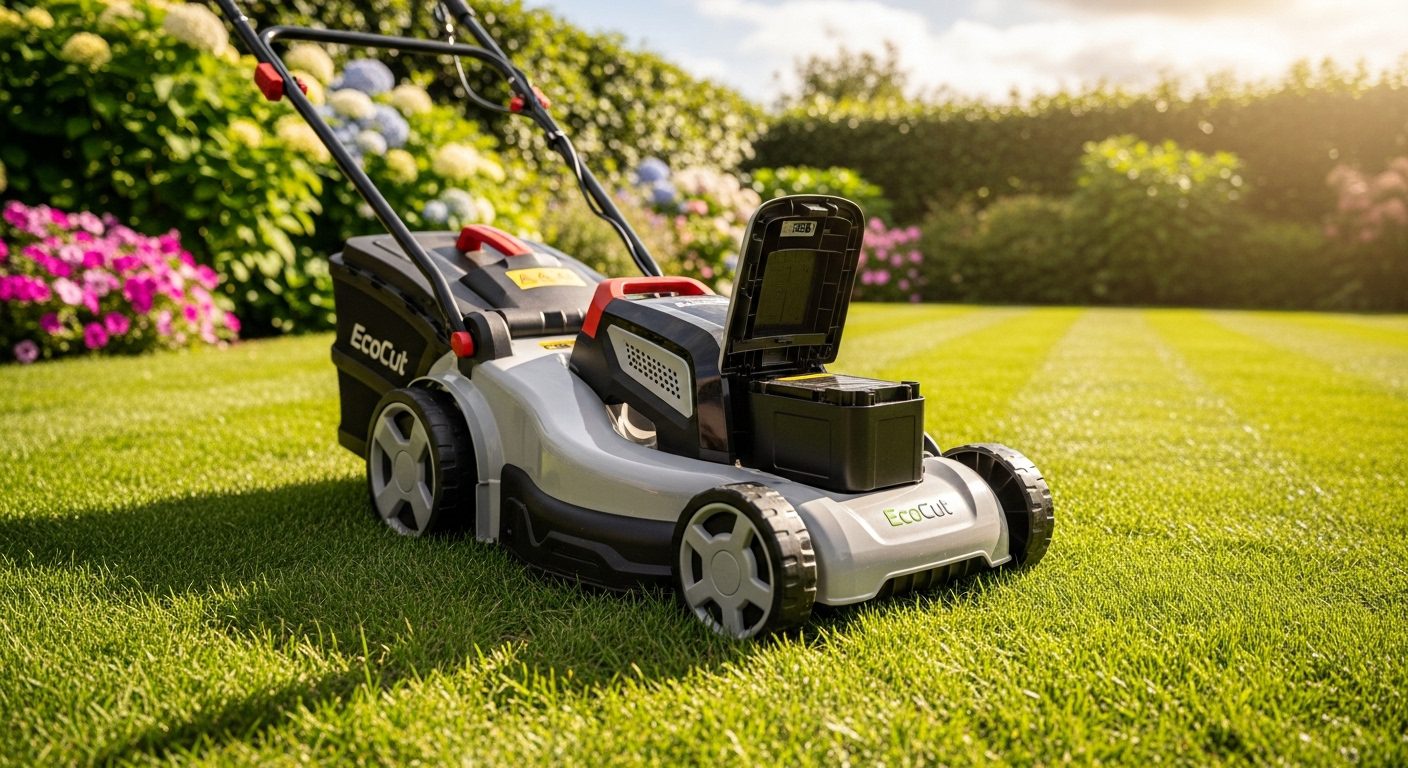
If you’ve ever pulled your lawn mower out for the first spring cut only to find it won’t start, you know the frustration of a dead battery. I’ve been there myself more times than I’d like to admit. After dealing with countless battery replacements and learning from both successes and failures, I’ve gathered everything you need to know about lawn mower battery lifespan.
The quick answer? Most lawn mower batteries last between 3 to 5 years with proper care. But that’s just the average. I’ve seen some batteries fail after just one season, while others have powered through nearly a decade of regular use. The difference comes down to battery type, maintenance habits, usage patterns, and storage conditions.
Let me walk you through exactly what determines battery life and how to maximize your investment. Whether you’re dealing with a traditional riding mower or a modern electric model, understanding these fundamentals will save you money and frustration down the road.
Understanding Lawn Mower Battery Types and Their Expected Lifespans
Not all lawn mower batteries are created equal. The type of battery in your mower directly impacts how long it’ll last and what maintenance it needs. Let’s break down the main types you’ll encounter.
Lead-Acid Batteries: The Traditional Workhorse
Lead-acid batteries have been the standard for riding mowers and lawn tractors for decades. These typically last 3 to 4 years with proper maintenance. I’ve found that the ones in my riding mower usually give me solid performance for about three seasons before showing signs of decline.
Within this category, you’ll find two subtypes. Flooded lead-acid batteries require periodic water top-ups and generally last 3 to 4 years. AGM (Absorbed Glass Mat) batteries are sealed and maintenance-free, often lasting 4 to 5 years. While AGM batteries cost about 30% more upfront, I’ve found them worth the investment for the reduced maintenance alone.
The key with lead-acid batteries is consistent charging. They don’t like sitting idle for months, which is why so many fail after winter storage. A battery that maintains 12.6 volts or higher when fully charged is healthy. Once it drops below 11.5 volts under load, replacement time is near.
Lithium-Ion Batteries: The Modern Solution
Lithium-ion batteries are revolutionizing lawn care, especially in cordless electric mowers. These powerhouses can last 5 to 10 years, with some manufacturers claiming up to 3,000 charging cycles. That’s potentially a decade of weekly mowing during the growing season.
What I love about lithium batteries is their consistency. Unlike lead-acid batteries that gradually lose power as they discharge, lithium batteries maintain steady power output until they’re nearly depleted. They’re also significantly lighter – about 70% less weight than comparable lead-acid batteries.
The trade-off is cost. Lithium batteries typically cost 2 to 3 times more than lead-acid alternatives. However, when you factor in the longer lifespan and zero maintenance requirements, the total cost of ownership often favors lithium technology.
Temperature sensitivity is worth noting too. While lithium batteries excel in moderate conditions, extreme cold can temporarily reduce their capacity by 20-30%. I store mine indoors during winter months to avoid this issue.
Nickel-Cadmium Batteries: The Phasing-Out Option
You might still encounter nickel-cadmium (NiCd) batteries in older cordless mowers. These typically last 2 to 3 years and suffer from memory effect – they lose capacity if repeatedly recharged before fully depleting. Most manufacturers have phased these out in favor of lithium technology, and for good reason.
Factors That Affect Your Lawn Mower Battery Life
Understanding what impacts battery longevity helps you make informed decisions about maintenance and usage. Through years of maintaining various mowers, I’ve identified the key factors that make the biggest difference.
Usage Frequency and Patterns
How often you use your mower significantly impacts battery life. Regular weekly use during the growing season is actually ideal for battery health. The worst scenario? Letting your mower sit unused for months. Batteries self-discharge over time, and deep discharge damages their internal structure.
Professional landscapers who use their equipment daily often report shorter battery lifespans – sometimes just 1 to 2 years for lead-acid batteries. The constant cycling takes its toll. For homeowners mowing weekly, 3 to 5 years is more typical. If you only mow occasionally, using a battery maintainer between sessions is crucial.
Climate and Temperature Extremes
Temperature is a battery killer. Extreme heat accelerates chemical reactions inside batteries, causing faster degradation. I’ve noticed batteries in southern states often need replacement more frequently than those in moderate climates.
Cold weather presents different challenges. At 32°F, a battery loses about 35% of its strength. At 0°F, it’s down by 60%. This is why spring starting problems are so common. The battery that barely started your mower last fall might not have enough power after a cold winter.
The sweet spot for battery storage is between 50°F and 80°F. If you can’t store your mower in a climate-controlled space, at least remove the battery and bring it indoors during extreme weather.
Charging Habits and Practices
Your charging routine makes or breaks battery longevity. Overcharging is just as harmful as letting a battery die completely. Modern smart chargers solve this problem by automatically switching to maintenance mode when the battery reaches full charge.
For lead-acid batteries, I recommend charging immediately after use if the mower struggled to start or ran accessories for extended periods. Lithium batteries prefer partial charges – keeping them between 20% and 80% capacity actually extends their life compared to always charging to 100%.
Never use automotive chargers on lawn mower batteries unless they have a specific lawn mower setting. The higher amperage can damage smaller batteries. A 2-amp trickle charger is ideal for most lawn mower applications.
Maintenance and Storage Conditions
Proper storage is critical, especially during the off-season. I learned this the hard way after killing two batteries by leaving them in the mower over winter. Now I follow a strict protocol: clean the battery terminals, fully charge it, disconnect the cables, and store it in a cool, dry place.
For batteries staying in the mower, a battery maintainer (also called a tender) is invaluable. These devices cost $20-40 and can double your battery’s lifespan by preventing sulfation – the buildup of lead sulfate crystals that occurs when batteries sit discharged.
Monthly maintenance during the season is simple but effective. Check the terminals for corrosion, ensure connections are tight, and verify the charge level. For flooded lead-acid batteries, check water levels monthly during heavy use periods.
Clear Signs Your Lawn Mower Battery Needs Replacement
Recognizing when a battery is failing saves you from unexpected breakdowns. Here are the telltale signs I watch for in my equipment.
Slow or Labored Starting
When your mower cranks slowly or takes multiple attempts to start, the battery is usually the culprit. This is especially noticeable on cool mornings when batteries are already working harder. If jump-starting solves the problem temporarily, but the issue returns, replacement is imminent.
Rapid Power Loss
A healthy battery should hold its charge for weeks when not in use. If you’re charging your battery more frequently or it dies after just a few days of sitting, internal damage has likely occurred. This often happens after deep discharge events or extreme temperature exposure.
Physical Warning Signs
Visual inspection reveals a lot. Look for bulging or swollen cases, which indicate internal damage from overcharging or heat. Excessive corrosion around terminals that returns quickly after cleaning suggests the battery is leaking. Any cracks or damage to the case mean immediate replacement is necessary.
For flooded batteries, dark or muddy-looking electrolyte indicates internal plate deterioration. If you need to add water more frequently than before, the battery is likely overheating during charging – another sign of impending failure.
Age-Related Decline
Even well-maintained batteries eventually fail. If your battery is approaching its expected lifespan (3-4 years for lead-acid, 5-10 for lithium), start planning for replacement. I mark my battery purchase dates with a permanent marker directly on the battery case for easy reference.
Voltage testing provides concrete data. A fully charged 12V battery should read 12.6-12.8 volts. Readings below 12.4 volts indicate a battery that’s struggling. Under load testing, voltage dropping below 9.6 volts means replacement is needed.
Proven Maintenance Tips to Extend Battery Life
Good maintenance habits can add years to your battery’s life. These practices have consistently worked for me across different mower types and battery technologies.
Regular Cleaning and Inspection
Clean terminals prevent power loss and corrosion damage. I clean mine monthly during mowing season using a mixture of baking soda and water. An old toothbrush works perfectly for scrubbing. After cleaning, I apply a thin coat of petroleum jelly or terminal protector spray to prevent future corrosion.
Check cable connections for tightness. Vibration from mowing can loosen connections over time, causing intermittent starting problems and accelerated wear. While you’re at it, inspect the cables themselves for fraying or damage.
Proper Charging Techniques
Invest in a quality smart charger appropriate for your battery type. These chargers automatically adjust their output based on battery needs, preventing overcharging. For lead-acid batteries, I use a charger with desulfation mode, which can actually reverse some early-stage battery damage.
Avoid rapid charging unless absolutely necessary. Slow charging at 2 amps is gentler on the battery than fast charging at 10+ amps. Yes, it takes longer, but your battery will thank you with extended life.
For lithium batteries, follow manufacturer guidelines precisely. Some brands recommend storing at 40-60% charge for extended periods, while others suggest full charge. These batteries are sophisticated enough that following the wrong protocol can significantly impact lifespan.
Seasonal Storage Best Practices
Winter storage preparation is crucial. I follow this routine every fall: First, I run the mower until the tank is empty or add fuel stabilizer. Then I clean the entire mower, including under the deck. Next, I remove the battery and clean the terminals thoroughly.
For storage, I fully charge the battery and store it in my basement where temperatures stay between 50-70°F. Every month, I check the voltage and top up the charge if needed. Come spring, the battery is ready to go with full power.
If removing the battery isn’t practical, at least disconnect the negative cable to prevent parasitic drain. Even better, connect a battery maintainer that will keep it optimally charged all winter.
Load Management
Reduce unnecessary electrical load when possible. Running headlights, electric PTO clutches, and other accessories simultaneously strains the battery and charging system. If your mower has a voltage gauge, monitor it during operation. Voltage dropping below 12V while running indicates the charging system isn’t keeping up.
Cost Analysis: Repair vs. Replacement
When facing battery issues, the economic decision isn’t always straightforward. Let me break down the real costs based on current market prices and long-term value.
Battery Replacement Costs
Lead-acid lawn mower batteries typically cost $30-80, with AGM versions running $60-120. Lithium batteries for cordless mowers range from $100-300 depending on voltage and capacity. Professional installation adds $20-50 if you’re not comfortable doing it yourself.
When calculating costs, consider the total ownership expense. A $40 lead-acid battery lasting 3 years costs about $13 annually. A $120 lithium battery lasting 8 years costs $15 annually – nearly the same despite the higher upfront cost.
When Repair Makes Sense
Sometimes, what seems like battery failure is actually a charging system problem. Before replacing the battery, check the alternator output and voltage regulator. A multimeter reading above 13.5V while the engine runs indicates proper charging. If not, fixing the charging system might revive your seemingly dead battery.
For expensive lithium batteries still under warranty, contact the manufacturer before replacement. Many offer pro-rated warranties or troubleshooting support that could save you money.
The Hidden Costs of Delayed Replacement
Nursing a failing battery might seem economical, but consider the hidden costs. The frustration of unreliable starting, potential damage to the starter motor from extended cranking, and the time lost to troubleshooting add up quickly. I’ve learned it’s better to replace a questionable battery before the season starts than deal with problems all summer.
Frequently Asked Questions
Can I use a car battery in my riding lawn mower?
While physically possible, it’s not recommended. Car batteries are designed for short, high-current bursts to start engines, then get recharged immediately. Lawn mower batteries provide sustained power for longer periods. Using a car battery can damage your mower’s charging system and won’t last as long as a proper lawn mower battery.
How often should I charge my lawn mower battery during the season?
For regular weekly use, the mower’s charging system should maintain the battery. However, if the mower sits for more than two weeks, I recommend using a charger or maintainer. For cordless electric mowers, charge after each use or when the battery indicator shows 20-30% remaining.
Is it safe to jump-start a lawn mower with a car?
Yes, but with caution. Keep the car engine OFF to avoid overwhelming the mower’s electrical system. Connect positive to positive, negative to a ground point on the mower frame (not the battery negative terminal). Let it charge for a few minutes before attempting to start. Never do this with lithium batteries – they require specific charging protocols.
Why does my brand new battery keep dying?
Several issues could cause this: a faulty charging system, parasitic drain from damaged wiring, or a bad battery from the manufacturer. Test the charging system first – it should produce 13.5-14.5 volts while running. Check for current draw with the mower off using a multimeter. If everything tests normal, exchange the battery under warranty.
Should I remove my battery every winter?
For optimal lifespan, yes. Store it in a cool, dry place and maintain the charge monthly. If removal isn’t practical, at least disconnect the negative terminal and use a battery maintainer. This simple step can add 1-2 years to your battery’s life.
Can I leave a battery tender connected all winter?
Quality battery maintainers are designed for long-term connection and won’t overcharge. I’ve left mine connected for entire winters without issues. Just ensure you’re using a maintainer (not a regular charger) and check it monthly to ensure it’s functioning properly.
How do I properly dispose of an old lawn mower battery?
Never throw batteries in regular trash. Most auto parts stores, battery retailers, and recycling centers accept old batteries for free. Many even offer a small credit toward a new battery purchase. Lead-acid batteries are 99% recyclable, making proper disposal both easy and environmentally responsible.
What’s the best battery brand for lawn mowers?
Interstate, Duracell, and ExpertPower consistently receive high ratings for lead-acid batteries. For lithium options, Greenworks, EGO, and Ryobi offer reliable products with good warranties. The “best” brand often depends on your specific mower model and local availability for warranty service.
Conclusion: Maximizing Your Lawn Mower Battery Investment
Understanding your lawn mower battery’s lifespan and maintenance needs transforms a potential headache into a manageable aspect of lawn care. Whether you’re running a traditional lead-acid battery lasting 3-4 years or a modern lithium battery good for 5-10 years, the key principles remain the same: proper charging, regular maintenance, and appropriate storage.
I’ve found that spending 10 minutes monthly on battery care during the season and an hour preparing for winter storage pays dividends in reliability and longevity. The small investment in a quality charger and battery maintainer typically pays for itself by extending battery life by just one year.
Remember, your battery is the heart of your mower’s starting system. Treat it well, and it’ll reward you with years of dependable service. Watch for the warning signs of failure, maintain it properly, and store it correctly during the off-season. With these practices, you’ll get maximum life from every battery and avoid those frustrating spring surprises when it’s time to tackle the first cut of the season.
Taking care of your lawn mower battery isn’t just about saving money – it’s about ensuring your equipment is ready when you need it. After all, there’s nothing worse than perfect mowing weather and a mower that won’t start.