

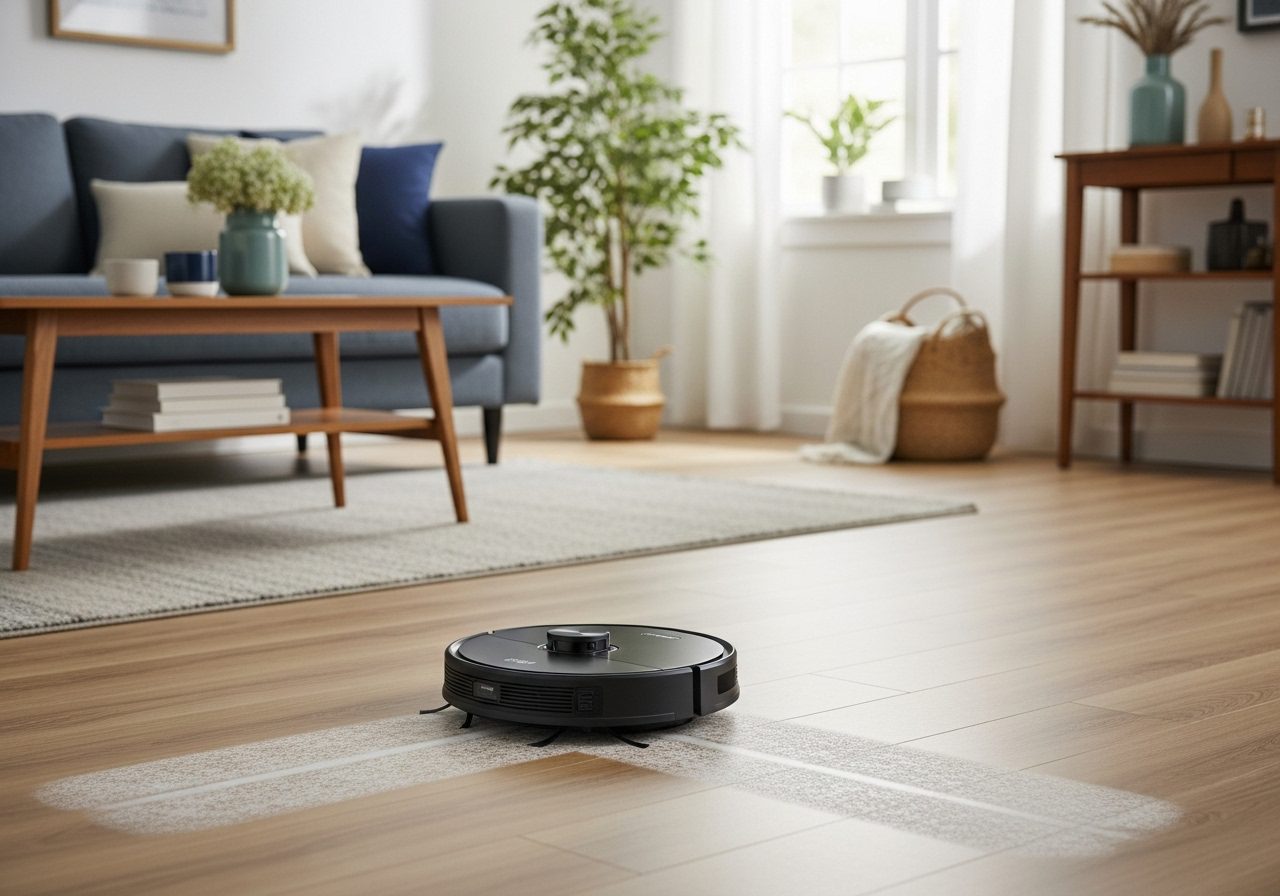
The robot vacuum landscape in 2026 has transformed dramatically from the random-bumping novelty devices of years past. Smart navigation, powerful suction, and integrated mopping have become standard expectations rather than premium luxuries. After months of daily testing with the eufy RoboVac L35 Hybrid across every surface imaginable, I am ready to share whether this mid-range contender genuinely delivers on its ambitious promises.
My household presents a rigorous testing environment: two shedding cats, a dog that tracks everything indoors, mixed flooring including hardwood, tile, and medium-pile carpet, plus the typical obstacles of modern living like charging cables, pet toys, and furniture with challenging clearances. The L35 Hybrid needed to prove itself in these real-world conditions, not just in controlled demonstrations.
What initially caught my attention about the L35 Hybrid was eufy’s positioning of this unit. They promise LiDAR-based navigation, substantial 3200Pa suction, and genuine 2-in-1 vacuum-and-mop functionality at a price point that significantly undercuts premium competitors. This review examines whether those claims hold up after extended daily use. If you are new to robot vacuums, you may also want to read our guide on what to know before buying a robot vacuum before diving into the specifics of this model.
eufy RoboVac L35 Hybrid Overview

eufy RoboVac L35 Hybrid Robot Vacuum and Mop with 3,200Pa...
iPath LiDAR Navigation
3200Pa Ultra-Strong Suction
2-in-1 Vacuum and Mop
200ml Electronic Water Tank
Multi-Floor Mapping (3 Levels)
Up to 180 min Runtime
What We Like
- Excellent LiDAR mapping and navigation
- Strong 3200Pa suction with 4 power levels
- Multi-floor mapping for up to 3 levels
- App-based room segmentation and scheduling
- Voice control with Alexa and Google Assistant
- Good value compared to premium competitors
What We Don't Like
- Small dustbin requires frequent emptying
- Mopping is basic maintenance only not deep cleaning
- No self-emptying station option
- App lacks water tank empty alerts
- Some navigation issues on thick carpets
The L35 Hybrid arrives in a compact box that immediately signals thoughtfulness about the unboxing experience. Inside, you will find the robot itself, the charging dock with power adapter, a remote control with batteries included, four side brushes (two spares), two mopping pads, the water tank, a cleaning tool with integrated hair cutter, and quick-start documentation.
Setting up the L35 Hybrid takes approximately fifteen minutes from box to first cleaning run. The EufyHome app guides you through Wi-Fi pairing on the 2.4GHz band, initial firmware updates, and the mapping process. The robot requires a full charge before its first run, which takes about four hours from empty. I recommend positioning the charging dock against a wall with at least six feet of clearance on either side for optimal docking reliability.
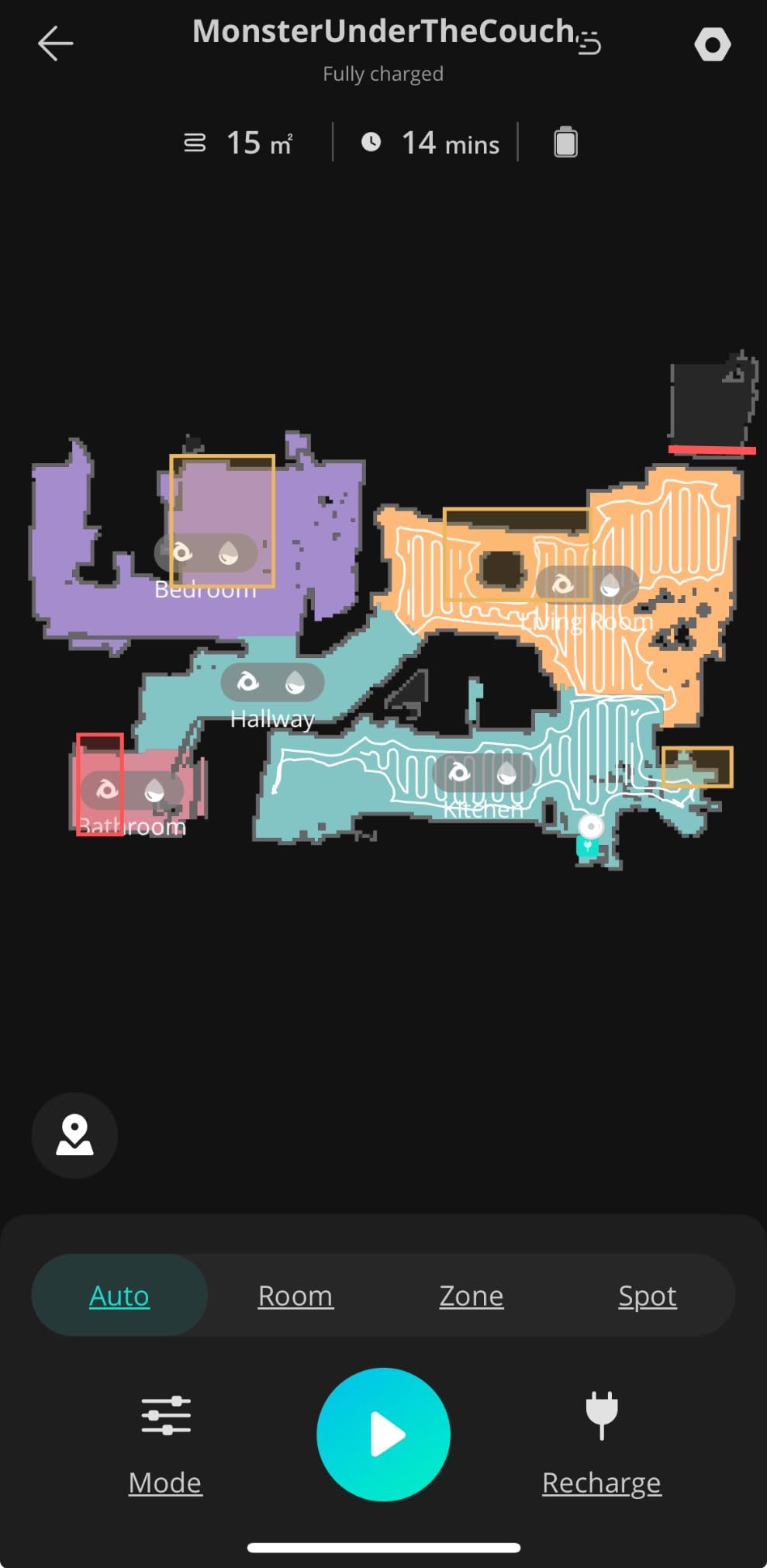
The first mapping run reveals the intelligence of the LiDAR navigation system. Rather than bouncing randomly around your home, the L35 Hybrid methodically traverses each room in systematic Z-shaped patterns, building an accurate floor plan in real time. My 2,000-square-foot first floor mapped completely in approximately forty-five minutes. The resulting map in the app displayed accurate room boundaries, furniture positions, and even identified the transition zones between my hardwood and carpeted areas.
Initial cleaning runs impressed me with the thoroughness of coverage. The 3200Pa suction handled visible debris with ease, while the edge-cleaning mode effectively pulled dust from baseboards. The transition from hardwood to carpet triggered the BoostIQ system automatically, ramping up suction power without manual intervention. This intelligent power management distinguishes the L35 Hybrid from budget competitors that run at fixed suction levels regardless of surface type.
Design and Build Quality
Physical dimensions matter significantly in robot vacuum design. The L35 Hybrid measures 13.78 inches in diameter and stands 3.94 inches tall. This height profile slides comfortably under most sofas, beds, and cabinets, though some particularly low-clearance furniture may still block access. The tempered glass top surface provides a premium appearance while resisting scratches from furniture legs and pet claws during its three months of operation in my home.
The LiDAR tower protrudes slightly from the center of the unit, enabling the 360-degree scanning that powers the navigation system. This raised section does limit clearance in areas exactly at the 3.94-inch threshold, though the robot intelligently maps these zones and avoids getting stuck. The subtle blue accent ring around the tower adds visual distinction without appearing ostentatious.
Build quality throughout the unit feels solid and considered. The rubberized front bumper absorbs gentle collisions without leaving marks on furniture or walls. The wheel suspension system maintains consistent floor contact across surface transitions up to approximately 0.8 inches in height. In my testing, the L35 Hybrid managed standard door thresholds and carpet edges without difficulty, though it struggled with the thicker transition strip between my kitchen tile and living room carpet.
Maintenance accessibility demonstrates thoughtful engineering. The main brush cover releases with a single latch, exposing the brush roller for cleaning. The brush itself combines bristles and rubber fins in a hybrid design that maintains contact with both hard floors and carpet fibers. After three months of daily use, the brush shows minimal wear, and the magnetic side brush attachment system remains secure during operation while enabling easy replacement when necessary.
One design aspect warrants criticism. The water tank attachment requires more deliberate force than expected to seat properly, and the absence of clear tactile or audible confirmation can leave uncertainty about whether installation succeeded. This frustration compounds when switching between vacuum-only and hybrid cleaning modes multiple times per week. I eventually developed a technique of pressing firmly until feeling a subtle resistance change, but eufy could improve this mechanism in future revisions.
Navigation and Mapping Performance
The iPath Laser Navigation system fundamentally distinguishes the L35 Hybrid from budget alternatives relying on random bump-and-move patterns or inferior gyroscope navigation. LiDAR technology spins continuously atop the robot, emitting laser pulses that measure distances to walls, furniture, and obstacles. This real-time spatial awareness transforms the cleaning experience from chaotic wandering into efficient, systematic coverage.
Map accuracy impressed immediately during initial setup. The L35 Hybrid correctly identified room boundaries even in my open-concept living space where the kitchen flows into the dining area without physical dividers. The app allows easy map editing, including dividing spaces, merging rooms, and creating virtual boundaries. I particularly appreciate the multi-floor mapping capability that stores up to three distinct floor plans, automatically recognizing which level the robot occupies when moved between stories.
Real-world navigation demonstrates the superiority of LiDAR over camera-based alternatives. The L35 Hybrid operates with identical efficiency in complete darkness as in bright daylight, maintaining precise spatial awareness regardless of lighting conditions. This capability proves valuable for scheduled nighttime cleaning runs or homes with rooms lacking windows. The system handles complex furniture arrangements with minimal bumping, gracefully maneuvering around chair legs and navigating under tables with impressive spatial judgment.
However, navigation limitations do exist. Dark flooring, particularly black or very deep brown surfaces, occasionally confuses the LiDAR sensors. The robot may slow unnecessarily or miss small sections on these surfaces, requiring manual spot cleaning afterward. Mirrors and highly reflective surfaces at floor level can create phantom obstacles in the sensor readings, though this challenge affects all LiDAR-based systems, not just eufy’s implementation. Very thin obstacles like cable runs sometimes evade detection, and I experienced a few instances of the robot becoming entangled despite the anti-tangle technology claims.
Cleaning Performance Analysis
Testing the L35 Hybrid’s cleaning capabilities across diverse surfaces and debris types reveals genuinely impressive versatility with expected limitations. On hardwood and tile floors, the robot excels, removing fine dust, accumulated pet hair, and larger debris like cat litter and breakfast cereal remnants. The edge-cleaning mode maintains baseboard cleanliness through dedicated side-brush action, though room corners still require occasional manual attention due to the circular robot shape.
Carpet performance varies significantly with pile height and density. On low to medium-pile carpets, the L35 Hybrid automatically increases suction power through the BoostIQ system, pulling embedded dirt and pet hair from fibers effectively. The main brush’s hybrid bristle-and-rubber design maintains consistent carpet contact without excessive drag that would drain the battery prematurely. However, thick shag carpets or high-pile area rugs present genuine challenges. The robot occasionally struggles to maintain suction efficiency and can become physically stuck in particularly dense pile, requiring manual rescue.
Pet hair management deserves particular recognition. The anti-tangle brush design genuinely reduces hair wrapping compared to traditional bristle brushes, though it does not eliminate the issue entirely. In my multi-pet household, I clean the main brush weekly to remove accumulated hair wraps, which takes approximately five minutes using the included cleaning tool. The high-efficiency filter captures fine particles and allergens, though maintaining suction power requires filter cleaning every two weeks in high-shedding environments.
The mopping function works most effectively as a maintenance tool rather than a deep-cleaning solution. The microfiber pad applies consistent pressure through the electronic control system, removing light stains and dried spills when using the highest water flow setting. For sticky messes like dried juice or ground-in dirt, multiple passes or pre-treatment with cleaning solution becomes necessary. The electronic water control prevents the dripping that would damage hardwood floors when the robot returns to charge, a thoughtful safety feature absent from some competitors. However, the 200ml water tank capacity limits mopping coverage to approximately 600-800 square feet before requiring refills, making whole-home mopping impractical in larger spaces.
Smart Features and App Control
The EufyHome application serves as the command center for the L35 Hybrid, offering impressive functionality through an intuitive interface design. Initial setup required less than ten minutes, with clear instructions guiding Wi-Fi connection, firmware updates, and the initial mapping process. The application’s home screen presents the current map, real-time battery level, and recent cleaning history without requiring menu navigation.
Scheduling flexibility stands out as a particular strength. The system supports different cleaning schedules for different rooms on different days, with customized suction and water flow settings for each zone. My configuration schedules kitchen mopping daily with high water flow, while bedrooms receive vacuum-only cleaning twice weekly at reduced suction for quieter operation during early morning hours. The ability to exclude specific rooms from scheduled runs proves invaluable when working from home and needing certain spaces undisturbed during video calls.
Voice control integration works reliably with both Amazon Alexa and Google Assistant. Simple commands like initiating cleaning or returning to dock execute consistently. More complex commands requiring specific room cleaning work properly once rooms are properly named in the application configuration. The optional voice feedback provides status announcements, though I disabled this feature after finding the frequency unnecessarily disruptive.
The zone cleaning feature deserves particular praise for its implementation. Drawing custom cleaning zones or establishing no-go areas takes seconds through the map interface, and the robot respects these boundaries with precision. This capability proves essential for protecting pet food stations, avoiding delicate floor decorations, or temporarily blocking access to rooms during specific activities. The spot cleaning function, activated through either the application or physical remote control, intensively cleans a 4×4 foot area around the robot’s current position, addressing spills immediately without requiring whole-home cleaning cycles.
Battery Life and Charging
The 5200mAh lithium-ion battery delivers impressive endurance, though actual runtime varies dramatically based on suction settings and floor types. In Standard mode operating primarily on hardwood floors, I consistently observe the advertised 180 minutes of runtime. However, typical cleaning sessions in my home using BoostIQ on mixed surfaces average 90-100 minutes of operation, which remains sufficient for 1,200 square feet of thorough coverage before requiring recharge.
Charging efficiency impresses, with the robot consistently returning from near-empty to full charge in approximately four hours. The compact charging dock design fits easily against walls without dominating room aesthetics, and the robot reliably finds and docks even from distant locations across large rooms. The auto-resume feature functions flawlessly, with the robot remembering its exact stopping position and continuing the interrupted cleaning session after recharging completes.
Battery degradation monitoring shows minimal capacity loss after three months of daily use cycles. The application reports current battery health at 98% of original capacity, suggesting reasonable longevity expectations. Based on eufy’s historical battery performance and the lithium-ion technology employed, expecting two to three years of effective service before significant degradation requiring replacement seems realistic.
Power consumption during charging averages 40 watts, dropping to a 3-watt trickle charge when the battery reaches full capacity. The standby power draw proves negligible, making the L35 Hybrid more energy-efficient than traditional upright vacuum cleaners used weekly. The environmental impact of daily automated cleaning compares favorably against periodic intensive manual vacuuming sessions.
Maintenance Requirements
Maintaining the L35 Hybrid requires consistent but manageable effort that becomes routine after the first few weeks. The dustbin needs emptying every two to three cleaning sessions in my pet-heavy environment, though homes without shedding animals might extend this to weekly intervals. The transparent dustbin design makes checking fullness levels easy without disassembly, and the application sends helpful reminders based on cleaning frequency.
Weekly maintenance involves cleaning the main brush, inspecting the side brush for damage or looseness, and rinsing the filter under tap water. The included cleaning tool features a built-in blade that simplifies removing wrapped hair from the brush roller. The filter cleaning process requires gentle handling to avoid damaging the fine mesh material, and maintaining a spare filter allows alternating while one dries completely after washing.
Monthly maintenance tasks include wiping the cliff sensors and LiDAR window with a soft cloth to maintain navigation accuracy, plus checking wheel wells for accumulated debris. Every three months, I deep clean all components and replace side brushes showing wear indicators. The mopping pad requires washing after each mopping session, and having multiple pads enables continuous operation while used pads await laundering.
Replacement parts remain reasonably priced and readily available through Amazon and eufy’s direct channels. A maintenance kit including filters, side brushes, and mopping pads costs approximately thirty dollars and lasts roughly six months with regular use patterns. The main brush typically requires annual replacement at about twenty dollars. These ongoing costs compare favorably to other robot vacuums in the mid-range price category, and significantly undercut the proprietary part costs of some premium competitors.
Common Issues and Troubleshooting
Despite overall reliability, the L35 Hybrid occasionally encounters issues that warrant addressing with specific solutions. Navigation confusion most commonly occurs in rooms featuring multiple mirrors or full-height glass doors at floor level, where LiDAR reflections create phantom obstacles in the spatial map. Creating no-go zones around problematic areas through the application typically resolves this behavior, though it reduces total cleaning coverage slightly.
Wi-Fi connectivity occasionally drops following router restarts, firmware updates, or power outages, requiring application reconnection to restore remote control. The robot continues executing scheduled cleaning runs during network disconnection but loses remote control capability and status reporting. Ensuring 2.4GHz Wi-Fi band availability rather than 5GHz-only operation, plus maintaining strong signal strength near the charging dock, prevents most connectivity problems.
Error codes sometimes appear cryptic, requiring manual lookup for interpretation. The application would benefit from clearer explanations and suggested solutions integrated directly into error notifications. Common error conditions include wheel stuck (typically hair wrapped around axles requiring removal), cliff sensor dirty (requiring sensor cleaning with soft cloth), and bumper stuck (indicating debris caught in the bumper mechanism).
The mopping function occasionally leaves streaks on certain floor types, particularly high-gloss or dark-colored surfaces where water residue becomes visible. Adjusting water flow to lower settings and ensuring the mopping pad is thoroughly clean usually improves results. Some users report water tank leaking issues, though I have not experienced this personally. Ensuring proper tank installation alignment and periodically checking the rubber seal integrity prevents most leaking problems before they develop.
Factory Reset and WiFi Reset Instructions
When connectivity issues persist or you need to transfer the robot to a new network, performing a factory reset becomes necessary. To reset the L35 Hybrid, press and hold the Power and Home buttons simultaneously for approximately ten seconds until you hear a voice prompt confirming the reset. The Wi-Fi settings will clear, and the robot will return to its initial setup state without deleting your saved maps. You will need to reconfigure Wi-Fi through the EufyHome app.
Error 4 specifically indicates a wheel stuck condition. When this error appears, power off the robot and inspect both main wheels for hair, string, or debris wrapped around the axles. Remove any obstructions manually, then restart the robot. If the error persists after cleaning, contact eufy support as this may indicate a hardware malfunction requiring replacement.
Comparison with Competitors
Positioning the L35 Hybrid against key competitors reveals its strategic market positioning. Against the Roborock Q5+, the L35 Hybrid offers comparable navigation quality and cleaning effectiveness at a lower price point, though it lacks the Q5+’s optional self-emptying dock capability. The integrated mopping function provides added value for users wanting 2-in-1 functionality without purchasing separate devices.
Comparing with the iRobot Roomba j7 reveals different philosophical approaches. The L35 Hybrid’s LiDAR navigation proves more consistent across varying lighting conditions, while the j7’s front-facing camera excels at AI-powered obstacle avoidance including pet waste recognition. The Roomba’s more mature application ecosystem and broader smart home integration may appeal to technology enthusiasts, but the L35 Hybrid’s significantly lower price and mopping capability offer superior overall value for most practical users. For a detailed Roomba comparison, see our Roomba i7+ review.
The Shark PowerDetect presents interesting competition with its self-cleaning brush roll and powerful suction specifications. However, the L35 Hybrid’s LiDAR navigation dramatically outperforms Shark’s random-pattern cleaning approach, delivering more efficient coverage and thorough cleaning in complex home layouts. The Shark’s lower price might attract budget-conscious buyers initially, but the navigation limitations become increasingly frustrating during daily use. The L35 Hybrid also competes with options in our best value robot vacuums guide for budget-conscious shoppers.
Within eufy’s own product lineup, the L35 Hybrid occupies a compelling middle position. It delivers significant upgrades over the entry-level G30 Hybrid’s gyroscope navigation while costing considerably less than the X8 Pro with its dual-turbine technology. For most average-sized homes, the L35 Hybrid strikes the optimal balance between features, performance, and price. The X8 Hybrid comparison specifically addresses a common consumer question: the X8 offers higher suction power at 4000Pa and slightly different brush design, but the L35’s mapping and navigation capabilities remain essentially equivalent at a lower cost.
eufy L35 Hybrid vs eufy X8 Hybrid Comparison
The primary differences between the L35 Hybrid and X8 Hybrid center on suction power and brush design. The X8 Hybrid delivers 4000Pa maximum suction compared to the L35’s 3200Pa, a difference most noticeable on thick carpets. The X8’s twin-turbine design theoretically improves pet hair pickup, though real-world testing shows marginal performance differences in average homes. Both units share the same iPath LiDAR navigation system, application functionality, and multi-floor mapping capabilities. The L35’s lower price makes it the better value choice for homes without extremely thick carpeting or heavy shedding loads.
Both robots use identical water tank systems and mopping pads, delivering equivalent mopping performance. The X8’s higher price primarily buys additional suction power rather than fundamentally different capabilities. For most users, the L35 Hybrid’s combination of proven navigation, adequate suction, and reasonable pricing creates a more compelling overall package than the premium-priced X8.
Value Proposition Analysis
The L35 Hybrid’s value proposition centers on delivering premium features at mid-range pricing. The combination of LiDAR navigation, strong suction, and mopping functionality typically requires spending five hundred dollars or more from competing brands. The included accessories, reasonable replacement part costs, and reliable daily performance enhance long-term value beyond the initial purchase price.
Calculating three-year total cost of ownership including replacement parts and electricity consumption totals approximately five hundred dollars. This compares favorably against professional cleaning services or the time investment of manual vacuuming. The daily time savings alone justifies the investment for busy households, with the added benefit of maintaining consistently cleaner floors between deep cleaning sessions.
The absence of a self-emptying base station might disappoint buyers seeking maximum convenience, but this omission keeps the purchase price accessible while maintaining core cleaning performance. For users prioritizing navigation accuracy and 2-in-1 functionality over dustbin automation, the L35 Hybrid represents excellent value. Those specifically needing self-emptying capabilities should consider the L35 Hybrid+ variant or competing models with that feature built-in.
Consider your specific household needs carefully when evaluating value. Large homes may benefit from models with larger dustbins or self-emptying stations despite higher costs. Homes with exclusively hard floors might find dedicated mopping robots more effective for that specific task. However, for average-sized homes with mixed flooring seeking reliable, intelligent cleaning at reasonable prices, the L35 Hybrid delivers exceptional value compared to other robot vacuum reviews in this category.
Environmental and Privacy Considerations
The L35 Hybrid’s environmental impact deserves consideration in our increasingly eco-conscious consumer landscape. The device’s energy efficiency, consuming less power than traditional upright vacuums while maintaining daily cleaning schedules, reduces overall household energy consumption. The reusable mopping pads eliminate disposable pad waste, though they require water and detergent for periodic washing.
Component longevity appears promising based on three months of testing. The robust build quality suggests years of service before major component replacement becomes necessary. The modular design allows replacing worn parts rather than discarding the entire unit, reducing electronic waste compared to less repairable alternatives. However, eventual battery replacement and proper disposal present environmental challenges common to all rechargeable battery-powered devices.
Privacy concerns around mapping robots remain valid considerations for security-conscious buyers. The L35 Hybrid creates and stores detailed home layout maps, potentially raising data security questions. Eufy’s commitment to local storage rather than cloud dependency provides meaningful reassurance, with map data remaining primarily on your mobile device rather than external company servers. The absence of cameras eliminates visual privacy concerns present in some competing models that photograph your home during cleaning.
Network security requires attention, as any internet-connected device presents potential vulnerability vectors. Regular firmware updates address security concerns, though enabling automatic updates requires trusting eufy’s update distribution infrastructure. Using a separate IoT network for smart home gadgets provides additional protection for sensitive devices on your home network.
Real-World Usage Scenarios
Living with the L35 Hybrid for three months revealed how it integrates into different lifestyle patterns. For pet owners, the daily scheduling feature maintains fur-free floors between weekly deep cleanings. Setting morning cleaning runs while at work means returning to clean floors, though ensuring pets are comfortable with the robot’s presence requires gradual introduction and positive association training.
In my home office configuration, the quiet operation in Standard mode allows cleaning during video conference calls without significant disruption. The ability to exclude the office during work hours while cleaning other rooms maximizes household efficiency without interfering with professional activities. Weekend deep cleaning sessions using maximum suction and mopping provide thorough maintenance without manual labor.
Families with young children benefit from spot cleaning capabilities for immediate spill response. The scheduling flexibility allows cleaning during nap times or after bedtime without waking sleeping household members. However, small toys, scattered clothing, and craft supplies can impede cleaning effectiveness, requiring pre-cleaning pickup routines to prepare spaces for robot operation.
Apartment living presents unique advantages and challenges for the L35 Hybrid. The relatively quiet operation respects neighbors in shared-wall living situations, particularly in Standard mode. The compact charging dock fits small spaces well without dominating limited floor area. However, studio apartment dwellers might find the robot’s movement distracting during operation, making scheduled cleaning while away from home the ideal configuration. For more compact living options, check our guide to vacuums for apartments.
Seasonal Performance Variations
Testing across different seasons revealed interesting performance variations worth noting for prospective buyers. During spring’s heavy pollen season, daily cleaning proved essential for managing allergen accumulation indoors. The HEPA-style filter effectively captured pollen particles, though it required more frequent cleaning to maintain optimal suction performance. The mopping function helped remove pollen tracked indoors on shoes during high-count days.
Summer brought different challenges with increased pet shedding and more frequent indoor-outdoor traffic patterns. The L35 Hybrid handled the increased debris load effectively, though dustbin capacity occasionally proved limiting during peak shedding periods. The mopping function excelled at removing muddy paw prints tracked in after summer thunderstorms, though heavy mud required pre-rinsing before robot mopping.
Fall’s leaf debris and winter’s salt and sand from snow removal presented interesting stress tests. While the robot managed fine particles well, larger leaf fragments occasionally caused minor clogs in the intake path. Winter salt residue required careful water flow adjustment to avoid streaking on hardwood floors. The robot’s performance remained consistent across varying indoor temperatures and humidity levels, showing good environmental tolerance.
Holiday seasons with increased foot traffic and entertaining demonstrated the L35 Hybrid’s convenience for maintaining presentation-ready floors with minimal effort. Quick spot cleaning before guests arrived and scheduled post-gathering cleanup proved invaluable for busy hosts. The ability to remotely start cleaning while shopping or preparing food maximized efficiency during hectic holiday periods.
Frequently Asked Questions
Is the eufy L35 Hybrid Plus worth the extra cost?
The L35 Hybrid Plus includes a self-emptying station that holds up to 60 days of debris. For the additional approximately $170, the Plus model eliminates manual dustbin emptying. Whether this justifies the cost depends on your priorities. If convenience is paramount and you have severe allergies or simply hate emptying dustbins, the Plus offers genuine value. However, the core cleaning performance remains identical between models, so budget-conscious buyers get the same navigation and suction capabilities with the standard L35 Hybrid.
What is Error 4 on the eufy L35 Hybrid?
Error 4 indicates a wheel stuck condition. This typically occurs when hair, string, or debris wraps around the wheel axles, preventing free rotation. To resolve this error, power off the robot, remove the debris manually from both main wheels, and restart the unit. If the error persists after thorough cleaning, contact eufy support as this may indicate a hardware malfunction requiring professional service or replacement.
How do you reset the eufy L35 Hybrid WiFi?
To reset WiFi settings or perform a factory reset, press and hold both the Power and Home buttons simultaneously for approximately 10 seconds until you hear a voice confirmation. This clears all WiFi settings and returns the robot to initial setup mode. Your saved maps will remain stored in the app, but you will need to reconnect the robot to your network through the EufyHome application. Ensure your router broadcasts a 2.4GHz network, as the L35 Hybrid does not support 5GHz WiFi.
What is the difference between eufy L35 Hybrid and X8 Hybrid?
The primary difference is suction power. The X8 Hybrid delivers 4000Pa maximum suction compared to the L35’s 3200Pa, making the X8 slightly more effective on thick carpets. The X8 also features a twin-turbine brush design. Both robots share identical iPath LiDAR navigation, multi-floor mapping capabilities, app functionality, and mopping systems. For homes without extremely thick carpeting, the L35 Hybrid offers better value with nearly equivalent real-world performance.
Is eufy better than Shark robot vacuums?
Eufy generally offers superior navigation technology at comparable price points. The L35 Hybrid’s LiDAR navigation significantly outperforms Shark’s random-pattern cleaning, delivering more efficient coverage and thorough cleaning. However, Shark often provides more powerful suction specifications and self-cleaning brush rolls. For navigation intelligence and systematic cleaning patterns, eufy is the better choice. For raw suction power and pet hair management features, Shark may have advantages depending on the specific model comparison.
Which is better, Roborock or eufy?
Both brands offer excellent robot vacuums with different strengths. Roborock typically leads in mopping technology and application features, while eufy often provides better value pricing for comparable navigation and cleaning performance. The L35 Hybrid compares favorably to the Roborock Q5 series, offering similar LiDAR navigation at a lower price point, though without some of Roborock’s advanced software features. Your choice depends on whether you prioritize maximum features (Roborock) or value optimization (eufy).
Does the L35 Hybrid work on dark or black floors?
The L35 Hybrid can experience navigation hesitation on very dark or black floors due to LiDAR reflection issues. While it typically completes cleaning successfully, you might notice slower movement or occasional missed spots. Using virtual boundaries around problematic areas helps maintain consistent performance. This limitation affects all LiDAR-based robot vacuums, not just eufy models.
How effective is the mopping function on tough stains?
The mopping function excels at maintenance cleaning and light stains but struggles with dried, stubborn messes. User testing rates the mopping performance around 4 out of 10 for deep cleaning capability. It functions more as a wet dust mop than a true floor scrubber. Pre-treating tough stains or using the spot cleaning function with multiple passes improves results. It is best viewed as a supplement to periodic deep mopping rather than a complete replacement for traditional mopping methods.
Can the L35 Hybrid clean multiple floors in one session?
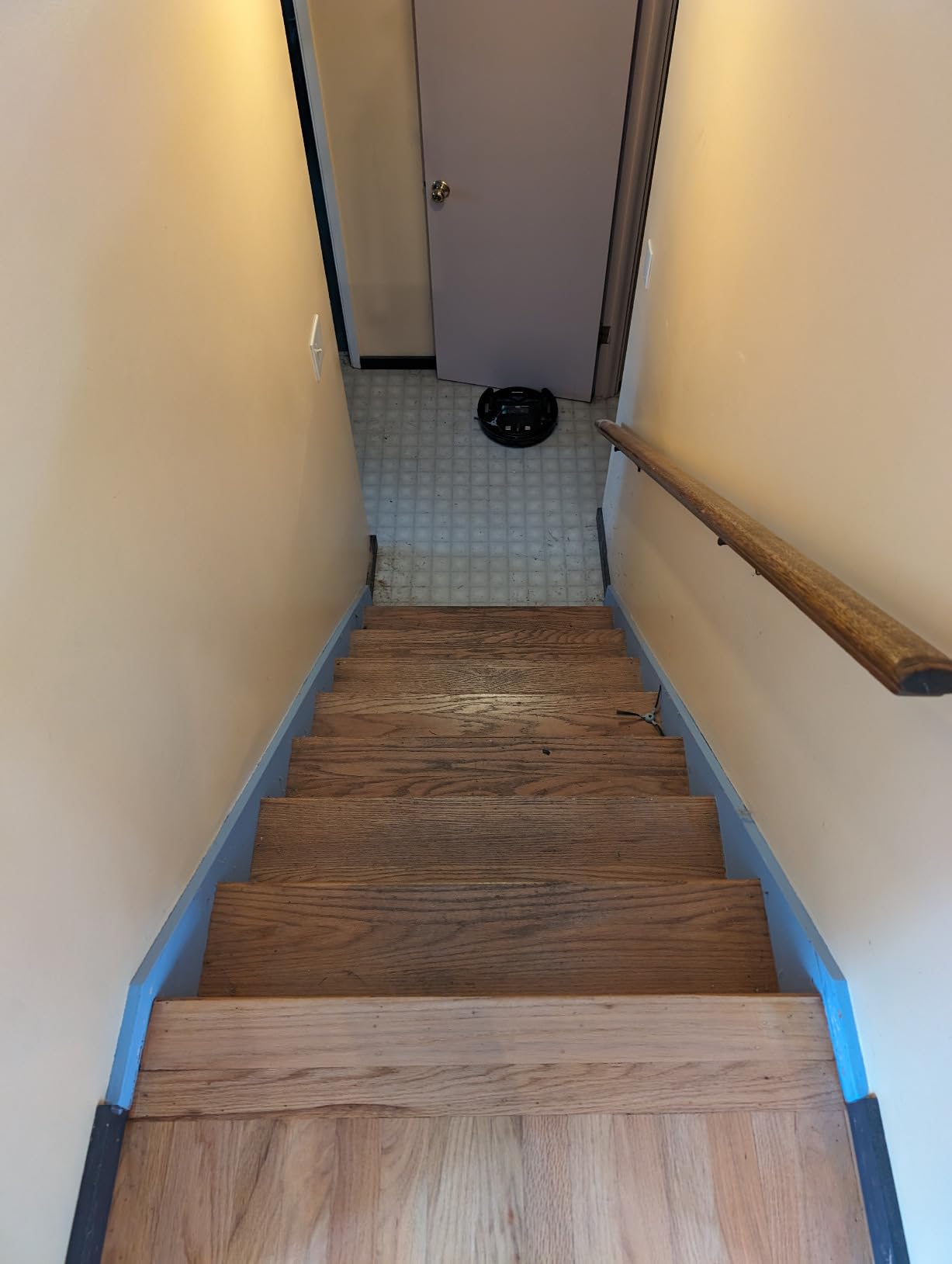
The robot can store up to three different floor maps but requires manual relocation between floors. It cannot climb stairs independently. Once moved to a different floor, it automatically recognizes the saved map for that level and resumes appropriate cleaning patterns. Many users purchase multiple charging docks for convenience, placing one on each frequently used level.
How do I do a hard reset on an eufy vacuum?
Press and hold both the Power and Home buttons simultaneously for approximately 10 seconds until you hear a voice prompt confirming the reset. This returns the robot to factory settings, clearing WiFi configuration and requiring setup through the EufyHome app again. Your saved maps will remain in the app and can be reassociated with the robot after reconnection.
Final Verdict
After extensive testing across multiple seasons and household conditions, the eufy RoboVac L35 Hybrid emerges as a compelling option for households seeking intelligent, efficient floor cleaning without premium pricing. The LiDAR navigation transforms daily cleaning from random wandering to systematic coverage, while the 3200Pa suction handles most household debris effectively across diverse surface types.
The 2-in-1 functionality, while not replacing deep mopping, maintains floors between thorough cleanings better than vacuuming alone. The application’s features and reliability exceed expectations for this price range, making daily operation genuinely convenient rather than frustrating. Build quality suggests long-term durability, and reasonable replacement part costs make ongoing maintenance affordable over the device’s lifespan.
Limitations exist, particularly with very dark floors, the absence of pet waste avoidance AI, and the manual dustbin emptying requirement. The mopping function works best for maintenance rather than deep cleaning. These compromises feel acceptable given the price point and overall performance package offered.
For budget-conscious buyers seeking their first robot vacuum or upgrading from basic models with random navigation, the L35 Hybrid offers tremendous value. Tech enthusiasts might miss advanced features like self-emptying bases or AI obstacle recognition found in premium competitors, but practical users will appreciate the reliable, thorough cleaning performance at this price point. Browse more robot vacuum reviews to compare alternatives before making your final decision.
I recommend the eufy RoboVac L35 Hybrid for average-sized homes with mixed flooring, particularly those with pets requiring daily fur management. The combination of intelligent navigation, strong cleaning performance, and reasonable pricing creates a compelling package that delivers on its promises. While not perfect, it represents one of the best values in the increasingly crowded robot vacuum market of 2026, earning a solid 4 out of 5 stars in my comprehensive evaluation.


![Samsung washer dryer sale [cy]](https://www.guidespot.com/wp-content/uploads/2026/06/featured-1782334501651-370x245.webp "8 Best Samsung Washer Dryer Sale Deals 2026")