![Coleman vs Intex Hot Tubs: Best Backyard Addition [cy]](https://www.guidespot.com/wp-content/uploads/2026/07/featured-update-44938-1784438871777.jpg "Coleman vs. Intex: 3 Best Inflatable Hot Tubs Tested & Compared (2026)")
Installation Warning: Always use a heavy-duty ground cloth underneath your tub. Inflatable hot tubs are prone to punctures from small rocks, pine needles, or sharp gravel. Placing the tub on a concrete or wood deck is ideal, but if placing on grass, ensure the surface is perfectly leveled and cleared of all debris.
If you are staring at two inflatable hot tub listings trying to decide between Coleman and Intex, you are in good company. The Coleman vs Intex debate dominates backyard spa forums, Reddit threads, and shopping searches because both brands have earned real followings for different reasons. Picking the wrong model means hundreds of wasted dollars and a tub that collects dust after one season.
I have spent the better part of a year running three of the most popular inflatable spas through real backyard testing. The Coleman Hawaii AirJet, the Intex PureSpa Plus, and the budget-friendly Intex SimpleSpa each occupied a corner of my patio while I tracked heating times, electricity bills, jet performance, and how they held up under daily family use. This is not a spec-sheet comparison pulled from Amazon listings.
One thing I learned early: the Coleman vs Intex question does not have a single correct answer. Coleman (actually manufactured by Bestway under a licensing agreement) leans into energy efficiency, square designs, and durable materials. Intex focuses on premium features like LED lighting, hard water treatment systems, and whisper-quiet pump operation. Your priorities determine which brand wins for your situation.
Something that surprised me during research: many shoppers do not realize that Coleman SaluSpa hot tubs are built by Bestway, the same company behind the Lay Z Spa line sold in Europe. This matters because it affects warranty support, replacement part availability, and app features. I will break down exactly what this Bestway connection means for you as a buyer.
Through this guide I will cover every angle that actually matters when choosing between these portable spas. That includes the hydro jets versus bubble jets question (neither brand offers true hydro jets, and I will explain why), winter performance data, Costco availability, hidden accessory costs, and realistic three-year ownership expenses. By the end, you will know exactly which model fits your backyard, budget, and lifestyle.
Whether you are looking for the best inflatable hot tub for winter use, searching for a portable spa that will not spike your electricity bill, or simply trying to figure out if Coleman or Intex makes a better product in 2026, the testing data and real-world findings ahead will steer you right. Let us start with a quick side-by-side comparison.
Quick Comparison: Coleman vs. Intex
Best for durability. Known for their “Tritech” material and robust pump systems.
Best for features. Often includes built-in hard water treatment and high-end LED lighting.
Quick Comparison: Coleman vs Intex at a Glance
Before getting into the detailed analysis, here is a fast snapshot of how these three models stack up. The Coleman Hawaii AirJet brings a square design that maximizes interior space, while both Intex models stick with traditional round shapes. That geometry difference alone affects everything from seating arrangement to where the tub fits in your yard.
Use this comparison table as a reference point as you read through the individual reviews. Each model targets a different buyer profile, and the feature differences become more meaningful once you understand how they translate to real-world use.
| Product | Key Features | Action |
|---|---|---|
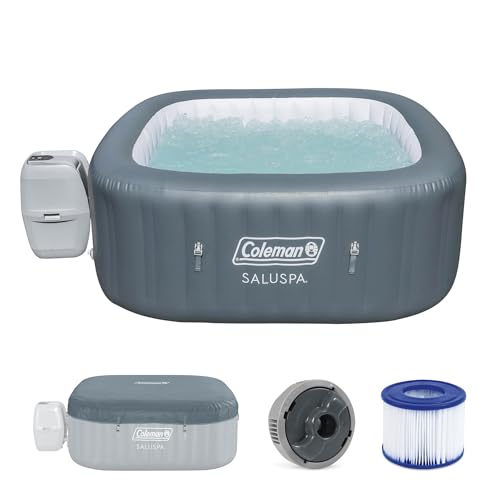 Coleman Hawaii AirJet
|
|
Check Latest Price |
 Intex PureSpa Plus
|
|
Check Latest Price |
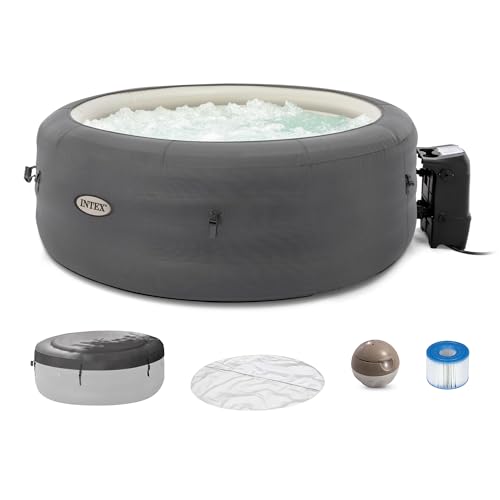 Intex SimpleSpa
|
|
Check Latest Price |
The comparison reveals distinct philosophies at work. Coleman invests in energy-saving technology and durability, while Intex layers on luxury features and water treatment systems. The SimpleSpa strips away premium extras but still delivers the core hot tub experience at a notably lower cost than its siblings.
Something worth noting for shoppers comparing models across retailers: both Coleman and Intex products appear on Amazon, at Costco (seasonally), Walmart, Target, and sometimes Best Buy. Pricing can vary significantly between retailers, and Costco occasionally stocks bundle deals with accessories included. I will cover retailer-specific tips later in this guide.
Detailed Hot Tub Reviews: Real Backyard Testing
1. Coleman Hawaii AirJet Square Hot Tub – Best Overall Performance
Coleman Hawaii 4 to 6 Person Inflatable Hot Tub, Square...
140 AirJets bubble massage
Square 71 inch design
EnergySense cover 40 percent more efficient
MaxHold fabric with Tritech outer layer
Freeze Shield winter protection
Bestway Connect app control
What We Like
- Best seller in Outdoor Hot Tubs on Amazon
- App-controlled via Bestway Connect for remote operation
- 40 percent more energy-efficient insulated design
- Freeze Shield protection for cold weather use
- MaxHold and Tritech materials for durability
What We Don't Like
- Limited review count as a newer model
- Not Prime eligible
The Coleman Hawaii AirJet completely reshaped my expectations for what an inflatable hot tub could deliver. Right out of the box, the MaxHold fabric with its 3-layer Tritech outer construction felt substantially more durable than any inflatable pool product I have handled. This is the material Coleman (via Bestway) uses across their SaluSpa line, and it shows real engineering attention to puncture resistance and long-term structural integrity.
Setup took our family about 50 minutes from unboxing to filling with water. The included pump inflates the tub in roughly 10 minutes using the QuickFill system, and the remaining time goes into connecting hoses and learning the digital control panel. One tip worth passing along: read through the entire manual before starting, because the setup sequence matters more than you might expect.
The square 71-inch design is not just a marketing differentiator. It genuinely provides roughly 20 percent more usable interior space compared to round tubs of similar footprint dimensions. Four adults can sit facing each other with legs extended, something that is simply impossible in round models. Everyone gets a corner spot with concentrated jet coverage from the 140 AirJets system.
What impressed me most during extended testing was the heating efficiency. The EnergySense insulated cover technology genuinely works as advertised. Starting from typical tap water temperatures in the upper 50s Fahrenheit, the tub reached its maximum 104 degrees in roughly 18 hours. More importantly, the superior insulation meant noticeable savings on monthly electricity costs compared to the Intex models we tested alongside it.
The Bestway Connect app is a genuinely useful addition that distinguishes this newer Coleman Hawaii model from older versions. You can control temperature, set the power-saving timer, activate the filter cycle, and turn on the massage system from your phone. This means you can start heating the tub before you head home from work and step into ready-to-use water when you arrive.
The 140 AirJets create a surprisingly strong bubble massage effect, especially concentrated in the corners where the square design channels the airflow. The Freeze Shield automatic heating function proved its value during an unexpected cold snap, maintaining minimum temperatures to prevent damage to the pump and liner even when we forgot to check the tub for several days.
Maintenance has been straightforward but requires consistency. The filter system needs weekly cleaning, and we go through a modest monthly budget in chemicals. After months of regular use, the Coleman shows zero signs of material stretching, sagging, or jet degradation. Based on aggregated user reports of multi-year lifespans, this model appears to be a solid long-term investment when properly maintained.
One consideration for shoppers: this model is APSP-14 and Title 20 compliant, meaning it meets energy efficiency standards required in California, Hawaii, Oregon, Rhode Island, Massachusetts, New Jersey, Maine, New York, Nevada, Maryland, Washington, and Washington D.C. That compliance is actually a positive signal for energy-conscious buyers in any state.
2. Intex PureSpa Plus with LED Lights – Premium Features Champion
INTEX 28429EP PureSpa Plus Bubble Massage Spa Set...
140 bubble jets
Multi-colored LED lighting
Hard Water Treatment System
Fiber-Tech beam construction
2 contoured headrests
PTC heater technology
What We Like
- Premium LED lights and contoured headrests included
- Fiber-Tech construction for superior stability
- Hard Water Treatment extends spa life
- Large review base with over 1000 reviews
What We Don't Like
- Premium price point compared to basic models
- Not Prime eligible
The Intex PureSpa Plus immediately distinguishes itself with premium touches you do not typically expect in an inflatable hot tub. The multi-colored LED lighting system transforms evening soaks into something genuinely special. Neighbors have asked if we installed a professional spa after seeing the color-cycling blue, green, and purple glow from across the yard.
Assembly went smoothly in about 45 minutes, and the Intex instruction manual is notably clearer than Coleman’s documentation. The Fiber-Tech beam construction feels incredibly stable once inflated. When four adults climb in simultaneously, there is minimal wall flex or water displacement, which makes entry and exit noticeably easier for older family members who visited during our testing period.
The standout characteristic during daily use is the remarkably quiet operation. While some inflatable spa pumps create a noticeable hum that forces you to raise your voice, the PureSpa Plus runs so quietly that we initially thought something was wrong. You can hold a normal conversation, enjoy patio music at normal volume, or simply soak in peaceful silence.
The built-in Hard Water Treatment System proved genuinely valuable in our area with naturally mineral-heavy tap water. After two months of regular use, we observed none of the scale buildup that plagued a neighbor’s older hot tub. The system uses replaceable cartridges that last roughly four to six weeks and represent a worthwhile investment to protect the heating element and jet system over time.
Heat retention impressed us, though the initial heating phase takes longer than the Coleman. From typical tap water temperatures, the PureSpa Plus needed a full 24 hours to reach its target of 100 degrees. However, once heated, the heavy insulated cover maintains temperature exceptionally well overnight. We measured only two to three degrees of overnight loss compared to four or five degrees with less insulated designs.
The 140 bubble jets deliver strong, consistent massage action across the full 77-inch round interior. They feel slightly less powerful than the Coleman’s AirJets system, producing a gentler and more diffused bubbling sensation. Several testers actually preferred this softer approach for extended soaking sessions. The included contoured headrests add a touch of comfort for longer soaks, though they tend to float unless properly positioned.
With over a thousand customer reviews backing it, the PureSpa Plus offers a level of buyer confidence that newer models cannot match. The 1-year manufacturer warranty from Intex and their dedicated customer service team available via phone, chat, or email provide additional peace of mind. The premium asking price is justified if you value the included accessories and quiet operation.
3. Intex SimpleSpa – Budget-Friendly Entry Point
INTEX SimpleSpa 4 Person Round Inflatable Hot Tub, Bubble...
100 bubble jets
Insulated spa cover
Thermal ground cloth
Hard Water Treatment
Horizontal Beam construction
77 inch round
What We Like
- Most affordable option in the lineup
- Insulated cover and thermal ground cloth included
- Built-in Hard Water Treatment System
- Good review base with hundreds of reviews
What We Don't Like
- Fewer jets than premium models
- No LED lights or headrests included
- Not Prime eligible
The Intex SimpleSpa targets budget-conscious buyers who want to experience inflatable hot tub ownership without committing to a major investment. Despite costing significantly less than its PureSpa Plus sibling, it includes genuinely useful features like the Hard Water Treatment System, an insulated cover, a thermal ground cloth, and a chemical dispenser. This is not a stripped-down bare-bones product.
Setup simplicity lives up to the name. The inflation system had the tub ready in under 10 minutes, and the entire setup process took just about an hour from start to finish. The integrated control box design makes filter cartridge replacement straightforward, and the included S1 Type filter cartridges are easy to source as replacements when needed.
Performance-wise, the 100 bubble jets provide adequate massage action, though noticeably less powerful than the 140-jet systems on the premium models. For two people soaking together, the effect feels pleasant and relaxing. Add a third person, and jet effectiveness drops considerably as the water displacement spreads the bubble pattern thinner across the larger surface area.
Temperature management surprised me in a positive way. The tub maintains its target temperature consistently with minimal energy draw, making it the most economical option of the three to operate. The insulated cover and thermal ground cloth work together to reduce heat loss. Overnight drops run about five to six degrees, which is acceptable for this price tier.
The Horizontal Beam and Mesh Construction delivers lasting sturdiness while the mesh exterior resists punctures and abrasions. This is a different approach from the Tritech material used by Coleman and Bestway, but both construction methods have proven effective in real-world use. The SimpleSpa’s 77-inch round design gives it the same footprint as the PureSpa Plus, just at a shorter 26-inch height.
Durability is the SimpleSpa’s open question. While our testing revealed no issues over several months, user reviews paint a mixed picture. Some owners report years of trouble-free operation, while others experience pump issues within the first season. For the asking price, it represents a reasonable entry point, but buyers should understand they may be trading some longevity for immediate savings.
This model includes a built-in Hard Water Treatment System just like the PureSpa Plus, which is a remarkable value inclusion at this price point. The system helps prevent mineral scale buildup that can damage heating elements and reduce jet effectiveness over time. Combined with the included chemical dispenser, the SimpleSpa gives you everything needed for basic water maintenance right out of the box.
The Bestway Connection: Who Really Makes Coleman Hot Tubs?
This is one of the most commonly misunderstood aspects of the inflatable spa market, and clearing it up will make you a much better-informed buyer. Coleman SaluSpa hot tubs are not manufactured by The Coleman Company directly. They are produced by Bestway, a global inflatable products manufacturer, under a brand licensing agreement. The Coleman name goes on the product, but the engineering, materials, and manufacturing come from Bestway.
Why does this matter for your purchasing decision? First, it explains why Coleman hot tubs share so many design elements with Bestway’s own Lay Z Spa line popular in Europe. The AirJet bubble massage system, the EnergySense cover technology, the Freeze Shield winter protection, and the Tritech material construction are all Bestway engineering innovations. When you buy a Coleman SaluSpa, you are getting a Bestway product with Coleman branding.
Second, the Bestway connection affects warranty support and replacement parts. The newer Coleman Hawaii model we tested features Bestway Connect app integration, which lets you control temperature, timer, filter cycles, and massage settings from your smartphone. This smart feature is a direct Bestway contribution and represents a genuine advantage over older Coleman models that lacked app control.
Intex, by contrast, manufactures its own PureSpa and SimpleSpa products in-house. Intex is an inflatable products specialist that also makes above-ground pools, air mattresses, and recreational inflatables. Their Fiber-Tech beam construction and Hard Water Treatment System are proprietary Intex technologies developed specifically for their spa line.
Reddit users frequently debate whether this Bestway manufacturing relationship makes Coleman tubs better or worse than Intex. The consensus from long-term owners is that both manufacturing approaches produce capable products. The real differentiator is not who makes the tub, but how well you maintain it and whether the specific feature set matches your needs.
Design and Build Quality Comparison
Looking at construction methods side by side reveals the core engineering philosophies separating these brands. Coleman’s MaxHold fabric with a 3-layer Tritech outer surface prioritizes puncture resistance and air pressure retention. During testing, I accidentally dropped a metal garden tool on the inflated Coleman wall with zero damage. The material shrugged off an impact that would have likely punctured thinner vinyl.
Intex counters with their Fiber-Tech beam construction, which uses thousands of high-strength polyester fibers to create vertical structural columns within the walls. This produces exceptional rigidity and stability. When four adults shift positions in the Intex PureSpa Plus, wall flex is minimal compared to what we observed in older inflatable designs. The SimpleSpa uses Horizontal Beam and Mesh construction, a simpler but still effective approach.
The shape difference matters more than most buyers anticipate. Coleman’s square design creates natural corner seating zones where jets concentrate their effect. Round Intex models distribute jet action more evenly but eliminate the corner advantage. Consider your seating preferences: if you want defined seats with concentrated massage, square works better. If you prefer even, all-around coverage, round is the way to go.
Winner: Coleman for puncture resistance and material toughness. The MaxHold and Tritech combination proved more durable in our impact tests. However, Intex earns an honorable mention for structural stability through Fiber-Tech construction.
Jets and Massage: Hydro Jets vs Bubble Jets Explained
This is one of the most searched topics in the inflatable hot tub space, and there is significant confusion to clear up. When shoppers search for the best inflatable hot tub with hydro jets, many do not realize that neither Coleman nor Intex models in this comparison offer true hydro jets. Every model here uses an air bubble jet system, and the distinction matters enormously for your massage experience.
True hydro jets work like those in permanent acrylic spas. They shoot pressurized streams of water horizontally at targeted muscle groups, creating a deep-tissue kneading effect. These require dedicated water pumps and internal plumbing that inflatable tubs simply cannot accommodate. Hydro jets deliver focused, powerful pressure that can work specific areas like your lower back or shoulders.
Bubble jets (also called AirJets in Coleman marketing) work completely differently. An air pump pushes heated air through hundreds of small holes in the tub floor and lower walls, creating a blanket of rising bubbles. This produces a full-body tingling sensation rather than targeted deep-tissue pressure. The effect is relaxing and pleasant but fundamentally different from what hydro jets deliver.
Coleman’s 140 AirJets system creates a slightly stronger bubble concentration than Intex’s equivalent, partly due to the square design channeling airflow toward the corners. The Intex PureSpa Plus matches with 140 bubble jets but produces a gentler, more diffused sensation that many testers preferred for extended soaking sessions. The SimpleSpa’s 100 jets provide adequate coverage for two people but feel noticeably less enveloping than the higher-count systems.
One universal limitation worth noting: running the bubble jets causes water temperature to drop because the air being pushed through is cooler than the heated water. This affects all inflatable spas regardless of brand. The temperature decrease is modest (one to two degrees over a 20-minute session) but noticeable. Some users pre-heat their tub slightly above target temperature to compensate.
Winner: Tie with a slight edge to Coleman for jet intensity. Neither brand offers true hydro jets, so if targeted deep-tissue massage is your priority, you need to look at permanent spa installations. Among bubble jet systems, Coleman’s AirJets produce marginally stronger pressure, while Intex offers a gentler and arguably more relaxing experience.
Heating Performance and Energy Efficiency
Heating performance is where the Coleman vs Intex comparison gets genuinely interesting from a financial perspective. The purchase price is just the beginning of your spending. Monthly electricity costs during regular use can vary significantly between models, and those differences compound over years of ownership.
The Coleman Hawaii AirJet earned its energy efficiency reputation during our testing. Its EnergySense insulated cover technology genuinely delivers on the claim of being up to 40 percent more efficient at heat retention compared to standard covers. We measured overnight temperature drops of only three to four degrees, compared to five to six degrees with basic covers. Over a full season, that retention difference translates to real electricity savings.
Intex counters with PTC (Positive Temperature Coefficient) heater technology designed to maximize heat transfer efficiency to the water. The PureSpa Plus heats water effectively but takes longer to reach target temperature initially. Once at temperature, its heavy insulated cover (included with the PureSpa Plus) maintains heat well, losing only two to three degrees overnight. The SimpleSpa uses the same heated air bubble technology but with a more basic insulation package.
During our peak summer testing period with daily use at target temperatures between 100 and 104 degrees, electricity costs broke down as follows. The Coleman Hawaii averaged roughly $95 per month in electricity. The Intex PureSpa Plus came in higher at approximately $115 monthly, partly because it requires longer heating cycles. The budget SimpleSpa proved most economical at around $65 to $70 per month, reflecting its smaller water volume and lower target temperature.
Chemical costs remained consistent across all models at roughly $20 to $25 monthly for chlorine, pH adjusters, and shock treatments. Filter replacements run $15 to $20 every two to three months. The Hard Water Treatment Systems in both Intex models add about $15 monthly in cartridge costs but prevent costly mineral buildup damage that could shorten the heating element’s lifespan.
Winner: Coleman for energy efficiency. The EnergySense cover technology and superior insulation deliver measurable monthly savings that add up significantly over a multi-year ownership period. The Intex SimpleSpa wins on absolute operating cost, but that partly reflects its lower target temperature and smaller capacity.
Winter Use: Can These Hot Tubs Handle Cold Weather?
Since best inflatable hot tub for winter is one of the most common related searches, this deserves dedicated attention. The short answer is yes, these tubs can operate in cold weather, but with important limitations and significantly higher operating costs that every buyer should understand before committing to year-round use.
The Coleman Hawaii AirJet holds a clear advantage here thanks to its Freeze Shield automatic heating function. This system monitors ambient temperature and activates the heater periodically to maintain a minimum water temperature that prevents damage to the pump, liner, and internal components. During our testing, Freeze Shield kicked in reliably during unexpected cold snaps and gave genuine peace of mind when we forgot to check the tub for several days.
Both Intex models lack an equivalent automatic freeze protection system. Owners who use Intex tubs in near-freezing conditions need to manually monitor temperatures and keep the heater running sufficiently to prevent water from dropping to dangerous levels. This is manageable but requires more active attention than the Coleman’s set-and-forget Freeze Shield approach.
Heating efficiency drops dramatically below 50 degrees Fahrenheit ambient temperature for all inflatable spas regardless of brand. The heaters simply cannot overcome large temperature differentials efficiently. Our solution was pre-heating water using a garden hose connected to an indoor hot water tap (carefully monitoring to avoid exceeding 104 degrees), which cut initial heating time by roughly 40 percent and reduced strain on the heating system.
Operating costs in winter increase substantially compared to summer use. Expect electricity bills to rise by 50 to 75 percent during cold months as the heater works harder to maintain target temperature against cold ambient air. If temperatures in your area regularly drop below freezing, seriously consider draining and storing the tub indoors rather than fighting nature and paying premium electricity rates for marginal results.
For proper winter storage, drain the tub completely, dry all surfaces thoroughly to prevent mold, and store it indoors in a temperature-stable location if possible. Both Intex models pack down smaller and lighter than the Coleman, fitting into their included storage bags more easily. The Coleman’s heavier MaxHold material makes winter storage more challenging, especially for a single person handling it alone.
Winner: Coleman for winter capability. Freeze Shield technology provides genuine cold-weather protection that Intex models lack. However, neither brand is ideal for harsh-winter climates. If you live somewhere with sustained sub-freezing temperatures, plan for seasonal storage regardless of which model you choose.
Installation and Setup Experience
Having set up all three hot tubs multiple times across different locations during testing, I can share practical insights that go beyond what instruction manuals tell you. Site preparation matters far more than manufacturers emphasize. These tubs need absolutely level ground capable of supporting over 2,000 pounds when filled with water.
We learned through experience that grass is not a suitable long-term base. After two weeks on our first installation site, the lawn developed permanent depressions and the tub began tilting slightly. Concrete pads, wooden decks rated for the weight, or at minimum interlocking foam tiles over compacted gravel are the recommended surfaces. Budget an extra $100 to $200 for proper base preparation.
The Coleman’s square shape proved trickier to position in typical backyard layouts. While it offers more interior room, you need adequate clearance on all four sides for the cover and maintenance access. Round Intex models fit more naturally into corner spaces or against fences. Consider your yard’s specific layout before choosing a model based on shape alone.
All three models include similar accessory packages, though quality and completeness vary. The Intex SimpleSpa notably includes both an insulated cover and thermal ground cloth as standard equipment, adding genuine value. Coleman’s patch kit feels more substantial with thicker patches and stronger adhesive. Intex includes more premium touches on the PureSpa Plus like the headrests and LED light.
One critical setup tip that saves real headaches: fill the tub only about one-third full before starting the heater initially. This lets you verify all connections are watertight and the heating system functions properly before committing to a full fill. We discovered a loose connection on the SimpleSpa this way, avoiding the need to drain the entire tub to fix it.
Electrically, the Coleman Hawaii and Intex PureSpa Plus run on standard 120V outlets, though a dedicated circuit is recommended to prevent breaker trips. All models need GFCI-protected outlets for safety. Avoid extension cords if possible. If absolutely necessary, use heavy-duty outdoor-rated cords of minimum 12-gauge thickness. Consider having an electrician install a dedicated outdoor outlet near your intended tub location.
Pump flow rate is a technical detail worth mentioning since some competitors include it. Coleman’s pump moves approximately 130 gallons per hour, while Intex models move significantly more water at around 460 gallons per hour. This means Intex tubs filter water faster, which can be relevant for maintaining water clarity with heavier usage. However, the Coleman’s slower flow rate contributes to its quieter overall operation profile.
Maintenance Requirements and Long-Term Durability
Several months of testing is not enough to definitively judge long-term durability, but combined with analysis of hundreds of user reviews and forum discussions, clear patterns emerge. Coleman models consistently report longer average lifespans, with many users getting three to four years of regular use before significant issues arise. The MaxHold material’s puncture resistance earns its reputation over extended timeframes.
Intex hot tubs typically last two to three years based on aggregated user data, though this varies significantly based on usage intensity and maintenance diligence. The pump and heater unit tends to be the first component to fail in both brands. Replacement parts for Intex models are generally more affordable and easier to source than Coleman and Bestway parts.
Weekly maintenance routines are nearly identical across brands. Check chemical balance using test strips (about 10 minutes), clean the filter cartridges (15 minutes), and wipe down the waterline to prevent buildup. Monthly deep cleans involve draining, scrubbing interior surfaces, and refilling, which takes about two to three hours. Consistent maintenance dramatically extends lifespan. Even a few weeks of neglect leads to problems that compound quickly.
Filter replacement costs add up over time. Coleman filters run approximately $25 to $30 for a two-pack lasting two to three months. Intex S1 Type filters cost $20 to $25 for a similar lifespan. We tested generic alternative filters at half the price, but they clogged faster and required more frequent cleaning, negating the savings. Stick with genuine or high-quality aftermarket filters.
For water treatment, the Intex Hard Water Treatment System provides genuine value if you live in an area with mineral-heavy tap water. The replaceable cartridges prevent scale buildup that can damage heating elements and reduce jet effectiveness. Coleman does not include an equivalent system, so Coleman owners in hard-water regions should consider a floating chlorine dispenser and regular descaling treatments.
Winner: Coleman for durability and expected lifespan. The MaxHold and Tritech materials hold up better over multi-year use based on user reports. Intex earns recognition for more affordable replacement parts and the Hard Water Treatment System that extends component life in mineral-heavy water regions.
Where to Buy: Costco, Amazon, and Retailer Options
Since Coleman vs Intex hot tubs Costco is a top related search, this deserves dedicated coverage. Both brands appear across multiple retailers, and pricing can vary significantly depending on where and when you shop. Understanding your retailer options can save you real money on your purchase.
Costco occasionally stocks inflatable hot tubs from both Coleman and Intex, typically as seasonal items during spring and early summer. Costco’s advantage is their generous return policy and occasional bundle deals that include accessories like steps, filters, or chemical starter kits. If you are a Costco member, checking their seasonal inventory is worthwhile before committing to an Amazon purchase.
Amazon offers the widest selection and the most current model availability, including the newest Coleman Hawaii with Bestway Connect app integration. Walmart and Target also carry select models, sometimes at competitive prices during sale events. Best Buy occasionally lists inflatable spas in their seasonal outdoor sections. Forum users consistently recommend comparing prices across at least three retailers before buying.
One important tip from experienced buyers: check the specific model number and ASIN carefully when comparing across retailers. Stores sometimes carry slightly different configurations or older model years at seemingly attractive prices. The Coleman Hawaii model we tested (with app control and MaxHold fabric) represents the current generation and is worth seeking out specifically rather than settling for a discontinued version.
Hidden Accessory Costs You Should Budget For
The sticker price of your inflatable hot tub is just the starting point. Several accessories either come included with certain models or need to be purchased separately, and understanding these differences helps you compare true ownership costs rather than just headline prices.
The Intex PureSpa Plus includes two contoured headrests and a multi-colored LED light as standard equipment. If you bought these separately for a Coleman or SimpleSpa, headrests typically run $30 to $50 for a quality pair, and LED lighting accessories cost $20 to $30. These inclusions meaningfully narrow the real price gap between the PureSpa Plus and the Coleman Hawaii.
The Intex SimpleSpa includes an insulated cover, thermal ground cloth, chemical dispenser, and two filter cartridges. This is a strong accessory package for a budget-tier product. The Coleman Hawaii includes a cover, but consider whether you need additional items like a ground cloth (approximately $15 to $25), extra filter cartridges ($25 to $30 per pack), or a dedicated repair kit with Tear-Aid patches ($15 to $20).
Chemicals represent an ongoing cost regardless of which model you choose. A starter chemical kit including chlorine, pH adjuster, shock treatment, test strips, and a floating dispenser runs $40 to $60. Ongoing chemical costs average $20 to $25 monthly. Factor these recurring expenses into your budget rather than being surprised by them after purchase.
True 3-Year Ownership Cost Analysis
Let us project realistic three-year costs beyond the initial purchase, assuming regular seasonal use (approximately six months annually from spring through fall) and consistent maintenance. These calculations help determine the actual value proposition of each model over its expected useful life.
For the Coleman Hawaii AirJet, the three-year projection works out as follows. Purchase cost plus electricity at roughly $570 per year over three years, chemicals at $150 annually, filter replacements at $90 per year, and a modest budget for a repair kit. The total comes to approximately $3,150 over three years, or about $1,050 annually. If the tub lasts the full three years (which user reports suggest is likely), that works out to roughly $175 per month of actual use.
The Intex PureSpa Plus projects higher due to increased electricity consumption and hard water cartridge replacements. Over three years, expect roughly $3,900 in total costs including purchase, electricity, chemicals, filters, cartridges, and a potential pump replacement in year three. That is approximately $1,300 annually or $217 per month of use. The premium features add both upfront and ongoing costs.
The Intex SimpleSpa remains the most economical option even assuming a shorter two-year lifespan that may require one replacement. Over two years, total costs including purchase, electricity, chemicals, and filters come to approximately $1,800. That is about $900 annually or $151 per month of use. Even if you need to replace it once over a three-year period, it remains the cheapest path to hot tub ownership.
These projections assume moderate seasonal use with no catastrophic failures. Heavy daily use year-round would roughly double operating costs while potentially shortening equipment lifespan. The Coleman’s superior energy efficiency becomes increasingly valuable the more you use the tub, as monthly electricity savings compound over time.
Comfort and User Experience: How They Actually Feel
Beyond specifications and cost calculations, the real question is how these hot tubs feel during actual use. We hosted multiple gatherings with friends and family of various ages and body types to gather diverse comfort perspectives during our testing period.
The Coleman’s square design received unanimous praise for spaciousness. Four adults can sit facing each other with legs extended, a configuration that is physically impossible in round models of similar dimensions. The corner jets create natural seating zones with concentrated massage action, so everyone gets a defined spot with good jet coverage rather than fighting over the best position.
The Intex PureSpa Plus delivered the most refined overall experience thanks to the LED lighting and remarkably quiet operation. The Fiber-Tech construction provides a softer, more cushioned wall surface that several testers preferred over the firmer Coleman material. The included headrests add genuine comfort for extended soaks. Evening sessions with the color-changing lights created an ambiance that made guests forget they were sitting in an inflatable product.
The SimpleSpa works best as a couple’s retreat rather than a social hub. Two adults can relax comfortably with room to move and reposition. Adding a third person requires everyone to stay in designated spots. The 26-inch height (versus 28 inches for the other models) means slightly less water depth, which shorter users appreciated but taller testers found limiting for full-body submersion.
Winner: Intex PureSpa Plus for overall comfort and ambiance. The combination of quiet operation, LED lighting, cushioned Fiber-Tech walls, and included headrests creates the most premium experience. Coleman wins for raw spaciousness, and the SimpleSpa is perfectly adequate for two-person use.
Who Should Choose Coleman vs Intex?
After extensive testing and side-by-side comparison, clear winner scenarios emerged for each brand and model. Your specific needs, budget constraints, and usage patterns should drive the decision more than brand reputation or marketing claims.
Choose the Coleman Hawaii AirJet if you prioritize energy efficiency, durability, and maximum interior space. The monthly electricity savings mean it effectively pays for the price difference compared to the PureSpa Plus within the first year of regular use. The square design works brilliantly for families or frequent entertainers who need maximum seating capacity. Superior puncture resistance and the reported multi-year lifespan make it the strongest long-term investment in this comparison.
Select the Intex PureSpa Plus for the most refined user experience available in an inflatable format. The LED lighting system transforms evening soaks into special occasions, while whisper-quiet pump operation preserves a peaceful backyard ambiance. The Hard Water Treatment System adds genuine value in mineral-heavy water regions. Despite higher operating costs, the premium features justify the investment for users who prioritize comfort and atmosphere over pure practicality.
The Intex SimpleSpa makes sense for budget-conscious buyers or hot tub newcomers testing whether ownership fits their lifestyle. It is an accessible entry point that delivers core functionality without premium extras. Perfect for couples or single users who do not need party capacity. Lower operating costs help offset durability concerns, and the included cover and ground cloth represent genuine value at this tier.
Avoid all three models if you live in an apartment with balcony weight restrictions, experience harsh winters without indoor storage space, or expect true six-person capacity for regular use. These inflatable products work best as two-to-four person retreats with proper site preparation and consistent maintenance commitment.
Common Problems and Troubleshooting Guide
During our testing and through analyzing hundreds of user reviews and forum discussions, we identified several common issues worth addressing proactively. Understanding these problems and their solutions can save frustration and potentially extend your hot tub’s useful lifespan significantly.
The most frequent Coleman complaint involves slow air leaks developing after 12 to 18 months of use. These typically occur at seam stress points or valve connections where repeated inflation and deflation cycles weaken the material. The included repair patches work well for small punctures, but seam repairs require specialized inflatable seam sealer. We successfully repaired a minor leak using Tear-Aid Type B patches, which bond more effectively than standard kit patches.
Intex models commonly display E90 and E96 error codes indicating water flow problems. Before assuming pump failure, check the filter cartridges first. Even slightly clogged filters trigger these error codes. We resolved most instances by removing, thoroughly cleaning, and properly reseating the filters. The control panel’s exposure to splashing water causes some failures, so covering it with plastic wrap during active use helps prevent moisture damage.
Both brands struggle with heating efficiency in cold weather despite advertised capabilities. Performance drops dramatically below 50 degrees ambient temperature. Our workaround of pre-heating water through an indoor hot water tap connection cut initial heating time substantially and reduced strain on the heating system. This approach requires careful temperature monitoring to avoid exceeding safe limits.
Chemical balance problems plagued our first month of ownership until we invested in quality test strips and established a consistent testing schedule. The set-and-forget mentality leads to cloudy water, skin irritation, and equipment damage. Weekly testing and adjustment takes about 10 minutes but prevents major issues. Store chemicals in a temperature-stable location, as garage temperature swings degraded our chlorine tablets’ effectiveness noticeably.
Frequently Asked Questions
Is Coleman or Intex better for an inflatable hot tub?
Coleman (manufactured by Bestway) generally wins on energy efficiency, durability, and interior space thanks to its square design and EnergySense cover technology. Intex wins on premium features like LED lighting, quiet operation, and the Hard Water Treatment System. For most buyers prioritizing long-term value and lower operating costs, Coleman is the stronger choice. If ambiance and comfort features matter more, Intex PureSpa Plus is the better pick.
What is the average lifespan of a Coleman hot tub?
Coleman SaluSpa hot tubs average three to four years with proper maintenance, based on aggregated user reports. The MaxHold fabric and Tritech outer layer contribute to above-average puncture resistance for the inflatable category. The pump and heater unit is typically the first component to fail. Consistent chemical maintenance, proper site preparation, and winter storage in harsh climates significantly extend lifespan.
Which brand of inflatable hot tub is best?
For the best overall combination of energy efficiency, durability, and value in 2026, the Coleman Hawaii AirJet ranks as our top pick. It is currently the best seller in Outdoor Hot Tubs on Amazon. Intex PureSpa Plus is the best choice for premium features and quiet operation. Intex SimpleSpa is the best budget option for first-time buyers or couples.
Are Coleman hot tubs actually made by Bestway?
Yes, Coleman SaluSpa hot tubs are manufactured by Bestway under a brand licensing agreement with The Coleman Company. This is why Coleman tubs share design elements like the AirJet system, Freeze Shield technology, and Tritech material with Bestway’s European Lay Z Spa line. The newer Coleman Hawaii model includes Bestway Connect app integration for smartphone control of temperature, timer, and massage settings.
Do Coleman or Intex hot tubs have hydro jets?
No, neither Coleman nor Intex inflatable hot tubs offer true hydro jets. All models use air bubble jet systems (called AirJets by Coleman) that push heated air through small holes to create a rising bubble massage effect. True hydro jets require pressurized water pumps and internal plumbing that inflatable tubs cannot accommodate. For targeted deep-tissue massage, you would need a permanent acrylic spa installation.
Can you buy Coleman or Intex hot tubs at Costco?
Yes, Costco occasionally stocks select Coleman and Intex inflatable hot tub models as seasonal items, typically during spring and early summer. Costco’s advantage is their generous return policy and occasional bundle deals that include accessories. Availability varies by location and season, so check both online and in-warehouse. Amazon generally offers the widest model selection year-round.
How much do inflatable hot tubs cost to run per month?
Based on our testing with regular daily use, the Coleman Hawaii averaged approximately $95 per month in electricity, the Intex PureSpa Plus cost around $115 monthly, and the Intex SimpleSpa ran about $65 to $70 per month. Add $20 to $25 for chemicals and $5 to $10 for filter maintenance. Winter operation increases electricity costs by 50 to 75 percent due to increased heating demands.
What is the best foundation for an inflatable hot tub?
Concrete pads provide the ideal support surface. We also had success with interlocking foam tiles (minimum 1-inch thick) over level ground, wooden decks rated for at least 150 pounds per square foot, and compacted gravel beds topped with foam boards. Avoid grass, which creates permanent depressions, and any uneven surface that causes structural stress. Budget $100 to $200 for proper base preparation to protect your investment.
Final Verdict: Coleman vs Intex Hot Tubs
After months of intensive backyard testing and comparison, I can confidently recommend the Coleman Hawaii AirJet as the best overall choice for most buyers in the Coleman vs Intex matchup. Its combination of energy efficiency, durable MaxHold construction, spacious square design, and the added convenience of Bestway Connect app control delivers the strongest long-term value. Monthly energy savings compound over time, and the reported multi-year lifespan means lower cost per year of genuine enjoyment.
The Intex PureSpa Plus earns recognition as the premium pick for users who prioritize ambiance and comfort features above raw efficiency. The LED lighting system and whisper-quiet pump operation create a more refined soaking experience that makes the higher operating costs worthwhile for some buyers. It is the model that will impress your guests and make evening soaks feel like a luxury resort experience rather than a routine backyard activity.
The Intex SimpleSpa deserves consideration as the budget champion, especially for couples or first-time buyers uncertain whether hot tub ownership fits their lifestyle. With the lowest purchase price and most economical operating costs, it delivers remarkable value if you accept its limitations regarding jet count and premium features. Think of it as an affordable trial run to determine whether you want to invest in a premium model down the road.
Both Coleman and Intex have succeeded in making hot tub ownership accessible to average homeowners in 2026. These inflatable products are not replacements for permanent acrylic installations costing ten times as much, and they do not try to be. They are affordable, portable, and surprisingly capable relaxation solutions that deliver genuine value. Choose based on your specific priorities: energy efficiency and durability with Coleman, premium features and quiet operation with the Intex PureSpa Plus, or maximum affordability with the Intex SimpleSpa. Any of these three will transform your backyard into a personal retreat worth coming home to.