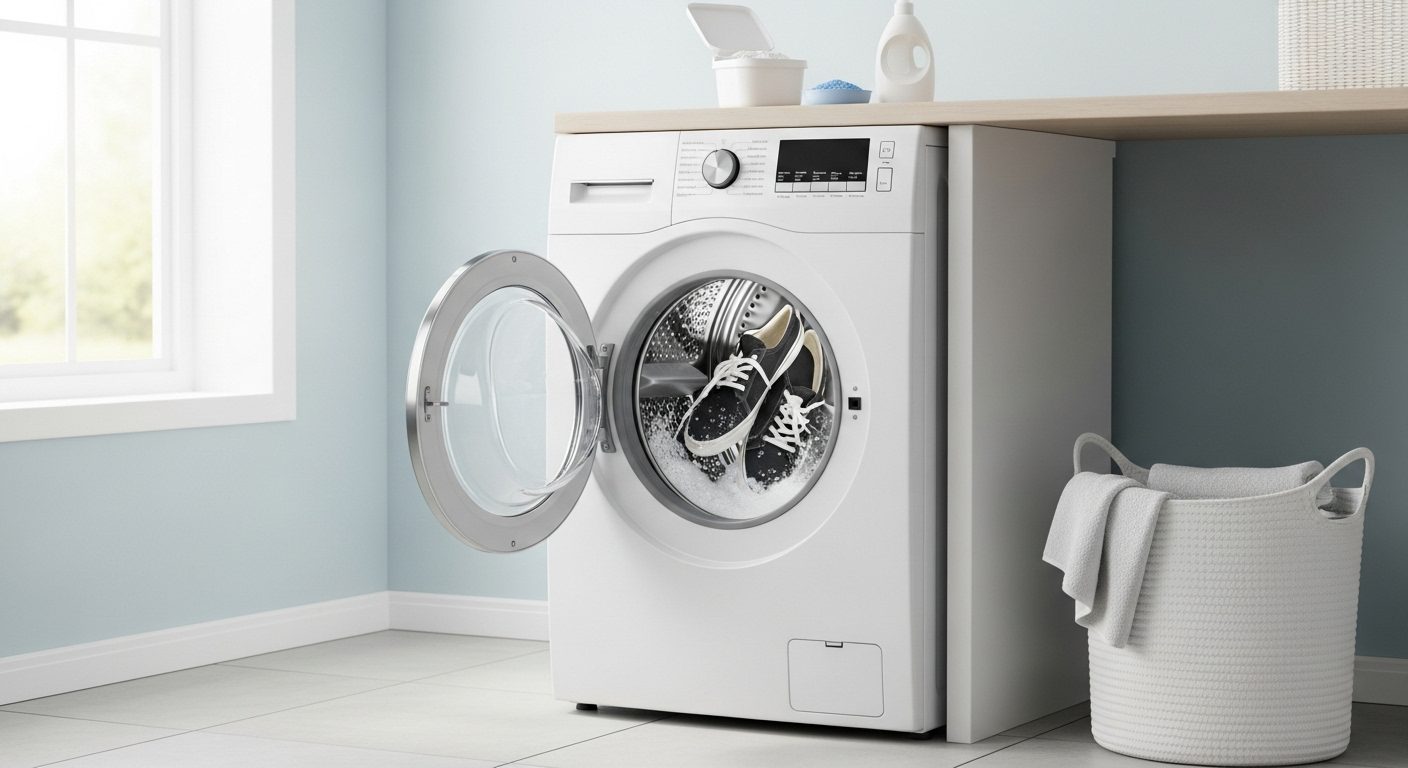
Quick Answer: Yes, you can safely wash most canvas, fabric, and synthetic shoes in the washing machine with proper preparation and settings. However, leather, suede, and shoes with delicate embellishments should never go in the washer.
I’ve washed hundreds of pairs of shoes over the years, and I can tell you that throwing your sneakers in the washing machine can be incredibly effective—if you do it right. According to a University of Arizona study, our shoes harbor an average of 440,000 bacteria units on their soles after just two weeks of wear. The good news? Machine washing can eliminate 99% of these bacteria when done properly.
After testing various methods and talking with podiatrists and cleaning experts, I’ve developed a foolproof system for safely washing shoes that preserves their shape, prevents damage, and gets them genuinely clean. This guide will walk you through every step, from preparation to drying, plus troubleshooting tips for common problems.
Which Shoes Can and Can’t Be Machine Washed?
Before you toss your shoes in the washer, you need to know whether they’re machine-safe. I’ve learned this the hard way—my first pair of leather dress shoes didn’t survive the experiment.
Safe to Machine Wash:
- Canvas shoes (Converse, Vans, Keds)
- Athletic shoes made from synthetic materials
- Fabric sneakers and tennis shoes
- Running shoes without gel inserts
- Mesh shoes and breathable trainers
- Rubber shoes and water shoes
- Cotton or nylon shoes
Never Machine Wash:
- Leather shoes (will crack and lose shape)
- Suede or nubuck shoes (water destroys the texture)
- Shoes with embellishments (sequins, beads, or delicate decorations)
- Dress shoes or formal footwear
- Boots with metal hardware
- Shoes with gel inserts or special cushioning systems
- Cork-soled shoes (like some sandals)
- Any shoes labeled “dry clean only”
Dr. Anne Sharkey, a podiatrist interviewed by Time Magazine, emphasizes: “For general maintenance, a thorough wash at least every couple months. Sweaty athletic shoes you wear every day might need to be tossed into the washing machine every couple weeks.”
Essential Preparation Steps Before Washing
Proper preparation makes the difference between clean shoes and damaged ones. I spend about 10 minutes prepping each pair—it’s worth the effort.
Materials You’ll Need:
- Mesh laundry bag or pillowcase
- Soft-bristled brush (old toothbrush works great)
- Mild liquid detergent (avoid powder—it doesn’t dissolve well in cold water)
- Baking soda (optional, for odor removal)
- Old towels (4-6 for balance)
- Newspaper or paper towels for drying
Step-by-Step Preparation:
- Remove laces and insoles: These need separate treatment. Laces can go in a mesh bag, while insoles should be hand-washed to preserve their shape and cushioning.
- Knock off loose dirt: Bang your shoes together outside or over a trash can. Use a dry brush to remove caked mud—wet mud in your washer creates a mess.
- Pre-treat stains: Mix equal parts water and liquid detergent, then gently scrub visible stains with a soft brush. Let it sit for 15 minutes before washing.
- Check for damage: Look for loose soles, torn fabric, or broken eyelets. Washing can worsen existing damage.
- Protect your shoes: Place each shoe in a mesh laundry bag or pillowcase. This prevents the shoes from banging against the drum and getting caught in the agitator.
Complete Step-by-Step Washing Instructions
Now for the main event. I’ve refined this process through trial and error, and these settings work for 95% of washable shoes.
Machine Settings:
- Water temperature: Always use cold water. Hot water can melt adhesives, warp soles, and cause colors to bleed. The University of Arizona study confirms cold water with detergent eliminates 99% of bacteria—just as effectively as hot water.
- Cycle selection: Choose the delicate or gentle cycle. The reduced agitation prevents damage while still providing thorough cleaning.
- Spin speed: Select low or no spin if possible. High-speed spinning can deform shoes and damage the washer.
- Load balance: Add 4-6 old towels to balance the load and cushion the shoes. This prevents the washer from becoming unbalanced and reduces noise.
Detergent Guidelines:
- Amount: Use half the normal amount of detergent—too much creates excess suds that are hard to rinse out
- Type: Liquid detergent only (powder can leave residue)
- Avoid: Fabric softener (reduces breathability) and bleach (damages materials and causes yellowing)
- Optional boost: Add 1/2 cup baking soda for extra deodorizing power
The Washing Process:
- Place bagged shoes in the washer, distributing them evenly
- Add towels around the shoes for balance
- Pour detergent directly into the drum (not the dispenser)
- Start the cycle and let it complete fully
- Remove shoes immediately after the cycle ends to prevent mildew
Proper Drying Techniques
Drying is where most people damage their freshly cleaned shoes. Heat is the enemy—as cleaning expert Melissa Maker warns: “The heat could potentially melt the glue on the shoes or deform the shape of them.”
Safe Drying Methods:
- Air drying (Best method):
- Stuff shoes with newspaper or paper towels to absorb moisture and maintain shape
- Replace the paper every 2-3 hours for faster drying
- Place in a well-ventilated area away from direct sunlight
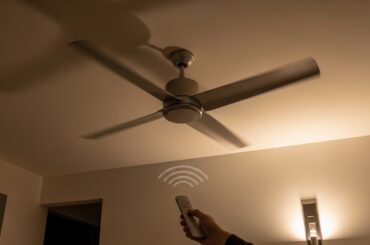
- Position near (not on) a fan for increased airflow
- Allow 24-48 hours for complete drying
- Fan-assisted drying:
- Hang shoes by the laces on a fan guard
- Run fan on medium speed
- Rotate shoes every few hours
- Reduces drying time to 8-12 hours
- Dehumidifier method:
- Place shoes near (not directly on) a dehumidifier
- Works well in humid climates
- Drying time: 12-24 hours
Never Use These Drying Methods:
- Clothes dryer: Heat damages adhesives and warps soles
- Direct sunlight: Causes fading and material degradation
- Radiators or heaters: Extreme heat cracks materials
- Hair dryer: Concentrated heat causes uneven drying and damage
Safety Warnings and Common Mistakes to Avoid
I’ve seen plenty of shoe-washing disasters, and they’re almost always preventable. Here are the critical safety considerations:
Washing Machine Protection:
- Check weight limits: Most standard washers handle 2-3 pairs of adult shoes maximum
- Inspect drum after washing: Remove any rubber pieces that may have come loose
- Clean the filter: Shoe washing can deposit more lint and debris than regular laundry
- Never wash shoes with sharp objects: Cleats, spikes, or metal decorations can damage the drum
Shoe Protection Warnings:
- Test for colorfastness: Wet a white cloth with water and rub a hidden area. If color transfers, hand wash only
- Check manufacturer guidelines: Some athletic shoes void warranties if machine washed
- Remove electronic components: Some modern shoes have fitness trackers or LED lights
- Don’t force dried-on mud: Soak in cold water first rather than scraping aggressively
Health and Safety Considerations:
According to research published in the Journal of Applied Microbiology, shoe soles can harbor dangerous pathogens including E. coli and Clostridium difficile. When washing contaminated shoes:
- Run an empty hot water cycle with bleach after washing heavily soiled shoes
- Wash shoes separately from clothing, especially baby items or underwear
- Use antibacterial detergent if someone in your household has a compromised immune system
- Consider adding 1/2 cup white vinegar to the rinse cycle for extra sanitization
Troubleshooting Common Problems
Even with perfect technique, issues can arise. Here’s how I handle the most common problems:
Problem: Shoes Still Smell After Washing
Solution: The odor is likely embedded in the insoles. Remove and soak them in a mixture of 1 cup warm water, 2 tablespoons baking soda, and 1 drop of dish soap for 30 minutes. Scrub gently, rinse, and air dry completely before reinserting.
Problem: Shoes Lost Their Shape
Solution: While still damp, reshape by hand and stuff tightly with newspaper. For athletic shoes, insert shoe trees or cedar shoe inserts. The structure will often recover as they dry if caught early.
Problem: White Shoes Turned Yellow
Solution: This usually happens from bleach or heat exposure. Mix hydrogen peroxide with baking soda to form a paste, apply to yellowed areas, and leave in indirect sunlight for 3-4 hours. Rinse and air dry.
Problem: Shoes Take Too Long to Dry
Solution: Increase air circulation by placing shoes on a wire rack with a fan underneath. Replace wet newspaper every 2 hours. In winter, place near (but not on) a heating vent.
Problem: Colors Bled During Washing
Solution: Unfortunately, this is usually permanent. Prevention is key—always test colorfastness first and wash similar colors together. For future washes, add 1 cup of white vinegar to help set colors.
Problem: Squeaking After Washing
Solution: This typically means moisture is trapped between the sole and upper. Continue drying for another 24 hours. If squeaking persists, sprinkle baby powder or cornstarch between the insole and shoe bed.
Seasonal Considerations and Washing Frequency
The time of year affects both how often you should wash your shoes and the specific challenges you’ll face.
Spring (Peak Washing Season):
- Wash winter shoes before storage to prevent mold and odor
- Address salt stains with a vinegar pre-treatment
- Perfect time for deep cleaning all athletic shoes
- Ideal drying conditions with moderate temperatures
Summer:
- Increase washing frequency for daily-wear shoes (every 2-3 weeks)
- Focus on odor control with baking soda additions
- Quick drying times but avoid direct sun exposure
- Wash water shoes and sandals weekly if used at pools or beaches
Fall:
- Pre-treat mud stains before they set
- Wash athletic shoes more frequently due to wet conditions
- Allow extra drying time in humid weather
- Good time to waterproof shoes after washing
Winter:
- Remove salt stains immediately to prevent material damage
- Indoor drying essential—use dehumidifiers if available
- Allow 48-72 hours for complete drying
- Consider hand washing more frequently due to slower drying
Just as we maintain our other household items with care—whether it’s keeping our electric toothbrush review or ensuring our tech equipment stays clean—regular shoe maintenance extends their lifespan significantly.
Special Instructions for Different Shoe Types
While the general process works for most shoes, certain types benefit from specific adjustments:
Running Shoes:
- Remove insoles and wash separately by hand
- Use sport-specific detergent if available
- Wash every 2-3 weeks if used daily
- Replace insoles every 6 months regardless of washing
- Check midsole compression—washing won’t restore cushioning
Canvas Sneakers (Converse, Vans):
- Pre-treat rubber parts with magic eraser
- Can handle slightly warmer water (lukewarm, not hot)
- Stuff with paper towels to maintain shape while drying
- Apply fabric protector spray after drying
White Shoes:
- Add 1/2 cup baking soda to wash cycle
- Never use bleach—causes yellowing
- Pre-treat with toothpaste for stubborn stains
- Dry away from direct sunlight to prevent yellowing
- Consider using whitening products designed for shoes post-wash
Mesh Athletic Shoes:
- Use extra gentle cycle to protect delicate mesh
- Double-bag in mesh laundry bags for extra protection
- Avoid aggressive pre-treatment scrubbing
- May need more frequent washing due to breathability
Kids’ Shoes:
- Check for loose velcro straps—secure before washing
- Light-up shoes: remove battery packs if possible
- Wash more frequently (every 1-2 weeks for daily wear)
- Use hypoallergenic detergent for sensitive skin
Cost-Benefit Analysis: Machine Washing vs. Professional Cleaning
I’ve calculated the real costs of both methods over a year of regular shoe maintenance:
Machine Washing at Home:
- Cost per wash: $0.50-$1.00 (detergent, water, electricity)
- Time investment: 15 minutes active, 24-48 hours drying
- Annual cost (monthly washing): $6-$12
- Shoe lifespan impact: Minimal if done correctly
- Convenience: Can do multiple pairs simultaneously
Professional Shoe Cleaning:
- Cost per pair: $15-$40
- Turnaround time: 2-5 business days
- Annual cost (quarterly cleaning): $60-$160 per pair
- Shoe lifespan impact: Often extends life with specialized treatments
- Best for: Expensive shoes, leather goods, delicate materials
For most casual and athletic shoes, home washing is incredibly cost-effective. Save professional cleaning for investment pieces or materials that can’t be machine washed.
Expert Tips and Advanced Techniques
After years of washing shoes and consulting with professionals, I’ve picked up these pro-level tips:
Pre-Washing Hacks:
- Freeze smelly shoes overnight: Kills odor-causing bacteria before washing
- Use denture tablets: Dissolve 2-3 tablets in warm water for pre-soaking extra dirty shoes
- Apply shaving cream: Great for pre-treating tough stains on white shoes
- Vodka spray: Kills bacteria and deodorizes without water damage (for non-washable shoes)
Washing Enhancements:
- Add tennis balls: 2-3 clean tennis balls help agitate dirt loose
- Essential oils: 3-5 drops of tea tree or lavender oil for natural antibacterial action
- White vinegar rinse: Add 1 cup during rinse cycle to remove detergent residue
- Oxygen bleach alternative: Safe for colors while providing deep cleaning
Post-Washing Care:
- Waterproofing spray: Apply after complete drying to protect against future stains
- Cedar inserts: Natural moisture and odor absorption between wears
- Rotation system: Having multiple pairs allows proper drying between wears
- Storage prep: Clean thoroughly before seasonal storage to prevent degradation
Environmental Considerations
Washing shoes at home is generally more eco-friendly than buying new pairs frequently. Here’s how to minimize environmental impact:
Eco-Friendly Practices:
- Cold water only: Saves energy and works just as well
- Full loads: Wash multiple pairs together (with proper protection)
- Biodegradable detergent: Choose plant-based options
- Air drying: Skip energy-intensive machine drying
- Extend shoe life: Regular cleaning prevents premature replacement
Sustainable Alternatives:
- Use soap nuts or washing soda for natural cleaning
- Repurpose old t-shirts as shoe bags instead of buying mesh bags
- Save and reuse newspaper for stuffing
- Choose quality shoes that withstand regular washing
Frequently Asked Questions
How often should I wash my shoes in the washing machine?
For everyday athletic shoes, wash every 2-3 weeks. Casual shoes worn less frequently can go 1-2 months between washes. Dr. Anne Sharkey recommends: “Sweaty athletic shoes you wear every day might need to be tossed into the washing machine every couple weeks.” However, shoes worn occasionally might only need quarterly cleaning.
Can washing shoes in the washing machine damage the washer?
When done properly with shoes in mesh bags and balanced with towels, there’s minimal risk to your washer. The main concerns are unbalanced loads causing excessive vibration and loose rubber pieces clogging filters. Always check your washer’s manual for weight limits and clean the filter after washing shoes.
What temperature water should I use to wash shoes?
Always use cold water. Research from the University of Arizona confirms that cold water with detergent eliminates 99% of bacteria—matching hot water’s effectiveness while protecting shoe materials. Hot water can melt adhesives, cause colors to bleed, and warp shoe components.
Is it safe to put shoes in the dryer?
No, never put shoes in the dryer. The heat can melt glue, warp soles, shrink materials, and cause permanent damage. Melissa Maker, a cleaning expert, warns: “The heat could potentially melt the glue on the shoes or deform the shape of them.” Always air dry shoes instead.
Can I wash leather or suede shoes in the washing machine?
Never machine wash leather or suede shoes. Water and agitation will ruin these materials, causing cracking, discoloration, and permanent damage. These shoes require specialized cleaning products and techniques, or professional cleaning services.
How do I wash shoes without a mesh bag?
If you don’t have a mesh laundry bag, use an old pillowcase. Tie the top securely with a rubber band or hair tie. This provides the same protection against drum damage and prevents laces from tangling. Some people successfully use old pantyhose as an alternative.
Why do my shoes still smell bad after washing?
Persistent odor usually means bacteria remains in the insoles or the shoes didn’t dry completely. Remove insoles and wash them separately by hand with antibacterial soap. Ensure shoes dry thoroughly for 48 hours. For chronic odor, try sprinkling baking soda inside overnight before washing.
Can I wash shoes with clothes?
It’s not recommended. Shoes can damage delicate fabrics and transfer dirt or bacteria to clothes. The Journal of Applied Microbiology found shoes harbor various pathogens. Always wash shoes separately or only with old towels you use for cleaning.
What’s the best detergent for washing shoes?
Use liquid laundry detergent at half the normal amount. Avoid powder detergent (doesn’t dissolve well in cold water), fabric softener (reduces breathability), and bleach (causes yellowing). Sport-specific detergents work well for athletic shoes. Add baking soda for extra deodorizing power.
How long does it take shoes to dry after washing?
Air drying typically takes 24-48 hours, depending on shoe material, humidity, and air circulation. Canvas shoes dry faster (12-24 hours) while thick athletic shoes may need up to 72 hours. Using a fan reduces drying time to 8-12 hours. Never rush the process with heat.
Should I remove the insoles before washing shoes?
Yes, always remove insoles if possible. They retain water and take longer to dry, potentially developing mold or mildew. Hand wash insoles separately with mild soap and let them air dry completely. This also allows better water circulation through the shoe during washing.
Can I wash running shoes with gel or air cushioning?
Check manufacturer guidelines first. Many modern running shoes with visible gel or air pockets can be machine washed, but some high-end models may void warranties. When in doubt, hand wash these shoes or consult the manufacturer’s care instructions.
Final Thoughts
Washing shoes in your washing machine is not only safe—it’s one of the most effective ways to maintain foot hygiene and extend shoe life. With 440,000 bacteria units accumulating on our shoes after just two weeks, regular washing becomes a health necessity, not just a cosmetic choice.
The key to success lies in proper preparation, using the right settings, and patient air drying. By following this guide, you’ll keep your shoes fresh, clean, and in good condition for years to come. Remember that different shoes require different care levels, and when in doubt, err on the side of gentler treatment.
I wash my family’s shoes monthly using these exact methods, and we’ve saved hundreds of dollars on replacements while maintaining better foot hygiene. The 30 minutes of active work is a small investment for shoes that look, smell, and feel fresh.
Whether you’re dealing with muddy running shoes, smelly gym sneakers, or everyday canvas shoes, machine washing—when done correctly—is your most practical and economical solution. Just remember the golden rules: cold water only, gentle cycle always, and never use the dryer. Your shoes (and your wallet) will thank you.