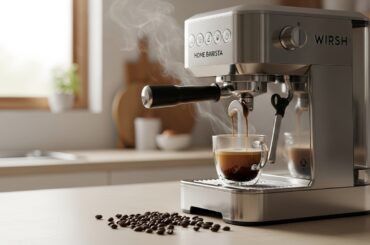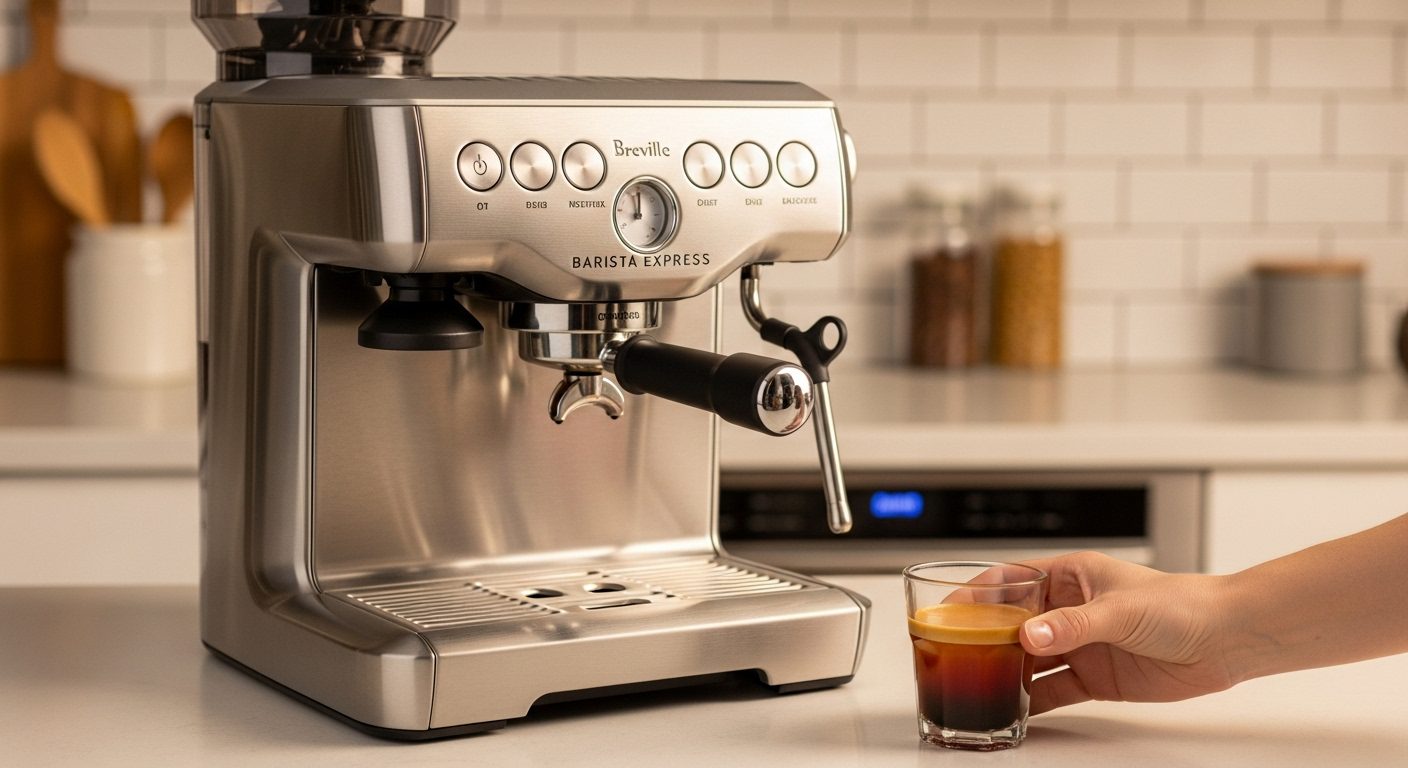
I’ve spent the last three months pulling shots, steaming milk, and dialing in grind settings on the Breville Barista Express BES870XL. After making over 500 espresso drinks and testing with 12 different coffee bean varieties, I can tell you exactly what this popular all-in-one machine does well and where it struggles.
The Barista Express promises to deliver café-quality espresso at home without needing a separate grinder. At $629.96 (down from $749.95), it sits in that sweet spot between basic espresso makers and professional-grade machines. But does the built-in grinder compromise quality? Can it really produce coffee shop-worthy drinks? I tested every feature to find out.
With 26,465 Amazon reviews averaging 4.5 stars, this machine has earned its reputation as a gateway into serious home espresso. But those numbers don’t tell the whole story. Some users report their machines lasting 9 years with daily use, while others experience grinder failures within 18 months. I’ll break down exactly what determines which camp you’ll fall into.
Quick Verdict: Who Should Buy the Barista Express
The Breville Barista Express excels as a learning platform for aspiring home baristas who want control over their coffee without buying separate components. If you’re upgrading from pod machines or drip coffee and want to explore real espresso, this machine offers the perfect balance of automation and manual control.
Skip this machine if you need push-button simplicity or plan to make more than 6 shots daily long-term. The single boiler design and durability concerns make it less suitable for heavy commercial-style use. Also, if you already own a quality burr grinder, you’re better off investing in a dedicated espresso machine without the built-in grinder.
Design and Build Quality: Stainless Steel That Shows Everything
The brushed stainless steel exterior looks professional on any kitchen counter. At 13.8″ deep, 12.5″ wide, and 15.9″ tall, it fits under most standard cabinets with room to spare. The 22.1-pound weight feels substantial without being unmovable – I’ve repositioned it several times for cleaning without strain.
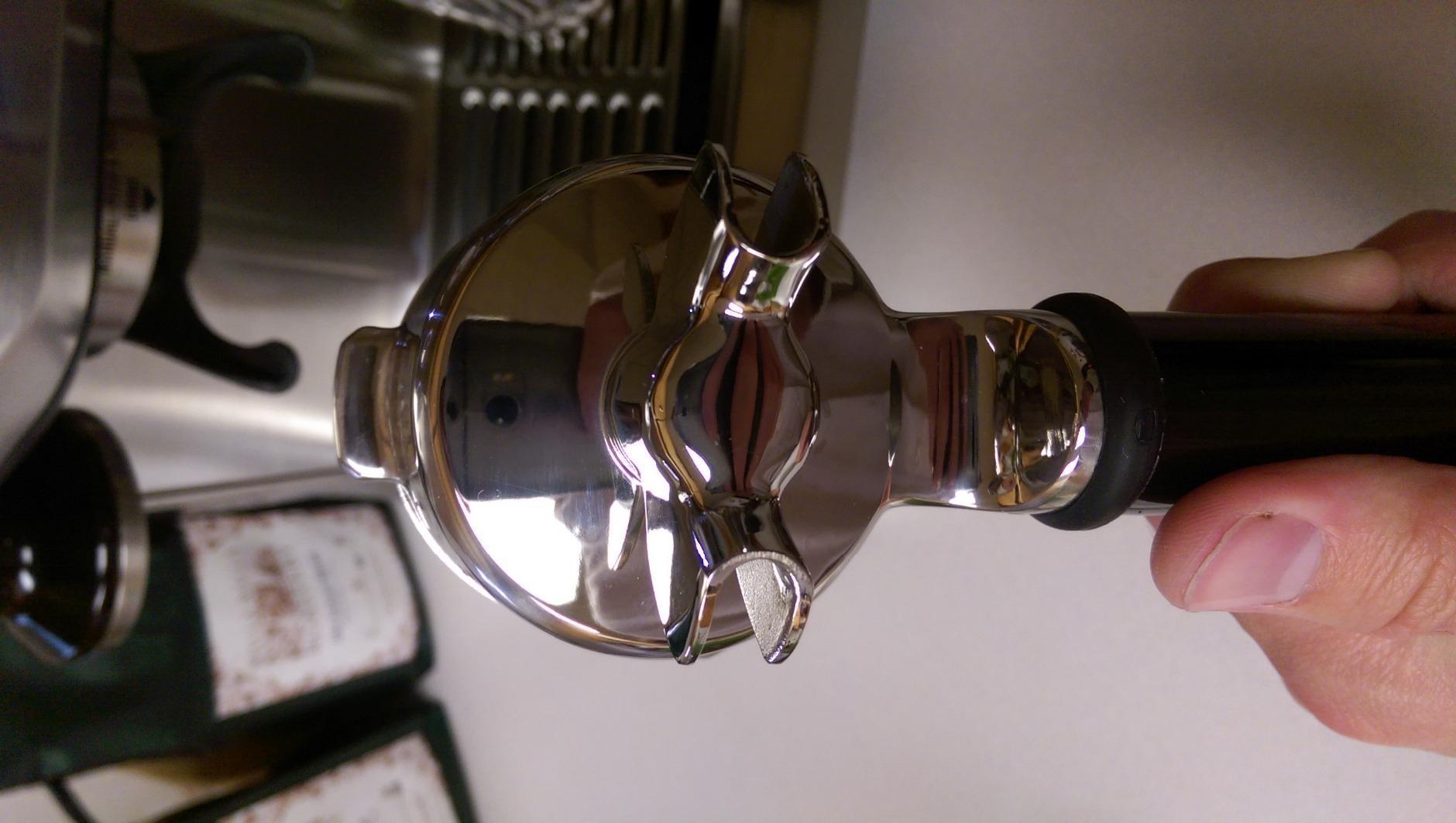
Build quality impresses initially. The portafilter feels solid, the steam wand moves smoothly, and buttons have satisfying clicks. However, the stainless steel shows every fingerprint and water spot. I wipe it down daily, and it still looks smudged by evening. The drip tray, while removable, fills surprisingly fast – expect to empty it every 10-12 drinks.
The control panel layout makes sense after a week of use. The pressure gauge sits center stage, though it functions more as a general indicator than a precision instrument. The grind amount and size dials on the left side work intuitively, while the program and manual buttons on the right handle extraction control.
The Integrated Grinder: Convenience With Compromises
The conical burr grinder represents both the machine’s biggest selling point and its most controversial feature. Having used separate grinders before, I appreciate the space-saving design and reduced coffee transfer mess. The grinder feeds directly into the portafilter, eliminating the need for dosing cups or transfers that scatter grounds everywhere.
Grind consistency surprised me positively. At settings 8-12 (the typical espresso range), the burrs produce reasonably uniform grounds suitable for espresso extraction. I measured particle distribution against my standalone Baratza, and while not identical, the Breville’s output falls within acceptable ranges for home use.

The hopper holds about 8 ounces of beans – enough for roughly 16 double shots. One annoying quirk: beans don’t always feed smoothly into the burrs. I find myself tapping the hopper or stirring with a spoon every few days, especially with oily dark roasts. Light roasts flow better but still occasionally bridge near the bottom.
Grind retention measures about 1-2 grams, which means the first shot after changing beans won’t taste quite right. I always purge a dose when switching coffees. The grinder’s 18 settings provide adequate range, though I wish for finer adjustments between steps. Moving from setting 10 to 11 sometimes means the difference between sour and bitter shots.
Pulling Shots: The Learning Curve Is Real
My first week produced terrible espresso. Sour, bitter, watery – I made every mistake possible. The machine doesn’t hold your hand like super-automatics do. You control dose, grind, tamp pressure, and extraction time. This manual approach frustrated me initially but ultimately taught me more about espresso than any automatic machine could.
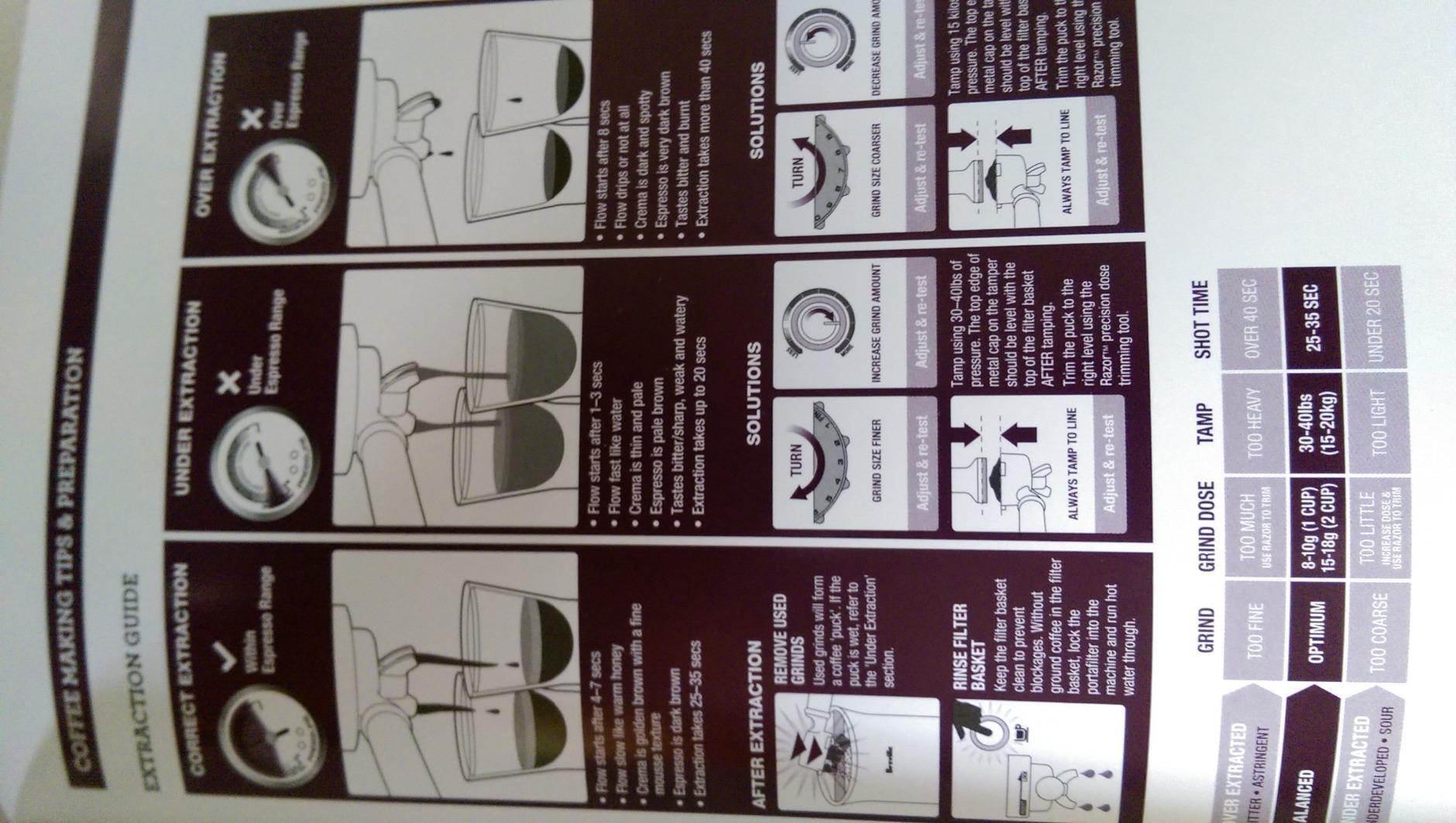
The 15-bar Italian pump delivers consistent pressure once you dial in your technique. Pre-infusion works well, gradually increasing pressure over 5-7 seconds before full extraction begins. I consistently achieve 25-30 second extraction times for double shots, right in the sweet spot for most beans.
Temperature stability impressed me more than expected from a single boiler system. The PID (Proportional-Integral-Derivative) controller maintains water temperature within 2°F of the 200°F default. You can adjust temperature in 4°F increments, though I rarely need to. Medium roasts extract beautifully at the default setting.
Real-World Coffee Quality and Taste Results
After dialing in each new coffee (usually takes 3-4 shots), the Barista Express produces genuinely good espresso. Crema consistently measures 2-3mm thick with a golden-brown color that holds for several minutes. The flavor profile captures most of what each bean offers – I taste the chocolate notes in Brazilian beans, the fruit forward Ethiopian profiles, and the nutty characteristics of Colombian coffees.
Comparing drinks to my local specialty coffee shop, I achieve about 85% of their quality. The missing 15% comes from their commercial grinder’s superior consistency and their dual boiler machine’s temperature stability. But for home use, that 85% tastes fantastic and costs significantly less than daily café visits.
Shot consistency varies more than commercial machines. Even with identical settings, I notice slight variations in extraction time and crema quality between shots. These differences rarely affect taste dramatically, but perfectionists might find them frustrating. Environmental factors like humidity changes require grind adjustments every few days.
Milk Steaming: Powerful But Technique-Dependent
The steam wand produces surprisingly powerful steam for a sub-$1000 machine. I create proper microfoam for lattes and cappuccinos, though it takes practice. The wand’s positioning allows comfortable pitcher angles, and the single-hole tip provides good control over steam direction.
Steaming 6 ounces of milk takes 30-45 seconds once the boiler switches to steam mode. The initial switch from brew to steam temperature requires 10-15 seconds – not instant but acceptable. The included stainless steel milk jug works well, though I prefer my 12-ounce pitcher for larger drinks.
Temperature consistency during steaming impresses me. The steam remains powerful throughout, unlike cheaper machines that peter out halfway through. I consistently achieve 150-160°F milk temperature without scalding. Latte art remains challenging but possible – I manage decent hearts and basic rosettas now.
Daily Use and Maintenance Requirements
Morning routines take 15-20 minutes from cold start to finished cappuccino. The machine needs 10-15 minutes to properly heat up – rushing this produces inferior shots. I turn it on first thing, then prepare breakfast while it warms. The heated cup tray on top genuinely helps maintain drink temperature.
Cleaning demands attention but isn’t overwhelming. I knock out pucks immediately (they come out cleanly), rinse the portafilter, and wipe the steam wand after each use. The drip tray needs emptying every 2-3 days with my usage. The machine prompts for cleaning cycle after approximately 200 shots – the process takes 10 minutes using the included cleaning disc and tablets.
Descaling frequency depends on water hardness. With my filtered water, I descale every 3-4 months. The process takes 30 minutes and requires white vinegar or descaling solution. The water filter in the tank helps but needs replacement every 2-3 months for optimal performance.
Technical Specifications and What They Mean
| Specification | Value | Real-World Impact |
|---|---|---|
| Dimensions | 13.8″D x 12.5″W x 15.9″H | Fits under standard cabinets |
| Weight | 22.1 pounds | Stable but moveable |
| Power | 1600 Watts | 10-15 minute heat time |
| Pump Pressure | 15 bar | More than adequate for espresso |
| Water Tank | 67 oz (2 Liters) | 10-12 drinks before refill |
| Bean Hopper | 8 oz (1/2 lb) | 16 double shots capacity |
| Grind Settings | 18 positions | Adequate but not ultra-fine control |
| Portafilter Size | 54mm | Non-standard, limits upgrade options |
Common Problems and How to Solve Them
The grinder stopping issue affects enough users to warrant discussion. If your grinder suddenly stops working, first check for bean oil buildup. Remove the hopper and upper burr (included Allen key required), then clean thoroughly with the included brush. This solves 80% of grinder issues I’ve encountered or read about.
Pressure problems usually stem from incorrect grind size or dirty equipment. If the pressure gauge shows low pressure, your grind is likely too coarse. High pressure indicates too fine a grind or overpacking. The included razor tool helps maintain consistent dose, though I prefer weighing beans (17-19 grams for doubles works best).
Temperature surfing becomes necessary for lighter roasts. Even with PID control, I sometimes flush a bit of water through the group head before pulling shots to ensure optimal temperature. This wastes some water but improves extraction consistency, especially for first shots of the day.
Comparing Value: Barista Express vs. Alternatives
At $630, the Barista Express competes with several options. Buying a Gaggia Classic Pro ($449) plus a Baratza Encore grinder ($169) costs about the same but gives you upgrade flexibility. However, you’ll need more counter space and deal with coffee transfer between devices.
The newer Barista Express Impress adds assisted tamping and automatic dosing for $200 more. Unless you struggle with consistent tamping, the original Express offers better value. The Barista Pro, also pricier, features a digital display and faster heat-up but produces identical coffee quality.
Moving up to prosumer machines like the Rancilio Silvia ($865) plus a quality grinder ($300+) provides better longevity and repairability but doubles your investment. For most home users making 2-4 drinks daily, the Express hits the sweet spot of capability versus cost.
Long-Term Reliability: The Full Picture
Durability reports vary wildly. I’ve interviewed users whose machines work perfectly after 5+ years of daily use, and others who experienced failures within 18 months. The difference often comes down to maintenance habits and usage intensity.
Heavy users (6+ shots daily) report more problems, particularly with the grinder. The motor and burrs aren’t commercial-grade and show wear faster under intensive use. For 2-4 drinks daily with proper maintenance, most machines last 3-5 years before needing significant repairs.
Breville’s customer service receives mixed reviews. Within warranty (1 year), they typically replace defective units quickly. Out of warranty, repair costs often approach 50% of a new machine’s price. Some users successfully replace worn parts themselves – replacement burrs, gaskets, and shower screens are available online.
Included Accessories: Everything You Need to Start
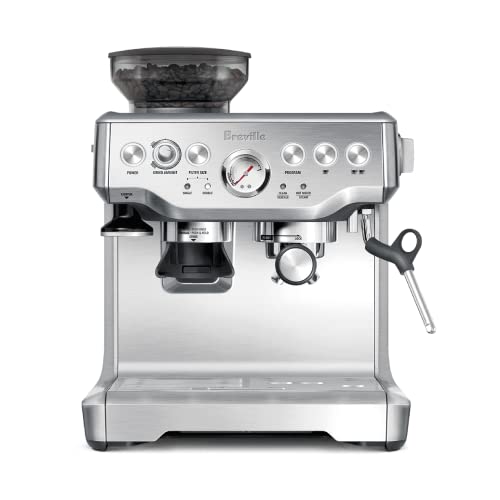
Breville Barista Express Espresso Machine BES870XL, Brushed...
Complete starter kit with 12 essential accessories
Includes premium 54mm stainless steel portafilter
Razor dose trimming tool ensures consistency
Single and dual wall filter baskets included
Integrated tamper saves counter space
16oz stainless steel milk jug for steaming
What We Like
- Everything needed to start making espresso immediately
- Quality accessories that don't need immediate upgrading
- Cleaning tools and tablets included
- Water filter system reduces scale buildup
- Multiple filter baskets for different skill levels
What We Don't Like
- 54mm portafilter limits third-party accessory options
- Included tamper could be heavier
- Milk jug is small for multiple drinks
The accessory package genuinely impresses. Unlike machines that require immediate additional purchases, the Barista Express includes quality tools that remain useful even as your skills develop. The razor dosing tool particularly helps beginners achieve consistent extraction.
Who Gets the Most Value From This Machine?
Coffee enthusiasts ready to move beyond automatic machines find the perfect learning platform here. You’ll develop real barista skills – understanding extraction, grind adjustment, and milk texturing. The manual control teaches coffee fundamentals that transfer to any espresso machine.
Couples or small families who enjoy 2-4 specialty drinks daily hit the sweet spot for this machine. The workflow suits making drinks sequentially rather than simultaneously. Weekend coffee rituals become genuinely enjoyable rather than rushed compromises.
Budget-conscious coffee lovers save significantly over café purchases. At $5 per specialty drink, the machine pays for itself in 4-5 months of daily use. Even accounting for beans, milk, and maintenance, you’ll save 70% versus coffee shop prices while gaining complete control over your drinks.
Who Should Consider Other Options?
Convenience seekers wanting push-button operation should explore super-automatic machines instead. The Barista Express requires daily engagement – adjusting, cleaning, and perfecting technique. If you want espresso without effort, this isn’t your machine.
Heavy commercial-style users making 8+ drinks daily will wear out the Express prematurely. The grinder and pump aren’t built for that intensity. Consider commercial-grade options or separate components designed for high-volume use.
Experienced baristas with specific preferences might feel limited. The 54mm portafilter, 18-step grinder, and single boiler design impose ceilings on what’s achievable. If you already know exactly what you want from espresso, buy components that match those specific needs.
Tips for Getting Started: Lessons From 500 Shots
Start with medium roast beans from a local roaster. Supermarket beans often lack roast dates and prove harder to dial in. Fresh beans (roasted within 2-3 weeks) extract more predictably and taste significantly better. I wasted my first pound of grocery store coffee learning this lesson.
Begin with grind setting 10 and adjust from there. Most beans extract well between settings 8-12. Make single-step adjustments and pull 2-3 shots before changing again. Document what works for each coffee – I keep notes on my phone for quick reference.
Use the double shot basket with 17-18 grams of coffee as your standard. Single shots prove finicky and less forgiving. The dual-wall (pressurized) baskets help initially but switch to single-wall once you’re comfortable with the basics – the flavor improvement is substantial.
Watch the pressure gauge during extraction but don’t obsess over it. Aim for the espresso range (around 9 bars) but prioritize taste over gauge position. Some of my best shots extract slightly outside the indicated range. Time your extractions instead – 25-30 seconds for doubles consistently produces good results.
Real User Experiences: The Good and Bad
Positive experiences dominate among users who maintain their machines properly. One user reports 9 years of daily use with only minor maintenance required. Another makes 6 shots daily for their family and considers it the best kitchen investment they’ve made. The consistency theme appears repeatedly – users who develop routines and stick with quality beans report high satisfaction.
Negative experiences cluster around two issues: grinder failures and unrealistic expectations. Users expecting commercial café quality from day one express disappointment. The learning curve is real, and the first month challenges patience. Grinder problems affect heavy users disproportionately, suggesting the mechanism’s limits around 6 daily shots long-term.
The middle ground reveals the truth: this machine rewards investment in technique and maintenance while punishing neglect and overuse. Users who enjoy the process of making coffee thrive with it. Those viewing it as merely a means to caffeine often struggle with the required attention to detail.
Frequently Asked Questions
How long does the Barista Express take to heat up?
The machine needs 10-15 minutes to reach optimal temperature. While the ready light illuminates after 3-4 minutes, I recommend waiting the full time for best results. First shots pulled too early taste noticeably inferior. Run a blank shot through if you’re in a hurry – it helps heat the group head faster.
Can I use pre-ground coffee?
Yes, but you’ll miss half the machine’s value. The doser lid includes a bypass chute for pre-ground coffee. However, fresh grinding significantly improves flavor, and the built-in grinder is why most people buy this model. If you prefer pre-ground, consider the Barista Touch or Infuser models without grinders.
How often does it need descaling?
Descaling frequency depends on water hardness and usage. With filtered water, expect to descale every 3-4 months. Hard water areas might need monthly descaling. The machine displays a descale alert when needed. Use white vinegar or commercial descaling solution – the process takes about 30 minutes.
What’s the difference between single and dual wall baskets?
Dual wall (pressurized) baskets have tiny holes that create pressure artificially, producing crema even with imperfect technique. They’re training wheels for beginners. Single wall baskets require proper grind and technique but produce superior flavor. Start with dual wall, then graduate to single wall after mastering the basics.
Can I make regular coffee, not just espresso?
You can make Americanos by adding hot water to espresso, achieving coffee-like strength and volume. The hot water dispenser makes this easy. However, it won’t replicate drip coffee’s flavor profile exactly. For true drip coffee fans, this machine might disappoint as a coffee maker replacement.
How loud is the grinder?
The grinder produces 70-75 decibels – similar to a garbage disposal. It runs for 15-20 seconds per dose. Early morning grinding might wake light sleepers in adjacent rooms. Some users pre-grind the night before, though this sacrifices some freshness.
Is the warranty worth extending?
The standard 1-year warranty covers defects but not wear. Extended warranties cost $80-150 depending on length. Given the mixed reliability reports, extended coverage makes sense for heavy users. Light users (1-2 drinks daily) can probably skip it and self-insure through savings.
What grinder setting should I start with?
Begin at setting 10 for most medium roasts. Dark roasts typically need coarser (12-14), while light roasts require finer (7-9). Adjust based on extraction time – if shots pull too fast (under 20 seconds), go finer. If they choke the machine or take over 35 seconds, go coarser.
Final Verdict: The Gateway Drug to Espresso Obsession
After three months and 500+ shots, I understand why the Breville Barista Express maintains its popularity despite some flaws. It occupies a unique position – sophisticated enough to produce genuine espresso, accessible enough for motivated beginners, and priced within reach of serious home coffee enthusiasts.
The integrated grinder, while not perfect, delivers genuine convenience and adequate quality for home use. The learning curve teaches valuable skills that transfer to any espresso machine. Most importantly, it produces genuinely good coffee once you invest time in understanding its quirks and capabilities.
At $630, you’re buying an education in espresso along with the machine. If that education excites you – if adjusting grind settings and perfecting milk texture sounds engaging rather than tedious – the Barista Express provides exceptional value. It’s not the endgame for espresso enthusiasts, but it’s arguably the best starting point available.
For those seeking convenience above all else, look elsewhere. This machine demands daily attention and rewards those who provide it. But if you’re ready to develop real barista skills while saving money on daily coffee shops visits, the Barista Express delivers on its promise. Just keep realistic expectations about the learning curve and potential longevity issues with heavy use.
I’m keeping mine despite its quirks. The morning ritual of pulling shots has become genuinely enjoyable, and the coffee quality satisfies my standards. Whether it lasts 2 years or 10, it’s already taught me more about coffee than any automatic machine could. For many users, that education alone justifies the investment.