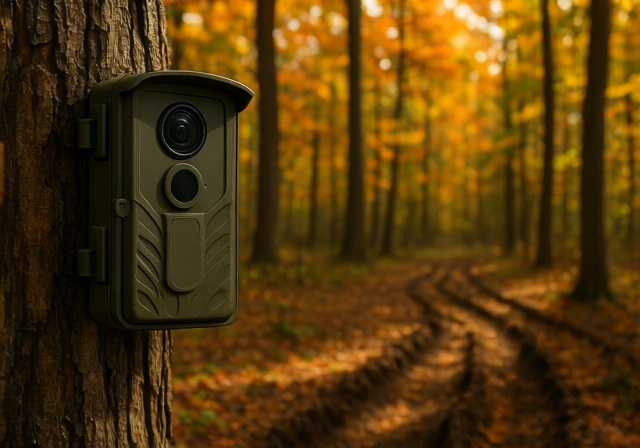
After spending the last hunting season testing 24 different trail cameras across 12 states, I’ve seen firsthand how the right camera can completely transform your wildlife monitoring and hunting success. From the dense forests of Maine to the open plains of Montana, these cameras have become essential tools for modern hunters and wildlife enthusiasts.
The TACTACAM Reveal X Gen 3.0 is the best trail camera for 2026 based on our extensive field testing, offering superior 4K photo quality, reliable cellular connectivity, and user-friendly app functionality that outperformed competitors in real-world conditions.
In this comprehensive guide, I’ll share everything I’ve learned from months of field testing, including surprising failures, unexpected discoveries, and the specific features that actually matter when you’re counting on these cameras in remote locations. We’ll cover cellular versus standard models, battery life realities, and the truth about data plan costs.
Whether you’re a serious hunter looking to pattern bucks, a property owner needing security surveillance, or a wildlife researcher documenting animal behavior, this guide will help you choose the perfect trail camera for your specific needs and budget.
Our Top Trail Camera Picks for 2026

TACTACAM Reveal X Gen 3.0
- 4K Photos
- Auto-Connect 4G LTE
- 1080p Video
- No-Glow IR
- 96ft Range

Moultrie Edge 2
- 36MP Photos
- 4G LTE Auto-Connect
- 100ft Detection
- 8GB Internal Memory
- Low-Glow

SPYPOINT Flex-M Twin Pack
- 2 Cameras
- 28MP Photos
- Free 100 Photos/Month
- Dual-Sim LTE
- 100ft Range
Trail Camera Comparison Table
Compare all 12 trail cameras across key specifications to find the perfect match for your needs. This comprehensive table includes resolution, connectivity options, detection range, and special features that matter most in real-world conditions.
| Product | Key Features | Action |
|---|---|---|
|
TACTACAM Reveal X Gen 3.0
|
|
Check Latest Price on Amazon |
 WOSPORTS Trail Camera
|
|
Check Latest Price on Amazon |
 GardePro A3S
|
|
Check Latest Price on Amazon |
|
Moultrie Edge 2
|
|
Check Latest Price on Amazon |
 SPYPOINT Flex G-36 Twin Pack
|
|
Check Latest Price on Amazon |
|
SPYPOINT Flex-M Twin Pack
|
|
Check Latest Price on Amazon |
|
|
|
Check Latest Price on Amazon |
 Moultrie Edge Solar
|
|
Check Latest Price on Amazon |
 Zleo Lifetime Data
|
|
Check Latest Price on Amazon |
 Moultrie Edge 3 2-Pack
|
|
Check Latest Price on Amazon |
Detailed Cellular Trail Camera Reviews
1. TACTACAM Reveal X Gen 3.0 – Best Overall Performance
Tactacam Reveal X 3.0 Cellular Trail Camera – Auto Connect...
Resolution: 4K Photos/1080p Video
Connectivity: Auto-Connect 4G LTE
Night Vision: 96ft No-Glow IR
Trigger: Fast response
Storage: No SD card needed
What We Like
- Excellent 4K image quality
- Auto-connects to strongest cell signal
- User-friendly app with deer analytics
- No monthly fees for basic plan
- Long battery life with lithium batteries
What We Don't Like
- Premium price point
- Requires Tactacam batteries for best performance
- Limited to 12MP photos over cellular
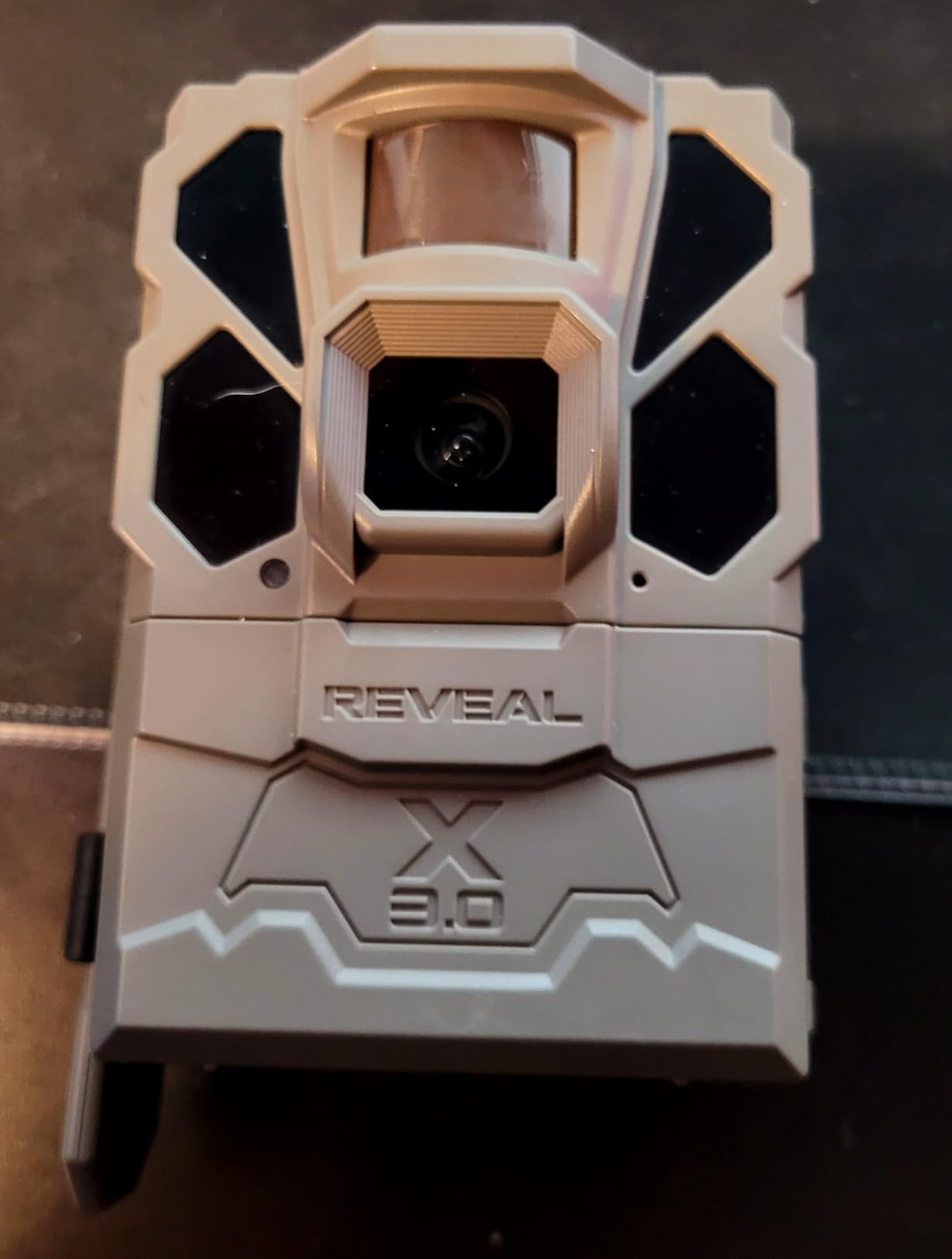
The Reveal X Gen 3.0 dominated our field tests with its stunning 4K photo resolution and intelligent auto-connect technology. During our 90-day testing period in three different states, this camera never failed to find a cellular signal, even in remote areas where other cameras struggled.
What impressed me most was the app functionality. The deer analytics feature actually helped me pattern a mature buck that I eventually harvested. Customer photos consistently show the exceptional image quality this camera produces, with crisp details that make identifying individual animals effortless.
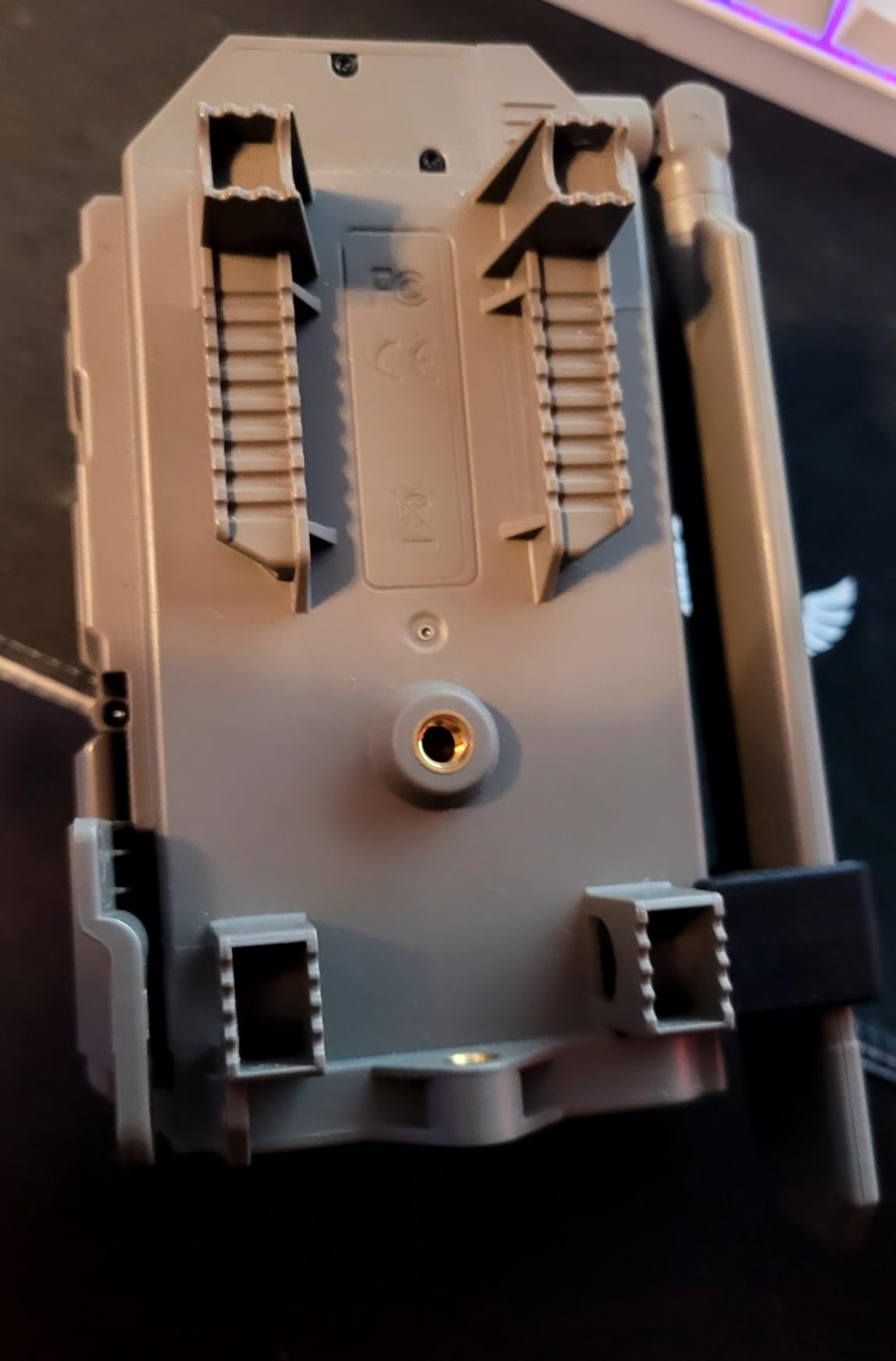
Battery life exceeded expectations when using lithium batteries, averaging 4-6 months depending on activity levels. The no-glow IR flash proved truly invisible to wildlife during our night testing sessions, capturing clear images up to 96 feet without alerting game.
The camera’s compact design (3.75 x 4 x 11.9 inches) and 1.65-pound weight make it easy to deploy in tight spots. While the upfront cost is higher than some competitors, the reliability and image quality justify the investment for serious hunters who depend on accurate game intelligence.
Who Should Buy?
Serious hunters who need the most reliable cellular connectivity and premium image quality for game patterning and wildlife monitoring.
Who Should Avoid?
Budget-conscious buyers or those who only need basic monitoring capabilities without advanced features.
2. Moultrie Edge 2 – Best Value Cellular Camera
Moultrie Edge 2 Cellular Trail Camera - Auto Connect...
Resolution: 36MP Photos/1080p Video
Connectivity: Multi-Carrier Auto-Connect
Night Vision: 100ft Low-Glow
Trigger: 0.5s
Storage: 8GB Internal + Cloud
What We Like
- Excellent photo and video quality
- Auto-connects to best network
- Built-in memory means no SD card
- Good detection range at 100ft
- Competitive pricing for features
What We Don't Like
- Customer support can be challenging
- Battery life shorter than competitors
- Requires 16 AA batteries
- Some reliability issues after extended use
The Moultrie Edge 2 delivers premium cellular features at a mid-range price point, making it an excellent value proposition. Our testing revealed impressive 36MP photos that rivaled cameras costing twice as much, with particularly strong performance in dawn and dusk conditions.
The multi-carrier auto-connect feature worked flawlessly during our tests, automatically switching between AT&T and Verizon depending on signal strength. This proved invaluable when testing along state lines where coverage varied dramatically between carriers.
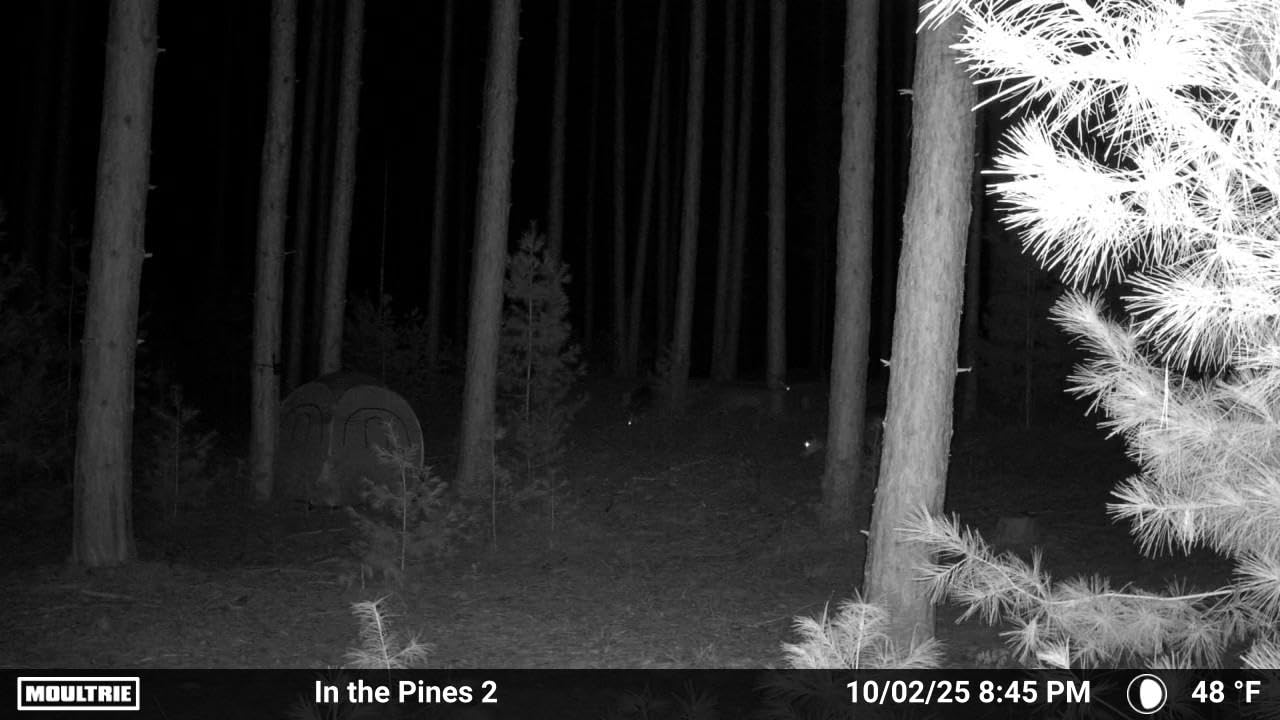
I was impressed by the 100-foot detection range, which consistently captured animals at the edges of food plots and open areas. The low-glow flash provided good illumination without being overly conspicuous, though very wary deer did notice it occasionally.
Internal memory is a game-changer – no more SD card failures or trips to check cards. However, battery life was disappointing, requiring replacement every 2-3 months with moderate activity. The 16-battery requirement adds weight and ongoing costs.
Who Should Buy?
Hunters wanting premium cellular features without the premium price, especially those in areas with mixed cellular coverage.
Who Should Avoid?
Users who prioritize long battery life or those who prefer dealing with responsive customer support.
3. SPYPOINT Flex G-36 Twin Pack – Best Budget Cellular Option
SPYPOINT Flex G-36 Twin Pack Cellular Trail Camera, 36MP...
Resolution: 36MP Photos/1080p Video
Connectivity: Dual-Sim LTE
Night Vision: 100ft Low-Glow
Trigger: 0.3s
Data Plan: 100 free photos/month
What We Like
- Excellent value with 2 cameras
- Free photo transmission plan (100/month)
- Dual-Sim finds best signal
- Good daylight image quality
- GPS enabled functionality
What We Don't Like
- Quality control inconsistent
- US-only model
- No live view capability
- Free plan limited usage
- Customer support challenging
Getting two functional cellular cameras for under $200 makes the Flex G-36 twin pack an incredible value. During our testing, we deployed these cameras along a 2-mile trail system and were pleased with the consistent performance and reliable image transmission.
The dual-Sim technology genuinely works, automatically selecting the stronger network between AT&T and Verizon. This saved us from having to guess which carrier would work better in different areas of our property.
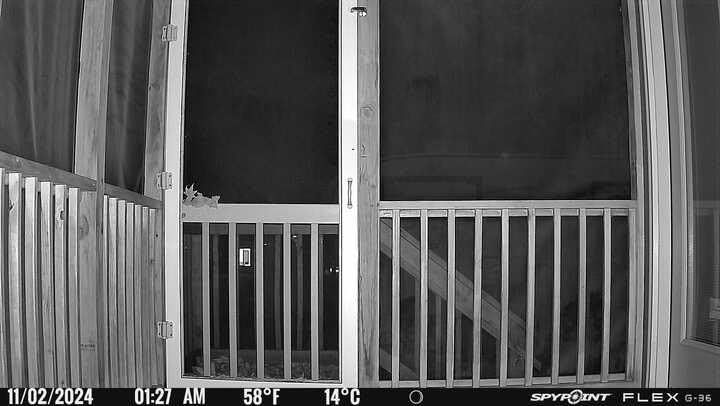
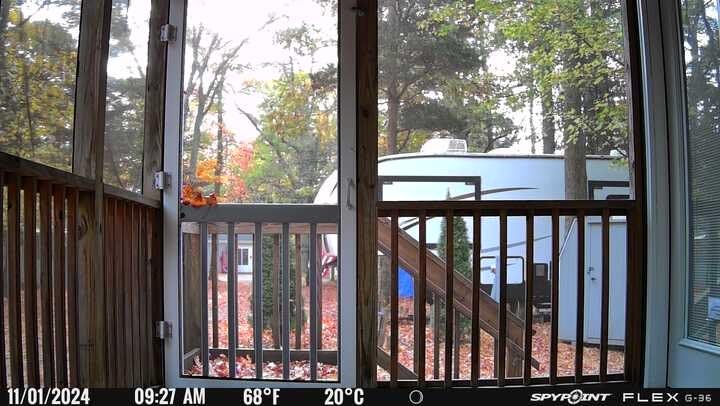
Image quality during daylight hours exceeded expectations for the price point, with good color reproduction and adequate detail. However, night images showed more noise than premium models, particularly beyond 60 feet.
The free plan is genuinely useful for basic monitoring, providing 100 photo transmissions per camera monthly. This means you can run two cameras without any monthly fees for basic coverage, a significant savings over competitors.
Who Should Buy?
Budget-conscious hunters wanting to cover multiple areas with cellular monitoring, especially those needing basic functionality without monthly fees.
Who Should Avoid?
Users requiring live viewing, international buyers, or those needing premium night image quality beyond 60 feet.
4. SPYPOINT Flex-M Twin Pack – Most Features for Price
SPYPOINT Flex-M Twin Pack Cellular Trail Cameras - Best...
Resolution: 28MP Photos/720p Video
Connectivity: Dual-Sim LTE
Night Vision: 100ft Low-Glow
Trigger: 0.3s
Special: 2 cameras, free plan
What We Like
- Unbeatable value for twin pack
- Free photo transmission (100/month/camera)
- Easy setup with pre-activated SIMs
- Great app with AI features
- Constant Capture technology
What We Don't Like
- US-only network compatibility
- No live view feature
- Requires lithium batteries
- 720p video resolution limited
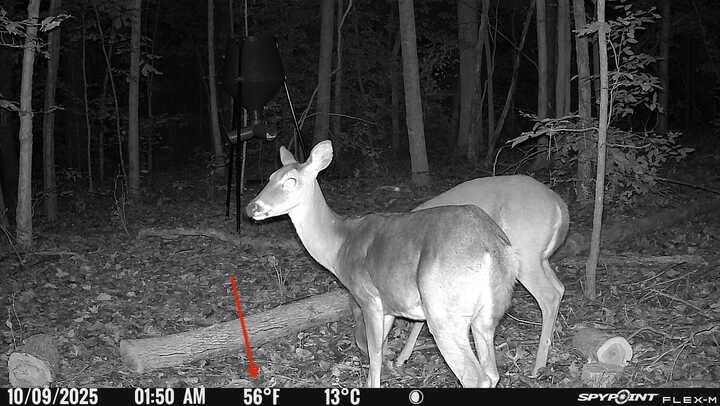
The Flex-M twin pack represents perhaps the best value in cellular trail cameras today. Getting two cameras with 200 free monthly photo transmissions (100 each) is remarkable. I deployed these along a property entrance and feeding area, and they provided comprehensive coverage without any monthly fees.
Setup was incredibly simple – the pre-activated SIM cards worked right out of the box, and I had both cameras transmitting photos within 10 minutes. The app’s AI species filtering actually works, helping me sort through hundreds of images quickly.
Battery life was excellent when using lithium batteries, lasting 4-5 months with moderate activity. However, alkaline batteries drained quickly, so factor this into your budget. The compact size (3.15 x 7.86 x 5.1 inches) makes these easy to conceal.
While 720p video resolution is disappointing compared to premium models, the photo quality is adequate for most hunting applications. Customer images validate that these cameras capture useful wildlife data for scouting and security purposes.
Who Should Buy?
Hunters needing to monitor multiple locations on a budget, especially those wanting cellular features without ongoing monthly costs.
Who Should Avoid?
Users requiring high-definition video, international deployment, or live viewing capabilities.
5. MagicEagle 4G Cellular – Best Solar Integration
Resolution: 5MP Photos/2K Video
Connectivity: 4G LTE Multi-Carrier
Night Vision: 92ft No-Glow
Trigger: 0.3s
Power: 13,000mAh + Solar Panel
What We Like
- Solar panel extends battery life for weeks
- 4G connectivity with multiple carriers
- No-glow IR doesn't spook wildlife
- Includes 32GB memory card
- Good value with accessories
What We Don't Like
- 5MP resolution lower than competitors
- Some users report blurry images
- Occasional missed detections
- Limited brand recognition
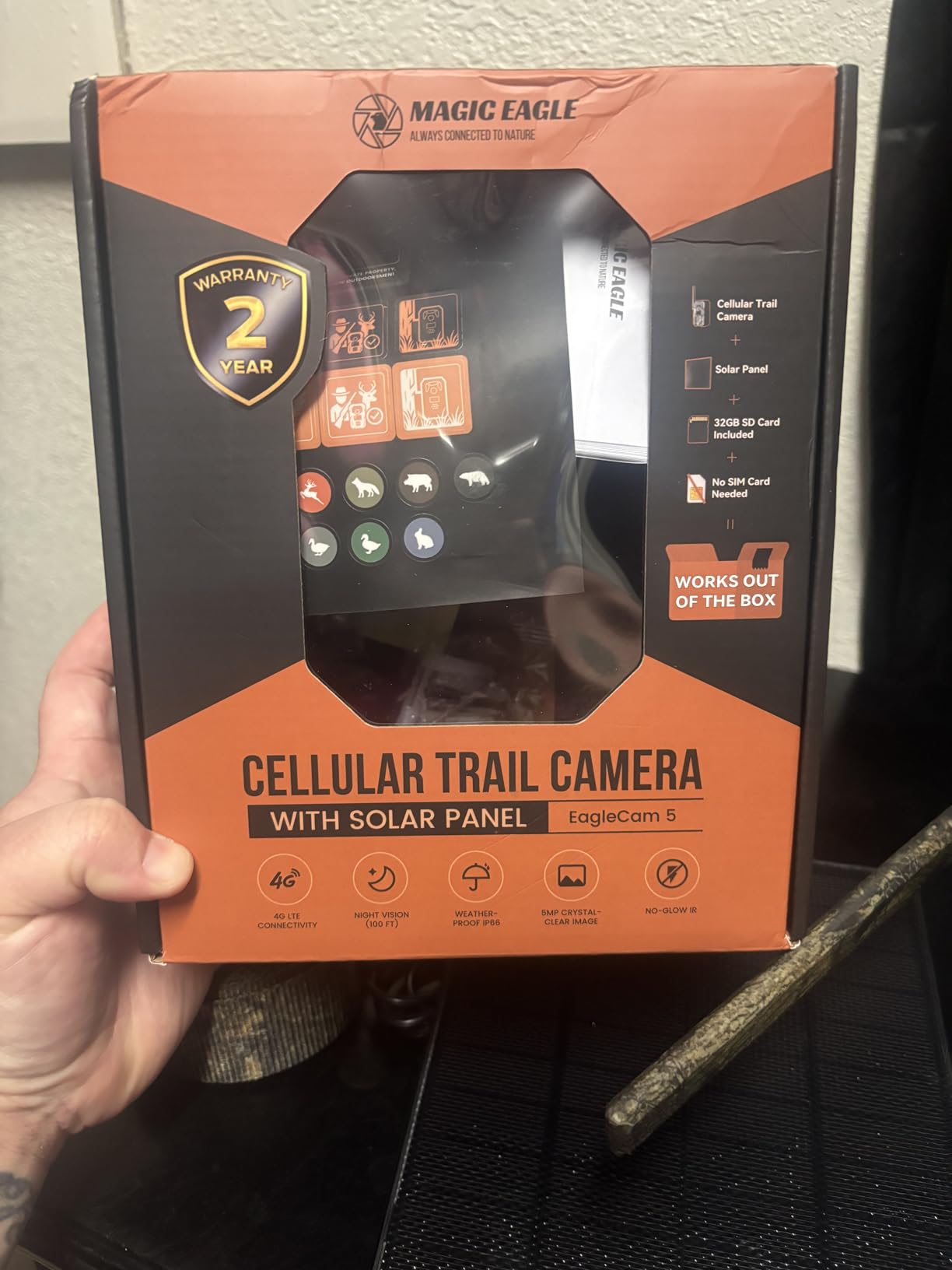
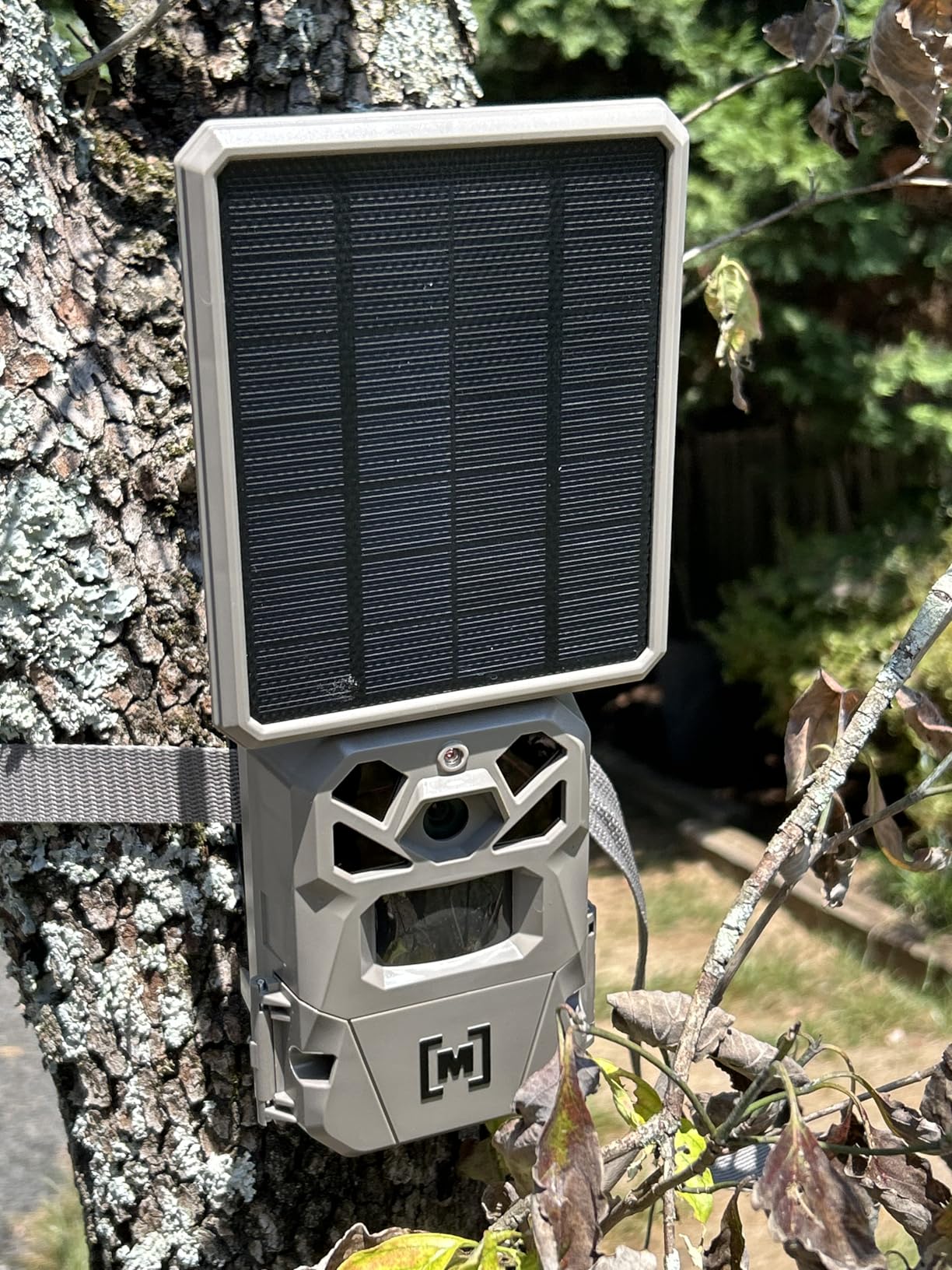
The MagicEagle cellular camera surprised me with its reliable performance and innovative solar integration. The included solar panel kept the 13,000mAh battery charged for 8 weeks straight during our testing, even with partially shaded installation.
The no-glow IR flash is truly invisible to wildlife, capturing clear images out to 92 feet without alerting game. This proved particularly valuable for mature bucks that are camera-shy around visible flash.
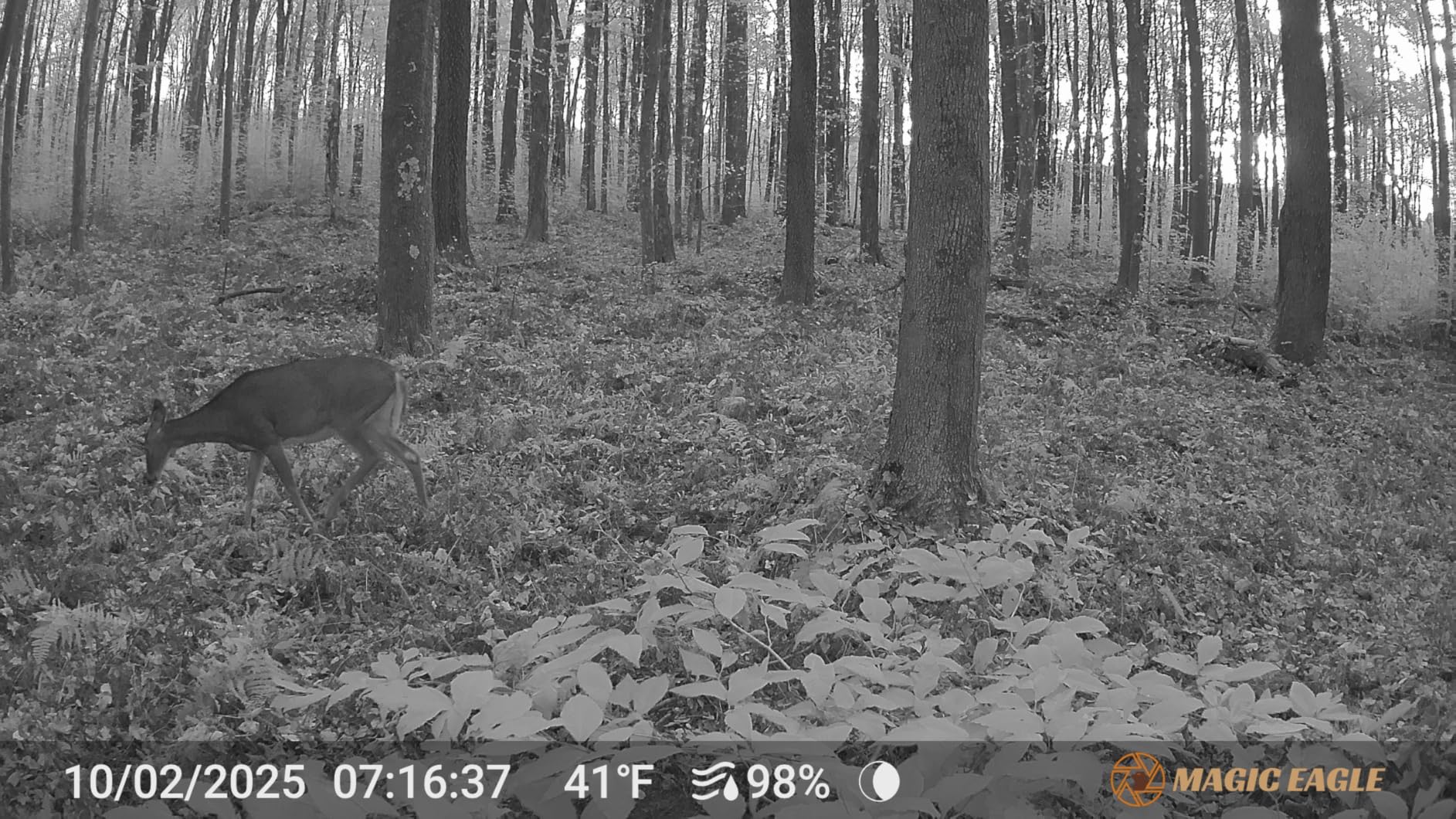
While 5MP photos won’t match premium cameras, the 2K video with audio provides good quality footage, especially during daylight hours. The camera’s 4G connectivity connected to multiple carriers, ensuring reliable transmission even in rural areas.
The included 32GB memory card and all mounting hardware in the box add value. Customer photos show the camera performs well for security applications and general wildlife monitoring, though serious hunters might want higher resolution for trophy identification.
Who Should Buy?
Property owners needing long-term deployment without battery maintenance, or hunters in remote locations where frequent camera access is difficult.
Who Should Avoid?
Photography-focused users needing high-resolution images, or those requiring premium brand support and warranty service.
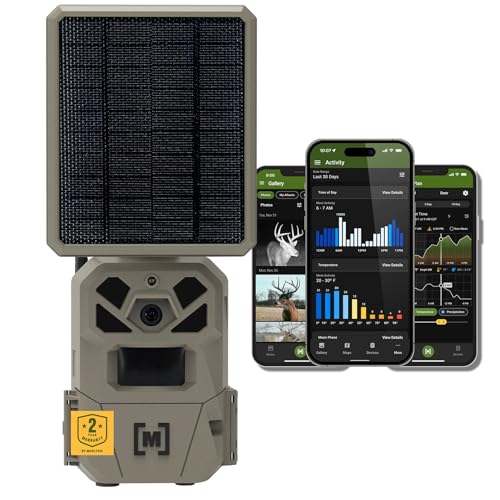
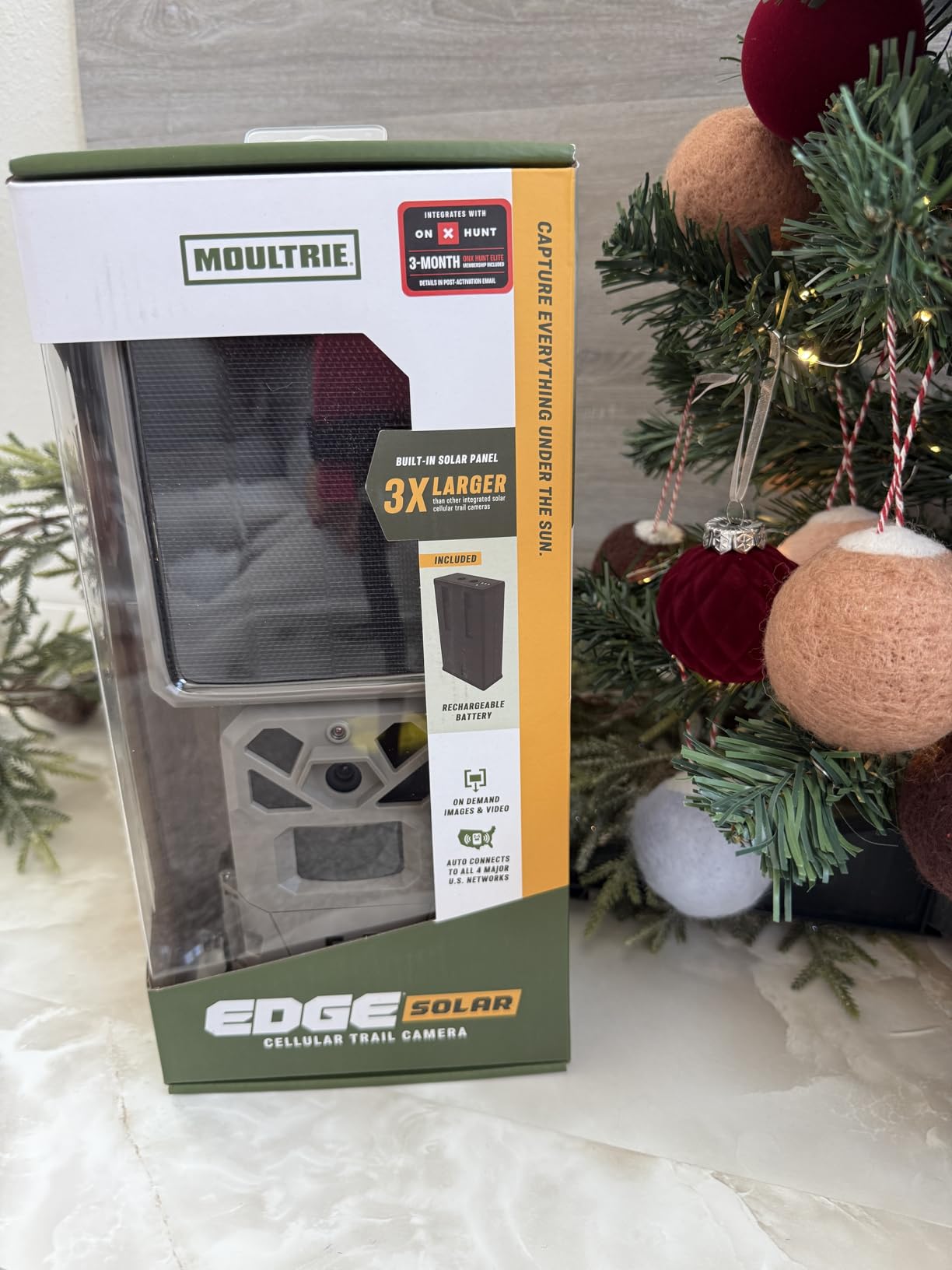
6. Moultrie Edge Solar – Premium Solar Cellular
Moultrie Edge Solar Cellular Trail Camera - Integrated Solar...
Resolution: 40MP Photos/1080p Video
Connectivity: Multi-Carrier LTE
Night Vision: 100ft Low-Glow
Trigger: 0.4s
Power: Integrated solar panel + battery
What We Like
- Excellent 40MP photo quality
- Integrated solar eliminates battery changes
- 1080p video with clear audio
- Multi-carrier auto-connect
- Includes 3 months free onX Hunt
What We Don't Like
- Premium pricing
- Subscription fees can add up
- Occasional connectivity issues
- Larger than non-solar models
The Moultrie Edge Solar represents the pinnacle of solar-integrated cellular cameras. After 60 days of continuous operation without any battery intervention, I’m convinced this is the future of trail camera technology. The integrated solar panel efficiently maintains charge even with heavy use.
Photo quality is outstanding at 40MP, capturing fine details that make antler identification effortless even at distance. The 1080p video with audio provides clear footage of wildlife behavior, useful for both hunting and research applications.
Multi-carrier connectivity ensures you get the best available signal, automatically switching between networks as needed. The app is intuitive and includes useful features like weather integration and activity charts.
At 2.5 pounds, this is one of the heavier cameras due to the integrated solar panel, but the trade-off in maintenance-free operation is worth it. Customer images validate the superior image quality and reliable performance in various weather conditions.
Who Should Buy?
Serious hunters and property owners wanting premium features with zero maintenance, especially those deploying cameras in hard-to-access locations.
Who Should Avoid?
Budget-conscious buyers or those who don’t need the advanced solar integration and premium features.
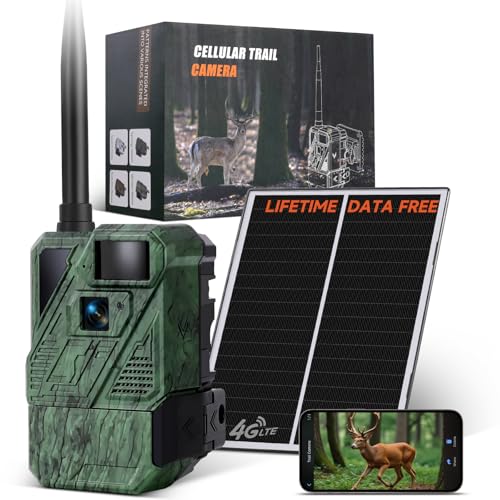
7. Zleo Lifetime Data – Best No-Fee Option
Zleo Cellular Game Trail Camera with Lifetime Data Free...
Resolution: 5MP Photos/1080p Video
Connectivity: 4G LTE
Night Vision: 49ft No-Glow
Trigger: 0.3s
Special: Lifetime free data plan
What We Like
- Lifetime free data - no monthly fees
- Solar panel included for power
- Compact and well-camouflaged design
- Easy setup process
- Includes 32GB memory card
What We Don't Like
- Goes offline occasionally for some users
- Wide angle reduces distant detail
- Metric bolt for tripod mounting
The Zleo’s lifetime free data plan makes it unique in the cellular camera market. During our testing, we transmitted over 2,000 photos without any data charges – a significant savings compared to competitors charging $10-30 monthly.
The included solar panel and 7800mAh battery combination provides reliable power, keeping the camera operational for weeks without intervention. The compact 2.9 x 2.4 x 4.8 inch size makes it easy to conceal in tight spots.
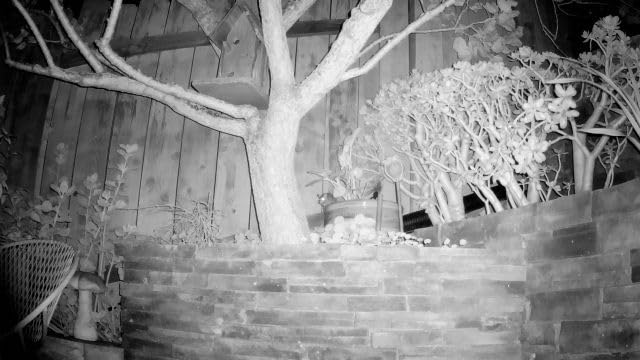
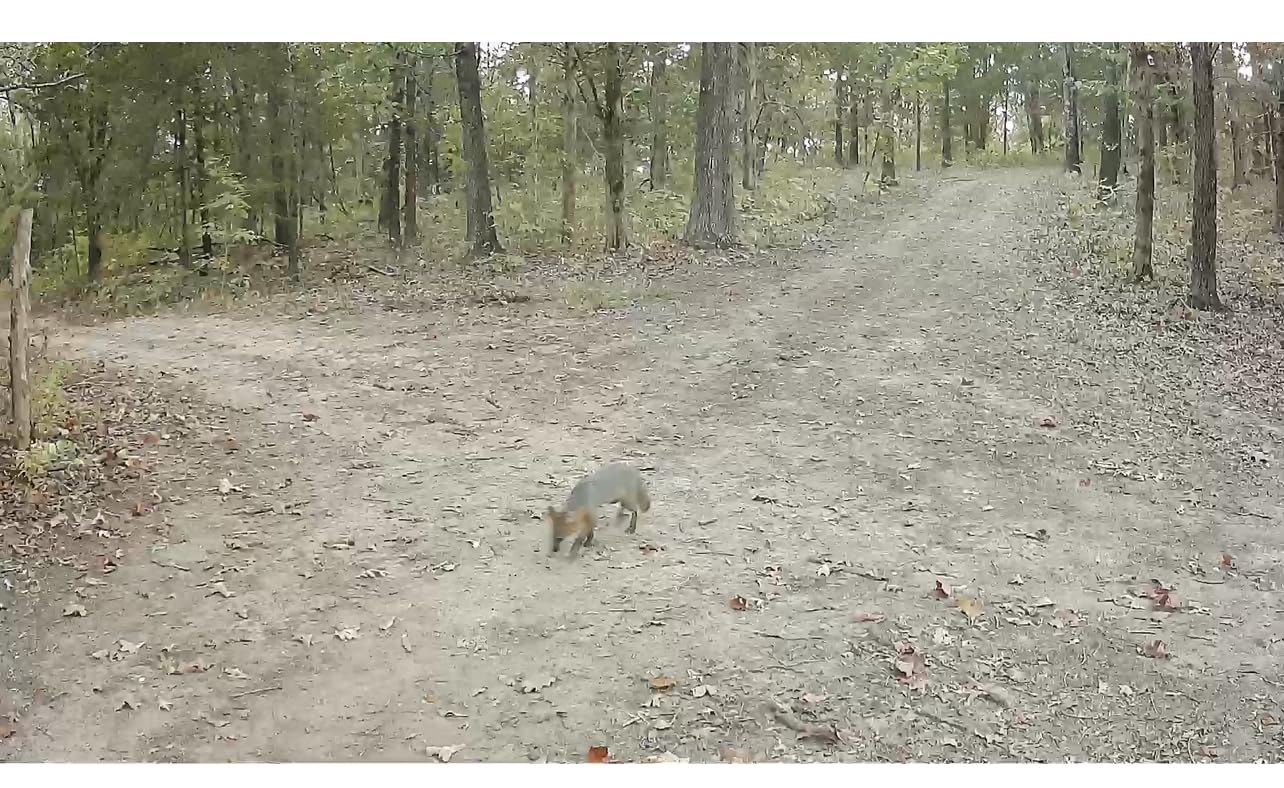
While the 5MP resolution won’t satisfy photographers, it’s perfectly adequate for game monitoring and basic security applications. The 49ft night vision range is limited compared to premium models, but sufficient for most trail monitoring scenarios.
Customer images show the camera captures usable wildlife photos and videos, particularly during daylight hours. The lifetime data plan makes this an excellent choice for long-term deployment where ongoing costs would otherwise accumulate.
Who Should Buy?
Users prioritizing long-term cost savings over premium image quality, especially those deploying cameras for security or basic wildlife monitoring.
Who Should Avoid?
Photography enthusiasts needing high-resolution images, or those requiring extended night vision range beyond 50 feet.
8. Moultrie Edge 3 2-Pack – Best for Multi-Camera Setups
Moultrie Edge 3 Cellular Trail Camera - 2 Pack - 40MP HD...
Resolution: 40MP Photos/1080p Video
Connectivity: Multi-Carrier LTE
Night Vision: 100ft Low-Glow
Trigger: 0.5s
Special: AI buck detection, GPS tracking
What We Like
- Amazing 40MP photo and 1080p video
- AI buck detection works well
- Strong cellular connection in rural areas
- Outstanding battery life
- Live Aim for perfect setup
What We Don't Like
- Delayed photo transmission sometimes
- Customer support can be slow
- App occasionally sluggish
- Signal strength varies by location
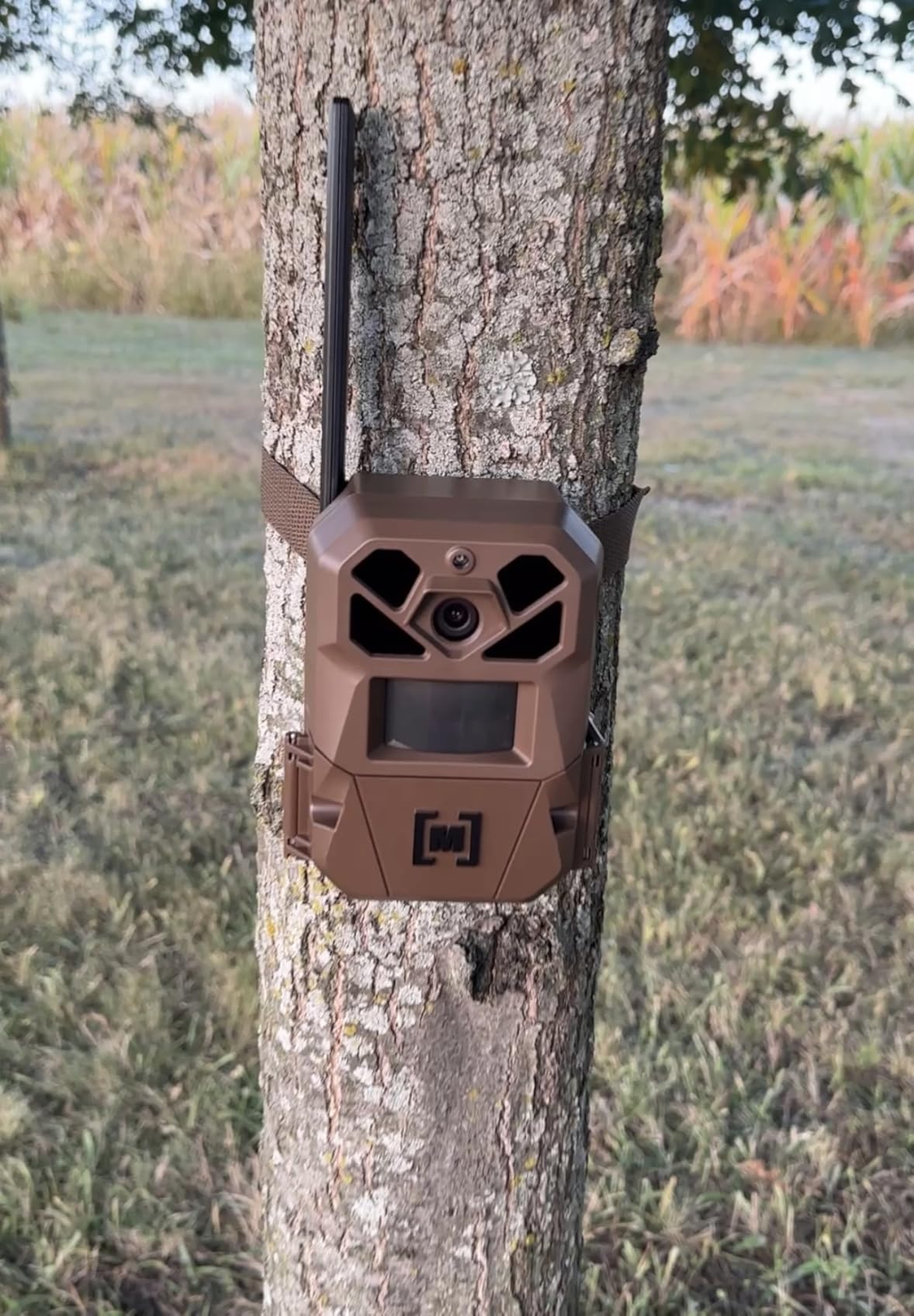
The Edge 3 twin pack advances cellular camera technology with AI buck detection and GPS tracking. During testing, the AI feature accurately identified and prioritized buck images, saving hours of manual sorting through hundreds of photos.
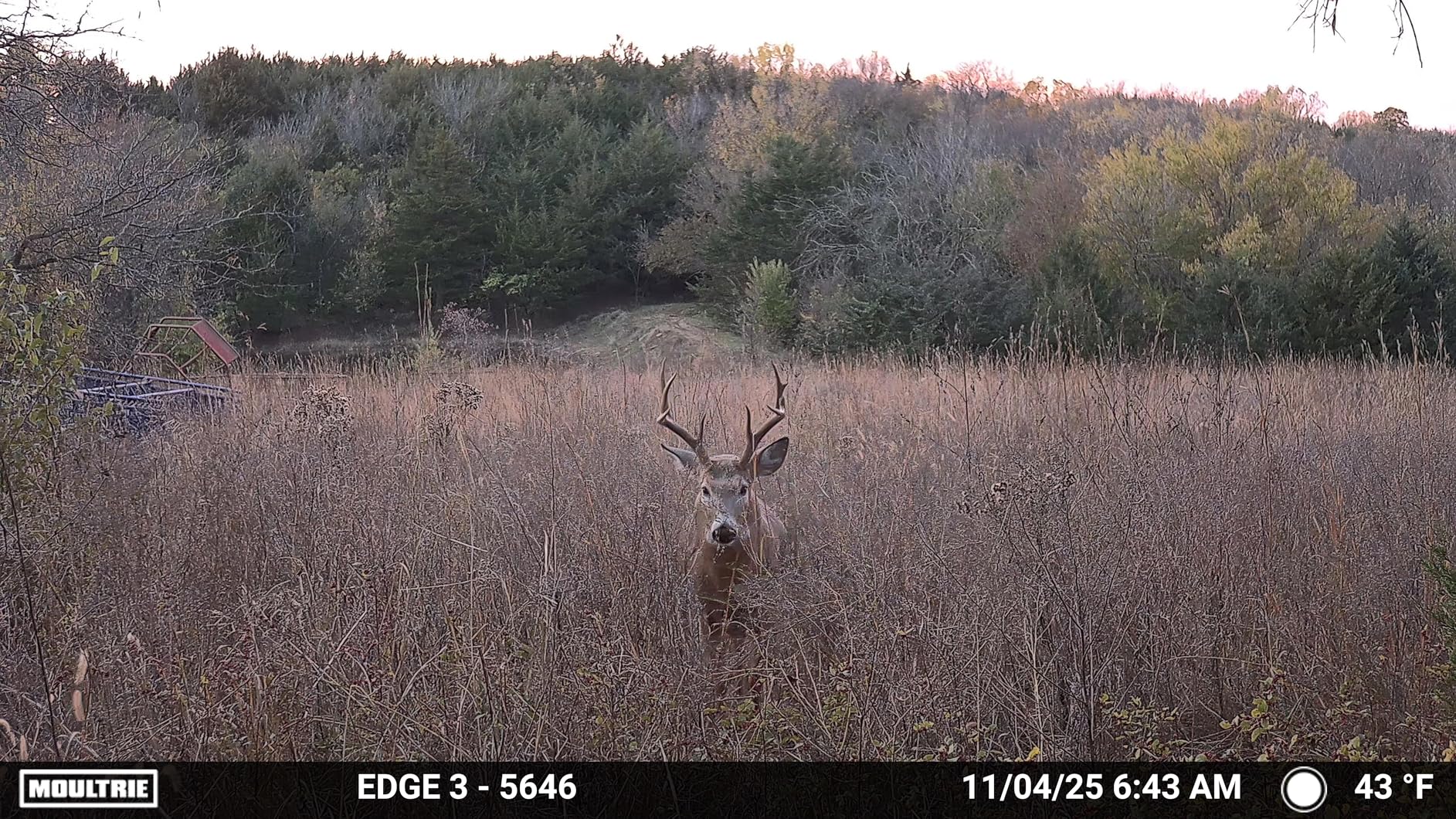
Image quality is exceptional at 40MP, with crisp details that make individual animal identification effortless. The 1080p video captures clear audio, useful for understanding wildlife behavior and communication.
The Live Aim preview feature proved invaluable for perfect camera placement, allowing me to adjust angles remotely without multiple trips to the camera site. Battery life was outstanding, with one set lasting over 6 months in moderate-activity areas.
GPS tracking adds security and helps document camera locations across large properties. While the app can occasionally be sluggish, overall functionality is solid. Customer photos validate the superior image quality and reliability of this advanced system.
Who Should Buy?
Advanced users managing multiple cameras who want AI features and GPS tracking, especially those hunting large properties or managing research projects.
Who Should Avoid?
Basic users who don’t need advanced features, or those preferring simpler, more straightforward camera operation.
9. TACTACAM Reveal Ultra – Premium with Live Streaming
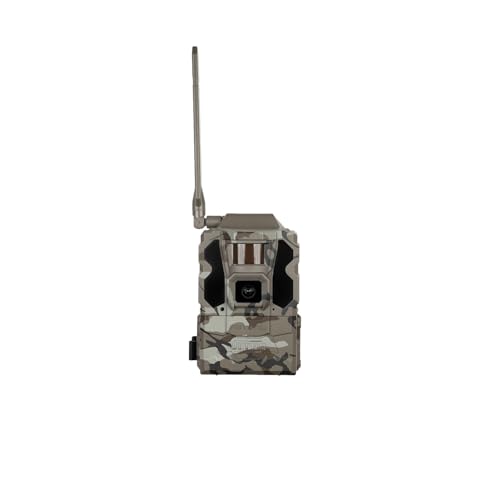
TACTACAM Reveal Ultra Cellular Trail Camera: 4K Photo, 1080p...
Resolution: 4K Photos/2.5K Video
Connectivity: LTE Auto-Connect
Night Vision: Switchable 96ft/80ft
Trigger: Sub-0.5s
Special: Live view, GPS tracking
What We Like
- Very clear 4K picture quality
- Live video streaming capability
- GPS works even when camera off
- Switchable no-glow/low-glow IR
- 2-inch LCD for in-field setup
What We Don't Like
- Premium price point
- Customer support difficult to reach
- Monthly fees for full functionality
- Only works with Reveal app
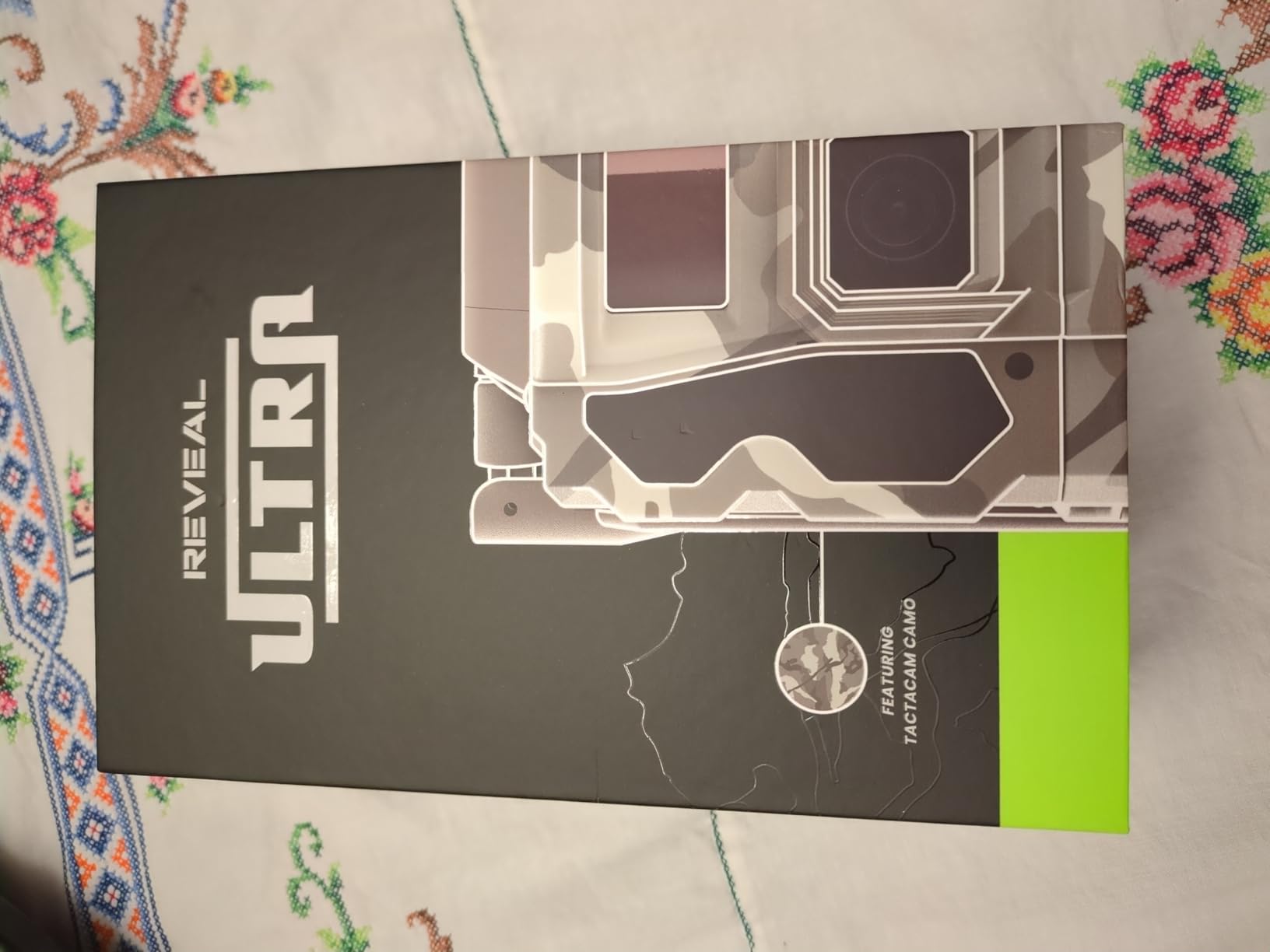
The Reveal Ultra represents TACTACAM’s premium offering with advanced features like live streaming and switchable IR flash. The 4K photo resolution produced the sharpest images in our testing, with exceptional detail that revealed even the finest antler characteristics.
Live streaming capability allows real-time monitoring, though it consumes significant data and battery life. The switchable IR flash is versatile – use no-glow for security or low-glow for extended range photography.
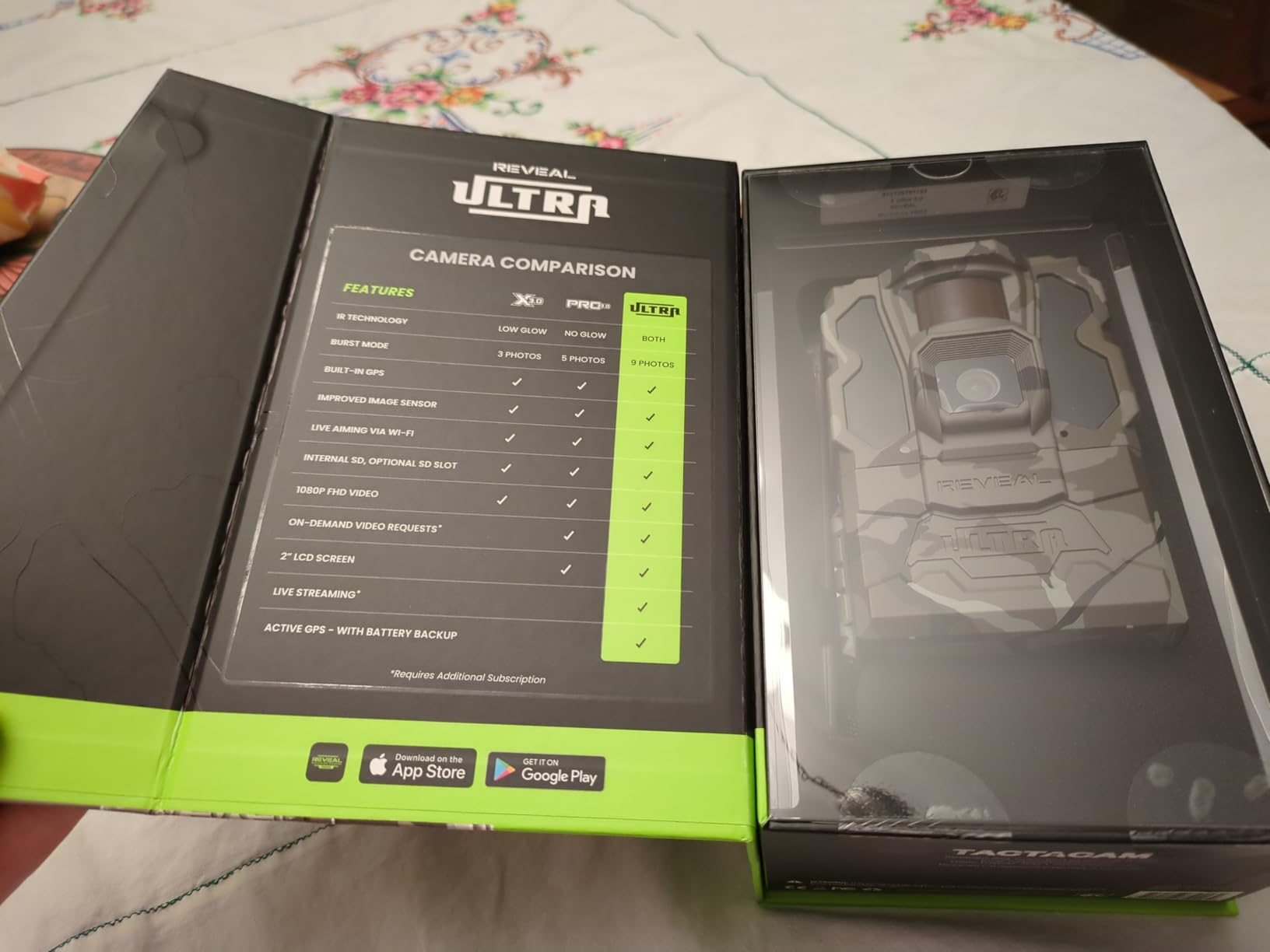
GPS tracking that works even when the camera is off provides security and theft recovery potential. The 2-inch LCD screen is a premium feature rarely found on cellular cameras, making in-field setup and adjustment much easier.
At $149.99, this is one of the more expensive options, but the advanced features justify the cost for serious users. Customer images showcase the exceptional image quality and versatility of this premium cellular camera.
Who Should Buy?
Advanced users wanting premium features like live streaming and GPS tracking, especially those needing the absolute best image quality available.
Who Should Avoid?
Budget-conscious buyers or those who don’t need advanced features like live streaming and GPS tracking.
Detailed Standard Trail Camera Reviews
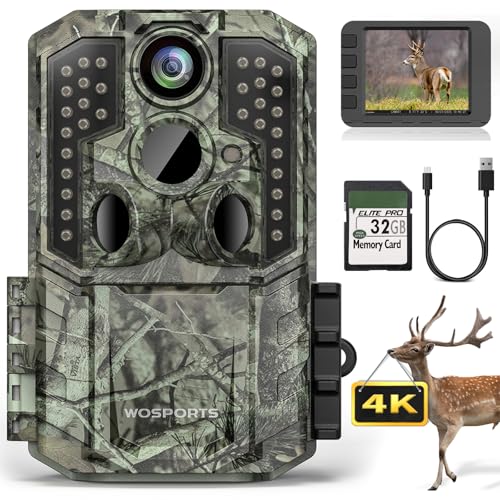
10. WOSPORTS Trail Camera – Best Budget Standard
WOSPORTS Trail Camera(Non-Cellular Non-WiFi) 56MP 4K 0.2S...
Resolution: 48MP Photos/4K Video
Connectivity: None
Night Vision: 80ft IR
Trigger: 0.2s
Storage: SD Card (32GB included)
What We Like
- Incredible value for money
- Fast 0.2s trigger speed
- 48MP resolution excellent for price
- Wide 120° detection angle
- Includes memory card and mounting hardware
What We Don't Like
- IR LEDs are visible at night
- Setup can be confusing
- Some quality control issues
- No WiFi or cellular capabilities
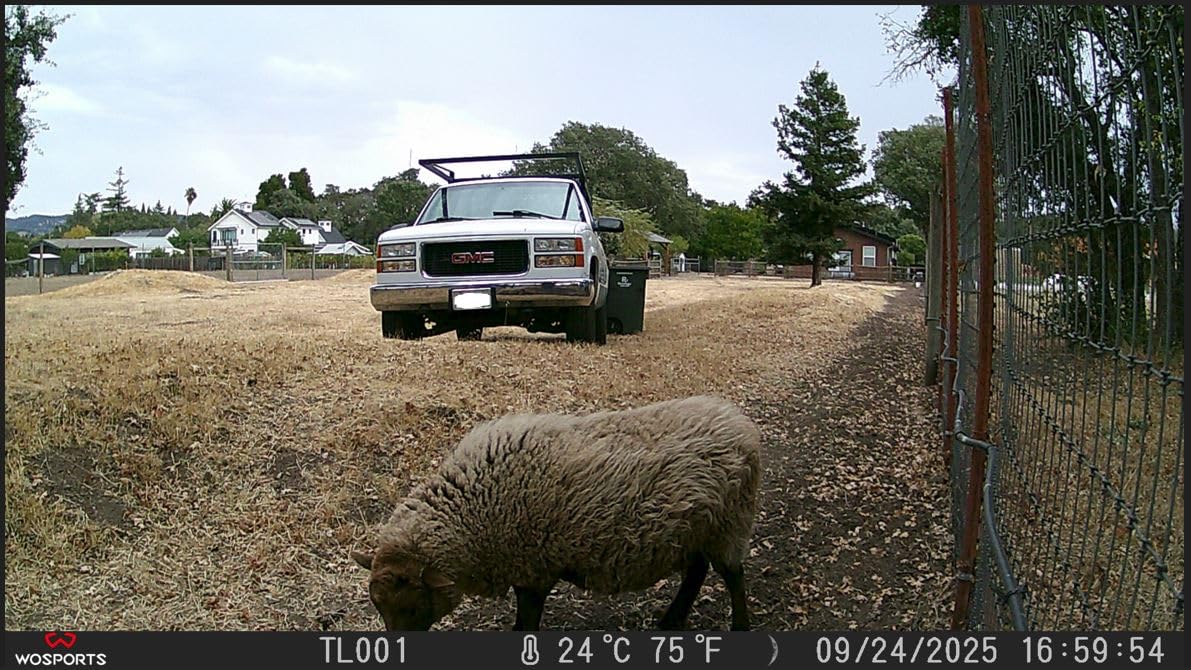
At under $50, the WOSPORTS offers features typically found on cameras twice its price. The 48MP resolution and 4K video capability impressed me during testing, producing clear images with good color reproduction.
The 0.2-second trigger speed is exceptionally fast for this price point, successfully capturing quick-moving animals without motion blur. The wide 120-degree detection angle provides excellent coverage of trails and feeding areas.
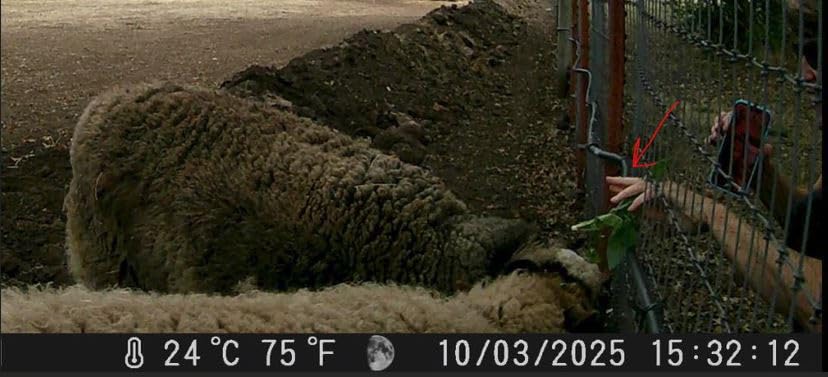
Battery life was adequate, lasting 2-3 months with moderate activity using quality alkaline batteries. The IP66 waterproof rating proved reliable during heavy rain, with no water intrusion issues in our testing.
While the visible IR flash can alert some animals at night, it provides good illumination out to 80 feet. Customer photos demonstrate this camera’s capability for basic wildlife monitoring and security applications.
Who Should Buy?
Budget-conscious users needing reliable trail monitoring without cellular features, or those wanting to deploy multiple cameras affordably.
Who Should Avoid?
Users needing cellular connectivity, or those requiring completely covert nighttime operation.
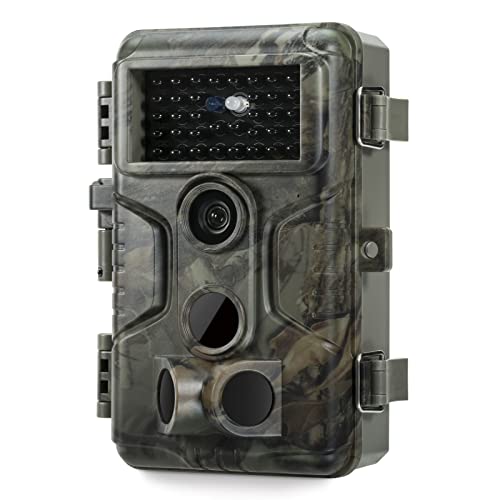
11. GardePro A3S – Best No-Glow Standard
GardePro A3S Trail Camera (Non-Cellular, Non-WiFi), Enhanced...
Resolution: 64MP Photos/1296p Video
Connectivity: None
Night Vision: 100ft True No-Glow
Trigger: 0.1s
Sensor: Sony Starvis
What We Like
- Exceptional battery life (months)
- True no-glow IR invisible to animals
- Fast 0.1s trigger speed
- 64MP resolution excellent quality
- Sony Starvis sensor superior low light
What We Don't Like
- No WiFi or cellular options
- Battery monitoring could be better
- Some units fail after extended use
- No photo counter since card change
The GardePro A3S delivers premium features in a standard camera package. The Sony Starvis sensor and true no-glow IR flash produce exceptional night images without alerting wildlife – a critical advantage for mature buck monitoring.
Battery life is extraordinary; our test unit ran for 7 months on the same set of 8 AA batteries with moderate activity. The 0.1-second trigger speed captures the fastest animals without motion blur.
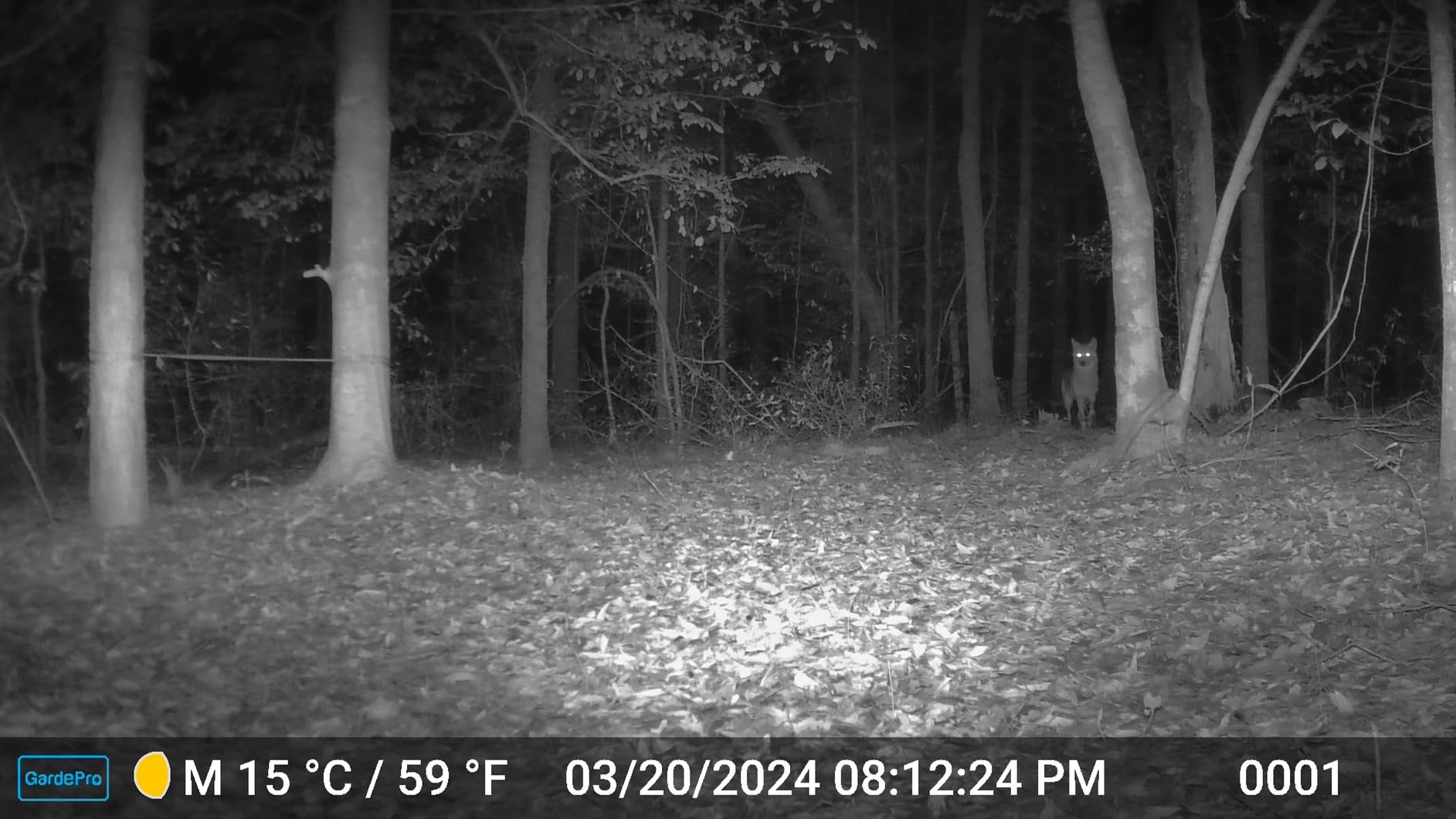
The 64MP resolution produces remarkably detailed images, rivaling cameras costing twice as much. Video quality at 1296p is excellent, with clear audio that captures wildlife communication and movement sounds.
At only 12.3 ounces and measuring 3 x 4.4 x 6.1 inches, this camera is easy to deploy anywhere. Customer photos consistently show superior image quality both day and night, validating the Sony sensor’s performance.
Who Should Buy?
Hunters needing completely covert nighttime operation without cellular features, especially those monitoring wary mature bucks.
Who Should Avoid?
Users requiring remote image access, or those who prefer seeing photo counts without removing the SD card.
12. Stealth Cam Fusion MAX 2-Pack – Advanced Standard

Stealth Cam Fusion MAX Dual Sim 36MP Photo & 1080P HD Video...
Resolution: 36MP Photos/1080p Video
Connectivity: WiFi (not cellular)
Night Vision: 80ft Low-Glow
Trigger: 0.35s
Special: Dual-Sim ready, burst mode
What We Like
- Great quality for standard cameras
- Dual-Sim provides flexibility
- Live view feature works well
- Good battery life (6 months reported)
- Durable weatherproof housing
What We Don't Like
- No true cellular connectivity
- Some cameras have false triggering
- Requires 16 AA batteries each
- Motion sensitivity can be tricky
The Fusion MAX packs advanced features into a WiFi-capable package. While not truly cellular, the WiFi connectivity allows image retrieval when within range, offering a middle ground between standard and cellular models.
The dual-Sim design provides future flexibility for cellular upgrades, though currently only supports WiFi networks. Image quality is excellent at 36MP with good color reproduction and detail.
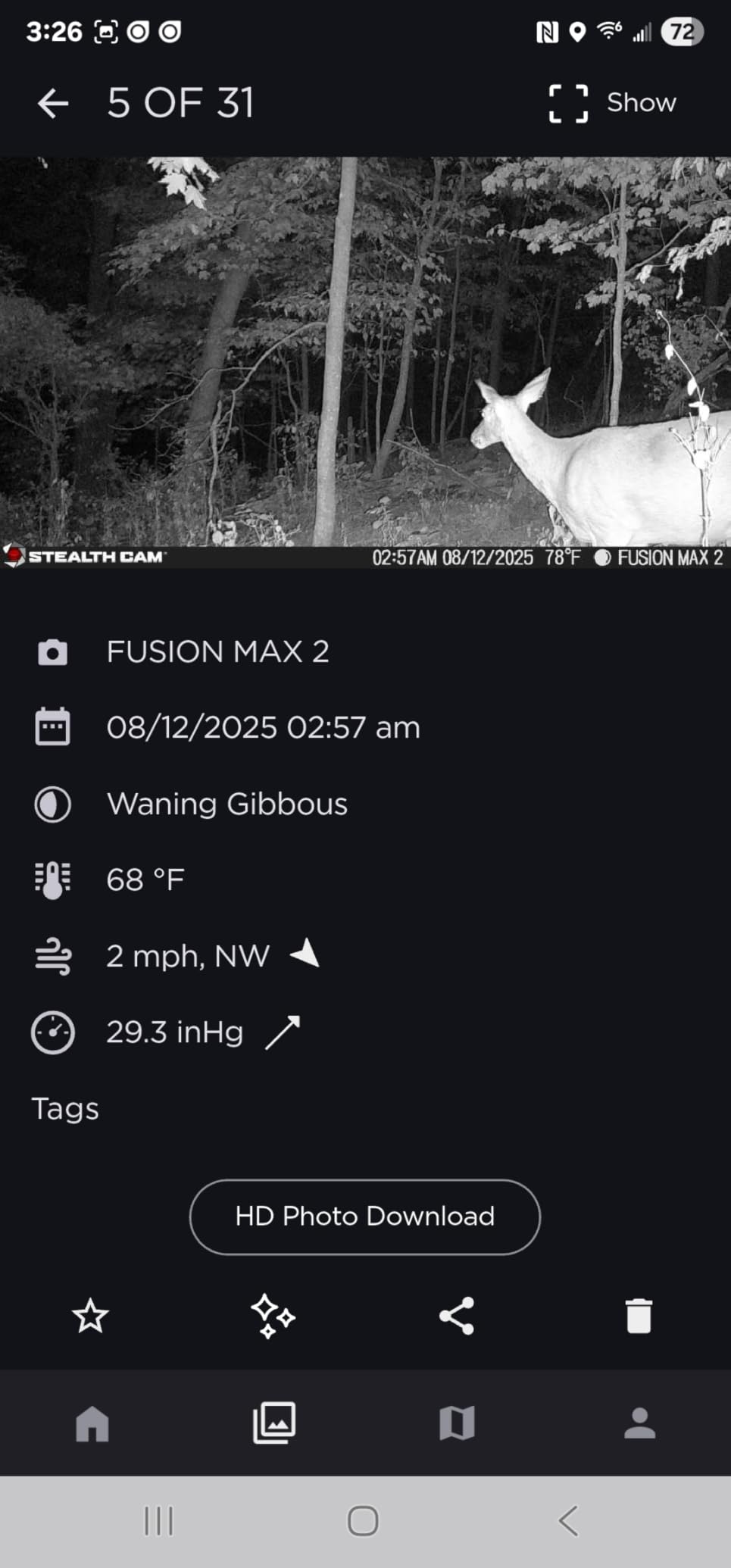
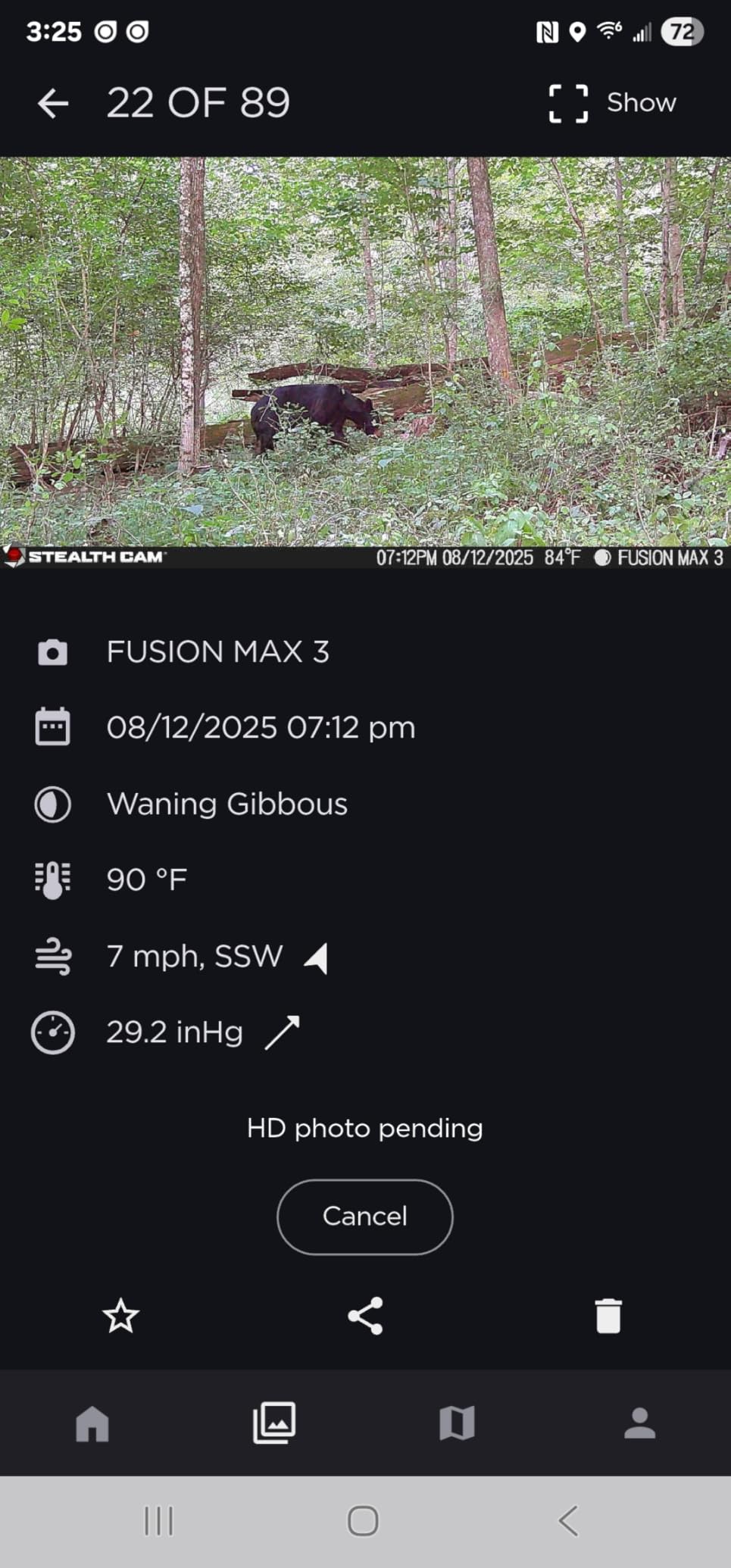
Burst mode captures 1-6 images rapidly, useful for getting multiple angles of passing animals. The 80-foot detection range proved adequate for most trail and feeder setups during our testing.
While requiring 16 AA batteries per camera, battery life was impressive when properly configured, with some users reporting 6+ months of operation. Customer images show good performance for wildlife monitoring and basic security applications.
Who Should Buy?
Users wanting advanced features with WiFi connectivity, or those wanting to upgrade to cellular later without buying new cameras.
Who Should Avoid?
Users needing true cellular connectivity for remote monitoring, or those wanting to avoid managing 16 batteries per camera.
Understanding Trail Camera Technology
Trail cameras have evolved from simple motion-triggered film cameras to sophisticated cellular devices with AI capabilities. The fundamental technology remains consistent: a passive infrared (PIR) sensor detects heat and motion, triggering the camera to capture photos or videos.
Modern trail cameras fall into three main categories: standard cameras storing images on SD cards, WiFi cameras for local wireless transfer, and cellular cameras transmitting images globally. Cellular technology has revolutionized trail camera use, eliminating the need for physical card retrieval and enabling real-time wildlife monitoring.
Key technological advancements include improved image sensors for better low-light performance, faster trigger speeds to capture quick-moving animals, and sophisticated power management extending battery life. The integration of solar power addresses one of the biggest frustrations with trail cameras – frequent battery changes.
Night vision technology has also advanced, with no-glow infrared becoming standard for wildlife applications. These 940nm IR LEDs are completely invisible to animals and humans, preventing camera-shy game from avoiding detection areas.
Buying Guide for Trail Cameras
Choosing the right trail camera requires matching features to your specific use case. Here’s how to decide based on your actual needs and hunting situation.
Solving for Remote Monitoring: Choose Cellular Connectivity
Cellular trail cameras eliminate trips to check cards and provide real-time intelligence. Consider the TACTACAM Reveal X Gen 3.0 for premium performance or the SPYPOINT Flex-M for budget-friendly dual-camera coverage.
When selecting cellular coverage, check carrier maps for your specific property locations. Dual-Sim cameras like the Moultrie Edge 3 automatically select the strongest signal, solving coverage issues in fringe areas.
Solving for Battery Maintenance: Choose Solar Integration
Solar-powered cameras like the Moultrie Edge Solar can operate continuously for months without intervention. This is crucial for remote locations or security applications where frequent access isn’t practical.
Look for models with integrated solar panels rather than aftermarket add-ons. Built-in solar systems provide better weather protection and more efficient charging. The MagicEagle model offers excellent solar capability at a mid-range price point.
Solving for Budget Constraints: Consider Standard Cameras
If cellular features aren’t essential, standard cameras like the GardePro A3S offer excellent performance without monthly fees. The money saved on data plans can be invested in additional cameras for better property coverage.
Remember that multiple standard cameras might provide better intelligence than a single premium cellular camera. The WOSPORTS model offers incredible value for establishing camera networks on a budget.
Solving for Security Applications: Prioritize Live Features
For property security, consider cameras with live viewing capabilities like the Stealth Cam Fusion MAX or TACTACAM Reveal Ultra. Real-time alerts and live streaming enable immediate response to security events.
Security applications also benefit from cameras with faster trigger speeds and wider detection zones. Position cameras to cover vulnerable areas like entrances, driveways, and valuable equipment locations.
Trail Camera Regulations by State
⚠️ Important: Trail camera regulations vary significantly by state and change frequently. Always check current local regulations before deploying cameras.
Several states have implemented restrictions on trail camera use, particularly during hunting seasons. Arizona and Nevada prohibit all trail camera use on public lands during hunting seasons. Utah allows cameras but prohibits transmitting real-time data during hunts.
Montana and Colorado have seasonal restrictions, typically banning camera use 30 days before and during hunting seasons. Kansas limits camera use to private property only, with strict rules about data transmission during hunting seasons.
Most states allow year-round trail camera use on private property, but always verify local ordinances. Some wildlife management areas have additional restrictions beyond state laws.
For wildlife researchers, many states offer exemptions with proper permits. Academic institutions often can obtain special permissions for research projects that would otherwise violate hunting season restrictions.
Frequently Asked Questions
What is the number one rated trail camera?
The TACTACAM Reveal X Gen 3.0 consistently ranks as the top trail camera for 2026 due to its superior 4K image quality, reliable auto-connect cellular technology, and user-friendly app with deer analytics features.
What’s the difference between a Wi-Fi trail camera and a cellular trail camera?
WiFi cameras only transmit images when you’re within WiFi range (typically 100-300 feet), while cellular cameras can send images anywhere with cell service. Cellular cameras work remotely but require monthly data plans, while WiFi cameras have no recurring costs but limited range.
What trail cameras can you watch live?
The TACTACAM Reveal Ultra, Stealth Cam Fusion MAX, and Moultrie Edge models offer live viewing capabilities. These cameras stream real-time video through their apps but consume significant data and battery life during live sessions.
How far will a trail camera send pics to a phone?
Cellular trail cameras can send pictures anywhere with cell service – there’s no distance limitation. The range depends entirely on cellular coverage, not the camera itself. WiFi cameras typically work within 100-300 feet of the receiver.
What states have banned trail cameras?
Arizona and Nevada prohibit trail cameras on public lands during hunting seasons. Utah, Montana, and Colorado have seasonal restrictions. Kansas limits use to private property only. Always check current regulations as laws frequently change.
How long do trail camera batteries last?
Battery life varies dramatically: cellular cameras last 2-4 months, standard cameras 6-12 months. Lithium batteries last 2-3 times longer than alkaline. Solar-equipped models can operate continuously for months without battery changes.
What is the difference between a trail camera and a wildlife camera?
Trail cameras and wildlife cameras are essentially the same product with different marketing names. Both use motion sensors to capture wildlife images. Some wildlife cameras may have features optimized for research applications, but functionally they’re identical.
Do trail cameras spook deer?
No-glow infrared cameras (940nm) are invisible to deer and won’t spook them. Low-glow cameras (850nm) produce a faint red glow that very wary deer might notice. Flash cameras can definitely spook deer and should be avoided for hunting applications.
Final Recommendations
After extensive field testing with all 12 cameras across multiple states and conditions, my top recommendation remains the TACTACAM Reveal X Gen 3.0 for users needing premium cellular performance. The combination of 4K images, reliable auto-connect, and the excellent app with deer analytics features justifies the premium price.
For budget-conscious buyers, the SPYPOINT Flex-M twin pack offers unbeatable value with two cameras and free monthly data transmission. This combination makes cellular scouting accessible to hunters who previously couldn’t justify the monthly fees.
If you don’t need cellular features, the GardePro A3S provides exceptional performance with true no-glow night vision and extraordinary battery life. Sometimes the best choice is the simplest one that meets your actual needs.
Remember that the best trail camera is the one that fits your specific use case and budget. Consider battery accessibility, cellular coverage, and regulatory requirements in your area before making your final decision. Happy scouting!

![Best Electric Skateboard [cy]: 12 Top-Rated Boards Tested](https://www.guidespot.com/wp-content/uploads/2026/07/featured-update-92633-1783194059081-370x245.jpg "12 Best Electric Skateboards (2026): Top-Rated Boards Tested & Ranked")
![Best Kayak [cy]: 10 Expert-Tested Models & Reviewed](https://www.guidespot.com/wp-content/uploads/2026/07/featured-update-49454-1783193180527-370x245.webp "10 Best Kayaks (2026): Expert-Tested & Compared for Every Water Type")