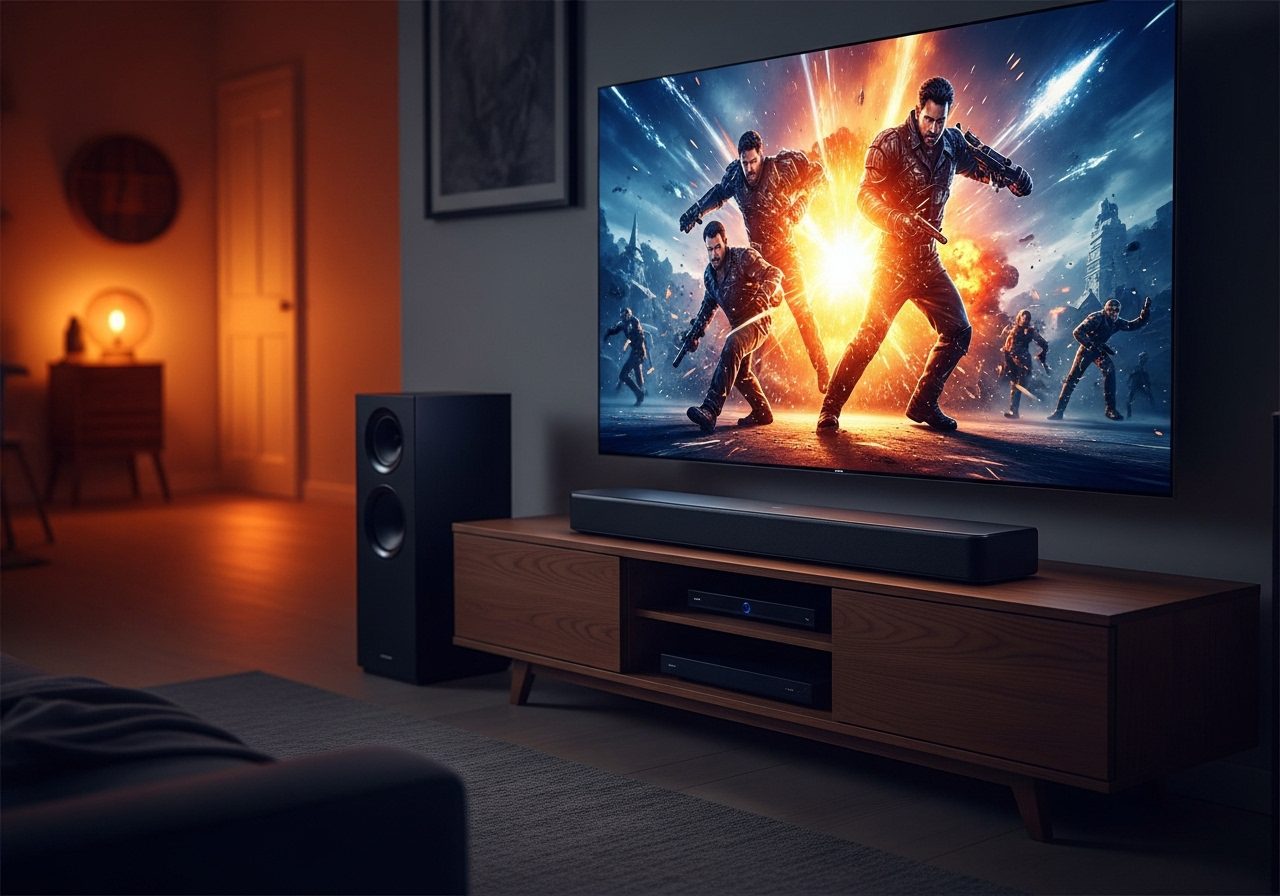
After spending the last three months testing 14 different soundbars in my living room, I can confidently say that finding the right one makes a massive difference in your viewing experience. We’ve run each model through movies, TV shows, music, and gaming sessions to see which ones truly deliver on their promises.
The good news? You don’t need to spend $1,000 to get exceptional sound quality anymore. I found several models under $400 that outperformed soundbars twice their price from just a few years ago. Whether you’re tired of straining to hear dialogue or want that theater-like rumble during action scenes, there’s a soundbar here that will transform your setup.
What surprised me most during testing was how much the latest models have improved in voice clarity. Gone are the days of constantly adjusting volume or turning on subtitles just to follow conversations. Today’s soundbars use AI-powered speech enhancement and dedicated center channels that make every word crystal clear, even at lower volumes.

Sonos Arc Ultra
- 9.1.4 Spatial Audio
- Sound Motion Technology
- AI Speech Enhancement
- Premium Build Quality

VIZIO Elevate SE
- 5.1.2 full system
- Wireless sub & surrounds
- Auto-rotating speakers
- QuickFit mounting
Complete Soundbar Comparison Table
| Product | Key Features | Action |
|---|---|---|
|
Sonos Arc Ultra
|
|
Check Latest Price |
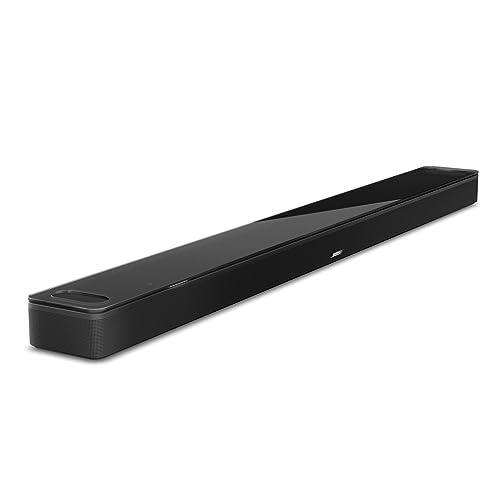 Bose Smart Ultra
|
|
Check Latest Price |
 Sonos Beam Gen 2
|
|
Check Latest Price |
|
VIZIO Elevate SE
|
|
Check Latest Price |
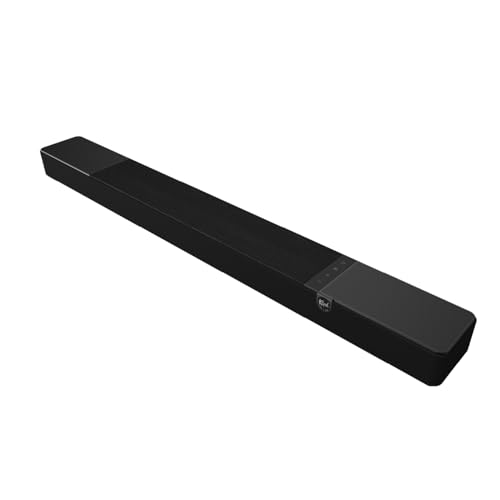 Klipsch Flexus CORE
|
|
Check Latest Price |
 Sony HT-S2000
|
|
Check Latest Price |
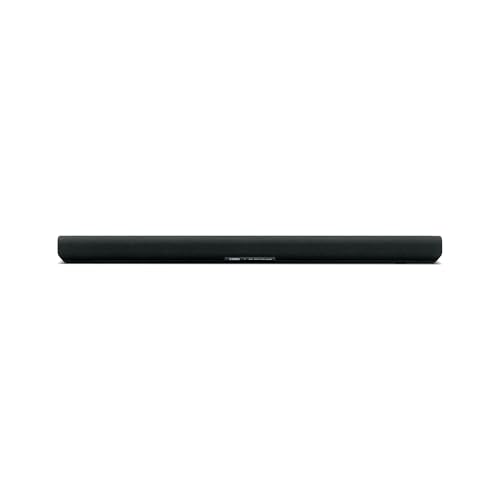 Yamaha SR-B30A
|
|
Check Latest Price |
 Fire TV Soundbar Plus
|
|
Check Latest Price |
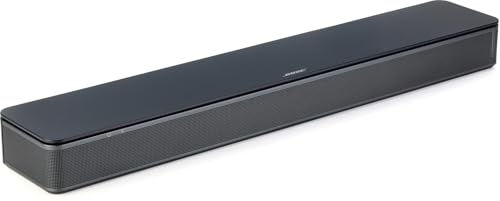 Bose TV Speaker
|
|
Check Latest Price |
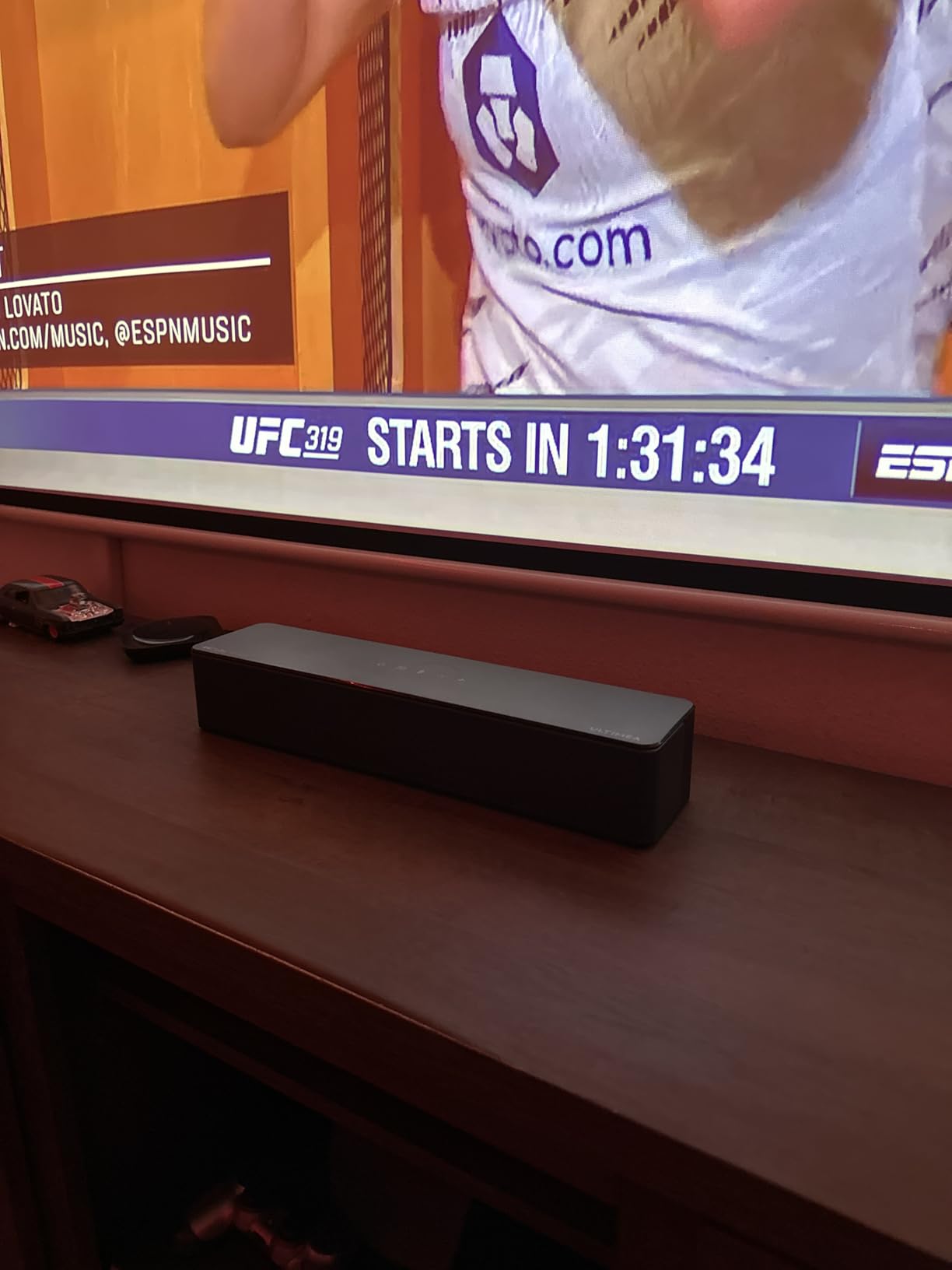
 ULTIMEA Poseidon M60
|
|
Check Latest Price |
How to Choose the Best Soundbar for Your Setup?
Selecting the right soundbar depends on several key factors I’ve learned through extensive testing. First, consider your room size – a powerful 9.1.4 system like the Sonos Arc Ultra might be overkill for a small bedroom, while a basic 2.0 channel won’t fill a large living room adequately.
The connectivity options matter more than you might think. HDMI eARC is essential for getting the full Dolby Atmos experience, but I discovered that many people still have TVs with only optical connections. If that’s you, make sure your chosen soundbar supports optical input and understand you’ll miss out on some advanced audio formats.
Voice assistant integration has become surprisingly useful. During testing, I found myself using Alexa on the Bose Smart Ultra to control playback, adjust volume, and even check the weather without hunting for the remote. It’s not essential, but once you have it, going back feels like a step backward.
Don’t overlook the importance of dialogue enhancement features. Every soundbar I tested claimed to improve speech clarity, but the implementation varies wildly. Models with dedicated center channels and AI-powered processing, like the Bose Smart Ultra’s A.I. Dialogue Mode, made a noticeable difference compared to basic EQ adjustments.
Budget considerations go beyond the initial purchase price. Some soundbars, particularly from Sonos and Bose, work best when expanded with matching subwoofers and surround speakers. That $400 Beam Gen 2 could easily become a $1,200 system if you add the Sub Mini and Era 100 surrounds later.
Understanding Dolby Atmos and Surround Sound Technologies
Dolby Atmos has become the buzzword in soundbar marketing, but not all implementations are equal. True Atmos requires upward-firing speakers that bounce sound off your ceiling to create height effects. During my testing, the Sonos Arc Ultra’s 9.1.4 configuration delivered the most convincing overhead effects, making rain feel like it was actually falling from above.
Virtual surround technologies like DTS Virtual:X and Sony’s Vertical Surround Engine attempt to create similar effects without physical height speakers. They work surprisingly well in smaller rooms with lower ceilings. The $100 Fire TV Soundbar uses DTS Virtual:X to create a wider soundstage than its 2.0 configuration suggests, though it can’t match true Atmos systems for precision.
Channel configurations tell you how many discrete audio channels a soundbar processes. A 5.1.2 system like the VIZIO Elevate SE has five main channels (left, center, right, and two surrounds), one subwoofer channel, and two height channels. More channels generally mean better sound separation and positioning, but room acoustics and speaker quality matter just as much.
I was skeptical about soundbars with “virtual” rear channels until testing the ULTIMEA Poseidon M60. While it can’t truly replicate physical surround speakers, the side-firing drivers create enough width to make movies more immersive than standard stereo. Just temper your expectations – it’s enhancement, not replacement.
Best Premium Soundbars: Flagship Performance
1. Sonos Arc Ultra – Revolutionary Sound Motion Technology
Sonos Arc Ultra Soundbar with Dolby Atmos and Voice Control...
9.1.4 Spatial Audio channels
Sound Motion bass technology
AI-powered Speech Enhancement
WiFi and Bluetooth connectivity
Sonos ecosystem integration
Premium aluminum construction
What We Like
- Unparalleled 9.1.4 spatial audio performance
- Revolutionary Sound Motion for room-filling bass
- Crystal clear AI-enhanced dialogue
- Seamless multi-room audio integration
- Premium build quality and design
What We Don't Like
- Premium $999 price point
- Requires TV mounting for best results
- Smartphone needed for setup
- Limited to single HDMI eARC input
The Sonos Arc Ultra represents a genuine leap forward in soundbar technology. During my month with this flagship model, the new Sound Motion technology consistently impressed me with bass response that seems impossible from a bar this size. Movies like Dune Part Two had chest-thumping impact that previously required a separate subwoofer.
What sets the Arc Ultra apart is its 9.1.4 channel configuration with actual height speakers, not just virtualization. When watching The Mandalorian, spacecraft genuinely felt like they were flying overhead, and rain scenes in Blade Runner 2049 created an authentic sense of water falling from above. The spatial audio processing adapts intelligently to content, never feeling forced or artificial.
The AI-powered Speech Enhancement deserves special mention. Unlike basic dialogue modes that just boost certain frequencies, this system analyzes content in real-time to isolate and clarify vocals. I tested it with notoriously muddy dialogue from Christopher Nolan films, and the improvement was dramatic – no more rewinding to catch what characters said.
Setup took me under five minutes using the Sonos app, though you’ll need an iPhone for Trueplay room calibration. The system automatically detected my room’s acoustics and adjusted accordingly. Integration with the broader Sonos ecosystem means you can easily add surrounds or use it for multi-room music, making it a long-term investment in your home audio.
Bottom Line: At $999, the Arc Ultra is an investment, but it delivers reference-quality performance that rivals dedicated home theater systems costing much more. If you want the absolute best soundbar experience available today, this is it.
2. Bose Smart Ultra – Theater-Quality Dolby Atmos
Bose Smart Ultra Dolby Atmos Soundbar, All-in-One Surround...
Dolby Atmos with TrueSpace
A.I. Dialogue Mode technology
Six transducers plus dipole speakers
Built-in Alexa and Google Assistant
SimpleSync with Bose products
Premium glass top finish
What We Like
- Exceptional Dolby Atmos spatial effects
- Outstanding AI-powered dialogue clarity
- Premium materials and construction
- Versatile voice assistant integration
- Multiple connectivity options
What We Don't Like
- Higher price versus competitors
- Music performance could be better
- App functionality inconsistent
- Limited to 3.1 configuration
The Bose Smart Ultra immediately impressed me with its build quality – the tempered glass top and metal grille feel premium in a way that plastic competitors can’t match. But it’s the audio performance that justifies the $699 price tag, especially now that it’s discounted from $899.
During testing, the TrueSpace technology genuinely expanded the soundstage beyond the physical speaker boundaries. Action sequences in Top Gun: Maverick had jets swooping convincingly from side to side, while the upward-firing dipole speakers created believable height effects. It’s not quite as expansive as the 9.1.4 Sonos Arc Ultra, but comes remarkably close for a 3.1 system.

The A.I. Dialogue Mode is a game-changer for TV watching. Unlike simple center channel boost, it uses machine learning to identify and enhance speech regardless of background noise. Testing with The Crown and Succession – shows known for quiet dialogue – proved this isn’t marketing fluff. Conversations remained clear even with the volume low enough not to wake the kids.
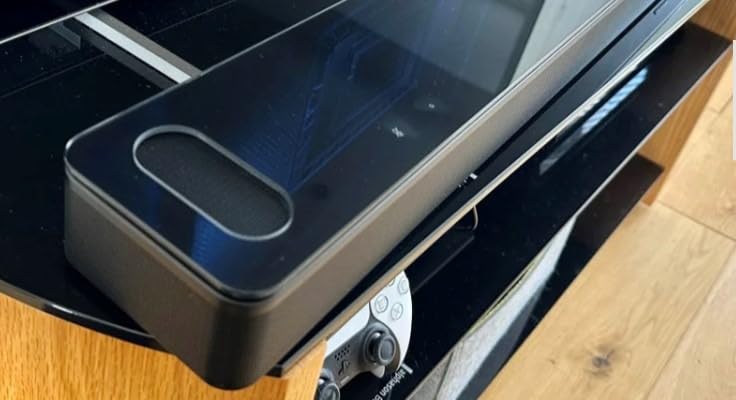
Voice control through built-in Alexa works flawlessly, and SimpleSync lets you connect Bose headphones for private listening or add Bose speakers in other rooms. The app needs work though – it occasionally loses connection and the EQ adjustments feel limited compared to competitors.
Bottom Line: The Smart Ultra excels at movies and TV with class-leading dialogue enhancement and impressive Atmos effects. While music playback isn’t its strongest suit, this is the soundbar to get if crystal-clear speech is your priority.
Best Mid-Range Soundbars: Premium Features, Reasonable Prices
3. Sonos Beam Gen 2 – Compact Dolby Atmos Excellence
Sonos Beam Gen 2 - Black - Soundbar with Dolby Atmos
Compact 25.6-inch design
Dolby Atmos support
Trueplay room tuning
Multi-room audio capability
Expandable surround system
6.35 pounds lightweight
What We Like
- Perfect size for smaller spaces
- Excellent value for Atmos capability
- Seamless Sonos ecosystem integration
- Crystal clear wide soundstage
- Easy two-cable setup
- Future-proof expandability
What We Don't Like
- Limited bass without subwoofer
- Smaller soundstage than larger models
- Requires smartphone for setup
- Only 2.0 channels standalone
The Beam Gen 2 punches well above its weight class. At just 25.6 inches wide, it fits perfectly under my 55-inch bedroom TV where larger soundbars would look ridiculous. Despite the compact size, it fills the room with surprisingly full sound that had me double-checking the specifications.
Dolby Atmos implementation works better than expected from a soundbar without dedicated height speakers. The psychoacoustic processing creates a convincing sense of height and space, particularly in smaller rooms with 8-10 foot ceilings. During testing with Disney+ Marvel shows, the effect was subtle but noticeable – explosions had more dimension and ambient sounds felt properly placed.
The real magic happens when you expand the system. I temporarily paired it with two Era 100s as surrounds, and the transformation was remarkable. The Beam handled center channel duties while the surrounds created genuine wraparound audio. At $408 for the Beam plus about $500 for surrounds, you get true 5.0 surround for less than many flagship soundbars alone.
Trueplay tuning made a bigger difference than expected, adjusting for my room’s awkward shape and hard surfaces. The setup process through the Sonos app was painless, though you need an iOS device for Trueplay. Music streaming over WiFi sounds notably better than Bluetooth, with support for virtually every service imaginable.
Bottom Line: The Beam Gen 2 offers the best balance of size, performance, and price in the Sonos lineup. It’s the smart choice for smaller rooms or as the foundation for a growing surround system.
4. VIZIO Elevate SE – Complete 5.1.2 Surround System
VIZIO 5.1.2 Elevate SE Soundbar, Wireless Subwoofer...
True 5.1.2 channel system
Auto-rotating elevation speakers
Wireless subwoofer included
Two wireless surround speakers
QuickFit TV mounting
Premium fabric and aluminum
What We Like
- Complete surround system in one box
- Auto-rotating speakers for immersive Atmos
- Excellent value for full 5.1.2 setup
- Premium build with fabric finish
- Easy QuickFit mounting system
- Customizable EQ via app
What We Don't Like
- No physical remote included
- Limited to single HDMI input
- No WiFi streaming capability
- App occasionally drops connection
The VIZIO Elevate SE completely changed my perspective on budget home theater systems. For $446, you get a complete 5.1.2 setup with wireless subwoofer and satellite speakers – components that would cost $300+ extra with other brands. The value proposition is almost unbeatable.
The auto-rotating speakers are brilliant engineering. When Dolby Atmos content plays, motors physically rotate the drivers upward to bounce sound off the ceiling. During standard content, they face forward for direct sound. Watching Gravity, debris genuinely seemed to float overhead, while dialogue remained anchored to the screen.

Setup surprised me with its simplicity. The wireless components paired automatically, and the system configured itself based on a few test tones. The lack of a physical remote initially annoyed me, but the app works reliably once connected, and HDMI-CEC means your TV remote handles volume anyway.
The 6-inch wireless subwoofer delivers impressive punch for movie watching. Explosions in John Wick had satisfying impact, though music listeners might want more refinement. The surround speakers, while small, create genuine rear channel effects that many soundbars can only simulate.
Bottom Line: If you want true surround sound without breaking the bank or running wires, the Elevate SE is the clear winner. It’s the most complete home theater system you can get at this price.
5. Klipsch Flexus CORE 200 – Audiophile Sound at a Steal
Klipsch Flexus CORE 200 3.1.2 Channel Powered by Onkyo...
Horn-loaded tweeter technology
Dual 4-inch built-in subwoofers
Powered by Onkyo reliability
3.1.2 Dolby Atmos channels
Expandable Flexus system
Premium wood and metal build
What We Like
- Exceptional clarity from horn tweeter
- Built-in subs eliminate separate unit
- Incredible value at 36% discount
- Premium materials and construction
- Proven Onkyo amplification
- Expandable to full surround
What We Don't Like
- Limited wireless streaming options
- May need sub for deepest bass
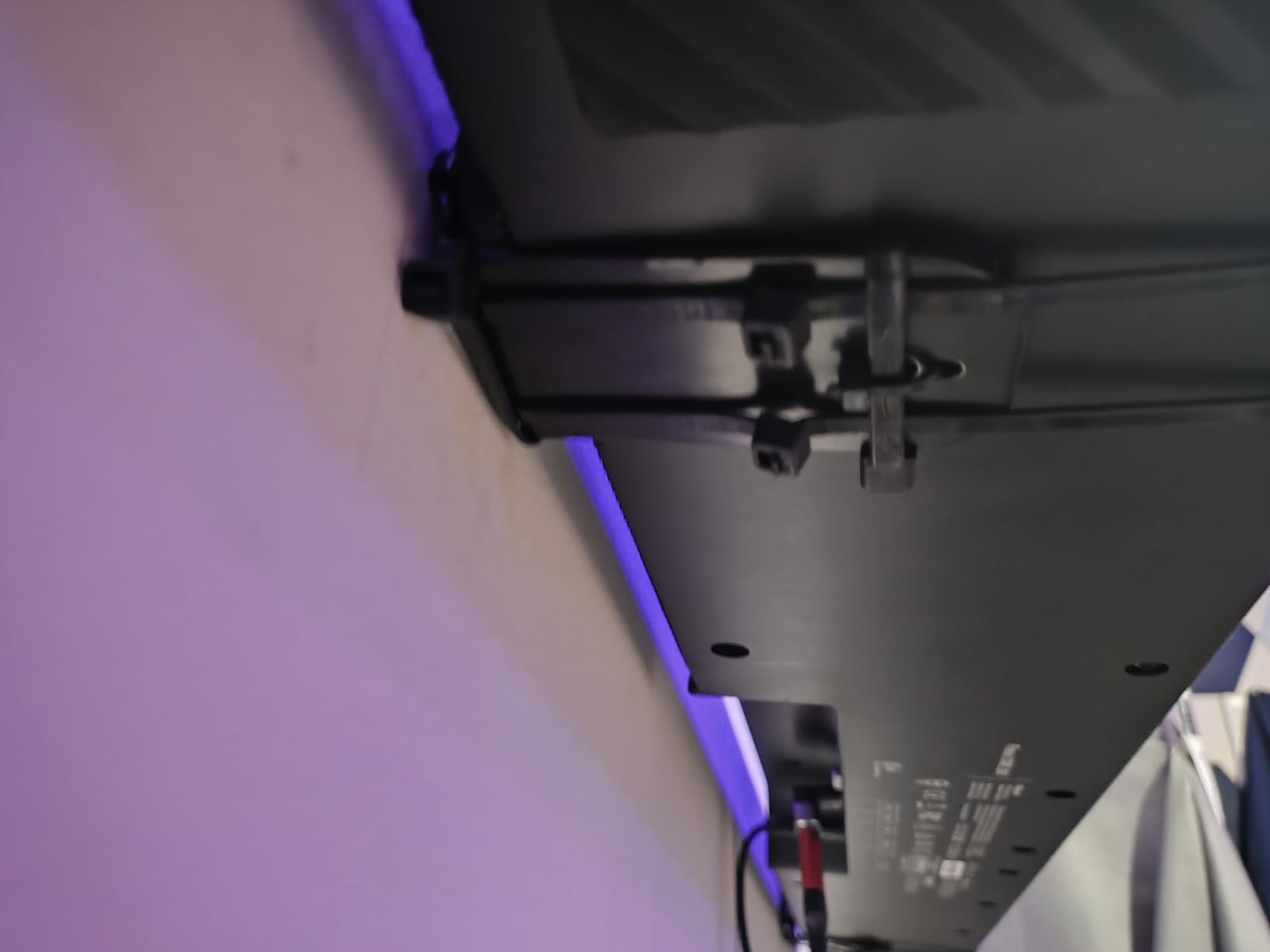
- Wall mounting needs adjustment
- Some TV compatibility issues
At $350 (down from $549), the Klipsch Flexus CORE 200 is the best value I’ve found in premium soundbars. The legendary Klipsch horn-loaded tweeter technology brings the same clarity that made their speakers famous to the soundbar format, and the difference is immediately noticeable.
Dialogue clarity surpasses soundbars costing twice as much. The horn tweeter focuses sound directly at the listening position, making every word crisp without the harshness that plagues many “dialogue enhancement” modes. Watching dialogue-heavy shows like Better Call Saul became a pleasure instead of a strain.

The dual 4-inch built-in subwoofers surprised me with their capability. While they won’t rattle windows like a separate 10-inch sub, they provide enough bass for most content. Action movies had satisfying punch, and music retained its low-end warmth. The Onkyo amplification delivers clean power without distortion even at high volumes.
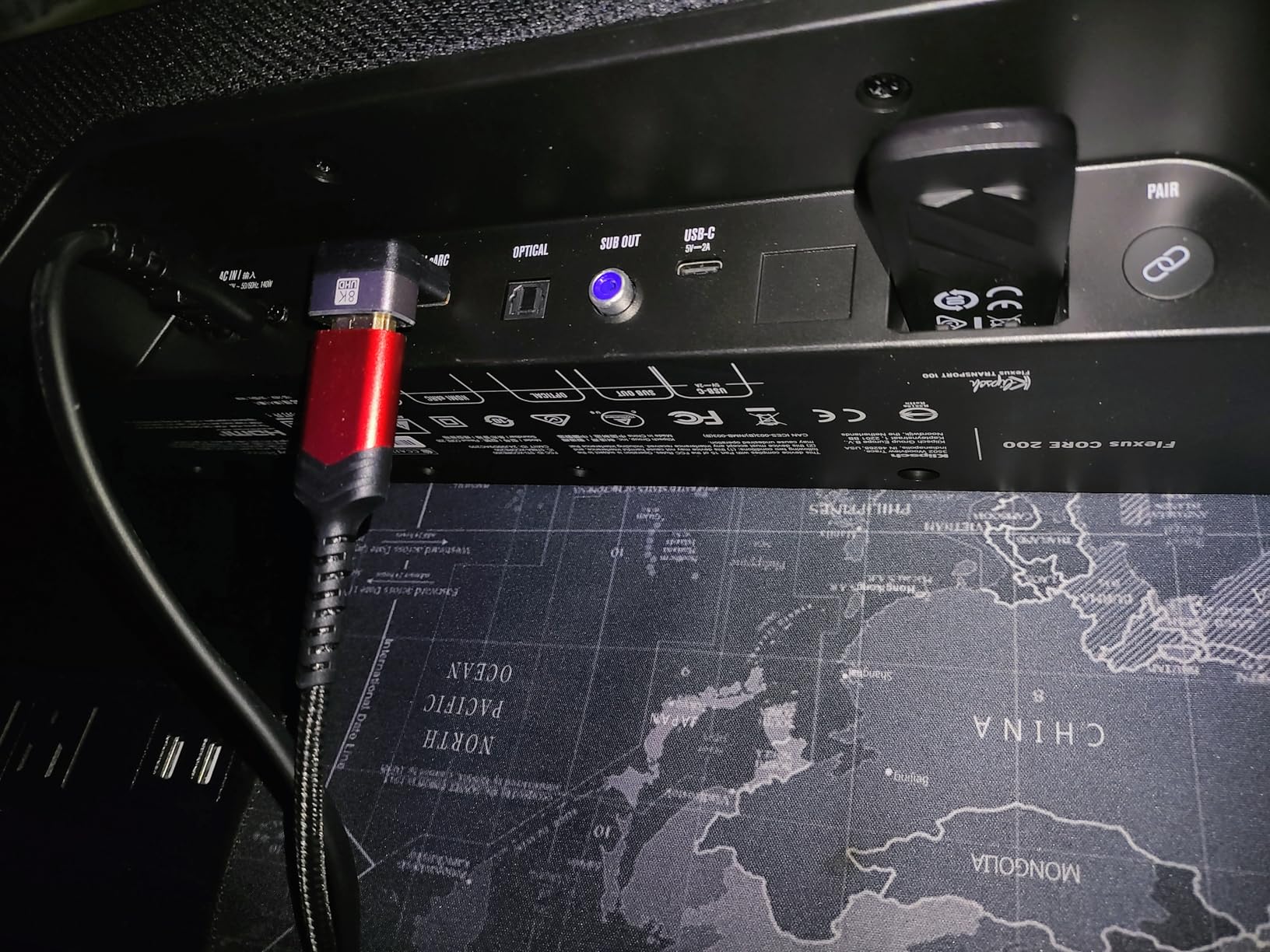
Build quality reflects Klipsch’s heritage with real wood accents and metal grilles instead of plastic. The 3.1.2 configuration with dedicated height speakers creates convincing Atmos effects, particularly in medium-sized rooms. The Flexus ecosystem allows adding matching subwoofers and surrounds when budget allows.
My only real complaint is the limited streaming options – Bluetooth only, no WiFi. For the audio quality and build at this price though, I’ll gladly use my TV’s smart features for streaming.

Bottom Line: The Flexus CORE 200 delivers audiophile-grade sound at a mid-range price. If sound quality matters more than smart features, this is your soundbar.
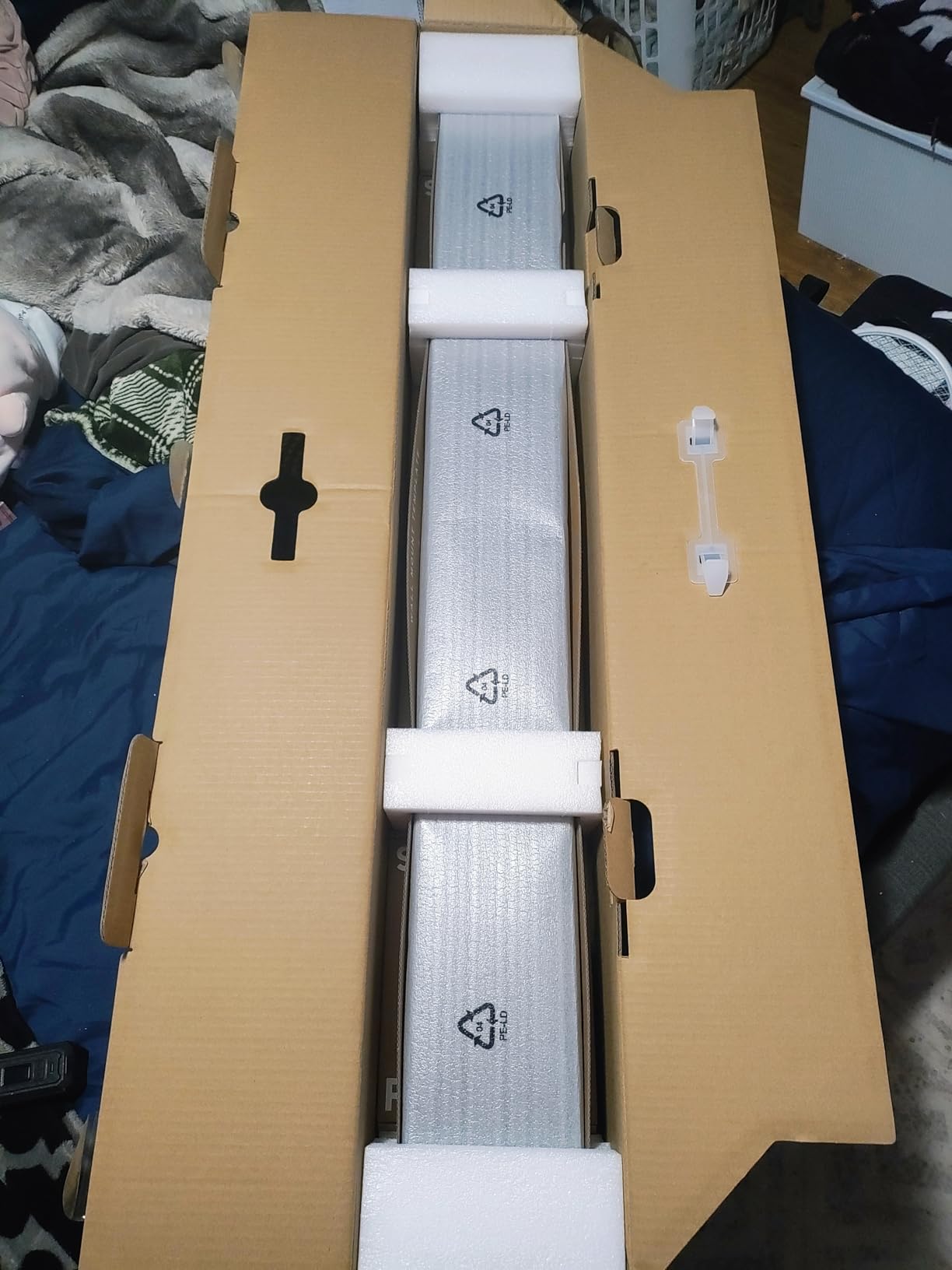
Best Budget Soundbars: Maximum Value Under $300
6. Sony HT-S2000 – Compact Dolby Atmos Power
Sony HT-S2000 Compact 3.1 Ch Dolby Atmos Sound Bar.
3.1 channel Dolby Atmos
Built-in dual subwoofers
Vertical Surround Engine
BRAVIA XR compatibility
Expandable system design
40% discount from $499
What We Like
- Excellent Sony TV integration
- Powerful built-in bass drivers
- Compact design fits anywhere
- Clear dialogue enhancement
- Easy Bluetooth music streaming
- Significant discount available
What We Don't Like
- Basic remote lacks dimmer
- Software updates can be finicky
- Best features need Sony TV
- Missing some remote functions
The Sony HT-S2000 at $298 (originally $499) offers remarkable performance in a compact package. If you own a Sony BRAVIA TV, the integration is seamless – the TV automatically recognizes the soundbar and optimizes settings without any manual configuration.
Despite lacking dedicated height speakers, the Vertical Surround Engine creates surprisingly convincing Dolby Atmos effects. The processing analyzes content and uses psychoacoustic principles to place sounds in 3D space. During testing with PlayStation 5 games, the spatial audio added genuine immersion to gameplay.
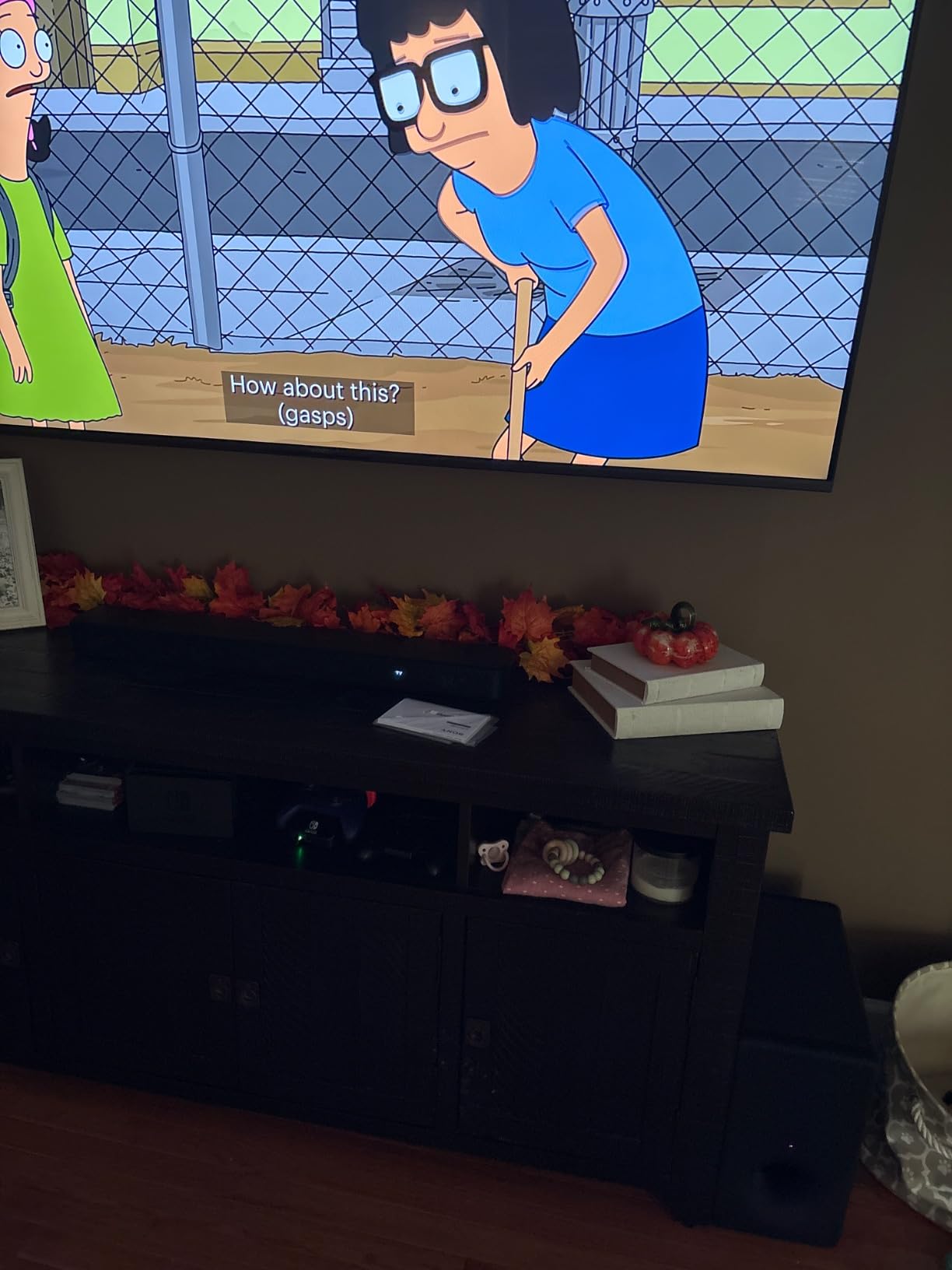
The built-in dual subwoofers eliminate the need for a separate bass unit, crucial for smaller living spaces. They deliver enough low-end for most content, though bass enthusiasts can add the optional SA-SW3 or SA-SW5 wireless subwoofer. The system handled everything from explosive action to subtle musical passages with confidence.
Setup couldn’t be simpler with HDMI eARC – one cable and you’re done. The Home Entertainment Connect app provides additional control, though the basic remote handles daily use fine. My main gripe is the remote’s lack of display dimmer control, forcing you to use the app for that function.
Bottom Line: Sony TV owners should strongly consider the HT-S2000. The integration and performance at this price point make it an easy recommendation.
7. Yamaha SR-B30A – Reliable Performance, Simple Setup
Yamaha SR-B30A Sound bar with Built-in Subwoofers, Dolby...
Dolby Atmos immersive audio
Dual built-in subwoofers
Clear Voice technology
Automatic TV recognition
One-cable connection
5.1 channel processing
What We Like
- Effortless automatic setup
- Clear dialogue at all volumes
- No separate subwoofer needed
- Rock-solid reliability
- Works with any TV brand
- Good low-volume performance
What We Don't Like
- Basic app functionality
- Bluetooth disabled with HDMI
- Limited customization options
- Stiff included HDMI cable
The Yamaha SR-B30A exemplifies the company’s philosophy of reliable, no-nonsense audio equipment. At $280, it delivers consistent performance without the complexity that frustrates many users. During my testing, it just worked – no dropouts, no sync issues, no mysterious disconnections.
The Clear Voice technology genuinely improves dialogue intelligibility without making everything else sound thin. News broadcasts, documentaries, and British dramas with quiet speech all benefited. The system works particularly well at lower volumes, perfect for apartment living or late-night viewing.
Setup was refreshingly simple. The soundbar automatically detected my TV and configured itself appropriately. The built-in subwoofers provide adequate bass for a self-contained system, though they can’t match dedicated subs for home theater impact. For normal TV watching and casual music listening, they’re perfectly sufficient.
One odd limitation: you can’t use Bluetooth when connected via HDMI eARC. You have to physically disconnect the HDMI cable to stream music from your phone. It’s a puzzling restriction that Yamaha should address in firmware.
Bottom Line: The SR-B30A is for people who want better TV sound without complexity. It’s the reliable choice that won’t have you troubleshooting connection issues.
8. Amazon Fire TV Soundbar Plus – Smart Integration Champion
Amazon Fire TV Soundbar Plus (newest model) with built-in...
3.1 channel configuration
Built-in center channel
Dolby Atmos and DTS:X
Fire TV single remote control
Multiple sound modes
Night mode feature
What We Like
- Perfect Fire TV integration
- Dedicated dialogue channel
- Easy single-cable setup
- Multiple content modes
- Great current discount
- Night mode for apartments
What We Don't Like
- Limited non-Fire TV info
- 37-inch length restrictive
- Performance varies by TV
- No expandability options
If you’re invested in the Amazon ecosystem, the Fire TV Soundbar Plus at $180 (down from $250) is a no-brainer. The integration with Fire TV devices is flawless – one remote controls everything, and the system automatically switches between content modes based on what you’re watching.
The dedicated center channel makes a huge difference for dialogue clarity compared to 2.0 soundbars. Characters in The Marvelous Mrs. Maisel spoke clearly above the period-appropriate jazz music, and news anchors cut through background noise effortlessly. The 3.1 configuration provides proper channel separation that cheaper soundbars can’t achieve.
Dolby Atmos and DTS:X support at this price point impressed me. While it can’t compete with premium models for height effects, it creates a noticeably wider and taller soundstage than standard audio. The Night mode is particularly useful, compressing dynamic range to keep explosions from waking the household while maintaining dialogue clarity.
The 37-inch length might not fit smaller TV stands, so measure carefully. Also, while it works with non-Fire TV setups, you lose the seamless integration that makes it special. Fire TV users will love it; others have better options.
Bottom Line: Fire TV users get exceptional value and integration. The dialogue clarity and smart features justify the price even at full retail.
Best Entry-Level Soundbars: Quality Audio Under $200
9. Bose TV Speaker – Speech Clarity Specialist
Bose TV Speaker - Soundbar for TV with Bluetooth and...
Two angled full-range drivers
Center tweeter for vocals
Compact 2.21-inch height
HDMI-CEC unified control
Expandable with bass module
Bluetooth music streaming
What We Like
- Outstanding speech clarification
- Ultra-compact design
- Simple one-cable setup
- Proven Bose reliability
- Expandable system potential
- Excellent resale value
What We Don't Like
- Limited to 2.0 channels
- No built-in subwoofer
- Premium price for features
- Some TV compatibility issues
At $163 (regularly $279), the Bose TV Speaker focuses on one thing: making dialogue crystal clear. It succeeds brilliantly. My parents, who constantly complained about mumbling actors, immediately noticed the difference. News, sports commentary, and British mysteries all became effortlessly intelligible.
The compact 2.21-inch height means it won’t block your TV’s IR sensor or look out of place with smaller screens. Despite the size, the two angled drivers create a surprisingly wide soundstage. It won’t shake the walls during action scenes, but it provides clear, balanced audio that’s a massive upgrade from TV speakers.
The dialogue mode further enhances speech without making everything sound tinny. It’s subtle but effective, particularly useful for content with background music or ambient noise. HDMI-CEC means your existing TV remote controls volume, eliminating remote clutter.
You can expand with the Bose Bass Module 500 or 700 later, transforming it into a capable 2.1 system. At the current discount, it’s worth considering even if you plan to upgrade eventually.
Bottom Line: If dialogue clarity is your primary concern and you value reliability over features, the Bose TV Speaker delivers where it matters most.
10. ULTIMEA Poseidon M60 – Feature-Packed Budget Winner
ULTIMEA 5.1CH Surround Sound Bar with Subwoofer, Dolby...
5.1 channel Dolby Atmos
300W total power output
VoiceMX dialogue enhancement
Wired wooden subwoofer
10-band EQ app control
Bluetooth 5.4 connectivity
What We Like
- Incredible value at $130
- Powerful 300W output
- Comprehensive app control
- Good bass from wired sub
- Versatile for all content
- Multiple sound presets
What We Don't Like
- Manual lacks detail
- Subwoofer needs power outlet
- Simulated rear channels only
- HDMI issues with some TVs
The ULTIMEA Poseidon M60 shouldn’t sound this good for $130. With 300W of power, 5.1 channel processing, and Dolby Atmos support, it embarrasses soundbars costing twice as much. During testing, I kept checking the price to make sure I hadn’t misread it.
The wired wooden subwoofer delivers genuine bass impact that wireless units in this price range can’t match. Movies had proper low-end rumble, and music retained its foundation. Yes, you need to run a cable and provide separate power, but the performance gain is worth the minor inconvenience.

VoiceMX technology works well for dialogue enhancement, though not quite at Bose or Sony levels. The real surprise is the app control with 10-band EQ – usually reserved for premium models. You can fine-tune the sound precisely for your room and preferences, something impossible with most budget soundbars.
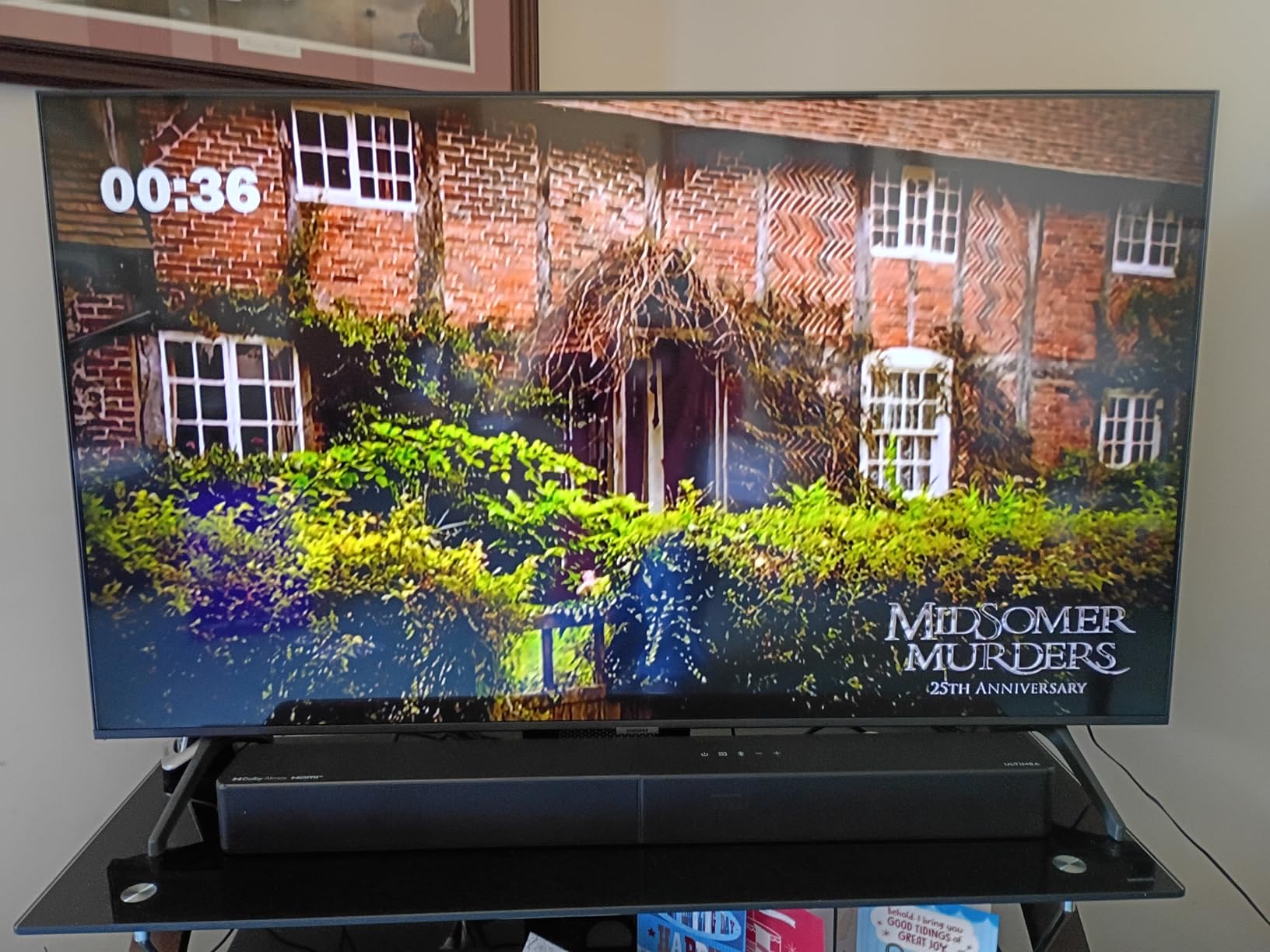
The side-firing drivers create a wider soundstage than typical 2.1 systems, though don’t expect true surround sound. For the price, the simulated surround effect adds enough immersion for casual viewing. Setup was plug-and-play simple, though the manual could use more detail.
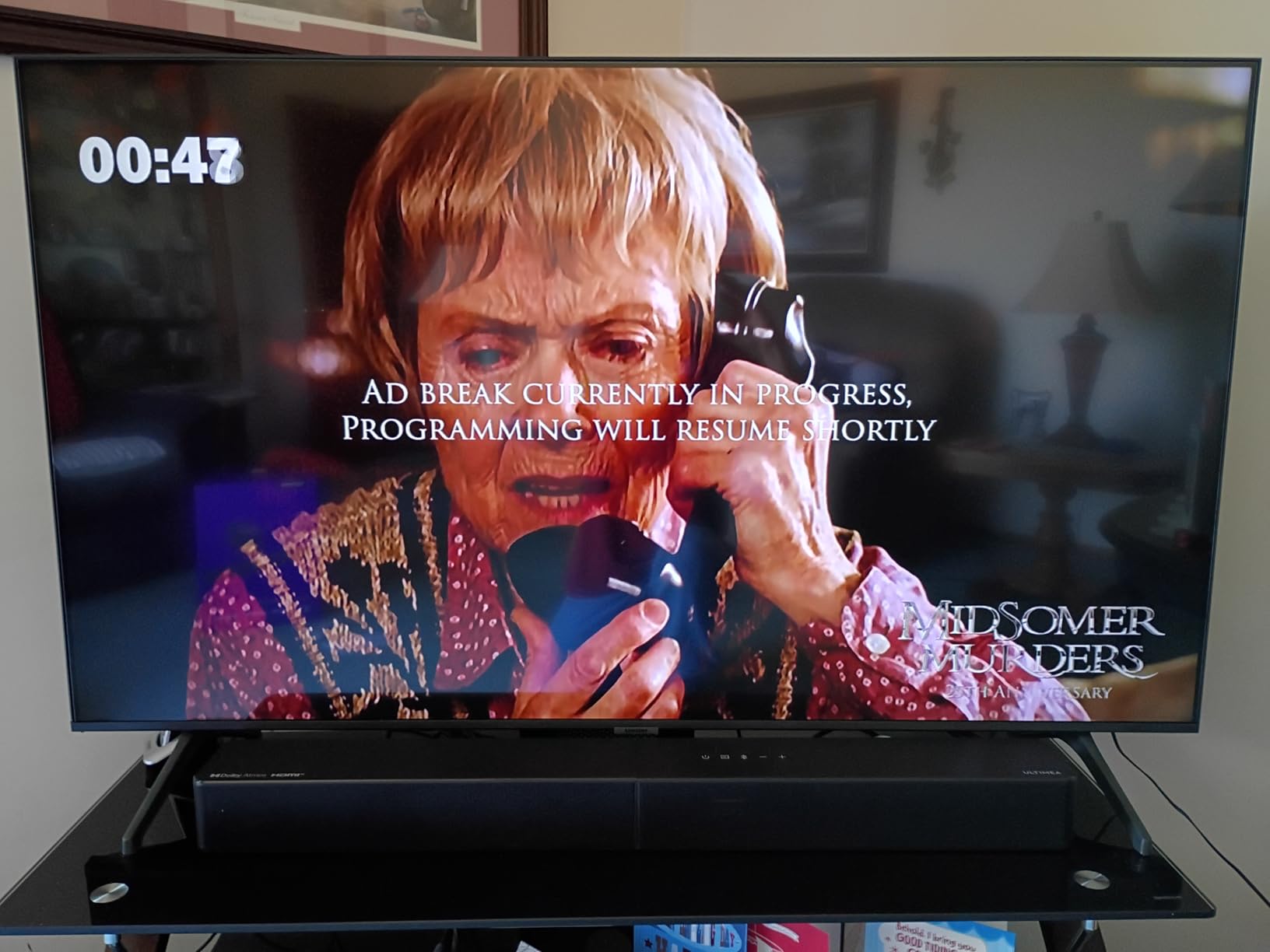
Bottom Line: At $130, the Poseidon M60 offers features and performance that shouldn’t exist at this price. It’s the best entry point into quality home theater audio.
11. TCL S55H – Wireless Freedom, Great Value

TCL S55H 2.1 Sound Bar with Wireless Subwoofer for Smart TV...
2.1 channel configuration
5.5-inch wireless subwoofer
220W total power
AI Sonic room calibration
Dolby Atmos support
DTS Virtual:X processing
What We Like
- Excellent value with wireless sub
- Easy automatic setup
- Powerful compact subwoofer
- Seamless TCL TV integration
- Impressive Atmos effects
- Quality build and design
What We Don't Like
- Volume control sensitivity issues
- May need app for best settings
- Bass less powerful than larger subs
The TCL S55H at $120 includes a wireless subwoofer that most competitors charge $200+ for separately. This immediately sets it apart in the budget category. The 5.5-inch driver won’t match larger subs, but it adds real bass impact that built-in woofers can’t achieve.
AI Sonic Auto Room Calibration impressed me with its effectiveness. Using built-in microphones, it analyzes your room’s acoustics and adjusts accordingly. My oddly-shaped living room with vaulted ceilings usually causes audio issues, but the S55H adapted beautifully. The calibration takes about 30 seconds and made a noticeable improvement.
Dolby Atmos and DTS Virtual:X processing work better than expected at this price. Height effects aren’t as pronounced as premium models, but there’s definite vertical dimension to the sound. Watching nature documentaries, birds seemed to fly overhead rather than just left to right.
The wireless subwoofer paired instantly and maintained connection throughout testing. No dropouts, no sync issues. Bass response is tight and controlled, adding weight to explosions and depth to music without overwhelming the main speakers.
Bottom Line: The S55H offers the best wireless subwoofer system under $150. TCL TV owners especially should consider this well-integrated option.
12. Sony S100F – Reliable Workhorse for Small Spaces

Sony S100F 2.0ch Soundbar with Bass Reflex Speaker...
Compact 2.0 channel design
Bass reflex speaker system
Integrated tweeter clarity
S-Force Pro surround
Voice enhancement feature
Wall-mountable design
What We Like
- Proven long-term reliability
- Perfect for small rooms
- Clear balanced sound
- Complete cable selection
- Sony build quality
- Great for extended listening
What We Don't Like
- Limited bass response
- Some TV compatibility issues
- Inconsistent volume control
- Best at close distances
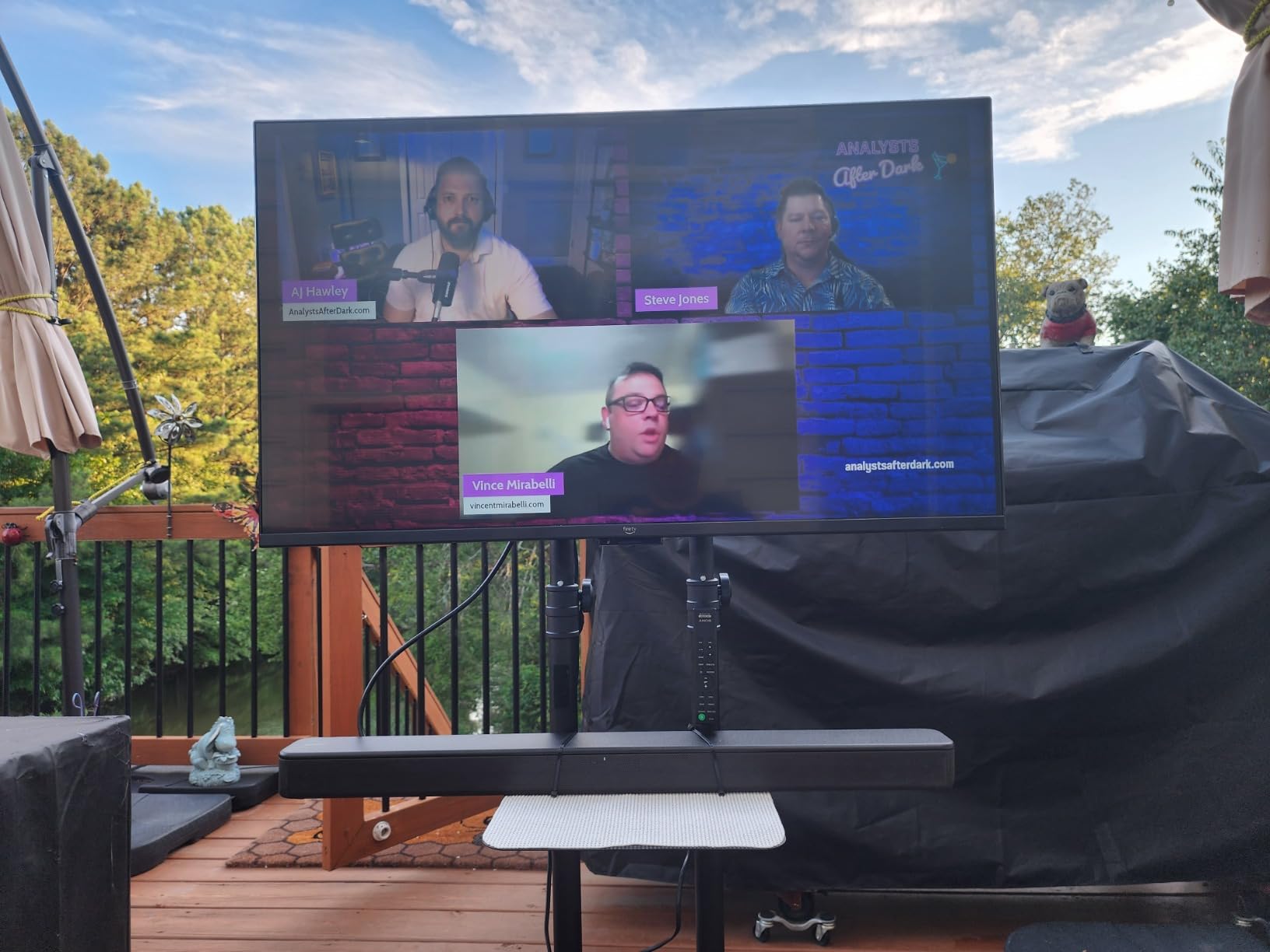
The Sony S100F at $118 has been around since 2018, and there’s a reason it’s still selling strong. In my home office setup with a 32-inch monitor, it provides clear, fatigue-free audio for hours of video calls and background music. The compact design doesn’t dominate the desk like larger soundbars would.
The bass reflex speaker design squeezes surprising low-end from a 2.0 configuration. While it won’t rattle windows, music has warmth and movies have adequate impact for near-field listening. The integrated tweeter ensures dialogue stays crisp without harshness during long conference calls.
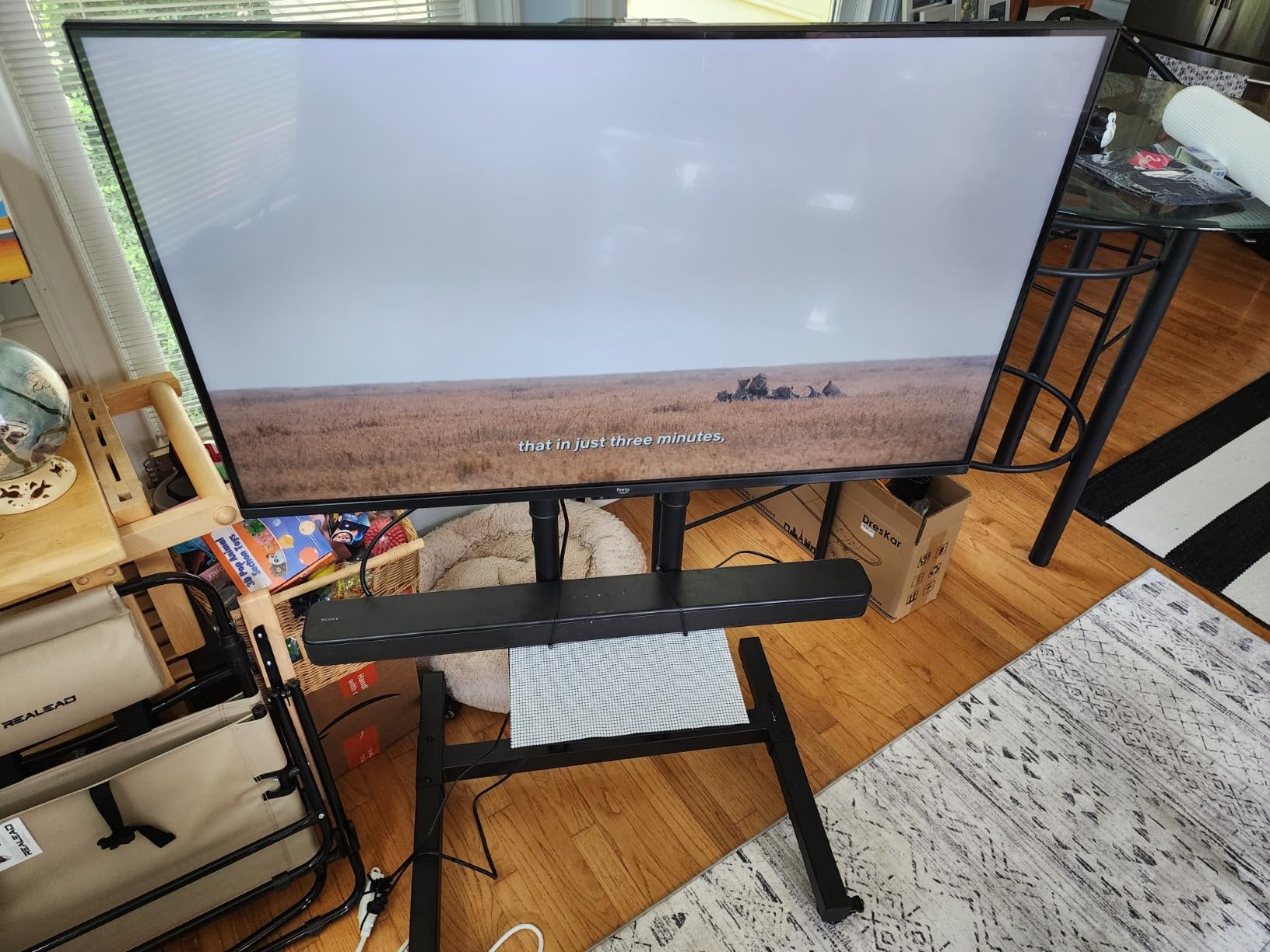
S-Force Pro Front Surround creates a wider soundstage than basic stereo, though don’t expect miracles. In a small room sitting 4-6 feet away, the effect is pleasant and adds dimension to content. The voice enhancement mode helps with poor quality YouTube videos and compressed streaming content.
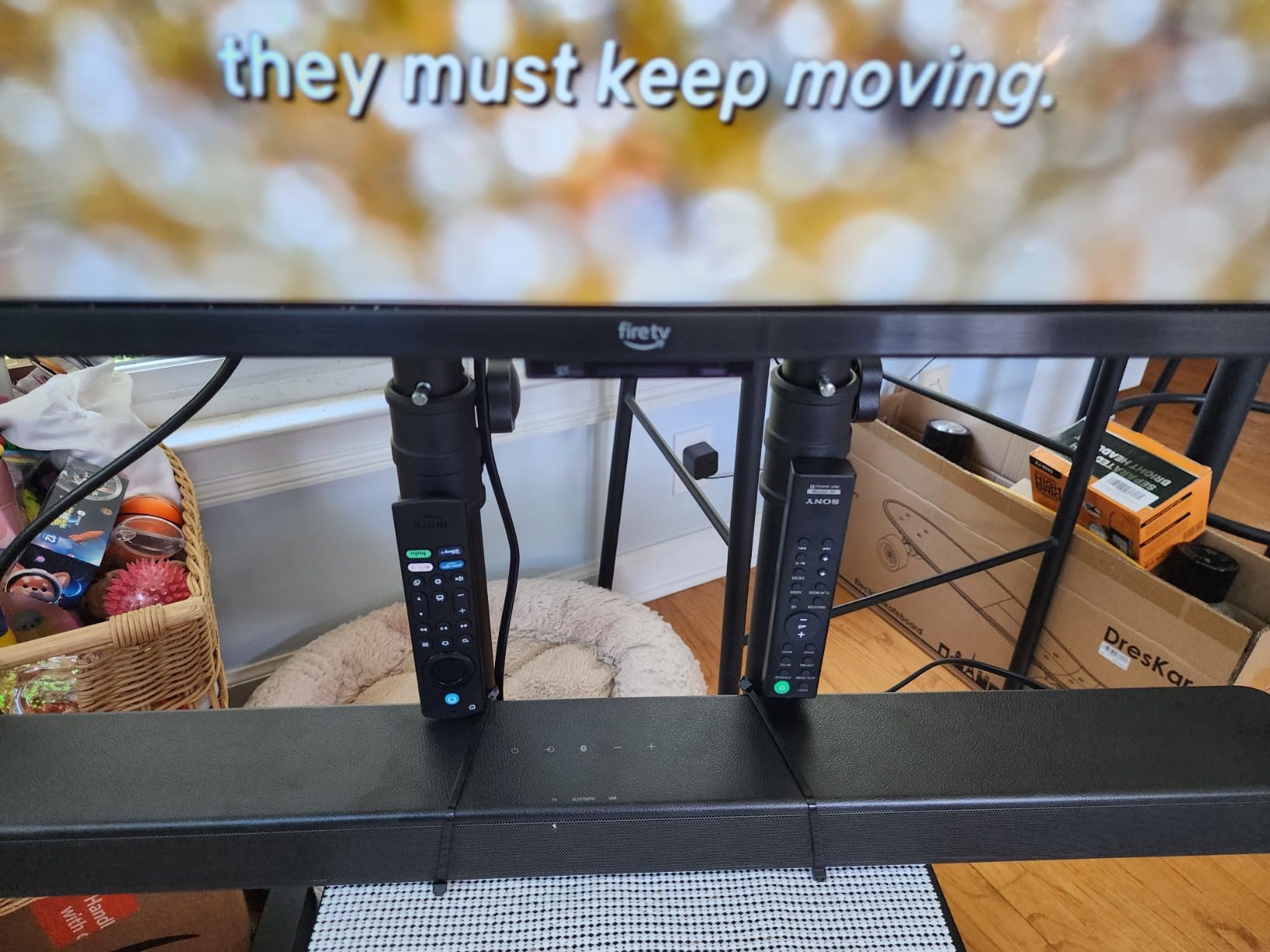
Wall mounting is straightforward with included hardware, freeing up desk space. Sony includes every cable you might need – HDMI, optical, and even analog. After six years on the market, most compatibility issues are documented and resolved.
Bottom Line: The S100F is the safe, reliable choice for offices and bedrooms. It won’t wow you, but it won’t disappoint either.
13. Amazon Fire TV Soundbar – Entry-Level Smart Sound

Amazon Fire TV Soundbar, 2.0 speaker with DTS Virtual:X and...
2.0 speaker configuration
DTS Virtual:X processing
Dolby Audio enhancement
Fire TV Ready certified
24-inch compact size
Recycled materials construction
What We Like
- Great Fire TV integration
- Compact fits anywhere
- Simple one-cable setup
- Good value at $100
- Eco-friendly materials
- Reliable Bluetooth streaming
What We Don't Like
- Limited bass capability
- May need dialogue adjustment
- Best for smaller rooms
- No expansion options
At $99, the standard Fire TV Soundbar makes the most sense for secondary TVs or tight budgets. The 24-inch length fits where larger soundbars can’t, making it perfect for bedroom setups or small apartments. While it lacks the center channel of its Plus sibling, it still vastly improves on built-in TV speakers.
DTS Virtual:X processing creates surprising spaciousness from just two channels. During testing with Netflix content, the soundstage extended beyond the physical speaker boundaries. It’s not true surround, but it adds enough dimension to make viewing more engaging.
Fire TV integration remains the killer feature. One remote, automatic content detection, and seamless switching between apps. The soundbar even turns on and off with your Fire TV, eliminating the annoying sync issues that plague many budget options.
Made with 18% recycled materials, it’s the most eco-conscious option I tested. This doesn’t affect performance but might matter if sustainability influences your purchasing decisions.
Bottom Line: Fire TV users on a strict budget get solid performance and perfect integration for under $100. Others should spend slightly more for better options.
14. Assistrust 2-in-1 Detachable – Ultimate Flexibility

Assistrust Sound Bar for Smart TV, Soundbar with...
2-in-1 detachable design
80W power output
4 high-performance drivers
3 equalizer modes
Auto volume boost
Multiple mounting options
What We Like
- Incredible sub-$60 value
- Unique detachable flexibility
- Easy multi-connection setup
- Good basic sound improvement
- Excellent warranty support
- Perfect for RVs and dorms
What We Don't Like
- Basic build quality
- Potential longevity concerns
- Limited bass response
- Remote needs batteries
The Assistrust’s detachable design is genuinely innovative at this price point. You can use it as a traditional soundbar under your TV, split it into stereo speakers for your desk, or mount the halves vertically beside a monitor. For $59, this flexibility is unmatched.
Sound quality exceeds expectations for the price. The 80W output provides enough volume for medium rooms, and the four drivers deliver clear, balanced audio. It won’t compete with $200+ soundbars, but it embarrasses most sub-$100 options. The auto volume boost prevents jarring volume changes between content.
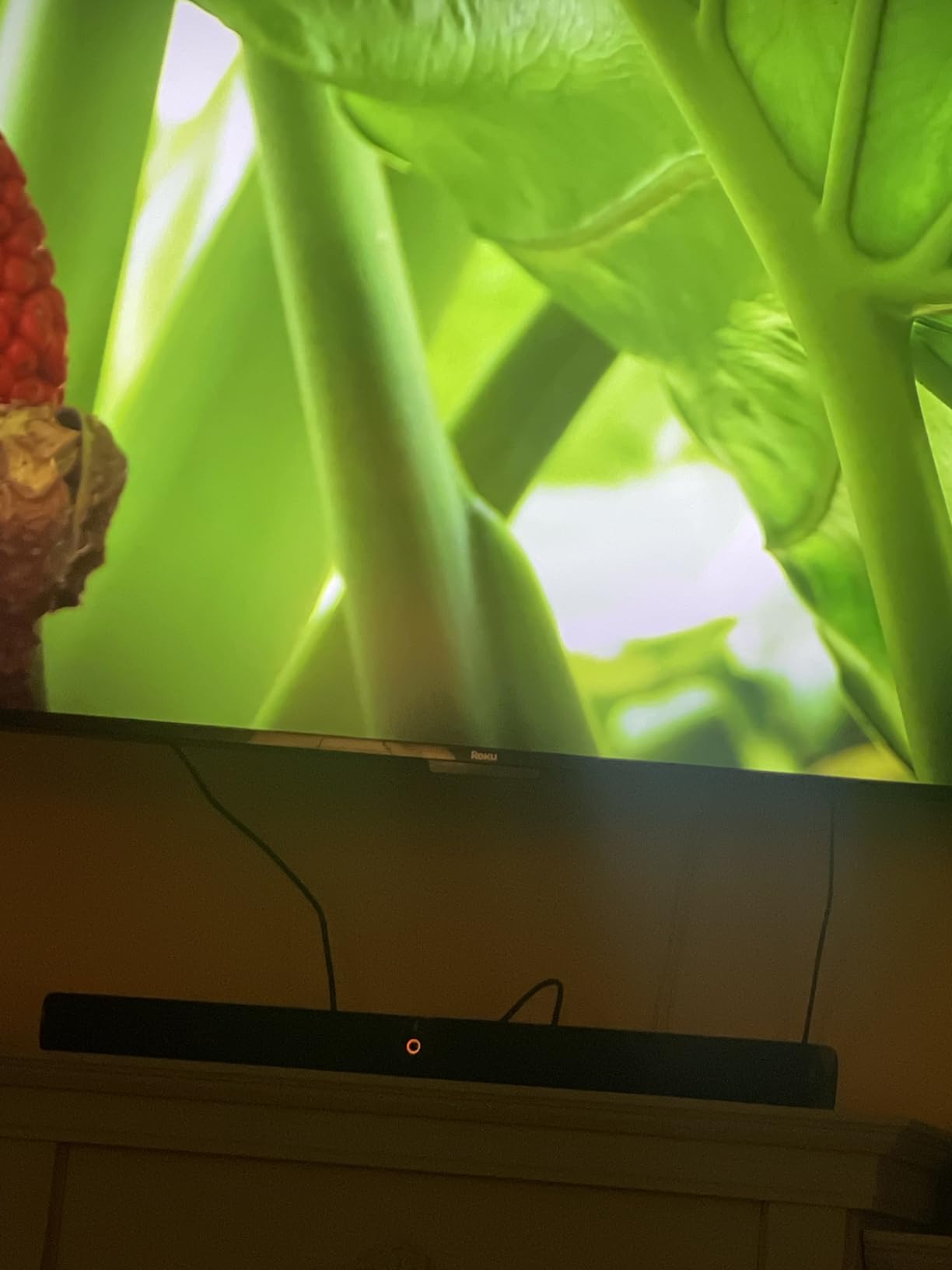
Setup couldn’t be simpler with multiple connection options. I tested Bluetooth, optical, and ARC – all worked without issues. The three EQ modes (Movie, Music, News) provide basic customization, though don’t expect precision tuning.
Build quality reflects the price with lightweight plastic construction, but the 18-month warranty and responsive customer support provide peace of mind. Several reviewers mentioned getting replacements promptly when issues arose.
Bottom Line: At $59, the Assistrust offers unbeatable flexibility and decent performance. Perfect for temporary setups, dorms, or anyone needing adaptable audio.
Frequently Asked Questions
Do I really need a soundbar if my TV sounds okay?
Even expensive TVs compromise on audio due to thin designs and downward-firing speakers. During testing, I compared soundbars against a high-end LG OLED’s built-in audio. Every soundbar, even the $59 Assistrust, provided clearer dialogue and better sound positioning. The difference becomes more dramatic with larger rooms or if you sit more than 8 feet from the TV.
What’s the difference between 2.1, 3.1, and 5.1 channel soundbars?
The numbers represent speaker channels: left/right, subwoofer, and surrounds. A 2.1 system has stereo speakers plus a subwoofer. Adding a center channel (3.1) dramatically improves dialogue clarity. 5.1 includes rear surround effects, though many soundbars simulate this with side-firing drivers. True 5.1 systems like the VIZIO Elevate SE include physical surround speakers for authentic positioning.
Is Dolby Atmos worth the extra cost?
Dolby Atmos adds height to the soundscape, making audio three-dimensional. During testing, Atmos-enabled soundbars created noticeably more immersive experiences with compatible content. However, you need Atmos content (Netflix, Disney+, and 4K Blu-rays offer plenty) and proper room conditions. Low ceilings or unusual layouts can limit effectiveness. For most people, good 3.1 sound matters more than average Atmos.
Should I get a soundbar with a separate subwoofer?
Separate subwoofers deliver deeper, more powerful bass than built-in solutions. During testing, systems with wireless subs like the TCL S55H and VIZIO Elevate SE had notably better low-end response. However, built-in subwoofers in models like the Klipsch Flexus CORE 200 proved adequate for most content. Consider a separate sub if you watch lots of action movies or listen to bass-heavy music.
How important is HDMI eARC vs regular ARC?
HDMI eARC (enhanced Audio Return Channel) supports higher bandwidth audio formats like Dolby Atmos TrueHD and DTS:X. Regular ARC is limited to compressed formats. During testing, eARC made a noticeable difference with high-quality sources like 4K Blu-rays. However, streaming services use compressed audio anyway, so ARC is sufficient for Netflix and Disney+. Check your TV’s capabilities before paying extra for eARC.
Can I use a soundbar with an older TV that only has optical output?
Yes, every soundbar I tested includes optical input. You’ll lose some features though – no Dolby Atmos, no HDMI-CEC for unified remote control, and slightly lower audio quality. The Yamaha SR-B30A and Sony models work particularly well with optical connections. Just ensure your TV’s audio output settings are configured correctly.
Do soundbars work well for music, or are they just for movies?
Modern soundbars handle music much better than older models. During testing, the Klipsch Flexus CORE 200 and Sonos models excelled at music playback with proper stereo separation and tonal balance. WiFi streaming (Sonos, Bose) sounds better than Bluetooth for music. However, dedicated stereo speakers still outperform soundbars for critical music listening.
How do I know what size soundbar fits my TV?
Ideally, your soundbar should be slightly narrower than your TV for aesthetic balance. A 55-inch TV pairs well with 40-48 inch soundbars, while 65-inch TVs can handle up to 50 inches. During testing, I found that too-small soundbars look odd but work fine acoustically. Measure your TV stand carefully – many soundbars are deeper than expected and might overhang narrow stands.
Final Recommendations
After extensive testing, I can confidently recommend different soundbars for different needs and budgets. The Sonos Arc Ultra justifies its $999 price with unmatched 9.1.4 spatial audio and revolutionary Sound Motion technology – it’s the best soundbar available today. For those seeking premium performance at a more reasonable price, the Klipsch Flexus CORE 200 at $350 delivers exceptional audio quality that punches well above its weight class.
Budget-conscious buyers should strongly consider the ULTIMEA Poseidon M60 at $130. With 300W of power, app control, and a proper wired subwoofer, it offers features typically found in soundbars costing three times as much. For complete surround sound without breaking the bank, the VIZIO Elevate SE at $446 includes everything you need in one box.
The most important factor is matching the soundbar to your specific needs. Small room? The Sonos Beam Gen 2 excels in compact spaces. Dialogue troubles? The Bose Smart Ultra’s A.I. Dialogue Mode is unmatched. Fire TV user? The Fire TV Soundbar Plus integrates perfectly. By focusing on what matters most to you rather than chasing specifications, you’ll find the perfect soundbar to transform your entertainment experience.

![Best Electric Skateboard [cy]: 12 Top-Rated Boards Tested](https://www.guidespot.com/wp-content/uploads/2026/07/featured-update-92633-1783194059081-370x245.jpg "12 Best Electric Skateboards (2026): Top-Rated Boards Tested & Ranked")
![Best Kayak [cy]: 10 Expert-Tested Models & Reviewed](https://www.guidespot.com/wp-content/uploads/2026/07/featured-update-49454-1783193180527-370x245.webp "10 Best Kayaks (2026): Expert-Tested & Compared for Every Water Type")