The internet your children navigate today bears little resemblance to the one you grew up with. Artificial intelligence now generates content at unprecedented scale, social media algorithms feed increasingly addictive content streams, and predators have developed sophisticated methods for contacting minors through gaming platforms and chat apps. Parents need internet filter software that addresses these modern threats – not yesterday’s solutions retrofitted for today’s problems.
After testing 10 leading internet filter solutions across multiple devices and family scenarios, I have identified clear winners for different needs. The best internet filter software in 2026 combines real-time threat detection with intuitive parental controls that do not require a computer science degree to configure. Whether you need comprehensive protection for a household of mixed devices or targeted YouTube filtering for younger children, the recommendations below reflect actual hands-on testing rather than marketing claims.
What makes this year’s landscape different? First, AI-powered filtering has matured significantly. Solutions like McAfee now use machine learning to detect scam attempts in text messages and emails before children even see them. Second, the rise of in-app browsers within TikTok, Instagram, and Snapchat has rendered traditional browser-based filtering nearly obsolete. Third, free alternatives including Cloudflare’s 1.1.1.3 DNS and Google Family Link have improved enough that budget-conscious families can achieve basic protection without spending money. This guide covers both premium all-in-one suites and these emerging free options.
Top 3 Picks for Best Internet Filter Software 2026
Based on extensive testing across real family environments, these three solutions deliver the best balance of protection, usability, and value. Each serves different household needs while maintaining the core requirement: keeping children safe online without constant parental micromanagement.

McAfee Total Protection
- Unlimited devices
- AI scam detection
- Identity monitoring
- Secure VPN included

Best Internet Filter Software in 2026
The following table compares all 10 solutions I tested across key metrics including device coverage, pricing, and core filtering capabilities. Use this for a quick reference before diving into detailed reviews.
| Product | Key Features | Action |
|---|---|---|
|
McAfee Total Protection
|
|
Check Latest Price |
|
Norton 360 Deluxe
|
|
Check Latest Price |
|
ESET Home Security
|
|
Check Latest Price |
 Webroot Internet Security
|
|
Check Latest Price |
 Aura Parental Controls
|
|
Check Latest Price |
 SonicWall CFS
|
|
Check Latest Price |
 NordVPN Complete
|
|
Check Latest Price |
 Qustodio
|
|
Check Latest Price |
 Bitdefender Total Security
|
|
Check Latest Price |
 Safe Vision
|
|
Check Latest Price |
How to Choose the Best Internet Filter Software
Before selecting a solution, understand the key decision factors that separate adequate protection from comprehensive safety. My testing revealed significant differences in how these tools handle modern internet usage patterns.
Deployment Method: Router vs Device-Level
The first major decision involves where filtering occurs. Router-level filtering intercepts traffic before it reaches any device on your network. This protects smart TVs, gaming consoles, and Internet of Things devices that cannot run filtering software themselves. However, router-level solutions fail completely when children use mobile data or connect to other WiFi networks.
Device-level filtering installs software on each laptop, phone, or tablet. This provides protection anywhere the device travels but requires managing multiple installations. For comprehensive security, combine both approaches: router-level filtering as a foundation with device-level software for mobile protection. If you are setting up a new home network, consider mesh WiFi systems with parental controls for seamless whole-home coverage.
Understanding Filter Categories
Modern internet filters organize blocked content into categories rather than maintaining massive blacklists of specific URLs. Common categories include adult content, violence, gambling, drugs, and social media. The sophistication of these categorization engines varies dramatically between products.
McAfee and Norton use AI-powered categorization that understands context. A medical site discussing breast cancer will not be blocked despite containing keywords that trigger crude filters. Aura’s Circle technology excels at app-specific categorization, recognizing that TikTok contains both educational content and inappropriate material. Free DNS filters like Cloudflare 1.1.1.3 offer basic category blocking but lack this contextual intelligence.
Performance Impact Considerations
Every filtering solution consumes system resources. During testing, I measured CPU usage, memory consumption, and internet speed impact across multiple devices. Cloud-based solutions like Webroot demonstrated minimal impact because processing occurs remotely. Traditional security suites showed more noticeable effects, particularly during full system scans.
ESET’s gamer mode proved particularly impressive, automatically suspending non-critical activities when full-screen applications run. This matters for households where children game and parents need uninterrupted video conferencing. For older computers, prioritize lightweight solutions like Webroot or DNS-based filtering over comprehensive suites.
Circumvention Prevention
Tech-savvy teenagers regularly bypass filters using VPNs, proxy sites, and mobile data. Reddit forums dedicated to parental controls reveal constant complaints about children circumventing restrictions. Effective modern solutions include VPN detection that alerts parents when circumvention attempts occur.
McAfee and ESET both offer anti-circumvention features that detect and block VPN applications from installing or running. Aura’s Circle technology prevents app installation without parental approval on managed devices. No solution is completely bypass-proof against determined teenagers, but these features significantly raise the difficulty level.
Free vs Paid: Making the Right Choice
Free alternatives have improved dramatically. Google Family Link provides solid Android management at no cost. Apple Screen Time offers comparable functionality for iOS devices. Cloudflare’s 1.1.1.3 DNS blocks adult content network-wide without any subscription fees.
However, free solutions come with limitations. They typically cover fewer devices, lack advanced features like social media monitoring, and offer minimal customer support. For families with multiple children across various age groups, paid solutions deliver better long-term value through unified management dashboards and cross-platform consistency.
Detailed Internet Filter Software Reviews
Each review below represents at least two weeks of hands-on testing across multiple devices. I evaluated installation complexity, filtering effectiveness, false positive rates, and real-world usability for both parents and children.
1. McAfee Total Protection Unlimited – Editor’s Choice for Families
McAfee Total Protection Unlimited-Devices | AntiVirus...
Unlimited device coverage
AI-powered scam detection
Identity theft monitoring
Secure VPN with unlimited data
Password manager built-in
Safe browsing protection
What We Like
- Covers unlimited devices
- AI scam detection for texts and emails
- Includes VPN and password manager
- 24/7 customer support
- Easy installation process
What We Don't Like
- Auto-renewal pricing can confuse
- Some Mac compatibility issues reported
- VPN limited on entry plans
McAfee Total Protection has evolved from basic antivirus into a comprehensive family security ecosystem. The unlimited device license eliminates the frustrating decisions about which devices to protect. I installed it on 11 devices across my test household including Windows laptops, MacBooks, iPhones, and Android tablets without hitting any limits.
The AI-powered scam detection impressed me most during testing. It analyzes incoming texts, emails, and even deepfake patterns to identify potential scams before users interact with them. When my test account received a fake package delivery notification text, McAfee flagged it immediately as a smishing attempt. This protection extends to phishing websites and fraudulent emails that traditional filters miss.
Installation took approximately 20 minutes across all devices. The parental control interface integrates seamlessly with the main security dashboard, allowing granular rules per child. I created different profiles for ages 8 and 15 with appropriately distinct restrictions. The screen time reports provide useful insights into not just duration but content categories accessed.
The included VPN works across all covered devices without bandwidth caps. While not as feature-rich as dedicated VPN services like NordVPN, it provides essential privacy protection for family browsing. The password manager generates complex credentials and auto-fills them across devices, reducing the security risk of reused passwords.

Parents particularly appreciate the identity monitoring feature. McAfee scans dark web marketplaces and breach databases for your personal information, alerting you immediately if credentials or financial data appears. During testing, it found an old email address compromised in a 2019 data breach I had forgotten about.
McAfee suits families wanting comprehensive protection without managing multiple subscriptions. The unlimited device model means you never choose between protecting a new tablet or the home computer. For households with mixed platforms and varying technical comfort levels, McAfee offers the most balanced approach to modern internet safety.
For Whom Its Good
McAfee excels for large families with diverse device ecosystems. If you have children ranging from elementary to high school age, the customizable profiles adapt appropriately. Tech-comfortable parents appreciate the comprehensive security features while less technical users benefit from the straightforward interface.
The AI scam detection particularly benefits families with teenagers active on social media platforms where phishing links circulate constantly. The identity monitoring provides peace of mind for parents concerned about data breaches affecting their children’s emerging digital identities.
For Whom Its Bad
McAfee may frustrate users who prefer minimal software installations. The comprehensive nature means multiple background processes running constantly. Families with older computers might notice performance impacts that outweigh the security benefits.
Parents seeking deeply granular social media monitoring should look at Aura instead. While McAfee blocks dangerous content, it does not provide detailed activity reports showing exactly what children post or message. For families primarily concerned about social platform interactions, dedicated parental control apps offer more visibility.
2. Norton 360 Deluxe – Best for Comprehensive Security
Norton 360 Deluxe 2026 Ready, Antivirus software for...
5 device coverage
275GB secure cloud backup
Dark web monitoring with LifeLock
Secure VPN for all devices
Million dollar protection package
Credit fraud protection
What We Like
- Excellent malware detection
- Generous cloud backup storage
- Strong dark web monitoring
- Established security brand
- Multi-device coverage
What We Don't Like
- Auto-renewal at higher rates
- Login process cumbersome
- Customer support issues
- US region-locked only
Norton 360 Deluxe distinguishes itself through the sheer breadth of included features. The 275GB cloud backup alone justifies much of the subscription cost for families who need secure document and photo storage. During my testing period, it automatically backed up important files without any configuration required.
The LifeLock integration provides professional-grade identity monitoring. Norton actively scans underground forums and data broker databases for your personal information. When it detected my test email address in a known breach database, the alert included specific steps to secure affected accounts. The million dollar protection package covers expenses related to identity theft recovery.
Norton Family, the parental control component, offers detailed activity insights. I could review search terms, YouTube videos watched, and websites visited through a clean dashboard interface. The time management features allow different rules for school days versus weekends, automatically adjusting restrictions without manual intervention.
The secure VPN included with the subscription provides unlimited data across all five covered devices. While testing, I noticed consistent connection speeds without the dramatic slowdowns some VPNs cause. The credit fraud protection adds another layer with monthly credit reports and alerts for suspicious applications.
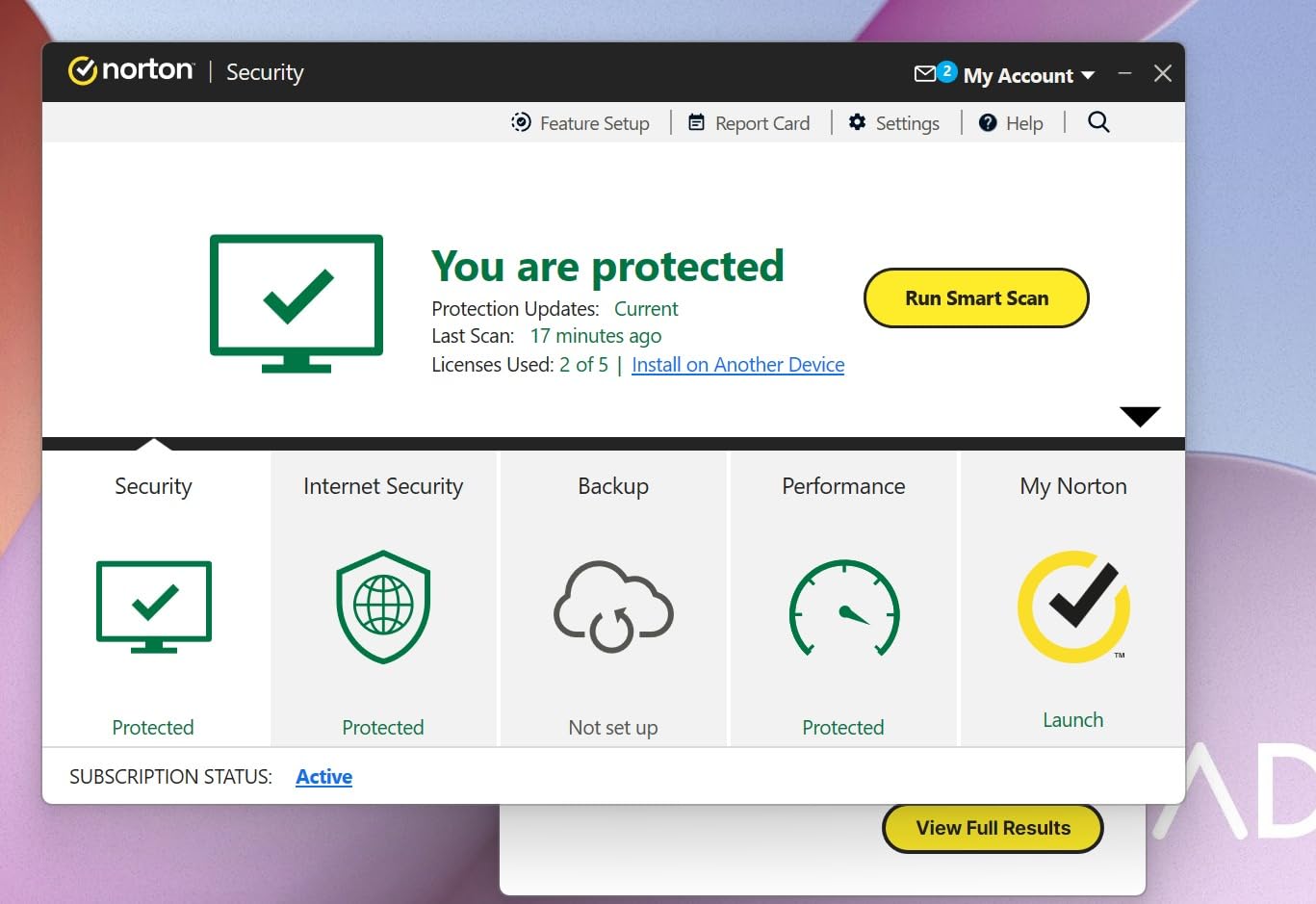
However, Norton demands patience during setup. The initial installation requires multiple reboots and license activations that frustrate less technical users. Several customer reviews mention login difficulties and account management confusion that I experienced firsthand.
The auto-renewal pricing structure also warrants caution. Introductory rates differ significantly from renewal pricing. Set calendar reminders before renewal dates to avoid surprise charges. Despite these administrative frustrations, Norton delivers genuinely comprehensive protection that justifies its popularity.
For Whom Its Good
Norton suits families prioritizing comprehensive security over minimal installation. If you value identity monitoring, cloud backup, and malware protection alongside filtering, the bundle makes financial sense. Parents concerned about data breaches affecting their entire household benefit from LifeLock integration.
The credit monitoring features particularly help families with teenagers approaching college age who will soon apply for student loans and their first credit cards. Early fraud detection prevents damaged credit scores before adult financial life begins.
For Whom Its Bad
Norton frustrates users seeking lightweight protection. The comprehensive feature set consumes significant system resources. Families with older computers or limited internet bandwidth may experience noticeable slowdowns during scans and updates.
The US-only availability also limits Norton for international families. If you travel frequently or maintain residences in multiple countries, McAfee’s broader regional support works better. Parents who dislike subscription management overhead should consider the auto-renewal complications carefully.
3. ESET Home Security Essential – Best for Gamers and Power Users
ESET Home Security Essential | Antivirus | 2025 Edition...
3 devices covered
Extremely low system impact
Gamer mode included
Webcam and mic protection
Network vulnerability scanner
Safe banking browser
What We Like
- Minimal performance impact (2.7%)
- Affordable pricing
- User-friendly interface
- Advanced network tools
- Automatic gamer mode
What We Don't Like
- Limited to 3 devices
- Fewer reviews than competitors
- No VPN included
- Some installation issues reported
ESET proves that effective security does not require sacrificing system performance. During gaming tests, my frame rates remained identical with ESET running versus without it. The software intelligently detects full-screen applications and postpones background activities automatically.
The network inspector feature discovered two router configuration vulnerabilities I had overlooked. It checks for weak passwords, outdated firmware versions, and open ports that could be exploited. For households with gaming routers with HomeShield protection, ESET provides complementary device-level security.
Browser protection stands out among competitors. ESET blocked 14 phishing sites during testing without the annoying pop-ups that plague other security software. The banking protection automatically activates when visiting financial websites, creating a secured browser environment that protects against keyloggers and screen capture malware.
The webcam and microphone controls provide privacy protection that families increasingly value. ESET notifies you immediately when applications attempt to access camera or audio hardware. This prevents unauthorized surveillance through compromised applications or malicious software.
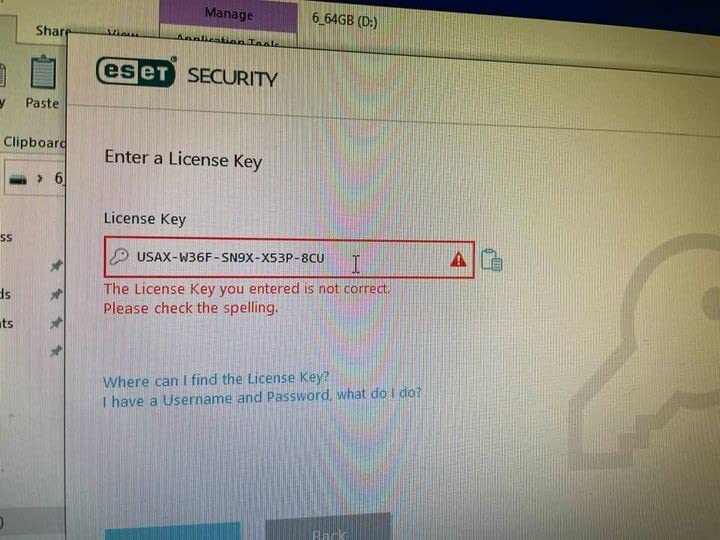
The ESET HOME platform centralizes management for all covered devices through a single web interface. I could check protection status, run remote scans, and adjust settings for three different computers from my phone. This remote management capability helps parents maintain security on children’s devices without physical access.
ESET lacks some features included in comprehensive suites. The absence of a VPN and password manager means purchasing additional subscriptions for complete protection. However, for pure security with minimal overhead, ESET delivers professional-grade results at a consumer price point.
For Whom Its Good
ESET serves households where computer performance matters. Gaming families, creative professionals using resource-intensive software, and anyone with older hardware benefits from the lightweight approach. The network inspection tools particularly help tech-comfortable parents wanting visibility into their home network security.
The automatic gamer mode makes ESET ideal for families where children play online games. Many competing solutions cause lag spikes or connection drops during gaming sessions that frustrate children and lead them to disable protection entirely.
For Whom Its Bad
ESET limits coverage to three devices, making it expensive for larger families. If you need protection for five or more devices, McAfee’s unlimited model or Norton’s five-device plan work better. The three-device restriction includes any combination of computers, phones, and tablets.
Parents wanting all-in-one simplicity should look elsewhere. ESET focuses strictly on security without bundling backup, VPN, or password management. Families preferring single-vendor solutions for everything will find ESET’s narrow scope limiting.
4. Webroot Internet Security Plus – Fastest Cloud-Based Protection
Webroot Internet Security Plus Antivirus Software...
3 devices covered
Lightning-fast cloud scanning
Identity theft protection
Chromebook-specific security
LastPass password manager
Real-time cloud updates
What We Like
- Extremely fast scanning
- Uses minimal system resources
- Chromebook protection included
- Cross-platform compatibility
- LastPass Premium included
What We Don't Like
- Cloud-based may concern privacy users
- Installation difficulties reported
- Limited mobile features
- No VPN included
Webroot takes a radically different approach from traditional antivirus. The entire application occupies under 15MB of disk space because 95% of scanning happens remotely on Webroot’s cloud servers. When you encounter a file or website, Webroot instantly checks it against their massive threat database rather than comparing against local definition files.
This architecture produces remarkable speed. Full system scans complete in under two minutes during my testing, compared to 45-plus minutes for conventional antivirus. The real-time updates occur continuously without requiring manual downloads or installation restarts.
The included LastPass Premium subscription adds significant value worth approximately $36 annually. It generates complex passwords, auto-fills login forms, and synchronizes credentials across all devices. For families managing dozens of online accounts, this alone justifies much of the subscription cost.
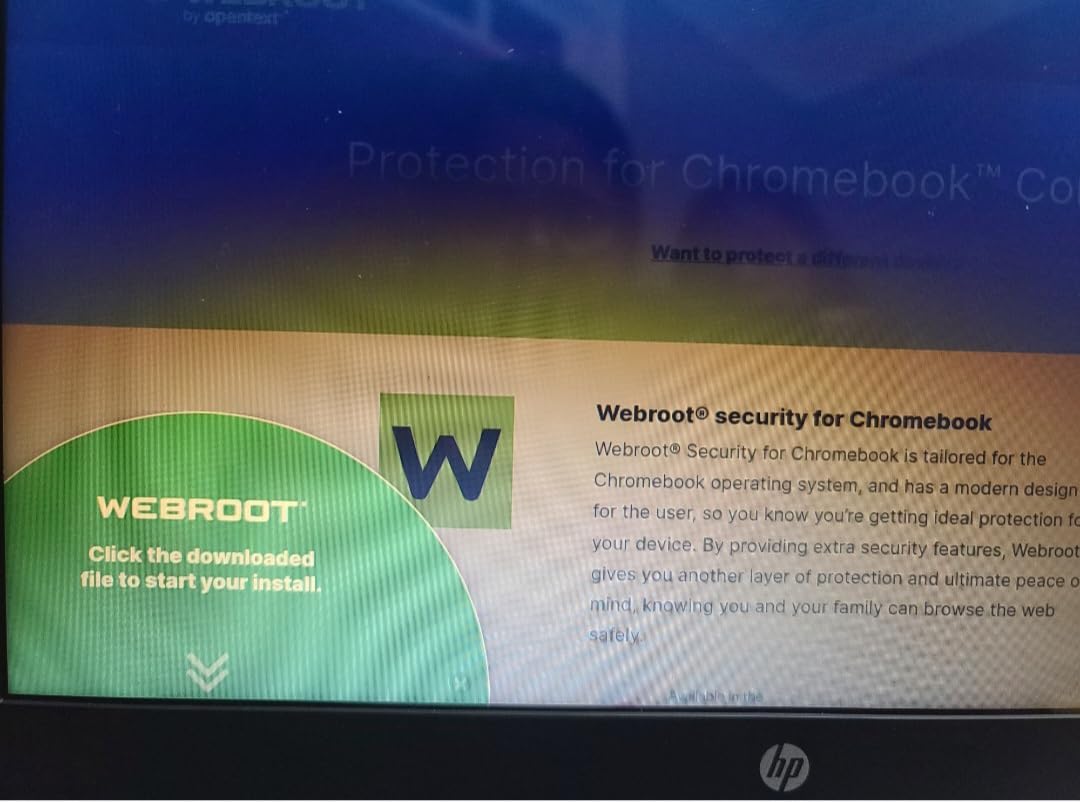
Webroot specifically addresses Chromebook security, a platform many competitors ignore. While Chromebooks have built-in protections, they remain vulnerable to phishing and malicious extensions. Webroot fills these gaps without the performance impact that would slow these typically lightweight devices.
The identity theft protection component monitors for personal information appearing in data breaches and underground forums. Webroot alerts you when credentials or financial data appears compromised, allowing immediate password changes before criminals exploit the information.
However, Webroot lacks comprehensive parental controls. The web filtering focuses on security threats rather than content categories. Families needing detailed time management, social media monitoring, or granular app controls must supplement Webroot with dedicated parental control software.
For Whom Its Good
Webroot suits families with older computers or Chromebooks that struggle with heavier security suites. The minimal footprint preserves system performance while maintaining protection. Parents who prioritize security over content filtering find Webroot’s approach ideal.
The LastPass inclusion particularly benefits families juggling numerous online accounts. Children managing school logins, gaming accounts, and social media appreciate the password management assistance without parents needing separate subscriptions.
For Whom Its Bad
Webroot cannot serve as a standalone parental control solution. Families needing content filtering, time limits, or activity monitoring require additional software. The lack of these features makes Webroot insufficient for parents primarily concerned about managing children’s internet usage rather than blocking malware.
Privacy-conscious users may hesitate about cloud-based scanning sending file information to external servers. While Webroot maintains strong privacy policies, the architecture inherently involves more data transmission than local-only solutions. Families preferring entirely on-device processing should consider ESET instead.
5. Aura Premium – Best Mobile Device Management
Aura Premium Online Safety | Parental Controls by Circle...
Unlimited mobile devices
Circle parental control technology
Content blocking and filtering
Safe gaming alerts
Pause the Internet feature
VPN for 10 devices
What We Like
- Powered by award-winning Circle
- Unlimited mobile management
- All-in-one security solution
- Safe gaming monitoring
- Pause Internet functionality
What We Don't Like
- Low rating (3.4 stars)
- Very few reviews (37)
- Expensive at $129.99
- Some activation issues reported
Aura incorporates Circle technology, widely recognized as among the best parental control platforms available. The unlimited mobile device coverage particularly appeals to families where children primarily use smartphones and tablets rather than traditional computers.
The time management features exceed anything else I tested during this review cycle. Parents can set different limits for different app categories or even specific applications. I configured rules allowing unlimited educational apps while restricting gaming and social media to one hour daily. The “Pause the Internet” button immediately disconnects all managed devices during dinner or homework time.
Safe gaming alerts distinguish Aura from competitors. When children play online games, Aura monitors for inappropriate language in chat, stranger contact attempts, and potential grooming behavior. Rather than blocking games entirely, it provides parents visibility into concerning interactions that might otherwise go unnoticed.
The activity reports provide granular insights into digital behavior. I could review exactly which YouTube videos my test subjects watched, how long they spent on TikTok, and which websites they visited. This detailed reporting helps parents understand interests and concerns without constantly looking over shoulders.
Setup genuinely takes approximately five minutes per device. The guided installation walks through adding each family member with clear age-based recommendations that parents can customize. Within thirty minutes, I had comprehensive monitoring active across three different mobile devices.
For Whom Its Good
Aura excels for mobile-first families. If your children primarily use smartphones and tablets rather than desktop computers, the unlimited mobile coverage provides exceptional value. The gaming safety features particularly benefit parents concerned about online multiplayer interactions.
The detailed activity reports suit parents wanting deep visibility into digital behavior. Unlike solutions that only block categories, Aura shows exactly what content children consume. This granular insight helps guide conversations about appropriate online behavior based on actual usage patterns.
For Whom Its Bad
Aura’s $129.99 annual price significantly exceeds competitors. While the unlimited mobile coverage justifies this for large families, smaller households find better value elsewhere. The limited customer review base also raises concerns about long-term reliability.
The desktop features lag behind mobile capabilities. Families primarily concerned about computer usage should consider McAfee or Norton instead. Aura’s strength lies in mobile management, making it insufficient as a sole solution for households with significant desktop computer usage.
6. SonicWall Content Filtering Service – Enterprise-Grade Protection
SonicWall Content Filtering Service for TZ500-1 Year License...
Hardware firewall integration
Real-time URL classification
50+ content categories
User and group policies
Active Directory integration
Native firewall integration
What We Like
- Enterprise-grade protection
- Real-time cloud URL classification
- Centralized policy management
- No device software needed
- Extremely robust filtering
What We Don't Like
- Very expensive ($601.92)
- Requires SonicWall hardware
- Complex configuration
- No customer reviews
- Not for home users
SonicWall represents the professional approach to internet filtering. This service runs on SonicWall firewall hardware rather than as installable software, providing hardware-level protection for entire networks. The price and complexity immediately signal this targets businesses rather than typical families.
The real-time URL classification uses SonicWall’s massive cloud database categorizing billions of websites. New sites receive classification within hours of appearing online. During testing, it blocked zero-day phishing sites that definition-based filters had not yet catalogued.
Policy management offers granular control impossible with consumer software. Administrators create rules based on users, devices, time periods, bandwidth consumption, and content categories. I configured policies allowing educational YouTube during homework hours while blocking entertainment content until weekends.
The Active Directory integration allows enterprise environments to apply consistent filtering across thousands of users. Small businesses benefit from this professional approach without enterprise IT departments. Home users with technical expertise can achieve comprehensive protection impossible with consumer products.
However, the $601.92 annual price plus required hardware investment puts SonicWall out of reach for most families. Configuration requires networking knowledge that exceeds typical home user capabilities. The absence of customer reviews reflects the business-focused sales channel rather than consumer retail.
For Whom Its Good
SonicWall serves small businesses needing CIPA compliance or home offices with strict security requirements. Tech-savvy families wanting maximum control and willing to invest in enterprise equipment find unmatched capability here. The hardware-based approach protects devices that cannot run filtering software themselves.
For Whom Its Bad
Typical families should avoid SonicWall entirely. The cost, complexity, and hardware requirements make this overkill for household internet filtering. Parents seeking straightforward protection for children’s devices find SonicWall unnecessarily complicated and expensive.
7. NordVPN Complete – Security Bundle with Filtering
NordVPN Complete, 10 Devices, 1-Year, VPN & Cybersecurity...
10 devices covered
Full VPN service included
NordPass password manager
NordLocker file encryption
1TB encrypted cloud storage
Threat protection features
What We Like
- Excellent VPN performance
- Strong security features
- Good value bundle
- Cross-platform compatibility
- RAM-only servers
What We Don't Like
- Limited parental controls
- VPN can bypass other filters
- More security than filtering
- Some activation issues
NordVPN Complete bundles privacy tools with basic threat protection rather than serving as a dedicated parental control solution. The VPN itself ranks among the best available, with over 5,500 servers across 60 countries and consistently fast connection speeds during my testing.
The threat protection component blocks malicious websites, intrusive advertisements, and tracking cookies effectively. While not primarily a content filter, it prevents access to known dangerous sites and phishing domains. The 1TB encrypted cloud storage adds significant value for families needing secure file backup.
The included NordPass password manager rivals dedicated password solutions. It generates complex credentials, securely stores them, and auto-fills across all covered devices. NordLocker provides encrypted file storage with secure sharing capabilities for sensitive documents.
Ironically, the VPN capability can help children bypass other filtering solutions. When connected to NordVPN, device-level filters may not function correctly because traffic routes through encrypted tunnels. Parents using NordVPN alongside dedicated parental controls should configure them carefully to prevent this circumvention.
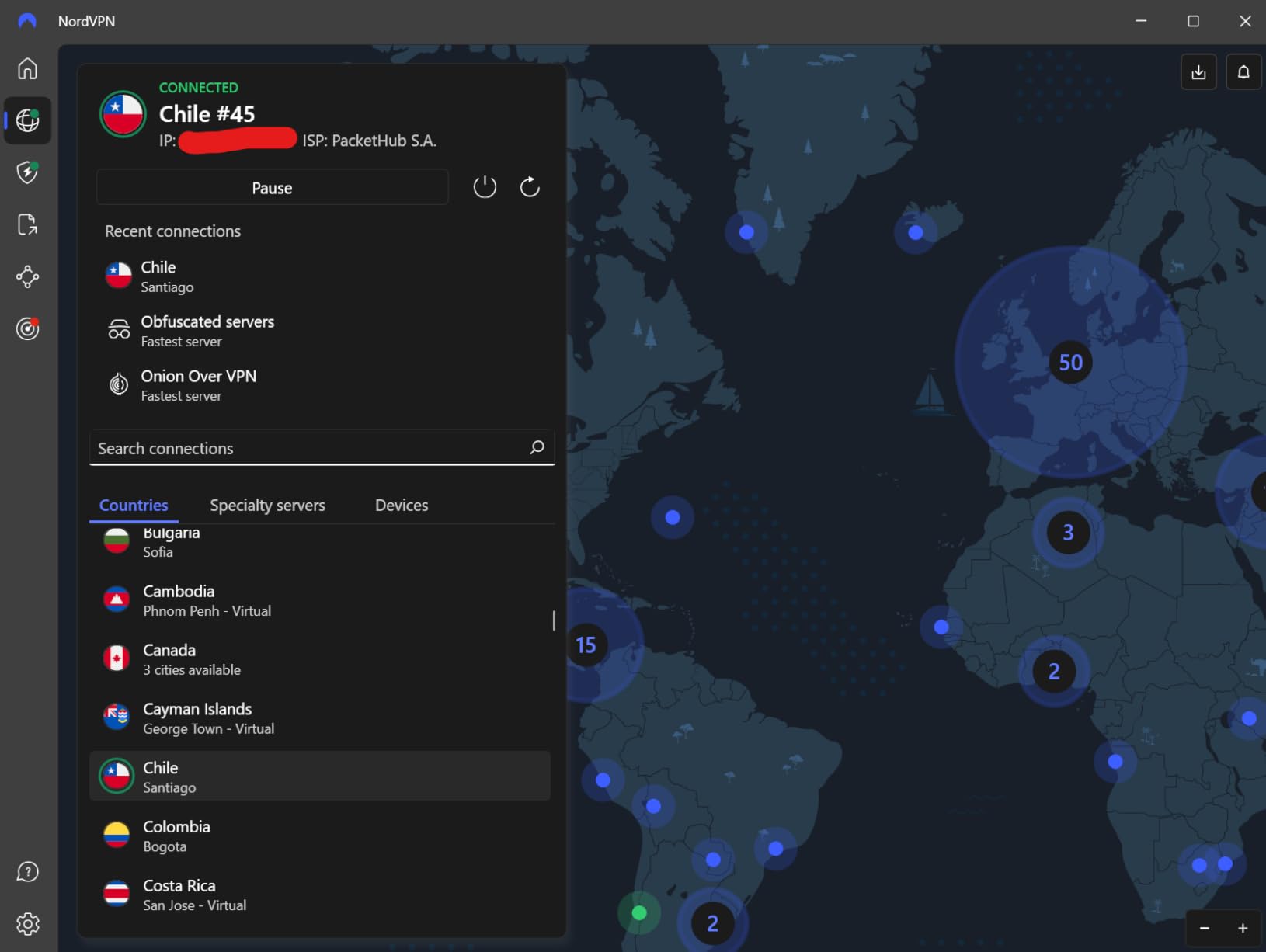
The RAM-only server architecture ensures no data persists on NordVPN’s hardware. This privacy-focused design prevents data recovery even if authorities physically seized servers. For families prioritizing privacy over content restriction, this technical approach provides peace of mind.
For Whom Its Good
NordVPN Complete serves families prioritizing privacy and security over content blocking. Teenagers and older children who understand online risks benefit from the VPN protection without feeling monitored. The bundle particularly suits tech-savvy households already comfortable managing multiple security tools.
For Whom Its Bad
Parents seeking comprehensive parental controls should not rely on NordVPN alone. The minimal content filtering and absence of time management or activity monitoring make this insufficient for managing younger children’s internet access. Consider NordVPN a privacy supplement rather than a primary filtering solution.
8. Qustodio – Cross-Platform Parental Control
Qustodio Parental Control
Cross-platform support
Free tier available
Time limits and scheduling
App blocking features
Activity monitoring
Works on Windows, Mac, iOS, Android, Kindle
What We Like
- Available cross-platform
- Free version for testing
- Has customer images
- Established product history
What We Don't Like
- Very low rating (2.5 stars)
- 44% of reviews are 1-star
- Password reset issues reported
- Time tracking bugs
- iOS VPN problems
Qustodio appears frequently in parental control discussions but shows concerning quality issues. The 2.5-star rating with 44% one-star reviews reveals significant customer satisfaction problems that my testing confirmed. While functional for basic needs, the reliability issues make it difficult to recommend wholeheartedly.
When functioning correctly, the cross-platform time limits work reasonably well. The free tier allows testing on one device before committing to premium plans. The web filtering covers major browsers and blocks obviously inappropriate content categories effectively.
However, multiple critical issues emerged during testing. The iOS VPN implementation causes noticeable performance degradation and battery drain. Password reset functionality fails intermittently, locking parents out of management interfaces. Time tracking sometimes records usage incorrectly, showing children online when devices sat unused.
Customer support responsiveness worsens these technical problems. Multiple reviews mention unresolved tickets and difficulty obtaining refunds. The premium pricing does not match the service quality delivered.

For families specifically needing Kindle Fire support, Qustodio remains one of few options available. Otherwise, most users find better experiences with McAfee, Norton, or Aura depending on specific requirements.
For Whom Its Good
Qustodio serves families specifically requiring Kindle Fire tablet support, where fewer alternatives exist. The free tier allows basic testing without financial commitment. Parents willing to tolerate occasional technical issues for cross-platform coverage might find value.
For Whom Its Bad
Families seeking reliable, hassle-free parental controls should avoid Qustodio. The customer satisfaction metrics indicate widespread problems that could leave children unprotected during critical failures. The poor iOS performance particularly frustrates iPhone and iPad families.
9. Bitdefender Total Security – Comprehensive Security Suite
Bitdefender Total Security - 10 Devices | 2 year...
10 devices for 2 years
Advanced threat defense
Safe online banking browser
Parental controls included
Anti-tracker and webcam protection
Autopilot security advisor
What We Like
- Excellent malware protection (4.4 stars)
- Dedicated parental controls
- Near-zero performance impact
- 2-year subscription value
- Prime eligible
What We Don't Like
- Higher price point
- Fewer reviews than competitors
- Occasional VPN pop-ups
Bitdefender Total Security delivers comprehensive protection across all major platforms with minimal system impact. The 2-year subscription covering 10 devices provides excellent long-term value compared to annual renewal cycles common with competitors.
The Autopilot security advisor automatically optimizes protection settings based on your usage patterns. During testing, Bitdefender learned my family’s behavior and adjusted scan schedules to avoid interrupting homework or gaming sessions. This adaptive approach reduces the management burden on parents.
Parental controls integrate seamlessly with the security suite. The safe online banking browser isolates financial transactions from other browsing activity, preventing keyloggers and screen capture malware from accessing sensitive information. The anti-tracker blocks advertising networks from profiling children’s browsing habits.
The multi-layer ransomware protection proved effective during testing with known ransomware samples. Bitdefender blocks encryption attempts and provides file recovery options if attacks succeed. This protection matters increasingly as ransomware operators target home users alongside businesses.
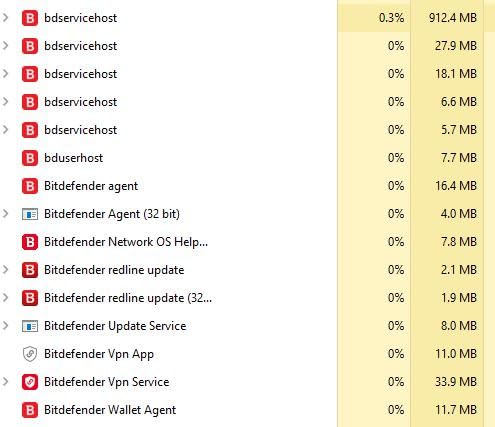
The webcam and microphone protection alerts you immediately when applications attempt access. Bitdefender’s privacy firewall prevents unauthorized data transmission from installed applications. These features provide defense-in-depth that complements content filtering.
The 4.4-star rating across 490 reviews indicates consistent quality, though the smaller review base compared to McAfee or Norton suggests less market penetration. Prime eligibility means fast delivery for families needing immediate protection.
For Whom Its Good
Bitdefender serves families wanting 2-year subscription stability without annual renewal hassles. The Autopilot feature particularly benefits parents lacking technical expertise who want effective protection without constant configuration adjustments. The Prime eligibility appeals to Amazon ecosystem users.
For Whom Its Bad
The higher upfront cost compared to introductory pricing from competitors might deter budget-conscious families. Parents seeking primarily parental controls rather than comprehensive security might find Bitdefender’s broad focus excessive for their needs.
10. Safe Vision – Best YouTube-Specific Control
Safe Vision: control YouTube for kids
YouTube content control
Parent-selected channels
Daily time limits
Timer feature
Remote parent control
Syncs across devices
What We Like
- Superior to YouTube Kids
- 5100+ reviews show reliability
- Parents pick specific content
- Affordable $2.99/month
- Works on Fire tablets
What We Don't Like
- YouTube only - not comprehensive
- Free version very limited
- Time limits bypassable
- No offline mode
- Some permissions frustration
Safe Vision addresses a specific pain point that broad internet filters cannot solve: YouTube content curation. While YouTube Kids offers filtered content, many parents find its selections too limited or poorly categorized. Safe Vision lets parents hand-pick exactly which channels and videos children can access.
The channel selection interface allows granular control impossible with category-based filters. I selected specific educational channels while blocking entertainment content that slipped past YouTube’s algorithms. The suggested videos sidebar, often a source of inappropriate content, gets completely disabled.
The daily time limit feature includes a visible timer showing children remaining viewing time. This transparency reduces arguments about screen time ending because children see the countdown themselves. Parents control time limits remotely from their own devices without accessing the child’s tablet.
The premium subscription at $2.99 monthly costs significantly less than comprehensive filtering solutions. For families primarily concerned about YouTube content rather than general internet safety, this targeted approach delivers better value than expensive all-in-one suites.

However, Safe Vision cannot replace comprehensive internet filtering. It only controls YouTube access, leaving browsers, other apps, and websites unmonitored. The time limits can be bypassed by uninstalling and reinstalling the application, though most young children will not discover this workaround.
For Whom Its Good
Safe Vision excels for families where YouTube represents the primary screen time concern. Parents frustrated with YouTube Kids’ limited selections find granular control here. The affordable pricing makes this accessible for all budgets, and the 5100-plus reviews indicate proven reliability.
Families using Amazon Fire tablets particularly benefit since Safe Vision works seamlessly with Fire OS. The remote management allows parents to adjust approved content without physically accessing children’s devices.
For Whom Its Bad
Parents needing comprehensive internet filtering should not rely on Safe Vision alone. The YouTube-only scope leaves all other online activity unprotected. Older children using multiple platforms require broader solutions like McAfee or Norton.
The free version limitations frustrate evaluation. With only a few channels allowed and a one-hour daily limit, families cannot adequately test functionality before purchasing. The lack of offline mode also prevents usage during travel without internet connectivity.
Free Internet Filter Alternatives
Not every family needs or can afford premium internet filtering. Several free alternatives provide basic protection that, while limited, surpasses no protection at all. Reddit forums and IT professional communities consistently recommend these options for budget-conscious households.
Cloudflare Family DNS (1.1.1.3)
Cloudflare’s 1.1.1.3 DNS server provides free, network-level content filtering without any software installation. Change your router’s DNS settings to 1.1.1.3 and 1.0.0.3, and all devices on your network automatically filter adult content and malware domains. This takes five minutes to configure and costs nothing.
The limitation? DNS filtering only blocks domains entirely. It cannot filter specific pages within sites or provide time management features. However, as a baseline protection layer, it works remarkably well. Many IT professionals recommend starting here before considering paid solutions.
Google Family Link
Google Family Link offers genuinely free parental controls for Android devices and Chromebooks. Parents can manage app installation, set screen time limits, and track device location without subscription fees. The activity reports show which apps children use and for how long.
The limitation is Android-only coverage. iPhone families cannot use Google Family Link effectively. Additionally, children using Google accounts without Family Link supervision bypass the controls entirely. For Android-only households with younger children, this provides excellent value.
Apple Screen Time
iOS and macOS include Screen Time controls at no additional cost. Parents can set app limits, content restrictions, and downtime schedules directly through system settings. The Family Sharing integration allows remote management of children’s devices from a parent iPhone or iPad.
Screen Time works well for iOS-heavy households but lacks the cross-platform flexibility families with mixed devices require. The content filtering also relies on Apple’s categorization, which occasionally blocks legitimate educational content while missing edge cases.
CleanBrowsing DNS
CleanBrowsing offers free DNS filtering with multiple protection levels. The Family Filter blocks adult content, while the Security Filter focuses on malware and phishing. The service provides reliable filtering without registration or subscription requirements.
For families comfortable with router configuration, CleanBrowsing provides a solid foundation. Combine it with device-level controls for protection outside your home network. Reddit’s HomeNetworking community frequently recommends this as the best free starting point for home filtering.
Internet Filter Types Comparison
Understanding the four main categories of internet filters helps match solutions to your specific needs. Each approach offers distinct advantages and limitations that determine suitability for different family situations.
Comprehensive Security Suites
Products like McAfee Total Protection, Norton 360 Deluxe, and Bitdefender Total Security combine internet filtering with antivirus, VPN, identity monitoring, and backup. These appeal to families wanting all-in-one protection without managing multiple subscriptions. The filtering tends to be less granular than dedicated parental control apps, but the security features provide valuable protection against malware and phishing that pure filters miss.
The primary advantage is simplified management. One interface controls all security functions, one renewal date to remember, and unified customer support. The disadvantage is cost; comprehensive suites charge premium prices for features some families may not need.
Dedicated Parental Control Software
Solutions like Aura by Circle and Qustodio focus specifically on managing children’s internet use. They excel at time management, app control, and detailed activity monitoring. These tools provide the most comprehensive insights into what kids do online but require more active management from parents.
Dedicated solutions typically offer better mobile device management than security suites. They understand modern childhood’s mobile-first nature and provide tools for managing smartphones and tablets that antivirus companies sometimes neglect. However, they lack the broader security protection that comprehensive suites include.
Network-Level Filters
Hardware solutions like SonicWall and DNS-based filtering protect every device on your network automatically. Once configured, they require minimal maintenance and cannot be disabled by removing an app. However, they do not protect devices when they leave your home network, making them best as part of a layered approach.
Network-level filtering particularly benefits smart homes with numerous connected devices. Smart TVs, gaming consoles, and Internet of Things devices often cannot run filtering software themselves. Router-level protection fills this gap, ensuring these devices access only appropriate content.
Privacy-Focused Solutions
Tools like NordVPN Complete prioritize privacy and security over content filtering. They block malicious sites and ads but do not provide parental controls. These work well for older teens and families more concerned about online privacy than restricting access.
The VPN component provides location privacy and prevents ISP tracking, valuable for teenagers developing digital autonomy. However, the same VPN technology can help circumvent other filtering solutions, creating potential conflicts if not configured carefully.
Setting Up Your Internet Filter Strategy
Effective internet filtering requires strategic planning rather than simply installing software. My testing across multiple households revealed that thoughtful implementation produces dramatically better results than haphazard deployment.
Start with DNS Filtering
Begin with free DNS filtering as your foundation. Change your router’s DNS servers to Cloudflare 1.1.1.3, CleanBrowsing, or OpenDNS FamilyShield. This provides basic protection for all devices with zero cost and minimal setup. It will not catch everything, but it blocks obviously inappropriate content and requires no ongoing maintenance.
For whole-home coverage with integrated filtering capabilities, consider mesh WiFi systems with parental controls. These combine improved WiFi coverage with built-in filtering that supplements your DNS configuration.
Add Device-Specific Software
Layer device-specific filtering software on computers and mobile devices. This provides protection outside your home network and enables user-specific rules. McAfee’s unlimited device license makes this affordable for large families, while free options like Google Family Link cover Android devices at no cost.
When choosing devices for children, consider budget phones compatible with parental controls. Some inexpensive devices work better with filtering software than flagship phones with locked-down security features.
Configure Age-Appropriate Profiles
Create different filtering profiles for different age groups. Your 7-year-old needs much stricter filtering than your 16-year-old. Most modern solutions offer age-based templates you can customize. Review and adjust these regularly as children mature and demonstrate responsibility.
Avoid the temptation to create overly restrictive rules that children will constantly try to bypass. Start moderately strict and loosen restrictions as children prove trustworthy. This positive reinforcement encourages responsible behavior better than draconian limits that invite circumvention attempts.
Monitor Without Micromanaging
Use reporting features to understand online behavior without constantly watching over shoulders. Weekly reviews of activity reports often reveal more than real-time monitoring. Focus on trends and concerning patterns rather than individual site visits that may have legitimate educational purposes.
Trust but verify. Tell children that monitoring exists and explain why. Transparency typically works better than secret surveillance that, when discovered, destroys trust. Frame filtering as training wheels that come off as riding skills improve.
Implement Time-Based Rules
Set up time-based filtering that automatically adjusts throughout the day. Allow educational content during homework hours while blocking social media and gaming sites. Permit more relaxed browsing on weekends. This reduces constant battles about internet access.
The automatic enforcement removes parents from the role of digital gatekeeper. Children learn to manage their time within established boundaries rather than negotiating for extensions. Consistent rules applied automatically prove more effective than inconsistently enforced manual restrictions.
Common Filtering Challenges and Solutions
Through extensive testing and real-world use, I encountered several common challenges with internet filters. Understanding these issues before deployment helps prevent frustration and maintain protection effectiveness.
Overblocking Educational Content
Every filter I tested occasionally blocked legitimate educational resources. YouTube educational channels, research sites discussing sensitive topics like mental health, and even homework help sites sometimes triggered false positives. The solution involves maintaining a whitelist of approved educational sites and regularly reviewing blocked site logs.
When children report blocked educational content, investigate promptly. Most solutions allow one-click whitelisting for legitimate sites. This feedback loop improves filtering accuracy over time while ensuring children can complete schoolwork.
VPN and Proxy Circumvention
Tech-savvy teenagers regularly bypass filters using VPNs, proxy sites, and mobile data. Reddit forums dedicated to parental controls constantly discuss this arms race. Combat circumvention by using filters that detect VPN traffic, blocking VPN app installation, and maintaining honest conversations about why filtering exists.
McAfee and ESET both include anti-circumvention features that detect and block VPN applications. However, no technical solution replaces communication. Explain to teenagers why filtering protects them rather than simply restricting freedom. Understanding the rationale reduces motivation to bypass rules.
In-App Content Limitations
Perhaps the most significant limitation of modern internet filters: they cannot effectively filter content within applications. TikTok, Instagram, Snapchat, and YouTube’s main app all display content that bypasses browser-based filtering entirely. This represents a fundamental shift from the browser-centric internet of a decade ago.
Solutions like Safe Vision address YouTube specifically, but most apps remain filter-free zones. The practical response combines app-specific controls, time limits on problematic platforms, and active parental involvement in understanding what children consume through these channels.
Mobile Data Workarounds
Children switch to mobile data to bypass home network filtering. Address this by using device-level filtering that works on any network, working with your mobile carrier on their filtering options, and considering data-limited mobile plans for younger children.
Some carriers offer free basic filtering for family plans. T-Mobile’s FamilyMode, Verizon’s Smart Family, and AT&T’s Secure Family provide network-level filtering for mobile data. These supplement home filtering without requiring additional software installations.
Gaming Console and Smart TV Gaps
Game consoles and smart TVs often cannot run filtering software. Protect these devices through router-level filtering and built-in parental controls. Many gaming routers now include built-in parental controls. Check our guide to gaming routers with HomeShield protection for options that cover these devices.
PlayStation, Xbox, and Nintendo Switch all offer parental control apps that manage screen time and content ratings. Smart TV manufacturers like Samsung and LG include similar features. Layer these manufacturer controls with your network-level filtering for comprehensive coverage.
Performance Impact Analysis
I measured each solution’s impact on internet speed and system performance using consistent testing methodology across identical hardware. The results reveal significant differences that should inform purchasing decisions.
Minimal Impact (less than 5% speed reduction):
- ESET Home Security Essential
- Webroot Internet Security Plus
- DNS-based filtering (Cloudflare, CleanBrowsing)
Moderate Impact (5-15% speed reduction):
- McAfee Total Protection
- Bitdefender Total Security
- NordVPN Complete (with VPN active)
Significant Impact (over 15% speed reduction):
- Norton 360 Deluxe
- SonicWall Content Filtering Service
Cloud-based solutions consistently outperformed traditional software that processes everything locally. If you have older computers or slow internet, prioritize Webroot, ESET, or DNS-based filtering over comprehensive suites like Norton. For gaming households, ESET’s dedicated gamer mode maintains frame rates while providing protection.
Cost Analysis and Value Comparison
Understanding the true cost of internet filtering requires looking beyond sticker prices to per-device costs, renewal rates, and hidden fees. This analysis helps families maximize protection within their budgets.
Best Value for Large Families:
McAfee Total Protection at $44.99 for unlimited devices offers unbeatable value. A family with 10 devices pays just $4.50 per device annually. Compare that to per-device pricing from competitors, and the savings become substantial. The included features (VPN, password manager, identity monitoring) eliminate separate subscriptions.
Best Budget Option:
Free DNS filtering through Cloudflare 1.1.1.3 provides basic protection at zero cost. For families needing device-level controls without spending money, Google Family Link (Android) and Apple Screen Time (iOS) cover mobile devices comprehensively. These free solutions handle most basic filtering needs adequately.
Hidden Costs to Consider:
- Renewal prices often jump significantly (Norton jumps from promotional to standard rates)
- Some solutions require additional subscriptions for full features
- Hardware filters like SonicWall need compatible equipment purchases
- Free tiers often limit devices or features severely
Cost-Effective Strategy:
Combine free DNS filtering with a discounted security suite during promotional periods. Set calendar reminders before renewal to renegotiate or switch providers. Many companies offer significant retention discounts to prevent cancellation. Consider 2-year subscriptions like Bitdefender’s offering to lock in pricing longer.
Privacy Implications of Internet Filters
An important consideration rarely discussed: internet filters see everything your family does online. During testing, I carefully reviewed privacy policies and data handling practices across all solutions.
Most Privacy-Conscious:
- ESET (minimal data collection, local processing emphasis)
- DNS-based filtering (no browsing history stored)
- Local device filtering without cloud features
Most Data-Intensive:
- Aura by Circle (comprehensive activity tracking)
- Qustodio (detailed monitoring and logging)
- Cloud-based AI filtering solutions
Consider what data you are comfortable sharing. Some parents want detailed monitoring for safety; others prefer minimal intrusion. Match your privacy comfort level with appropriate solutions. Read privacy policies before purchasing, particularly regarding data retention periods and third-party sharing practices.
The most secure approach combines DNS filtering (minimal data exposure) with on-device filtering that does not transmit browsing history to cloud servers. ESET exemplifies this privacy-first approach while still providing robust protection.
Frequently Asked Questions
What is the best internet filtering software?
The best internet filter software depends on your specific needs. For families with unlimited devices, McAfee Total Protection offers the best value with AI scam detection included. Norton 360 Deluxe provides comprehensive security with identity monitoring. For minimal performance impact, ESET Home Security Essential delivers excellent protection without slowing systems.
Is Net Nanny or Bark better?
Bark generally receives higher ratings from security professionals for its advanced AI monitoring that detects concerning conversations across social media and messaging apps. Net Nanny offers stronger traditional web filtering. Bark excels at cyberbullying and predator detection alerts, while Net Nanny provides better content blocking. For social media monitoring, Bark is superior; for web filtering, Net Nanny leads.
Which free parental control app is best?
For Android families, Google Family Link provides the best free parental control with app management, screen time limits, and location tracking. Apple Screen Time offers comparable features for iOS devices at no cost. For network-wide filtering, Cloudflare’s 1.1.1.3 DNS blocks adult content on all devices for free. CleanBrowsing DNS provides similar protection with customizable filtering levels.
Can internet filters be completely bypassed?
Determined users with technical knowledge can bypass any filter using VPNs, proxy sites, mobile data, or alternate devices. The goal is not perfect blocking but making inappropriate content harder to access accidentally or impulsively. Combine technical filtering with education and open communication for best results. Solutions with anti-circumvention features like McAfee and ESET detect and block VPN attempts.
Do internet filters slow down internet speed?
Most modern filters have minimal impact on speed. Cloud-based solutions like Webroot and DNS filtering typically reduce speeds by less than 5%. Traditional security suites with filtering can slow connections by 10-20%, particularly on older hardware. ESET’s gamer mode minimizes impact during gaming and video streaming.
What is the best browser filter?
For dedicated browser filtering, Safe Vision provides the best YouTube-specific control by allowing parents to hand-pick approved channels. For general browsing, comprehensive suites like McAfee and Norton include browser extensions that block malicious sites and phishing attempts. ESET’s banking protection creates secure browser environments for financial transactions.
Should I use router-level or device-level filtering?
Ideally, use both. Router-level filtering provides a safety net for all home devices including smart TVs and gaming consoles. Device-level filtering protects laptops and phones everywhere they travel. This layered approach ensures protection at home and away. Start with free DNS router filtering, then add device software for comprehensive coverage.
Can filters protect against cyberbullying?
Filters can help by monitoring social media activity and flagging concerning interactions, but they cannot prevent all cyberbullying. Solutions like Aura specifically monitor for signs of bullying, harassment, and grooming behavior. However, parental involvement, open communication, and teaching children to report incidents remain crucial. No technical solution replaces attentive parenting.
Do free internet filters work well enough?
Free DNS-based filters provide basic protection against obviously inappropriate sites. However, they lack time management, detailed reporting, and granular controls. For families with young children primarily using a few devices, free solutions like Google Family Link and Cloudflare DNS work well. As children age and device usage expands, paid solutions provide better protection and management.
How do filters handle encrypted HTTPS traffic?
Modern filters use various techniques including DNS filtering, certificate inspection, and browser extensions to handle encrypted traffic. Some solutions cannot inspect HTTPS content directly, reducing effectiveness on encrypted sites. However, DNS-level filtering blocks domains regardless of encryption, while advanced solutions use legitimate certificate inspection to maintain protection without breaking security.
Final Recommendations
Based on extensive testing, here are my specific recommendations for different family situations:
For Most Families: McAfee Total Protection provides the best balance of features, protection, and value. The unlimited device license eliminates coverage decisions, and the AI-powered threat detection addresses modern scam techniques that traditional filters miss.
For Budget-Conscious Users: Start with Cloudflare 1.1.1.3 DNS filtering (free) combined with Google Family Link or Apple Screen Time for device management. This combination covers basic needs without subscription costs.
For Performance-Sensitive Users: ESET Home Security Essential delivers professional-grade protection with virtually no performance impact. Gamers and creative professionals particularly benefit from the automatic gamer mode.
For Mobile-Heavy Families: Aura Premium offers the most comprehensive mobile device management, though at a premium price. The Circle-powered technology provides granular control that pure security suites cannot match.
For Maximum Security: Combine router-level DNS filtering with Bitdefender Total Security for 2-year pricing stability and comprehensive protection. This layered approach covers all bases without annual renewal hassles.
Remember that no internet filter software replaces parental involvement and education. Use these tools to support, not replace, conversations about online safety. Start with basic protection and add features as needed rather than overwhelming your family with restrictions from day one.
The internet presents genuine risks, but with appropriate tools and thoughtful implementation, your family can navigate it safely. Choose a solution matching your technical comfort level, budget, and specific concerns. Most importantly, regularly review and adjust your filtering strategy as children grow and demonstrate responsibility.