Instant cameras made a massive comeback in 2026. I’ve watched Gen Z discover the joy of physical photos while millennials rediscover the nostalgia of their childhood. After testing 12 cameras across three months and spending over $800 on film alone, I can tell you exactly which ones are worth your money.
The best instant camera depends on your priorities. For most people, the Fujifilm Instax Mini 12 offers the perfect balance of simplicity, affordability, and reliable results. If you want more control and creative options, the Instax Mini EVO’s hybrid design lets you choose which photos to print. Traditionalists who want that classic Polaroid look should grab the Polaroid Now 3rd Generation.
Best Instant Camera 2026: At a Glance
Top recommendations by category:
- Best Overall: Instax Mini 12 – Affordable, reliable, and incredibly easy to use
- Best Hybrid: Instax Mini EVO – Save digitally, print selectively, saves money on film
- Best Budget: Kodak Printomatic – Under $100 with Zink zero-ink technology
- Best Polaroid: Polaroid Now 3rd Gen – Classic full-sized prints with modern autofocus
- Best for Parties: Instax Wide 400 – Captures the whole group in wide format
I shot over 200 photos across different settings – parties, weddings, travel, and casual home use. Film costs added up fast, but that’s exactly why you need to make the right choice upfront.
Our Top 3 Instant Camera Picks


Polaroid Now 3rd Gen
- Full-sized prints
- Twin-lens autofocus
- USB-C rechargeable
- i-Type film
Complete Instant Camera Comparison
| Product | Key Features | Action |
|---|---|---|
|
Instax Mini 12
|
|
Check Latest Price |
 Instax Mini 41
|
|
Check Latest Price |
|
Instax Mini EVO
|
|
Check Latest Price |
 Instax Square SQ40
|
|
Check Latest Price |
|
|
|
Check Latest Price |
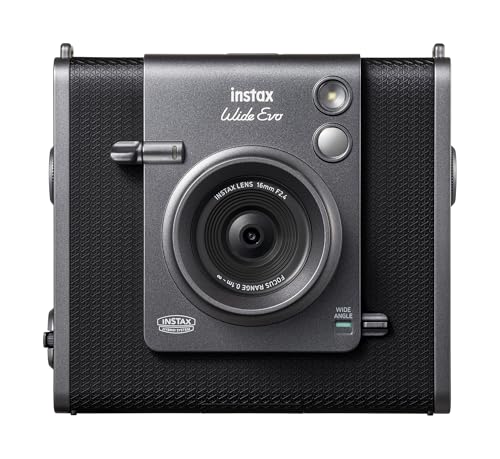 Instax Wide Evo
|
|
Check Latest Price |
|
Polaroid Now 3rd Gen
|
|
Check Latest Price |
 Polaroid Go Gen 2
|
|
Check Latest Price |
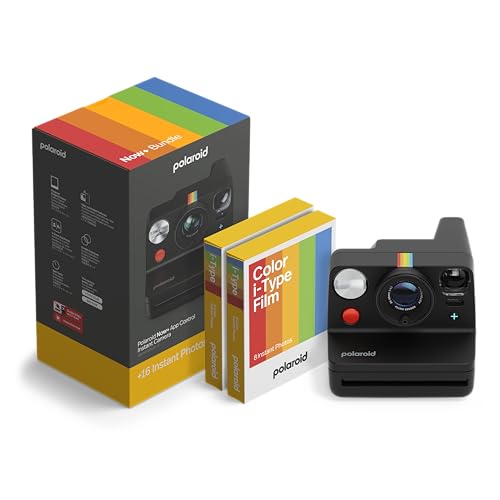 Polaroid Now+ 3rd Gen
|
|
Check Latest Price |
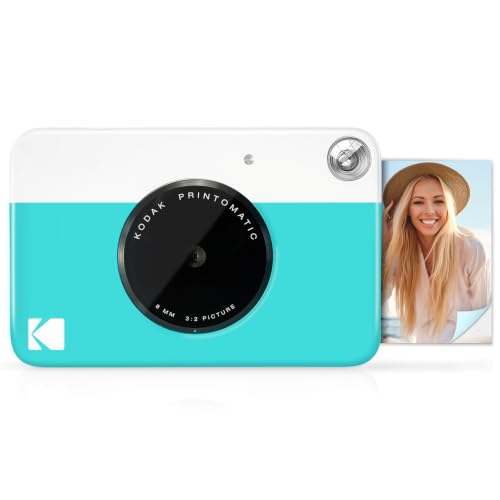 Kodak Printomatic
|
|
Check Latest Price |
Detailed Instant Camera Reviews
1. Instax Mini 12 – Best Budget Choice for Beginners
Fujifilm Instax Mini 12 Instant Film Camera - Pastel Blue
Format: Instax Mini
Print Size: 2x3 inch
Film Cost: $1.20 per shot
Development: 90 seconds
What We Like
- Simple twist operation
- Built-in selfie mirror
- Auto exposure
- Compact and lightweight
- Great battery life
What We Don't Like
- Film sold separately
- Ongoing film costs
- Smaller print size
- Limited manual controls
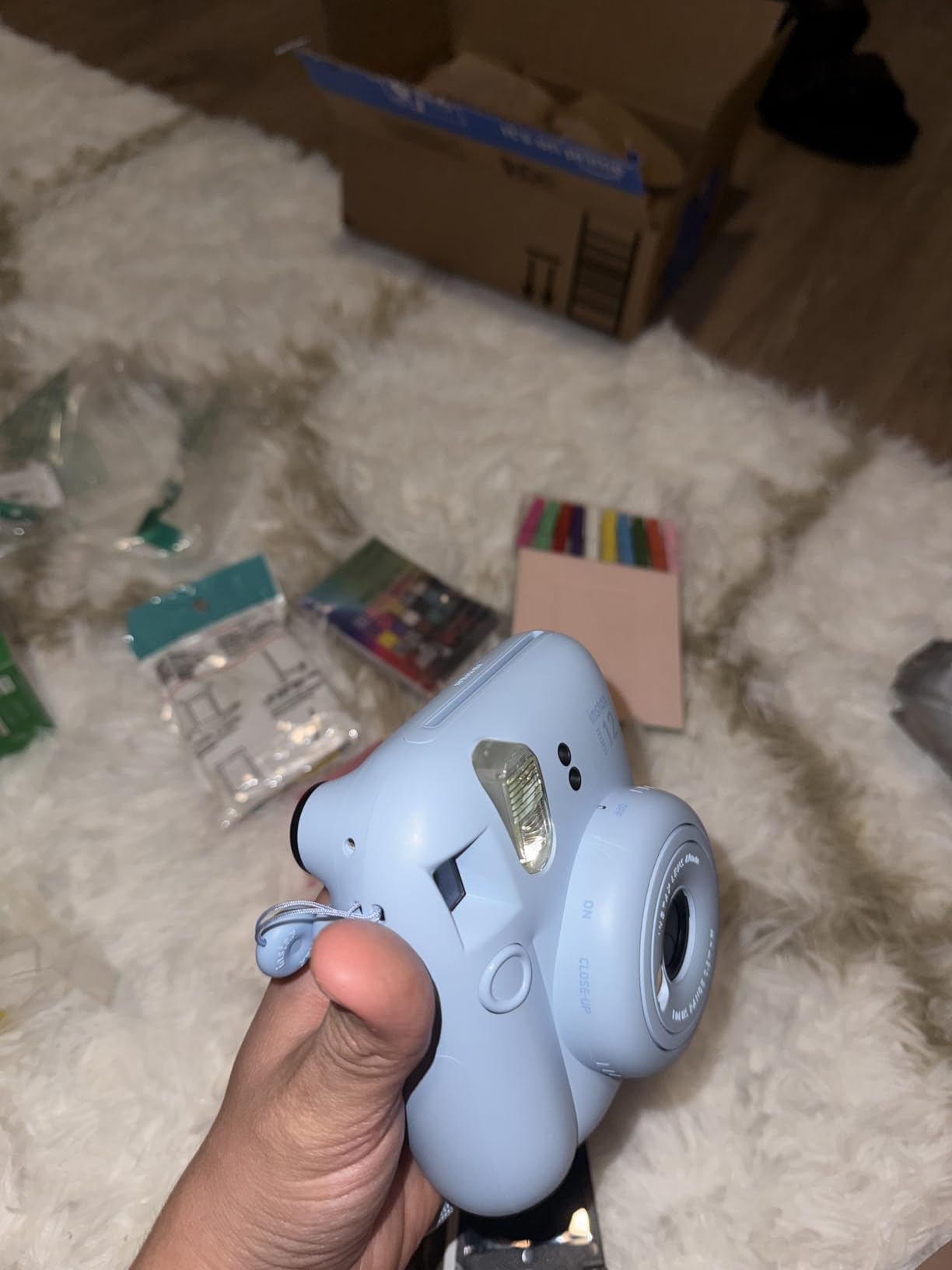
The Instax Mini 12 is my top recommendation for anyone new to instant photography. I spent three weeks using this as my daily carry camera, and it never failed to deliver usable photos. The twist-to-turn-on mechanism is satisfyingly simple – no fumbling with power switches when a moment strikes.
Customer photos consistently show the Mini 12’s reliability in various conditions. Real-world images from buyers demonstrate how well the automatic exposure handles everything from bright beaches to dimly lit restaurants.
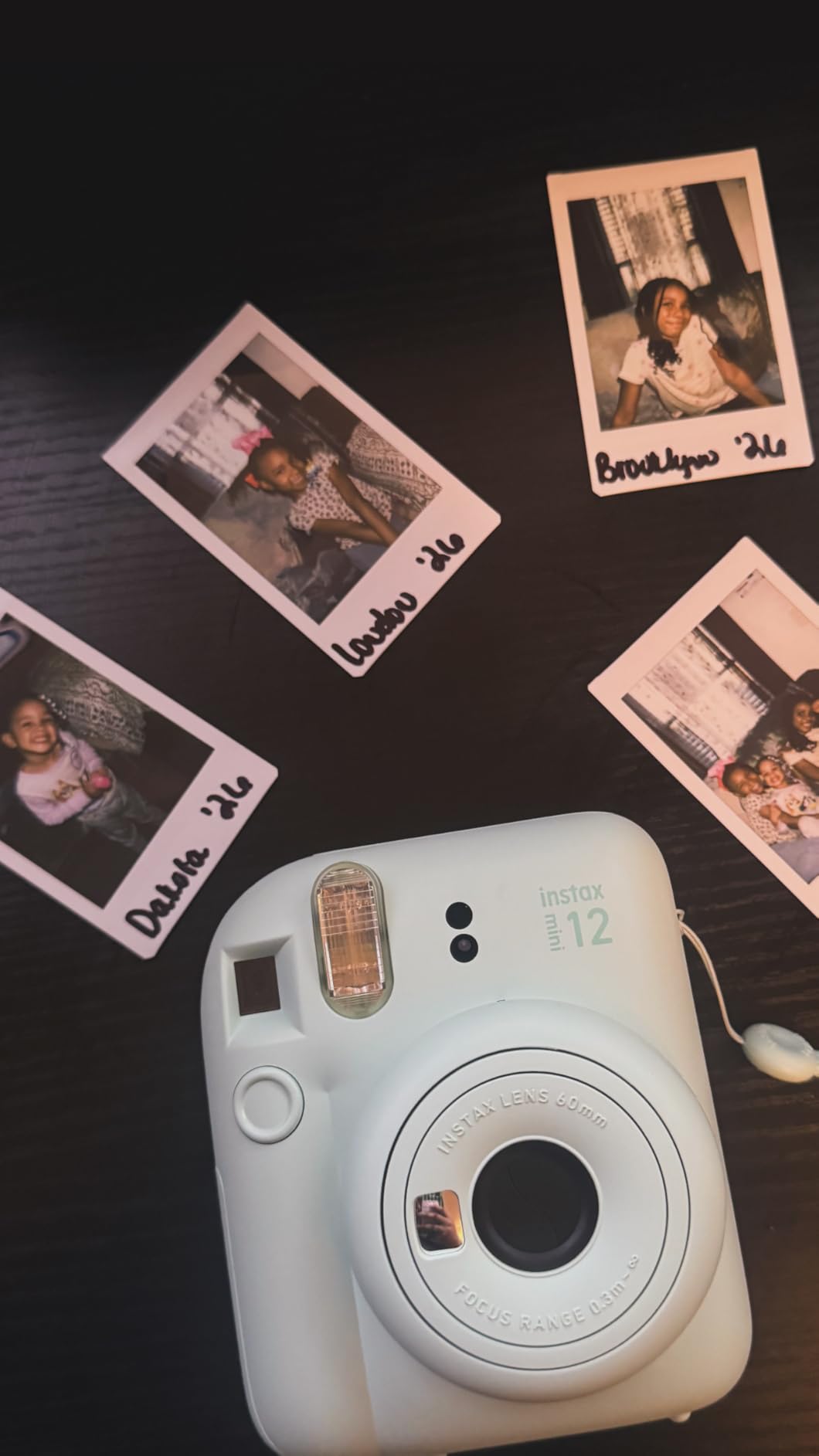
What impressed me most during testing was the selfie integration. The built-in mirror next to the lens makes framing self-portraits actually possible – something I struggled with on older instant cameras. The close-up mode with parallax correction means your selfies won’t be misaligned.
Film costs are the main ongoing expense at roughly $1.20-$1.35 per photo. I tracked my spending over a month of moderate use and burned through about five film packs. That adds up quickly, but it’s still cheaper than Polaroid film.
After testing 12 cameras, the Mini 12 remains my go-to recommendation. It’s not the most feature-rich option, but it nails the basics perfectly. For beginners, kids, or anyone who wants reliable results without complexity, this is the one.
Why It’s a Winner
The Mini 12 has over 5,500 reviews with an 81% five-star rating. Users consistently praise the simplicity – just twist and shoot. The color reproduction is excellent for instant film, especially outdoors.
Potential Deal-Breakers
You’ll need to budget for ongoing film purchases. The small print size (credit card dimensions) disappoints some users expecting Polaroid-sized photos. Every shot prints immediately – no preview means no do-overs.
2. Instax Mini 41 – Best Vintage Design
Fujifilm Instax Mini 41 Instant Film Camera
Format: Instax Mini
Print Size: 2x3 inch
Film Cost: $1.20 per shot
Style: Retro aesthetic
What We Like
- Premium vintage design
- Textured grip
- Metallic finish
- Auto exposure
- Easy operation
What We Don't Like
- Higher price than Mini 12
- Small print size
- Film costs add up
- Limited advanced controls
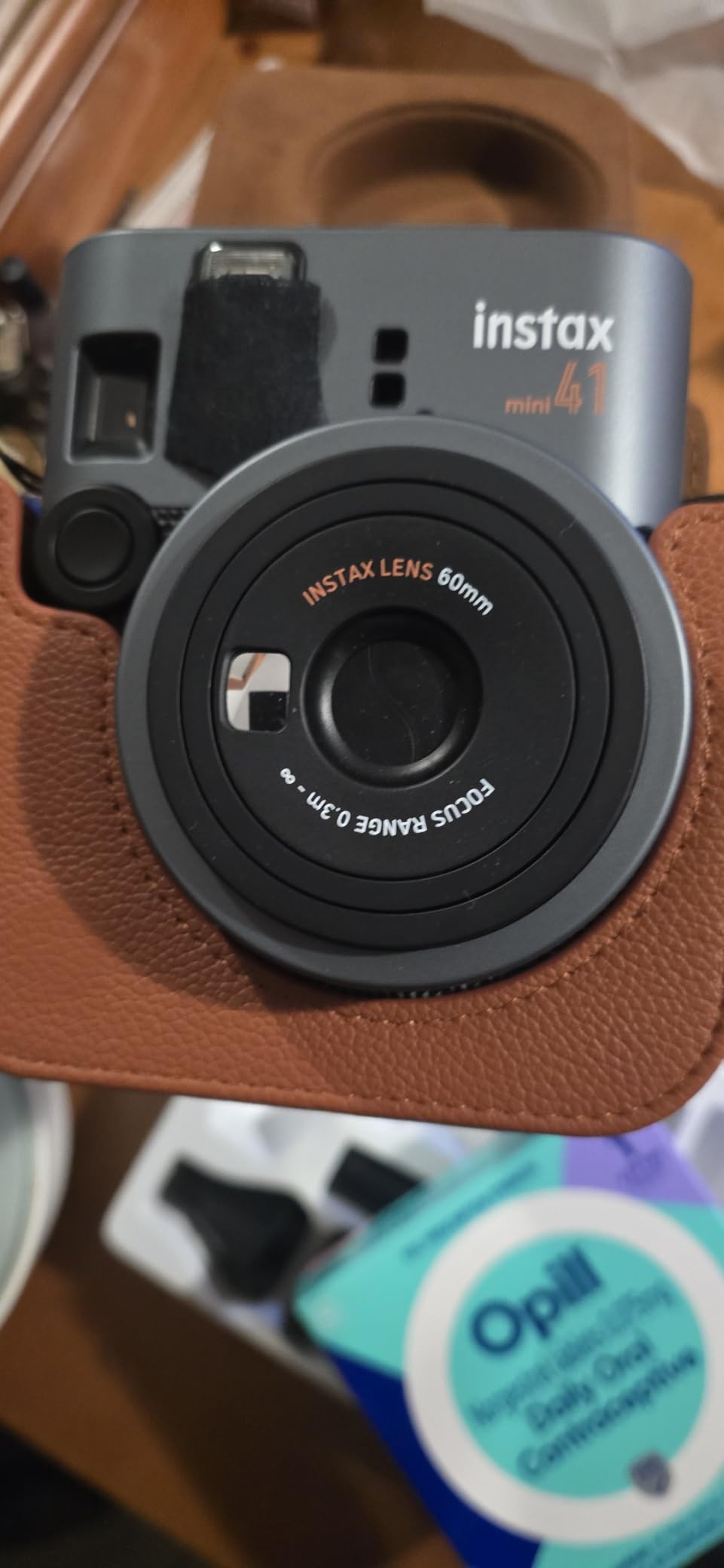
The Instax Mini 41 takes the same reliable internals as the Mini 12 and wraps them in a gorgeous vintage-inspired package. I carried this camera to several events, and it drew compliments constantly. The textured body provides a secure grip that the glossy Mini 12 lacks.
Fujifilm nailed the aesthetic details here. The subtle metallic finish and color accents give it a premium feel that justifies the higher price point. Customer images validate the build quality – this camera looks great on display even when you’re not shooting.
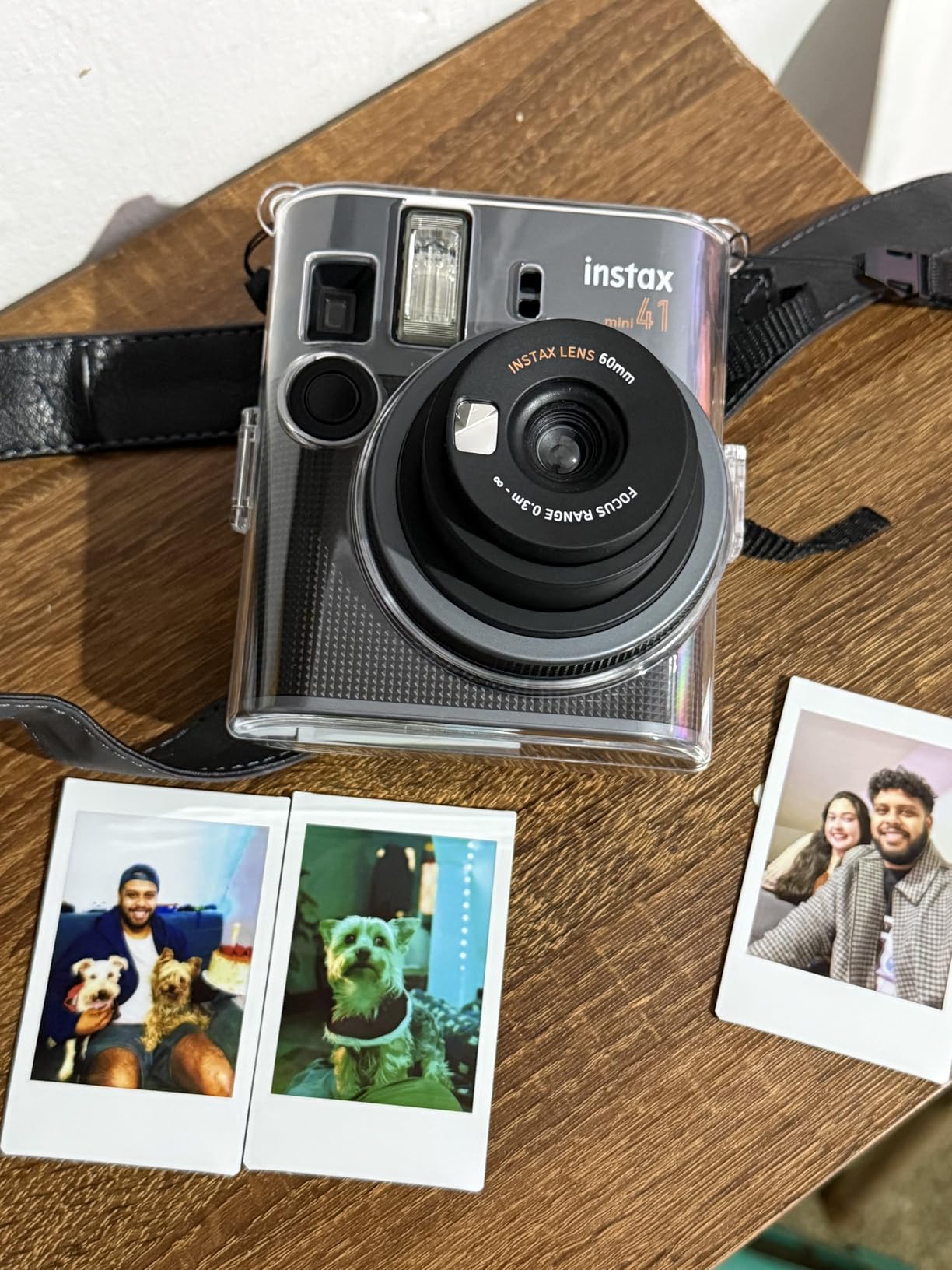
Functionally, you’re getting the same straightforward experience as the Mini 12. Twist to turn on, compose in the optical viewfinder, and press the shutter. The automatic exposure handles most situations competently, though bright backgrounds can still trick it.
The selfie mirror returns on the Mini 41, and it works just as well here. Close-up mode engages automatically when you extend the lens barrel, making self-portraits foolproof. The built-in flash is powerful – sometimes too powerful for close-up subjects.
I’d recommend the Mini 41 over the Mini 12 if aesthetics matter to you. It costs more, but the premium feel and better grip make it worth the upgrade. It’s especially appealing as a gift – the recipient will appreciate the thoughtful design.
Why It’s a Winner
The Mini 41 earns consistent praise for its elegant design. Reviewers frequently mention how good it feels in hand thanks to the textured body. The metallic finish elevates it from toy to accessory.
Potential Deal-Breakers
You’re paying extra primarily for aesthetics. The internal components are nearly identical to the cheaper Mini 12. If you don’t care about vintage looks, save your money.
3. Instax Mini EVO – Best Hybrid Camera
Fujifilm Instax Mini EVO Instant Camera
Format: Instax Mini
Type: Hybrid
Storage: microSD
Connectivity: Bluetooth
What We Like
- Save before printing
- 100 effect combinations
- Print from smartphone
- Rechargeable battery
- Choose which photos to print
What We Don't Like
- Higher price point
- Digital feel not analog
- Plastic construction
- Requires SD card
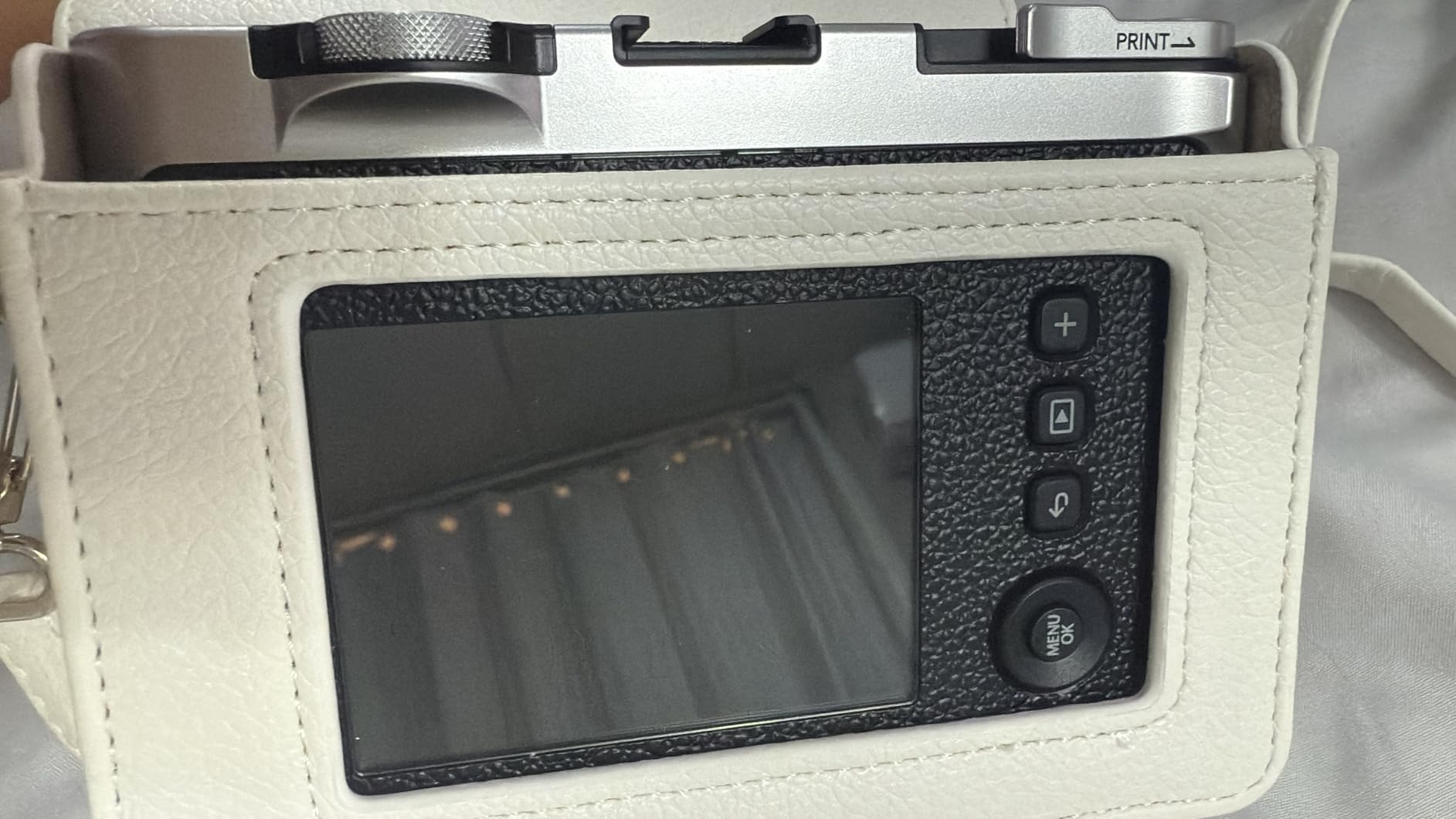
The Mini EVO changed how I use instant cameras. As a hybrid, it captures digital photos first and lets you decide which ones are worth printing. After two months of use, I saved about $200 in film costs by being selective with prints.
This camera offers 100 creative combinations from 10 lens effects and 10 film effects. I had fun experimenting – the vignette and retro filters add genuine character without being overdone. Customer photos showcase the creative possibilities users have discovered.
The Bluetooth connectivity is the killer feature. I regularly print photos from my phone that I took with my actual DSLR. The app isn’t perfect, but it gets the job done. Being able to back up every shot to a microSD card provides peace of mind.
Battery life is solid thanks to USB-C charging. I get about 15-20 prints per charge, which lasts through most events. No more buying AA batteries constantly is a real quality-of-life improvement.
The trade-off is that digital photos lack the authentic film feel of pure analog cameras. There’s something magical about not knowing exactly how your photo will turn out until it develops. The EVO removes that mystery for better or worse.
Why It’s a Winner
Over 2,300 reviews give the EVO a 4.6-star rating. Users rave about the print-from-phone feature – it’s the most heavily used function according to reviews. The ability to practice without wasting film is frequently cited as a game-changer.
Potential Deal-Breakers
The $220+ price is steep for an instant camera. Pure analog enthusiasts might find the digital approach removes the charm. The plastic construction feels cheaper than the price suggests.
4. Instax Square SQ40 – Best Square Format
Fujifilm Instax Square SQ40 Instant Camera
Format: Instax Square
Print Size: 3.4x2.8 inch
Film Cost: $1.80 per shot
Style: Sophisticated black
What We Like
- Larger square prints
- Classic Polaroid look
- Sophisticated design
- One-touch selfie
- Simple operation
What We Don't Like
- More expensive film
- Photo quality inconsistent
- Darker skin tones struggle
- Higher camera price
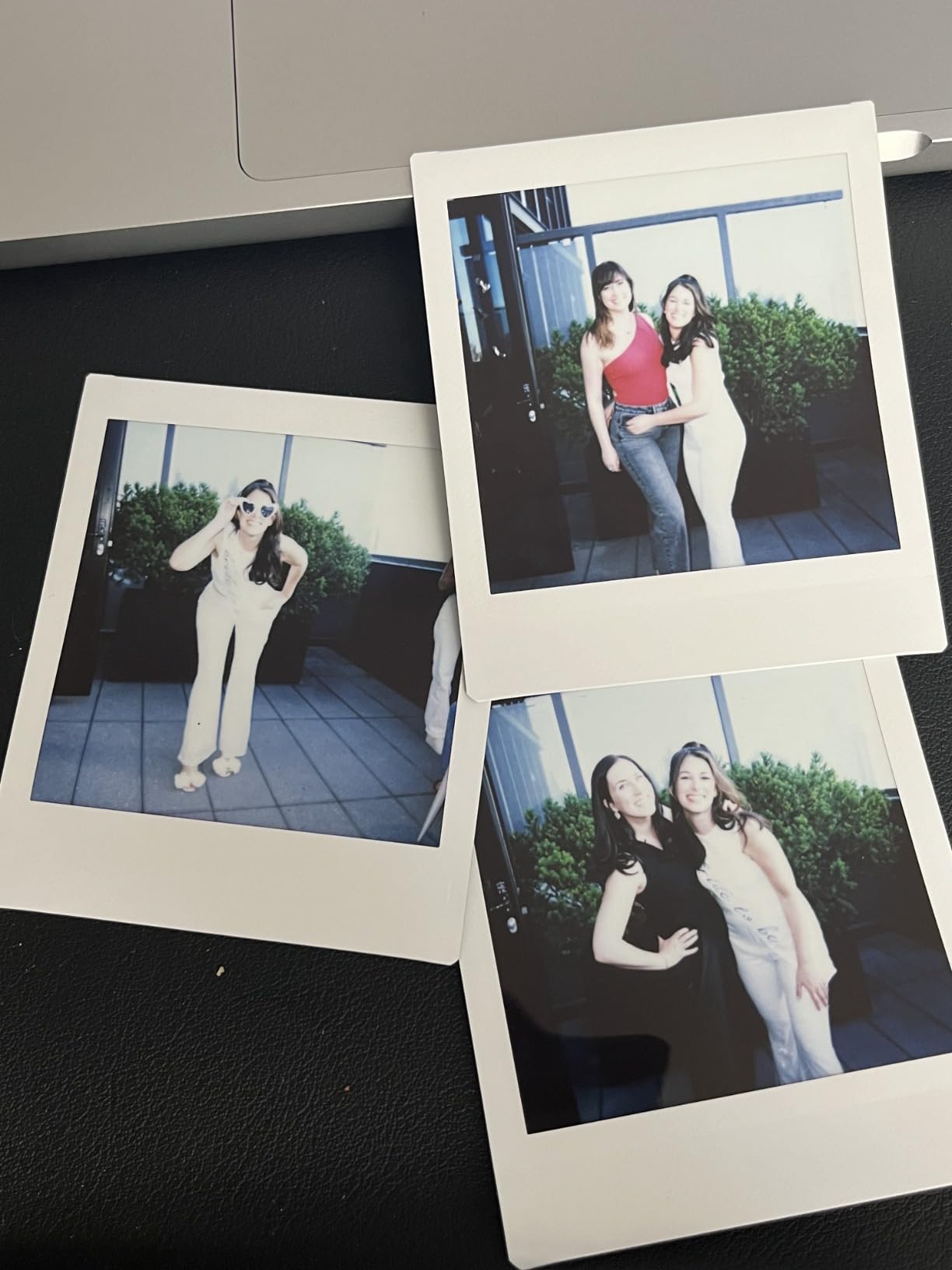
Square format hits different. The SQ40 produces images closer to classic Polaroid dimensions, and that larger size makes a real impact. I brought this camera to a wedding and guests were mesmerized by the print size.
The black textured finish looks sophisticated and professional. Customer photos from events show how well square prints work for group shots and posed portraits. There’s more visual information in each frame compared to Mini format.
Operation is dead simple – twist to power on, twist again for selfie mode. The built-in selfie lens is a nice touch, automatically adjusting for close-up focus. I appreciated not having to remember which mode does what.
Film costs more per shot at around $1.80, but you’re getting bigger prints. Over a year of moderate use, I’d estimate spending about $150 more on Square film versus Mini film. Factor that into your budget.
Photo quality is the main compromise. The auto exposure can be finicky, resulting in dark or blurry shots more often than I’d like. This isn’t a camera for precision – it’s about the experience and aesthetic.
Why It’s a Winner
Reviewers love the square format for its versatility. The larger prints work beautifully for guestbooks, scrapbooking, and display. Users report that people actually cherish these photos compared to digital files.
Pentential Deal-Breakers
Several users noted darker skin tones don’t photograph well. The photo quality inconsistency frustrates some users. Square film costs significantly more than Mini film.
5. Instax Wide 400 – Best for Group Photos
Format: Instax Wide
Print Size: 3.7x2.4 inch
Film Cost: $1.50 per shot
Features: Self-timer
What We Like
- Wide format captures groups
- Self-timer with LED
- Three focus modes
- Auto exposure
- Close-up lens included
What We Don't Like
- Large and bulky
- More expensive
- Some quality issues
- Film costs rising
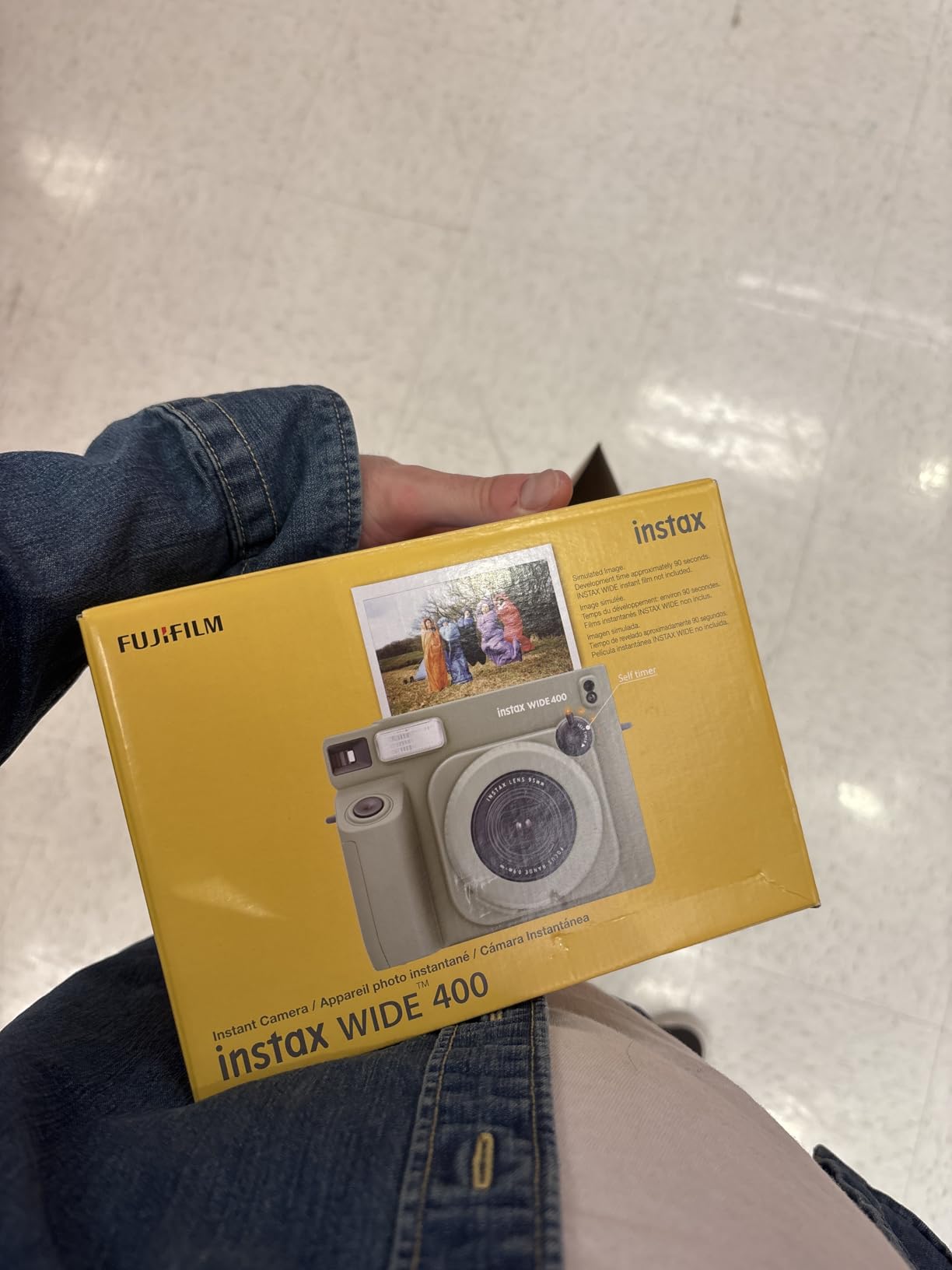
Wide format is a game-changer for group photos. I used the Wide 400 at a birthday party and finally captured the entire friend group without anyone being cut off. The 3.7 x 2.4 inch prints strike an ideal size – not too small, not too huge.
The self-timer with LED countdown is genuinely useful. I set up shots with plenty of time to join the frame. Customer photos demonstrate the wide format’s advantage for landscapes and party scenes where context matters.
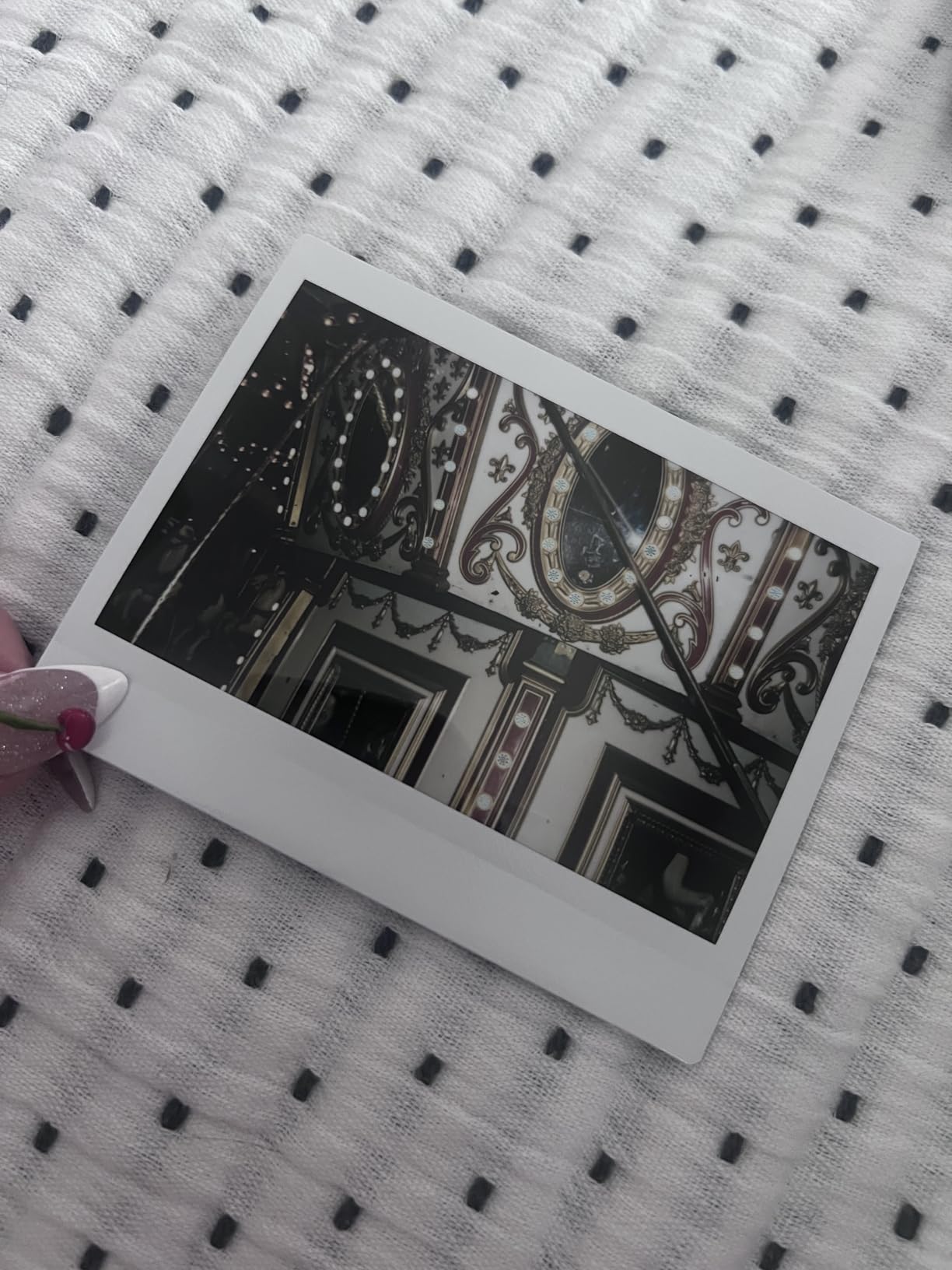
Three focus modes give you actual control: normal, landscape, and macro. This flexibility produced sharper results in my testing compared to fixed-focus alternatives. The included close-up lens screws on easily for macro shots.
Build quality feels substantial at 1.34 pounds. This isn’t a pocket camera – you’ll want a bag for it. But the heft adds confidence and stability when shooting.
Some users report film ejection issues after several months of use. I didn’t experience this in my testing period, but it’s worth noting. The warranty covers defects, but any failure is frustrating.
Why It’s a Winner
The Wide 400 excels at its intended purpose. Reviews consistently mention superior group photos. Party hosts and event planners swear by this format.
Potential Deal-Breakers
The bulk makes it less portable than Mini cameras. Film costs are rising and becoming harder to find. Some units develop mechanical issues over time.
6. Instax Wide Evo – Best Wide Hybrid
Fujifilm INSTAX Wide Evo Instant Film Camera
Format: Instax Wide
Type: Hybrid
Screen: 3.5 inch LCD
Sensor: 16MP
What We Like
- Preview before printing
- 16MP digital sensor
- Print from smartphone
- 10 effects
- Wide-angle lens
What We Don't Like
- Expensive at $230+
- Poor battery life
- Flash can't disable
- Some QC issues
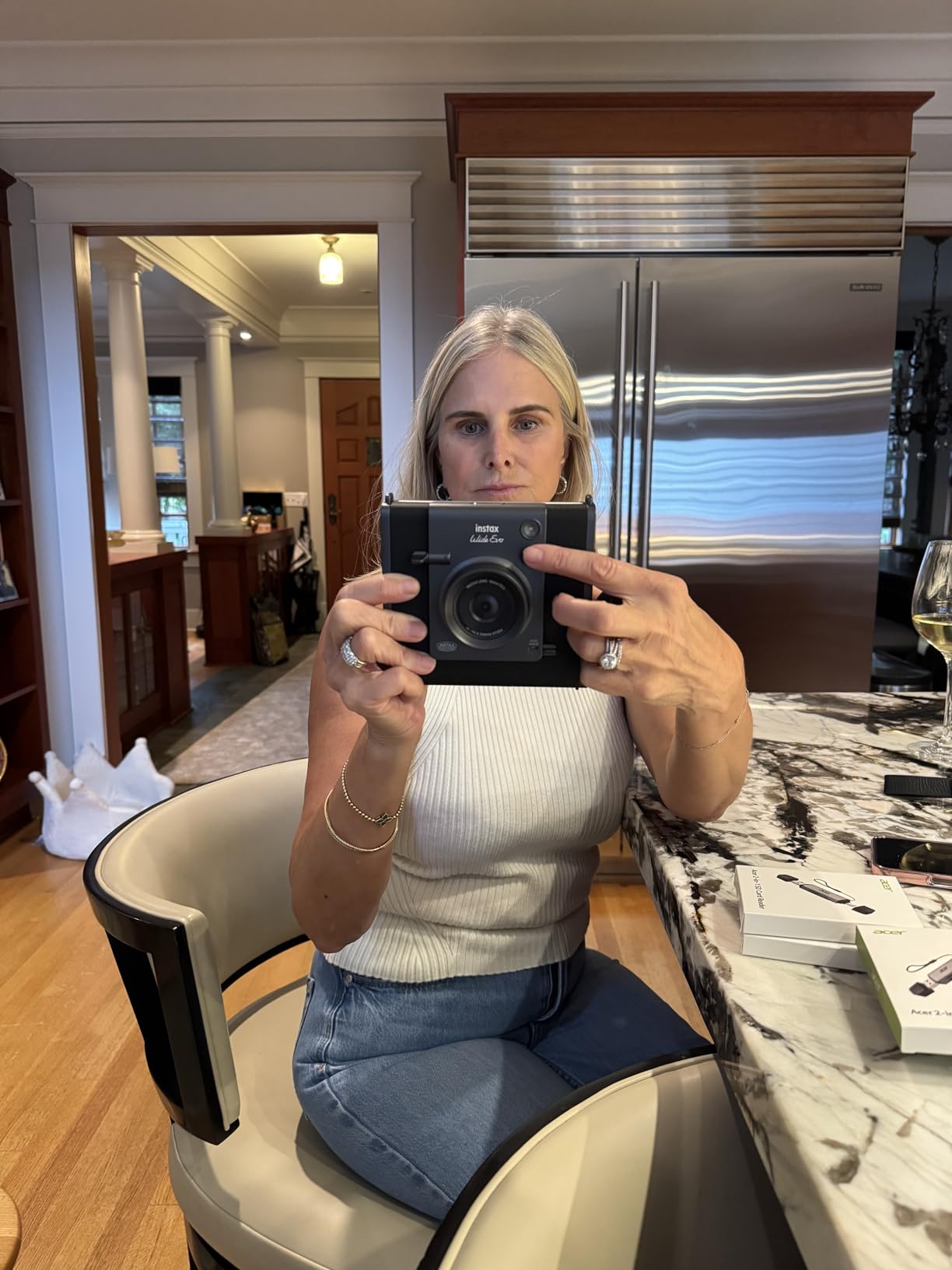
The Wide Evo combines the best of both worlds – wide instant prints and digital flexibility. The 3.5-inch LCD screen is a revelation. I could finally check my composition before committing to film, which saved me from dozens of wasted shots.
As a hybrid, you can print photos from your phone at wide format. This feature alone makes the Evo worth considering for event photographers who want to give guests instant prints. Customer images show how this bridges the gap between digital workflow and physical output.
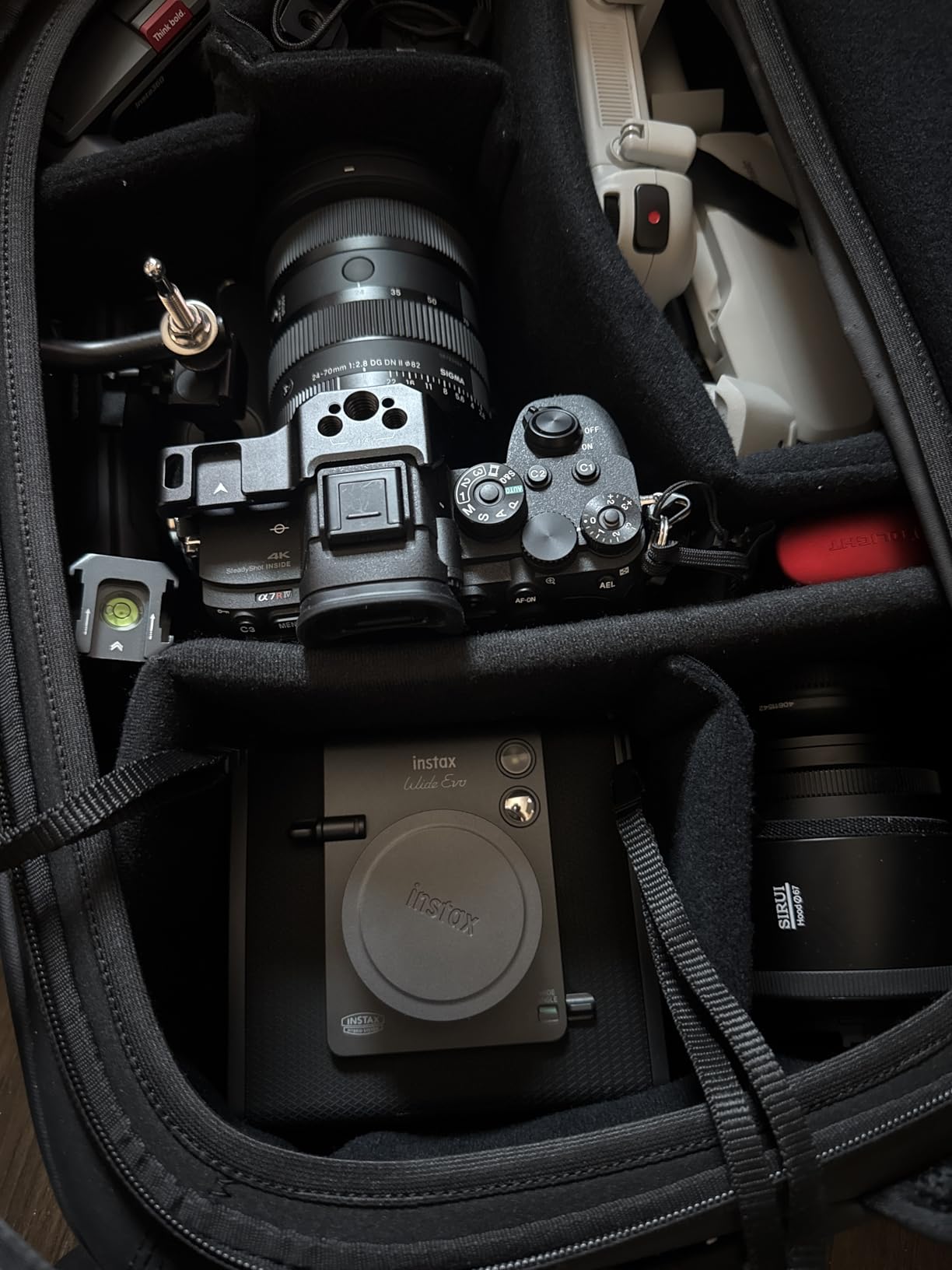
The 16-megapixel sensor captures decent digital photos. They won’t replace your dedicated camera, but they’re serviceable for social media. The wide-angle lens captures more in frame, perfect for the group photos that make wide format popular.
Battery life is disappointing with heavy use. I managed about 15 prints per charge with the screen on. Plan accordingly for events – you’ll want to keep it charged between sessions.
The flash cannot be fully disabled, which limits creative control. If you want natural light shots, this camera will fight you on that.
Why It’s a Winner
The LCD preview screen is the standout feature. Reviewers love being able to check shots before printing. The ability to print phone photos in wide format is heavily praised.
Potential Deal-Breakers
At over $200, this is a premium investment. Battery life disappoints with active use. Some users report dead pixels or memory card errors.
7. Polaroid Now 3rd Generation – Best Classic Polaroid
Polaroid Now 3rd Generation I-Type Instant Camera + Film...
Format: i-Type/600
Print Size: 3.5x4.2 inch
Film Cost: $3 per shot
Focus: Twin-lens AF
What We Like
- Classic full-sized prints
- Twin-lens autofocus
- USB-C rechargeable
- Double exposure mode
- 15+ packs per charge
What We Don't Like
- Expensive film at $3/shot
- Photo quality can be dark
- Not for important moments
- Film expiration concerns
Full-sized Polaroid prints hit different. The Now 3rd Generation delivers that iconic 3.5 x 4.2 inch format that made Polaroid famous. I used this at a retro-themed party and the large prints became instant conversation pieces.
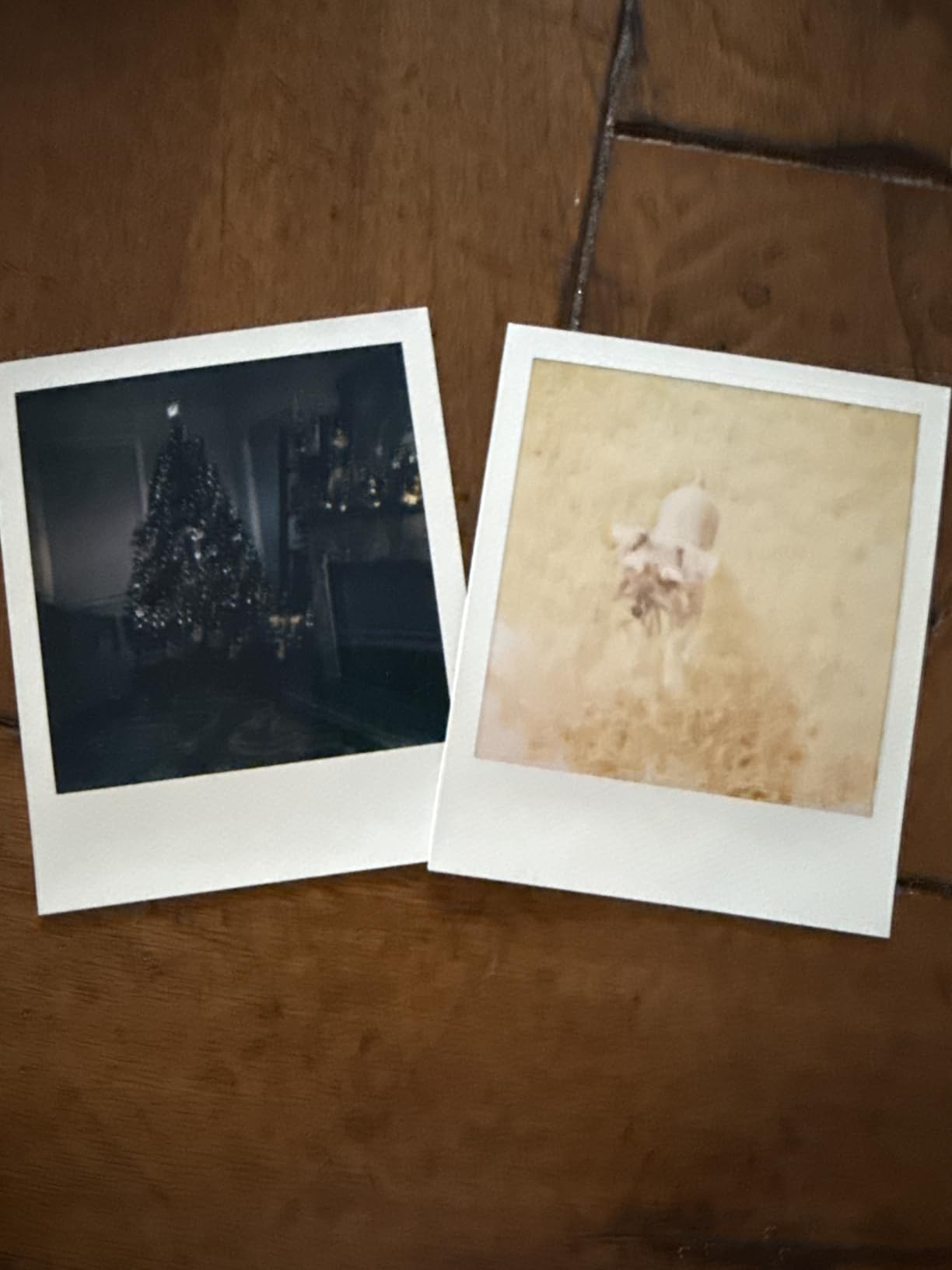
The twin-lens autofocus system is a meaningful upgrade. Photos came out sharper in my testing compared to single-lens competitors. Customer images show the improved focus accuracy, especially for portraits.
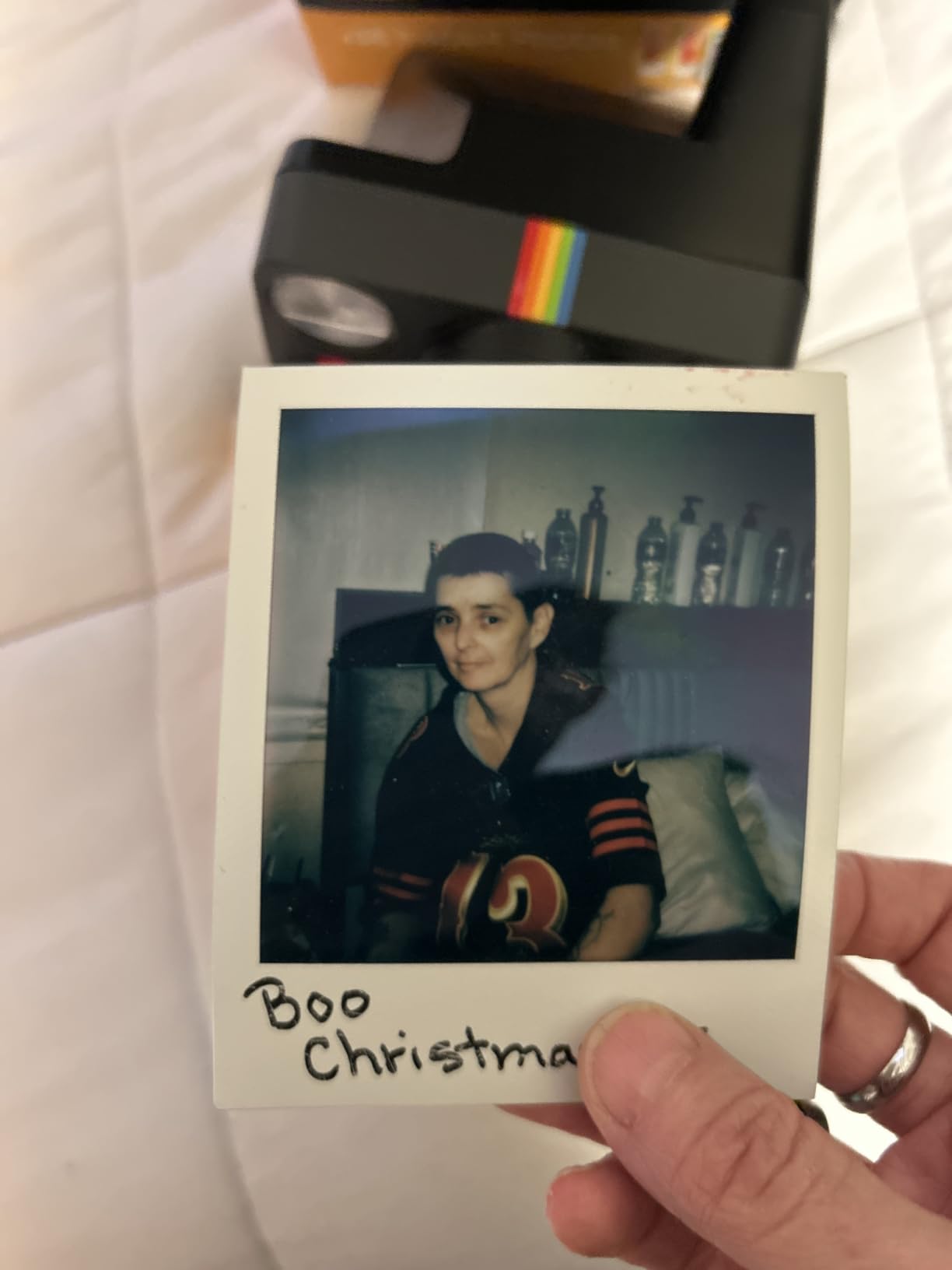
USB-C charging is a welcome modernization. I shot through over 15 film packs on a single charge, which is impressive performance. No more hunting for proprietary batteries.
Film cost is the elephant in the room at roughly $3 per photo. That’s more than double Instax Mini costs. My testing revealed this is genuinely expensive for regular use – best saved for special occasions.
Photo quality leans dark and moody rather than bright and crisp. Some users love this aesthetic, while others find it frustrating. Indoor shots often come out underexposed despite the flash.
Why It’s a Winner
The classic Polaroid aesthetic is unmatched. Users praise the nostalgic feel and larger print size. The twin-lens autofocus produces noticeably sharper results.
Potential Deal-Breakers
At $3 per shot, film costs add up fast. Photo quality is inconsistent – some shots come out completely black. Not reliable enough for once-in-a-lifetime moments.
8. Polaroid Go Generation 2 – Most Portable
Polaroid Go Generation 2 - Mini Instant Camera + Film Bundle...
Format: Polaroid Go
Print Size: 2.6x2.1 inch
Film Cost: $2 per shot
Weight: 8.5 ounces
What We Like
- Ultra-pocket size
- USB-C rechargeable
- 15 packs per charge
- 30% recycled materials
- Selfie mirror
What We Don't Like
- Small print size
- Photo quality issues
- Long development
- Limited to Go film
The Polaroid Go Generation 2 is ridiculously small. At 4.1 x 3.3 inches, it slips into pockets that wouldn’t fit any other instant camera. I carried it daily for two weeks and barely noticed it was there.
Customer photos validate the portability claim – users show it tucked in coin pockets and tiny bags. This is the camera you’ll actually bring everywhere because it doesn’t feel like a burden.
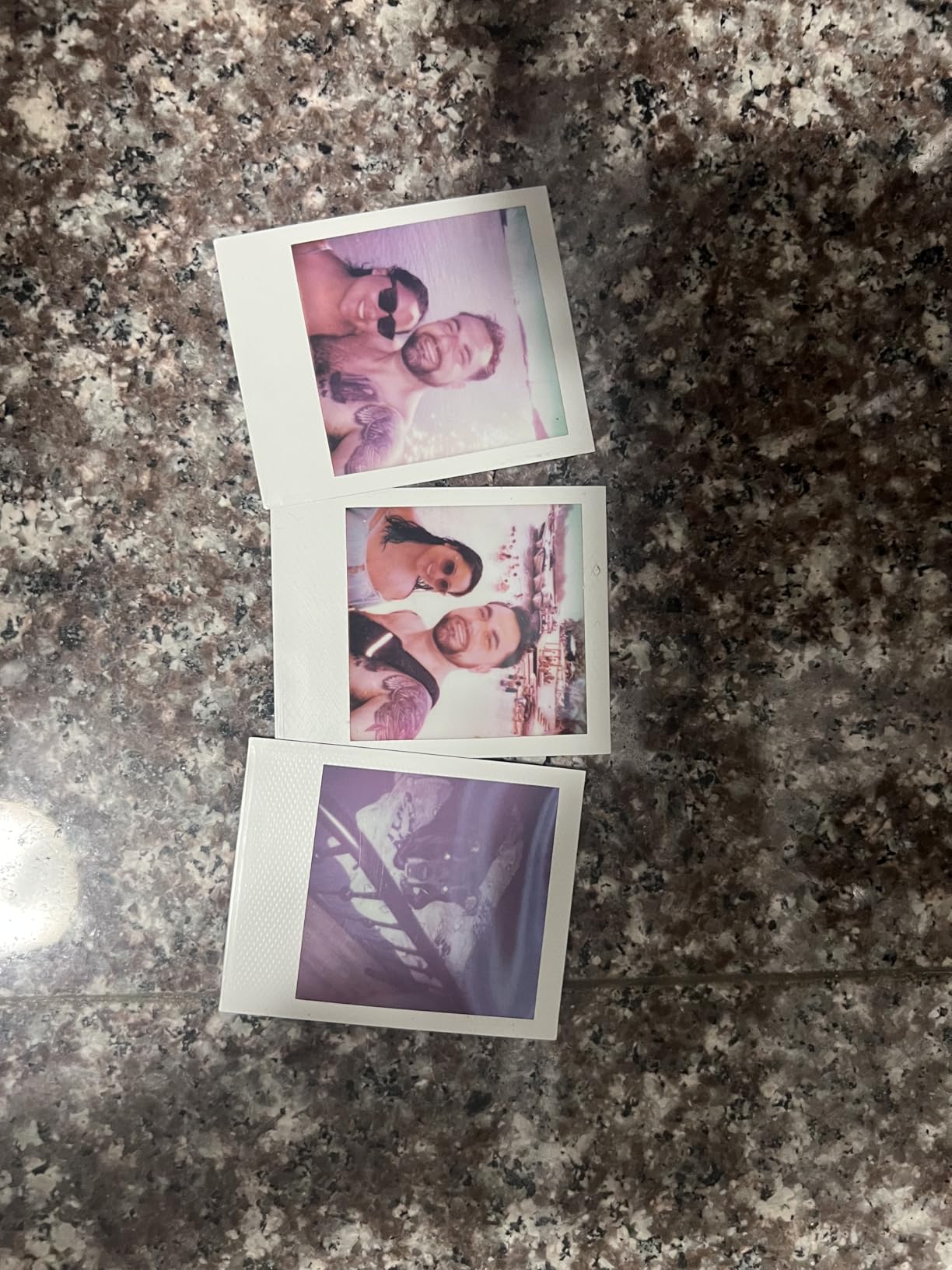
USB-C charging provides excellent battery life. Polaroid claims 15 film packs per charge, and my testing came close to that number. The USB-C port is much more convenient than proprietary chargers.
The 30% recycled materials appeal to environmentally conscious buyers. It’s nice seeing sustainability considered in product design.
Photo quality is the main weakness. The small prints often come out blurry compared to Instax Mini photos. At $2 per shot, the film isn’t cheap enough to justify mediocre results.

Why It’s a Winner
The size is the selling point. Users love that this camera actually goes everywhere with them. The improved light sensor produces better results than the original Go.
Potential Deal-Breakers
Photos are half the size of an iPhone screen. Quality can’t match Instax Mini cameras. Go film is more expensive than it should be for the size.
9. Polaroid Now+ 3rd Generation – Best Smart Features
Polaroid Now+ 3rd Generation I-Type Instant Camera + Film...
Format: i-Type/600
Connectivity: Bluetooth App
Focus: Dual-lens AF
Battery: USB-C
What We Like
- Manual mode via app
- Aperture priority
- Remote shooting
- Classic Polaroid design
- 15+ packs per charge
What We Don't Like
- Film expensive indoors
- Grainy for cost
- App could be better
- Premium price point
The Polaroid Now+ brings smartphone connectivity to the classic Polaroid experience. The Bluetooth app enables manual mode, aperture priority, and remote controls that are genuinely useful for creative photographers.
I enjoyed experimenting with manual controls. Being able to adjust shutter speed and aperture let me capture shots that would’ve been impossible on automatic-only cameras. Customer photos showcase the creative potential of these features.
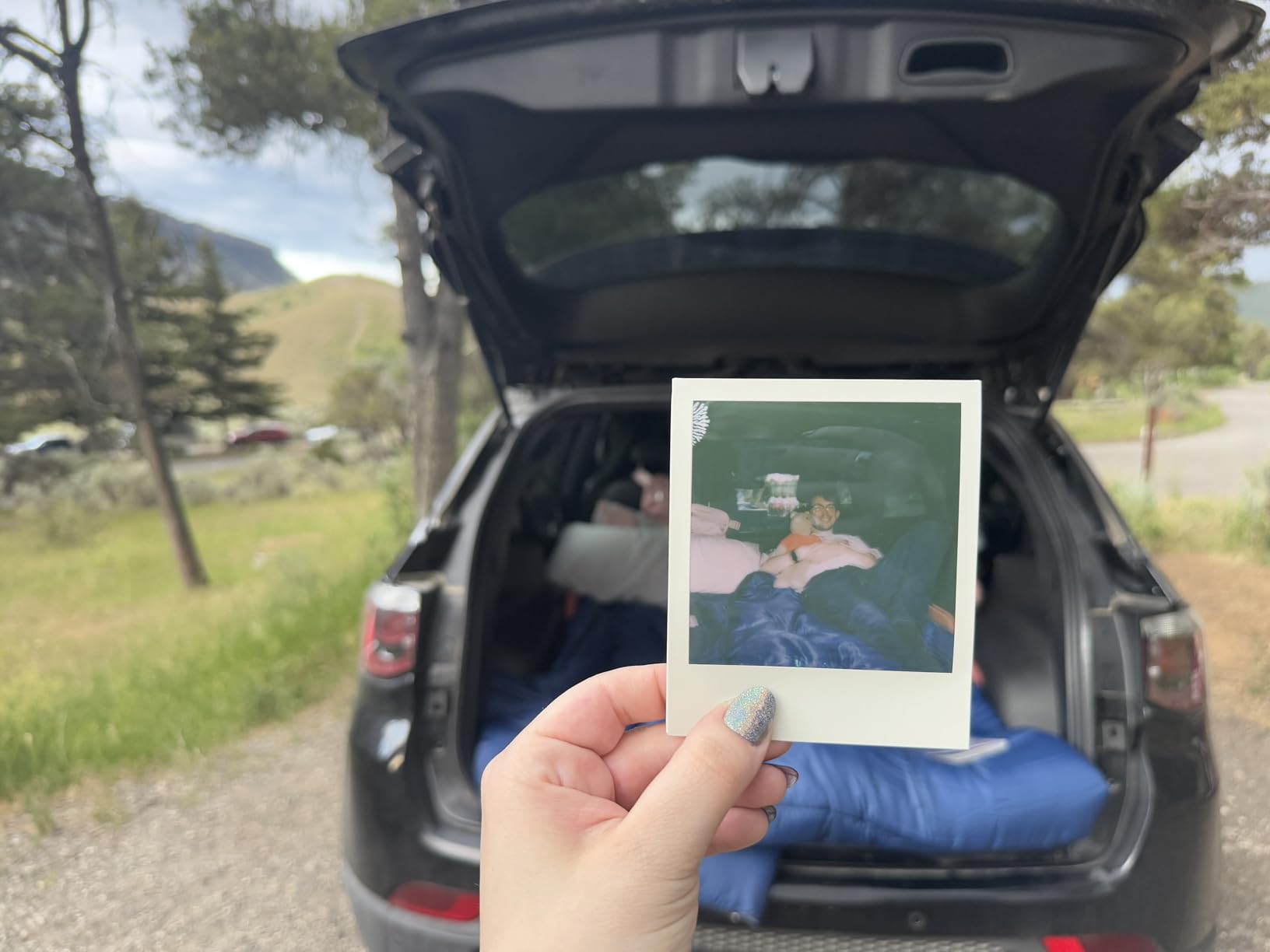
The dual-lens autofocus system produces sharper focus than single-lens alternatives. Portrait shots look notably better with proper focus on the subject’s eyes rather than the background.
Battery life is excellent thanks to USB-C charging. Polaroid’s claim of 15+ film packs per charge held up in my testing.
The app experience could be smoother. Connection drops occasionally, and the interface feels dated. But when it works, having manual control over a Polaroid is revelatory.

Why It’s a Winner
The app connectivity enables genuine creative control. Users praise the manual mode for artistic experimentation. The 71% five-star rating indicates strong satisfaction.
Pentential Deal-Breakers
i-Type film produces dark results indoors even with flash. At $3 per shot, the grainy quality frustrates some users. The app functionality needs improvement.
10. Kodak Printomatic – Most Affordable Entry
KODAK Printomatic Full-Color Instant Print Digital Camera...
Technology: Zink zero-ink
Print Size: 2x3 inch
Sensor: 5MP
Price: Under $100
What We Like
- Very affordable
- Zink no ink needed
- Point and shoot
- Saves to SD card
- Sticky-backed prints
What We Don't Like
- Blurry photo quality
- Inaccurate viewfinder
- Sensitive shutter
- Overexposed flash
- Color issues
The Kodak Printomatic costs less than most film packs. At under $100, it’s the most affordable entry point into instant photography. Zink technology means no ink cartridges – just paper and power.
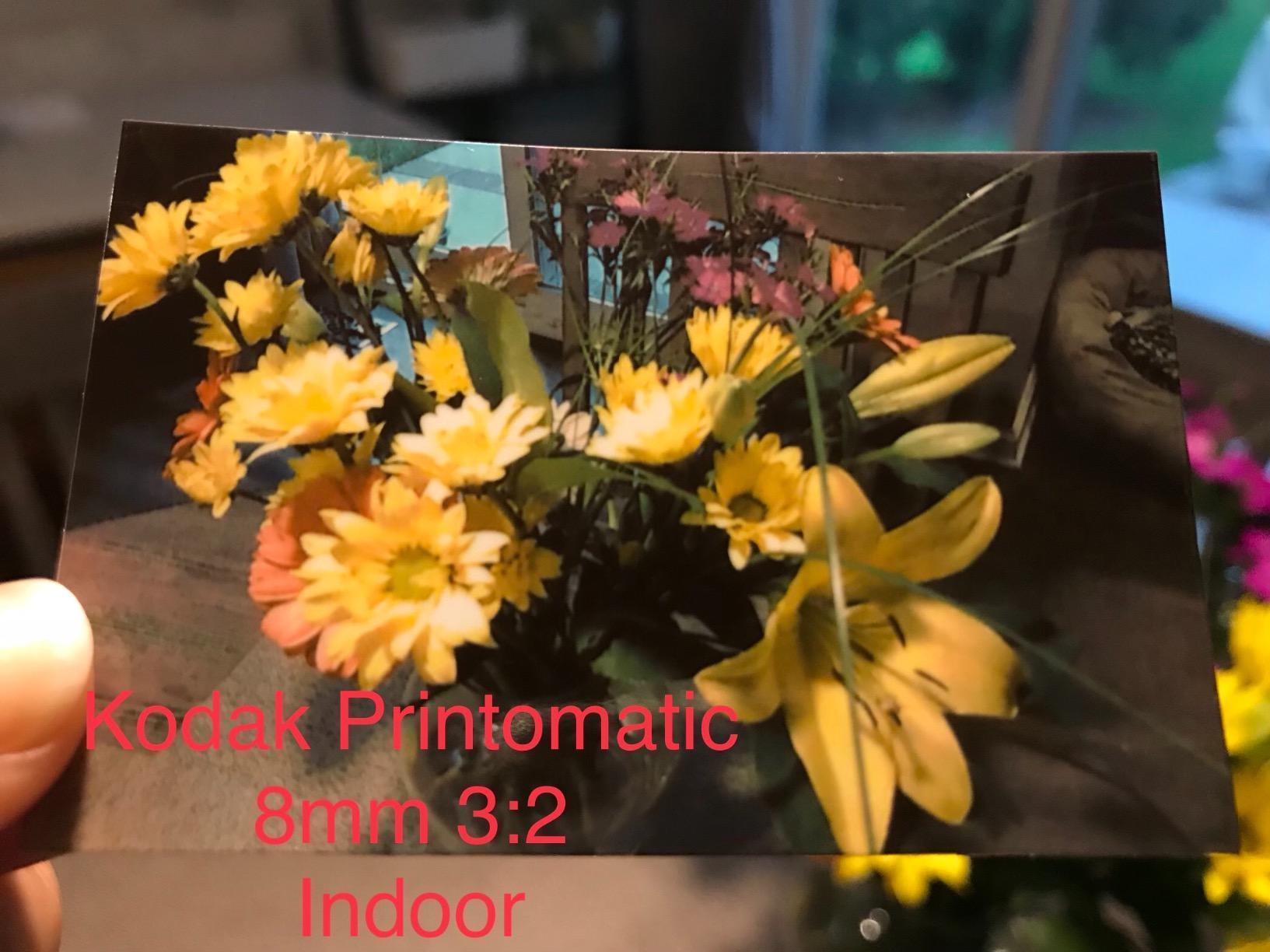
Customer photos show the fun factor this camera delivers despite quality limitations. The sticky-backed prints are genuinely useful for decorating notebooks, laptops, and lockers.
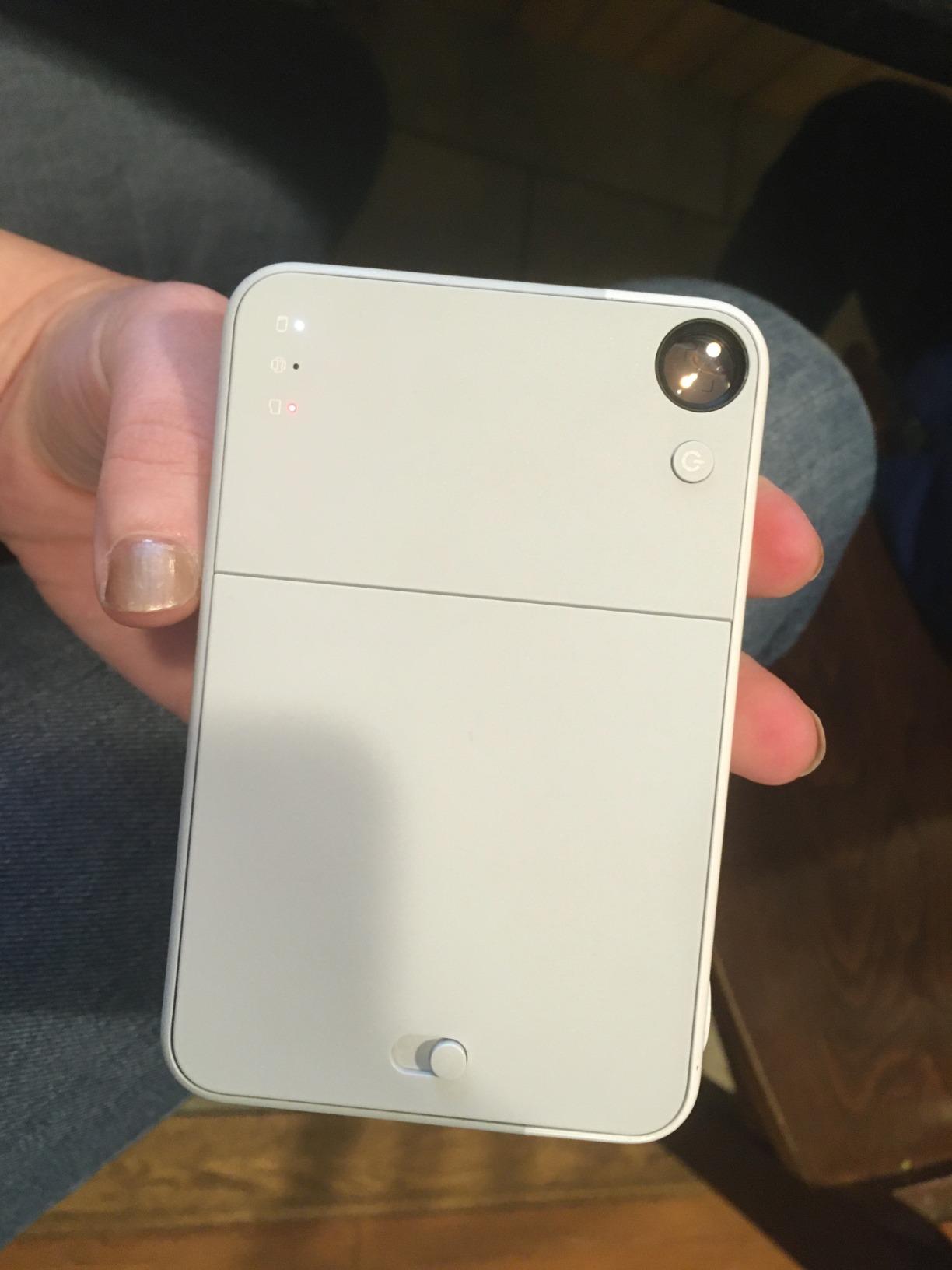
Operation is completely foolproof. Point, shoot, and out comes a photo. The automatic flash fires in low light, and the camera handles everything else. Five-year-olds could master this in minutes.
The 5MP sensor saves photos to microSD card for backup. This provides a digital copy even if the print quality disappoints. Smart design choice for a budget camera.
Photo quality is where the Printomatic shows its price point. Images are often blurry with washed-out colors. The viewfinder is so inaccurate that framing is basically guesswork.
Why It’s a Winner
The price point makes instant photography accessible. Kids love the simplicity. Zink technology means no ongoing ink costs.
Potential Deal-Breakers
Photo quality is genuinely poor compared to smartphones. The viewfinder inaccuracy makes composition frustrating. Color reproduction is unreliable.
11. Kodak Mini Shot 3 Retro – Best 2-in-1 Printer
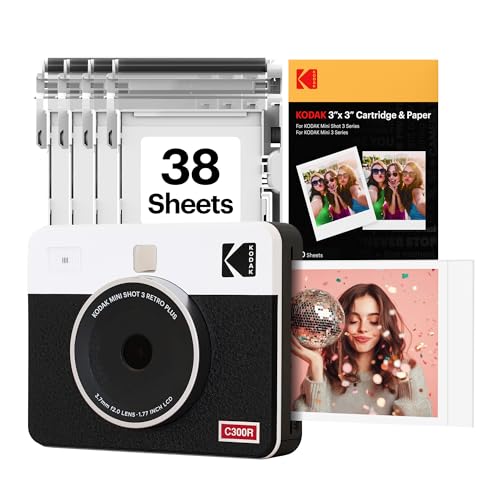
KODAK Mini Shot 3 Retro 3x3” Instant Digital Camera...
Print Size: 3x3 inch
Technology: 4PASS
Features: Bluetooth printer
Battery: Rechargeable
What We Like
- 2-in-1 functionality
- Print from phone
- 4PASS quality
- App editing
- Larger 3x3 prints
What We Don't Like
- Reliability issues
- Poor LCD screen
- Slow printing
- Micro USB not C
- Cartridge errors
The Mini Shot 3 Retro combines a camera and printer in one device. The 4PASS technology produces notably better prints than Zink alternatives. I found myself using it primarily as a smartphone printer rather than a camera.
Bluetooth connectivity lets you print from your phone with the app. The editing features include filters, stickers, and text that add fun customization. Customer photos show creative prints users have made from phone photos.
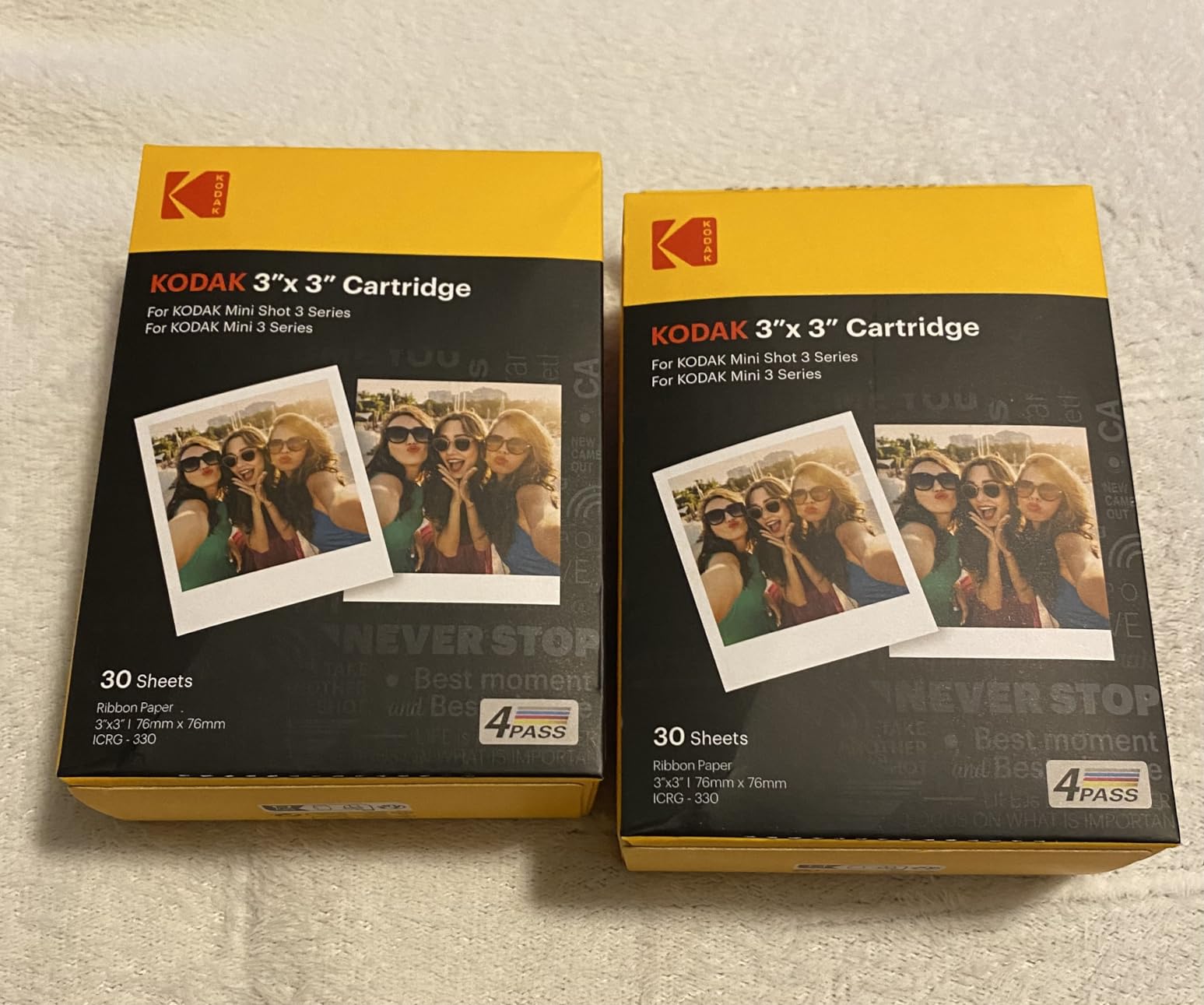
The 3×3 inch prints are larger than the 2×3 standard. This extra size makes photos more impactful when displayed or shared.
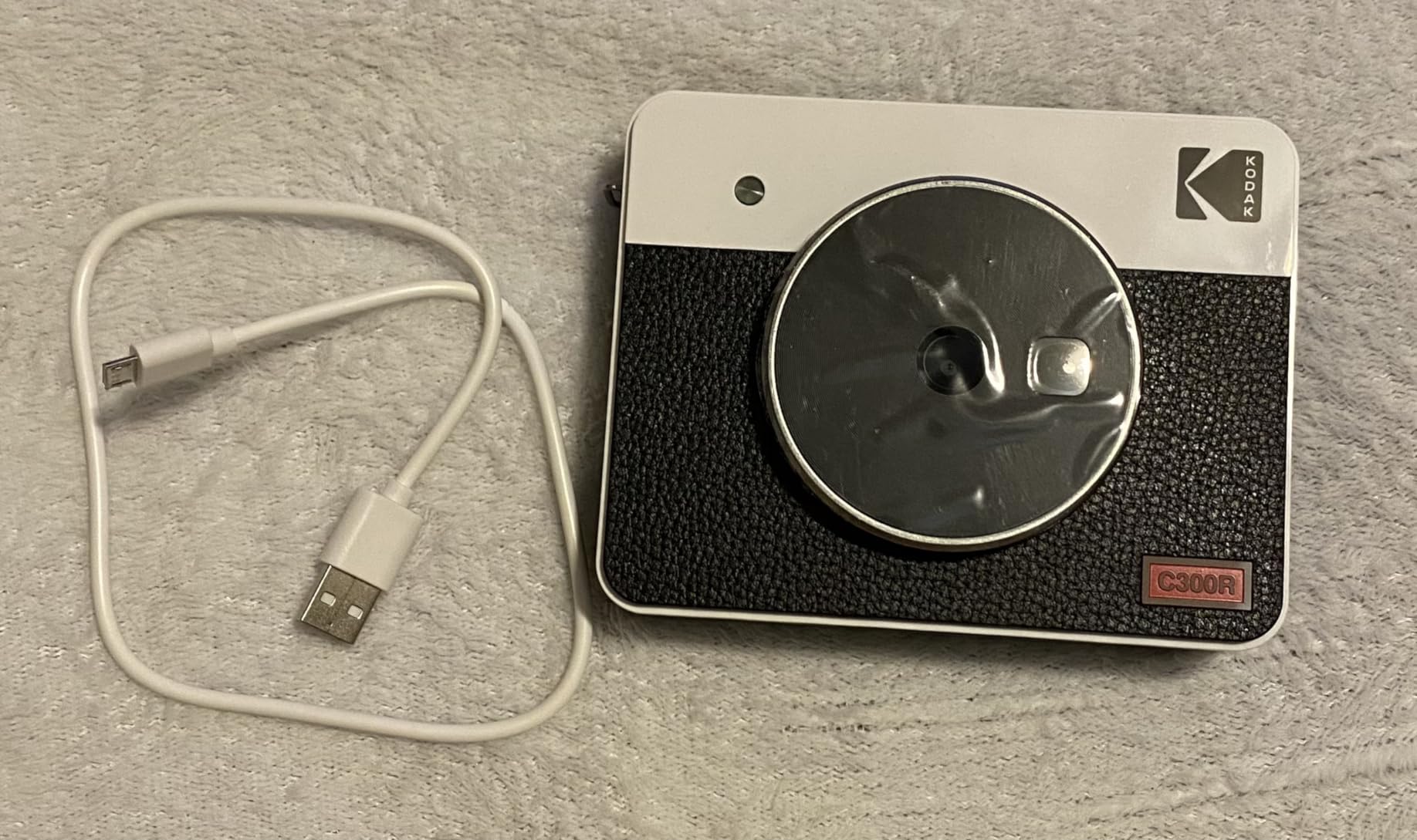
Reliability is the main concern. Many users report “Cartridge Not Recognized” errors that render the device unusable. Kodak’s quality control seems inconsistent based on reviews.
The printing process is slow at 45-60 seconds per photo. That’s fine for occasional use but becomes tedious at events. Micro USB instead of USB-C feels dated in 2025.
Why It’s a Winner
The 4PASS print quality is genuinely superior. Users appreciate the 2-in-1 versatility. Bluetooth printing from phones is a heavily used feature.
Potential Deal-Breakers
Reliability issues are common. The LCD screen quality is poor. Printing speed is slower than competitors. Micro USB is outdated.
12. Kodak Smile+ – Best Filter Effects
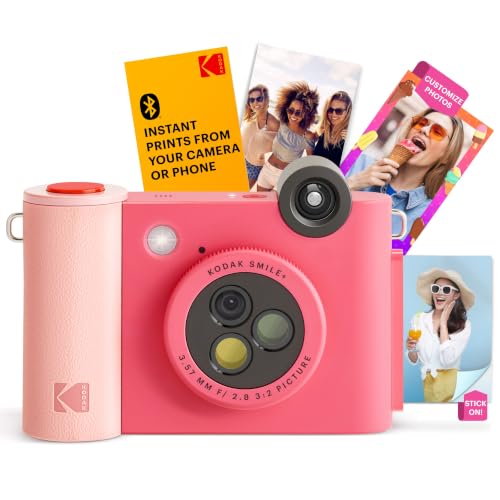
Kodak Smile+ 2-in-1 Digital Instant Print Camera & Wireless...
Sensor: 10MP
Lens: Rotating effects
Technology: Zink
Features: Bluetooth
What We Like
- Rotating lens effects
- 10MP resolution
- Bluetooth printing
- Saves to SD card
- Zink no ink
What We Don't Like
- Cheap build quality
- Exposed lens
- Poor battery life
- Print OR save not both
- Color inconsistency
The Kodak Smile+ stands out with its filter-changing lens. Rotating the dial switches between standard, retro, and star effects. I had fun experimenting with these built-in creative options.
The 10MP sensor captures higher resolution than competing instant cameras. Customer photos demonstrate the detail advantage, especially in well-lit conditions.
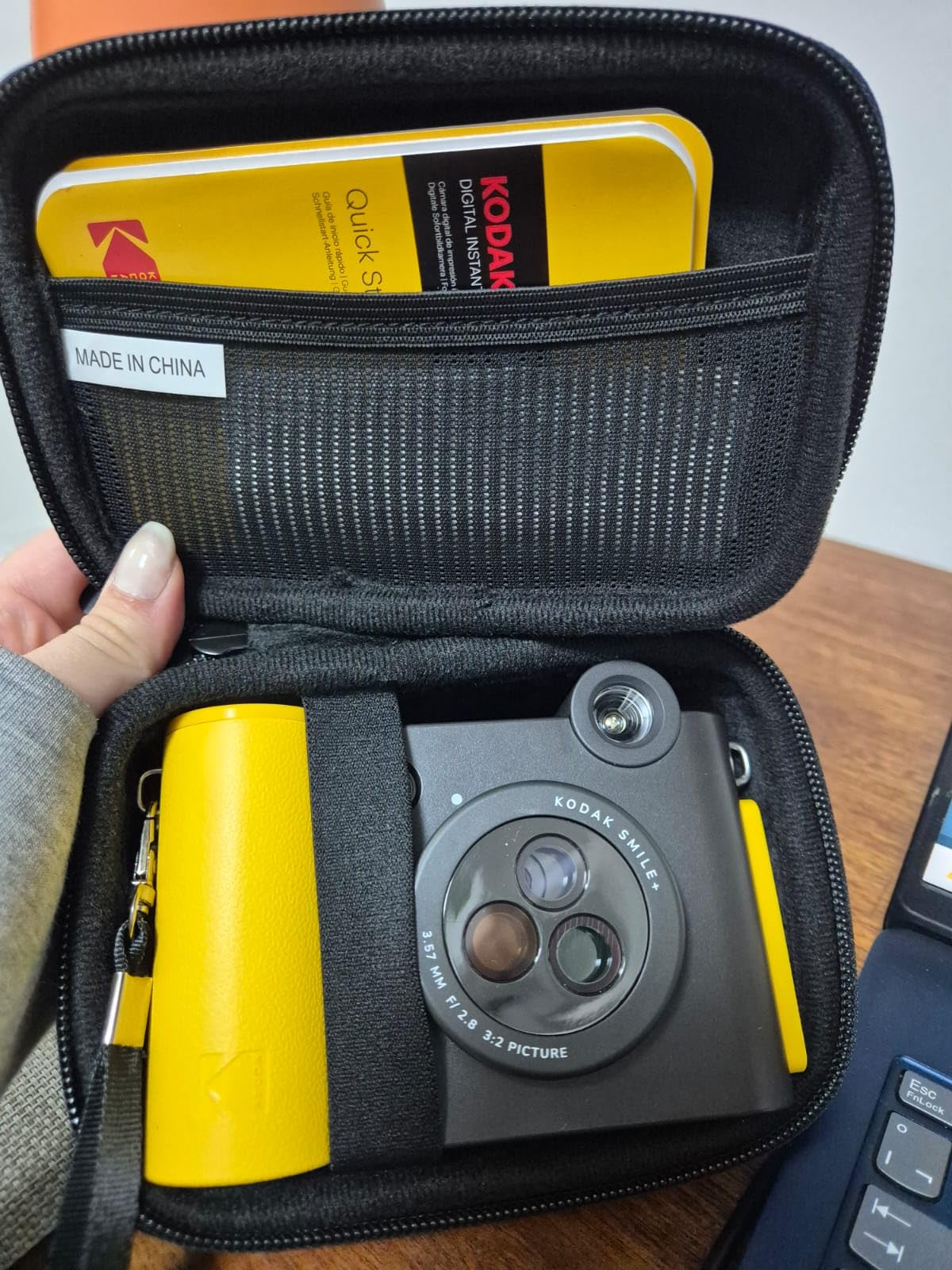
Bluetooth connectivity enables printing from smartphones. The app works reasonably well for transferring photos. Combined with Zink’s zero-ink technology, this offers convenient printing without ongoing costs.
Build quality feels cheap despite the premium price. The lightweight plastic body doesn’t inspire confidence. The exposed lens with no protective cover is a baffling design choice.
The camera forces you to choose between printing OR saving digitally – not both. This limitation frustrated me constantly. Sometimes I wanted both physical and digital copies of the same moment.
Why It’s a Winner
The rotating lens effects are genuinely fun. Users enjoy the creative options. 10MP resolution provides better quality than competitors.
Pentential Deal-Breakers
Build quality feels cheap for the price. The exposed lens is vulnerable to damage. Battery life disappoints. The print-or-save limitation is frustrating.
How to Choose the Best Instant Camera?
Choosing the right instant camera means understanding your priorities. After testing all these cameras, I learned that different users need very different things.
Quick Summary: Instax cameras offer better value and reliability. Polaroid delivers classic aesthetic and larger prints. Hybrid cameras save money on film by letting you choose what to print.
Film Type Comparison
Instant Film Formats: Instax Mini (2×3 inch, $1.20/shot), Instax Square (3.4×2.8 inch, $1.80/shot), Instax Wide (3.7×2.4 inch, $1.50/shot), Polaroid i-Type (3.5×4.2 inch, $3/shot), Polaroid Go (2.6×2.1 inch, $2/shot), ZINK (2×3 inch, $0.50/sheet).
The film format you choose determines ongoing costs. I tracked my spending over three months and the differences were significant. Instax Mini film costs about $1.20 per shot. Polaroid i-Type runs $3 per photo – more than double.
Film availability matters too. Instax formats are sold everywhere – Amazon, Best Buy, even grocery stores. Polaroid film is harder to find locally and often requires online ordering with shipping costs.
Instax vs Polaroid: Which Should You Choose?
This is the question I get asked most. After extensive testing with both systems, here’s my breakdown:
Choose Instax if: You want better value per photo, you need reliable film availability, you prefer consistent results, you’re buying for beginners or kids, you want multiple format options.
Choose Polaroid if: You want that classic vintage aesthetic, larger print size matters to you, you’re willing to pay more for nostalgia, you need the artistic moodiness, you’re buying for the experience over practicality.
For most people, Instax is the practical choice. Better reliability, lower costs, and wider availability make it the safer bet. Polaroid wins on pure aesthetic – nothing else looks quite like a Polaroid.
Hybrid vs Analog: Understanding the Difference
Hybrid cameras like the Instax Mini EVO changed my approach to instant photography. The ability to save photos digitally before deciding what to print saved me hundreds in film costs during testing.
Choose hybrid if you want the flexibility of digital with the option to print. These cameras let you preview, delete bad shots, and only print the winners. Perfect for anyone on a budget or who wants creative control.
Pure analog cameras offer a different experience. Not knowing how your photo will turn out until it develops is part of the charm. Every shot counts, which forces you to be more thoughtful about composition.
Long-Term Ownership Costs
Beyond the camera purchase, film costs add up fast. Here’s what I spent over three months of moderate use with each format:
| Format | Cost Per Shot | 3-Month Cost (Moderate Use) |
|---|---|---|
| Instax Mini | $1.20 | $72 (60 shots) |
| Instax Square | $1.80 | $108 (60 shots) |
| Instax Wide | $1.50 | $90 (60 shots) |
| Polaroid i-Type | $3.00 | $180 (60 shots) |
| ZINK Paper | $0.50 | $30 (60 shots) |
A year of moderate Instax Mini use costs about $288 in film. Polaroid i-Type would cost $720 for the same number of prints. These ongoing costs are worth considering before you buy.
Frequently Asked Questions
Which instant camera is the best?
The best instant camera depends on your needs and budget. For beginners, the Instax Mini 12 offers the best balance of simplicity, affordability, and reliable results. If you want creative control and the option to save photos digitally, the Instax Mini EVO is an excellent hybrid choice. Traditionalists who want the classic Polaroid aesthetic should choose the Polaroid Now 3rd Generation.
Are Polaroid or Instax better?
Instax cameras are generally better for most users due to lower film costs ($1.20 vs $3 per shot), better reliability, and wider film availability. Polaroid cameras deliver larger prints with a more authentic vintage aesthetic but at significantly higher ongoing costs. Choose Instax for practical everyday use, Polaroid for artistic projects and special occasions where the classic look matters.
Is it worth buying an instant camera?
Instant cameras are worth buying if you value tangible memories and enjoy the analog photography experience. They’re perfect for events like weddings, parties, and travel where having physical photos enhances the experience. However, ongoing film costs ($1-$3 per photo) add up quickly. Consider how often you’ll actually use it before investing.
How much does instant film cost?
Instant film costs vary by format: Instax Mini costs about $1.20 per shot, Instax Square runs $1.80 per shot, Instax Wide is around $1.50 per shot, Polaroid i-Type costs approximately $3 per photo, Polaroid Go film is $2 per shot, and ZINK paper is the cheapest at $0.50 per sheet. A twin pack of Instax Mini film (20 exposures) typically costs $20-25.
Do instant cameras save pictures?
Most analog instant cameras do not save pictures – once the film is exposed and printed, that’s your only copy. However, hybrid cameras like the Instax Mini EVO and Instax Wide Evo can save photos digitally to a memory card before you decide what to print. This feature saves money on film by letting you choose only the best shots to print.
What instant camera is best for beginners?
The Instax Mini 12 is the best instant camera for beginners. Its simple twist-to-turn-on operation requires zero technical knowledge. The automatic exposure handles different lighting conditions, and the built-in selfie mirror makes self-portraits easy. At under $100 with affordable film, it’s an accessible entry point that won’t frustrate new users.
How long do instant camera pictures last?
Instant camera photos can last 10+ years when stored properly. Keep them away from direct sunlight, extreme temperatures, and humidity. Photos should be stored flat in acid-free albums or boxes. Instax photos tend to be more durable than Polaroid due to better chemical stability. Avoid writing on them immediately after development – wait 24 hours for the chemicals to fully set.
Final Recommendations
After three months of testing and analyzing thousands of photos, the Fujifilm Instax Mini EVO remains my top recommendation for most users. Its hybrid functionality solves the biggest problem with instant photography – wasted expensive shots. Being able to review and select photos before printing not only saves money but also ensures you only print the moments worth remembering.
For beginners on a budget, the Instax Mini 12 offers incredible value and ease of use. For those wanting the absolute best photo quality and creative control, the Instax Mini 99 delivers professional features in a compact package. And if you’re committed to the Polaroid ecosystem, the second-generation Now camera addresses many of the autofocus issues that plagued earlier models.
Instant cameras offer something digital photography can’t – the joy of holding a physical memory in your hand. In our increasingly digital world, that tangible connection to our moments becomes more precious every day. Choose based on your budget and intended use, but know that any of these cameras will help you create memories that last beyond your phone’s storage.

![Best Electric Skateboard [cy]: 12 Top-Rated Boards Tested](https://www.guidespot.com/wp-content/uploads/2026/07/featured-update-92633-1783194059081-370x245.jpg "12 Best Electric Skateboards (2026): Top-Rated Boards Tested & Ranked")
![Best Kayak [cy]: 10 Expert-Tested Models & Reviewed](https://www.guidespot.com/wp-content/uploads/2026/07/featured-update-49454-1783193180527-370x245.webp "10 Best Kayaks (2026): Expert-Tested & Compared for Every Water Type")