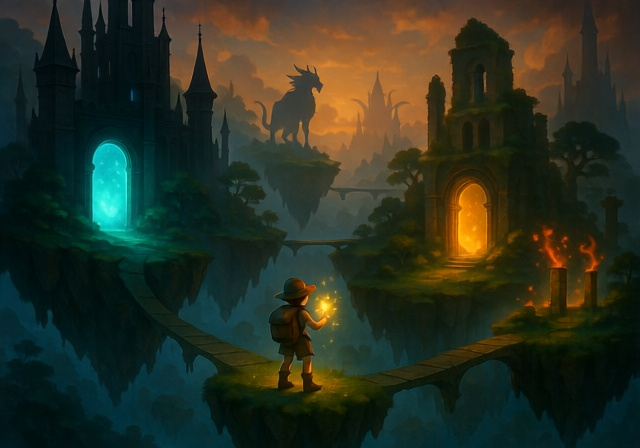
Step into worlds where ancient magic pulses through pixelated veins, where mythical creatures guard forgotten realms, and where every new ability unlocks another chapter of an epic saga. Fantasy Metroidvania games have captured the hearts of adventurers seeking more than just platforming challenges—they’re looking for worlds that feel alive with wonder, danger, and discovery.
Having spent countless hours exploring these digital kingdoms, I’ve discovered that the best fantasy Metroidvanias don’t just combine exploration with character progression—they weave tales of courage, sacrifice, and mystery that stay with you long after the credits roll. From haunted castles to enchanted forests, these games offer some of the most immersive fantasy experiences in gaming today.
Hollow Knight stands as the undisputed champion of fantasy Metroidvanias, offering an unparalleled blend of atmospheric world-building, tight combat mechanics, and deep lore that rewards exploration. This insect-themed epic delivers over 60 hours of content in a beautifully decaying underworld that feels both ancient and alive.
What sets these games apart is their ability to make you feel like a true hero discovering their powers. Whether you’re wielding soul magic, mastering ancient martial arts, or commanding the elements, every new ability opens up previously inaccessible paths, creating that addictive loop of discovery that defines the genre.
The Ultimate Fantasy Metroidvania Countdown
1. Hollow Knight – Dark Gothic Fantasy at Its Finest

Hollow Knight (Nintendo Switch)
Platform: Nintendo Switch
Genre: Dark Fantasy
Difficulty: Challenging
Playtime: 40-60 hours
Rating: Everyone 10+
What We Like
- Vast interconnected world
- Tight responsive controls
- Beautiful hand-drawn art
- All DLCs included
- Deep mysterious lore
What We Don't Like
- Very challenging difficulty
- Minimal story guidance
Diving into Hallownest is like discovering a lost civilization’s tragic history. The decaying insect kingdom tells its story through environmental details, cryptic NPC dialogue, and hidden lore tablets that piece together a tale of fallen kingdoms and ancient evils.
The combat system exemplifies precision platforming. Each strike feels weighty, every dodge matters, and boss battles test both reflexes and pattern recognition. I found myself spending hours mastering timing against warriors like Hornet and the Grimm Troupe, each defeat teaching me something new.
What truly sets Hollow Knight apart is how it respects your intelligence. There’s no hand-holding here—just pure exploration and discovery. Customer photos showcase the intricate details players love, from the glowing mushrooms of Fungal Wastes to the eerie beauty of the City of Tears.
The charm system adds delightful customization to your build. With over 40 charms to collect, you can tailor your playstyle—becoming a spell-casting mage, a rapid-fire attacker, or a defensive tank. The combinations are nearly endless, encouraging experimentation throughout your journey.
Who Should Buy?
Players who love dark atmospheres, challenging gameplay, and uncovering deep lore through exploration will find their perfect game here.
Who Should Avoid?
Those who prefer clear guidance or dislike difficult games might find the experience frustrating rather than rewarding.
2. Ori and the Blind Forest – Emotional Fantasy at Its Most Beautiful

Ori and the Blind Forest: Definitive Edition - Xbox One
Platform: Xbox One
Genre: Emotional Fantasy
Difficulty: Moderate
Playtime: 8-12 hours
Rating: Everyone
What We Like
- Breathtaking hand-painted artwork
- Emotional storytelling
- Tight platforming controls
- Orchestral soundtrack
- Definitive Edition includes all content
What We Don't Like
- Can be confusing without direction
- Some challenging platforming sections
Never has a game made me care so deeply about a glowing forest spirit. Ori’s journey through the dying forest of Nibel isn’t just a visually stunning adventure—it’s a tear-jerking tale of loss, hope, and the power of nature itself.
The platforming feels like dancing through a watercolor painting. Every leap, wall jump, and bash ability flows with such grace that even the most challenging sections feel fair. Customer images reveal how players capture stunning moments—Ori soaring through golden sunbeams, the Great Tree’s poignant silhouette, or Sein’s gentle glow illuminating dark caverns.
The ability system creates that perfect Metroidvania loop of discovery. Gaining the triple jump, charge dash, or grapple doesn’t just make you more powerful—it redefines how you navigate the world. Suddenly, previously unreachable areas become accessible, filled with secrets and lore about Nibel’s tragic past.
What strikes me most is how the environments tell stories without words. The sunken Ginso Tree’s murky waters speak of past glory, while Mount Horu’s volcanic fury shows nature’s raw power. Real player images capture these moments, proving how many have been moved by this artistic masterpiece.
The Definitive Edition includes new areas that expand on Nibel’s lore, adding depth to an already rich world. Whether you’re discovering the Black Root Burrows or escaping from the Forlorn Ruins, each location feels meticulously crafted to evoke specific emotions.
Who Should Buy?
Players who value artistic expression, emotional narratives, and fluid platforming will find Ori unforgettable.
Who Should Avoid?
Those seeking combat-heavy gameplay or clear quest markers should look elsewhere.
3. Ori and the Will of the Wisps – The Magical Sequel

Ori and the Will of the Wisps - Xbox One
Platform: Xbox One
Genre: Fantasy Adventure
Difficulty: Challenging
Playtime: 12-15 hours
Rating: Everyone
What We Like
- Even more stunning graphics
- New combat system with customization
- Larger world with side quests
- Emotional story continuation
- 4K support on Xbox One X
What We Don't Like
- Had technical issues at launch
- Very challenging on normal difficulty
Picking up where Blind Forest left us, Will of the Wisps expands Nibel’s world in every direction. The sequel delivers not just more of what made the original great—it reinvents itself with deeper combat mechanics and a richer, more explorable world.
The combat system evolution impressed me most. Where the first game focused on simple combat, Will of the Wisps introduces a full arsenal of weapons, spirits, and upgrades. From the spike-launching Shuriken to the life-draining Swarm, you can customize your playstyle completely. Customer photos show players’ favorite weapon combinations and stylish setups.
Exploration feels more rewarding than ever. The new areas—Waters, Baur’s Reach, and Mouldwood Depths—each offer unique environmental challenges and secrets. I particularly loved how the game introduces new movement abilities that fundamentally change how you traverse previously explored areas.
The side quests add meaningful depth to Nibel’s world. Meeting characters like Mok, the would-be warrior, or helping Kwolok with his tasks makes the world feel lived-in. These aren’t just filler quests—they’re windows into the lives of those affected by the decay spreading through the forest.
Who Should Buy?
Fans of the original looking for more combat depth and a larger world to explore.
Who Should Avoid?
Players who preferred the simpler platforming focus of the first game might find the combat overwhelming.
4. Bloodstained: Ritual of the Night – Gothic Horror Perfected

Bloodstained: Ritual of the Night - PlayStation 4
Platform: PlayStation 4
Genre: Gothic Horror RPG
Difficulty: Moderate
Playtime: 15-20 hours
Rating: Teen
What We Like
- True successor to Castlevania
- Tight controls and combat
- Huge interconnected castle
- Crafting and upgrade systems
- Orchestral soundtrack by legends
What We Don't Like
- Very similar to classic formula
- Not much innovation beyond established patterns
Koji Igarashi’s return to the genre he defined delivers exactly what fans wanted: a massive castle to explore, hundreds of weapons to collect, and that addictive loop of gaining new abilities to access new areas. Bloodstained doesn’t just homage Castlevania: Symphony of the Night—it perfects its formula.
The shard system creates fascinating gameplay possibilities. As Miriam, you absorb enemy abilities, from functional skills like double jumps to powerful summons that devastate bosses. Customer images showcase players’ favorite shard combinations, turning Miriam into everything from a spell-casting mage to a demon-summoning powerhouse.
What struck me most is the sheer variety in build options. With over 100 shards and countless weapons, armor pieces, and accessories, you can tailor Miriam’s abilities to match any playstyle. I’ve run through the castle as a katana-wielding speedster, a heavy hammer tank, and even a spell-focused caster.
The castle design exemplifies classic Metroidvania brilliance. Every area connects logically, secrets hide in plain sight, and gaining new movement abilities constantly redefines how you navigate spaces. Player screenshots reveal the impressive scale of the demon castle—from the clock tower’s gears to the gardens’ eerie beauty.
The crafting and upgrade systems add satisfying depth. Breaking down unwanted gear for materials, then crafting powerful weapons or cooking stat-boosting food, creates reasons to engage with every enemy type. This attention to detail makes even random encounters feel meaningful.
Who Should Buy?
Classic Castlevania fans and players who love deep character customization systems.
Who Should Avoid?
Players seeking innovation beyond the established Metroidvania formula.
5. Dead Cells – Brutal Beauty in Motion
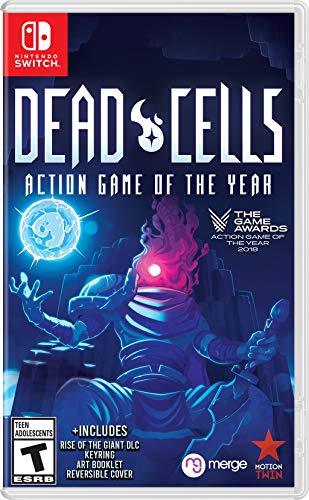
Dead Cells - Action Game of The Year - Nintendo Switch
Platform: Nintendo Switch
Genre: Roguevania
Difficulty: Very Hard
Playtime: 30-50 hours
Rating: Everyone 10+
What We Like
- Lightning-fast combat
- 90+ weapons and spells
- 60fps performance
- Rogue-lite replayability
- Includes Rise of the Giant DLC
What We Don't Like
- Permadeath can punish beginners
- Very challenging even with upgrades
Dead Cells takes the Metroidvania formula and injects it with pure adrenaline. The result is a game that feels like a ballet of violence, where each dodge roll, parry, and special attack flows into the next with deadly precision.
The rogue-lite elements keep every run feeling fresh. While you permanently unlock new weapons and abilities, each playthrough randomizes enemy placements, treasure chests, and even level layouts. Customer images capture those perfect moments—players executing flawless combos or discovering powerful weapon synergies.
Weapon variety is staggering. From fast daggers that build up bleeding damage to heavy swords that knock enemies back, from ice bows that freeze foes to turrets that auto-attack, there’s a playstyle for everyone. I’ve spent hours experimenting with different combinations, discovering unexpected synergies between gear.
What impressed me most is how the game balances challenge and fairness. Even after 50 hours, I was still discovering new enemy patterns and boss strategies. Each death teaches you something, making the next run more successful. The Switch version maintains smooth 60fps, crucial for the precision combat.
The progression system keeps you coming back. Unlocking blueprints, finding permanent upgrades, and discovering new secret areas ensures that even failed runs move you forward. It’s this combination of immediate gameplay satisfaction and long-term progression that makes Dead Cells so addictive.
Who Should Buy?
Players who love fast-paced action and don’t mind dying—a lot.
Who Should Avoid?
Those who get frustrated by permadeath or prefer carefully crafted level design.
6. Guacamelee! One-Two Punch Collection – Lucha Libre Fantasy Magic

Guacamelee! One-Two Punch Collection - Nintendo Switch...
Platform: Nintendo Switch
Genre: Action Platformer
Difficulty: Moderate
Playtime: 20 hours (both games)
Rating: Everyone 10+
What We Like
- Two complete games
- Unique Lucha Libre combat
- Colorful Mexican folklore
- 4-player co-op
- Both games include all DLC
What We Don't Like
- Some puzzles are deceptively difficult
- Limited availability increases price
Who knew Mexican folklore and professional wrestling would make such a perfect combination? Guacamelee’s blend of colorful Dia de los Muertos aesthetics with wrestling moves creates one of the most unique fantasy worlds in gaming.
The combat system feels like a fighting game disguised as a platformer. Every special move—from the rooster uppercut to the dimension swap—serves both combat and puzzle-solving purposes. Player screenshots often showcase the game’s humor, with luchador skeletons posed dramatically or co-op teams coordinating complex maneuvers.
What sets Guacamelee apart is how it handles the dimension-switching mechanic. Swapping between the world of the living and dead isn’t just a gimmick—it’s integral to both platforming and combat. Dodging attacks by switching realms or reaching new areas by platforming in two dimensions simultaneously creates puzzles that are genuinely clever.
The collection includes both games with all DLC, offering incredible value. Guacamelee! 2 improves on the original with new moves, larger areas, and even more polish. Playing through both back-to-back shows how the developers refined their vision, creating two of the most charming Metroidvanias available.
Who Should Buy?
Players looking for co-op fun and a unique cultural take on the genre.
Who Should Avoid?
Those who prefer serious fantasy themes or are sensitive to higher price points due to scarcity.
7. Salt and Sanctuary – Dark Souls Meets Castlevania
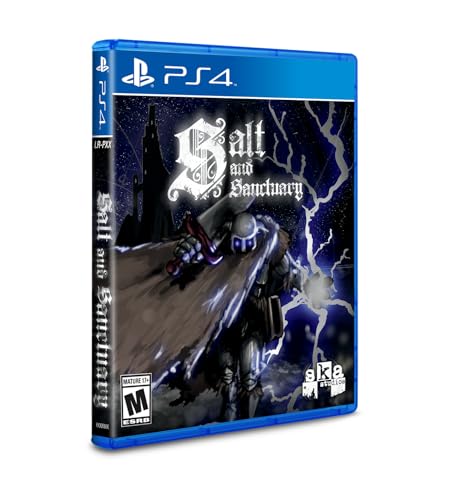
Salt and Sanctuary PS4
Platform: PlayStation 4
Genre: Dark Fantasy RPG
Difficulty: Extreme
Playtime: 25-40 hours
Rating: Mature
What We Like
- Deep character building
- Hand-drawn environments
- Fair but brutal combat
- 20+ challenging bosses
- New Game Plus mode
What We Don't Like
- Very expensive physical copy
- Not for casual players
- Polarizing difficulty
Salt and Sanctuary asks: what if Dark Souls was a 2D platformer? The result is a punishing but deeply rewarding action RPG that respects your intelligence and time—even as it kills you repeatedly.
The character building system offers incredible depth. With dozens of weapon types, armor sets, and skill trees, you can create truly unique characters. From nimble dex-builds wielding twin daggers to heavy strength builds wielding massive greathammers, every approach feels viable.
What impressed me most is how the game translates 3D Souls concepts to 2D perfectly. The Estus Flask becomes healing flasks, bonfires become sanctuaries, and the deliberate, weighty combat feels right at home in a side-scrolling format. Boss fights are epic struggles that require pattern recognition and perfect timing.
The art style creates a grim, oppressive atmosphere. Every enemy design tells a story, from the mutated aberrations to the armored knights. The world feels cohesive and dangerous, with shortcuts connecting areas in clever ways that reward exploration.
Who Should Buy?
Hardcore players seeking the ultimate challenge and deep RPG mechanics.
Who Should Avoid?
Casual players or those put off by extreme difficulty and high prices for physical copies.
8. Hades – Mythological Mayhem at Its Finest
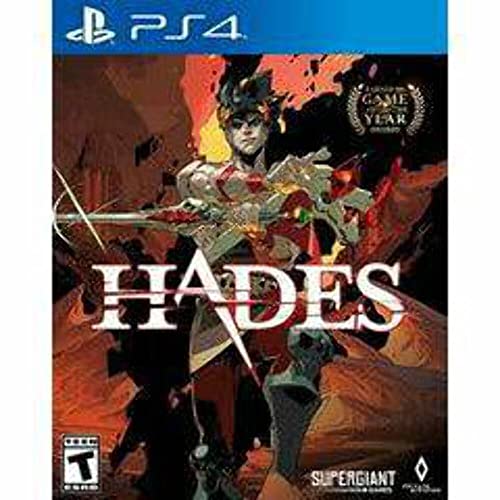
Hades - PlayStation 4
Platform: PlayStation 4
Genre: Rogue-like Action
Difficulty: Challenging
Playtime: 50+ hours
Rating: Teen
What We Like
- 50+ Game of the Year awards
- Beautiful art style
- Fully-voiced cast
- Permanent progression
- High replayability
What We Don't Like
- Rogue-like means repeated deaths
- Challenging without god mode
Hades takes Greek mythology and turns it into an addictive rogue-like that never stops giving. Playing as Zagreus, son of Hades, you’ll battle through Tartarus, Asphodel, Elysium, and beyond, all while developing relationships with gods, monsters, and heroes of Greek legend.
The boon system creates staggering build variety. Each run, Olympian gods offer different powers—Ares’ curse damage, Athena’s deflect, Zeus’ lightning—that combine in spectacular ways. Customer images showcase incredible builds, from lightning-fast attacks to devastating area-of-effect explosions.
What makes Hades special is how it uses death to advance the story. Every failed escape attempt reveals new dialogue, develops relationships, and unlocks permanent upgrades. The game brilliantly integrates narrative into the rogue-like structure, making even failures feel like progress.
The combat system flows with balletic grace. Zagreus’ dash-attack combined with various weapons and boons creates a combat dance that’s both challenging and deeply satisfying. I’ve spent hours perfecting combos with the spear, bow, and shield, each weapon fundamentally changing how you approach battles.
The relationships you build add emotional weight to each run. From your tense dynamic with father Hades to budding romance with Megaera or Thanatos, the character development keeps you invested beyond just mechanical progression. Real player photos capture favorite character moments and weapon combinations.
Who Should Buy?
Players who love Greek mythology, character-driven stories, and addictive rogue-like gameplay.
Who Should Avoid?
Those who dislike repeated content or want a traditional linear story.
9. Blasphemous – Dark Religious Fantasy Horror

Blasphemous Deluxe Edition - PlayStation 4
Platform: PlayStation 4
Genre: Dark Fantasy Action
Difficulty: Very Hard
Playtime: 20-30 hours
Rating: Pending
What We Like
- Brutal combat system
- Gorgeous pixel art
- Challenging bosses
- 200-page digital art book
- Expansion content included
What We Don't Like
- Currently unavailable
- Some frustrating spike traps
- Very difficult
Set in the nightmarish world of Cvstodia, Blasphemous presents one of the most unique and disturbing fantasy settings in gaming. Religious iconography twists into horror, creating an atmosphere that’s both beautiful and deeply unsettling.
The combat system rewards aggressive play. As The Penitent One, you wield the massive Mea Culpa sword, executing brutal finishers on enemies. The prayer and rosary systems add magical abilities and buffs, letting you customize your approach to Cvstodia’s horrors.
What impressed me most is the pixel art—it’s some of the most detailed and atmospheric I’ve ever seen. Customer photos capture the haunting beauty of Cvstodia’s cathedrals, the grotesque designs of its bosses, and the epic scale of its architecture. Every frame tells a story of religious fervor twisted into something monstrous.
The world-building is incredibly deep. Through item descriptions, NPC dialogue, and environmental storytelling, Cvstodia’s tragic history unfolds. The guilt system—where dying too often accumulates guilt that affects gameplay—creates interesting risk-reward decisions.
Boss battles are epic struggles against massive, twisted creatures. Each boss feels like a set piece, with multiple phases and patterns to learn. Defeating them feels earned, especially given the game’s unforgiving nature.
Who Should Buy?
Players who love dark fantasy, challenging combat, and unique art styles.
Who Should Avoid?
Those put off by religious themes, extreme difficulty, or currently unable to find copies.
10. Children of Morta – Family Fantasy Saga
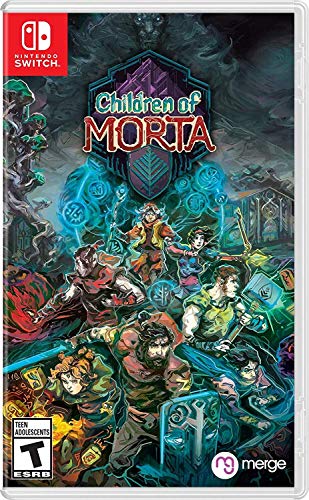
Children of Morta - Nintendo Switch
Platform: Nintendo Switch
Genre: Story-Driven RPG
Difficulty: Moderate
Playtime: 15-20 hours
Rating: Teen
What We Like
- Emotional family story
- Multiple playable characters
- Permanent progression
- Beautiful pixel art
- Local co-op
What We Don't Like
- Only local co-op
- Character fatigue system
- Can be grindy early
Children of Morta tells the story of the Bergson family, guardians of Mount Morta who must fight against spreading corruption. What makes it special is how it balances compelling family drama with satisfying rogue-lite gameplay.
The character variety is fantastic. Each family member plays differently—John the warrior swings slow but powerful attacks, Linda the archer attacks from range, Kevin the rogue moves with blinding speed. The fatigue system encourages rotating characters, preventing you from relying on just one favorite.
What struck me most is how well the narrative integrates with gameplay. Between dungeon runs, you’ll witness family drama, tender moments, and heartbreaking sacrifices. The narrator’s deep voice ties everything together into a cohesive tale of love and loss.
The rogue-lite elements provide satisfying progression. While you lose temporary upgrades on death, permanent family buffs and character improvements ensure each run makes you stronger. The corruption mechanic—where certain curses permanently affect your runs—adds interesting strategic depth.
Who Should Buy?
Players who value story, character development, and emotional narrative experiences.
Who Should Avoid?
Those seeking fast-paced action or who dislike rotating between multiple characters.
11. Indivisible – Global Mythology Adventure

Indivisible (PS4)
Platform: PlayStation 4
Genre: Action RPG Platformer
Difficulty: Easy-Moderate
Playtime: 25-30 hours
Rating: Kids to Adults
What We Like
- Beautiful hand-drawn art
- 20+ unique party members
- Legendary soundtrack
- Studio Trigger animation
- Fun JRPG parody story
What We Don't Like
- Some technical issues on PS4
- Mostly fetch quest side content
- Not always challenging enough
Indivisible combines platformer exploration with full RPG combat, all wrapped in beautiful hand-drawn animation by the Skullgirls team. The result is a unique take on the Metroidvania formula that draws inspiration from world mythology.
The battle system seamlessly transitions exploration into combat. Instead of random encounters or instanced fights, enemies appear on the map and combat happens in place. Each party member attacks with button presses, creating timing-based combat that feels like a rhythm game.
What impressed me most is the variety in party members. With over 20 “Incarnations” to collect, each inspired by different world mythologies, you can customize your team composition extensively. From Norse giants to Hindu deities, the cultural representation is thoughtful and engaging.
The animation quality is stunning. Studio Trigger’s animated opening sets the tone, but the in-game animations are equally impressive. Character movements flow with weight and personality, making even simple actions visually appealing.
Who Should Buy?
Players who love unique art styles and want a different take on Metroidvania gameplay.
Who Should Avoid?
Those seeking extreme challenge or who prefer traditional Metroidvania structure.
Fantasy Metroidvania Comparison Table
Below is a quick reference to help you find your perfect fantasy adventure based on platform, difficulty, and fantasy themes:
| Game | Platform | Difficulty | Fantasy Theme | Unique Feature |
|---|---|---|---|---|
| Hollow Knight | Switch, PC, PS4, Xbox | Very Hard | Dark Insect Kingdom | Deep Lore System |
| Ori Series | Xbox, PC, Switch | Moderate | Nature Magic | Emotional Storytelling |
| Bloodstained | All Platforms | Moderate | Gothic Horror | Shard System |
| Dead Cells | All Platforms | Very Hard | Dark Prison | Rogue-lite Elements |
| Hades | PC, Switch, PS4 | Hard | Greek Mythology | Narrative Progression |
| Guacamelee! | All Platforms | Moderate | Mexican Folklore | 4-Player Co-op |
| Blasphemous | All Platforms | Very Hard | Dark Religious | Guilt System |
Hidden Gems & Honorable Mentions
Ender Lilies: Quietus of the Knights
Like Hollow Knight but with a unique spirit-summoning combat system. The art style is gorgeous, and the melancholic atmosphere creates a haunting experience. Available on all major platforms.
Hollow Knight: Silksong
The highly anticipated sequel featuring Hornet as the protagonist. While not yet released, it’s poised to be one of the biggest Metroidvania releases when it arrives.
Timespinner
A time-manipulation Metroidvania with beautiful pixel art and engaging story. Perfect for players who loved Chrono Trigger’s time mechanics.
SteamWorld Dig 2
While more sci-fi than fantasy, its excellent platforming and upgrade systems make it worth mentioning for Metroidvania fans.
Axiom Verge
Love letter to Metroid with unique glitch mechanics. Perfect for retro gaming enthusiasts who want a challenge.
Choosing Your Perfect Fantasy Metroidvania
For Beginners: Start Here
If you’re new to the genre, I recommend starting with Ori and the Blind Forest. The forgiving platforming and clear progression make it accessible, while still delivering that classic Metroidvania feeling of discovery. Children of Morta also offers a gentle introduction with its story-focused approach.
For Hardcore Players: Seeking Challenges
Hollow Knight and Salt and Sanctuary offer the deepest challenges. Hollow Knight’s boss battles are legendary, while Salt and Sanctuary brings Dark Souls-style difficulty to 2D platforms. Dead Cells provides endless challenge through its rogue-lite structure.
For Story Lovers: Narrative First
Ori’s emotional journey, Hades’ mythological tale, and Children of Morta’s family drama showcase how well the genre can tell stories. Each uses the Metroidvania structure to enhance narrative rather than compete with it.
For Co-op Players: Adventure Together
Guacamelee! shines with its four-player co-op, allowing friends to tackle puzzles and bosses together. Children of Morta offers local co-op that lets family members share in the Bergson family’s adventure.
Frequently Asked Questions
What was the first true Metroidvania game?
Symposium of the Night (1997) is widely considered the first true Metroidvania, combining Metroid’s exploration with RPG elements. However, the term “Metroidvania” wasn’t coined until years later when describing games that followed this formula.
Why is Castlevania a Metroidvania?
Castlevania: Symphony of the Night introduced the formula that defined the genre: interconnected castle exploration, ability-gated progression, and RPG elements. Earlier Castlevania games were linear action platformers, but Symphony’s open structure changed everything.
What makes a Metroidvania ‘fantasy’?
Fantasy Metroidvanias incorporate magical elements, mythical creatures, and often medieval or mythical settings. They emphasize magic systems, ancient lore, and supernatural abilities rather than sci-fi or modern themes.
Are these games good for casual players?
Games like Ori and Children of Morta are perfect for casual players, offering accessibility options and less punishing difficulty. Many others include “god mode” or easy settings for those who want to experience the story without extreme challenge.
Final Recommendations
After spending hundreds of hours exploring these fantastical worlds, I can say with confidence that the Metroidvania genre continues to evolve in exciting directions. The games on this list represent not just the best fantasy-themed entries, but some of the finest examples of game design in recent memory.
Whether you’re battling through Hell in Hades, restoring a dying forest as Ori, or uncovering the mysteries of Hallownest, each game offers a unique fantasy adventure that stays with you long after the credits roll. The combination of exploration, discovery, and character growth creates experiences that are both deeply personal and universally appealing.

![Best Electric Skateboard [cy]: 12 Top-Rated Boards Tested](https://www.guidespot.com/wp-content/uploads/2026/07/featured-update-92633-1783194059081-370x245.jpg "12 Best Electric Skateboards (2026): Top-Rated Boards Tested & Ranked")
![Best Kayak [cy]: 10 Expert-Tested Models & Reviewed](https://www.guidespot.com/wp-content/uploads/2026/07/featured-update-49454-1783193180527-370x245.webp "10 Best Kayaks (2026): Expert-Tested & Compared for Every Water Type")