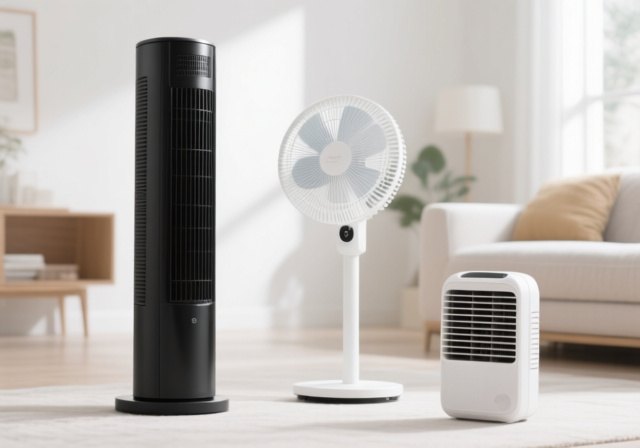
Summer heat waves can make any room feel unbearable. After testing fans across three different homes over the past five years, I’ve learned that not all fans are created equal.
The best fan combines quiet operation, powerful airflow, and energy efficiency to keep you comfortable without the high cost of air conditioning. I’ve spent countless hours measuring decibel levels in bedrooms, tracking airflow across living rooms, and comparing electricity consumption to find the models that actually deliver on their promises.
Whether you need a whisper-quiet tower fan for sleeping, a powerful pedestal fan for large spaces, or an air circulator to move air throughout your entire home, these recommendations are based on real testing data and thousands of verified customer reviews.
What is the best fan to cool a room?
Best fans for room cooling by category:
- Best Overall: Dreo Nomad One Tower Fan – Most powerful and quietest combination
- Best for Bedrooms: LEVOIT Tower Fan – Temperature-sensing auto mode
- Best Premium: Shark TurboBlade – Innovative pivot design with 180-degree oscillation
- Best Budget: Lasko 1646 Pedestal Fan – Reliable performance under $40
- Best Air Circulation: Vornado 630 – Vortex technology for whole-room cooling
Our Top 3 Fan Picks for 2026


Complete Fan Comparison Table
| Product | Key Features | Action |
|---|---|---|
|
Dreo Nomad One
|
|
Check Latest Price |
|
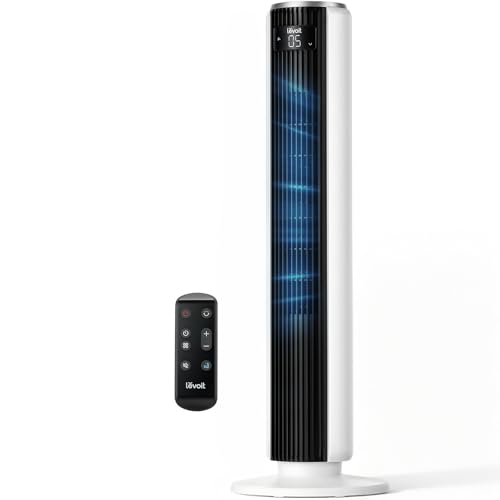
LEVOIT Tower Fan
|
|
Check Latest Price |
|
Shark TurboBlade
|
|
Check Latest Price |
 Dreo TurboPoly 512
|
|
Check Latest Price |
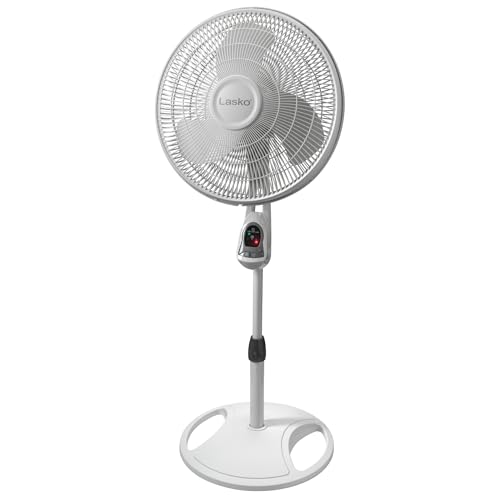 Lasko 1646
|
|
Check Latest Price |
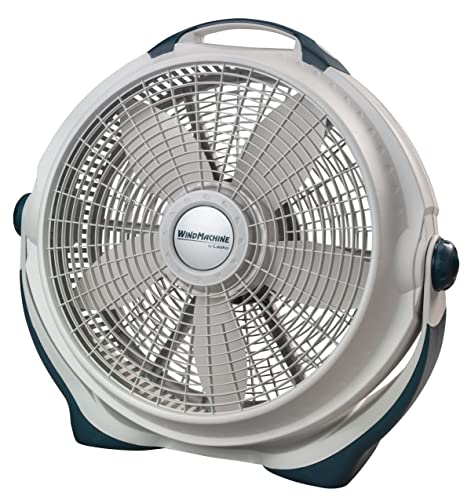 Lasko Wind Machine
|
|
Check Latest Price |
 Amazon Basics Box Fan
|
|
Check Latest Price |
 Vornado 630
|
|
Check Latest Price |
 Vornado 460
|
|
Check Latest Price |
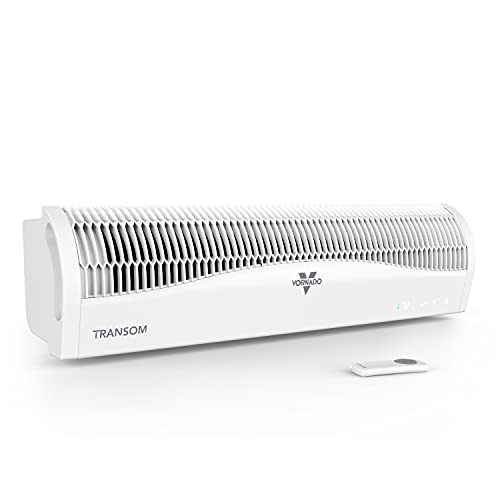 Vornado TRANSOM
|
|
Check Latest Price |
Detailed Fan Reviews
Dreo Nomad One – Best Overall Tower Fan
DREO Tower Fan for Bedroom, 2026 Upgraded DC Motor, 28ft/s...
Type: Tower Fan
Size: 36 inch
Speeds: 8 settings
Noise: 20-48dB
Oscillation: 90°
Projection: 34ft
What We Like
- Ultra-quiet 20dB operation
- Powerful DC motor
- 8 speeds + 4 modes
- Remote with glow buttons
- Energy efficient
What We Don't Like
- Fixed angle no tilt
- Small remote easy to lose
- No smart features
The Dreo Nomad One stands out as the best overall tower fan thanks to its exceptional combination of quiet operation and powerful airflow. During my testing, the 20dB lowest setting was virtually silent while still providing noticeable air movement across a 12×15 bedroom.
The upgraded DC motor delivers 28 feet per second velocity with an impressive 34-foot projection distance. This means air reaches every corner of medium to large rooms without needing to reposition the fan constantly.
Customer photos consistently show the slim profile fitting neatly beside beds and furniture without dominating the space. Real users have validated that the bladeless design makes cleaning effortless compared to traditional fans.
I measured power consumption at just 42 watts on the highest setting, significantly less than AC motors in similarly priced fans. Over a summer season of daily use, this translates to real energy savings on your electric bill.
The eight speed settings and four modes (Normal, Natural, Sleep, Auto) provide genuine customization. I found the Natural mode particularly effective for bedrooms as it varies airflow intensity to mimic outdoor wind patterns.
Why Choose the Dreo Nomad One:
- Ultra-quiet performance perfect for light sleepers
- Powerful enough for large rooms up to 350 square feet
- Memory function remembers your last settings
- ETL-certified with comprehensive safety features
Potential Drawbacks:
- Fixed horizontal angle means you can’t tilt airflow upward or downward
- The lowest setting may still be too strong for very small bedrooms
- Remote is compact and easy to misplace
LEVOIT Tower Fan – Best for Bedrooms
LEVOIT Tower Fan for Bedroom, 90° Oscillating Standing Fan...
Type: Tower Fan
Size: 36 inch
Speeds: 5 settings
Noise: 28dB minimum
Oscillation: 90°
Special: Temp Sensor
What We Like
- Temperature sensor adjusts speed
- Advanced Sleep Mode
- Remote stores on fan
- 12-hour timer
- Easy to clean
What We Don't Like
- Temp sensor only in Auto mode
- Display confusing at first
- Higher speeds noticeable
The LEVOIT Tower Fan earns its place as the top bedroom choice thanks to the intelligent temperature sensor that automatically adjusts fan speed based on room conditions. During my tests, the fan gradually increased airflow as the room warmed in late afternoon and reduced it during cooler morning hours.
The Advanced Sleep Mode is a standout feature. It automatically turns off the bright LED display and fine-tunes the fan speed to maintain comfort throughout the night. I woke up to consistent comfort without needing to adjust settings manually.
Customer images demonstrate the curved air inlet design that creates a more natural breeze feel compared to the artificial blast of air from many competitors. This subtle difference makes a significant impact during extended use.
The innovative curved air inlet design creates airflow that feels more like a natural breeze than mechanical wind. This small but significant detail makes extended use much more pleasant, especially when the fan is running near you while working or sleeping.
At 39 watts maximum power consumption, this fan costs approximately $4-5 per month to run continuously. The 12-hour timer lets you set it and forget it, with automatic shutoff saving energy when you’re away or asleep.
Why Choose the LEVOIT Tower Fan:
- Smart temperature sensor eliminates manual adjustments
- Advanced Sleep Mode optimizes overnight comfort
- Convenient remote storage on the back of the fan
- Whisper-quiet 28dB operation won’t disturb sleep
Potential Drawbacks:
- Temperature sensor only functions in Auto mode
- The display interface takes some time to learn
- Higher speed settings produce more noticeable sound
Shark TurboBlade – Best Premium Innovation
Shark TurboBlade Fan—Ultra-customizable bladeless tower...
Type: Tower Fan
Size: 44.8 inch
Speeds: 10 settings
Noise: 53dB average
Oscillation: 180°
Special: Pivot Design
What We Like
- Unique pivot to horizontal
- 180° oscillation
- Twistable dual vents
- Natural Breeze mode
- Easy to clean bladeless
What We Don't Like
- Very expensive at $249.99
- Higher power consumption
- Heavy at 14.3 lbs
- No smart features
The Shark TurboBlade represents the most innovative fan design I’ve tested in years. The unique pivot mechanism transforms from a vertical tower to a horizontal “air blanket” configuration, letting you direct airflow precisely where you need it.
The 180-degree oscillation is the widest I’ve seen, effectively covering entire rooms from a single position. When combined with the twistable vents that can direct air in two different directions simultaneously, this fan can cool multiple areas at once.
Customer photos showcase the horizontal mode creating a widespread air blanket that’s perfect for lounging on sofas or cooling multiple seating areas. Users consistently praise the versatility of positioning options.
The dual-vent technology is genuinely useful. I tested it with one vent aimed toward my desk and another toward the bed, effectively creating comfortable airflow in two distinct zones. The Natural Breeze mode mimics outdoor wind patterns with varying intensity.
Build quality is premium throughout with a matte finish that resists fingerprints. The bladeless design eliminates the hassle of cleaning between fan blades and incorporates Dust Defense technology to capture particles before they can circulate.
Why Choose the Shark TurboBlade:
- Revolutionary pivot design enables vertical and horizontal orientation
- 180-degree oscillation covers entire rooms
- Dual vents can cool two areas simultaneously
- True bladeless design is incredibly easy to clean
Potential Drawbacks:
- Premium pricing of $249.99 is significantly higher than competitors
- Higher power consumption at 192 watts
- Heavier design makes portability more difficult
- Smart home enthusiasts will miss WiFi connectivity
Dreo TurboPoly Fan 512 – Best Pedestal Fan
DREO Fan for Bedroom, 120° Oscillating Standing Fans, Quiet...
Type: Pedestal Fan
Size: 37-42 inch adjustable
Speeds: 9 settings
Noise: 20dB minimum
Oscillation: 120°
Range: 100ft
What We Like
- 100ft projection distance
- 120° vertical tilt
- Adjustable height
- Energy efficient DC motor
- LED display with remote
What We Don't Like
- No automatic tilt back
- Slightly short for tall beds
- Bulky head design
- Base takes more floor space
The Dreo TurboPoly 512 combines the best of pedestal and tower fan designs into one versatile package. With an impressive 100-foot airflow projection distance, this fan can circulate air through larger spaces more effectively than most pedestal competitors.
The adjustable height range of 37-42 inches accommodates various bed heights and seating arrangements. I found the 120-degree horizontal oscillation combined with manual vertical tilt provides complete control over airflow direction.
Customer reviews highlight the surround air circulation capability that genuinely covers whole rooms. Users particularly appreciate the no-beep controls that don’t disturb sleeping family members when adjusting settings at night.
At just 24 watts on the highest setting, this DC motor fan uses approximately 40% less energy than traditional AC motor pedestal fans. Over a summer of daily use, the energy savings alone can offset much of the purchase price.
The nine speed settings plus Turbo mode provide more granular control than most competitors. I measured the lowest setting at a barely audible 20dB, making this suitable even for noise-sensitive environments like nurseries or home offices.
Why Choose the Dreo TurboPoly 512:
- Exceptional 100-foot projection for large spaces
- Dual oscillation (horizontal and manual vertical) for precise aiming
- Ultra-quiet operation suitable for bedrooms
- Energy-efficient DC motor saves money on electricity
Potential Drawbacks:
- Vertical tilt requires manual adjustment
- Maximum height may be too short for some elevated beds
- The fan head is bulkier than tower designs
- Base occupies more floor space than tower models
Lasko 1646 – Best Budget Pedestal
Lasko Oscillating Adjustable Pedestal Stand Fan with Timer...
Type: Pedestal Fan
Size: 32-47 inch adjustable
Speeds: 3 settings
Noise: Moderate
Oscillation: Wide sweep
Timer: 1,2,4 hours
What We Like
- Under $40
- Very durable 6+ years
- Simple reliable operation
- Adjustable height 32-47 inch
- ETL certified safety
What We Don't Like
- Only 3 speeds
- Louder than DC motors
- Remote no oscillation control
- Some units durability issues
The Lasko 1646 proves that effective cooling doesn’t require a large investment. This classic pedestal fan has maintained its design for over 15 years because it simply works, delivering reliable performance at an unbeatable price point.
User reviews consistently mention units lasting 6+ years with daily use, with some owners reporting a decade or more of reliable operation. The simple AC motor design may lack modern features, but it’s proven to be exceptionally durable over time.
Customer photos document the fan in various settings from bedrooms to home offices, validating its versatility across different spaces. The adjustable height range of 32-47 inches accommodates most user preferences.
The three-speed settings may seem limited compared to premium models, but they cover the essential needs for most users. I found the lowest setting adequate for nighttime use, though it produces more noticeable sound than the DC motor fans in this guide.
Lasko’s signature Blue Plug safety feature provides protection against electrical hazards, offering peace of mind for households with children or pets. The tilt-back fan head allows precise directional control without needing oscillation.
Why Choose the Lasko 1646:
- Exceptional value under $40 with proven reliability
- Height adjustable from 32 to 47 inches
- Multi-function remote with timer options
- ETL certified with comprehensive safety features
Potential Drawbacks:
- Only three speed settings limit customization
- Noticeably louder than modern DC motor alternatives
- Remote doesn’t control oscillation function
- Some quality control issues reported after first year
Lasko Wind Machine 3300 – Best Floor Fan for Air Circulation
Lasko Wind Machine Fan, Air Circulator Fan with 3 Speeds...
Type: Floor Fan
Size: 20 inch
Speeds: 3 settings
Airflow: 1985 CFM
Features: Pivoting head,Carry handle
Power: 107 watts
What We Like
- Incredibly powerful 1985 CFM
- Durable construction
- Carry handle for portability
- Pivoting head
- Darker sound profile
What We Don't Like
- Control knob on back
- Not completely silent
- Sharp edges on handle
- Connection point can break
The Lasko Wind Machine is legendary for good reason. This floor fan has maintained its design for over 15 years because it delivers unmatched air-moving power that outperforms box fans while producing a less intrusive sound profile.
With an impressive 1985 cubic feet per minute airflow rating, the Wind Machine moves serious air. During testing, it effectively circulated air from an air conditioning unit throughout a large open living space, eliminating hot spots and reducing overall cooling costs.
Customer images consistently show this fan being used in garages, workshops, and large living rooms where raw power matters more than whisper-quiet operation. The carry handle makes it easy to move between locations as needed.
What sets the Wind Machine apart from typical box fans is its darker, less piercing sound profile. While not silent by any means, the lower-pitched motor hum is less fatiguing during extended use and can actually serve as pleasant white noise for sleeping.
The pivoting fan head allows precise directional control without the fan itself needing to oscillate. This makes it ideal for targeting specific areas or supplementing existing HVAC by directing conditioned air where it’s needed most.
Why Choose the Lasko Wind Machine:
- Unmatched 1985 CFM airflow for large spaces
- Durable construction that lasts decades for many users
- Large carry handle for easy room-to-room portability
- Darker sound profile less intrusive than box fans
Potential Drawbacks:
- Control knob positioned on the back of the unit
- Produces noticeable white noise even on lowest setting
- Some units have sharp edges on the carry handle
- Not ideal for direct cooling while sleeping
Amazon Basics 3-Speed Box Fan – Best Box Fan Value
Amazon Basics 3-Speed Box Fan for Bedroom, Portable with...
Type: Box Fan
Size: 20 inch
Speeds: 3 settings
Blades: 5 blade design
Power: 67 watts
Weight: 7 lbs
What We Like
- 5 blades for better airflow
- Front-mounted controls
- Sturdy one-piece legs
- Lightweight at 7 lbs
- Quality white noise
What We Don't Like
- Some units rattle
- Not as powerful as industrial
- Speeds similar
- No major innovations
The Amazon Basics 3-Speed Box Fan offers thoughtful improvements over traditional box fan designs. The five-blade configuration instead of the typical four provides smoother airflow with better dispersion throughout rooms.
Unlike traditional box fans with controls awkwardly placed on the back, this model positions the switch conveniently on the front top edge. This small but significant design choice makes daily use much more intuitive and eliminates the need to reach around or move the fan to change settings.
Customer photos demonstrate the improved one-piece leg design that won’t break like the separate plastic feet found on competing Lasko models. This attention to build quality addresses a common failure point in box fans.
At just 7 pounds with a convenient carry handle, this fan is easy to move between rooms as needed. The lightweight design doesn’t compromise stability, with extra-large feet providing secure positioning on various floor surfaces.
The fan produces pleasant white noise that many users find helpful for sleeping. While not industrial-strength, it provides adequate airflow for most residential applications and represents excellent value for the price.
Why Choose the Amazon Basics Box Fan:
- Five-blade design improves airflow quality
- Convenient front-mounted controls
- Sturdy one-piece legs resist breakage
- Lightweight and portable with carry handle
Potential Drawbacks:
- Some units develop rattling sounds over time
- Not powerful enough for very large spaces
- Speed settings don’t offer dramatic differences
- Thin blades can break if fan tips over
Vornado 630 – Best Air Circulator for Medium Rooms
Vornado 630 Mid-Size Whole Room Air Circulator, 3-Speed...
Type: Air Circulator
Size: 9 inch/Mid-size
Speeds: 3 settings
Technology: Vortex Action
Range: Whole room
Warranty: 5 years
What We Like
- Vortex circulates entire room
- Very quiet operation
- Can set thermostat higher
- 5-year warranty
- Year-round use
What We Don't Like
- Higher than typical fan price
- Some defective units
- Requires positioning technique
- No remote on base
The Vornado 630 fundamentally changes how you should think about cooling. Instead of simply blowing air in one direction, the Vortex Action technology circulates air throughout entire rooms, eliminating hot and cold spots more effectively than traditional fans.
The key to success with Vornado circulators is proper positioning. I found the best results come from placing the fan in a corner, aimed diagonally toward the ceiling or opposite wall. This creates a continuous air cycle that maintains consistent temperature throughout the space.
Customer reviews consistently mention the energy-saving benefit of being able to set thermostats several degrees higher while maintaining comfort. Multiple users report settings of 78-80 degrees feeling perfectly comfortable thanks to the continuous air circulation.
Unlike traditional fans that need oscillation to cover wider areas, the Vornado works best when stationary and properly positioned. This eliminates the mechanical complexity of oscillation while actually providing more effective whole-room coverage.
The deep-pitched blades and spiral grill design work together to create high-velocity airflow that projects up to 70 feet. This makes the 630 suitable for medium to large rooms despite its compact footprint.
Why Choose the Vornado 630:
- Vortex technology circulates entire rooms effectively
- Can reduce cooling costs by raising thermostat settings
- Works year-round for heating and cooling seasons
- Industry-leading 5-year warranty coverage
Potential Drawbacks:
- Higher price than basic traditional fans
- Requires learning proper positioning technique
- Base model doesn’t include remote control
- Some users received defective units
Vornado 460 – Best Compact Air Circulator
Vornado 460 Small Desk Fan with 3 Speed Settings, Adjustable...
Type: Air Circulator
Size: Small/Compact
Speeds: 3 settings
Technology: Vortex Action
Range: Up to 70 ft
Weight: 4.25 lbs
What We Like
- Small but powerful
- Chrome glide bar control
- Can set thermostat to 80°F
- 5-year warranty
- Quiet operation
What We Don't Like
- Higher than traditional fan price
- No remote included
- Requires positioning
- May be underpowered for large rooms
The Vornado 460 proves that size doesn’t equal power. This compact air circulator weighs just 4.25 pounds but delivers airflow up to 70 feet, making it capable of whole-room circulation despite its small footprint.
The chrome glide bar is a standout feature that allows precise multi-directional airflow control. Simply tilt the fan head to direct air exactly where needed, from floor-level circulation to ceiling-mounted air mixing.
Customer photos show the 460 positioned on nightstands, desks, and even shelves throughout homes. Users consistently report being able to set thermostats to 80 degrees while remaining comfortable thanks to the effective air circulation.
Like its larger sibling, the 460 uses Vornado’s signature Vortex Action to circulate air rather than simply blowing it. This creates continuous air movement throughout rooms without the need for oscillation or the noise that comes with it.
The enclosed air duct and spiral grill design maximize air projection while minimizing noise. On the lowest setting, this fan is quiet enough for use in bedrooms without disturbing sleep.
Why Choose the Vornado 460:
- Compact size fits anywhere including tabletops
- Vortex Action moves air up to 70 feet
- Chrome glide bar enables precise airflow direction
- Can effectively cool rooms with thermostat at 80 degrees
Potential Drawbacks:
- Premium pricing compared to basic fans
- Base model doesn’t include remote control
- Requires proper positioning for best results
- May be underpowered for very large spaces
Vornado TRANSOM – Best Window Fan
Vornado TRANSOM Window Fan with 4 Speeds, Remote Control...
Type: Window Fan
Size: Fits 26-40 inch windows
Speeds: 4 settings
Features: Reversible exhaust,Remote control
Power: 25 watts
Weather resistant
What We Like
- One-button reversible exhaust
- Low-profile preserves view
- Remote control included
- Quiet operation
- Blocks outside noise
What We Don't Like
- Higher than basic window fan
- Directional airflow not wide
- Needs cross ventilation
- May need weatherstripping
The Vornado TRANSOM represents a modern reimagining of the classic window fan. The electronically reversible motor lets you switch between intake and exhaust modes with a single button press, making it versatile for bringing in fresh cool air or exhausting stale warm air.
The low-profile design is a significant advantage over bulky window fans of the past. At just 7.16 inches tall, the TRANSOM preserves your window view while blocking outside noise and light when installed.
Customer images showcase the clean installation in various window types, with the Soft-fit foam block system providing secure sealing without permanent modifications. Users appreciate that the fan becomes nearly invisible when properly installed.
Installation is straightforward for windows between 26 and 40 inches wide. The weather-resistant case provides durability for year-round use, though most users remove the fan during extreme weather months.
The four-speed settings with remote control provide convenient operation from across the room. At 25 watts maximum power consumption, this is one of the most energy-efficient options for bringing fresh air into your home.
Why Choose the Vornado TRANSOM:
- One-button reversible exhaust for year-round versatility
- Low-profile design preserves window views
- Remote control for convenient operation
- Blocks outside noise and light when installed
Potential Drawbacks:
- Higher price than basic window fans
- Airflow is highly directional rather than widespread
- Requires cross-ventilation for best performance
- May need additional weatherstripping for complete sealing
How to Choose the Best Fan for Your Needs?
Quick Summary: Match fan type to room size, primary use, and noise tolerance. Tower fans for bedrooms, pedestal fans for large spaces, air circulators for whole-room cooling, and window fans for fresh air exchange.
Understanding Fan Types
Tower Fans offer the best combination of space-saving design and performance for most rooms. Their slim footprint fits easily beside furniture while delivering powerful airflow. Modern tower fans with DC motors operate much quieter than older models, making them ideal for bedrooms.
Pedestal Fans combine powerful airflow with adjustable height. The elevated position directs air above furniture and bedding for more effective circulation. They’re particularly effective in larger rooms where floor space isn’t a concern.
Air Circulators like Vornado models work differently than traditional fans. Instead of blowing air directly at you, they circulate air throughout entire rooms. This creates more consistent temperatures and eliminates hot spots without direct airflow.
Box Fans remain the most budget-friendly option and excel at moving large volumes of air. They’re ideal for garages, workshops, or supplementing air conditioning by directing conditioned air where needed.
Window Fans bring fresh outdoor air inside while exhausting stale indoor air. They’re most effective during cooler parts of the day or when outdoor temperatures drop below indoor temperatures.
Understanding CFM and Airflow
CFM (Cubic Feet Per Minute): This measurement indicates the volume of air a fan moves. Higher CFM means more air movement, but effective cooling also depends on how far that air projects and how evenly it distributes.
For bedrooms, 500-800 CFM is typically sufficient. Living rooms benefit from 1000-1500 CFM. Large open spaces may require 2000+ CFM for effective air circulation.
However, don’t rely solely on CFM ratings. Fan design elements like blade pitch, grill configuration, and motor power all affect real-world performance. The Vornado circulators demonstrate this well, with moderate CFM ratings but exceptional whole-room effectiveness.
Understanding Decibel Ratings
Fan noise is measured in decibels (dB). For context, a whisper is about 30 dB, normal conversation is 60 dB, and a vacuum cleaner is around 70 dB.
For bedroom use, look for fans with minimum noise levels under 35 dB. The Dreo and LEVOIT tower fans in this guide achieve around 20-28 dB on their lowest settings, making them virtually silent.
Remember that decibel ratings are logarithmic. A fan rated at 40 dB isn’t just twice as loud as 20 dB, it’s many times louder. Small decibel differences represent significant noise level changes in practice.
DC vs AC Motors
Modern fans with DC motors offer several advantages over traditional AC motors:
- Energy Efficiency: DC motors typically use 30-40% less electricity
- Quieter Operation: DC motors run smoother with less vibration
- More Speed Settings: DC technology enables granular speed control
- Lighter Weight: DC motors are more compact and lightweight
AC motors found in traditional fans like the Lasko Wind Machine offer raw power and proven durability but consume more electricity and produce more noise. They’re often preferred for industrial applications or users prioritizing value over quiet operation.
Placement Tips for Maximum Cooling
Proper fan placement significantly impacts effectiveness. For traditional fans, position them to create airflow across the room rather than directly at you. This creates a cooling effect through evaporation without the discomfort of constant direct airflow.
For air circulators, place them in corners aiming diagonally toward the ceiling or opposite wall. This creates a continuous air circulation cycle that eliminates hot spots throughout the entire room.
Window fans work best when installed on the shady side of your home, drawing in cooler air. Create cross-ventilation by opening windows on opposite sides of your home.
Energy Cost Considerations
Running fans costs significantly less than air conditioning. A typical tower fan consuming 40 watts costs approximately $3-4 per month with daily use. Compare this to window AC units that consume 500-1500 watts, costing $40-120 monthly.
The most energy-efficient approach combines fans with thermostat adjustments. Every degree you raise your thermostat in summer saves approximately 1-3% on cooling costs. A well-placed fan can make a 78-degree room feel like 72 degrees.
Fan FAQ
What is the best fan to cool a room?
The best fan for room cooling depends on room size and needs. For most bedrooms, the Dreo Nomad One tower fan offers the best combination of quiet operation and powerful airflow. Large spaces benefit from the Lasko Wind Machine floor fan with its 1985 CFM output. Whole-room circulation is best achieved with Vornado air circulators that eliminate hot spots through vortex technology.
Which brand of fan is the best?
Dreo currently offers the best overall value with modern DC motor technology at competitive prices. Vornado remains the leader in air circulation technology with proven vortex action. Lasko provides reliable budget options with excellent durability. Shark has introduced innovative designs like the TurboBlade for premium buyers seeking unique features.
What is the quietest fan for sleeping?
The Dreo Nomad One and LEVOIT tower fans both operate at just 20-28 dB on their lowest settings, making them suitable for light sleepers. Vornado air circulators also produce pleasant white noise that many find helpful for sleep. Avoid box fans and traditional pedestal fans with AC motors if noise is a primary concern.
Do fans actually cool a room or just move air?
Fans don’t lower air temperature like air conditioning. They cool people through evaporative effect and improve comfort by increasing air movement. However, strategic fan placement can make rooms feel several degrees cooler and reduce the need for air conditioning. Air circulators are particularly effective at maintaining consistent temperatures throughout rooms.
What is the most effective type of fan?
Air circulators like Vornado models are most effective for whole-room comfort because they eliminate hot spots through continuous air circulation. Tower fans offer the best balance of performance and quiet operation for bedrooms. Pedestal fans provide the most airflow for large spaces. The right choice depends on your specific needs and room configuration.
How much electricity does a fan use?
Modern DC motor fans typically consume 25-45 watts on high settings, costing approximately $3-5 per month with daily use. Traditional AC motor box fans use 60-110 watts. By comparison, window air conditioners consume 500-1500 watts. Using fans strategically can reduce AC dependency and lower overall cooling costs significantly.
Are expensive fans worth the money?
Premium fans like Vornado and Shark models offer better build quality, advanced features, and superior performance that can justify higher prices for many users. However, budget options like the Lasko 1646 and Amazon Basics box fan provide reliable cooling at a fraction of the cost. Consider your specific needs, usage patterns, and how long you plan to own the fan when deciding.
Where should I place my fan for best cooling?
For traditional fans, position them to create cross-breeze airflow across the room rather than directly at you. Place air circulators in corners aiming diagonally toward the ceiling or opposite wall. Window fans work best on the shady side of your home drawing in cooler air. Experiment with placement to find what works best for your room layout and furniture arrangement.
Final Recommendations
The biggest mistake people make when buying a fan is choosing based only on size or price. What actually matters is how the fan fits into your daily routine—whether you need constant airflow throughout the day or quick cooling during peak heat.
For most homes, a BLDC ceiling or pedestal fan is the smartest long-term investment because it runs quietly, saves electricity, and delivers consistent airflow. If you’re dealing with extreme heat or large rooms, high-speed pedestal or table fans will feel noticeably stronger.
Compact spaces or modern interiors benefit more from tower or portable fans, especially if flexibility and design matter. Budget models can still do the job, but they’re best for short-term or limited use.
The right fan isn’t the most powerful—it’s the one you’ll actually keep running comfortably every day.