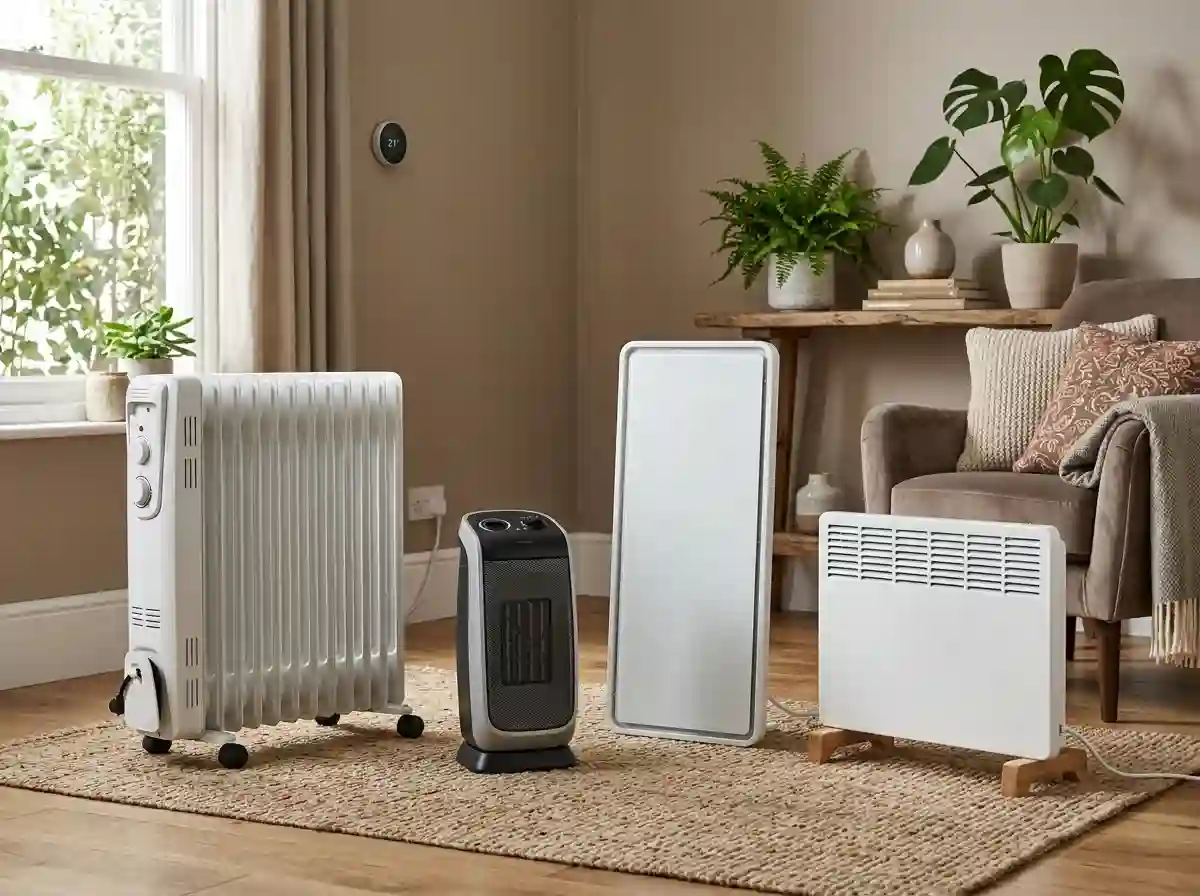
Halogen heaters are the cheapest electric heater to run when you need personal warmth, costing just 7 to 20 cents per hour depending on the wattage setting you choose. After testing different heater types in my own home during the winter months and tracking my electricity bills, I have found that choosing the right type of heater for your specific needs can save you significant money. This guide breaks down the running costs of every major electric heater type with real calculations based on current US electricity rates.
How to Calculate Your Electric Heater Running Costs?
Understanding how to calculate your electric heater running costs puts you in control of your energy bills. The formula is straightforward once you know your heater’s wattage and your local electricity rate.
The Simple Cost Formula
Use this formula to calculate any heater’s running cost: (Watts ÷ 1000) × Rate per kWh × Hours = Total Cost.
Let me break that down. First, convert your heater’s wattage to kilowatts by dividing by 1000. A 1500W heater becomes 1.5 kW. Multiply that by your electricity rate (the national average is around $0.17 per kWh in 2026). Then multiply by the number of hours you plan to run the heater.
Real Example: 1500W Heater Cost
Running a 1500W heater for 5 hours at the national average rate costs $1.28. Here is the math: (1500 ÷ 1000) = 1.5 kW. Then 1.5 × $0.17 = $0.255 per hour. Multiply by 5 hours and you get $1.28 for that heating session.
Your actual electricity rate might differ. Check your utility bill for the rate per kWh. Some areas charge as low as $0.12 per kWh while others exceed $0.30 per kWh. This variation significantly impacts your actual running costs.
Halogen Heaters: The Cheapest for Personal Heating
Halogen heaters are the cheapest electric heater to run when you want to warm yourself rather than an entire room. These heaters typically operate between 400W and 1200W, which translates to 7 to 20 cents per hour at standard US electricity rates.
Why Halogen Heaters Cost Less to Run?
The lower wattage is the primary reason halogen heaters cost less to operate. You can run a 400W halogen bar for just 7 cents per hour. Even at full power with all three bars active at 1200W, you are only spending about 20 cents per hour.
Halogen heaters provide instant radiant heat. You feel the warmth immediately when the element glows red. This means you do not need to run the heater for extended periods to get comfortable. You can turn it on, feel warm within seconds, and turn it off when you are done.
Limitations You Should Know
Halogen heaters only warm what the light touches. They do not heat the air in the room effectively. Once you turn the heater off, the warmth disappears instantly. This makes them unsuitable for keeping a room warm over time.
From my experience and feedback from the r/Frugal community, halogen heaters work best when you are sitting at a desk or relaxing in one spot. Many users report using them while working from home to avoid heating empty rooms. The directional heat keeps you comfortable without wasting electricity warming areas you are not using.
Oil-Filled Radiators: Best for Consistent Room Heating
Oil-filled radiators cost more per hour to run than halogen heaters, but they excel at heating entire rooms efficiently over longer periods. These units typically draw 1500W to 2500W, which means 26 to 43 cents per hour at standard rates.
The Heat Retention Advantage
The thermal oil inside these radiators retains heat even after you turn the unit off. The heating element warms the oil, which circulates through the convection fins and radiates warmth into your room. When the thermostat switches the heating element off, the oil continues releasing stored heat for 15 to 30 minutes.
This heat retention makes oil-filled radiators more efficient for sustained room heating. You get warmth without continuous electricity consumption. Many users on r/homeowners recommend oil-filled radiators for bedrooms because they provide steady heat throughout the night without the constant cycling of fan heaters.
When Oil-Filled Radiators Make Financial Sense?
The higher upfront cost of oil-filled radiators pays off if you heat the same room daily for several hours. One Reddit user in r/Frugal reported that switching from a fan heater to an oil-filled radiator for their home office reduced their winter electricity bills by about 15 percent.
The slow warm-up time is the main drawback. Oil-filled radiators take 10 to 15 minutes to reach full heat output. They are not ideal when you need immediate warmth. Consider your usage patterns before choosing this type.
Fan and Convector Heaters: Quick Room Heating
Fan heaters and convector heaters fall in the middle range for running costs, typically consuming 750W to 2000W. Expect to pay 13 to 34 cents per hour depending on the wattage setting you select.
How Fan Heaters Work?
Fan heaters push air across a heated element and blow warm air into your room. They create rapid warmth and distribute it quickly throughout small spaces. A 1500W fan heater can raise the temperature of a 150 square foot room by several degrees within 15 minutes.
The heating stops immediately when you turn the unit off. Unlike oil-filled radiators, fan heaters provide no heat retention benefit. This makes them less efficient for sustained heating but ideal for quick warm-ups.
Noise Considerations
The fan creates noise that some users find disruptive. One common complaint from r/Frugal discussions involves the Vornado AVH10, which users praise for heating effectiveness but criticize for overly bright LED lights that disturb sleep in dark rooms. The community solution is covering the LEDs with electrical tape.
PTC tower-style heaters with built-in thermostats come highly recommended from forum users. These ceramic heaters adjust their power consumption based on room temperature, potentially reducing costs compared to fixed-output models.
Infrared Heaters: Silent and Efficient
Infrared heaters represent a middle-ground option with running costs between 7 and 26 cents per hour depending on wattage. They operate silently and provide radiant heat similar to halogen heaters but without the visible light.
Wall-Mounting Saves Space
Many infrared heaters mount on walls, freeing up floor space in small rooms. This placement also keeps them away from children and pets. The infrared panels warm objects and people directly rather than heating the air, similar to how sunlight feels warm on your skin even in cold air.
Best Applications for Infrared
Infrared heaters work well in drafty spaces where conventional heaters struggle. Because they do not rely on warming air, open doors and poor insulation affect them less. Garages, workshops, and older homes with single-pane windows benefit from infrared heating.
The lack of noise makes infrared heaters ideal for bedrooms and home offices where concentration matters. They also pose fewer asthma concerns since they do not circulate dust and allergens the way fan heaters do.
Electric Heater Running Cost Comparison
This comparison table shows the hourly running costs for each heater type based on a standard US electricity rate of $0.17 per kWh. Your actual costs will vary depending on your local electricity rate and the specific wattage of your heater.
| Heater Type | Wattage Range | Cost Per Hour | Best For | Heat Retention |
|---|---|---|---|---|
| Halogen | 400W – 1200W | $0.07 – $0.20 | Personal spot heating | None |
| Fan/Convector | 750W – 2000W | $0.13 – $0.34 | Quick room warm-up | Poor |
| Infrared | 400W – 1500W | $0.07 – $0.26 | Silent operation | Good |
| Oil-Filled Radiator | 1500W – 2500W | $0.26 – $0.43 | Consistent room heat | Excellent |
Daily and Monthly Cost Projections
Running a 1200W halogen heater for 4 hours daily costs about $0.82 per day or $24.60 per month. Compare that to a 2000W oil-filled radiator running the same schedule, which costs $1.36 per day or $40.80 per month.
These calculations assume continuous operation. Thermostats and timers reduce actual costs by cycling the heater off when temperatures reach the set point. Real-world usage typically costs 20 to 30 percent less than continuous operation calculations.
7 Tips to Make Your Electric Heater Cheaper to Run
Regardless of which heater type you choose, these strategies reduce your running costs without sacrificing comfort. Our team compiled these recommendations from utility company guidance and real user experiences shared on heating forums.
1. Use the Lowest Wattage Setting That Works
Most heaters have multiple power settings. Start on the lowest setting and increase only if necessary. A 750W setting often provides adequate warmth for small rooms or personal heating needs. Using half the wattage cuts your running cost in half.
2. Heat Only the Room You Are Using
Zone heating saves significant money compared to central heating. Close doors to unused rooms. Use draft stoppers under door gaps. This simple step can reduce your heating needs by preventing warm air from escaping.
3. Improve Your Room’s Insulation
Check windows for drafts and apply weatherstripping if needed. Heavy curtains help retain heat, especially at night. Rugs on hard floors prevent heat loss through the floor. These improvements cost little but reduce the power your heater needs to maintain comfort.
4. Use a Programmable Timer
Set your heater to turn on 30 minutes before you wake up or return home. Turn it off automatically when you leave. Running a heater for 8 hours when you only need 5 wastes 37 percent of the electricity consumed. Timers pay for themselves within weeks.
5. Dress Warmer Indoors
Adding a sweater or warm socks lets you lower your thermostat setting by 2 to 3 degrees. Each degree reduction saves approximately 3 percent on heating costs. This applies equally to space heaters and central heating systems.
6. Position Your Heater Strategically
Place fan heaters near the center of the room for even heat distribution. Keep halogen heaters close to where you sit but at a safe distance from flammable materials. Avoid placing any heater near drafty windows or exterior doors where heat escapes immediately.
7. Maintain Your Heater Regularly
Dust accumulation on heating elements reduces efficiency. Clean your heater monthly during heavy use periods. Check filters on fan heaters and replace or clean them as needed. A well-maintained heater operates at peak efficiency and costs less to run.
Safety Considerations for Different Heater Types
Safety should guide your heater selection as much as running costs. Each heater type carries different risks and requires specific precautions. Understanding these differences helps you choose a heater that keeps you warm without creating hazards.
Surface Temperature Hazards
Halogen heaters get extremely hot on the front surface where the element glows. The metal housing also reaches high temperatures. Oil-filled radiators become hot to the touch on the fins and top surface. Fan heaters generally stay cooler on the exterior except near the outlet grille.
Keep all heaters at least 3 feet away from curtains, furniture, bedding, and other flammable materials. Never cover a heater with clothing or towels to dry them. This is the leading cause of space heater fires.
Asthma and Air Quality Concerns
Fan heaters stir up dust and allergens, potentially triggering asthma symptoms. Oil-filled radiators and infrared heaters do not circulate air, making them better choices for people with respiratory conditions. Halogen heaters also work well for asthma sufferers since they do not move air.
Essential Safety Features to Look For
Only purchase heaters with overheat protection and tip-over switches. Overheat protection shuts the unit off if internal temperatures exceed safe levels. Tip-over switches cut power if the heater falls over. These features prevent fires and are standard on quality units.
Never use extension cords with space heaters. Plug directly into wall outlets rated for the heater’s amperage. Check your heater’s cord regularly for damage. Replace units with frayed cords immediately rather than attempting repairs.
Frequently Asked Questions About Cheap Electric Heaters
What is the cheapest electric heater to run?
Halogen heaters are the cheapest electric heaters to run for personal heating, costing between 7 and 20 cents per hour depending on wattage. They operate at 400W to 1200W and provide instant directional heat. For heating entire rooms, oil-filled radiators offer the best value despite higher hourly costs due to their excellent heat retention. The cheapest heater for your situation depends on whether you need spot heating or room warming.
How much does it cost to run a 2000 watt heater for 24 hours?
Running a 2000W heater continuously for 24 hours costs approximately $8.16 at the national average electricity rate of $0.17 per kWh. The calculation is (2000 ÷ 1000) × $0.17 × 24 = $8.16. However, thermostats typically cycle the heater on and off, reducing actual costs by 20 to 30 percent. Real-world daily costs usually fall between $5.70 and $6.50.
Are halogen heaters cheaper to run than fan heaters?
Yes, halogen heaters are cheaper to run than fan heaters due to lower wattage. A typical halogen heater uses 400W to 1200W, costing 7 to 20 cents per hour. Fan heaters typically use 750W to 2000W, costing 13 to 34 cents per hour. However, fan heaters warm entire rooms while halogen heaters only provide personal warmth in their direct path.
Which heater uses the least electricity?
Halogen heaters on their lowest setting use the least electricity among standard electric heaters. A 400W halogen bar consumes just 0.4 kWh per hour, costing about 7 cents at standard rates. Infrared panels at 400W match this efficiency. Both provide radiant heat directly to people rather than warming air. The key to using minimal electricity is choosing the lowest wattage that meets your comfort needs.
What is the cheapest way to heat a room with electricity?
The cheapest way to heat a room with electricity is using an oil-filled radiator with a thermostat for sustained heating, or a PTC fan heater with temperature control for intermittent use. Oil-filled radiators cost more per hour but provide heat retention after switching off. Fan heaters cost less upfront and work faster. Both options beat central electric heating costs when used for zone heating in occupied rooms only.
Is an oil-filled radiator cheaper than central heating?
Oil-filled radiators are often cheaper than electric central heating when used for zone heating in specific rooms. Central heating warms your entire home including unused rooms. An oil-filled radiator heating one room costs less than raising the whole house temperature by several degrees. However, gas central heating typically costs less per unit of heat than any electric heater. The comparison depends on your central heating fuel type and efficiency.
Conclusion: Choose the Right Heater for Your Needs
The cheapest electric heater to run depends entirely on how you plan to use it. Halogen heaters win for personal spot heating at 7 to 20 cents per hour. Oil-filled radiators provide the best value for heating entire rooms over extended periods despite higher hourly costs. Fan heaters offer a middle-ground solution for quick warm-ups. Infrared heaters serve specialized needs with silent operation and wall-mounting options.
Remember that all electric heaters are 100 percent efficient at converting electricity to heat. The difference in running costs comes down to wattage and heat distribution method. Lower wattage always means lower hourly costs regardless of heater type. Calculate your expected usage using the formula provided, compare that to your budget, and choose the heater type that matches your heating pattern.
Before purchasing any heater, check your local electricity rate on your utility bill. This single number determines your actual running costs more than any other factor. With the information in this guide, you can now make an informed decision and keep your winter heating bills under control in 2026.