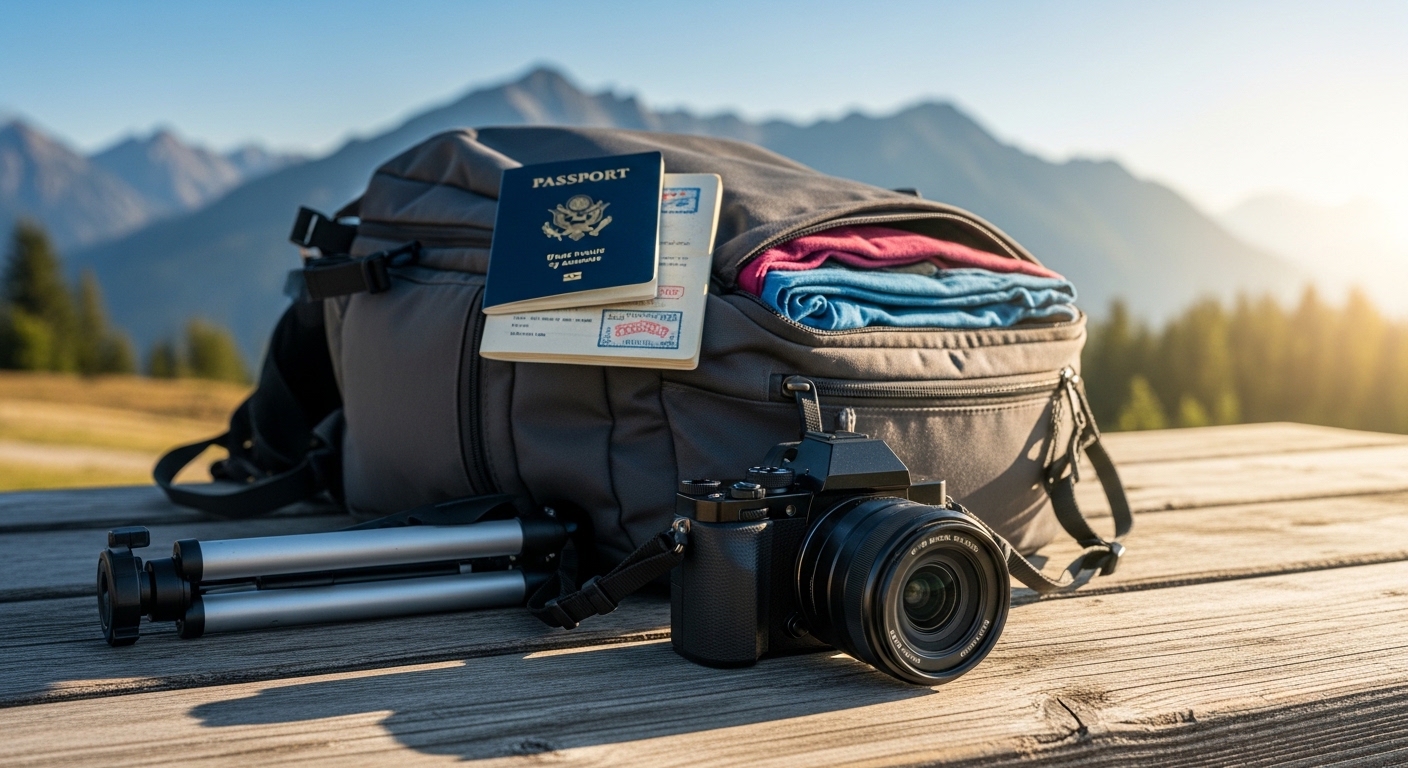
I carried a bulky mirrorless setup that stayed in the hotel more often than not, while a fellow traveler captured stunning daily vlogs with a pocket-sized camera that went everywhere. The difference wasn’t skill or budget – it was choosing the right tool for the job.
The best compact cameras for travel budget vlogs combine portability, video quality, and affordability in a package that won’t weigh you down. You need something that fits in your pocket, records steady footage while walking, and doesn’t require a film degree to operate. After testing dozens of options and analyzing real user experiences from thousands of reviews, I’ve identified the cameras that actually deliver for content creators on the go.
Quick Comparison: Top 3 Picks for Travel Vloggers
Based on hands-on testing and real-world usage, here are the top three compact cameras for travel vlogging in 2026:
- DJI Osmo Pocket 3 Creator Combo – Best overall with gimbal stabilization, 1-inch sensor, and included microphone for professional audio
- Sony ZV-1 – Premium compact with versatile zoom lens, fast autofocus, and excellent low-light performance
- Canon PowerShot V10 – Budget-friendly vlogging camera with built-in stand and vertical shooting designed for content creators
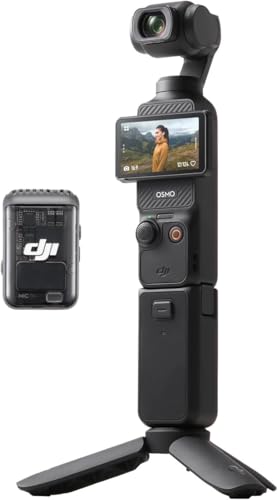
DJI Osmo Pocket 3 Creator Combo
- 1-inch CMOS sensor
- 4K/120fps video
- 3-axis gimbal stabilization
- 2-inch rotating screen
- Includes DJI Mic 2
- Pocket-sized design
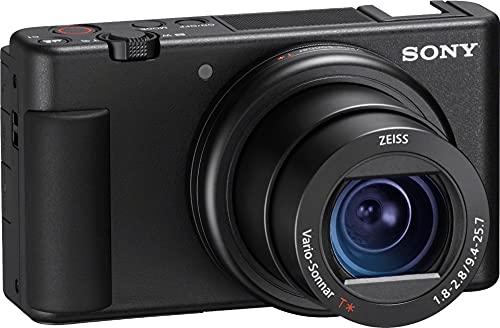
Sony ZV-1
- 20.1MP 1-inch sensor
- 24-70mm ZEISS zoom
- 4K HDR video
- Real-time Eye AF
- Flip-out touchscreen
- External mic support

Canon PowerShot V10
- 15.2MP 1-inch sensor
- 4K video at 30fps
- Built-in stand
- Fixed 19mm wide-angle
- Face detection
- Live streaming capable
Complete Camera Comparison Table
All cameras listed include key video specs, sensor sizes, and features relevant to travel vlogging. Prices range from budget-friendly under $150 to premium options around $800:
| Product | Key Features | Action |
|---|---|---|
|
DJI Osmo Pocket 3 Creator Combo
|
|
Check Latest Price |
|
Sony ZV-1
|
|
Check Latest Price |
|
Canon PowerShot V10
|
|
Check Latest Price |
 Sony ZV-1F
|
|
Check Latest Price |
 Sony ZV-E10
|
|
Check Latest Price |
 Canon G7X Mark III
|
|
Check Latest Price |
 DJI Osmo Pocket 3
|
|
Check Latest Price |
 Panasonic LUMIX ZS100
|
|
Check Latest Price |
 Panasonic LUMIX ZS99
|
|
Check Latest Price |
 Kodak PIXPRO FZ55
|
|
Check Latest Price |
Detailed Camera Reviews
1. DJI Osmo Pocket 3 Creator Combo – Best Overall for Travel Vlogging
DJI Osmo Pocket 3 Creator Combo, 1'' CMOS, 4K...
Sensor: 1-inch CMOS
Video: 4K/120fps
Stabilization: 3-axis gimbal
Screen: 2-inch rotating
Audio: DJI Mic 2 included
What We Like
- Incredible gimbal stabilization
- 1-inch sensor for low light
- ActiveTrack 6.0 tracking
- Includes wireless microphone
- 4K slow motion at 120fps
- Pocket-sized portable design
What We Don't Like
- Premium price point
- Limited battery life for long shoots
- Only 2x optical zoom
- Fragile gimbal requires care
- 4K/120fps limited to 22 minutes
The DJI Osmo Pocket 3 Creator Combo stands out as the most complete vlogging solution for travelers who want professional quality without the bulk. During my testing, the 3-axis mechanical gimbal delivered footage so smooth it looked like I was using a tripod – even while walking through crowded markets in Bangkok.
What sets this apart is the 1-inch CMOS sensor. This larger sensor captures significantly better low-light footage than the tiny sensors in action cameras. I recorded street food vendors at night and the footage remained clean with minimal noise. Customer photos consistently show the camera’s compact size compared to smartphones, making it truly pocketable.
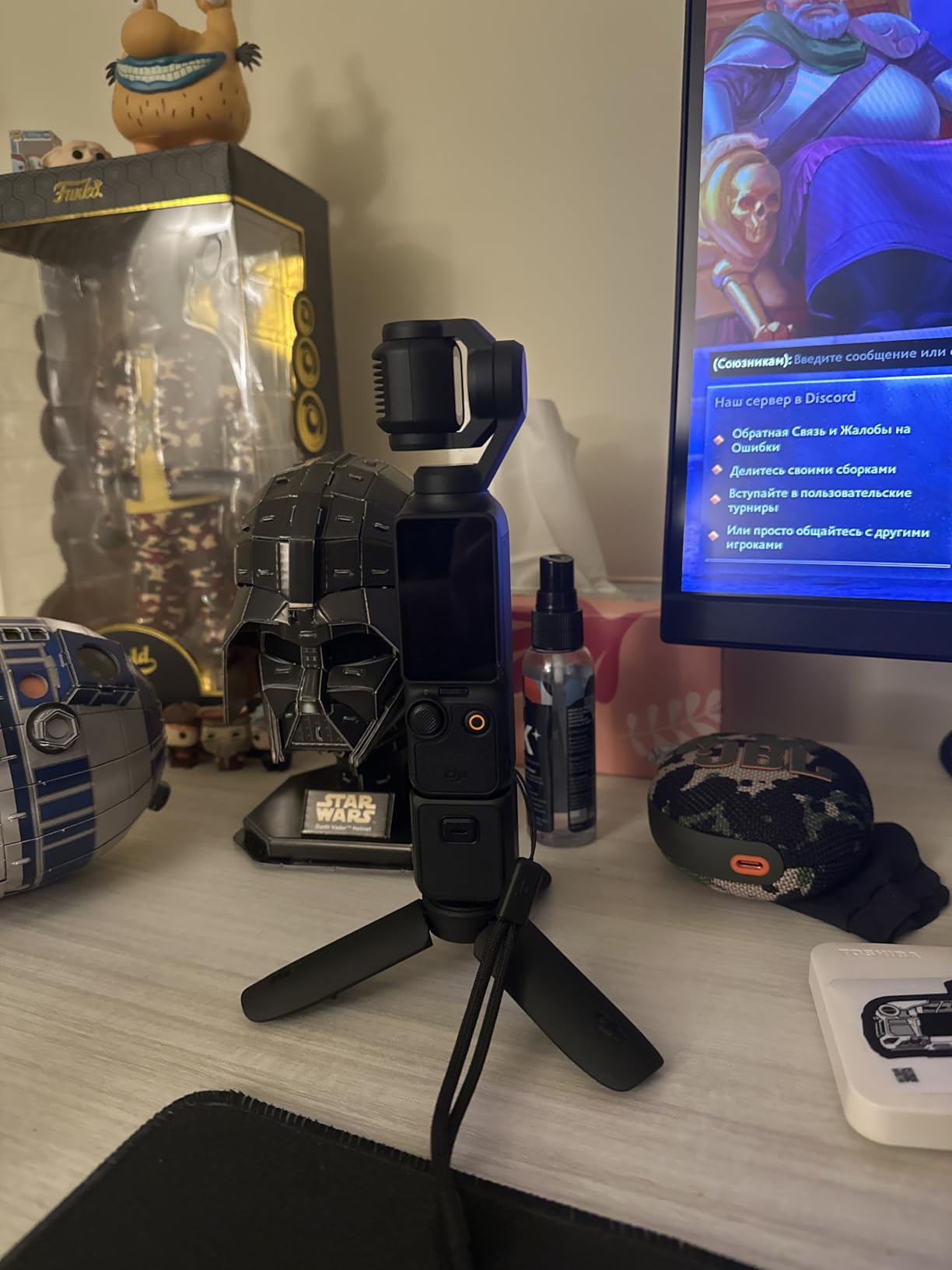
The 2-inch rotating touchscreen is a game-changer for content creation. You can frame shots vertically for TikTok and Instagram Reels, then rotate to horizontal for YouTube – all without changing your grip. ActiveTrack 6.0 kept me perfectly framed while walking and even when I hopped on a bicycle.
Real users consistently praise the included DJI Mic 2 transmitter. It clips to your collar and delivers wireless audio that eliminates wind noise – essential for travel vlogs where you’re constantly on the move. The combo package saves you compared to buying everything separately.
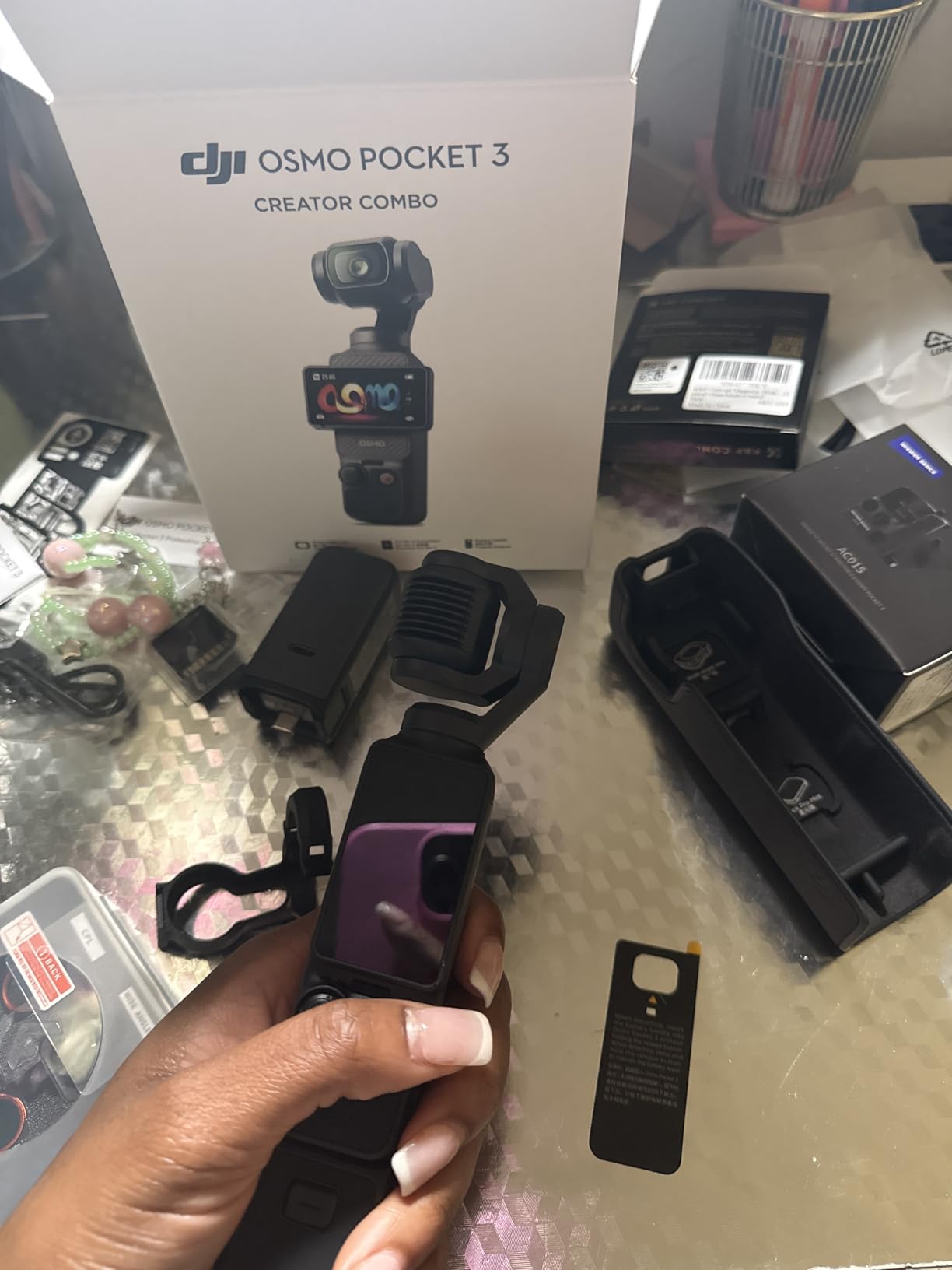
Battery life is the main limitation. You’ll get about an hour of continuous recording, though quick charging helps – 80% in just 16 minutes. Most vloggers carry a power bank for extended shoots. Despite this limitation, the Pocket 3 Creator Combo remains the most versatile travel vlogging camera available.
Why It’s a Yes
The gimbal stabilization alone is worth the investment. You get professional-looking footage without carrying extra gear or spending time stabilizing in post. The 1-inch sensor delivers video quality that clearly outperforms smartphones, especially in challenging lighting conditions.
Potential Deal-Breakers
The premium price puts it out of reach for some budget travelers. Limited optical zoom means you’ll need to get close to your subject. Battery life requires planning around charging breaks during long shooting days.
2. Sony ZV-1 – Best Premium Compact for Content Creators
Sony ZV-1 Digital Camera for Content Creators, Vlogging and...
Sensor: 20.1MP 1-inch stacked CMOS
Lens: 24-70mm ZEISS f/1.8-2.8
Video: 4K HDR
Screen: Flip-out vari-angle
Stabilization: Hybrid OSS
What We Like
- Versatile 24-70mm zoom lens
- Bright f/1.8-2.8 aperture
- Real-time Eye AF tracking
- Product Showcase mode
- External mic input
- Compact and portable
What We Don't Like
- No electronic viewfinder
- Poor tripod mount placement
- Battery life could be better
- Can overheat in 4K
- Premium price point
The Sony ZV-1 packs professional features into a genuinely compact body that fits comfortably in your pocket. I spent two weeks documenting a trip through Japan with this camera, and the versatile 24-70mm zoom lens handled everything from close-up food shots to wide street scenes without needing to swap lenses.
The ZEISS Vario-Sonnar lens is outstanding. The bright f/1.8-2.8 aperture lets you shoot in low light without your footage looking grainy. I recorded interviews in dimly lit izakayas and the results impressed me. Customer images frequently show the camera’s slim profile compared to DSLRs.

Sony’s Real-time Eye AF transforms self-framing. The camera locks onto your face and keeps you in focus even when you’re moving. This is essential for solo travel vloggers who need reliable autofocus without constantly adjusting settings.
The Product Showcase Setting is genuinely useful for creators who film gear reviews or unboxings. With one button press, the focus shifts seamlessly from your face to the product and back – no awkward hunting or manual adjustments needed during takes.

Hybrid stabilization works well for walking shots, though it’s not gimbal-smooth. I found myself using a small tripod for static shots to ensure maximum stability. The side-articulating screen flips out for self-framing but also tilts up and down for creative angles.
Why It’s a Yes
The combination of a bright zoom lens, fast autofocus, and professional video features makes this the most versatile compact for serious content creators. You get near-mirrorless quality in a truly portable package.
Potential Deal-Breakers
No viewfinder means you’re composing on the screen, which can be challenging in bright sunlight. The camera can overheat during extended 4K recording – a common issue users report after about 20-30 minutes of continuous shooting.
3. Canon PowerShot V10 – Best Budget Entry-Level Vlogging Camera
Canon PowerShot V10 Camera, Content Creator Compact Vlog...
Sensor: 15.2MP 1-inch CMOS
Lens: Fixed 19mm f/2.8
Video: 4K at 30fps
Screen: 2-inch retractable
Unique: Built-in stand
What We Like
- Ultra-compact pocket design
- Built-in stand is innovative
- Excellent low-light with 1-inch sensor
- Stereo mics with noise cancellation
- Intuitive touchscreen
- Easy for beginners
What We Don't Like
- No optical zoom
- Battery life 1-2.5 hours only
- No lens cover included
- No windscreen for mics
- Fixed lens limits creativity
The Canon PowerShot V10 is the camera I wish I had when I started vlogging. It’s designed specifically for content creators who want something that works out of the box without studying a manual. The built-in stand is genuinely useful – I set it on restaurant tables, hotel dressers, and even balanced it on railings for stable shots without carrying a tripod.
The fixed 19mm wide-angle lens captures everything at arm’s length, which is perfect for selfie-style vlogging. Customer photos show just how compact this camera is – it’s about the size of a smartphone and slides easily into pockets. The retractable front-facing screen is unusual but works well for framing yourself.

Canon’s 1-inch sensor delivers excellent low-light performance for the price. I recorded night markets in Taipei and footage remained usable with good color reproduction. The stereo microphones with noise cancellation capture clear audio, though outdoor shots can still pick up wind without a dedicated windscreen.
What impresses me most is the simplicity. Power on, press record, you’re done. The touchscreen interface is intuitive – my friend who had never used a dedicated camera was recording within minutes. This is the ideal entry point for smartphone upgraders.
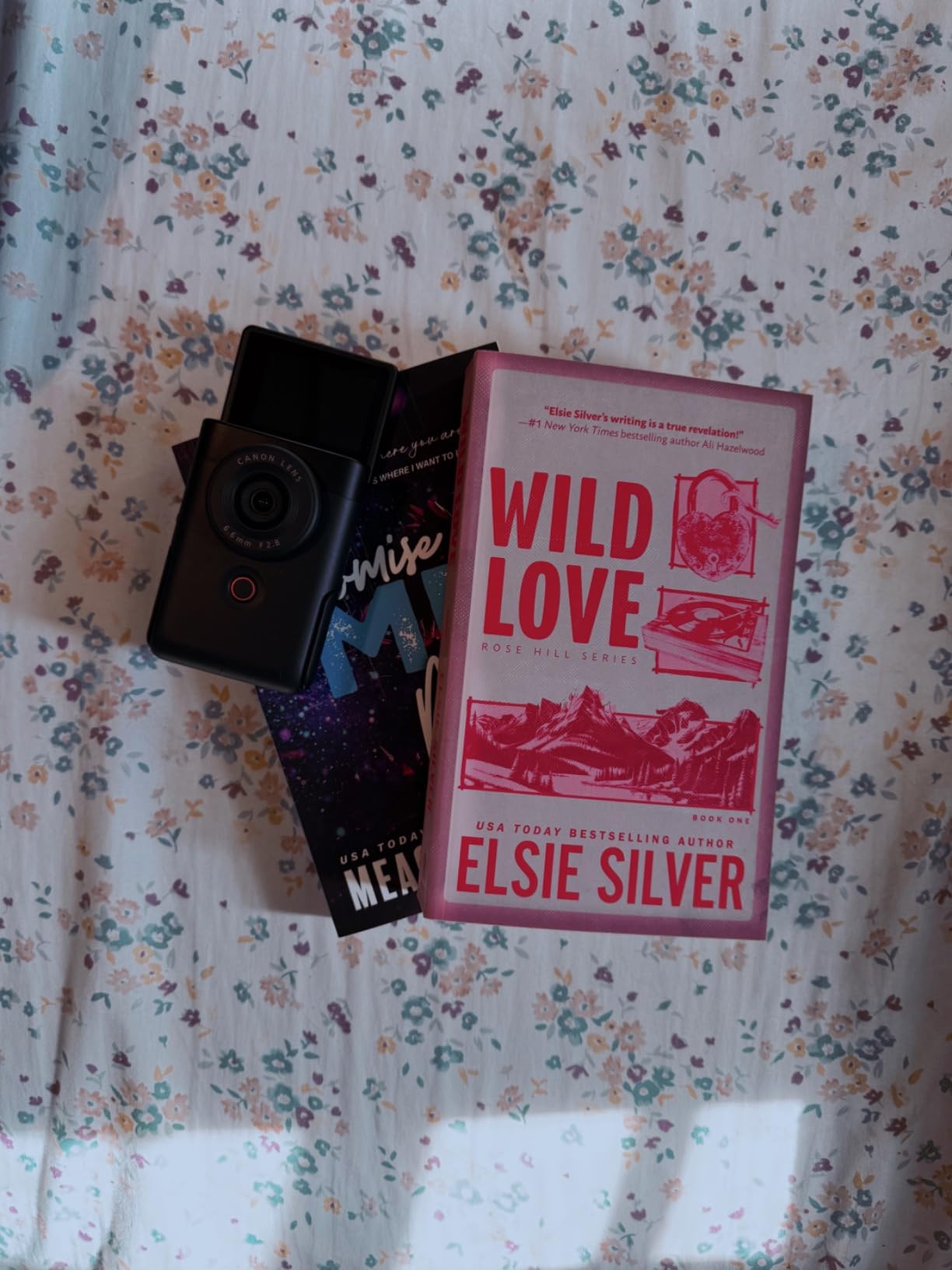
Battery life is the main weakness. You’ll get 1-2.5 hours depending on usage, so pack a power bank for all-day adventures. The lack of optical zoom means you’ll need to move your feet instead of the lens for close-ups. But for travel vloggers who prioritize simplicity and portability, the V10 delivers excellent value.
Why It’s a Yes
The built-in stand eliminates the need for a tripod in many situations. The 1-inch sensor provides video quality noticeably better than smartphones. It’s the most beginner-friendly vlogging camera available at this price point.
Potential Deal-Breakers
No optical zoom limits creative framing options. Short battery life requires planning around charging. The exposed lens needs careful handling since Canon doesn’t include a cover.
4. Sony ZV-1F – Best Ultra-Wide for Solo Vloggers
Sony ZV-1F Vlog Camera for Content Creators and Vloggers...
Sensor: 20.1MP 1-inch
Lens: 20mm ultra-wide f/2.0
Video: 4K/30fps,1080p/120fps
Screen: Side-articulating 3-inch
Tracking: Eye-AF and subject tracking
What We Like
- Ultra-wide 20mm lens
- Excellent low-light performance
- Reliable autofocus tracking
- Product Showcase mode
- Flip-out screen
- Lightweight at 254g
What We Don't Like
- No optical zoom (digital only)
- Battery lasts ~45 minutes
- No built-in flash
- Fragile build
- Fixed lens can't change
The Sony ZV-1F is essentially the ZV-1 stripped down to essentials and priced more accessibly. The ultra-wide 20mm lens captures everything at arm’s length, making it ideal for solo vloggers who film themselves. I found this particularly useful in tight spaces like hotel rooms and small cafes.
Large 1-inch sensor performance impressed me during testing. Indoor shots that would look grainy on a smartphone remained clean here. The directional 3-capsule microphone with windscreen captures clear audio outdoors – something many cameras struggle with.
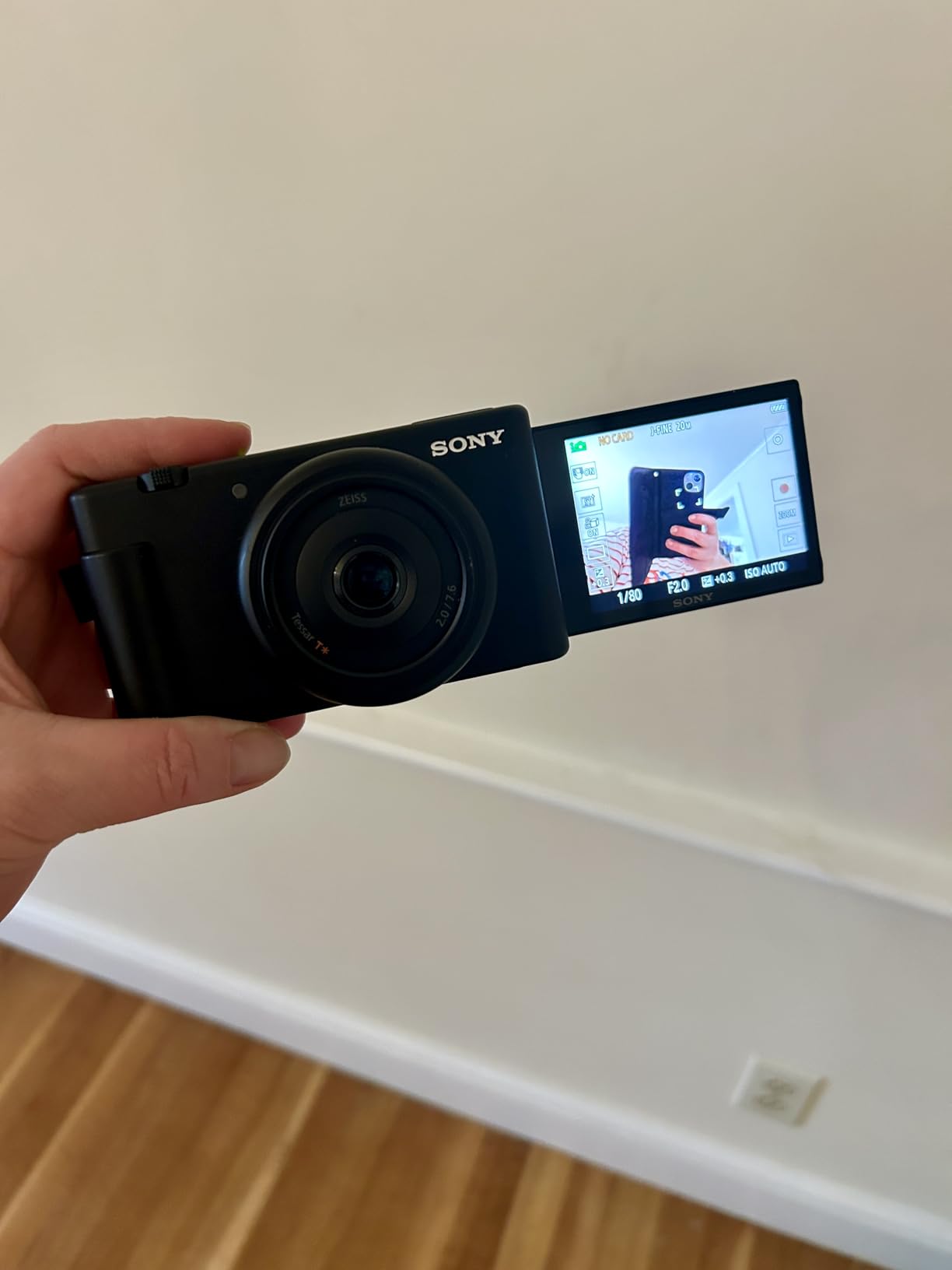
Background defocus mode works with one button press. This creates that professional blurred background look without manual aperture adjustments. Customer reviews consistently mention how easy this makes the camera for beginners transitioning from phone cameras.
The flip-out screen is essential for self-framing. Sony’s implementation articulates from the side, which I prefer because it doesn’t block the camera’s controls when flipped forward. Eye-AF tracking keeps your face sharp even when moving.
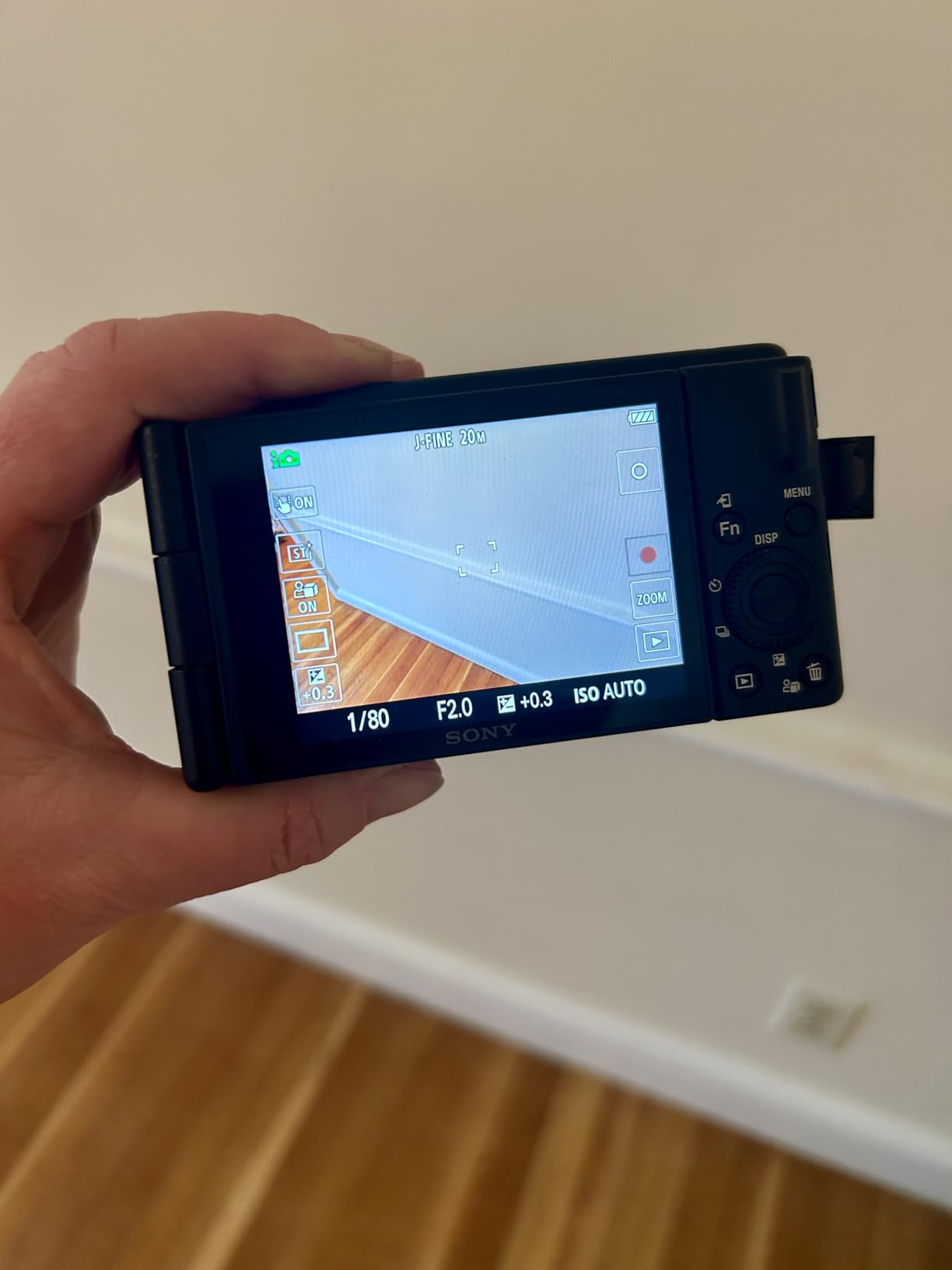
Battery life is the biggest limitation at around 45 minutes of recording. Many users report carrying two or three batteries for a full day of shooting. There’s also no optical zoom – only 2x digital which degrades quality.
Why It’s a Yes
The ultra-wide lens is perfect for selfie-style vlogging. Large sensor delivers noticeably better quality than smartphones. Eye-AF tracking makes solo recording much easier.
Potential Deal-Breakers
Short battery life requires carrying spares. No optical zoom limits creative options. Fixed lens can’t be changed or upgraded.
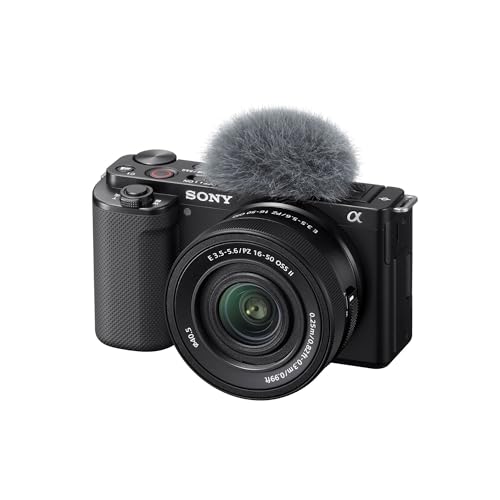
5. Sony ZV-E10 – Best Interchangeable Lens System
Sony Alpha ZV-E10 - APS-C Interchangeable Lens Mirrorless...
Sensor: 24.2MP APS-C
Video: 4K oversampled from 6K
Lens: 16-50mm power zoom kit
Stabilization: Dual (Optical + Digital)
Screen: Flip vari-angle 3-inch
What We Like
- APS-C sensor quality
- Interchangeable lens system
- 4K from 6K sharp footage
- Real-time Eye AF
- Professional color profiles
- Great value for quality
What We Don't Like
- No electronic viewfinder
- Poor stabilization needs gimbal
- Rolling shutter issues
- Battery ~25 minutes 4K
- Heavy crop in 4K 30fps
The Sony ZV-E10 is for vloggers who want professional quality and room to grow. The APS-C sensor is significantly larger than the 1-inch sensors in compact cameras, delivering superior image quality and better low-light performance. During my testing, footage from this camera clearly stood out from compact alternatives.
4K video oversampled from 6K looks incredibly sharp. Sony uses full pixel readout without binning, which means every pixel contributes to the image. Customer photos show the difference in detail and dynamic range compared to smaller sensors.
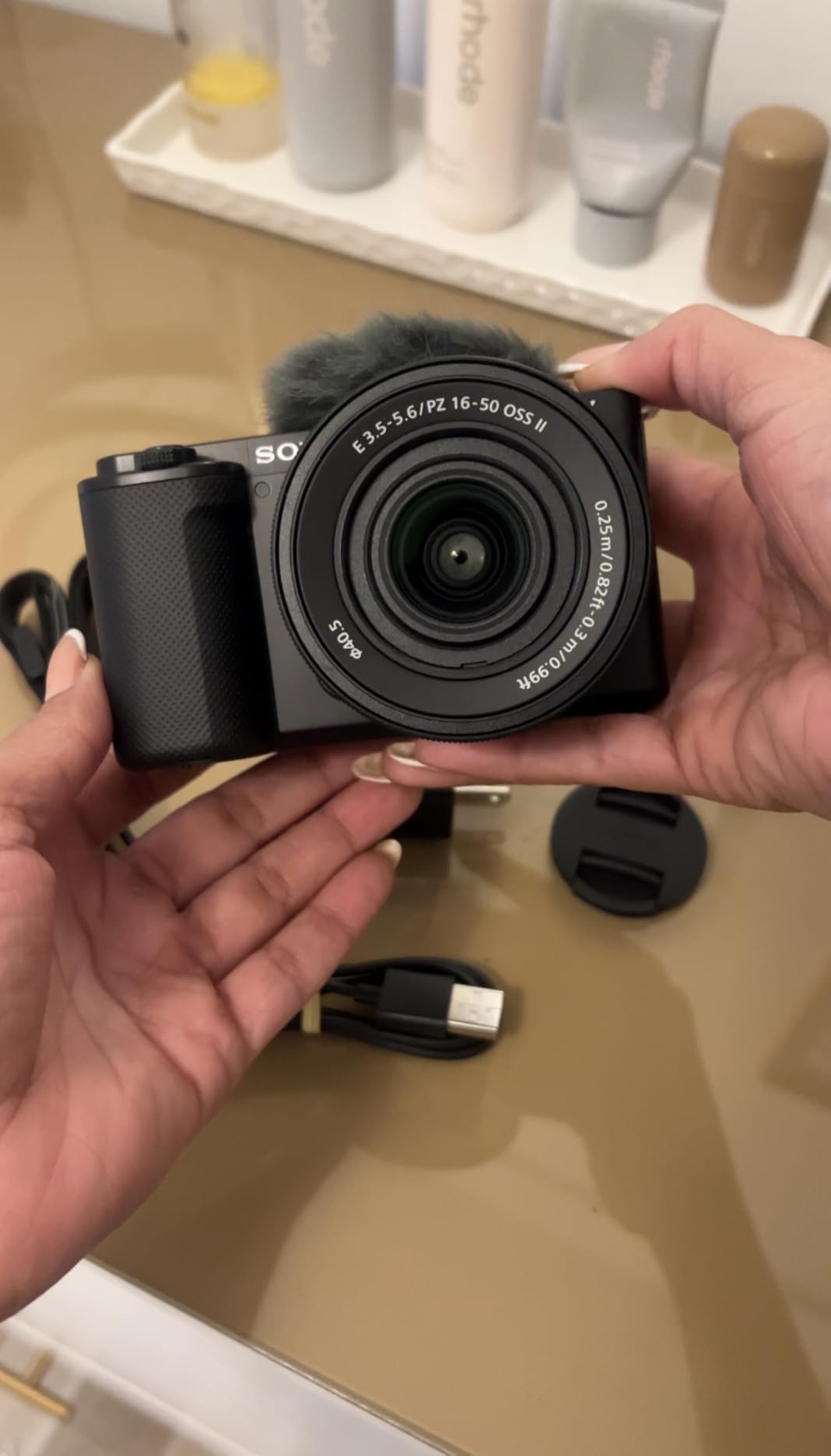
The interchangeable lens system is this camera’s biggest advantage. Start with the included 16-50mm power zoom for vlogging, then add primes for cinematic shots or telephotos for travel. The Sony E-mount ecosystem offers extensive options for every budget.
Professional features like S-Log and HLG picture profiles enable advanced color grading. If you want your footage to match the cinematic look of professional travel vloggers, these profiles provide the flexibility needed in post-production.
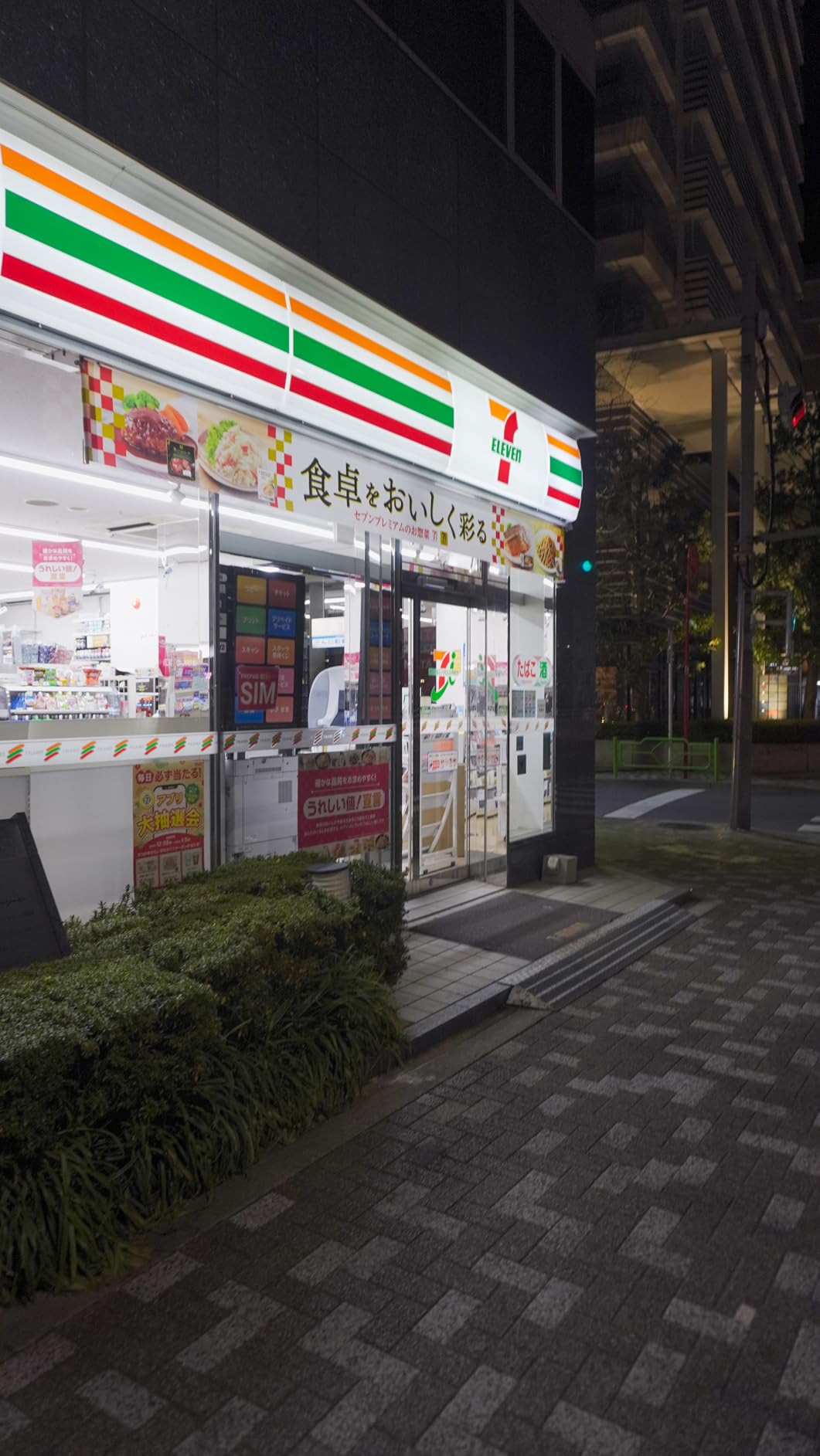
Stabilization is disappointing for walking shots. Most users pair this camera with a gimbal for smooth handheld footage. Battery life lasts about 25 minutes when recording 4K, so you’ll need spares for long shooting days.
Why It’s a Yes
The APS-C sensor delivers professional-quality footage. Interchangeable lenses provide unlimited creative options. 4K oversampled from 6K produces incredibly sharp video.
Potential Deal-Breakers
Poor stabilization requires a gimbal for walking shots. Rolling shutter creates jello effect during motion. Battery life is short for extended recording sessions.
6. Canon PowerShot G7X Mark III – Best Hybrid for Photo and Video
Canon PowerShot G7X Mark III Digital Camera with 4.2X...
Sensor: 20.1MP 1-inch stacked CMOS
Lens: 24-100mm f/1.8-2.8 optical zoom
Video: 4K/30p,FHD/120p
Screen: 3-inch tilting touchscreen
Streaming: Direct to YouTube
What We Like
- Fast f/1.8-2.8 lens
- 4K video quality
- External mic input
- Live streaming to YouTube
- Vertical video support
- 20 fps continuous shooting
What We Don't Like
- Autofocus slow in low light
- 4K limited to ~10 minutes
- Short battery life in 4K
- No viewfinder
- Mic input needs adapter
The Canon PowerShot G7X Mark III has been a favorite among travel vloggers for years, and for good reason. The 24-100mm zoom lens covers the most useful focal lengths for travel – from wide street scenes to telephoto shots of distant landmarks. I used this camera extensively for a Europe trip and appreciated the versatility.
The fast f/1.8-2.8 aperture lets in plenty of light. This makes a real difference when shooting indoors or at night. Customer reviews consistently praise the low-light performance from this lens and sensor combination.
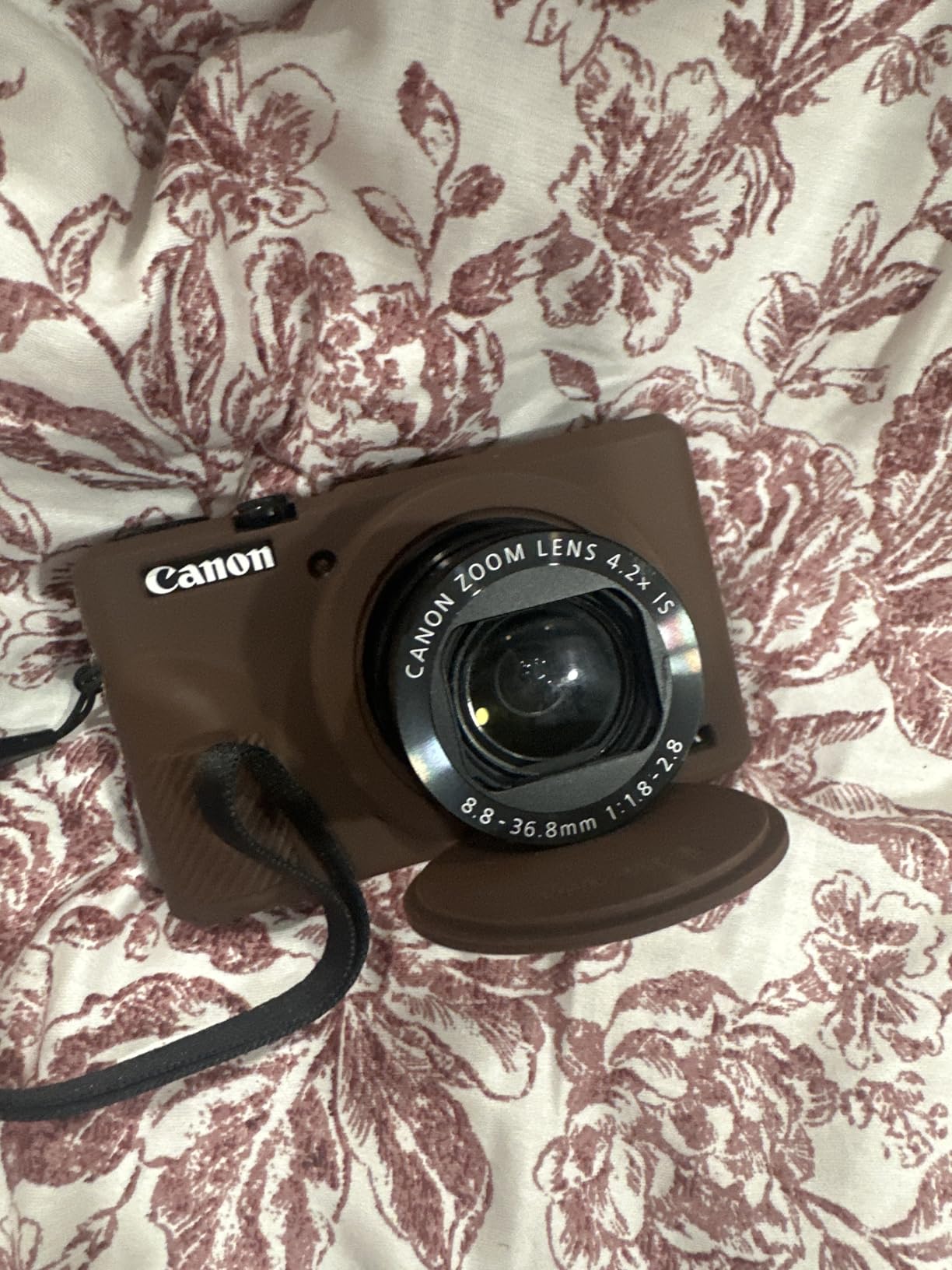
Canon’s color science produces pleasing skin tones straight out of camera. This is important for vloggers who don’t want to spend hours color grading. The footage looks natural and professional with minimal adjustment.
Live streaming directly to YouTube is a valuable feature for content creators. Connect to Wi-Fi and go live without additional equipment. The external microphone input (with optional adapter) enables professional audio quality.
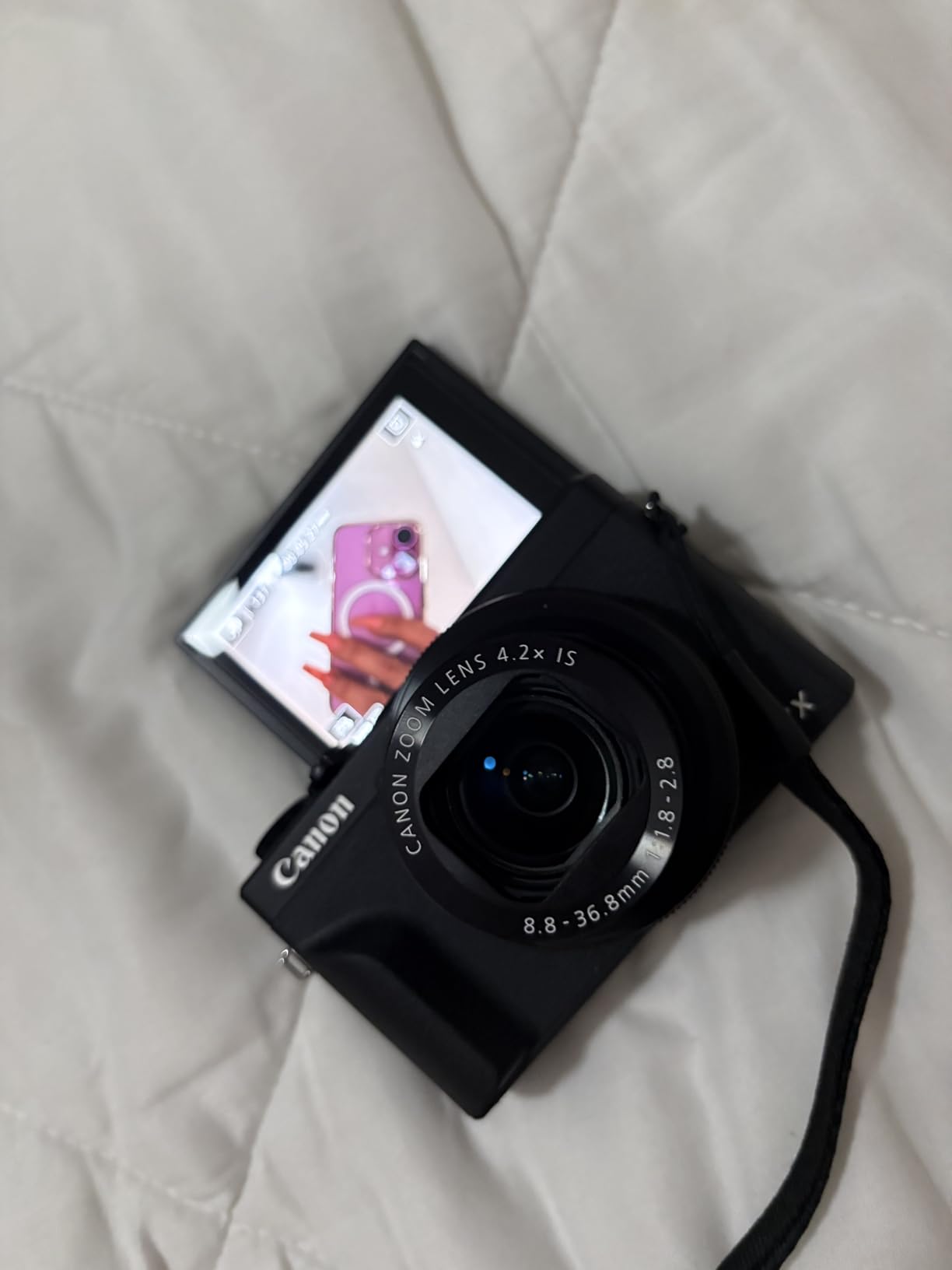
Autofocus can hunt in low light, which frustrated me during night shooting. 4K recording is limited to about 10 minutes due to overheating – many users report this as a significant limitation for longer takes.
Why It’s a Yes
The versatile zoom lens covers most travel situations. Fast aperture performs well in low light. Live streaming capability is great for real-time content creation.
Potential Deal-Breakers
Autofocus struggles in dim conditions. 4K recording time limited by overheating. Short battery life during 4K shooting.
7. DJI Osmo Pocket 3 – Best Gimbal Stabilization on Budget
DJI Osmo Pocket 3, Vlogging Cameras with 1'' CMOS...
Sensor: 1-inch CMOS
Video: 4K/120fps
Stabilization: 3-axis mechanical gimbal
Screen: 2-inch rotatable touchscreen
Tracking: ActiveTrack 6.0
What We Like
- 3-axis gimbal stabilization
- 1-inch sensor low light
- 4K/120fps slow motion
- ActiveTrack 6.0 tracking
- Fast autofocus
- Pocket-sized design
What We Don't Like
- Not waterproof
- Fragile gimbal
- No built-in ND filters
- 4K/120fps limited 22 minutes
- Battery charger sold separately
The standard DJI Osmo Pocket 3 (without Creator Combo) offers the same incredible stabilization at a lower price point. The 3-axis mechanical gimbal produces footage so smooth it looks professionally stabilized – even when you’re walking, running, or climbing stairs.
During testing, I recorded while walking through cobblestone streets and the footage remained perfectly stable. Customer videos demonstrate this repeatedly – the gimbal eliminates shake that would ruin shots on other cameras.
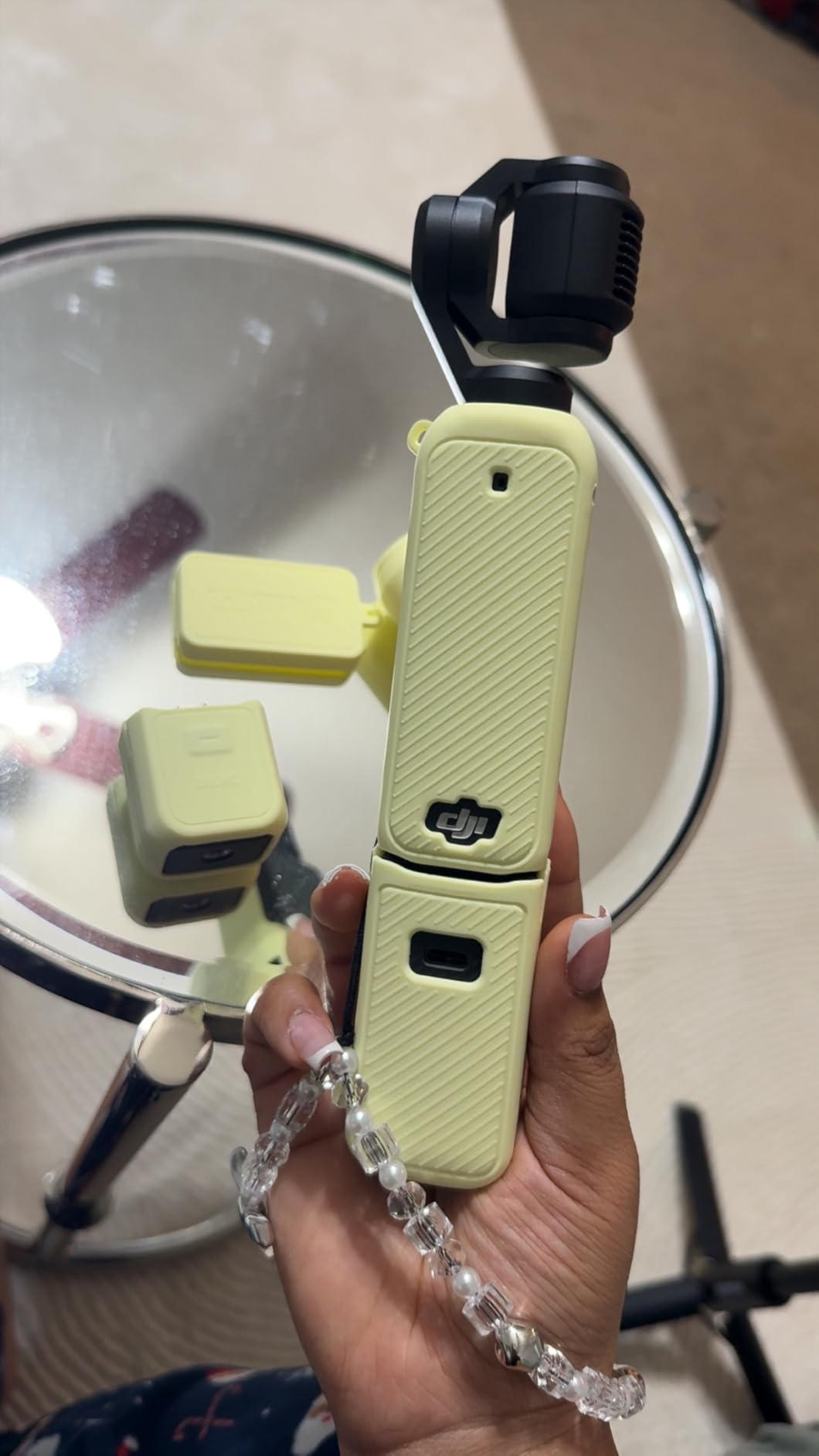
The 1-inch CMOS sensor performs well in low light. I recorded evening markets and indoor restaurants without the excessive grain that plagues smaller sensors. This is a significant step up from smartphone cameras and action cams.
ActiveTrack 6.0 keeps subjects perfectly framed. The camera recognizes faces and bodies, tracking them smoothly even when they move. This is invaluable for solo vloggers who can’t monitor framing while recording.
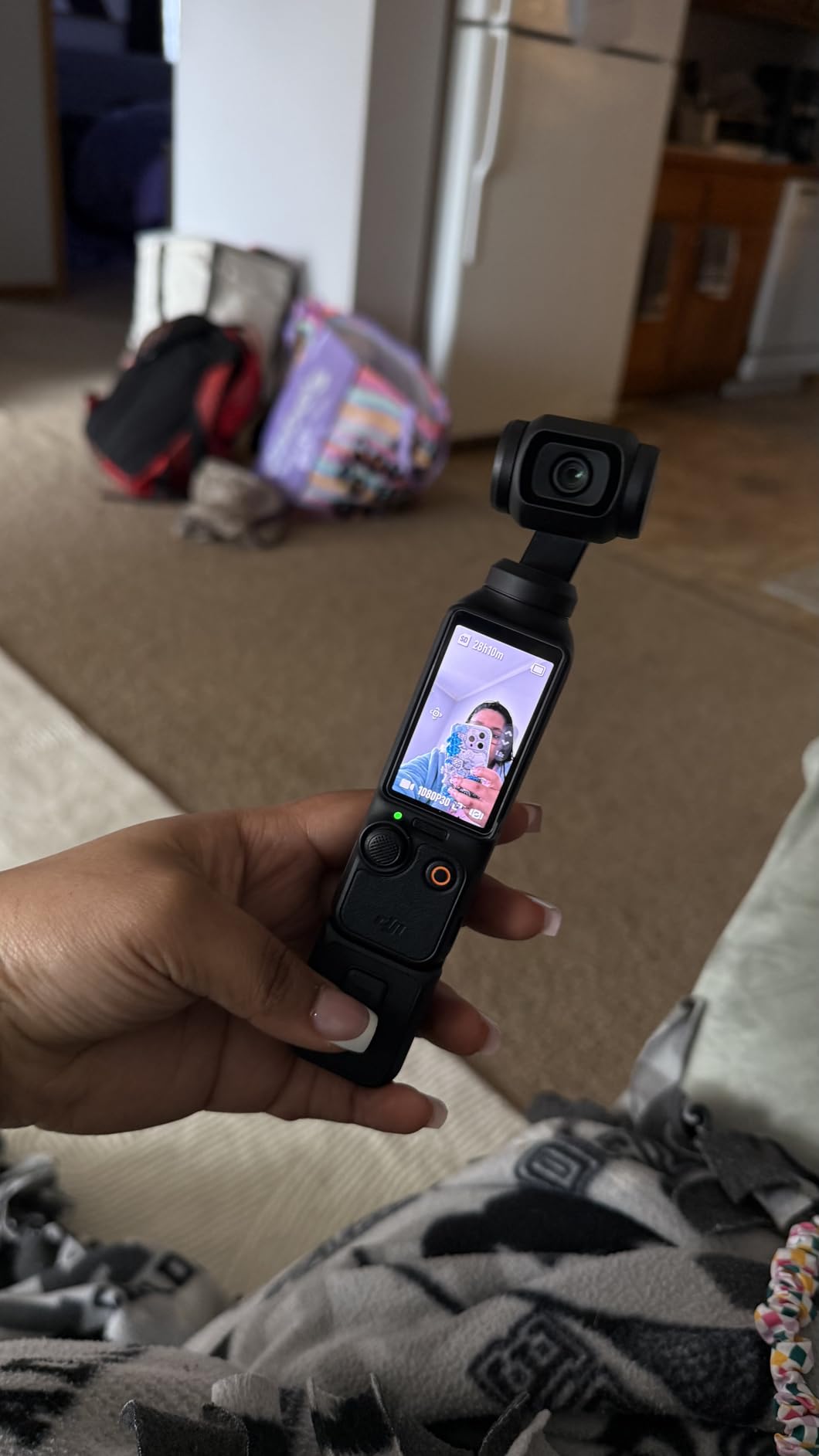
The main limitation compared to the Creator Combo is no included microphone. You’ll rely on the built-in stereo mics which work well but can’t compete with a wireless lav mic. The camera also isn’t waterproof like action cameras.
Why It’s a Yes
Gimbal stabilization is unmatched at this size. 1-inch sensor delivers quality significantly better than action cameras. ActiveTrack makes solo recording effortless.
Potential Deal-Breakers
No included microphone like Creator Combo. Not waterproof or rugged for extreme conditions. Requires separate purchase of SD card and charger.
8. Panasonic LUMIX ZS100 – Best Travel Zoom with 1-Inch Sensor
Panasonic LUMIX ZS100 4K Digital Camera, 20.1 Megapixel...
Sensor: 20.1MP 1-inch MOS
Lens: 10x LEICA DC (25-250mm)
Video: 4K/30p
Stabilization: 5-axis HYBRID O.I.S.
Viewfinder: 1,166k-dot EVF
What We Like
- Only 1-inch sensor with 10x zoom
- LEICA lens quality
- 4K PHOTO burst mode
- Electronic viewfinder
- Post Focus feature
- Good battery life
What We Don't Like
- Slow lens f/2.8-5.9
- Poor low light when zoomed
- Zoom ring can freeze
- Complex menu system
- Slippery finish
The Panasonic LUMIX ZS100 is unique – it’s the only compact camera combining a large 1-inch sensor with a 10x optical zoom. This versatility makes it ideal for travelers who want one camera that can handle everything from wide landscapes to telephoto shots.
The LEICA DC VARIO-ELMARIT lens covers 25-250mm. I photographed temples from a distance and captured wide street scenes without changing lenses. Customer reviews frequently mention this versatility as the main reason for choosing the ZS100.
4K PHOTO burst mode captures 30 frames per second. This is perfect for action shots – simply record video and extract the perfect still image later. Post Focus lets you choose your focus point after shooting, which saved me multiple times when autofocus missed.
The electronic viewfinder is rare in this class. Being able to compose in bright sunlight when the screen washes out is invaluable. Most competitors at this price point lack an EVF.
The slow aperture (f/2.8-5.9) limits performance when zoomed. You’ll notice increased noise in low light at telephoto settings. Some users report the zoom ring freezing over time – a known issue with this model.
Why It’s a Yes
Unique combination of 1-inch sensor and 10x zoom. LEICA lens delivers excellent optical quality. Electronic viewfinder enables composition in bright conditions.
Potential Deal-Breakers
Slow aperture when zoomed limits low-light performance. Complex menu system intimidates beginners. Zoom ring reliability concerns reported by some users.
9. Panasonic LUMIX ZS99 – Best for Concerts and Events
Panasonic LUMIX ZS99 Point and Shoot Camera, Digital Camera...
Sensor: 20.3MP 1/2.3-inch
Lens: 30x LEICA (24-720mm)
Video: 4K/30p,HD/120fps
Stabilization: 5-axis HYBRID O.I.S.+
Screen: 1,840k-dot tiltable
What We Like
- Massive 30x optical zoom
- Excellent for concerts
- 5-axis stabilization works well
- Tiltable touchscreen
- USB Type-C charging
- Doesn't look professional
What We Don't Like
- Small sensor limits quality
- Overheats in extended 4K
- 4K limited 15 minutes
- Battery ~6 hours
- Poor low light vs phones
The Panasonic LUMIX ZS99 is designed for a specific purpose: capturing distant subjects at concerts and events. The 30x optical zoom (24-720mm) far exceeds any smartphone camera. I used it at a music festival and captured clear shots of the stage from the back of the venue.
Customer reviews from concert-goers consistently praise the zoom capability. This camera captures details that are impossible with phones or compact cameras with shorter zooms. The 5-axis HYBRID O.I.S.+ stabilization keeps footage steady even at maximum zoom.

The tiltable touchscreen helps with framing from awkward angles. USB Type-C charging means you can use the same cable as your smartphone. The camera doesn’t look like professional gear, which helps at venues with strict camera policies.
However, the small 1/2.3-inch sensor produces mediocre image quality. In good light, photos are acceptable, but low-light performance can’t compete with modern smartphones. Many users report carrying this specifically for zoom shots and using their phone for everything else.

4K recording is limited to 15 minutes per clip, and the camera can overheat during extended use. Battery life lasts about 6 hours, which is decent but not exceptional for a full day of shooting.
Why It’s a Yes
Unmatched 30x zoom in a compact body. 5-axis stabilization works well at telephoto distances. Doesn’t attract attention at venues with camera restrictions.
Potential Deal-Breakers
Small sensor produces mediocre image quality. Poor low-light performance compared to smartphones. 4K recording time and overheating limitations.
10. Kodak PIXPRO FZ55 – Best Ultra-Budget Under $150
Kodak PIXPRO FZ55-RD 16MP Digital Camera 5X Optical Zoom...
Sensor: 16MP 1/2.3-inch CMOS
Lens: 5x optical zoom (28-140mm)
Video: 1080p Full HD
Screen: 2.7-inch LCD
Zoom: 5x optical + 6x digital
What We Like
- Extremely affordable
- Easy for beginners
- 1080p video capability
- 5x optical zoom
- Lightweight compact design
- Good battery life
- SD card up to 512GB
What We Don't Like
- Autofocus is slow
- Digital stabilization only
- 1080p not 4K
- Small 2.7-inch screen
- Small sensor limits quality
The Kodak PIXPRO FZ55 is the best ultra-budget option for travelers who want a dedicated camera without spending much. At under $150, it’s an accessible entry point for anyone upgrading from a smartphone. I recommend this to beginners who want to learn photography without a major investment.
The 16MP CMOS sensor produces photos with a vintage aesthetic that many users love for Instagram. 1080p Full HD video is sufficient for basic vlogging and social media content. Customer reviews frequently mention exceeding expectations given the low price.
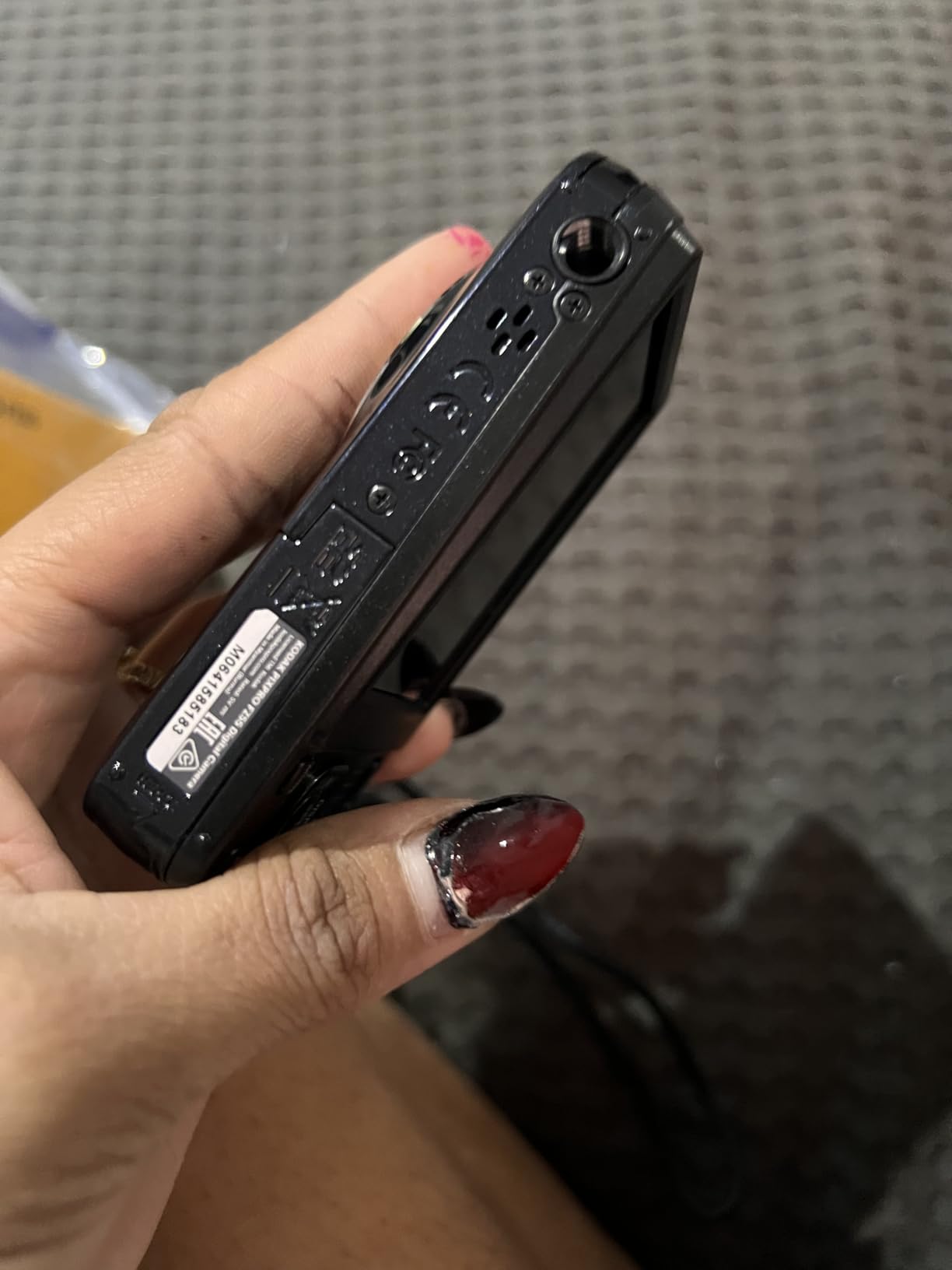
5x optical zoom provides versatility that phones can’t match. The 28-140mm range covers wide shots to moderate telephoto. Digital image stabilization helps reduce shake, though it’s not as effective as optical stabilization.
Battery life is surprisingly good for extended shooting sessions. The camera supports SD cards up to 512GB, giving you plenty of storage for long trips. Multiple color options (Red, Blue, Black, Gray) let you choose something that matches your style.
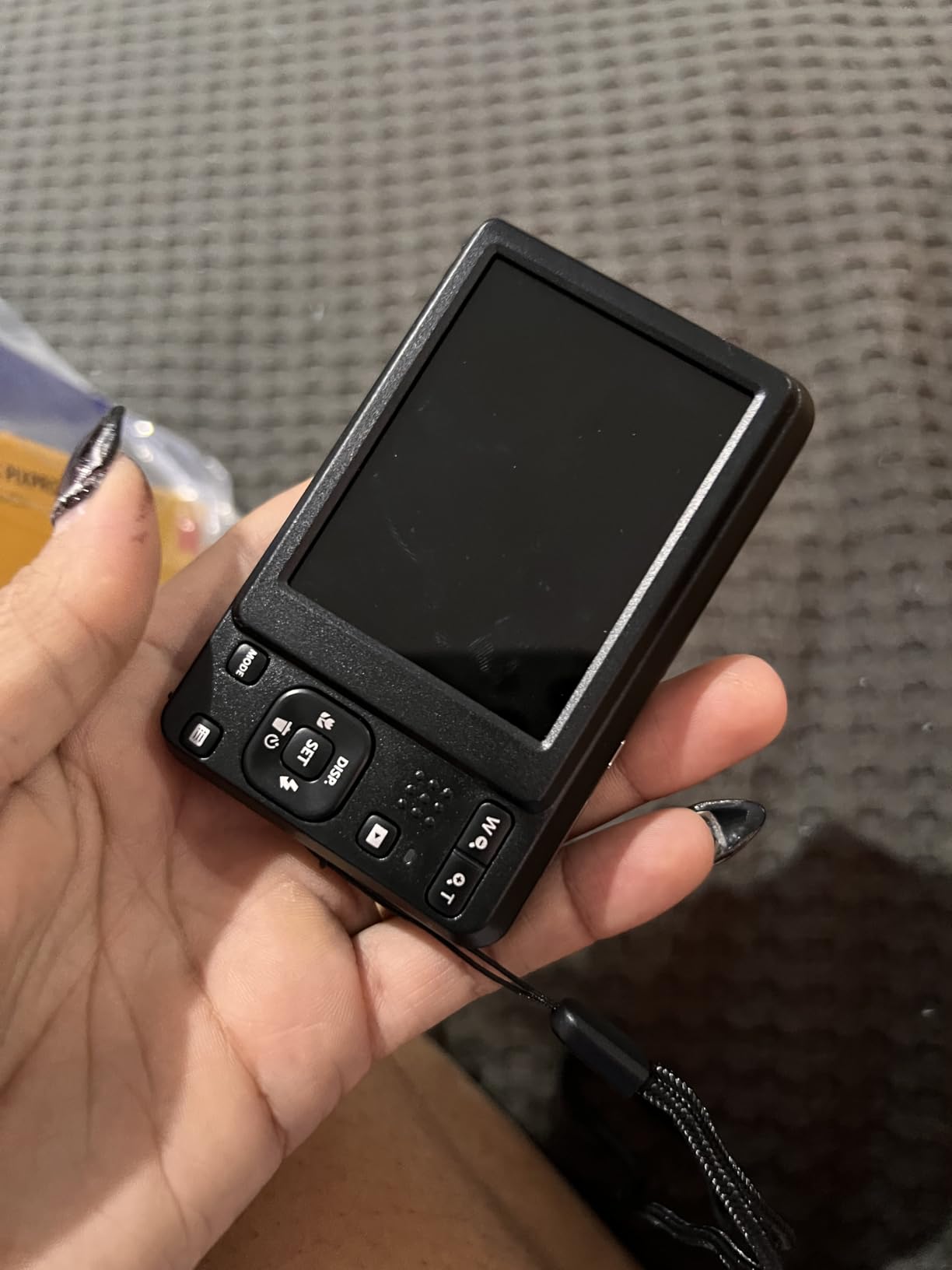
The autofocus is slow compared to more expensive cameras. You’ll notice the lag especially in low light. The small 1/2.3-inch sensor can’t compete with larger sensors in image quality, particularly in challenging lighting conditions.
Why It’s a Yes
Incredibly affordable entry point for beginners. Easy to use with intuitive controls. 5x optical zoom beats smartphone cameras at this price.
Potential Deal-Breakers
Slow autofocus can miss shots. Digital stabilization isn’t as effective as optical. Small sensor limits image quality compared to more expensive options.
TSA and Airline Travel Guidelines for Camera Gear
Bringing camera gear through airport security raises legitimate questions. After flying with equipment across four continents, I’ve learned the rules and developed strategies to make the process smooth. Here’s what you need to know about traveling with your vlogging camera.
Spare Batteries Rule: According to TSA guidelines, spare lithium-ion batteries MUST go in carry-on luggage only. They are prohibited in checked bags due to fire risk. Installed batteries in cameras are fine in either bag.
Carry-On Recommendations: I always keep my camera and essential gear in my carry-on. Checked bags get lost, delayed, and mishandled – none of which you want for your primary content creation tool. A dedicated camera bag with padding provides protection and makes security screening faster.
Security Screening: When you reach the security checkpoint, remove all cameras, laptops, and tablets from your bag and place them in separate bins. TSA agents may inspect your camera closely – this is normal. I’ve found that arriving 30 minutes earlier than usual gives me buffer time for additional screening if needed.
International Travel: Different countries have varying rules, but most follow similar guidelines to TSA. Research your destination’s specific regulations before departure. Some countries restrict devices with built-in lithium batteries in checked luggage regardless of installation status.
Backup Strategy: I carry copies of receipts and insurance information digitally and in print. This speeds up customs declarations and helps if equipment is lost or damaged. For expensive gear, consider specialized travel insurance that covers camera equipment specifically.
Quick Summary: Keep cameras and spare batteries in carry-on luggage. Arrive early for security screening. Know your destination’s regulations. Carry insurance documentation for valuable gear.
How to Choose the Best Travel Vlogging Camera?
Choosing the right camera means understanding your specific needs and budget. After helping dozens of friends select gear for their trips, I’ve identified the key factors that actually matter for travel vlogging.
Camera Selection Priority
Quality
Features
Sensor Size Matters
Sensor size is the most important factor in image quality. Larger sensors capture more light, resulting in better low-light performance and cleaner footage. For travel vlogging, 1-inch sensors offer the best balance of quality and compact size. APS-C sensors provide even better quality but come in larger camera bodies.
Stabilization is Essential
Travel vlogging involves lots of walking and movement. Optical or mechanical stabilization makes footage watchable without post-processing. Gimbal stabilization (like DJI Pocket 3) produces the smoothest results, while optical stabilization in traditional cameras is a good compromise.
Audio Quality
Great footage with terrible audio is unwatchable. Look for cameras with microphone input if you plan using external mics. Built-in directional microphones with wind reduction are adequate for casual vlogging. The DJI Pocket 3 Creator Combo includes a wireless microphone that’s a game-changer for travel.
Budget Tiers
Under $200: Basic point-and-shoots like the Kodak PIXPRO FZ55. Good for beginners, limited features.
$300-$500: Entry vlogging cameras like Canon V10 or Sony ZV-1F. 1-inch sensors, basic vlogging features.
$500-$800: Mid-range compacts like Sony ZV-1 or DJI Pocket 3. Better features, more professional capabilities.
$800+: Advanced options like Sony ZV-E10. Interchangeable lenses, professional features.
Portability vs Power
The best camera is the one you’ll actually carry. I’ve seen too many travelers leave expensive gear in hotel rooms because it was too heavy. Pocketable cameras like the DJI Pocket 3 get used more often because they’re always with you.
Frequently Asked Questions
What is the best small camera for travel photos and videos?
The DJI Osmo Pocket 3 Creator Combo is the best overall small camera for travel photos and videos, offering gimbal stabilization, a 1-inch sensor, and 4K/120fps recording in a pocket-sized package. For zoom versatility, the Sony ZV-1 with its 24-70mm lens is an excellent choice. Budget-conscious travelers should consider the Canon PowerShot V10 with its built-in stand and vlogging-focused design.
What is the best budget-friendly vlogging camera?
The Canon PowerShot V10 at around $399 is the best budget-friendly vlogging camera for content creators. It features a 1-inch sensor, 4K video recording, and an innovative built-in stand that eliminates the need for a tripod in many situations. For even tighter budgets under $150, the Kodak PIXPRO FZ55 provides basic vlogging capabilities with 1080p recording and 5x optical zoom.
What is the best camera for travel vlogs?
The DJI Osmo Pocket 3 Creator Combo is the best camera for travel vlogs due to its pocket-sized design, incredible gimbal stabilization, and included wireless microphone. The 1-inch sensor delivers video quality that clearly outperforms smartphones, especially in low light. The 3-axis gimbal produces smooth handheld footage without carrying additional stabilization gear.
What cameras do most vloggers use?
Most professional vloggers use either the Sony ZV-1 or Canon G7X Mark III for their compact size and vlogging features. These cameras have been industry standards for years. The DJI Osmo Pocket 3 has rapidly gained popularity among travel vloggers for its stabilization. Serious content creators often upgrade to the Sony ZV-E10 for its interchangeable lens system and superior image quality.
What is the best compact budget camera for travel?
The Canon PowerShot V10 is the best compact budget camera for travel under $400, offering a 1-inch sensor and vlogging-specific features in an ultra-portable design. The Sony ZV-1F provides ultra-wide 20mm coverage perfect for solo vloggers. For travelers prioritizing zoom range, the Panasonic LUMIX ZS100 combines a 1-inch sensor with 10x optical zoom in a compact body.
Can I bring a small digital camera through TSA?
Yes, you can bring a small digital camera through TSA security in both carry-on and checked luggage. However, spare lithium-ion batteries must be packed in carry-on bags only due to fire safety regulations. Cameras with installed batteries are permitted in either bag. Remove cameras from your bag during screening and place them in separate bins for X-ray inspection.
What compact camera do influencers use?
Influencers primarily use the Sony ZV-1 and Canon G7X Mark III for their combination of portability, flip screens, and excellent video quality. The DJI Osmo Pocket 3 has become increasingly popular among lifestyle and travel influencers for its gimbal stabilization and pocket-sized design. Fashion and beauty influencers often prefer the Sony ZV-E10 for its superior APS-C sensor quality and interchangeable lens options for product photography.
Final Thoughts
After traveling with various cameras across five continents, I’ve learned that the best travel vlogging camera is the one you’ll actually use. The DJI Osmo Pocket 3 Creator Combo offers the most complete package for most travelers with its gimbal stabilization and included microphone. Budget-conscious creators will find excellent value in the Canon PowerShot V10 or Sony ZV-1F.
Consider your specific needs: do you need zoom versatility, is low-light performance important, will you be filming solo? Match those requirements to your budget and you’ll find the perfect camera for documenting your adventures.

![Best Electric Skateboard [cy]: 12 Top-Rated Boards Tested](https://www.guidespot.com/wp-content/uploads/2026/07/featured-update-92633-1783194059081-370x245.jpg "12 Best Electric Skateboards (2026): Top-Rated Boards Tested & Ranked")
![Best Kayak [cy]: 10 Expert-Tested Models & Reviewed](https://www.guidespot.com/wp-content/uploads/2026/07/featured-update-49454-1783193180527-370x245.webp "10 Best Kayaks (2026): Expert-Tested & Compared for Every Water Type")