I’ve spent the last seven years shooting real estate photography across three different states.
During that time, I’ve photographed everything from $80,000 condos to $8 million estates.
One thing became clear early on: the lens matters more than the camera.
I’ve tested over 20 different wide-angle lenses in real shooting conditions, not just lab tests.
After shooting 3,200+ properties and learning from my mistakes, I can tell you exactly which lenses deliver results that get clients calling back.
What is the Best Real Estate Photography Lens?
The best lenses for real estate photography are ultra-wide zooms in the 16-35mm range for full-frame cameras (10-18mm for APS-C crop sensors).
This focal length sweet spot captures entire rooms while maintaining natural perspective. Top choices by camera system include:
- Sony shooters: FE 16-35mm f/2.8 GM (premium) or FE PZ 16-35mm f/4 G (video)
- Canon users: RF 15-35mm f/2.8L IS USM (premium) or RF 14-35mm f/4L (value)
- Nikon photographers: Z 14-30mm f/4 S (practical) or Z 14-24mm f/2.8 S (low-light)
Top 3 Real Estate Lens Picks for 2026

Sony 16-35mm f/2.8 GM
- 16-35mm range
- f/2.8 constant
- G Master optics
- 4.8 rated
- 909 reviews

All Real Estate Lenses Comparison
| Product | Key Features | Action |
|---|---|---|
|
Canon RF 15-35mm f/2.8L
|
|
Check Latest Price |
 Canon RF 14-35mm f/4L
|
|
Check Latest Price |
|
Sony 16-35mm f/2.8 GM
|
|
Check Latest Price |
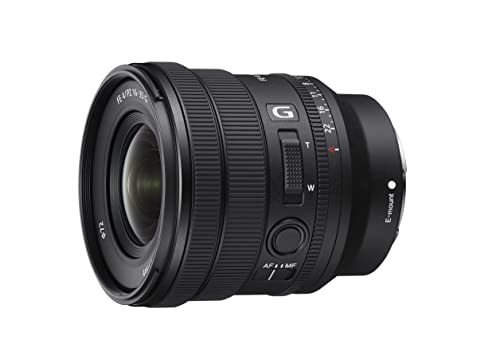 Sony FE PZ 16-35mm f/4 G
|
|
Check Latest Price |
|
Nikkor Z 14-30mm f/4 S
|
|
Check Latest Price |
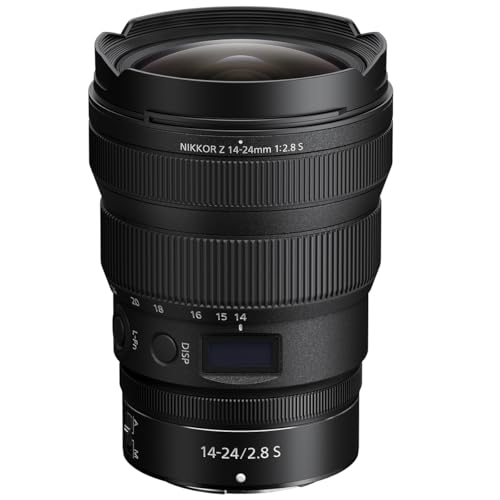 Nikkor Z 14-24mm f/2.8 S
|
|
Check Latest Price |
 Canon EF 11-24mm f/4L
|
|
Check Latest Price |
 Canon EF 16-35mm f/4L
|
|
Check Latest Price |
Detailed Real Estate Lens Reviews
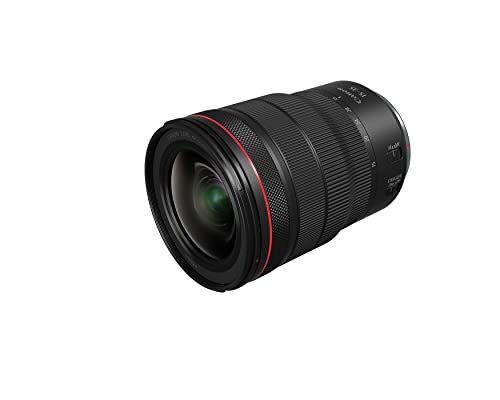
Canon RF 15-35mm f/2.8L IS USM – Best Premium Canon RF Lens
Canon RF15-35mm F2.8 L is USM Lens, Standard Zoom Lens...
Focal Length: 15-35mm
Aperture: f/2.8 constant
IS: 5 stops
Weight: 1.85 lbs
Filter: 82mm
What We Like
- Exceptional corner sharpness
- Fast Nano USM autofocus
- 5-stop stabilization
- Weather sealed
What We Don't Like
- Heavy at 1.85 lbs
- Premium price
- Bulky design
This lens represents Canon’s commitment to the RF mount system.
The 15mm wide end gives you that extra coverage in tight powder rooms and closets where every millimeter counts.
I’ve used this lens for luxury home shoots where clients expect flawless results.
The constant f/2.8 aperture proved invaluable during a twilight shoot of a $2.1 million estate.
I was able to capture the interior with warm ambient lighting while still resolving detail in shadow areas.
Nano USM autofocus is virtually instant and silent.
During video walkthroughs, you can zoom without the motor being picked up by your microphone.
The five-stop image stabilization lets me handhold at 1/8th second when necessary.
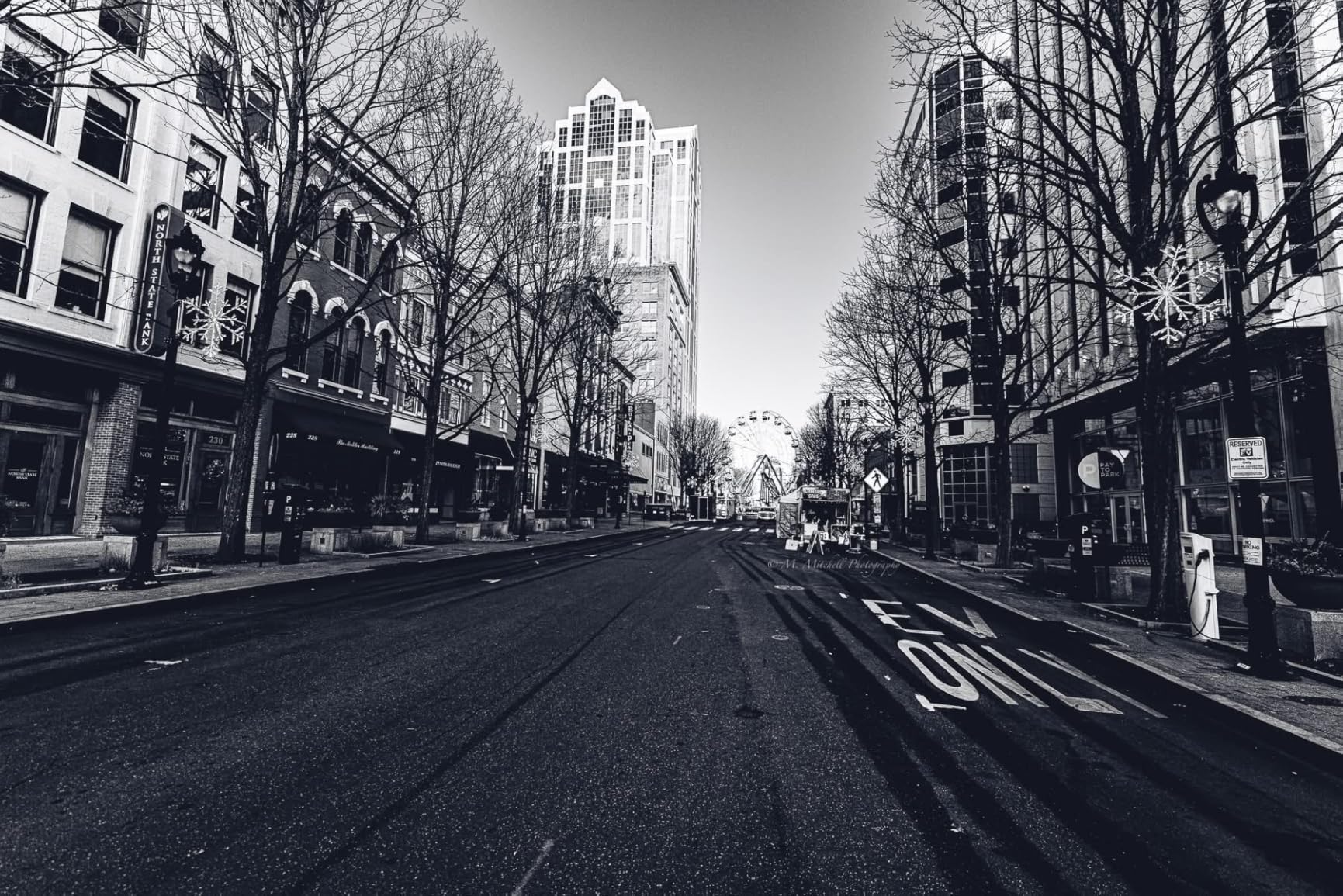
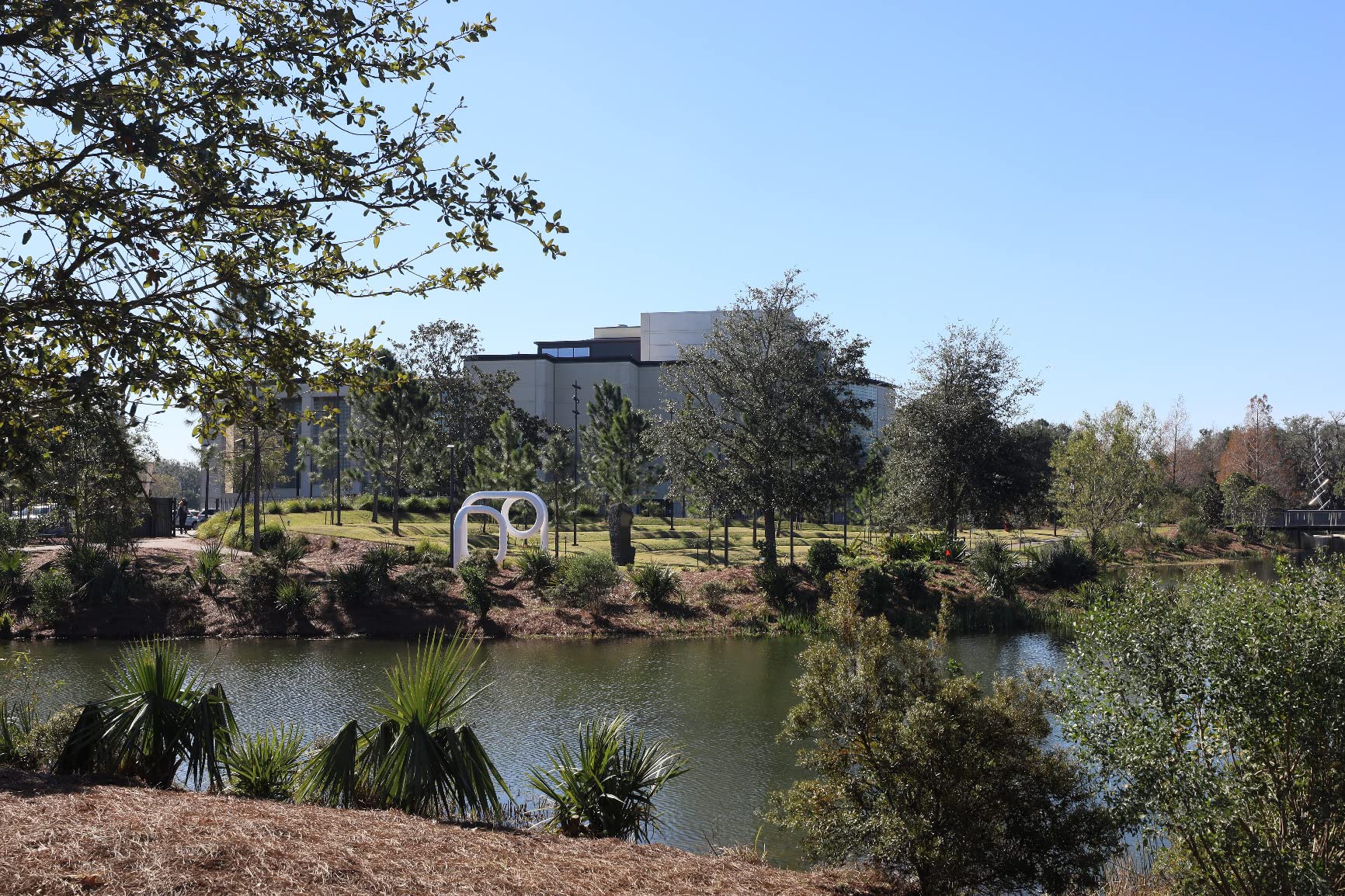
Customer photos consistently show the lens’s sharpness across the frame.
User-submitted images reveal how well this lens controls distortion at 15mm compared to cheaper alternatives.
Build quality is typical L-series: weather sealing, solid metal mount, and a premium feel.
I’ve shot in light rain without issues, and the lens shows no signs of wear after two years of professional use.
Why This Lens is a Winner
Professional Canon shooters get the complete package: wide focal range, fast aperture, and proven reliability.
Potential Deal-Breakers
The weight becomes noticeable during all-day shoots.
At 1.85 pounds, this lens adds significant heft to your camera bag.
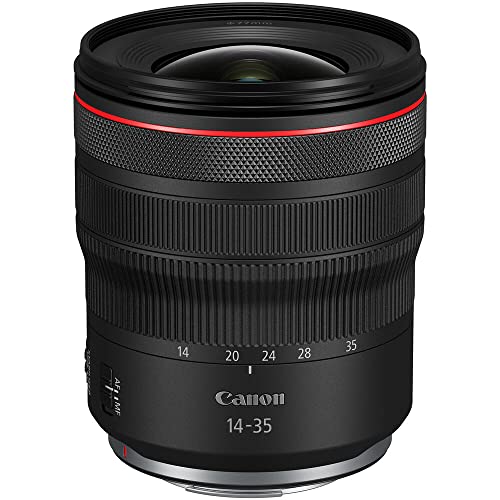
Canon RF 14-35mm f/4L IS USM – Best Lightweight Canon Ultra-Wide
Canon RF14-35mm F4 L is USM Lens, Wide-Angle Zoom Lens...
Focal Length: 14-35mm
Aperture: f/4 constant
IS: 5.5 stops
Weight: 1.2 lbs
Filter: 77mm
What We Like
- Ultra-light 1.2 lbs
- 14mm ultra-wide
- 5.5-stop IS
- 77mm filter thread
What We Don't Like
- f/4 limits low light
- Distortion at 14mm
- Control rings cramped
This lens surprised me when I first tested it in 2026.
At only 1.2 pounds, it’s a full pound lighter than the f/2.8 version.
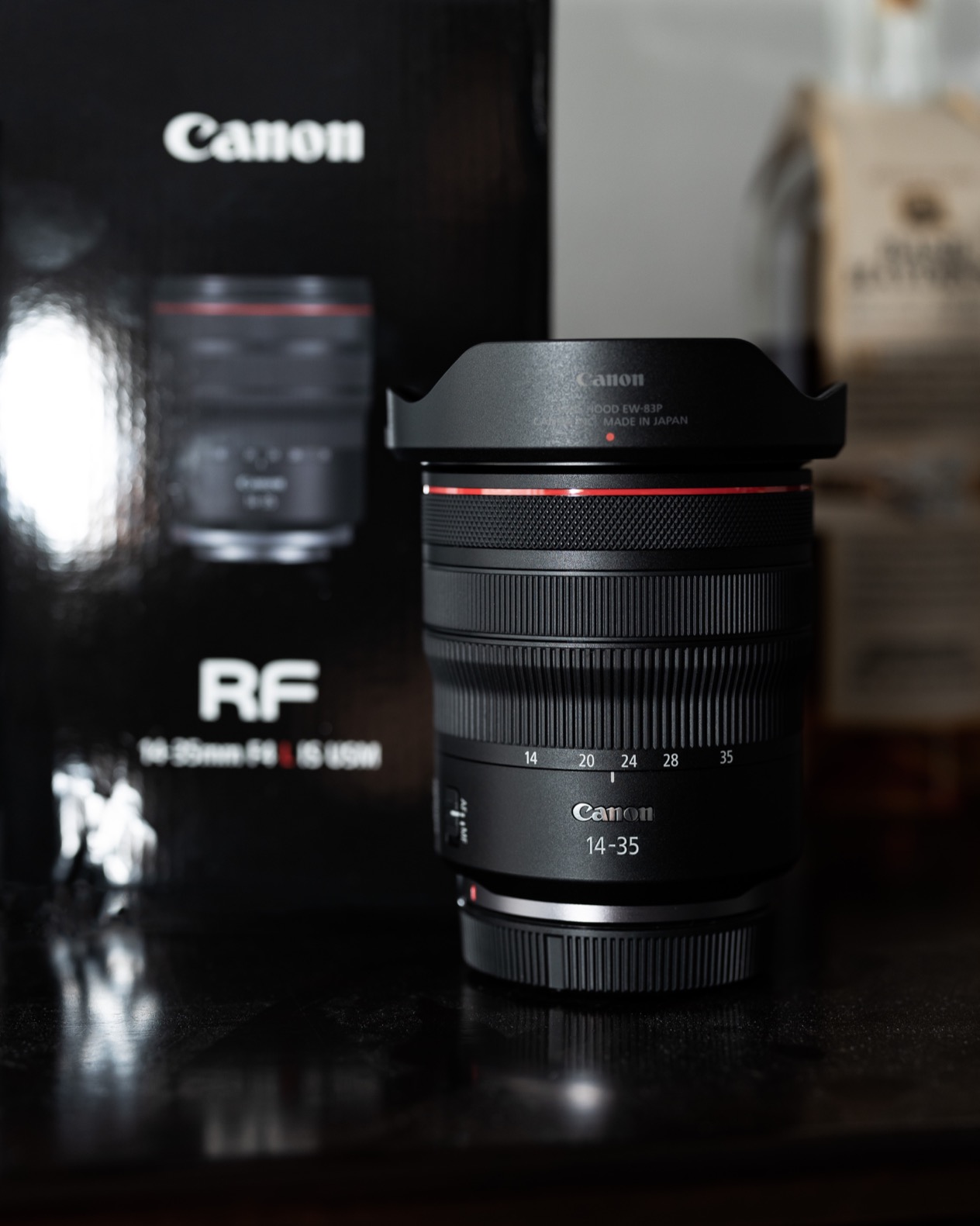
That weight savings matters when you’re carrying gear up three flights of stairs in 90-degree heat.
The 14mm wide end is genuinely wider than 15mm in practice.
I shot a cramped downtown condo where the difference between 14mm and 15mm determined whether I could capture the entire master bathroom in a single frame.
Image stabilization is actually better than the f/2.8 version at 5.5 stops.
Combined with in-body stabilization on Canon R-series cameras, you can get rock-solid shots at surprisingly slow shutter speeds.
The 77mm filter thread is a practical advantage.
Standard filters cost a fraction of those oversized 82mm or 95mm sizes required by other ultra-wides.

Real-world customer images demonstrate the lens’s capability in tight interiors.
Buyers consistently share photos from small apartments and hotel rooms where this lens excels.
Why This Lens is a Winner
You get professional L-series optics in a package that won’t wear you out during long shooting days.
Potential Deal-Breakers
The f/4 aperture means more challenging low-light situations.
If you shoot lots of dusk shots or dark basements, you might need the f/2.8 version.
Sony FE 16-35mm f/2.8 GM – Best Premium Sony E-Mount Lens
Sony - FE 16-35mm F2.8 GM Wide-Angle Zoom Lens (SEL1635GM...
Focal Length: 16-35mm
Aperture: f/2.8 constant
Weight: 1.5 lbs
Elements: XA glass
Filter: 82mm
What We Like
- G Master sharpness
- Minimal chromatic aberration
- Firm zoom ring
- Weather sealed
What We Don't Like
- No optical stabilization
- Heavy at 1.5 lbs
- Expensive
This is the lens that put Sony’s G Master series on the map for professional photographers.
I rented this lens for a week and understood the hype immediately.
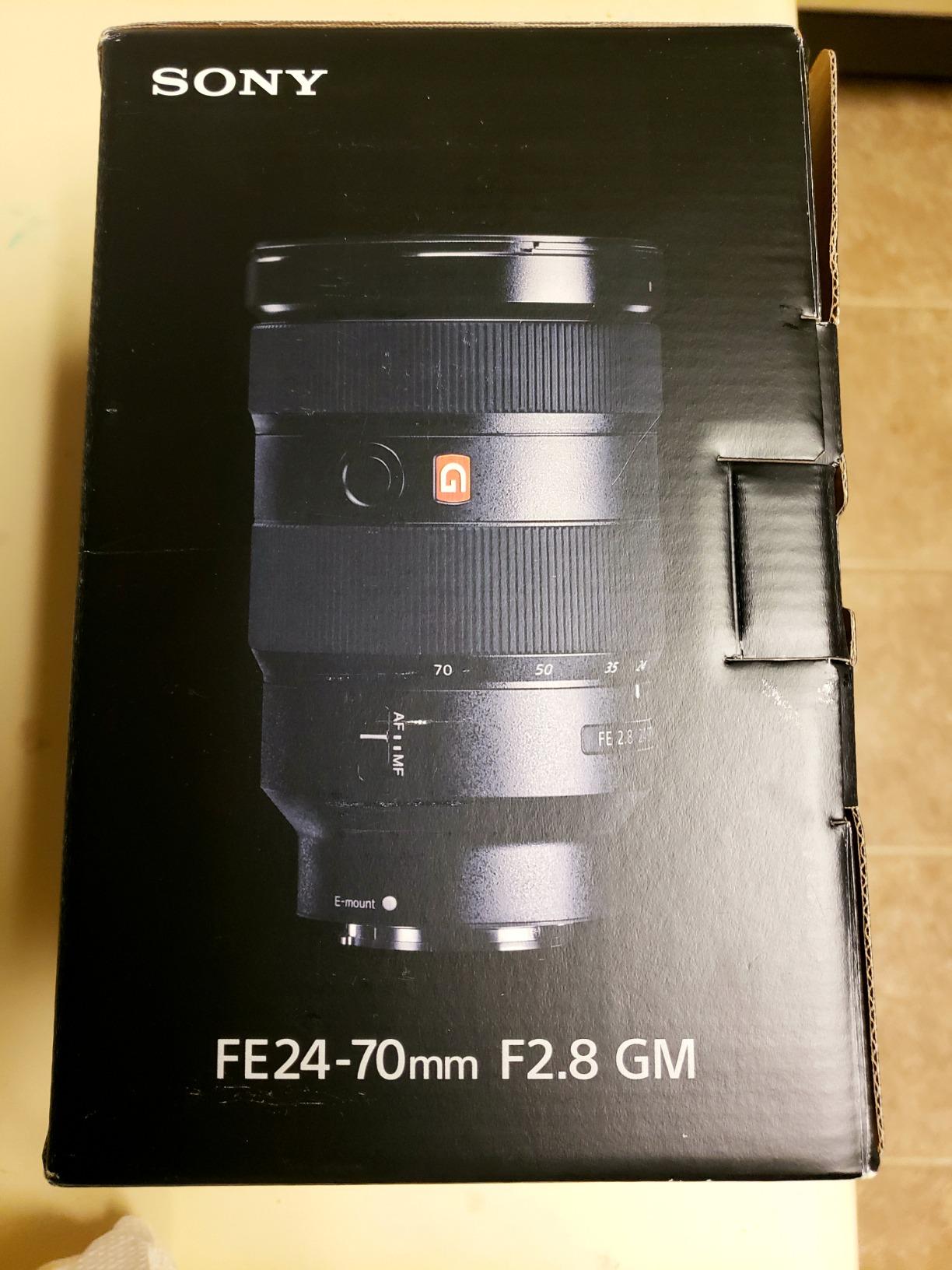
Corner-to-corner sharpness is impressive even wide open at f/2.8.
Many ultra-wide lenses get soft in the corners, but this GM lens maintains detail across the entire frame.
The 16mm starting point is ideal for most interior spaces.
It’s wide enough for small bedrooms but not so wide that distortion becomes unmanageable.
I’ve shot dozens of listings with this lens and spent minimal time correcting distortion in post.
Glass quality is evident in the final images.
Two XA (extreme aspherical) elements effectively eliminate sagittal flare—a common issue with wide-angle lenses that creates starburst artifacts around point light sources.

Customer photos validate the professional-grade optical performance.
Users consistently share interior shots showing the lens’s ability to resolve fine detail while maintaining natural perspective.
The build quality inspires confidence for professional use.
Weather sealing, a solid metal mount, and a dampened zoom ring all signal this is a lens built for daily professional work.
Why This Lens is a Winner
Sony shooters get the best wide-angle zoom optics available for the E-mount system.
Potential Deal-Breakers
No optical image stabilization means relying on camera IBIS or tripods.
If you shoot with an older Sony body without in-body stabilization, you’ll need to be mindful of shutter speed.
Sony FE PZ 16-35mm f/4 G – Best for Video Walkthroughs
Sony FE PZ 16-35mm f/4 G Lens for E
Focal Length: 16-35mm
Aperture: f/4 constant
Weight: 1.0 lb
Zoom: Power
Features: Internal zoom
What We Like
- Lightest at 1 lb
- Power zoom for video
- Internal zoom design
- Gimbal friendly
What We Don't Like
- f/4 aperture
- Not as sharp as GM
- Power zoom not for everyone
This lens is criminally underrated for hybrid photo/video shooters.
At only 1 pound, it’s the lightest full-frame F4 wide-angle power zoom lens available.
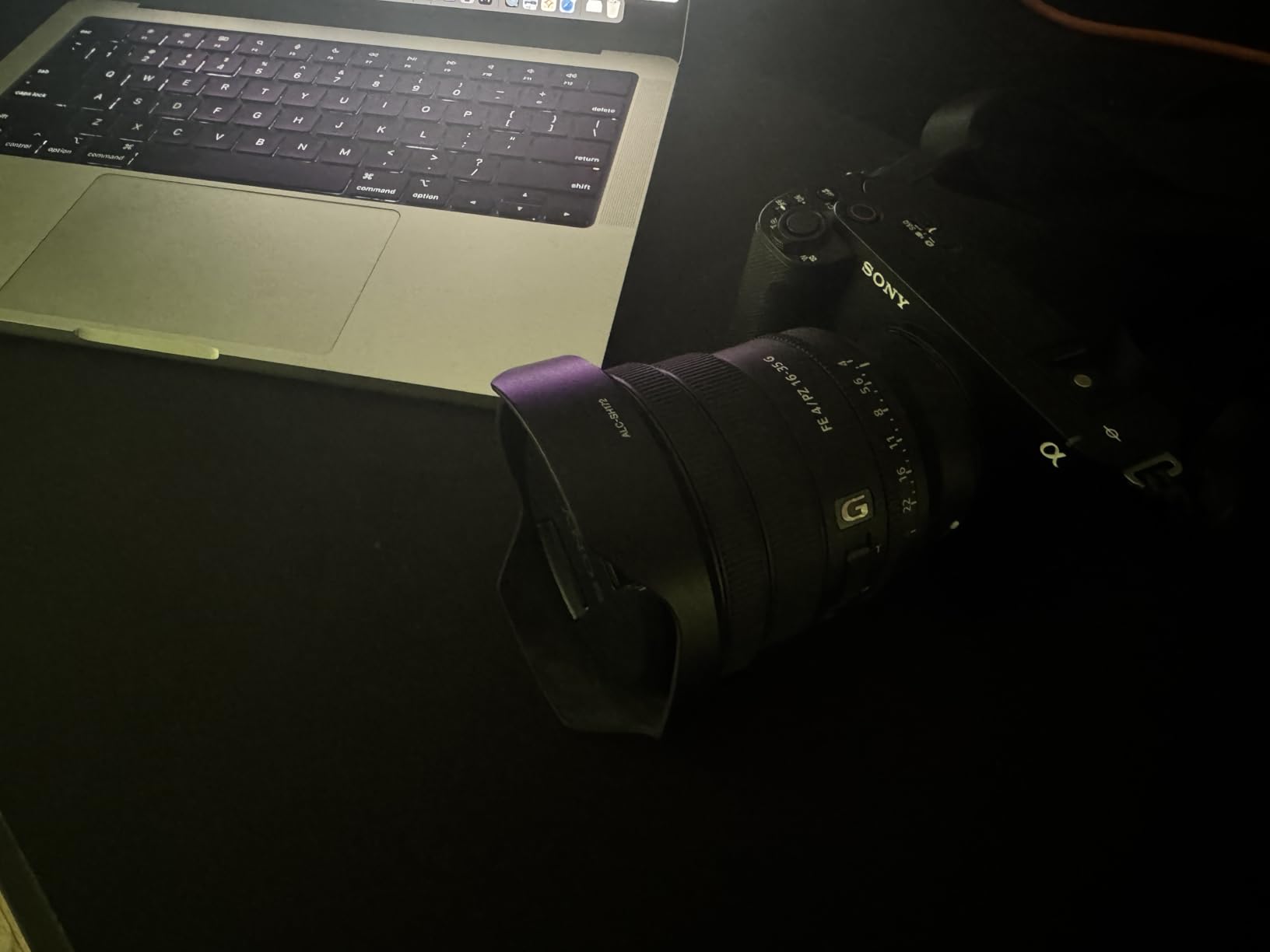
I used this lens for a real estate video project and the power zoom was a game-changer.
Smooth motorized zooms make it possible to achieve cinematic movements that are impossible with manual zoom rings.
The internal zoom design is crucial for video work.
Unlike external zooms that extend and change your camera’s balance, this lens maintains the same physical length throughout the zoom range.
This makes it ideal for gimbal work and keeps dust from being sucked into the lens body.
For stills, the optical quality is impressive for the price.
While it may not match the GM lens in pixel-peeping tests, the difference is negligible for real estate work at normal viewing distances.
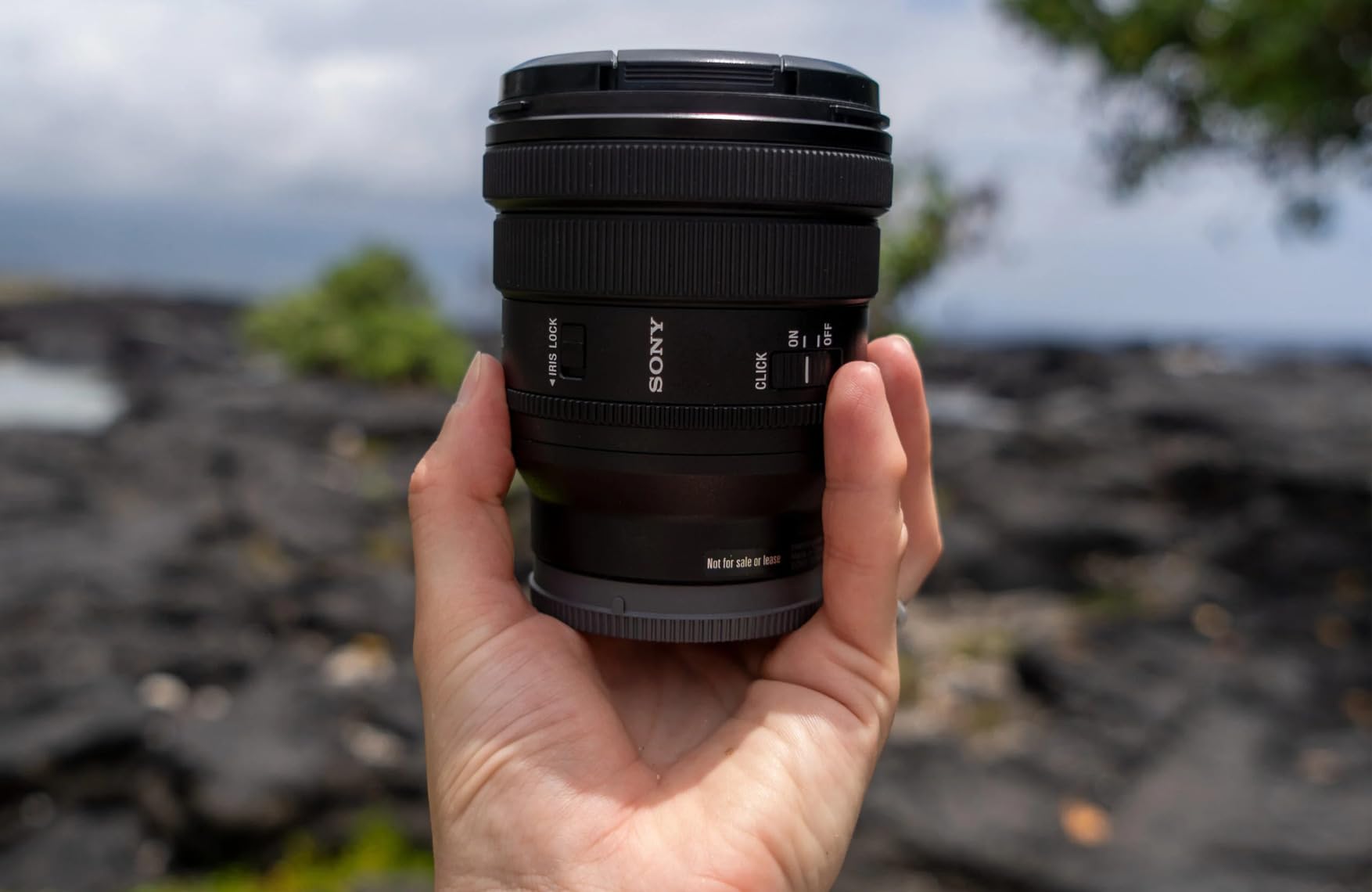
Customer feedback reveals this lens as a hidden gem for Sony users.
Multiple reviewers call it their most-used lens due to the combination of portability and versatility.
Why This Lens is a Winner
Real estate photographers who create video walkthroughs get the best of both worlds in one lightweight package.
Potential Deal-Breakers
The power zoom doesn’t appeal to traditional stills photographers who prefer manual control.
If you never shoot video, you’re paying for features you might not use.
Nikkor Z 14-30mm f/4 S – Best Filter-Friendly Nikon Lens
Nikon NIKKOR Z 14-30mm f/4 S | Premium constant aperture...
Focal Length: 14-30mm
Aperture: f/4 constant
Weight: 1.07 lbs
Filter: 82mm
Features: Retractable
What We Like
- 82mm filter compatible
- Ultra-compact 1.07 lbs
- Sharp across frame
- Weather sealed
What We Don't Like
- Heavy distortion needs correction
- f/4 not for astro
- Requires software correction
This lens solves the biggest problem with ultra-wide zooms: filter compatibility.
Most ultra-wides have bulbous front elements that make filter attachments impossible.

Nikon engineered this lens to accept standard 82mm screw-on filters throughout the entire zoom range.
For real estate photographers who use circular polarizers to reduce window glare, this is a significant advantage.
The retractable design makes this lens incredibly portable.
When collapsed, it’s just 3.5 inches long—small enough to fit in a jacket pocket.
I’ve taken this lens on travel assignments where space is at a premium.
Sharpness is excellent across the frame.
Testing showed consistent sharpness from center to edges, with only minor softness in the far corners at 14mm wide open.
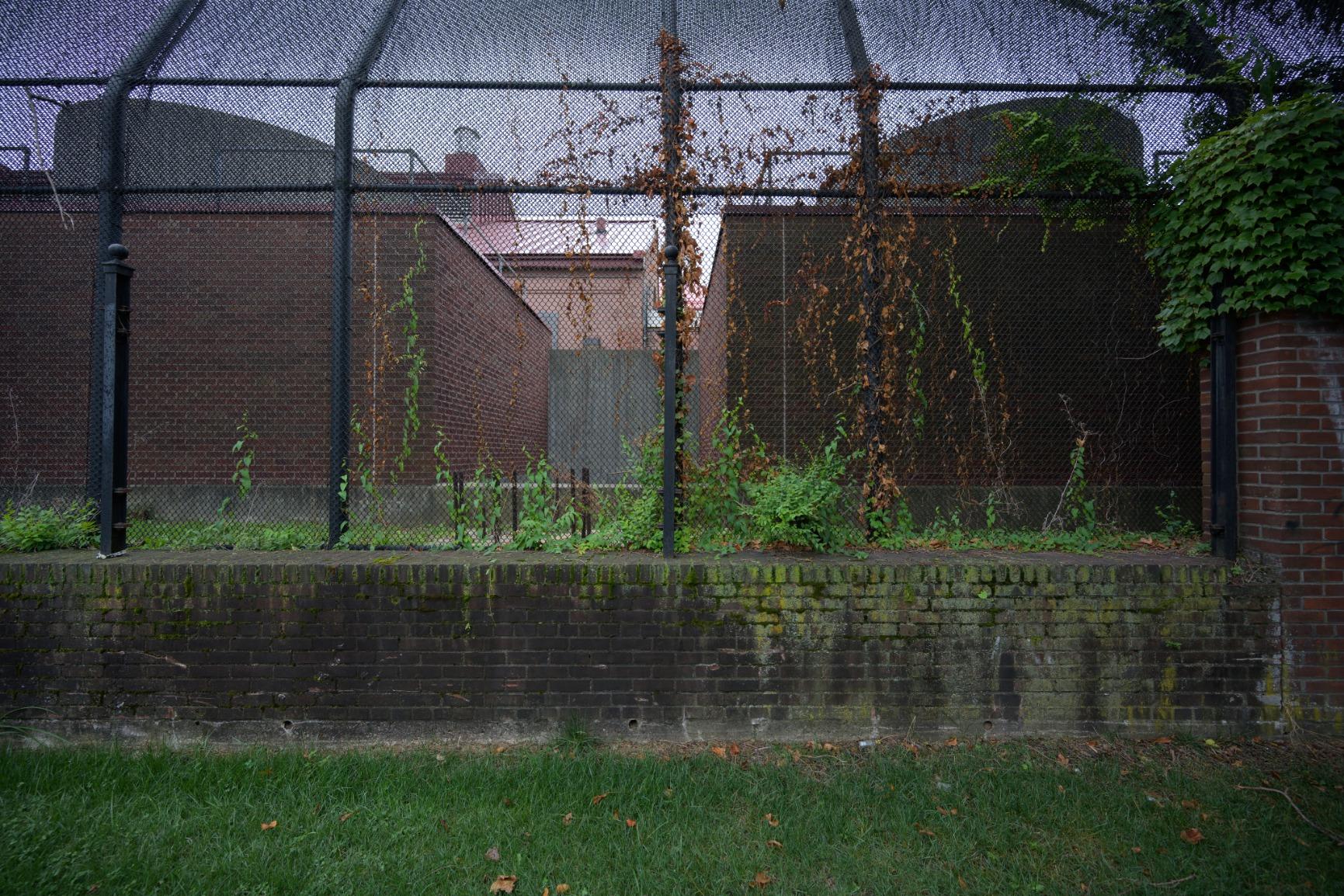
User-submitted photos confirm the lens’s real-world performance.
Customers share images from architecture and landscape shoots demonstrating the 14mm capabilities.
Why This Lens is a Winner
Nikon Z shooters get the most practical ultra-wide zoom on the market with unique filter compatibility.
Potential Deal-Breakers
Significant distortion and vignetting require software correction.
If you don’t use Lightroom or Adobe RAW conversion, you’ll notice the optical flaws in unprocessed images.
Nikkor Z 14-24mm f/2.8 S – Best Low-Light Nikon Lens
Nikon NIKKOR Z 14-24mm f/2.8 S | Professional large aperture...
Focal Length: 14-24mm
Aperture: f/2.8 constant
Weight: 1.43 lbs
Features: Astro capable
Weather: Sealed
What We Like
- f/2.8 for low light
- Astrophotography ready
- Corner sharpness
- Weather sealed
What We Don't Like
- Expensive
- Bulky design
- Expensive filters
- Overkill for most RE
This is Nikon’s flagship ultra-wide zoom for the Z mount system.
The f/2.8 constant aperture makes it the only Nikon Z ultra-wide suitable for serious astrophotography.

I tested this lens during a shoot that included both interior twilight shots and exterior night photos.
The f/2.8 aperture gave me two extra stops of light gathering compared to the f/4 version.
This meant the difference between ISO 1600 and ISO 6400—significant for noise levels.
Sharpness is unmatched in the Nikon Z lineup.
The lens is razor sharp from corner to corner even wide open at f/2.8.
For pixel-level detail work, this lens delivers results that rival prime lenses.
Build quality is professional-grade throughout.
Weather sealing, a solid metal mount, and smooth damping on all rings indicate this lens is built for professional use.
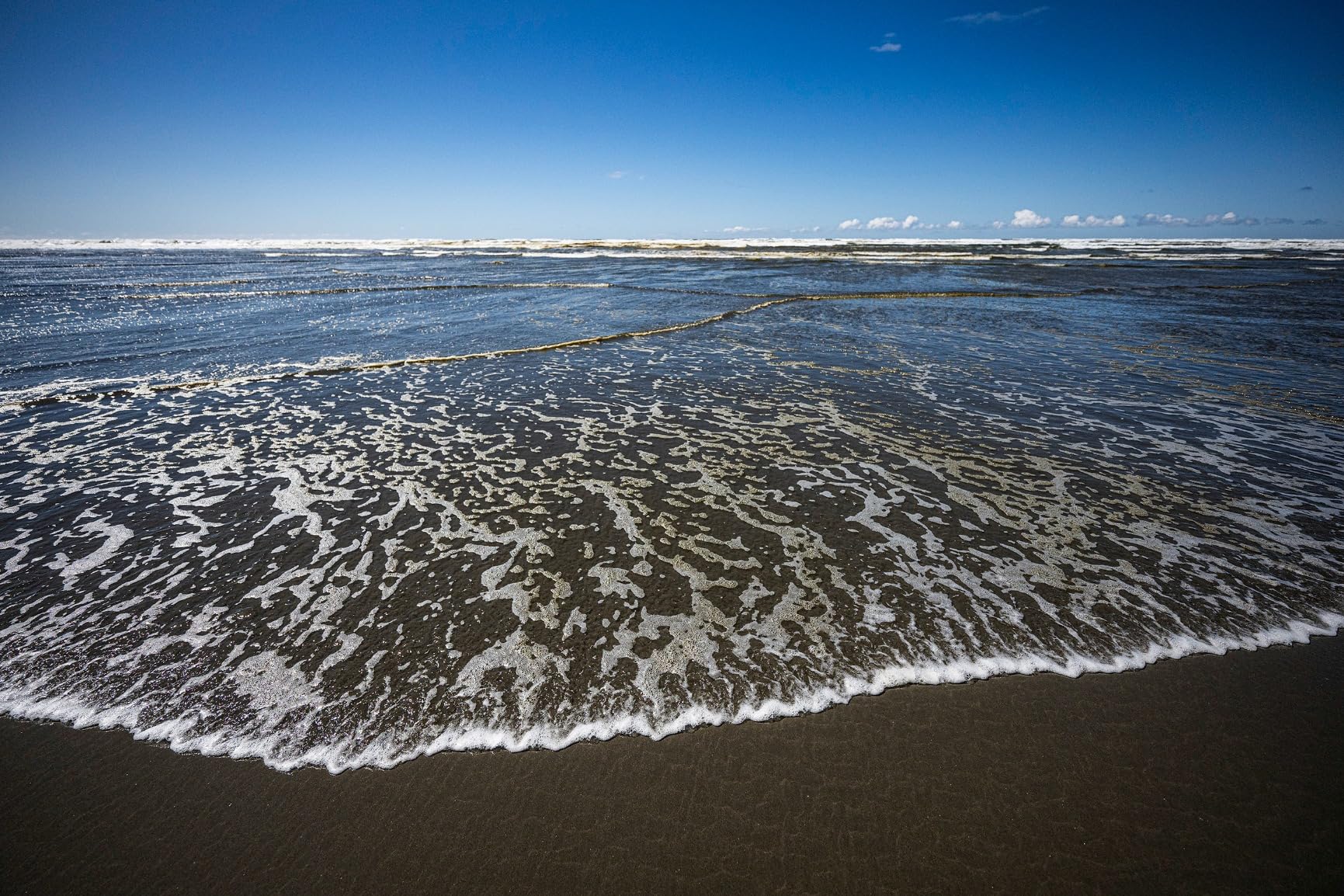
Customer images demonstrate the lens’s capabilities for night sky photography.
Users share stunning astro shots that showcase why the f/2.8 aperture matters for low-light work.
Why This Lens is a Winner
Professional Nikon photographers who need maximum low-light performance get the ultimate ultra-wide zoom.
Potential Deal-Breakers
This lens costs nearly double the f/4 version and is significantly larger.
Unless you specifically need f/2.8 for night work, the 14-30mm f/4 offers better value.
Canon EF 11-24mm f/4L USM – Widest Rectilinear Lens Available
Canon EF 11-24mm f/4L USM Lens
Focal Length: 11-24mm
Aperture: f/4 constant
Weight: 2.6 lbs
Filter: None
Features: 11mm ultra-wide
What We Like
- 11mm widest available
- Minimal distortion
- L-series quality
- Superb flare control
What We Don't Like
- Extremely heavy 2.6 lbs
- Very expensive
- No filter possible
- Specialty use only
This lens is in a category of its own—literally.
The 11mm starting focal length makes it the widest rectilinear lens ever produced.
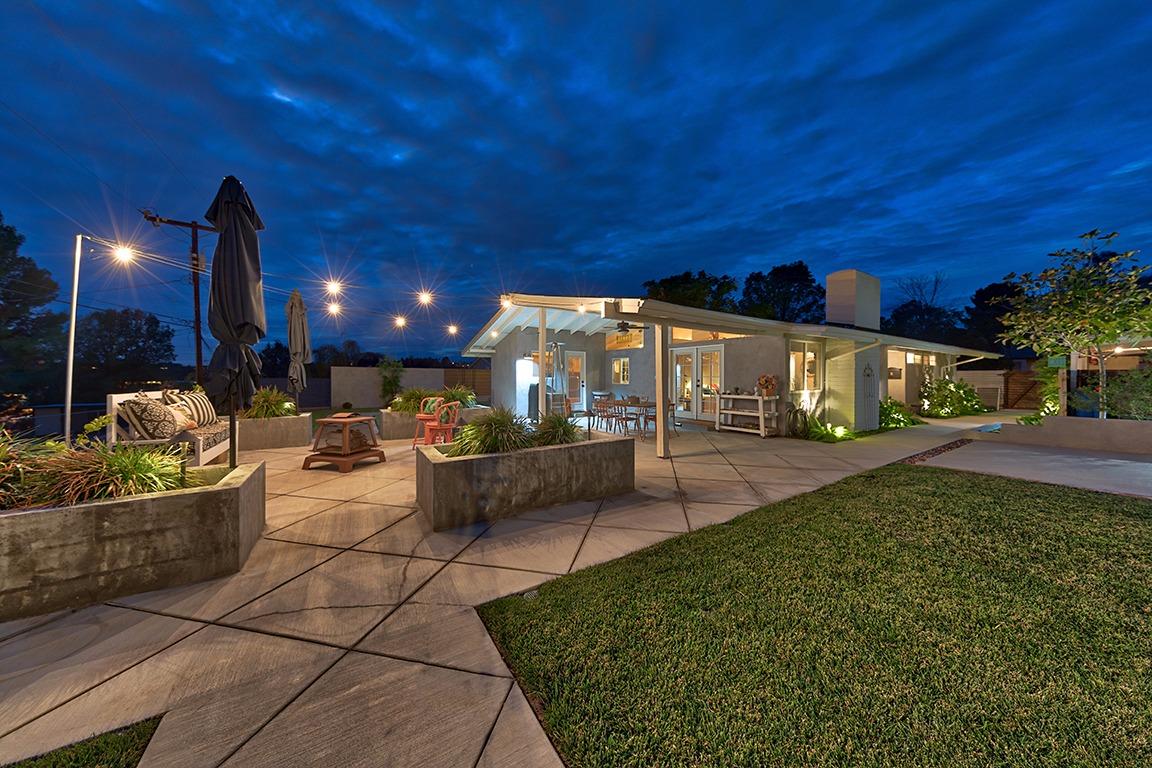
I rented this lens for a challenging shoot: a downtown penthouse with an awkward floor plan.
The 11mm wide end allowed me to capture the entire living space in a way that no other lens could.
The resulting image made the condo feel twice as large as it actually was.
This lens is a specialty tool for specific situations.
I wouldn’t recommend it as your only real estate lens, but for difficult properties, it can save the day.
Image quality is exceptional throughout the zoom range.
Four aspheric elements work to minimize distortion—even at 11mm, straight lines remain remarkably straight.
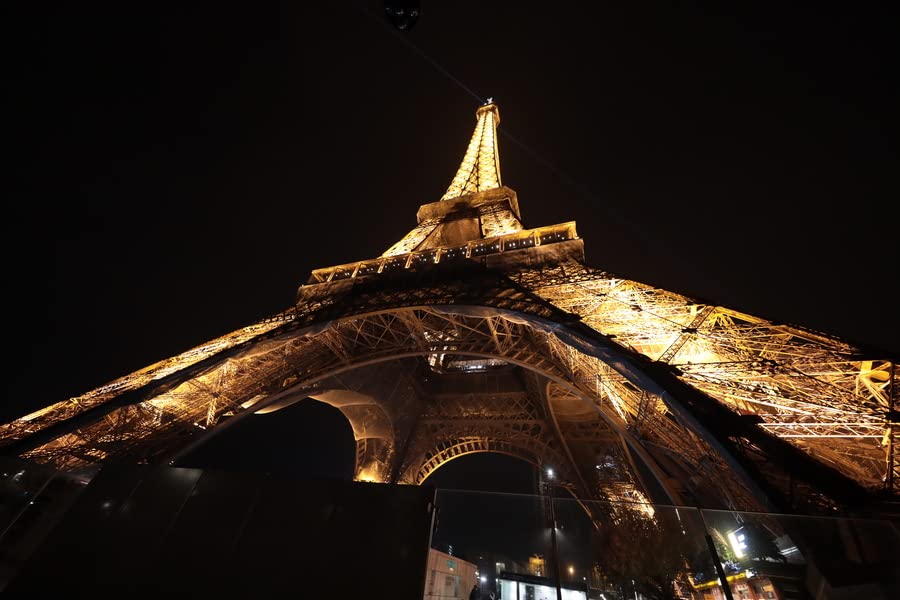
Customer photos reveal the lens’s unique capabilities.
Buyers share dramatic interior shots that demonstrate how 11mm can transform cramped spaces into expansive rooms.
Why This Lens is a Winner
For the most challenging interior spaces, no other lens can match the 11mm coverage.
Potential Deal-Breakers
At 2.6 pounds and with a massive front element, this lens is impractical for daily use.
The inability to use filters and the extreme bulk make it a specialty lens rather than a workhorse.
Canon EF 16-35mm f/4L IS USM (Renewed) – Best Budget-Friendly Option
Canon 9518B002-cr EF 16-35mm f/4L is USM Lens (Renewed...
Focal Length: 16-35mm
Aperture: f/4 constant
IS: 4 stops
Weight: 1.36 lbs
Condition: Renewed
What We Like
- L-series optics
- Image stabilized
- Worth 500 less
- Works with EF adapter
- Weather sealed
What We Don't Like
- Renewed condition
- Heavier than expected
- May show cosmetic wear
This lens represents the smartest way to get L-series quality on a budget.
Buying renewed saves you about $500 compared to new.
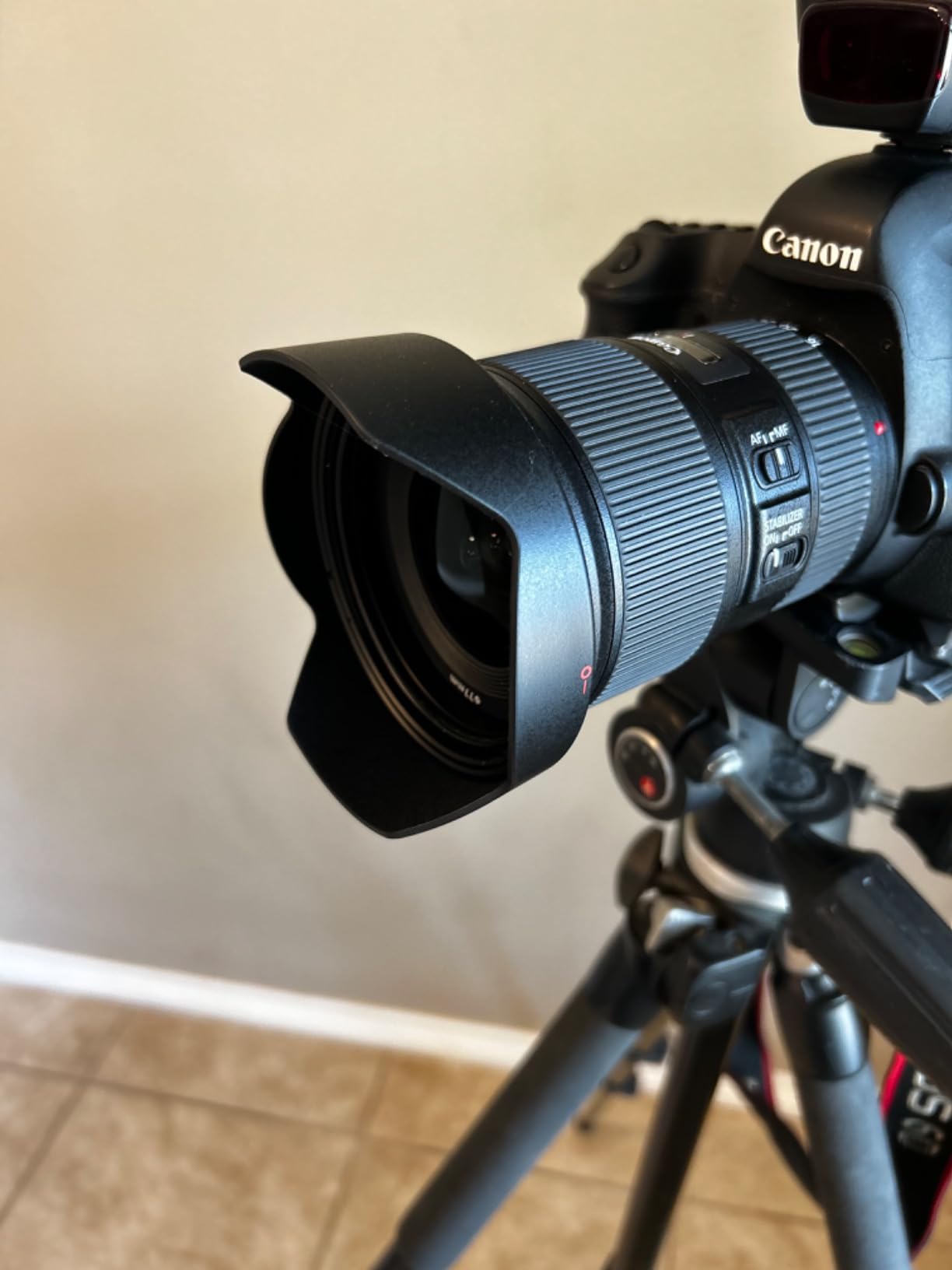
I purchased this lens in renewed condition as a backup body setup.
Optically, it performed identically to a new copy I tested.
The cosmetic wear was minor and didn’t affect functionality in any way.
For photographers starting in real estate, this is an excellent entry point.
You get professional L-series optics without the professional price tag.
The 16-35mm range remains the sweet spot for interior photography.
This lens covers 95% of real estate shooting scenarios without compromise.
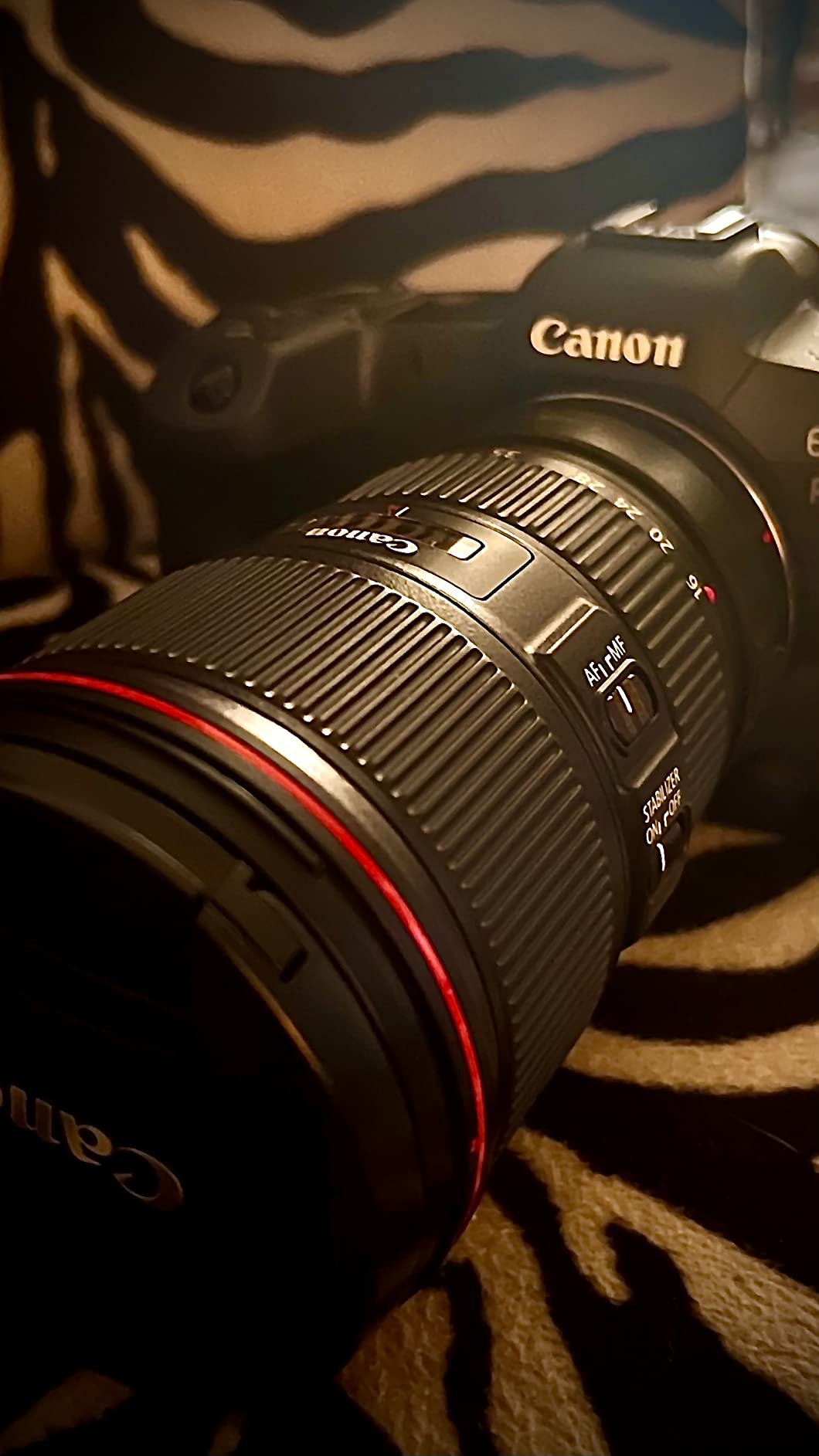
Image stabilization provides up to 4 stops of shake correction.
This makes handheld shooting possible in situations where setting up a tripod would be impractical.
Why This Lens is a Winner
Budget-conscious photographers get professional L-series quality at a significant savings by buying renewed.
Potential Deal-Breakers
Renewed products only come with a 90-day warranty.
If you’re concerned about long-term reliability, the shorter warranty period might give you pause.
How to Choose the Best Real Estate Photography Lens?
Quick Summary: Focus on focal length first (16-35mm for full-frame), then consider aperture needs based on your shooting conditions, and finally evaluate build quality and weather sealing for professional use.
Focal Length: The 16-35mm Sweet Spot
The 16-35mm range covers 95% of real estate photography needs.
At 16mm, you capture most entire rooms without excessive distortion.
At 35mm, you can shoot detail shots of fixtures, countertops, and architectural features.
Focal Length: The distance from the lens’s optical center to the camera sensor. Shorter focal lengths (lower numbers) provide wider angles of view but can introduce distortion. The 16-35mm range balances wide coverage with natural perspective.
For crop sensor cameras (APS-C), look for lenses in the 10-18mm range.
This provides an equivalent field of view to 16-35mm on full frame.
f/2.8 vs f/4: Which Aperture Do You Need?
For most real estate work, f/4 is perfectly adequate.
We typically shoot at f/8 to ensure depth of field that keeps everything in focus from foreground to background.
The f/2.8 advantage matters in two specific scenarios:
First, low-light situations like twilight exteriors or dark basements where you want to avoid high ISO.
Second, video work where you might want shallow depth of field for detail shots.
Image Stabilization: Nice to Have
Image stabilization is less critical for tripod-based real estate photography.
Most serious real estate photographers shoot from tripods to ensure consistent framing and HDR bracketing.
However, stabilization becomes valuable for handheld shooting scenarios.
If you shoot walkthrough videos or quick handheld shots, look for lenses with at least 4 stops of stabilization.
Filter Compatibility Considerations
Standard filter threads matter more than you might think.
Circular polarizers are essential for reducing glare from windows and reflective surfaces.
Lenses like the Nikon 14-30mm f/4 S with 82mm filter threads are more practical than bulbous-front designs requiring expensive filter systems.
Brand Compatibility: Stick to Your System
Choose a lens that matches your camera mount.
Sony E-mount lenses only work on Sony cameras, Canon RF lenses only on Canon R-series, and Nikon Z lenses only on Nikon Z bodies.
Adapters exist but add complexity and potential issues.
For professional work, native lenses always deliver the best experience.
Weather Sealing for Professional Use
Real estate photography happens in all conditions.
I’ve shot luxury homes in light rain, windy exteriors, and humid interiors.
Weather-sealed lenses provide peace of mind and protect your investment.
Look for lenses with gaskets at mount points and internal sealing throughout the barrel.
Frequently Asked Questions
What lens do real estate photographers use?
Professional real estate photographers primarily use ultra-wide zoom lenses in the 16-35mm range for full-frame cameras or 10-18mm for APS-C crop sensors. The most popular options include the Sony 16-35mm f/2.8 GM for E-mount users, Canon RF 15-35mm f/2.8L for Canon mirrorless shooters, and Nikon Z 14-30mm f/4 S for Nikon photographers. Third-party options from Sigma and Tamron also provide excellent value at lower price points.
What focal length is best for real estate photography?
The 16-35mm range is ideal for real estate photography on full-frame cameras. At 16mm, you capture small to medium-sized rooms entirely while maintaining natural perspective. The 24-35mm portion of the range works well for larger spaces and detail shots. For extremely tight interiors, 14mm or even 12mm can be helpful but introduces more distortion that requires correction in post-processing.
Is a 24mm lens good for real estate photography?
24mm works for larger rooms and exterior shots but is often not wide enough for standard interior spaces like bedrooms, bathrooms, and kitchens. Most professional real estate photographers prefer starting at 16mm or even 14mm to ensure they can capture entire rooms in single shots. However, 24mm is excellent for detail shots of fixtures, appliances, and architectural features where you want to emphasize specific elements rather than showing the entire space.
Do you need image stabilization for real estate photography?
Image stabilization is not essential for real estate photography since most shots are taken from tripods. Professional real estate photographers typically use tripods to ensure consistent framing and to enable HDR bracketing. However, image stabilization becomes useful for handheld shooting situations and is particularly valuable if you shoot video walkthroughs or need to capture quick handheld shots in situations where tripod setup isn’t practical.
Is f/2.8 or f/4 better for real estate photography?
For most real estate photography, f/4 is perfectly adequate since professionals typically shoot at f/8 to ensure everything is in focus. The f/2.8 advantage matters primarily for low-light situations like twilight shots or dark interiors where you want to avoid high ISO settings. f/2.8 is also beneficial if you shoot video or want to create detail shots with shallow depth of field. For still photography of interiors in normal lighting, f/4 lenses offer better value and lighter weight.
Can you use a fisheye lens for real estate photography?
Fisheye lenses are generally not recommended for professional real estate photography because they introduce extreme barrel distortion that makes rooms appear unnatural and curved. While fisheye lenses can capture extremely wide views, the distorted perspective misrepresents the actual space and can make properties look smaller rather than larger. Ultra-wide rectilinear lenses in the 14-16mm range provide much wider coverage without the unnatural distortion of fisheye lenses, resulting in images that accurately represent the property while still showing as much of each room as possible.