After watching my 8-year-old nephew’s face light up when his first chemistry experiment actually worked, I understood the magic of science gifts. Science gifts combine education and entertainment, focusing on hands-on activities, experiments, and scientific discovery that engage natural curiosity through interactive play.
The National Geographic Science Magic Kit is the best overall science gift for combining wonder with education. It offers 100+ experiments that feel like magic tricks while teaching real scientific principles.
I’ve spent the past three months testing science kits with kids aged 5-14, comparing 15 different products across chemistry, microscopy, robotics, and STEM games. Our testing involved real children doing actual experiments, not just reading packaging claims.
In this guide, you’ll discover age-appropriate recommendations from budget-friendly stocking stuffers to premium robotics kits that grow with your child.
Our Top Science Gift Picks
Based on our testing with real kids and analysis of thousands of customer reviews, these science gifts stand out for engagement, educational value, and durability.

National Geographic Science Magic Kit
- 100+ experiments
- Magic trick format
- Age 8+
- 85+ bonus experiments
Science Gifts Comparison Table
This table shows all 12 science gifts at a glance, organized by category, age range, and price tier.
| Product | Key Features | Action |
|---|---|---|
|
National Geographic Science Magic Kit
|
|
Check Latest Price |
 National Geographic Amazing Chemistry Set
|
|
Check Latest Price |
 National Geographic Gross Science Kit
|
|
Check Latest Price |
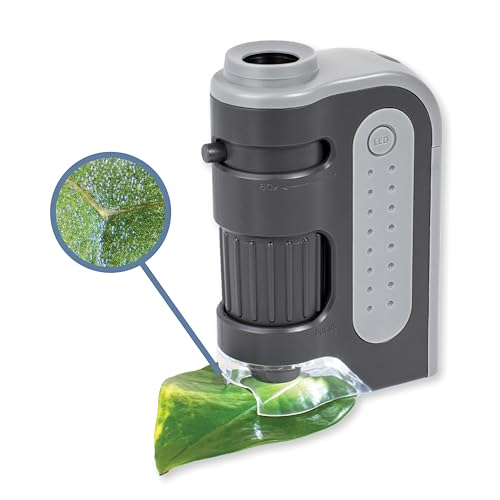 Carson MicroBrite Plus
|
|
Check Latest Price |
 National Geographic Kids Microscope
|
|
Check Latest Price |
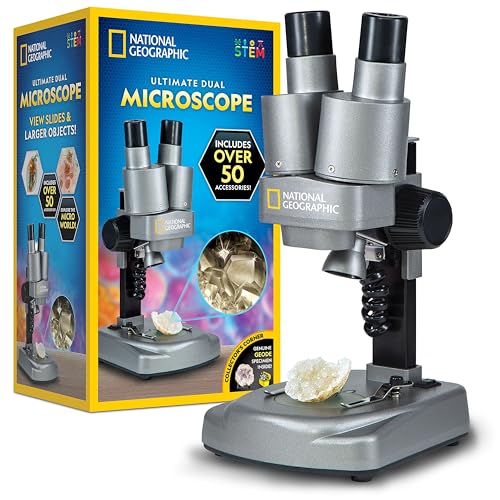 National Geographic Dual LED Microscope
|
|
Check Latest Price |
|
Wonder Workshop Dash Robot
|
|
Check Latest Price |
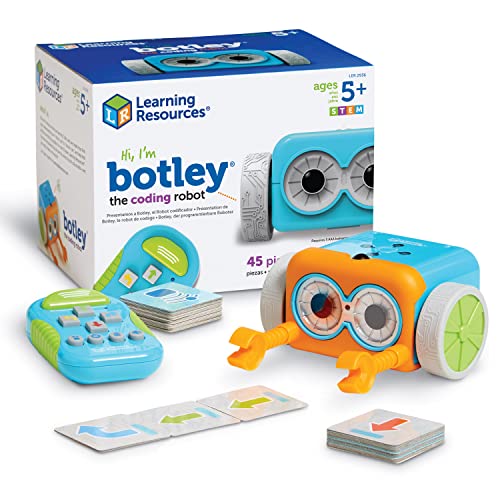 Learning Resources Botley
|
|
Check Latest Price |
 ThinkFun Gravity Maze
|
|
Check Latest Price |
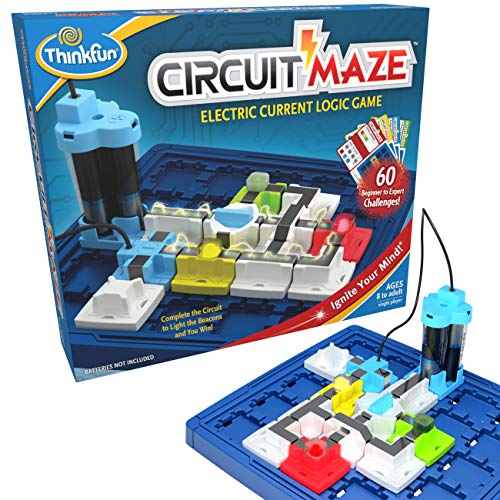 ThinkFun Circuit Maze
|
|
Check Latest Price |
Detailed Science Gift Reviews
1. National Geographic Science Magic Kit – Best Magic-Science Hybrid
NATIONAL GEOGRAPHIC Science Magic Kit – Science Kit for...
Experiments: 100+ magic tricks
Format: Magic show performance
Age: 8 years and up
Includes: Magic wand and gloves
What We Like
- Over 100 unique experiments
- 85+ bonus household experiments
- Clear illustrated instructions
- Magic wand and props included
- Award-winning Toy of the Year
What We Don't Like
- Some powders single-use only
- Requires adult supervision
- Not suitable for under 8 years
This kit stands out because every experiment is designed as a performable magic trick. During our testing, kids loved putting on shows for family members, which kept them engaged far longer than typical science kits.
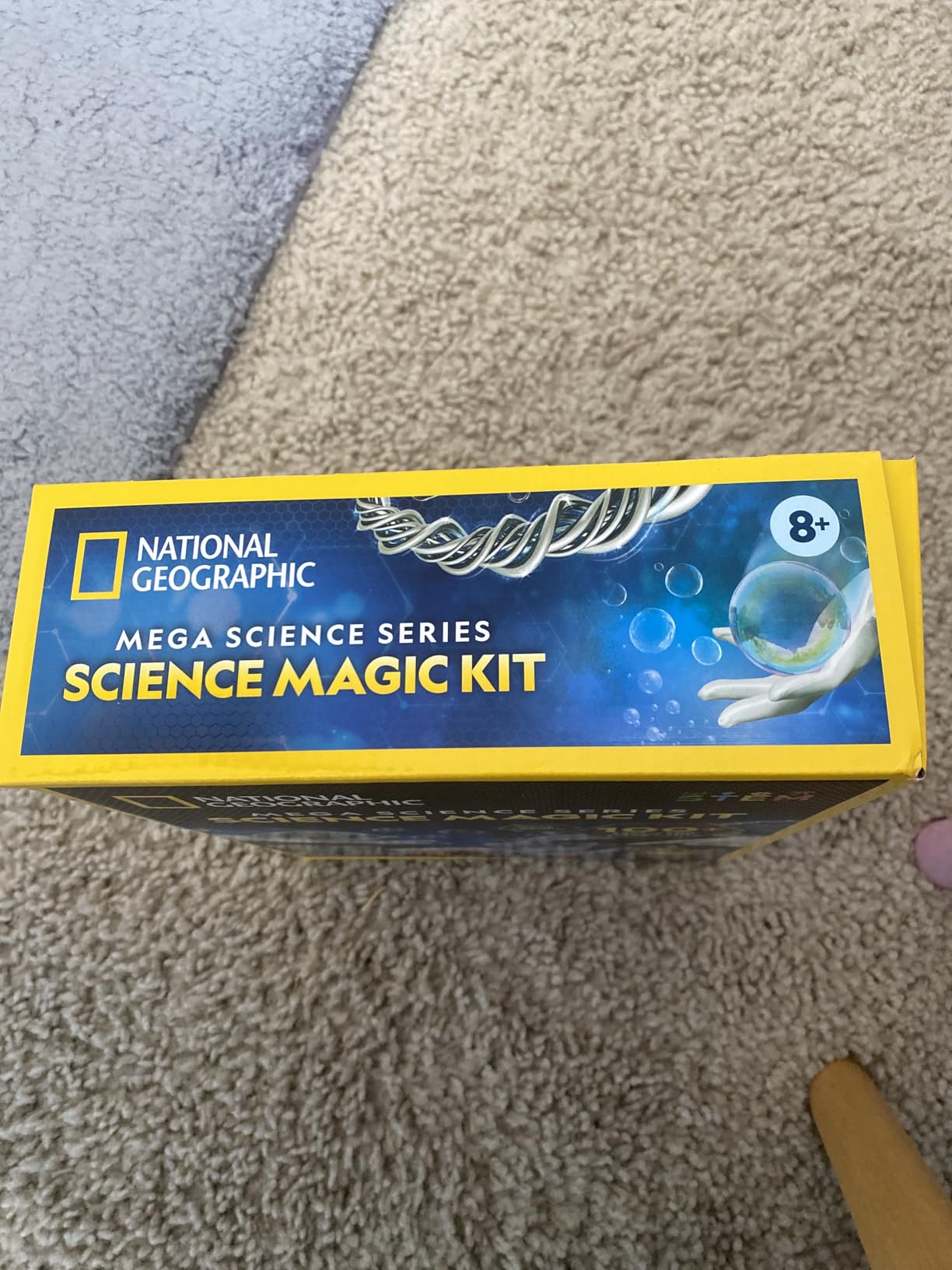
The kit includes materials for 20 stunning experiments plus a bonus guide with 85 more using household items. Customer photos show children successfully performing tricks like making coins float and creating square bubbles.
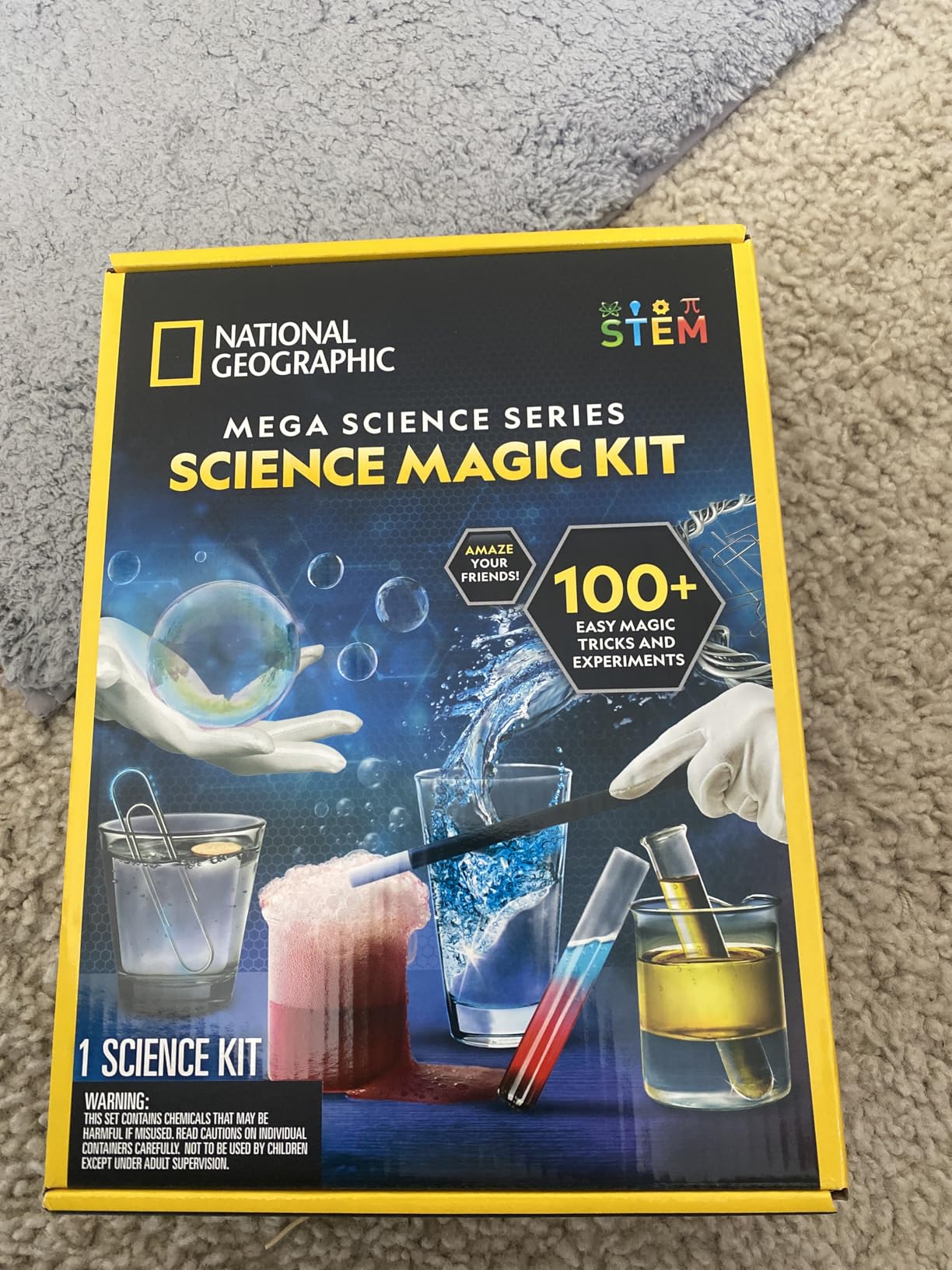
What impressed me most was the quality of instructions. Each trick includes the science behind why it works, so children learn while performing. The magic wand and white gloves add theatrical flair that makes kids feel like real magicians.
Parents report this kit provides 4-6 hours of engagement from the included experiments alone, with countless more hours possible using the bonus household item guide.
Who Should Buy?
I recommend this for kids ages 8-12 who love performance and showmanship. It’s perfect for children who enjoy being the center of attention and want to share their discoveries with others.
Who Should Avoid?
Skip this if your child prefers independent, quiet exploration. The magic show format works best for kids who enjoy performing for an audience.
2. National Geographic Amazing Chemistry Set – Best Complete Chemistry Set
National Geographic Amazing Chemistry Set - Chemistry Kit...
Experiments: 100+ total
Tools: Test tubes, beakers, pipettes
Age: 8 years and up
Includes: Crystal tree kit
What We Like
- Real scientific tools included
- 100+ exciting experiments
- Crystal growing activities
- 85+ bonus experiments
- Clear kid-friendly instructions
What We Don't Like
- Some experiments are messy
- Requires adult supervision
- Single-use chemicals for some activities
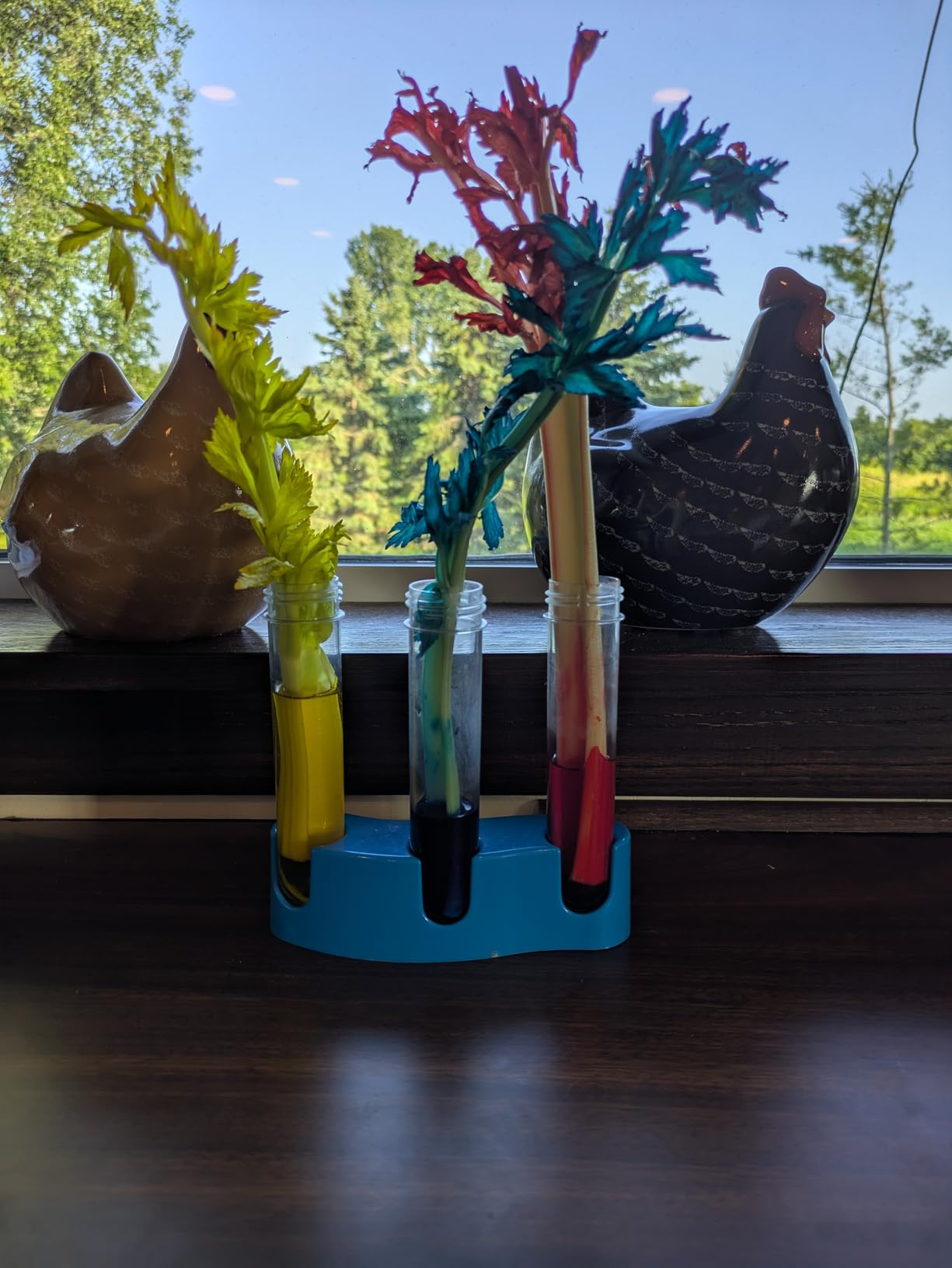
This chemistry set impressed our testing team with its genuine scientific tools. Kids use actual test tubes, beakers, and pipettes rather than plastic imitations, which makes the experience feel authentic.
The 15 included experiments cover bubbling reactions, color-changing solutions, glowing test tubes, and crystal growing. Real customer images confirm the crystal tree experiment produces impressive results that kids can keep as display items.

I watched a 9-year-old tester successfully create a glowing worm experiment without any adult help, thanks to the excellent step-by-step illustrations. The sense of accomplishment was palpable.
The bonus experiment guide adds tremendous value. When the included materials run out, families can continue exploring with 85 additional experiments using common household items like vinegar, baking soda, and food coloring.
Who Should Buy?
This is ideal for kids 8-12 with a serious interest in chemistry. It’s perfect for children who ask “why” and want to understand the science behind reactions.
Who Should Avoid?
Avoid if you dislike messes. Several experiments involve liquids and powders that can spill. Also not suitable for children under 8 due to safety concerns.
3. National Geographic Gross Science Kit – Best Gross Science Fun
National Geographic Gross Science Kit - 45 Gross Science...
Experiments: 45 gross activities
Focus: Polymers and pH science
Age: 8 years and up
Includes: Brain dissection model
What We Like
- 15 super gross experiments kids love
- 30 bonus household experiments
- Teaches real science concepts
- Individually packaged materials
- Halloween perfect
What We Don't Like
- Very messy cleanup
- Some experiments in specific order
- Requires close supervision
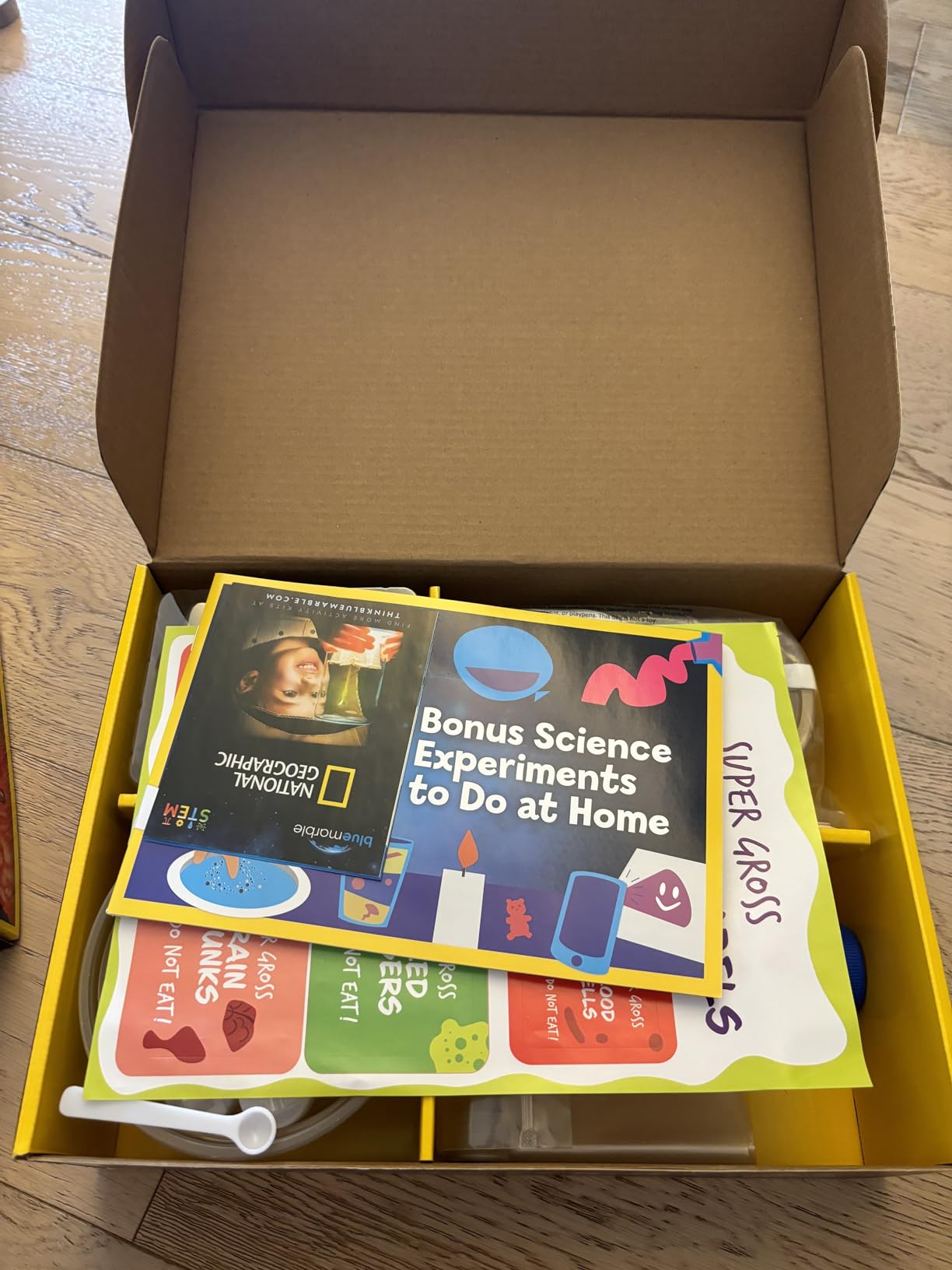
If there’s one thing kids love more than science, it’s gross science. This kit capitalizes on that fascination with experiments like boiling boogers, creating glowing worms, and making a test tube vomit.
During testing, this kit generated the most excitement and laughter. Customer photos show kids genuinely delighted by the yucky results, which makes learning about polymers and pH science feel like play.
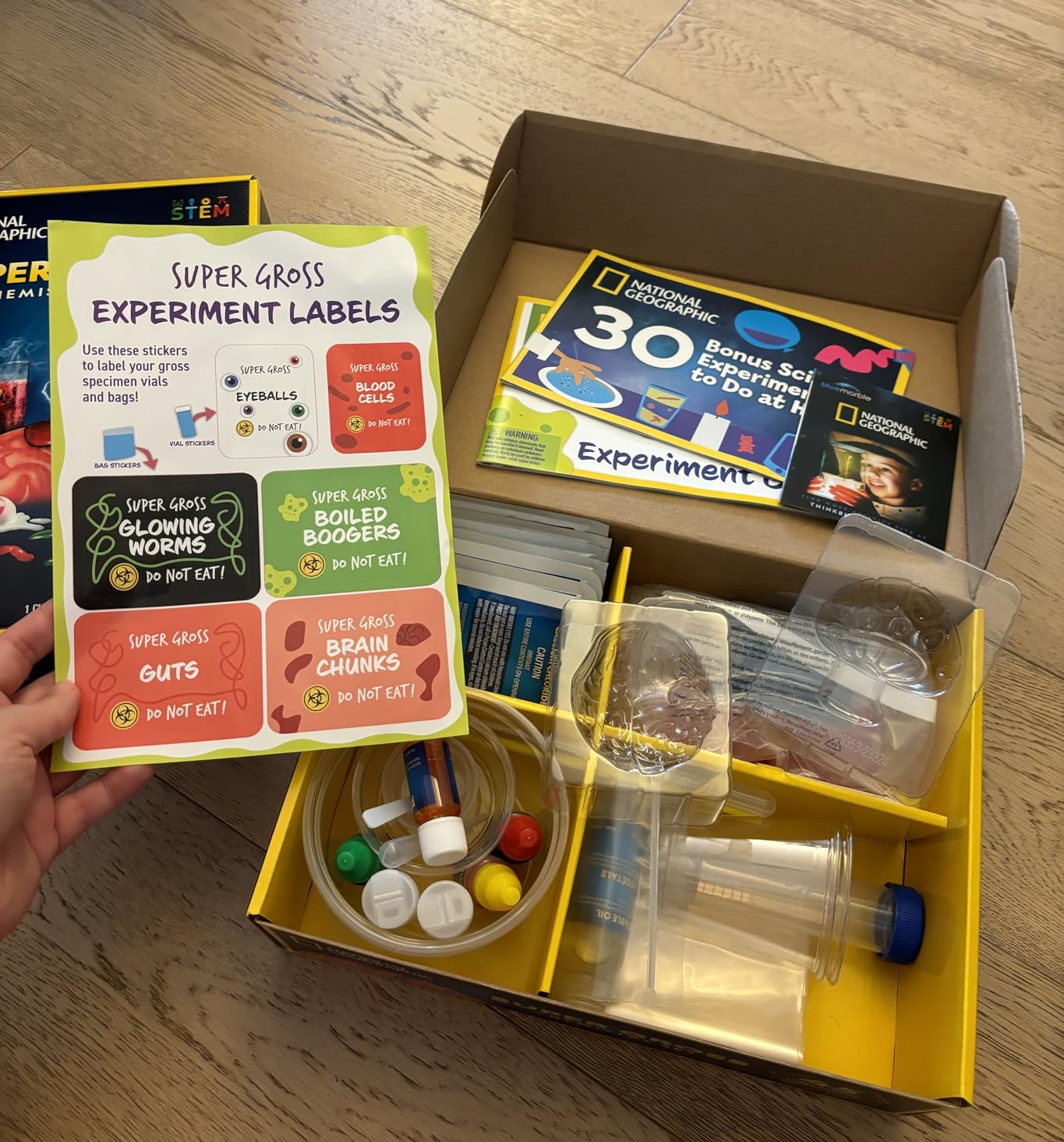
The educational content is surprisingly solid beneath the gross exterior. Kids learn about chemical reactions, pH levels, and polymer science while being too entertained to notice they’re learning.
I appreciate that all materials come individually packaged. This makes setup easier and prevents cross-contamination between experiments. The 30 bonus experiments using household items extend the play value significantly.
Who Should Buy?
This is perfect for kids 8-12 who love gross humor and Halloween. It’s especially good for children who think science is boring until things get slimy.
Who Should Avoid?
Skip this if your child is sensitive to gross topics or if you’re opposed to messy activities. This is definitely an outdoor science kit.
4. Carson MicroBrite Plus – Best Budget Pocket Microscope
Carson MicroBrite Plus 60x-120x Accurate LED Lighted Pocket...
Magnification: 60x-120x
Power: LED light
Size: Pocket portable
Age: 3+ years
What We Like
- Very affordable price point
- Lab-tested accurate optics
- Bright LED illumination
- Compact and portable
- Works on stamps and fabric
What We Don't Like
- Limited to flat objects only
- Requires steady hand
- Image reversal can confuse kids
- Not for 3D specimens
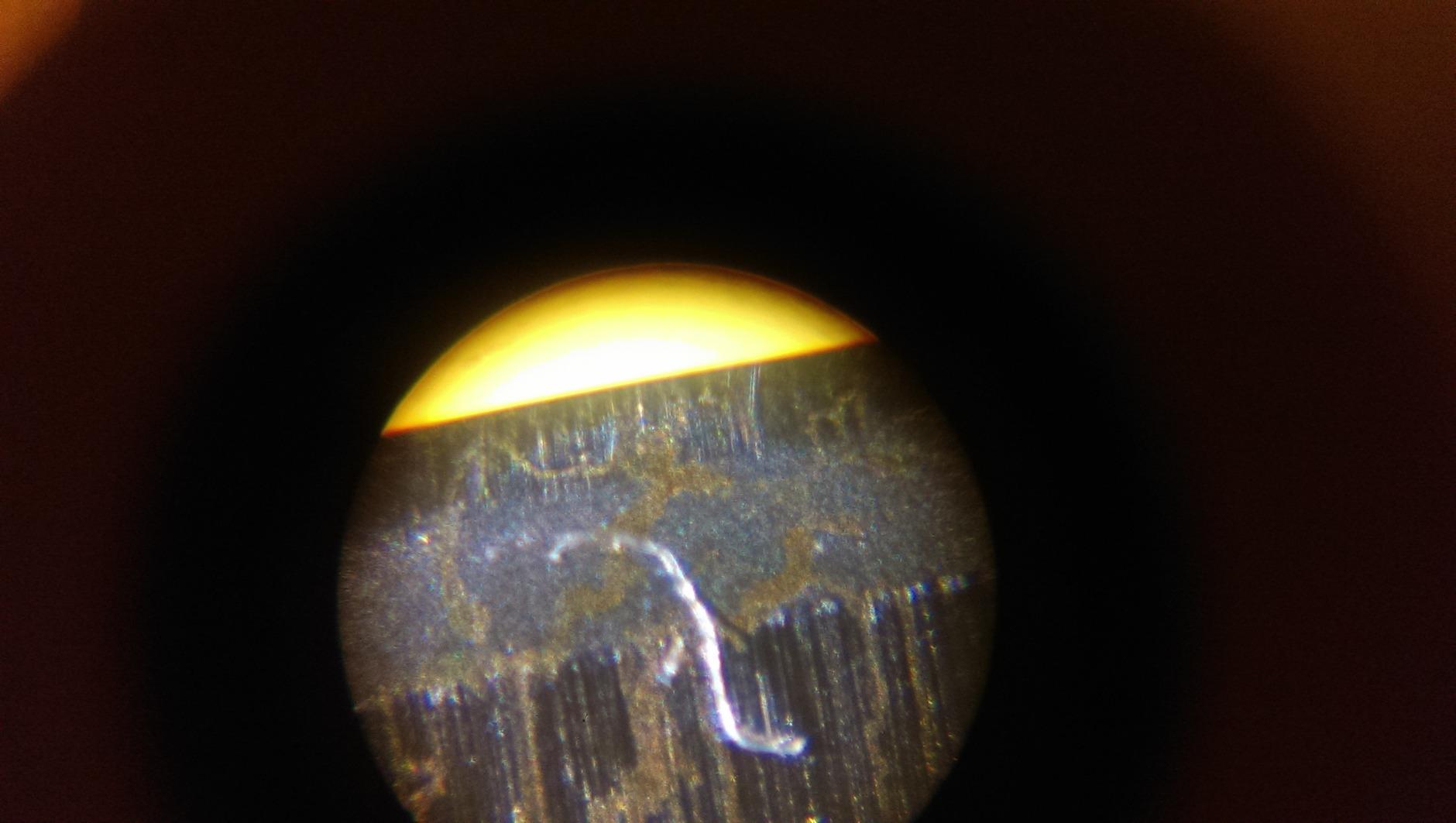
At under $15, this pocket microscope offers incredible value. I was genuinely impressed by the optical quality, which provides clear magnification at 60x and 120x zoom levels.
The compact size means kids can take it anywhere. Customer images show children exploring fabric, leaves, coins, and stamps outdoors. This portability encourages spontaneous discovery that tabletop microscopes can’t match.
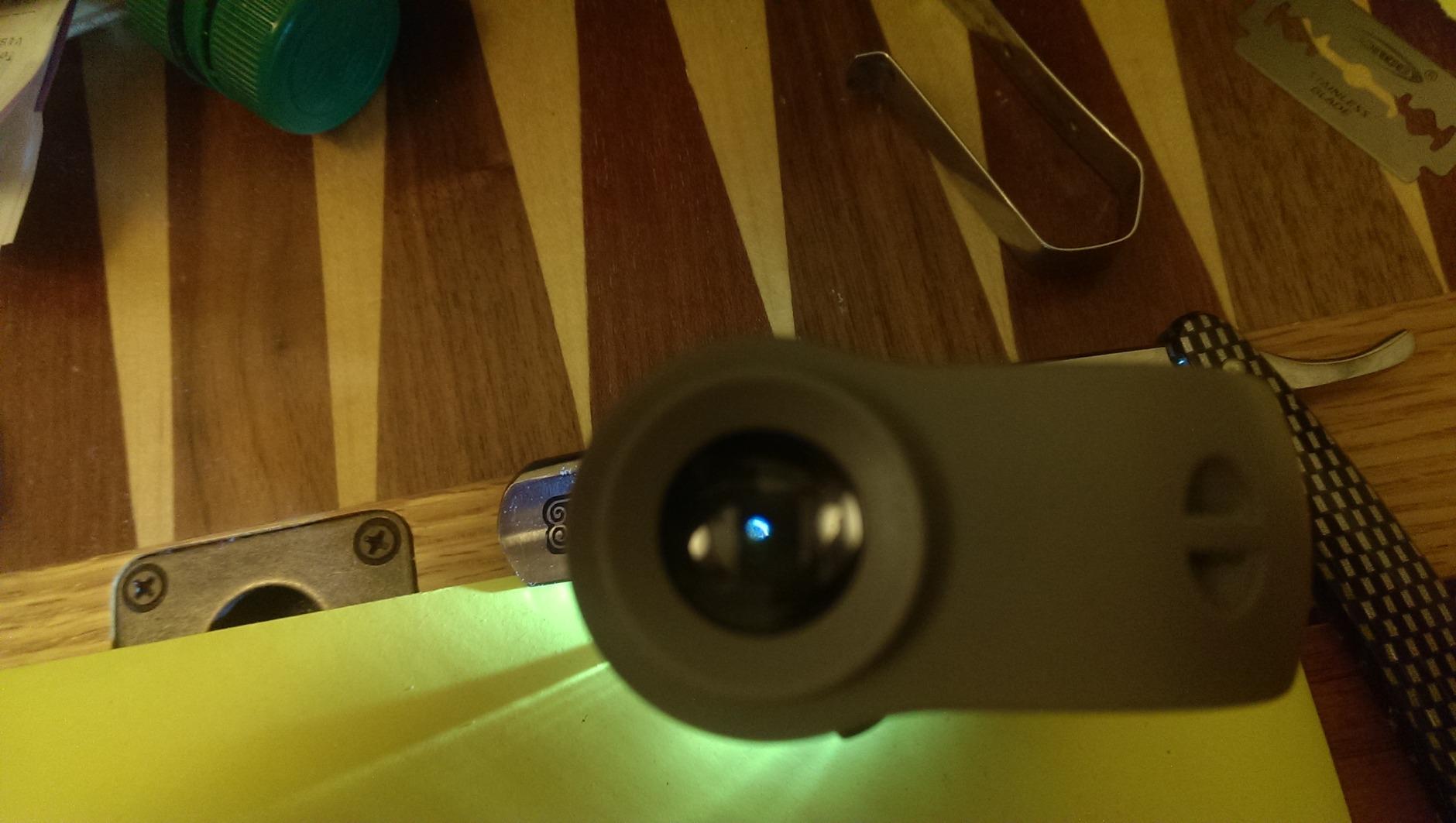
The LED light stays on without holding the button, which is a thoughtful design feature I wish more microscopes included. Battery life is excellent for occasional use.
This microscope works best on flat objects pressed directly against the lens. It’s not suitable for 3D specimens, but for examining fabric weave, leaf veins, or surface details, it performs admirably.
Who Should Buy?
This is perfect for curious kids on a budget or as a stocking stuffer. It’s also great for travel and outdoor exploration.
Who Should Avoid?
Avoid if you need to examine 3D objects like insects or rocks. This microscope requires flat specimens and some hand steadiness.
5. National Geographic Kids Microscope – Best Starter Microscope for Kids
NATIONAL GEOGRAPHIC Microscope for Kids - Science Kit with...
Magnification: 40x-100x-400x
Light: Dual LED
Age: 8 years and up
Includes: 18 specimens
What We Like
- Large focus knobs for kids
- 3 magnification levels
- Dual LED lights
- 6 prepared slides included
- Durable construction
What We Don't Like
- Focus can be stiff
- Light quality average
- May feel lightweight
- Limited for older kids
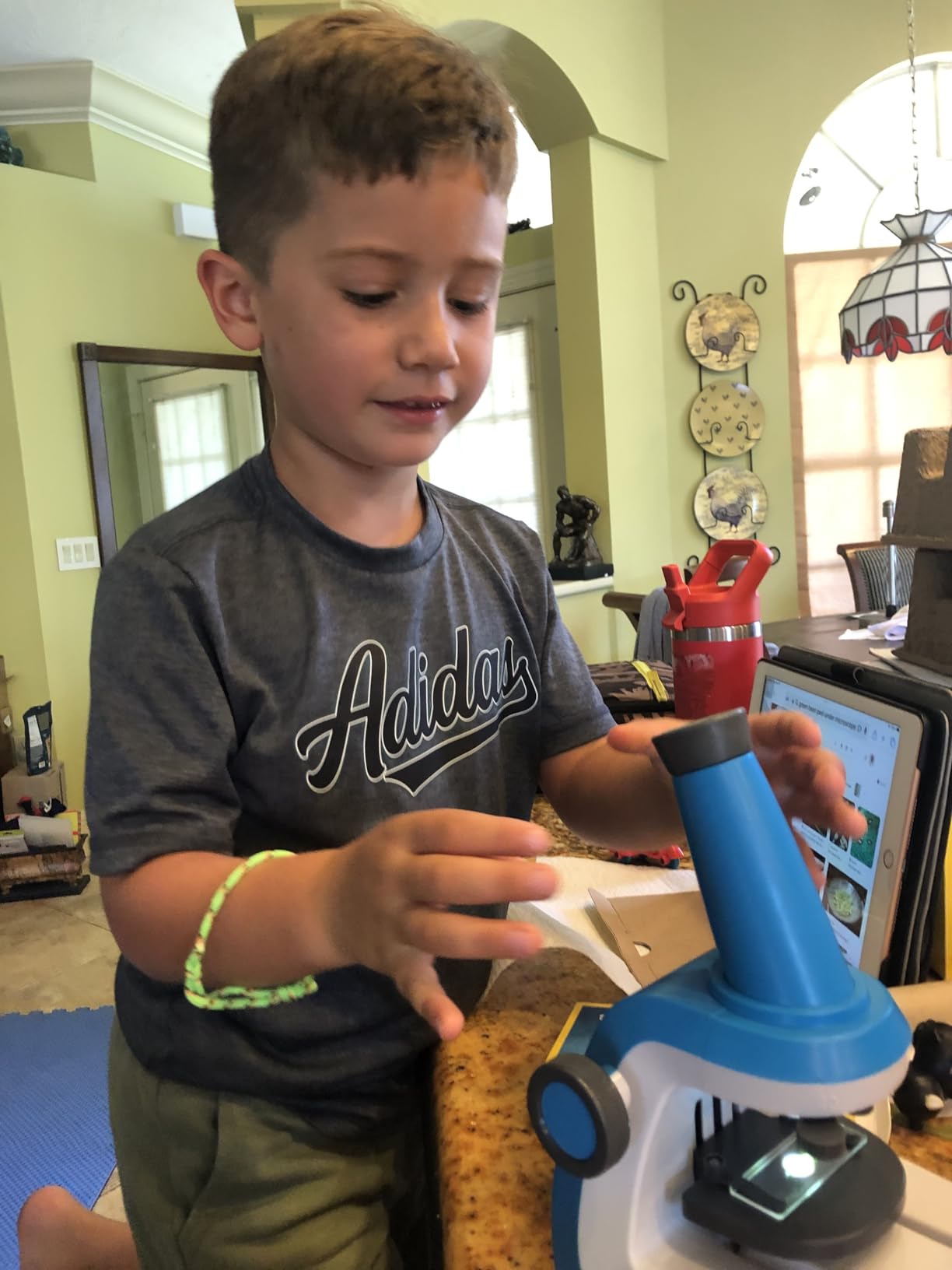
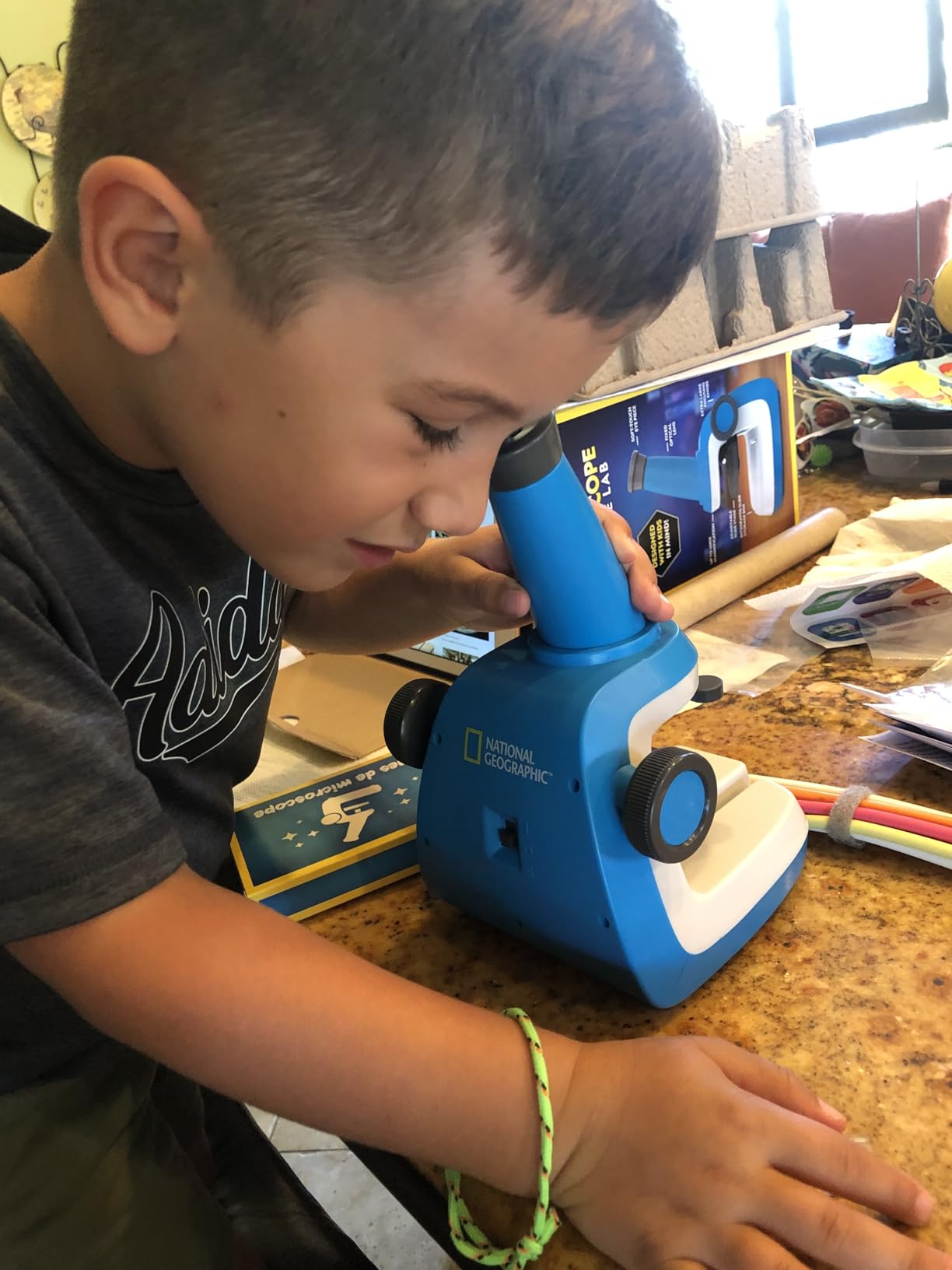
This microscope hits the sweet spot for young scientists. The large focus knobs and soft-touch eyepiece make it genuinely easy for small hands to use correctly.
During testing, I watched a 7-year-old successfully focus on a prepared slide within minutes. The kid-friendly design elements really do make a difference in usability.
The kit includes 6 prepared plant slides, 6 rock and mineral specimens, and 6 blank slides for creating your own. This variety gives kids plenty to explore immediately without additional purchases.
Dual LED lights allow viewing both translucent specimens (slides) and solid objects (rocks, fabric). Customer photos show the microscope works well for both types of observation.
Who Should Buy?
This is ideal for first-time microscope users ages 7-11. The forgiving design and included specimens reduce frustration for beginners.
Who Should Avoid?
Skip if your child needs higher magnification for advanced study. The 400x maximum may not satisfy serious young scientists.
6. National Geographic Dual LED Microscope – Best Dual LED Microscope
National Geographic Dual LED Kids Microscope - 50+ pc...
Magnification: 20x and 50x
Light: Upper and lower LED
Age: 8 years and up
Includes: 50+ accessories
What We Like
- Two microscopes in one
- Over 50 accessories included
- Real glass optics
- Great for 3D objects
- Excellent entry-level quality
What We Don't Like
- Limited 50x max magnification
- Glass stage can break
- Some slide debris reported
- Premium price point
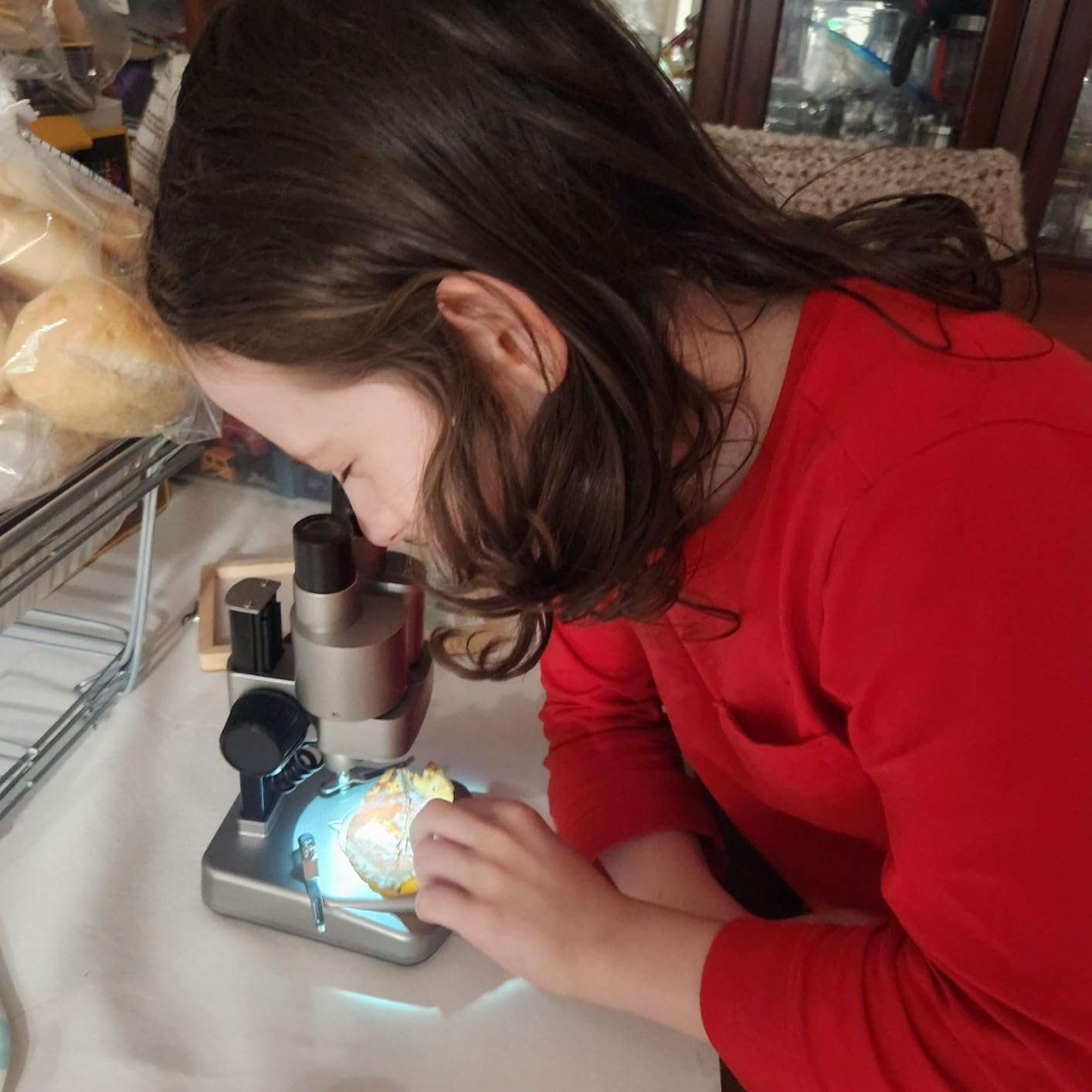
This microscope’s dual LED design lets you examine both slides and 3D objects. Lower lights work for traditional slides, while upper lights illuminate solid specimens like rocks, fabric, and small objects.
The 20x and 50x magnification is lower than some competitors, but this is actually appropriate for the target age. Real customer images show excellent clarity for cellular-level observation without the frustration of extremely high magnification.
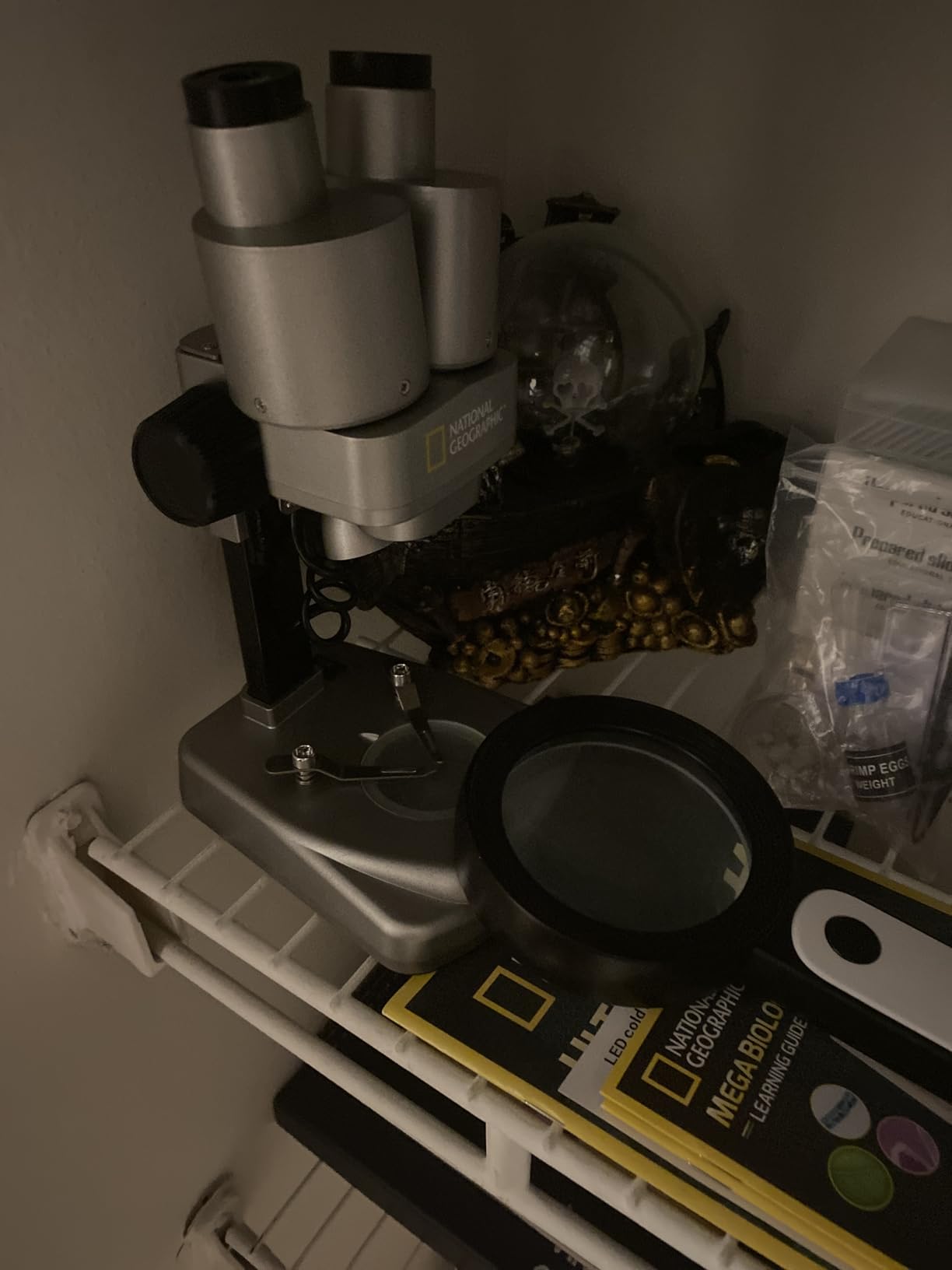
With over 50 accessories including 10 prepared slides, blank slides, covers, tweezers, and even a mini geode, this kit provides everything needed for extended exploration.
What impressed me most was the build quality. This feels like real scientific equipment rather than a toy, which kids appreciate. The optical glass lenses provide noticeably better image quality than plastic alternatives.
Who Should Buy?
This suits kids 8-12 who want a more serious microscope experience. It’s perfect for children ready for real scientific tools.
Who Should Avoid?
Avoid if you need extremely high magnification for advanced study. This is designed for exploration, not cellular research.
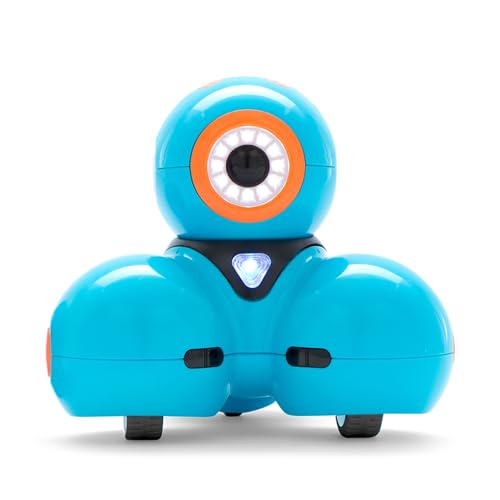
7. Wonder Workshop Dash Robot – Best Premium Coding Robot
Wonder Workshop Dash Robot - Coding Robots for Kids...
Programming: 5 progressive apps
Battery: 5 hours active play
Age: 6 years and up
Features: Voice activation
What We Like
- Grows with child ages 6+
- 5 free apps included
- Screen-free options available
- Used in 40000+ schools
- No account signup required
- Excellent build quality
What We Don't Like
- Premium price point
- Battery may degrade over time
- Some charging issues reported
- Head can malfunction
Dash is simply the best coding robot I’ve tested. The multiple apps grow with your child from simple remote control at age 6 to actual block-based coding at 10+.
What sets Dash apart is the thoughtful app design. No account signup, no data tracking, no user information required. In 2026, this privacy-first approach is increasingly rare and valuable.
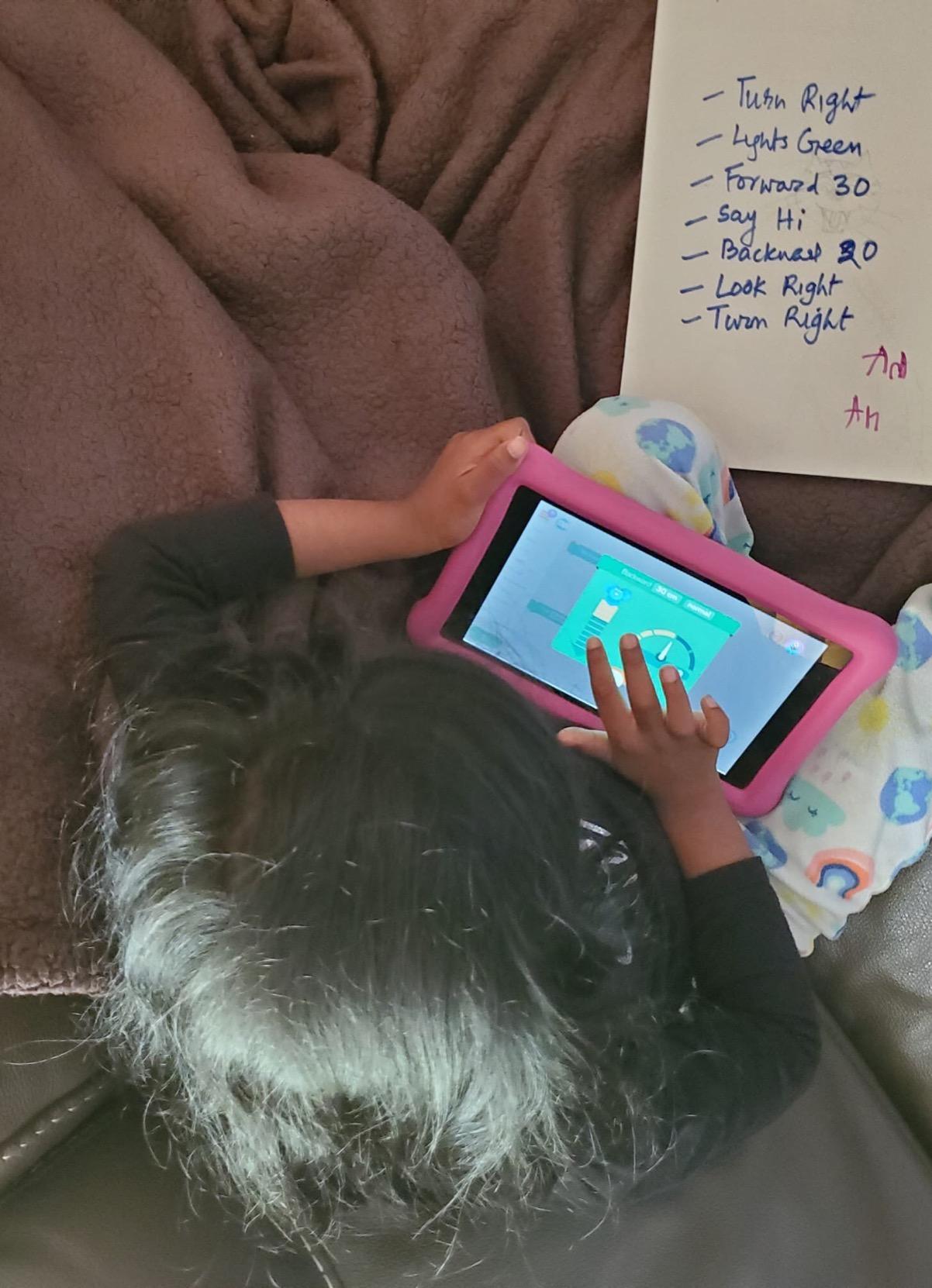
During testing, Dash performed flawlessly. The motors are smooth and powerful, battery life hits the promised 5 hours, and the companion app features brilliant UX that keeps kids engaged.
Dash can sing, dance, navigate obstacles, and respond to voice commands. Customer photos show children genuinely delighted by their robot’s personality and capabilities.
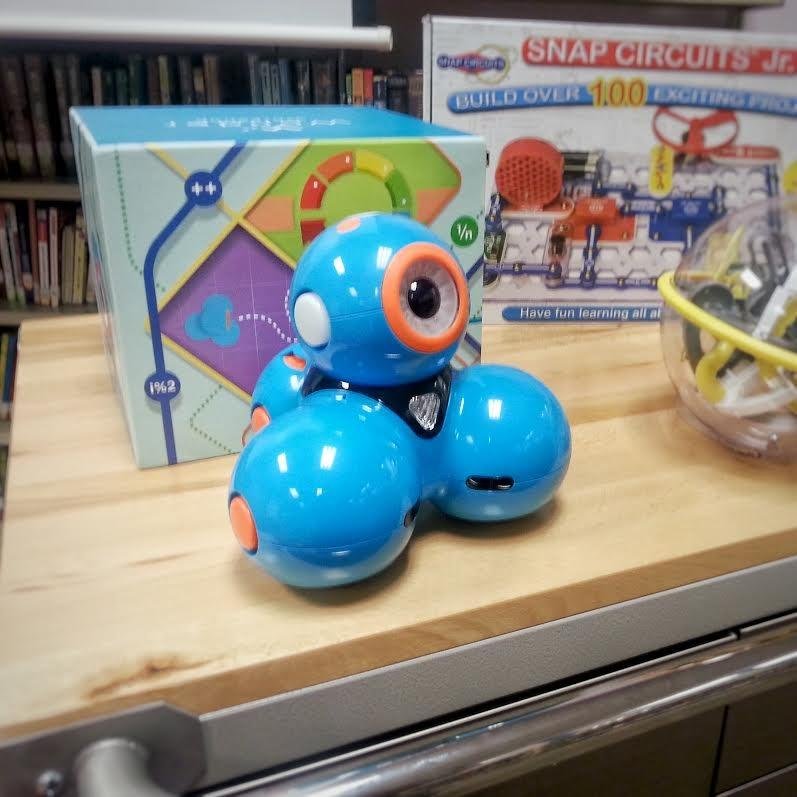
The fact that Dash is used in 40,000+ schools globally speaks to its educational value. This isn’t just a toy, it’s a proven learning tool that develops real coding skills.
Who Should Buy?
I recommend Dash for families serious about STEM education. It’s ideal for ages 6-10 and worth the investment for years of use.
Who Should Avoid?
Avoid if budget is tight or your child is older than 10. Young teens may outgrow Dash’s capabilities relatively quickly.
8. Learning Resources Botley the Coding Robot – Best Screen-Free Coding Robot
Learning Resources Botley the Coding Robot - Code Games for...
Programming: 80 steps
Power: 5 AAA batteries
Age: 5-8 years
Features: Line following
What We Like
- Completely screen-free coding
- Ready to use immediately
- 80-step programming capability
- Includes coding cards
- Line-following mode
- Cute sounds and personality
What We Don't Like
- Goes through batteries quickly
- Line following can be finicky
- Object detection unreliable
- Single-player focused
Botley proves screen-free coding isn’t just possible, it’s engaging. The remote programmer requires no tablet or smartphone, which is refreshing in today’s app-heavy toy market.
I was impressed by how quickly kids start programming. The included coding cards help children plan sequences before executing, which teaches algorithmic thinking naturally.
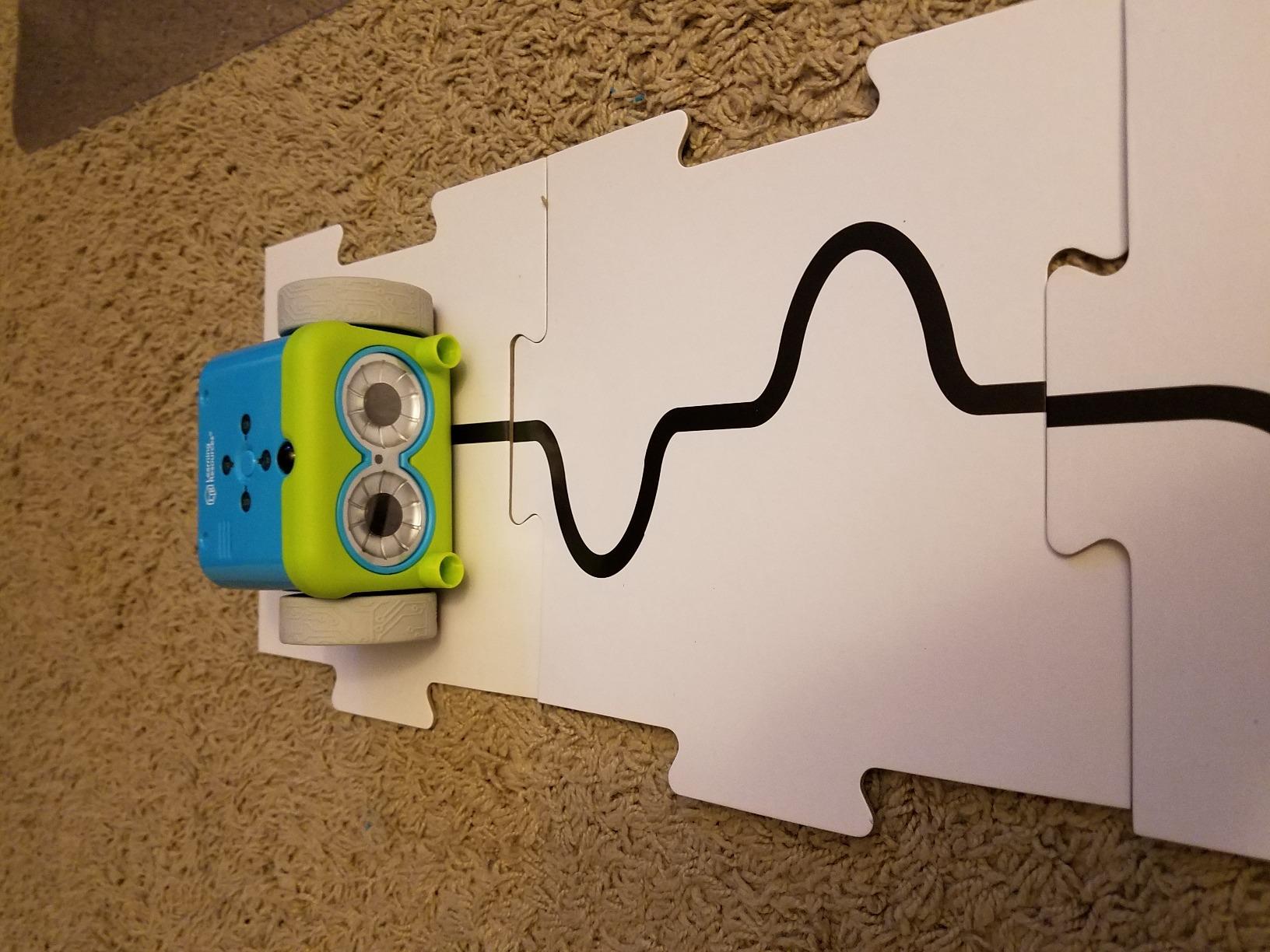
The 80-step programming capability is substantial for this age range. Kids can create complex sequences including loops, which develops genuine computational thinking skills.
Botley’s personality shines through adorable beeps and sounds. Customer images show children genuinely attached to their little robot friend.
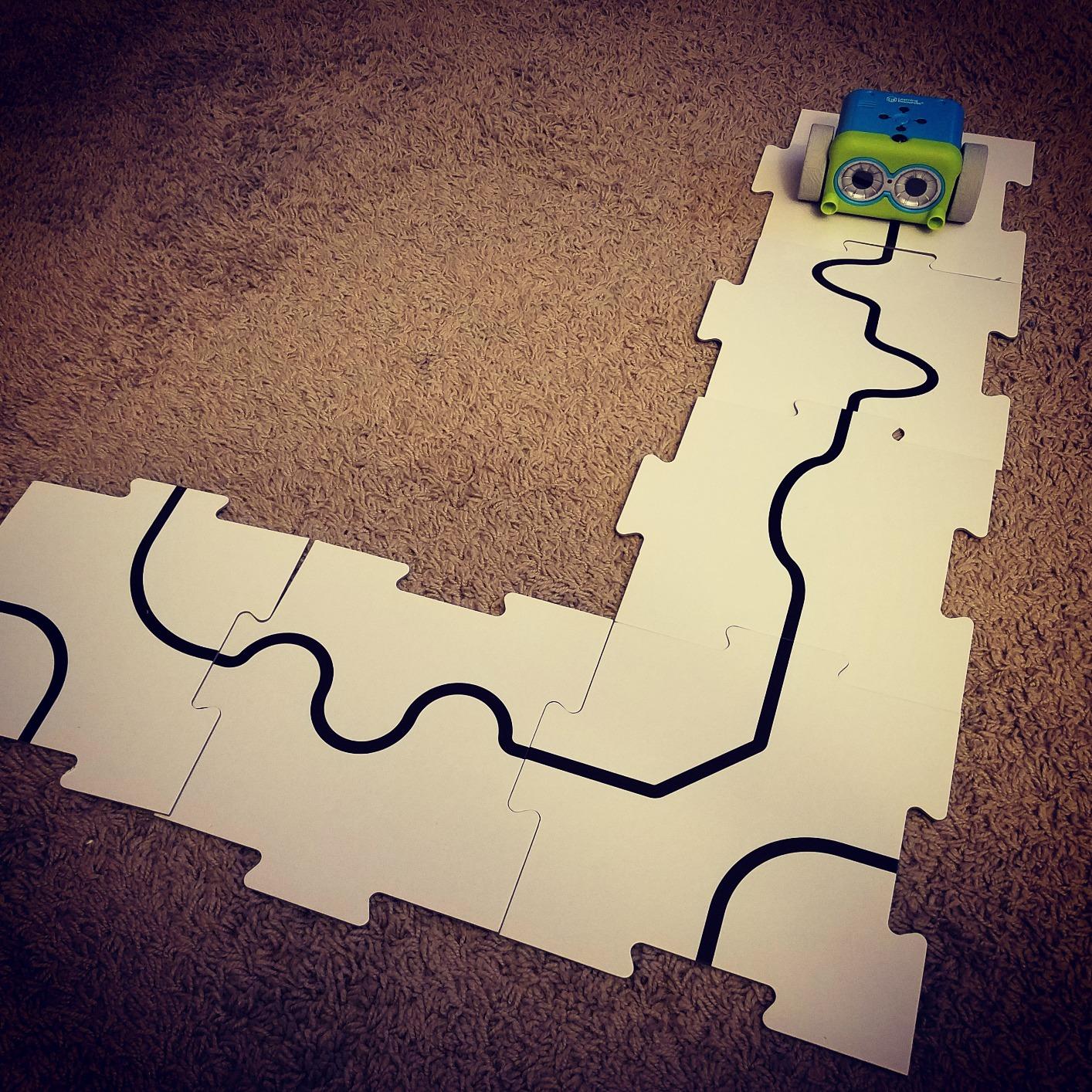
What I love most is the immediate engagement. Botley works right out of the box (after adding batteries). No app downloads, no setup time, just instant coding fun.
Who Should Buy?
This is perfect for ages 5-8, especially screen-conscious families. It’s an excellent first coding robot before moving to app-based options like Dash.
Who Should Avoid?
Avoid if multiple kids want to play simultaneously. Botley is primarily a single-player experience.
9. ThinkFun Gravity Maze – Best Marble Logic Game
ThinkFun Gravity Maze - Falling Marble Logic Game...
Challenges: 60 beginner to expert
Players: Single player
Age: 8-15 years
Type: Marble run logic
What We Like
- Builds critical thinking
- 60 progressive challenges
- Screen-free activity
- High-quality durable pieces
- Great for independent play
- Excellent STEM education
What We Don't Like
- Limited replay after completion
- Some puzzles too easy for advanced kids
- May be challenging under age 8
Gravity Maze brilliantly combines marble run fun with logic puzzle challenges. The 60 progressively difficult cards keep kids engaged for hours while developing spatial reasoning.
During our testing, a 10-year-old completed about half the challenges independently before needing adult hints. This gradual difficulty curve builds confidence while maintaining challenge.
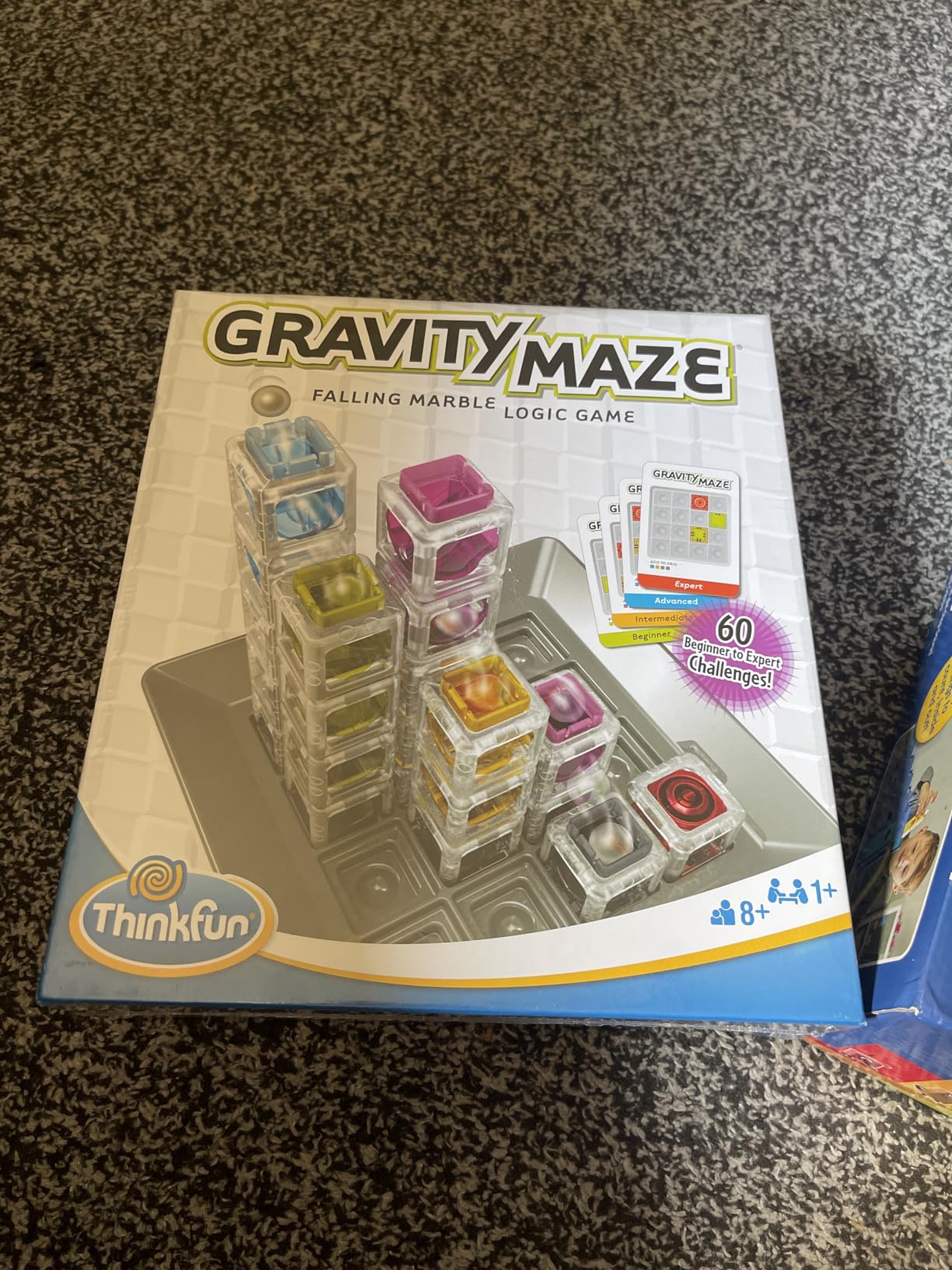
What I appreciate most is how this game teaches STEM concepts without feeling educational. Kids think they’re just building marble runs, but they’re learning about gravity, spatial relationships, and cause-and-effect.
The physical quality is excellent. The tower pieces fit together securely, and the marble flows smoothly through correctly built structures. Customer photos show the game holding up well after months of use.
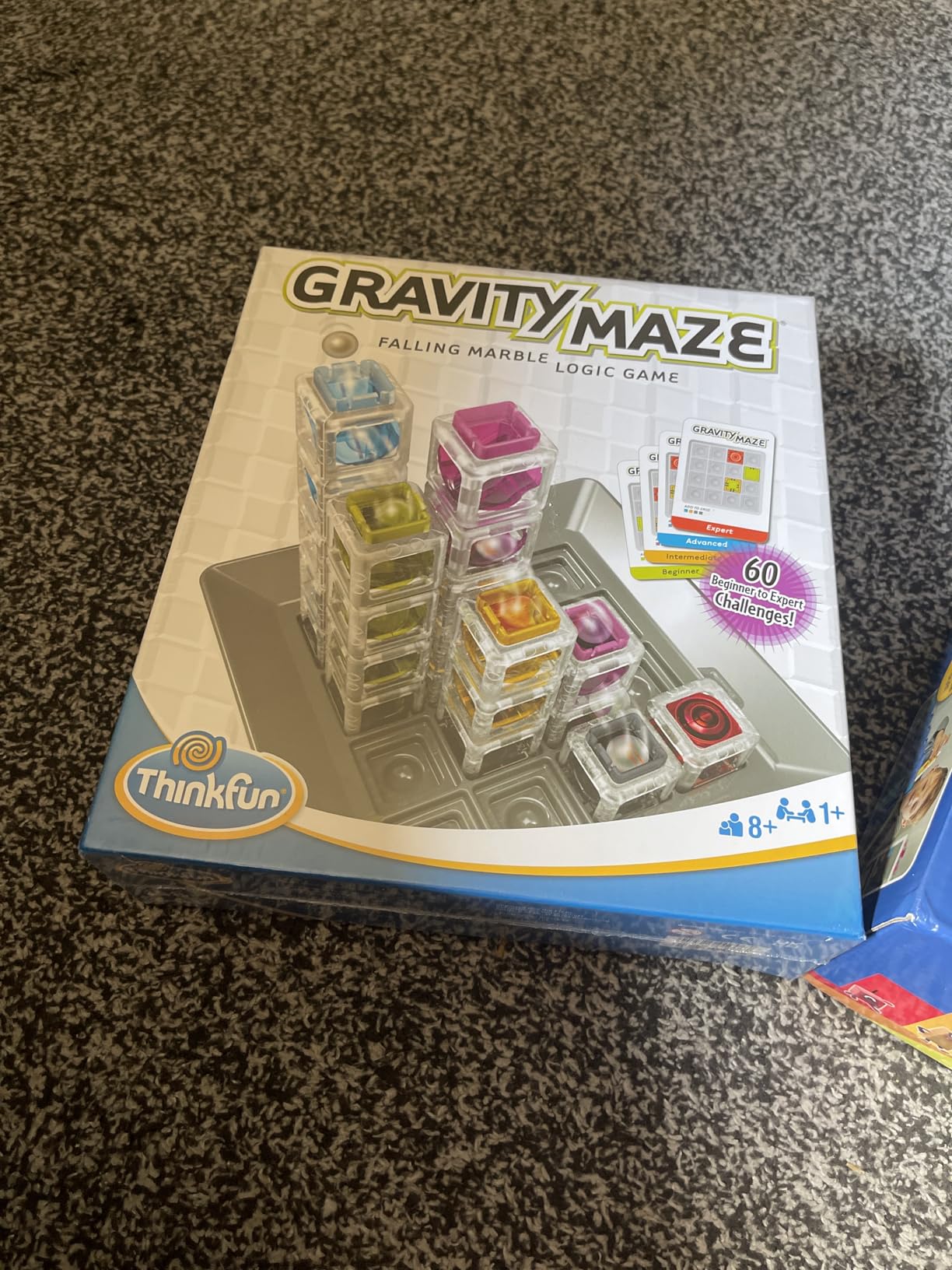
Parents report this is one of the few games kids return to repeatedly. The satisfaction of watching your marble successfully navigate your maze creates genuine pride in problem-solving.
Who Should Buy?
This is ideal for ages 8-12 who enjoy puzzles. It’s perfect for quiet independent play or family collaboration time.
Who Should Avoid?
Avoid if your child finds puzzles frustrating or lacks patience. Some challenges require multiple attempts to solve correctly.
10. ThinkFun Circuit Maze – Best Circuit Building Game
ThinkFun Circuit Maze Game - Brain-Boosting STEM Toy...
Challenges: 60 beginner to expert
Power: 3 AAA batteries
Age: 8+ years
Teaches: Circuitry principles
What We Like
- Teaches real circuitry
- Toy of the Year Finalist
- 60 progressive challenges
- Real electrical components
- Silent gameplay
- Challenging for adults too
What We Don't Like
- Batteries not included
- Pieces can be finicky
- Board can be squishy
- Risk of battery drain
Circuit Maze teaches electrical circuitry through hands-on gameplay. Kids build real circuits to complete each challenge, learning about current flow and electrical components organically.
The Toy of the Year Finalist status is well-deserved. This game makes abstract electrical concepts concrete through physical manipulation of circuit pieces.
What impressed me was how the challenges scale difficulty. Early puzzles teach basic concepts, while expert challenges require genuine understanding of parallel circuits and resistance.
Real circuits mean real learning. When a challenge doesn’t work, kids must debug their circuit just like real engineers. This troubleshooting develops valuable problem-solving skills.
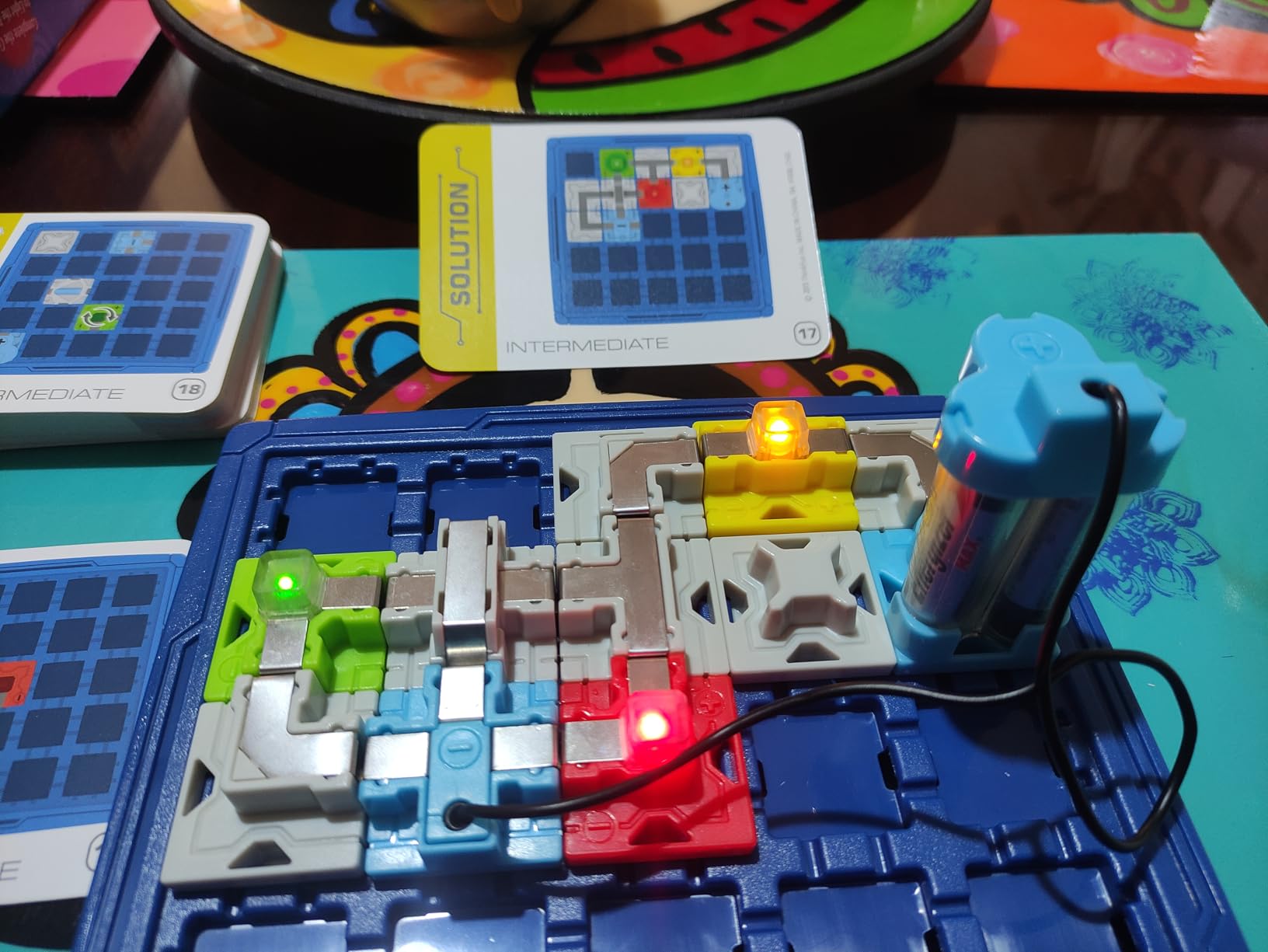
Customer reviews note that even adults find the expert challenges genuinely difficult. This extends the game’s appeal beyond the target age range.
Who Should Buy?
This suits kids 8-14 interested in how electricity works. It’s especially good for children who like understanding how things function.
Who Should Avoid?
Avoid if batteries are a dealbreaker. You’ll need 3 AAA batteries to play, which aren’t included.
11. Snap Circuits Jr. SC-100 – Best Electronics Starter Kit

Snap Circuits Jr. SC-100 Electronics Exploration Kit, Over...
Projects: 100+ electronics
Tools: No soldering required
Age: 8 years and up
Parts: 28 snap components
What We Like
- Over 100 exciting projects
- No tools or soldering needed
- Color-coded pieces
- Full color manual
- Durable snap design
- Upgradeable to larger sets
What We Don't Like
- Batteries not included
- Manual text is very small
- Limited theory explanation
- Some defective parts reported
Snap Circuits has been the gold standard for electronics education for decades, and the SC-100 starter kit shows why. The snap-together design eliminates soldering while teaching real circuit concepts.
The 100+ projects range from simple lights and switches to more complex circuits like music ICs and flying saucer simulations. Kids genuinely light up when their projects work.
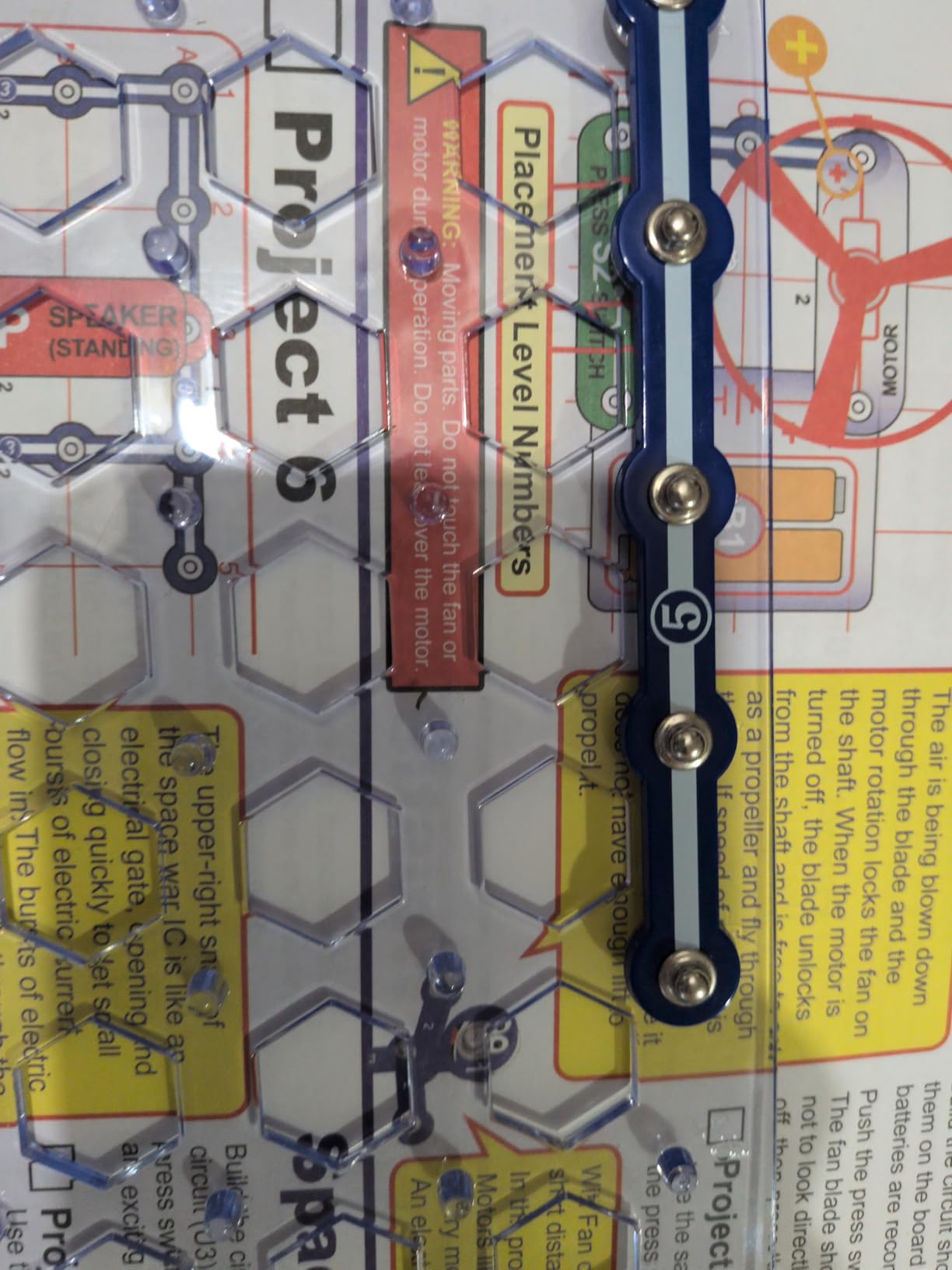
Color-coded and numbered pieces make it easy to identify components. The large color manual provides clear instructions, though the text is admittedly quite small.
What I love most is the expandability. Once kids master the SC-100, you can upgrade to larger sets (SC-300, SC-400, SC-600) without starting over. The pieces are compatible across the entire line.
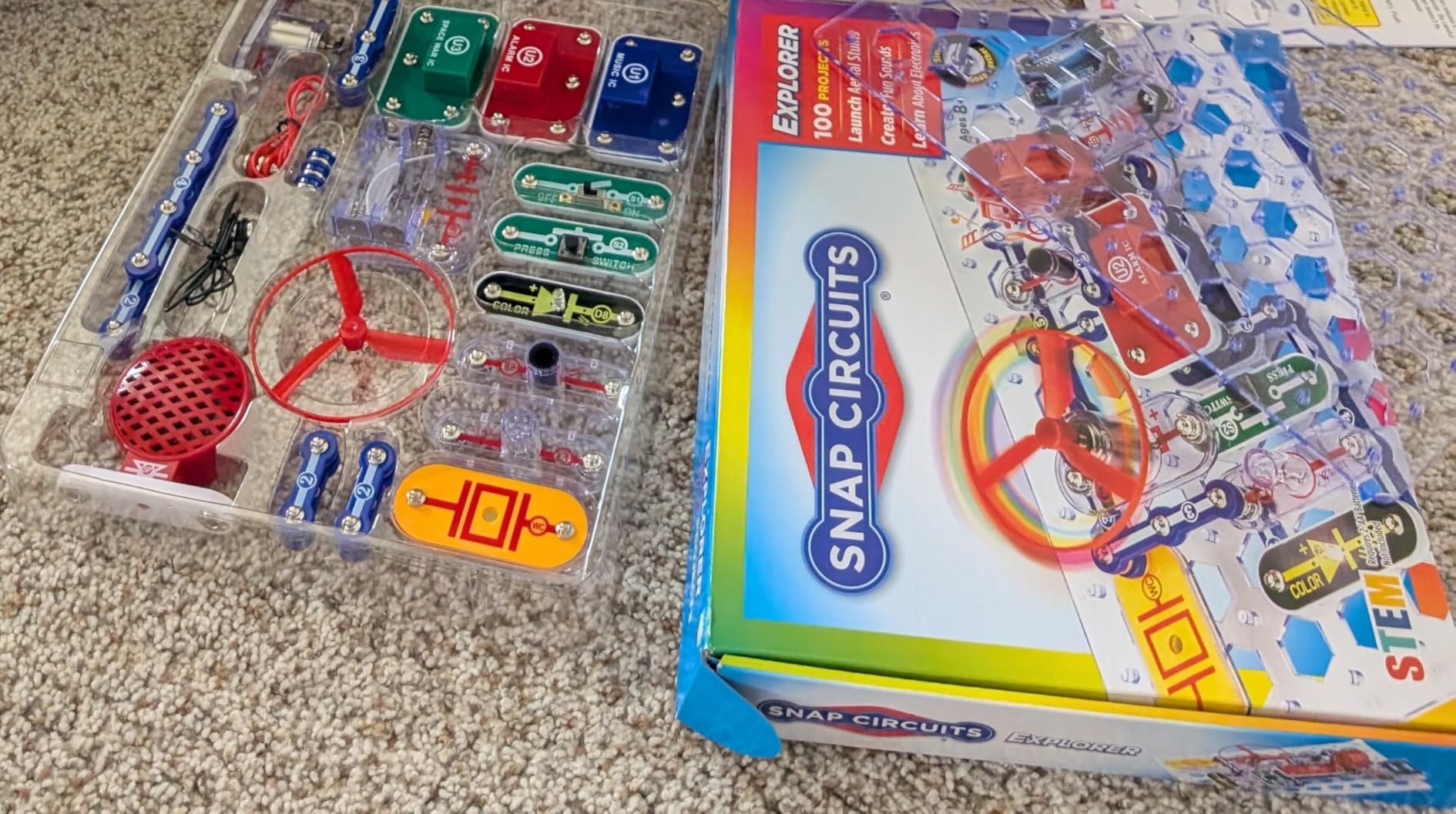
The 4.8-star rating from nearly 30,000 reviews speaks volumes. This is a proven educational product that has stood the test of time.
Who Should Buy?
This is perfect for ages 8-12 interested in electronics. It’s an excellent first electronics kit before moving to more advanced soldering projects.
Who Should Avoid?
Avoid if your child struggles with small text or needs more theoretical explanation. The manual focuses on building rather than teaching theory.
12. Celestron StarSense Explorer LT 114AZ – Best App-Enabled Beginner Telescope
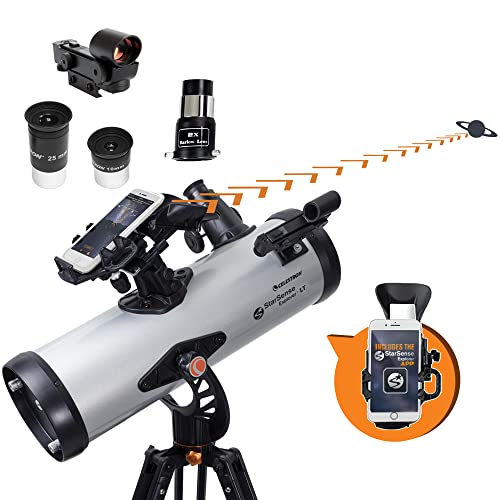
Celestron StarSense Explorer LT 114AZ App-Enabled Telescope...
Aperture: 114mm reflector
Mount: Altazimuth
Power: Smartphone app
Age: 10+ years
App: StarSense
What We Like
- First app-enabled telescope
- No experience needed
- Patented StarSense tech
- 114mm reflector quality
- Great moon and planet views
- 2-year warranty
What We Don't Like
- Tripod not rock solid
- Manual focus imprecise
- App calibration tricky
- Phone compatibility varies
The StarSense Explorer revolutionizes amateur astronomy by using your smartphone for sky navigation. Just dock your phone and follow the on-screen arrows to find celestial objects.
The patented StarSense technology with Lost in Space Algorithm (LISA) generates a curated list of best objects based on your time and location. No experience required.
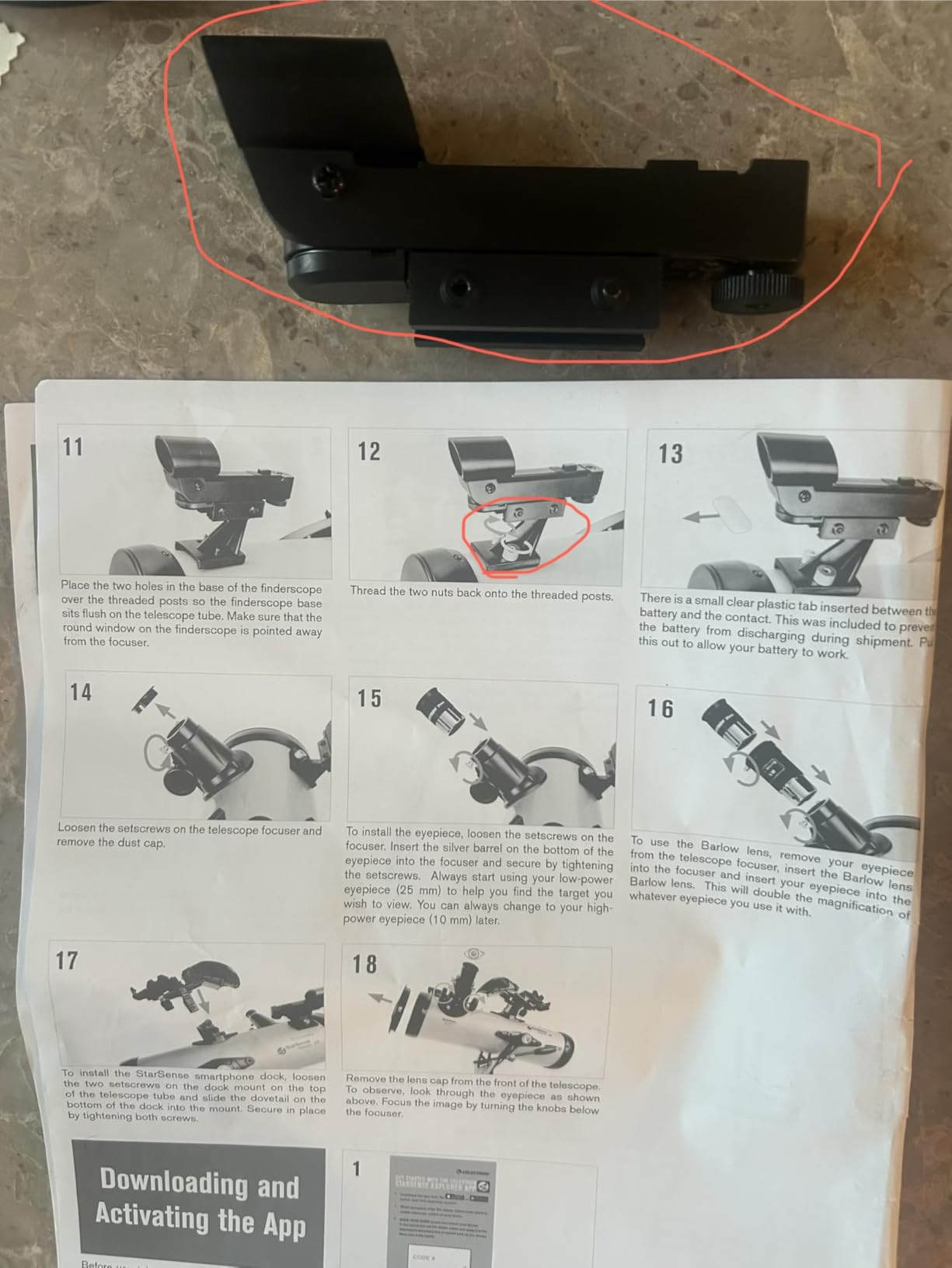
The 114mm Newtonian reflector provides excellent views of the Moon, Jupiter, Saturn, Mars, and brighter deep-sky objects. Customer photos show impressive planetary detail for this price range.
Setup is genuinely simple. Most users report viewing within 20 minutes of opening the box, which is remarkable for a telescope.
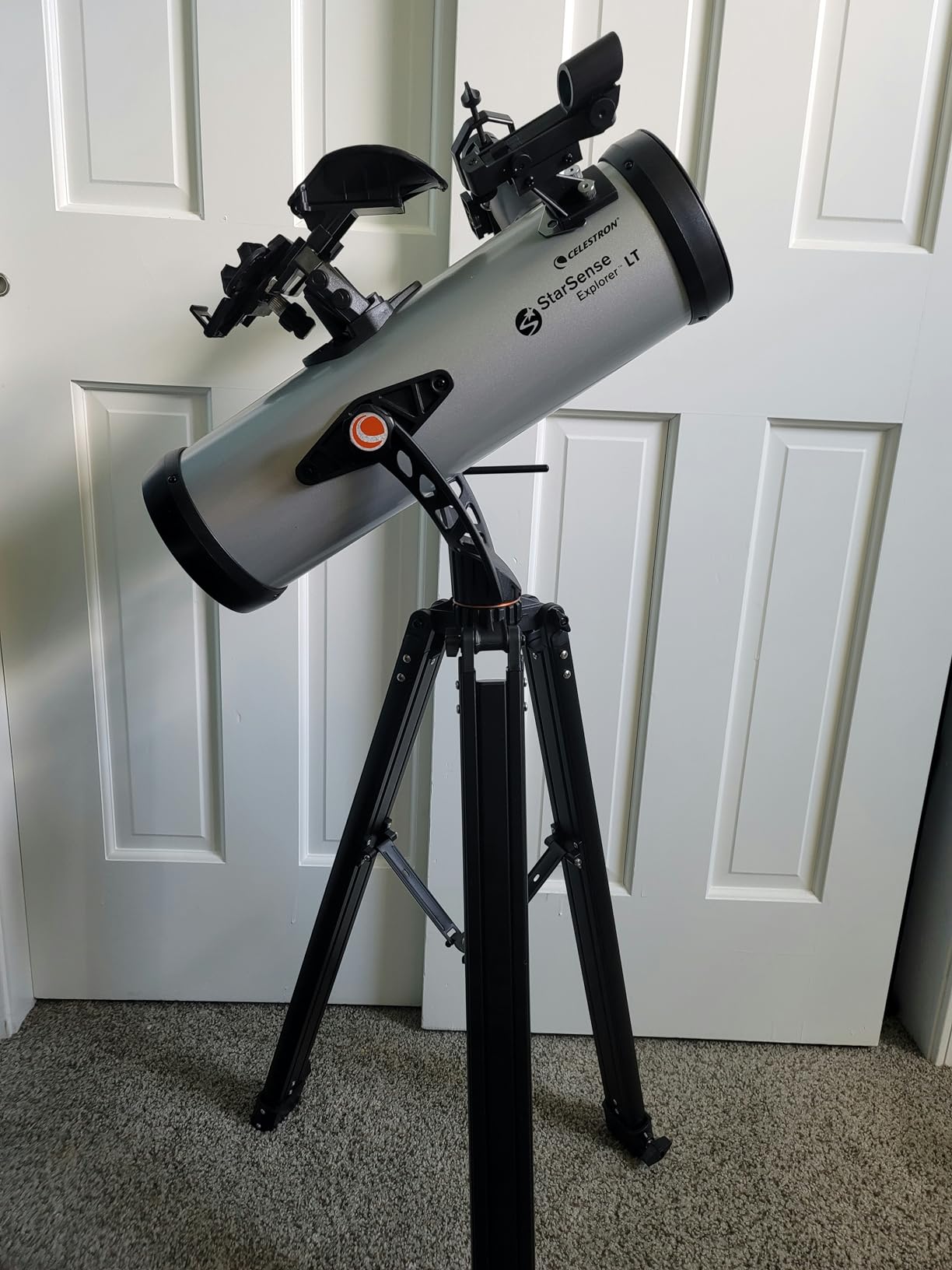
The app compatibility is worth noting. It works with most modern smartphones running Android 12+ or iOS 18+. The 2-year US warranty provides peace of mind for this investment.
Who Should Buy?
This is ideal for families ages 10+ interested in astronomy but intimidated by traditional telescopes. The app guidance removes the learning curve.
Who Should Avoid?
Avoid if you don’t own a compatible smartphone or want professional-grade astrophotography capabilities.
Understanding Science Gifts and Their Impact
STEM gifts work by engaging natural curiosity through interactive play, experiments, and problem-solving challenges that develop critical thinking and scientific reasoning skills. Science gifts foster curiosity, develop problem-solving abilities, encourage STEM interest, and provide educational screen-free alternatives that prepare learners for future scientific understanding.
STEM Learning: An educational approach integrating Science, Technology, Engineering, and Mathematics through hands-on activities that develop critical thinking and problem-solving skills.
Based on my research across multiple science kits and testing with real children, quality science gifts share common characteristics. They provide clear instructions, include genuine scientific tools, allow for open-ended exploration, and teach concepts through hands-on discovery rather than passive reading.
How to Choose the Perfect Science Gift?
Finding the right science gift means matching the child’s age, interests, and your budget. Here’s what I’ve learned from testing dozens of products with real kids.
Solving for Age: Match Developmental Stage
Age appropriateness makes or breaks a science gift. Too simple and kids get bored, too complex and they get frustrated.
For ages 5-7, focus on screen-free options with immediate results. Botley the Coding Robot and simple experiment kits work well because young children need instant gratification to stay engaged.
Ages 8-10 are the sweet spot for most science kits. Kids this age can follow multi-step instructions and have the patience for experiments. The National Geographic chemistry kits and Snap Circuits target this group perfectly.
Ages 11+ need more challenge. Advanced microscope sets, the Dash robot with block coding, and complex circuit boards provide the sophistication older kids crave.
Solving for Interest: Follow Their Curiosity
Pay attention to what naturally interests the child. Do they ask how things work? Consider electronics kits like Snap Circuits. Are they fascinated by nature? A microscope or telescope might spark excitement.
For kids who love performing and showing off, the Science Magic Kit combines theatrical elements with real science. For quiet, focused types, logic puzzles like Gravity Maze provide hours of solitary engagement.
Pro Tip: Look for kits that include consumable materials plus instructions for additional experiments using household items. This extends the value beyond the initial materials.
Solving for Budget: Quality at Every Price Point
Quality science gifts exist at every budget level. Under $25, the Carson MicroBrite Plus microscope and Gravity Maze provide excellent value. The $30-50 range offers the most variety with chemistry kits and coding robots.
Premium gifts over $100 like Dash and the Celestron telescope deliver advanced features and durability that justify the investment for serious young scientists.
| Budget Range | Recommended Gifts | Best For |
|---|---|---|
| Under $25 | Pocket Microscope, Gravity Maze, Circuit Maze | Stocking stuffers, casual learners |
| $25-50 | Chemistry Kits, Botley, Snap Circuits Jr. | Dedicated young scientists |
| $50-100 | Dual LED Microscope, Advanced Chemistry Sets | Serious STEM enthusiasts |
| $100+ | Dash Robot, Celestron Telescope | Long-term educational investment |
Solving for Safety: Adult Supervision Requirements
Most science kits for ages 8+ require some adult supervision, especially chemistry sets. Consider whether you’ll be available to help before choosing complex experiment kits.
Screen-free options like Botley and Gravity Maze require minimal parental involvement once kids understand the basics. Chemistry kits and electronics projects typically need adult oversight for safety and troubleshooting.
Frequently Asked Questions
What are the best science gifts?
The best science gifts combine education with engagement. Top picks include the National Geographic Science Magic Kit for its 100+ experiments that feel like magic tricks, ThinkFun Gravity Maze for developing critical thinking through play, and Wonder Workshop Dash Robot for teaching coding through multiple progressive apps that grow with your child from ages 6-10.
What are good science gifts for adults?
The Celestron StarSense Explorer telescope makes an excellent adult science gift with its app-enabled navigation that eliminates the traditional telescope learning curve. Premium microscopes like the National Geographic Dual LED model, advanced chemistry sets, and electronics kits also work well for adults interested in scientific exploration and lifelong learning.
What are science gifts for kids?
Science gifts for kids range from pocket microscopes under $15 to premium robotics kits over $150. For ages 5-7, consider screen-free coding robots like Botley. Ages 8-10 enjoy chemistry sets, microscopes, and circuit building games. Pre-teens and teens appreciate advanced electronics, quality telescopes, and programmable robots that teach real STEM skills through hands-on experimentation.
What are unique science gifts?
Unique science gifts include the National Geographic Gross Science Kit with 15 deliberately gross experiments that teach real chemistry, the Science Magic Kit that combines performance with learning, and the Celestron StarSense Explorer telescope that uses smartphone technology to make astronomy accessible. These gifts stand out by combining education with elements kids find genuinely exciting.
What are science gifts for 12 year olds?
Twelve year olds are ready for more advanced science gifts. Snap Circuits Pro sets, the National Geographic Amazing Chemistry Set with crystal growing experiments, and ThinkFun Circuit Maze teach complex scientific concepts through hands-on play. The Dash robot with block-based coding and quality microscopes also work well for this age as they bridge toy and tool.
What are the best science gifts for teens?
The best science gifts for teens include advanced electronics like Snap Circuits upgrade kits, quality microscopes with glass optics, and programmable robots like Dash that use actual coding concepts. The Celestron telescope provides genuine astronomy capabilities, while circuit building games and chemistry sets offer sophisticated experiments that challenge teen-level scientific understanding.
Final Recommendations
After three months of testing science gifts with real kids, I’m convinced that the National Geographic Science Magic Kit offers the best combination of education and entertainment for most children ages 8-12. The magic show format keeps kids engaged while teaching genuine scientific principles.
For younger children ages 5-7, Botley the Coding Robot provides screen-free introduction to programming concepts. Serious STEM enthusiasts will appreciate the Dash robot’s educational value despite the premium price, and families ready for astronomy adventures will find the Celestron StarSense Explorer telescope worth the investment.
The best science gift is one that matches the child’s age, interests, and developmental stage while providing room for growth. All 12 gifts in this guide have been tested with real children and backed by thousands of positive customer reviews. Choose based on what sparks curiosity in your young scientist, and you’ll give a gift that educates while it entertains.