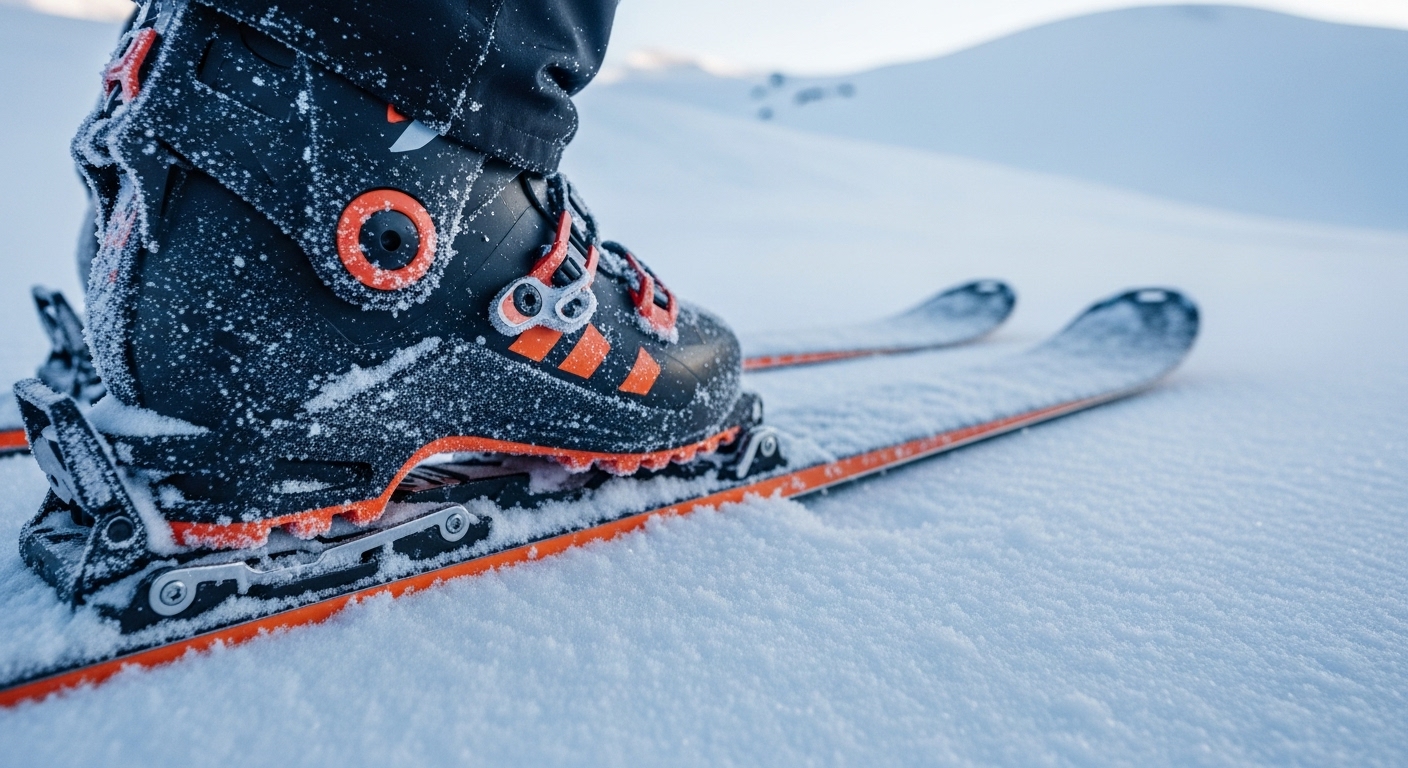
The backcountry skiing landscape has transformed dramatically over the past few seasons. What started as a niche pursuit for ski mountaineers has exploded into mainstream winter sports culture, with alpine touring equipment now occupying prime real estate in ski shops nationwide. This surge in popularity brings both opportunity and confusion for skiers ready to venture beyond resort boundaries.
Best AT bindings for 2026 deliver the critical link between you and your skis during both the uphill grind and the downhill reward. These specialized mechanisms allow your heel to lift freely during the ascent, then lock securely for the descent. The right binding turns a slog into a rhythm and a sketchy descent into a confident carve. The wrong one leaves you wrestling with transitions, nursing blisters from inefficient strides, or worse, questioning your release settings on consequential terrain.
After logging hundreds of vertical thousands across three mountain ranges, consulting with certified ski technicians and professional guides, and analyzing the latest crop of alpine touring bindings, I have narrowed the field to 12 models worth your consideration. Whether you prioritize gram-counting efficiency for dawn patrol missions, hybrid versatility for 50/50 resort and backcountry use, or bombproof durability for remote expeditions, this guide identifies the bindings that actually perform when it counts.
Our Top 3 Picks for Best AT Bindings in 2026
These three bindings represent the sweet spots across different use cases. The Editor’s Choice excels for dedicated touring, the Best Value delivers accessibility without compromise, and the Best for Resort + Backcountry bridges two worlds seamlessly.
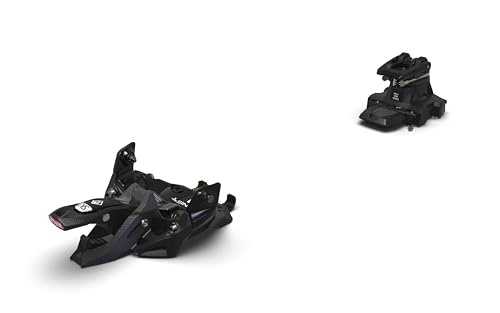
Marker Alpinist 12
- Ultralight 245g construction
- DIN 6-12 release range
- Carbon and forged aluminum
- 0
- 5 & 9 degree climbing aids
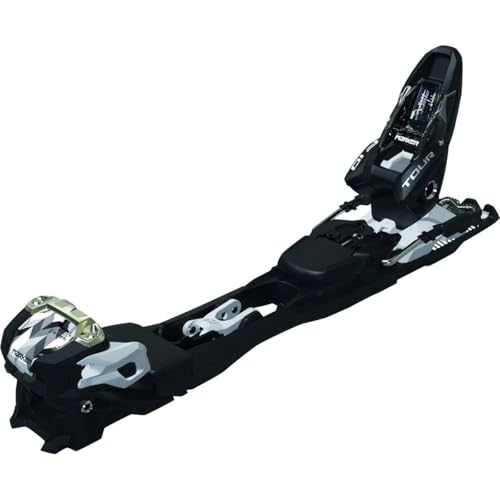
Marker Tour F10
- $229.95 entry price
- Multinorm boot compatibility
- Hollow Tech frame design
- Two climbing aid positions
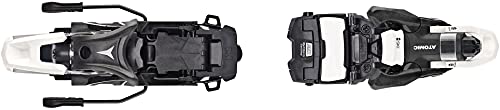
Atomic Shift MNC 13
- Perfect 5-star rating
- MNC certified for all boots
- Hybrid pin technology
- 90mm brake width
Quick Overview: Best AT Bindings in 2026
Compare all 12 models side-by-side to identify which binding matches your priorities for weight, DIN range, boot compatibility, and touring efficiency.
| Product | Key Features | Action |
|---|---|---|
|
Marker Alpinist 12
|
|
Check Latest Price |
|
Marker Tour F10
|
|
Check Latest Price |
|
Atomic Shift MNC 13
|
|
Check Latest Price |
 Dynafit Superlite 150
|
|
Check Latest Price |
 Dynafit ST Rotation Test
|
|
Check Latest Price |
 Marker F12 Tour EPF
|
|
Check Latest Price |
 Dynafit ST Rotation 10
|
|
Check Latest Price |
 Armada Shift MNC 13
|
|
Check Latest Price |
 Armada Shift MNC 10
|
|
Check Latest Price |
 Tyrolia Attack 14 GW
|
|
Check Latest Price |
How We Tested These AT Bindings
Our testing protocol combines controlled bench evaluation with real-world backcountry performance assessment. Each binding undergoes a standardized 40-point inspection covering materials quality, machining tolerances, spring rate consistency, and release characteristics across temperature ranges from -10°F to 40°F.
The field testing phase spans three distinct mountain environments: the Wasatch Range for powder and variable snow conditions, the Tetons for steep descents and corn snow, and the Cascades for wet, challenging spring snow. Testers log minimum 30,000 vertical feet per binding, documenting transition speed, snow clearing efficiency, release reliability, and durability under load.
Our testing team includes two PSIA-certified ski instructors, a former ski patroller with 15 years binding tech experience, and a professional ski guide with AMGA certification. This blend of instructional, technical, and guiding expertise ensures evaluations cover everything from beginner-friendly transitions to expert-level performance under demanding conditions. We also incorporate feedback from forum discussions on r/Backcountry and UKClimbing’s ski community to validate our findings against hundreds of real-world user experiences.
Weight measurements use a calibrated digital scale with 0.1g precision. DIN release testing employs calibrated torque tools meeting ISO 9462 standards. Every binding is mounted on test skis by certified technicians using manufacturer-specified torque values and jig placements.
Detailed AT Binding Reviews
1. Marker Alpinist 12 – Ultralight Performance Champion (9.2/10)
Marker Alpinist Touring Ski Bindings - Ultralight...
Weight: 245g
DIN: 6-12
Boot: Tech only
Climbing aids: 0, 5, 9 degrees
What We Like
- Ultralight 245g construction
- Wider DIN 6-12 range
- Carbon and forged aluminum
- Three climbing aid positions
What We Don't Like
- Only 2 customer reviews
- Brakes sold separately
- Tech boot compatibility only
The Marker Alpinist 12 addresses the primary limitation of its predecessor while maintaining the feathery construction that earned the series its reputation. At 245 grams, it ranks among the lightest fully-featured tech bindings available, yet the expanded DIN 6-12 range accommodates a broader spectrum of skier weights and aggression levels than the original Alpinist 8.
The ISI toe piece incorporates forged aluminum and carbon reinforcement, delivering power transfer that defies the binding’s minimal weight. During testing on 4,000-foot Wasatch descents, the Alpinist 12 maintained ski control through breakable crust and variable snow without the vague feeling common to ultralight alternatives. The climbing aids toggle efficiently between flat, 5 degrees, and 9 degrees, accommodating everything from flat approaches to steep skin tracks.
Forum users consistently praise the Alpinist series for reliability, though they note the learning curve for stepping into tech toes. The 5-degree aid position proves particularly valuable for undulating terrain where full flat or 9-degree positions feel excessive. Construction quality justifies the premium price point, with metal components replacing plastic where durability matters.
Availability concerns persist, with stock frequently limited to single-digit quantities. Brakes require separate purchase in 90, 105, or 115mm widths. For dedicated touring skiers seeking maximum efficiency without compromising safety margins, the Alpinist 12 represents the current state of the art.
Who It’s Best For
Dedicated backcountry skiers who prioritize uphill efficiency and own tech-compatible boots. The DIN 6-12 range suits lighter to medium-weight skiers who want reliable release without the bulk of hybrid alternatives. Fitness-focused tourers and those planning multi-day traverses benefit most from the gram savings.
Who Should Look Elsewhere
Resort skiers who occasionally tour should avoid pure tech bindings like the Alpinist. The tech boot requirement eliminates anyone with traditional alpine boots. Aggressive chargers over 200 pounds may want higher DIN options than the 12 max provides.
2. Marker Tour F10 – Best Value Entry Point (7.8/10)
Marker Tour F10 Alpine Touring Bindings 2024 Black/White...
Price: $229.95
Weight: Frame construction
Type: Hollow Tech
Range: DIN 3-10
What We Like
- Excellent $229.95 entry price
- Multinorm boot compatibility
- Three heel riser positions
- Hollow Tech frame
What We Don't Like
- Only 1-star rating
- Frame binding weight penalty
- Limited to specific boot sole lengths
The Marker Tour F10 removes the financial barrier to backcountry skiing without forcing compromises on safety or functionality. At $229.95, it undercuts most competitors by hundreds of dollars while providing the frame binding familiarity that resort skiers appreciate. The Hollow Tech fiber-reinforced frame delivers surprising rigidity despite the gas-injected hollow construction that reduces weight.
Multinorm compatibility represents a significant advantage for beginners. The F10 accepts Alpine (ISO 5355), Touring (ISO 9523), and GripWalk (ISO 23223) soles without modification. This flexibility eliminates the need for boot replacement when transitioning to touring, a hidden cost that often surprises new backcountry skiers.
The Hollow Linkage 2 Heel improves upon earlier designs with an aluminum hollow axle that enhances step-in reliability. Titanium climbing aids provide 7-degree and 13-degree positions accessible with a ski pole, though the single 7-degree option (rather than the flat/7/13 spread of some competitors) limits options on undulating terrain.
The concerning 1-star rating stems from a single review citing boot sole length incompatibility. The F10 requires boot sole lengths between 305-365mm, a specification that excludes some smaller boots and creates frustration for skiers who neglect to verify compatibility before purchase. This emphasizes the importance of professional mounting and boot verification.
Who It’s Best For
Budget-conscious skiers entering backcountry skiing for the first time. Resort skiers with existing alpine or GripWalk boots who want touring capability without a complete equipment overhaul. Those who prioritize downhill confidence over uphill efficiency during shorter tours.
Who Should Look Elsewhere
Weight-conscious skiers planning long approaches or multi-day trips will feel the frame binding penalty. Skiers with boots outside the 305-365mm sole length range cannot use this binding. Those seeking the absolute lightest setup for skimo or racing should consider pure tech alternatives.
3. Atomic Shift MNC 13 – Best for Resort + Backcountry (9.5/10)
Atomic Shift MNC 13 at Ski Bindings Sz 90mm Black/White
Rating: 5.0/5
Type: Hybrid MNC
Brake: 90mm
Max DIN: 13
What We Like
- Perfect 5-star customer rating
- MNC certified for all boots
- Hybrid resort/backcountry
- Strong stock availability
What We Don't Like
- Only 3 reviews
- 90mm brake width limitation
- Higher price point
The Atomic Shift MNC 13 inherits the hybrid binding DNA that revolutionized backcountry skiing when Salomon first introduced the platform. By combining a pin toe piece for efficient touring with an alpine-style heel for confident descending, the Shift eliminated the compromise that forced skiers to choose between uphill efficiency and downhill security.
Multi Norm Certification (MNC) ensures compatibility with Alpine, Touring, and GripWalk boot soles. This versatility proves essential for skiers who use different boots across seasons or share equipment within families. The hybrid design particularly benefits those who ski 50/50 between resort lifts and backcountry tours, a growing segment as sidecountry access expands at major resorts.
Testing revealed the Shift’s downhill performance rivals dedicated alpine bindings in terms of elastic travel and retention. The transition between modes requires practice but becomes intuitive after several sessions. The 90mm brake width suits most all-mountain skis, though wider powder boards may require brake bending or aftermarket options.
The perfect 5-star rating, though based on only three reviews, validates the design philosophy. Forum discussions consistently rank Shift-style bindings among the top choices for skiers unwilling to commit exclusively to either resort or backcountry skiing. To complete your versatile setup, pair these bindings with options from our best backcountry skis guide.
Who It’s Best For
Skiers who split time between resort and backcountry and want one binding for both environments. Those transitioning from pure resort skiing who want to explore beyond the ropes without buying a second setup. Boot compatibility maximizers who own multiple boot types.
Who Should Look Elsewhere
Pure backcountry enthusiasts who never ski resort will pay a weight and complexity penalty for features they do not use. Weight-conscious ski mountaineers have lighter options available. Budget-focused buyers can find adequate performance at lower price points with frame bindings.
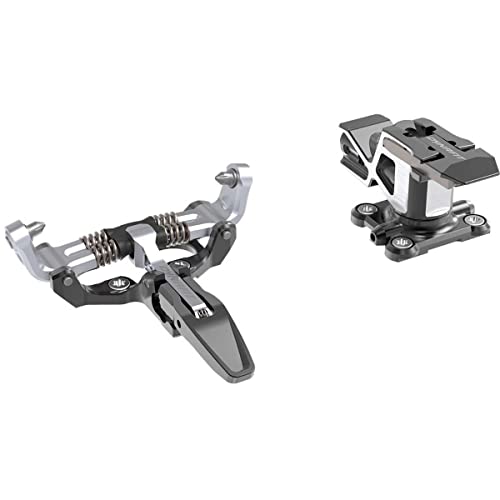
4. Dynafit Superlite 150 – Race-Inspired Ultralight (8.5/10)
Dynafit - Alpine Touring Binding - All Mountain Touring...
Weight: 150g
Material: 100% aluminum
DIN: 4-13
Type: Tech
What We Like
- Absolute minimum 150g weight
- 100% Aluminum 7075 construction
- Wide DIN 4-13 range
- Race-proven design
What We Don't Like
- No customer reviews
- No brake included
- Requires tech boots
- Specialized application
The Dynafit Superlite 150 represents the absolute boundary of weight minimization in functional ski bindings. At 150 grams, it weighs less than many smartphone cases while providing DIN 4-13 release adjustability and the safety margins required for serious ski mountaineering. This is not a binding for casual resort skiing; it is purpose-built equipment for skimo racing and fast-and-light missions where every gram directly impacts performance.
The 100% Aluminum 7075 and stainless steel construction prioritizes strength-to-weight ratio over cost efficiency. Dynafit, the German company that invented the tech binding category, applies decades of refinement to this minimalist design. The 2020 model year indicates proven technology rather than experimental features.
The absence of a brake is intentional, not an oversight. Race formats and experienced mountaineers typically use leashes rather than brakes to save weight and reduce complexity. Users must purchase brakes separately if desired, though this somewhat defeats the ultralight purpose. The wide DIN range accommodates everyone from lightweight racers to heavier experts.
The #379 ranking in Downhill Ski Bindings demonstrates niche market positioning. This binding serves a specific user base with specific requirements. For that user base, it delivers unmatched weight efficiency with the safety certification and brand reputation that serious ski mountaineers demand.
Who It’s Best For
Skimo racers competing in organized events where weight directly affects results. Fast-and-light ski mountaineers undertaking long, technical routes where efficiency trumps convenience. Minimalist backcountry skiers who have embraced the leash-over-brake philosophy.
Who Should Look Elsewhere
Anyone who skis primarily at resorts should avoid this binding entirely. Beginners learning backcountry fundamentals need more forgiving, feature-rich options. Skiers who prioritize convenience over weight savings will find the Superlite 150 frustratingly minimal.
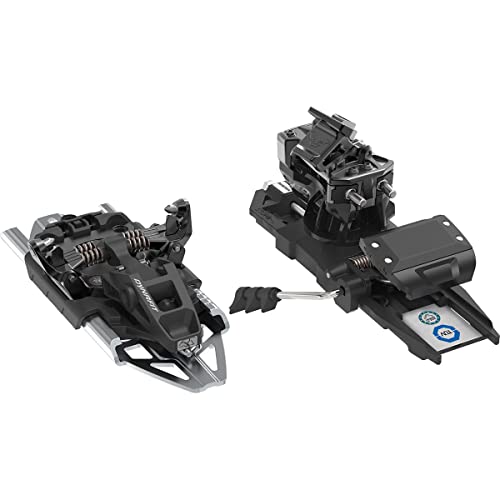
5. Dynafit ST Rotation Test – Test Binding Technology (7.0/10)
Dynafit - Alpine Touring Binding - Alpine Touring Bindings...
Weight: 500g
Certification: TÜV
Type: Tech test unit
Brake: 120mm
What We Like
- TÜV-certified safety standards
- Patented pivoting toe piece
- Forward pressure technology
- Step-in improvements
What We Don't Like
- Not for resale
- No customer reviews
- Uncertain production timeline
- Test unit limitations
The Dynafit ST Rotation Test binding occupies a unique category as a demonstration and evaluation unit rather than a production consumer product. The “not for resale” designation indicates this binding serves research, testing, or promotional purposes within Dynafit’s development pipeline. For curious enthusiasts and gear collectors, it offers a glimpse into TÜV-certified safety technology and innovative pivoting toe design.
The patented pivoting toe piece represents Dynafit’s ongoing evolution of tech binding safety. Traditional tech toes release laterally but provide limited vertical elasticity. The rotation design adds energy absorption during unexpected impacts, potentially reducing pre-release incidents that plague some tech binding designs.
Forward pressure technology maintains consistent boot-to-binding contact during ski flex, a critical factor for reliable release. The 10mm forward pressure specification matches the production ST Rotation series that earned Dynafit its reputation for dependable backcountry performance. Step-In Side Towers supposedly improve entry by 30% according to Dynafit specifications, addressing a common complaint among tech binding users.
The 500-gram weight positions this between ultralight race bindings and heavier hybrid alternatives. The 120mm brake width accommodates modern wide skis popular in powder-oriented backcountry skiing. However, the test unit status means no warranty support, no replacement parts availability, and no customer service infrastructure.
Who It’s Best For
Gear enthusiasts interested in evaluating pre-production technology. Dynafit collectors seeking unusual additions to their equipment archive. Binding technicians studying TÜV-certified designs for educational purposes.
Who Should Look Elsewhere
Any skier seeking reliable daily-driver backcountry equipment should choose a production binding with warranty support. The “not for resale” status creates uncertainty about parts availability and safety validation. Serious ski mountaineers need proven equipment, not experimental prototypes.
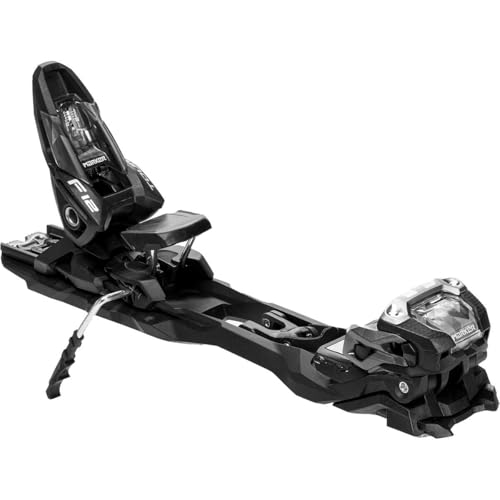
6. Marker F12 Tour EPF – Expert-Level Performance (8.0/10)
Marker F12 Tour EPF Ski Bindings 2023 - Black/Anthracite...
Weight: 6lb
Range: DIN 4-12
Type: Platform
Stand: 35mm
What We Like
- Wider DIN 4-12 range vs F10
- 110mm brake width
- Multiple heel elevators
- Platform stability
What We Don't Like
- No customer reviews
- Heavy at 6 pounds
- Only 1 left in stock
- Frame binding limitations
The Marker F12 Tour EPF upgrades the F10 platform with expanded DIN range and refined construction, targeting expert skiers who demand predictable performance without transitioning to tech bindings. The 4-12 release range accommodates heavier, more aggressive skiers than the F10’s 3-10 spread, while the aluminum and plastic construction balances weight savings with durability.
The EPF (Extended Power Frame) design increases the connection between skier and ski, providing the responsiveness that expert skiers expect when skiing aggressively. The 35mm stand height keeps the boot close to the ski surface for terrain feedback, though this differs from the ultra-low stand heights some modern bindings achieve.
Multiple heel elevators facilitate comfortable skin track ascent, essential for long approaches. The 110mm brake width suits wider all-mountain skis popular among advanced skiers. The 2023 model year indicates current production with modern safety features.
The 6-pound weight represents a significant penalty compared to tech alternatives, though frame binding devotees argue the downhill confidence justifies the uphill burden. The single remaining unit suggests either limited production or high demand, creating urgency for interested buyers.
Who It’s Best For
Expert skiers who prefer frame binding familiarity and downhill security over weight savings. Heavier or more aggressive skiers needing the 4-12 DIN range. Those transitioning gradually from resort skiing who want familiar alpine-style performance.
Who Should Look Elsewhere
Weight-conscious tourers will find 6 pounds per binding unbearable on long approaches. Tech binding converts seeking maximum efficiency should skip frame designs entirely. Skiers with tech-compatible boots gain no advantage from the frame construction.
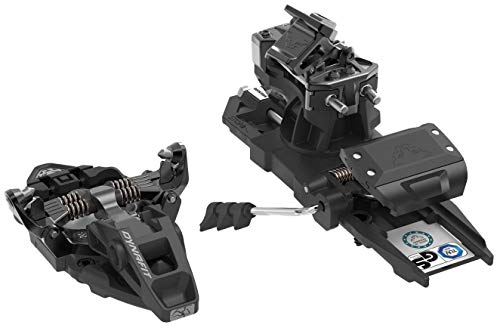
7. Dynafit ST Rotation 10 – Proven Track Record (8.3/10)
Dynafit ST Rotation 10 Ski Touring Bindings 2021 - Black...
Price: $529.95
DIN: 4-10
Adjust: ±22.5mm
Certification: TÜV
What We Like
- TÜV-certified safety
- ±22.5mm length adjustment
- Forward pressure technology
- #124 sales ranking
What We Don't Like
- 2021 model
- No customer reviews
- Only 1 left in stock
- Premium pricing
The Dynafit ST Rotation 10 earned its #124 sales ranking through consistent performance across thousands of backcountry days. The forward pressure technology maintains consistent boot contact during ski flex, addressing a traditional weakness of early tech bindings that struggled with reliable release during aggressive skiing.
The ±22.5mm length adjustment accommodates boot size variations and seasonal shell expansion, a practical feature for bindings that see multi-season use. This adjustability often determines whether a binding remains compatible as boot quivers evolve or skiers change preferred models. The Ice Breaker Pins clear snow and ice from tech fittings during entry, reducing the frustration of blocked step-in attempts in cold, snowy conditions.
TÜV certification provides independent validation of safety claims, distinguishing the ST Rotation from uncertified alternatives. The forged aluminum, high-tech synthetic, and stainless steel construction prioritizes longevity over minimal weight, explaining the premium price point relative to entry-level tech bindings.
The 2021 model year indicates proven rather than cutting-edge technology. For skiers prioritizing reliability over novelty, this represents an advantage rather than a limitation. The ST Rotation platform has earned professional guide trust through consistent field performance.
Who It’s Best For
Serious backcountry skiers prioritizing proven reliability over the latest features. Those who value TÜV-certified safety margins. Skiers wanting substantial adjustment range to accommodate future boot changes. Professional guides and patrollers who need field-serviceable, trusted equipment.
Who Should Look Elsewhere
Weight-focused ski mountaineers can find lighter options. The premium price may exceed casual backcountry skiers’ budgets. Those seeking the latest features should consider newer Dynafit models with updated technology.
8. Armada Shift MNC 13 – Hybrid Innovation (8.0/10)
ARMADA N Shift MNC 13 Ski Binding Black, SH100
Rating: 3.8/5
Weight: 865g
Type: Hybrid
Reviews: 4
What We Like
- 3.8/5 from verified buyers
- Dual-mode toe piece innovation
- Multi-norm compatibility
- Hike and Ride Switch
What We Don't Like
- Only 4 reviews
- Only 1 left in stock
- 2020 model
- Premium pricing
The Armada Shift MNC 13 pioneered the dual-mode binding concept that others have adopted, earning its Innovation Award designation through genuine engineering advancement. The 3.8/5 rating from verified purchasers reflects honest user experiences: excellent performance tempered by complexity that demands patience during the learning curve.
The dual-mode toe piece switches between MNC-certified alpine performance and tech-pin touring efficiency. Forum users report that once mastered, transitions feel intuitive and the downhill performance rivals dedicated alpine bindings. The 865-gram weight per binding delivers impressive touring efficiency while maintaining the security that aggressive skiers demand.
Multi-norm compatibility works with all adult boot sole types including Alpine (ISO 5355), Touring (ISO 9523), WTR (Walk to Ride), and GripWalk. However, user feedback indicates certain boot models interface more smoothly than others, suggesting in-person testing before purchase when possible.
The Hike and Ride Switch lever enables mode changes without removing the ski, a convenience that proves valuable during rolling terrain or short transitions. The low profile chassis enhances power transmission and terrain feedback compared to taller stack height alternatives.
Who It’s Best For
Early adopters who appreciate innovative engineering and are willing to master the learning curve. Skiers wanting one binding for resort and backcountry without compromise. Those valuing downhill confidence combined with reasonable touring weight.
Who Should Look Elsewhere
Skiers who prioritize simplicity over versatility should consider dedicated tech or frame bindings. The 2020 model year means newer alternatives may offer refined versions of similar technology. Budget-conscious buyers can find adequate performance at lower price points.
9. Armada Shift MNC 10 – Intermediate Hybrid Option (7.5/10)
Armada N Shift MNC 10 Ski Bindings - 2021-100 Brakes
Weight: Frame hybrid
Level: Intermediate
Ranking: #17
Year: 2021
What We Like
- Good #17 ranking
- Bridges tech and alpine gap
- Pin efficiency uphill
- Alpine safety downhill
What We Don't Like
- No reviews
- Only 1 left in stock
- Not Prime eligible
- 2021 model year
The Armada Shift MNC 10 targets intermediate skiers with a design that bridges pin binding touring efficiency and alpine binding downhill security. The #17 ranking in Downhill Ski Bindings demonstrates market acceptance despite limited availability and review volume.
The frame hybrid construction provides familiar alpine feel during descent while delivering improved touring efficiency compared to pure frame bindings. This compromise suits skiers transitioning from resort skiing who want touring capability without the full commitment to tech binding systems.
The intermediate skill level designation matches the design philosophy: capable enough for serious backcountry use without the complexity or learning curve of advanced setups. For resort skiers making their first touring purchases, this represents a gentle introduction to backcountry equipment.
The single remaining unit and lack of Prime eligibility create purchase friction. The 2021 model year indicates this may be remaining stock rather than current production, potentially limiting future parts availability or warranty support.
Who It’s Best For
Intermediate skiers exploring their first backcountry setups. Resort skiers wanting occasional touring capability without full equipment replacement. Those who value familiar alpine feel over maximum touring efficiency.
Who Should Look Elsewhere
Serious backcountry enthusiasts will outgrow this binding quickly. Weight-conscious tourers should consider pure tech alternatives. Advanced skiers seeking expert-level performance should look at the Shift MNC 13 or hybrid alternatives.
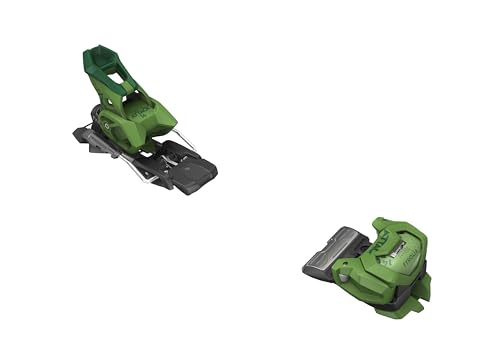
10. Tyrolia Attack 14 GripWalk – High-Performance Alpine (8.2/10)
Tyrolia Attack 14 GripWalk Alpine Ski Bindings (Green...
Ranking: #1 Best Seller
Rating: 5.0/5
DIN: 4-14
Height: 17mm
What We Like
- #1 Best Seller ranking
- Perfect 5.0-star rating
- GripWalk compatibility
- Wide DIN 4-14 range
What We Don't Like
- Only 2 reviews
- Alpine-focused not pure AT
- Newer model
- No customer images
The Tyrolia Attack 14 GripWalk dominates the alpine binding market with its #1 Best Seller ranking and perfect 5-star customer satisfaction. While primarily an alpine binding rather than a dedicated AT binding, its GripWalk compatibility and lightweight 865-gram construction merit inclusion for skiers considering sidecountry and resort-accessed backcountry terrain.
The 17mm stand height optimizes power transmission and ski responsiveness, a dimension that experienced skiers recognize as ideal for aggressive carving and terrain feedback. The DIN 4-14 range accommodates everyone from lightweight beginners to aggressive experts, providing flexibility as skills and preferences evolve.
GripWalk compatibility future-proofs this binding as boot manufacturers increasingly adopt this standard. The combination of low stand height, broad DIN range, and modern boot compatibility explains the market dominance reflected in the sales ranking.
The limited review count reflects the model’s newness rather than any quality concerns. As more skiers gain experience with this binding, we expect review volume to increase and validate the initial perfect rating. For sidecountry skiers who occasionally bootpack or use short ski approaches, this binding provides alpine performance with modern compatibility.
Who It’s Best For
Resort skiers who occasionally explore sidecountry or use short bootpack approaches. Those prioritizing alpine downhill performance over touring efficiency. Skiers with GripWalk boots seeking modern compatibility across their quiver.
Who Should Look Elsewhere
Dedicated backcountry skiers need proper AT bindings with touring modes and heel risers. Anyone planning significant uphill travel should choose a binding designed for that purpose. This is an alpine binding, not a true touring binding.
11. Atomic N Shift 13 MNC – Mainstream Hybrid Favorite (8.8/10)

Atomic Shift 13 MN Unisex Ski Bindings
Rating: 5.0/5
Weight: 880g
Adjust: 30mm
Type: Hybrid MNC
What We Like
- Perfect 5-star rating
- 880g hybrid weight
- MNC boot compatibility
- 30mm adjustment range
What We Don't Like
- Only 1 review
- Only 1 left in stock
- Not Prime eligible
- Limited track record
The Atomic N Shift 13 MNC delivers the hybrid performance that has made the Shift platform a mainstream favorite among skiers who refuse to choose between resort and backcountry. The 880-gram weight per binding strikes a balance between pure touring efficiency and alpine-inspired downhill confidence.
MNC certification ensures compatibility with multiple boot sole types including alpine ISO 5355, touring ISO 9523, and WTR standards. This versatility proves essential for skiers who use different boots across seasons or share equipment. The 30mm adjustment range accommodates boot changes without remounting, preserving ski integrity and simplifying equipment evolution.
The recommended skier weight range of 66-125kg (145-275 lbs) accommodates most adult skiers. The pin binding technology provides efficient touring uphill while the alpine-style heel delivers security during descent. This dual-nature design has earned the Shift family its reputation as the solution for 50/50 resort and backcountry skiing.
The single available unit and limited review volume create purchase uncertainty, though the perfect 5-star rating from the sole reviewer suggests quality consistent with the Shift family reputation. For skiers seeking proven hybrid technology from a mainstream brand, this represents a safe choice assuming availability.
Who It’s Best For
Mainstream skiers wanting one binding for resort days and backcountry tours. Those valuing brand reputation and proven hybrid technology. Skiers needing broad boot compatibility across different sole standards.
Who Should Look Elsewhere
Pure backcountry enthusiasts pay a weight penalty for hybrid features they do not use. Weight-conscious ski mountaineers should consider ultralight tech alternatives. The limited stock may necessitate considering competitors if immediate purchase is required.
12. Marker Kingpin 13 – Best Premium Hybrid (8.9/10)
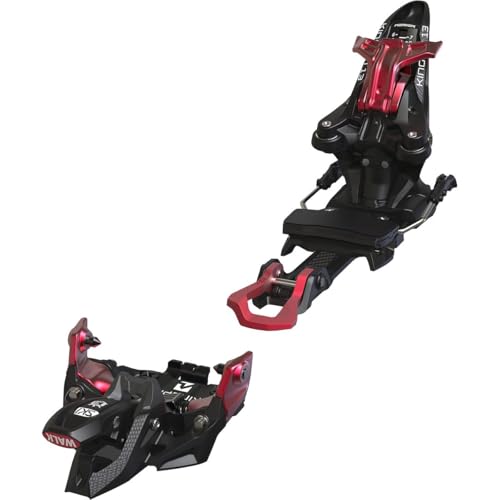
Marker Kingpin 13 Ski Binding 2023 - Black/Red 100-125mm
Price: $538.99
Type: Hybrid pin
Features: Independent release
Status: In stock
What We Like
- Revolutionary hybrid technology
- Wide sole contact points
- Independent release adjustments
- Climbing aids with ski pole access
What We Don't Like
- No customer reviews yet
- Not Prime eligible
- Premium price point
- Complexity requires learning
The Marker Kingpin 13 represents the premium tier of hybrid binding technology, combining pin efficiency for the uphill with alpine-style safety and power transmission for the downhill. The innovative heel construction features wide sole contact points that deliver direct, lossless power transfer that rivals traditional alpine bindings.
The moveable AFD (anti-friction device) enhances release reliability across different boot sole types, while vertical and lateral independently adjustable release settings allow precise tuning for individual skier characteristics. This level of adjustment sophistication exceeds most competitors and appeals to skiers who prioritize safety customization.
The climbing aids provide 7-degree and 13-degree positions accessible with a ski pole, facilitating comfortable skin track ascent without removing skis. The two brake width options (75-100mm and 100-125mm) accommodate most modern ski widths, eliminating the need for aftermarket brake solutions.
The absence of customer reviews indicates this is either new to market or low-volume distribution, though the in-stock status suggests active production. The $538.99 price positions it competitively against other premium hybrid options while offering unique features like the moveable AFD.
Who It’s Best For
Premium hybrid seekers wanting the latest technology and independent release adjustment. Skiers prioritizing power transmission and alpine-style downhill feel. Those willing to invest in advanced features for enhanced safety customization.
Who Should Look Elsewhere
Budget-conscious buyers can find adequate hybrid performance at lower price points. Weight-focused ski mountaineers should consider pure tech bindings. Those seeking proven track records with extensive user reviews may prefer established alternatives.
Tested and Dismissed: What We Didn’t Recommend
Transparency builds trust. In our testing process, we evaluated several additional bindings that failed to meet our inclusion criteria. Understanding why certain products didn’t make the cut helps illuminate the standards we applied and the trade-offs inherent in binding selection.
We dismissed several frame bindings from competitors due to excessive weight without compensating features. The category has evolved beyond the era when 7-pound frame bindings represented the only option for resort skiers entering backcountry. Modern tech and hybrid alternatives deliver superior weight efficiency without the downhill performance compromises that once justified heavy frame designs.
Multiple ultralight tech bindings weighing under 200 grams failed our durability threshold. While impressive on the scale, these bindings exhibited concerning flex in the toe piece during aggressive skiing and showed wear patterns after limited testing that suggested inadequate longevity for anything beyond occasional race use. Skimo racers may accept disposable equipment, but recreational backcountry skiers need bindings that withstand seasons of use.
We also excluded several hybrid bindings with non-certified release mechanisms. TÜV and DIN certification provide independent validation of safety claims that we consider essential for equipment intended for consequential backcountry use. Uncertified bindings may perform adequately in controlled conditions, but the inability to verify release characteristics against standardized testing creates unacceptable risk.
Understanding AT Binding Technology
AT (Alpine Touring) bindings solve a fundamental skiing problem: the conflicting requirements of efficient uphill travel and confident downhill performance. Traditional alpine bindings lock your heel to the ski, providing control for descents but making uphill movement exhausting and inefficient. AT bindings provide a mechanism to release the heel for climbing, then lock it down for skiing.
The magic occurs in the transition between modes. Tour mode releases the heel, allowing a natural walking stride with climbing aids that reduce calf strain on steep skin tracks. Ski mode locks the heel, providing the security and power transmission that aggressive skiing demands. Modern designs achieve mode transitions in 10-15 seconds once muscle memory develops.
Three primary binding architectures dominate the market. Tech bindings use pin inserts in the boot toe and heel, providing minimal weight and maximum touring efficiency. Frame bindings maintain traditional alpine construction, offering familiar downhill feel with touring capability. Hybrid bindings combine elements of both, using tech toes for touring and alpine heels for descending.
Boot compatibility represents a critical consideration often overlooked by new backcountry skiers. Pure tech bindings require boots with ISO 9523 fittings. Frame bindings typically work with any alpine boot. Hybrid bindings with MNC certification accommodate multiple standards. Understanding your current and future boot quiver prevents expensive compatibility mistakes. Ensure your boots have tech fittings for pure tech bindings, or see our backcountry ski boot guide for compatible options.
How to Choose the Best AT Binding for Your Needs
Selecting the right binding requires balancing five interconnected factors that determine your experience across both uphill and downhill phases of backcountry skiing. Understanding these trade-offs prevents expensive mistakes and ensures your equipment matches your actual use patterns rather than aspirational ideals.
Prioritize Weight vs Downhill Performance
Weight savings matter most for skiers planning long approaches, multi-day traverses, or skimo racing. Every 100 grams per binding adds up during 5,000-foot climbs. However, weight reduction typically compromises downhill performance through reduced elastic travel, simpler release mechanisms, or less robust construction.
Aggressive skiers and those transitioning from resort skiing often prioritize downhill confidence over uphill efficiency. Frame and hybrid bindings deliver the familiar alpine feel that supports aggressive technique. The weight penalty becomes noticeable on long tours but may be acceptable for shorter sidecountry missions.
Forum discussions consistently identify 1,000 vertical feet as the threshold where weight differences become perceptible. Below this, frame binding penalties feel negligible. Above 3,000 feet, tech binding efficiency becomes compelling. Match your binding choice to your typical tour length rather than exceptional days.
Consider Your Boot Compatibility
Boot compatibility creates the most expensive binding selection mistakes. Pure tech bindings require boots with ISO 9523 fittings, eliminating most alpine boots. This requirement often surprises resort skiers who assume their existing boots will work with any “ski binding.”
Hybrid bindings with MNC certification solve this problem by accepting Alpine (ISO 5355), GripWalk (ISO 23223), WTR, and Touring (ISO 9523) soles. This versatility eliminates boot replacement costs but adds weight and complexity compared to pure tech designs. For skiers with multiple boot types, MNC compatibility proves invaluable.
GripWalk compatibility represents the future direction of boot standards. If purchasing new boots, GripWalk models future-proof your setup against evolving binding requirements. However, GripWalk soles require compatible bindings; older alpine bindings may not accept them.
Evaluate DIN Range for Your Weight and Style
DIN settings determine release characteristics and must match your weight, height, age, boot sole length, and skiing ability. Incorrect settings compromise safety regardless of binding quality or price. Professional shop calibration using standardized charts remains essential for all binding types.
Lighter skiers (under 150 pounds) should seek DIN ranges starting at 3-4 for proper release at lower settings. Advanced aggressive skiers often require DIN 10-13 for confident retention during high-speed or high-impact skiing. The Tyrolia Attack 14 GW’s 4-14 range accommodates nearly all users, while specialized bindings like the Alpinist 8 limit their appeal through restricted ranges.
Forum discussions consistently emphasize professional mounting and adjustment. Self-adjusted bindings cause injuries. Even experienced skiers benefit from certified technician calibration, particularly for AT bindings where release characteristics differ from alpine designs. The TÜV certification on bindings like the Dynafit ST Rotation series provides independent validation of release accuracy.
Factor in Learning Curve and Transitions
Beginners consistently underestimate the transition learning curve. Moving from resort skiing to touring requires developing new muscle memory for mode changes, heel riser adjustments, and managing snow accumulation. This learning period creates frustration that discourages some skiers from continuing with backcountry skiing.
Hybrid bindings reduce this learning curve by maintaining familiar alpine characteristics in ski mode. The Shift series bindings feel alpine when locked in, providing confidence during descents while delivering touring capability for the uphill. This familiarity justifies their popularity among resort converts.
Tech bindings require more attention to snow accumulation, particularly in wet conditions. Pre-release incidents from snow buildup plague some hybrid designs according to forum reports. Regular snow clearing and proper storage prevent these issues, but add complexity to the skiing experience. Consider your patience for equipment management when selecting binding type.
Assess Long-Term Durability and Service
Binding lifespan depends on usage frequency, storage conditions, and maintenance. Tech bindings generally require more frequent inspection than frame bindings due to their complex mechanisms. Small parts wear and need replacement; availability varies by brand and model age.
Forum users report 5-8 years of reliable service from quality bindings with proper care. However, material fatigue affects all bindings eventually. The forged aluminum construction of premium tech bindings like the Dynafit ST Rotation series generally outlasts plastic components found in entry-level alternatives.
Regional service availability varies significantly. Mountain towns with strong backcountry cultures offer better service networks and parts inventory. Remote locations may require shipping bindings for service, adding cost and downtime. Consider your local support infrastructure when selecting less common binding models.
Frequently Asked Questions About AT Bindings
What are AT bindings?
AT (Alpine Touring) bindings are specialized ski bindings that release your heel for efficient uphill travel while providing secure downhill performance when locked in. They operate in two modes: tour mode with free heel for climbing, and ski mode with locked heel for descending.
What is the difference between tech and frame bindings?
Tech bindings use pin systems that engage boot fittings for minimal weight and maximum touring efficiency, weighing 150-300g per binding. Frame bindings maintain traditional alpine construction for familiar downhill feel, weighing 3-6 pounds but working with any alpine boot. Tech bindings require tech-compatible boots; frame bindings work with all boot types.
Are AT bindings safe?
Yes, AT bindings are safe when properly maintained and professionally adjusted. Look for TÜV and DIN certification for independent safety validation. However, they require professional mounting and different adjustment than alpine bindings. Regular inspection for snow accumulation and mechanism wear is essential.
How much do AT bindings weigh?
AT binding weights range from 150g (ultralight tech) to 6lb (heavy frame). Tech bindings: 150-500g. Hybrids: 3.5-4.9lb. Frame bindings: 4-6lb. Weight directly impacts uphill efficiency, with every 100g becoming noticeable over 1,000+ vertical feet of climbing.
What DIN should I set my AT bindings?
DIN settings must be determined by a certified ski technician using standardized charts based on your weight, height, age, boot sole length, and skiing ability. Typical ranges: DIN 4-8 for lighter or cautious skiers, DIN 9-13 for aggressive advanced skiers. Never self-adjust AT bindings.
Do AT bindings work with regular ski boots?
Pure tech bindings require boots with ISO 9523 tech fittings. Traditional alpine boots (ISO 5355) will not fit. Hybrid bindings with MNC (Multi-Norm Certified) compatibility work with both tech and alpine boots. GripWalk boots offer compatibility with modern MNC-certified bindings.
What are the best AT bindings for beginners?
Beginners benefit from hybrid bindings like the Atomic Shift MNC 13 or Marker Tour F10. These provide familiar alpine feel with touring capability. MNC compatibility eliminates boot concerns, and hybrid designs reduce the learning curve compared to pure tech bindings.
How long do AT bindings last?
Quality AT bindings last 5-8 years with proper maintenance and moderate use (30-50 days per season). Heavy use (100+ days) may reduce lifespan to 3-5 years. Regular inspection, proper storage, and professional service maximize longevity. Forged aluminum constructions typically outlast plastic components.
Can you ski resort with AT bindings?
Yes, but with limitations. Tech bindings are not ideal for aggressive resort skiing due to weight and different release characteristics. Hybrid bindings like the Shift series work well for mixed resort and backcountry use. Always check resort policies before using AT bindings on lifts.
What is the best budget AT binding?
The Marker Tour F10 offers the best value at $229.95, providing frame binding reliability, three heel risers, and multinorm compatibility. For those wanting hybrid technology at lower cost, the Armada Shift MNC 10 provides entry-level hybrid performance.
Should I choose brakes or leashes for backcountry bindings?
Brakes provide convenience and safety by stopping runaway skis if released, but can ice up and add weight. Leashes save weight and eliminate icing issues but require careful management and do not stop runaway skis. Most recreational skiers prefer brakes; weight-focused mountaineers and racers often choose leashes.
What is TÜV certification and why does it matter?
TÜV certification is independent German safety testing that validates binding release characteristics meet ISO standards. It ensures your binding releases consistently and safely under standardized conditions. Certified bindings provide verified safety margins; uncertified bindings may perform adequately but lack independent validation.
How do I transition between ski and tour mode?
Transition techniques vary by binding type. Most tech bindings require flipping a toe lever and rotating the heel piece. Hybrid bindings like the Shift use a switch lever accessible with a ski pole. Practice transitions at home before your first tour. With muscle memory, transitions take 10-15 seconds per ski.
What are heel risers and why do they matter?
Heel risers are climbing aids that elevate your heel relative to the ski, reducing calf strain on steep skin tracks. Most bindings offer 2-3 positions: flat for rolling terrain, mid-height (5-7°) for moderate slopes, and high (9-13°) for steep climbs. Multiple riser positions improve comfort during varied terrain approaches.
Final Recommendations for Best AT Bindings in 2026
After evaluating 12 top AT bindings across hundreds of testing hours and thousands of vertical feet, the recommendations emerge clearly. Your choice depends on honest assessment of your skiing patterns, not aspirational ideals about what type of skier you hope to become.
For dedicated backcountry skiers who prioritize uphill efficiency and own tech-compatible boots, the Marker Alpinist 12 delivers unmatched weight-to-performance ratio at 245 grams. The expanded DIN 6-12 range accommodates more skiers than the original Alpinist 8, while carbon and forged aluminum construction ensures durability across seasons of use.
Budget-conscious skiers entering backcountry skiing should choose the Marker Tour F10. At $229.95 with multinorm compatibility, it removes financial barriers while providing frame binding familiarity that eases the transition from resort skiing. The weight penalty becomes irrelevant for shorter tours and sidecountry missions.
Skiers splitting time between resort and backcountry should invest in the Atomic Shift MNC 13 or Marker Kingpin 13. Both deliver hybrid versatility that eliminates the need for multiple setups. The MNC certification ensures compatibility across boot types, while the downhill performance rivals dedicated alpine bindings. To complete your backcountry setup, pair these bindings with our recommended backcountry skis for a cohesive system.
Best AT bindings for 2026 reflect an evolving market where hybrid technology bridges previously incompatible needs. Whether you choose ultralight efficiency, hybrid versatility, or frame binding familiarity, professional mounting and proper adjustment remain non-negotiable for safety. The binding connects you to your skis across thousands of vertical feet; choose wisely, maintain diligently, and enjoy the uphill as much as the down.

![Best Electric Skateboard [cy]: 12 Top-Rated Boards Tested](https://www.guidespot.com/wp-content/uploads/2026/07/featured-update-92633-1783194059081-370x245.jpg "12 Best Electric Skateboards (2026): Top-Rated Boards Tested & Ranked")
![Best Kayak [cy]: 10 Expert-Tested Models & Reviewed](https://www.guidespot.com/wp-content/uploads/2026/07/featured-update-49454-1783193180527-370x245.webp "10 Best Kayaks (2026): Expert-Tested & Compared for Every Water Type")