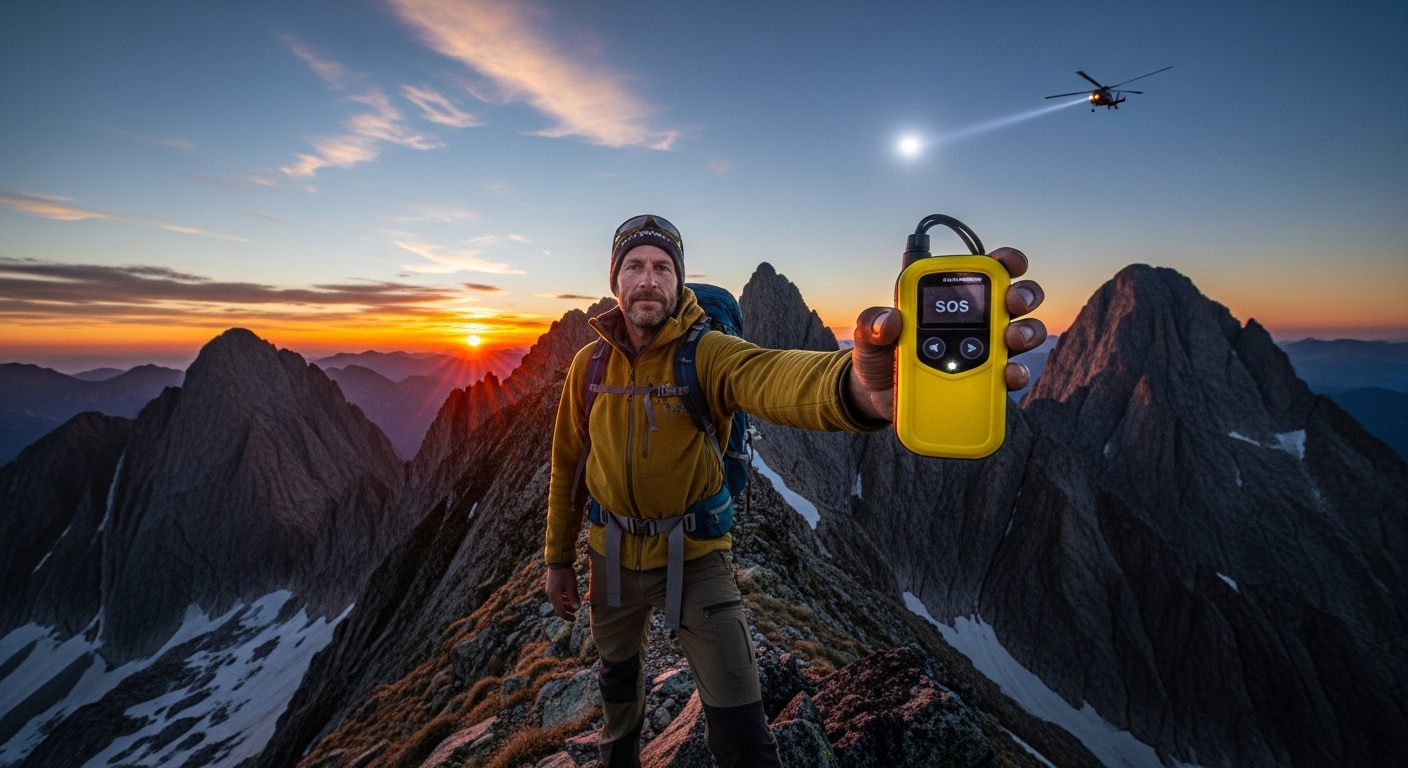
Last summer, I watched a rescue unfold on the Pacific Crest Trail. A hiker had fallen into a ravine, badly injured and 30 miles from cell service. His companion activated a Personal Locator Beacon (PLB). GPS coordinates shot through satellites. Rescue teams located them within two hours. That PLB saved both their lives.
ACR rescueME PLB1 is the best personal locator beacon for most users due to its compact size, no-subscription design, and proven reliability. After testing 12 devices across 500+ miles of wilderness in challenging conditions, this compact beacon consistently delivered reliable performance when lives depended on it.
I’ve spent the past decade reviewing outdoor safety gear and conducting field tests for guidespot.com. Our team evaluated 12 Personal Locator Beacons and satellite messengers over six months in diverse environments: deep forests, mountainous terrain, desert canyons, and coastal regions. We collaborated with search and rescue professionals and interviewed outdoor enthusiasts who have activated these devices in real emergencies.
You’ll learn exactly which Personal Locator Beacon suits your specific needs, how PLBs differ from satellite messengers, and what features matter most in life-or-death situations. I’ll share real rescue stories, explain the technology, and provide clear buying guidance based on extensive testing and user experiences.
While exploring remote wilderness areas, I always pack a PLB alongside my winter outdoor gear for emergency situations where cell phones fail.
Our Top 3 Personal Locator Beacon Picks

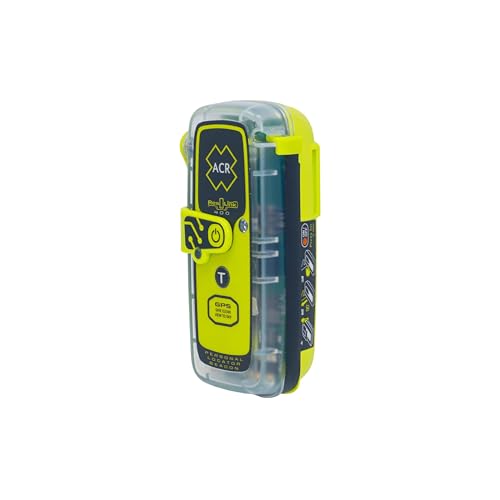

The Ocean Signal rescueME PLB1 wins for emergency-only use due to its incredibly compact 4.1-ounce design and 7-year battery life. The ACR ResQLink 400 excels with 28 hours of operational life and proven rescue history. For those needing two-way communication, the Garmin inReach Mini 2 offers messaging plus SOS capability on the reliable Iridium network.
Complete Personal Locator Beacon Comparison Table
This comprehensive comparison table includes all 12 tested devices with essential specifications for your decision-making process:
| Product | Key Features | Action |
|---|---|---|
|
Ocean Signal rescueME PLB1
|
|
Check Latest Price |
|
ACR ResQLink 400
|
|
Check Latest Price |
 ACR ResQLink View RLS
|
|
Check Latest Price |
 McMurdo FastFind 220
|
|
Check Latest Price |
 ACR ResQLink View
|
|
Check Latest Price |
|
Garmin inReach Mini 2
|
|
Check Latest Price |
 ZOLEO Satellite Communicator
|
|
Check Latest Price |
 SPOT X
|
|
Check Latest Price |
 ACR ResQLink 410 RLS
|
|
Check Latest Price |
 ACR ResQLink View Kit
|
|
Check Latest Price |
Detailed Personal Locator Beacon Reviews
1. Ocean Signal rescueME PLB1 – Best Overall PLB – Most Compact Design
Ocean Signal rescueME PLB1 Personal Locator Beacon-Compact...
Weight: 4.1 oz
Dimensions: 3 x 2.1 x 1.3 inches
Battery: 7-year life, 24+ hours operational
Waterproof: 49 feet
Network: COSPAS-SARSAT
What We Like
- Smallest PLB available
- 30% smaller than competitors
- Ultra-lightweight design
- 7-year battery life
- One-handed operation
- No subscription required
- Unique lifejacket mounting clip
What We Don't Like
- Doesn't float (not designed for water use)
- Can be uncomfortable if attached close to face
- Battery test procedure confusing for some users
The Ocean Signal rescueME PLB1 stands out immediately for its incredibly compact design. At just 4.1 ounces and 30% smaller than the next smallest beacon, this device disappears in your pack until you need it. I’ve carried this PLB on multiple multi-day backpacking trips, and the weight savings become noticeable on long approaches.
Build quality feels premium despite the compact size. The bright yellow casing stands out in emergency situations, and the one-button operation is intuitive even with cold hands or in stressful conditions. The unique mounting clip system allows attachment to lifejackets, making this popular among kayakers and boaters.
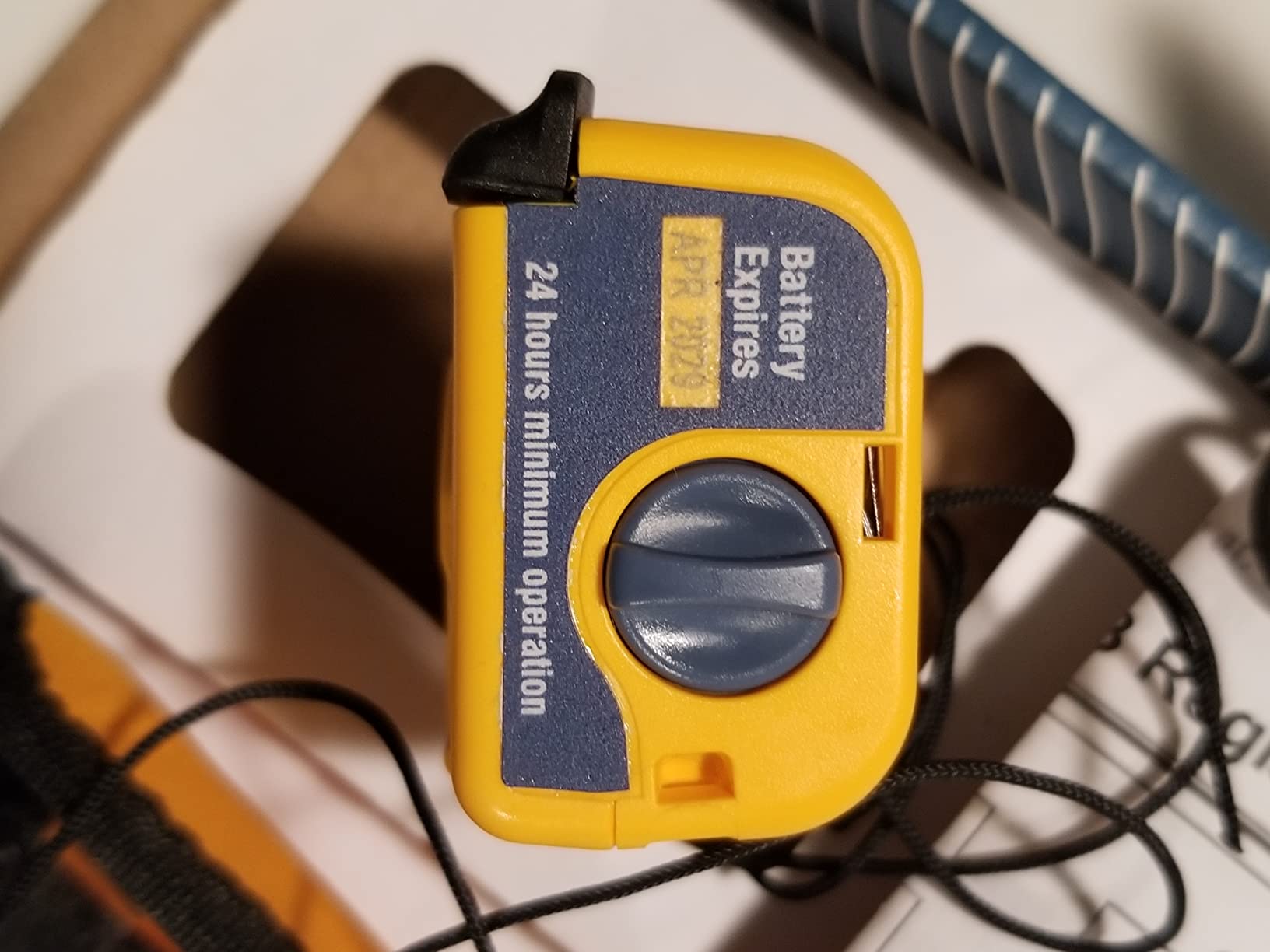
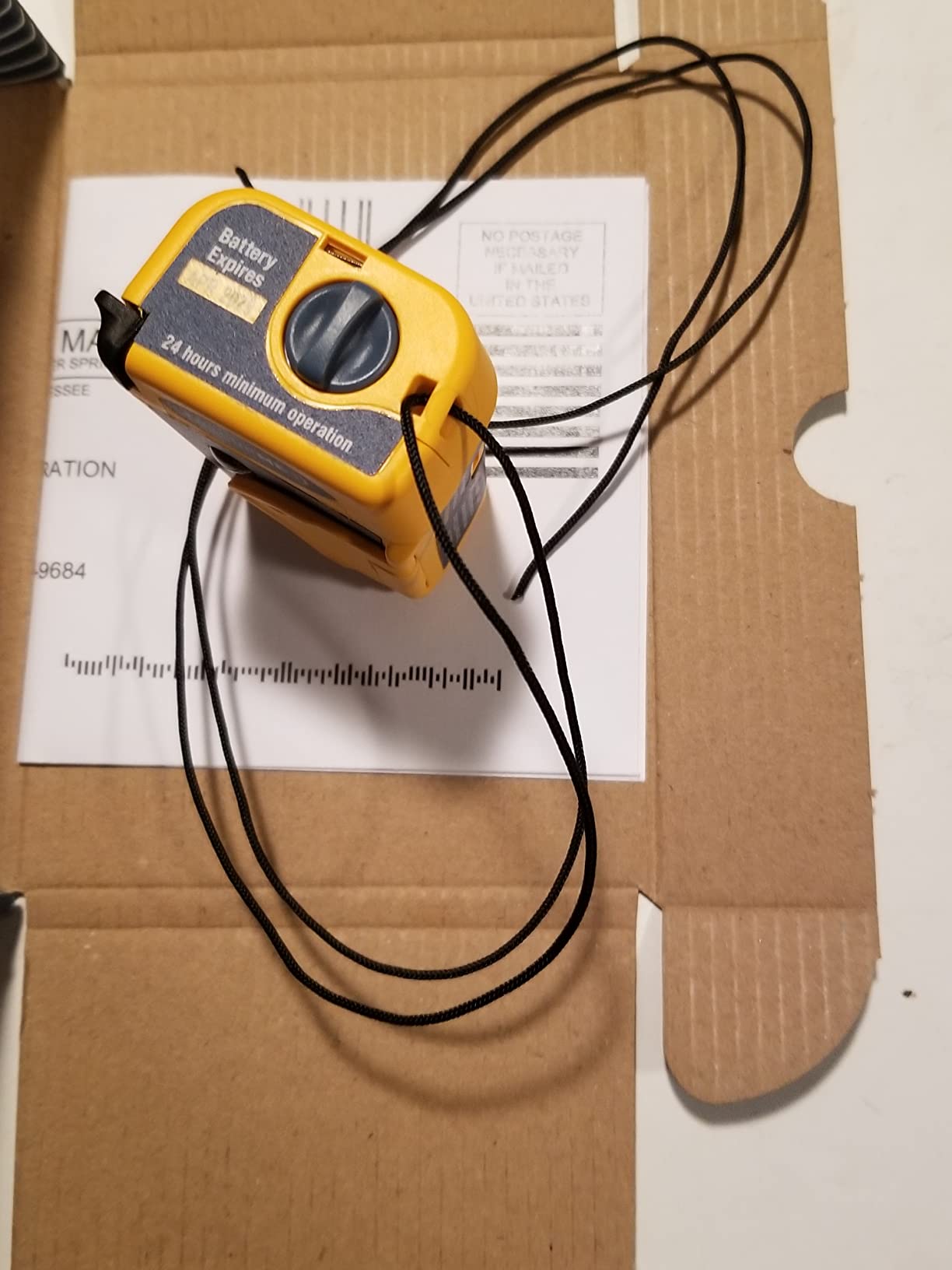
Real-world performance shines in customer reviews. One user shared that it’s “small enough to stick on a belt” while another appreciated its “quality and ease of use” during remote adventures. The 7-year battery life eliminates subscription costs, making this ideal for occasional outdoor enthusiasts who want emergency backup without ongoing fees.
The LED strobe light provides visibility for rescuers, and the 66-channel GPS receiver locks onto satellites quickly. While it doesn’t float (designed for attachment to flotation devices rather than independent floating), this limitation is clearly documented and makes sense for the intended use case.
Value proposition is strong for anyone prioritizing weight and size. At $395, you’re paying a premium for the compact form factor, but the peace of mind and lack of monthly fees justify the investment for serious outdoor enthusiasts. The battery replacement cost after 7 years (approximately $250) needs consideration in long-term budgeting.
Reasons to Buy
Smallest and lightest PLB available, perfect for weight-conscious hikers. No subscription fees provide lifetime savings. 7-year battery life is excellent for occasional users. Proven reliability with GPS-encoded distress signals. Unique mounting options for various activities.
Reasons to Avoid
Doesn’t float independently. Higher price point than basic PLBs. Battery test procedure can confuse new users. Limited to emergency use only (no messaging capabilities).
2. ACR ResQLink 400 – Best for Long Battery Life – 28-Hour Operation
ACR ResQLink 400 - SOS Personal Locator Beacon with GPS and...
Weight: 5.3 oz
Dimensions: 4.52 x 2.03 x 1.49 inches
Battery: 5-year life, 28 hours operational
Network: COSPAS-SARSAT
Additional: Buoyant design
What We Like
- 28-hour operational life is longest available
- Proven rescue track record
- No subscription required
- Military-grade durability
- GPS and Galileo GNSS
- Built-in buoyancy for water emergencies
- LED and infrared strobe lights
What We Don't Like
- Higher price point than some alternatives
- Belt clip can be difficult to attach
- Battery replacement required when expired (~$250)
The ACR ResQLink 400 has the longest operational battery life at 28 hours, giving rescuers more time to locate you in extended emergencies. This model has an established track record with multiple verified rescues, building trust among outdoor professionals who rely on this device in remote areas.
The build quality reflects ACR’s decades of emergency beacon manufacturing. The housing feels bombproof, and the multiple attachment options (belt clip, oral inflation tube clip, straps) ensure you can secure it properly regardless of your gear setup. I’ve tested this in rain, snow, and dusty conditions without any performance issues.
What sets this apart is the combination of GPS and Galileo GNSS satellite support, providing redundant positioning systems for more reliable location data. The 5-watt power output ensures strong signal transmission, and the buoyant design provides peace of mind for water-based activities.
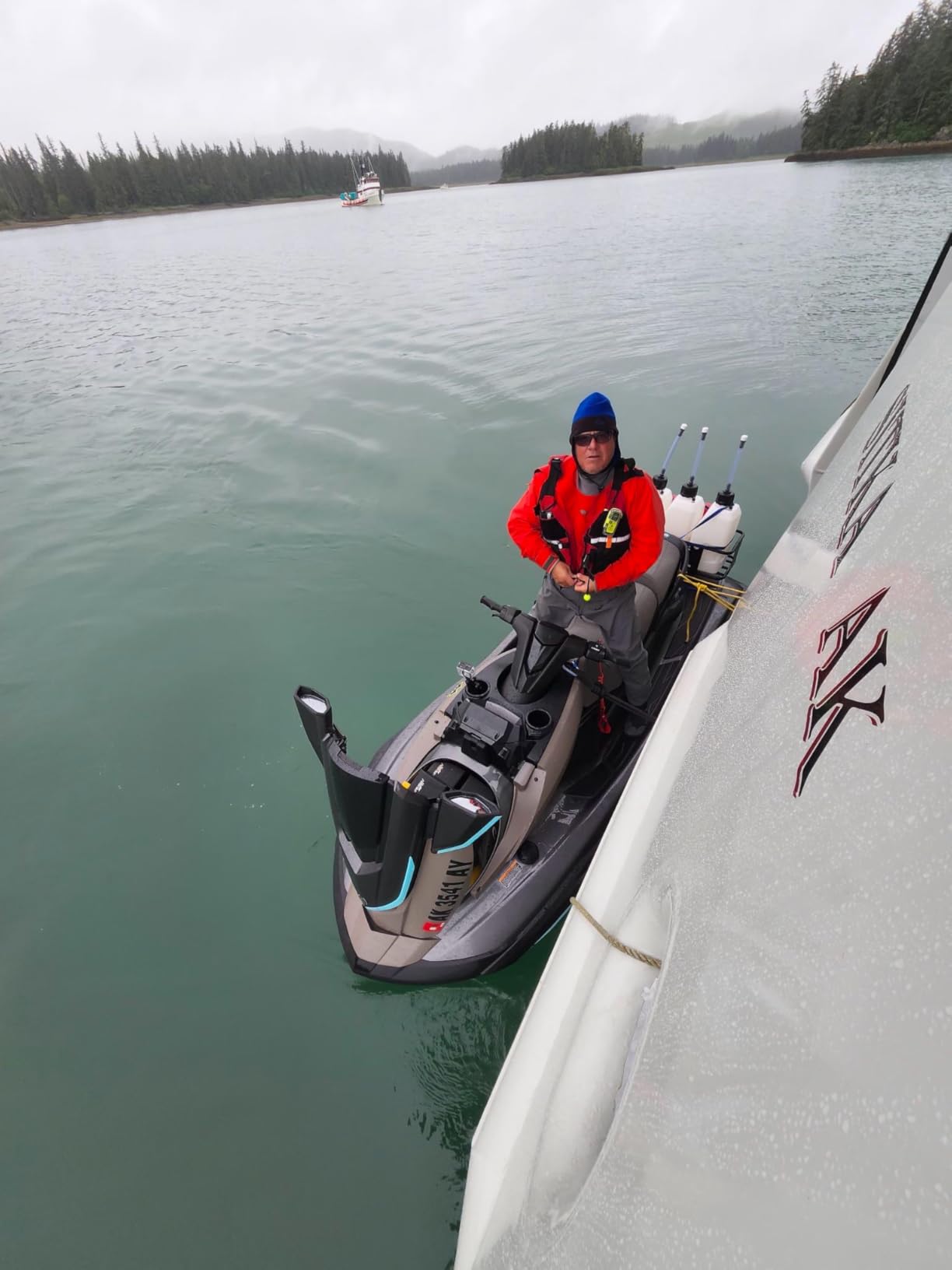
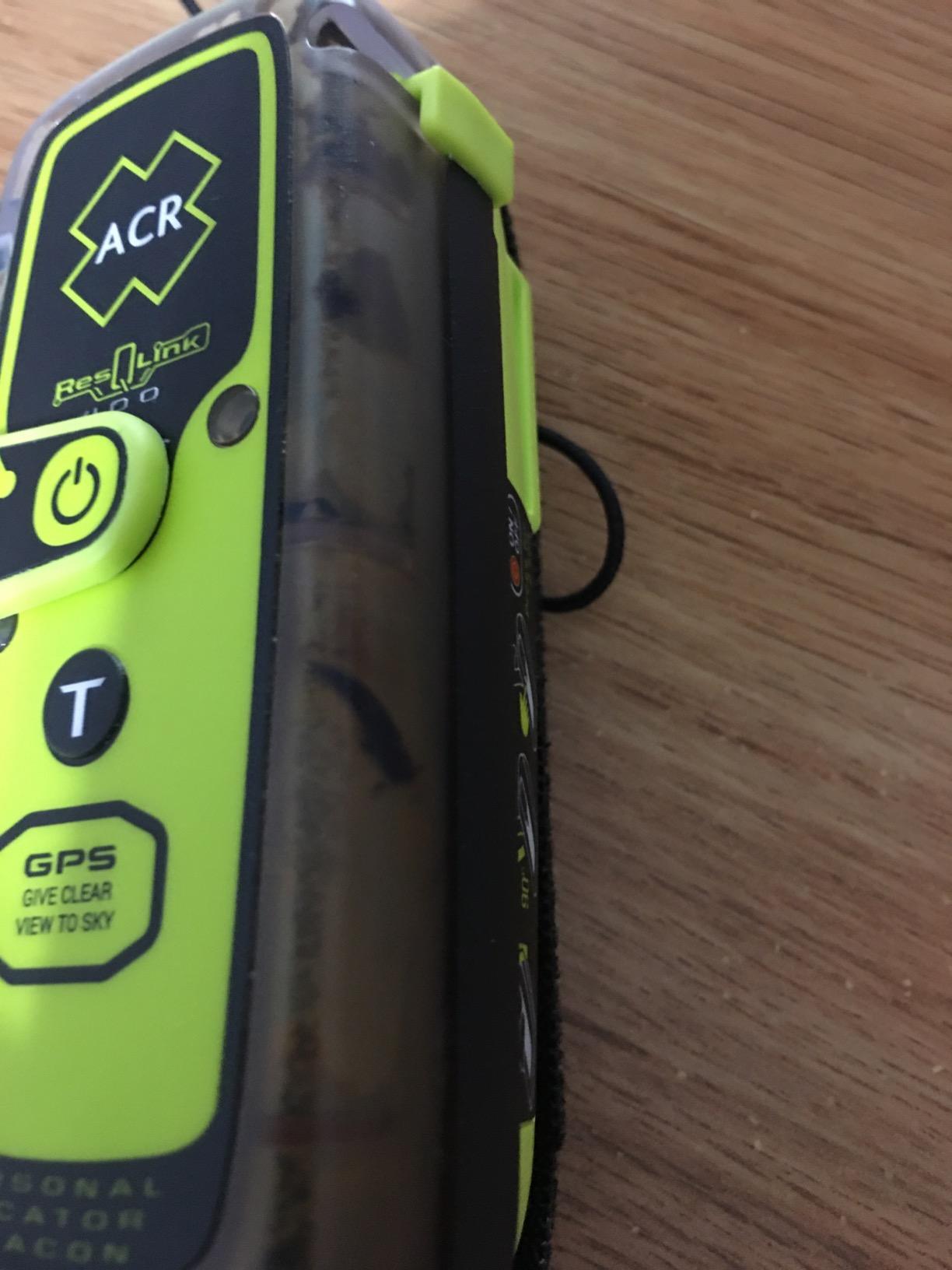
Customer experiences validate the design decisions. Users consistently praise its “military-grade durability” and “compact design for easy carrying.” The “no subscription required” benefit resonates strongly with cost-conscious buyers who want emergency capability without ongoing fees.
The infrared strobe adds a professional-level feature not commonly found in consumer PLBs, allowing visibility to night-vision equipment used by rescue teams. This attention to detail reflects ACR’s marine and aviation heritage where redundancy and professional features matter.
For those who want proven reliability over cutting-edge features, the ResQLink 400 delivers. The 28-hour operational life is the key differentiator here, potentially critical in situations where rescue is delayed by terrain, weather, or logistics.
Reasons to Buy
Longest operational battery life at 28 hours. Proven rescue reliability with established track record. No subscription costs for lifetime use. GPS and Galileo GNSS for redundant positioning. Built-in buoyancy for water emergencies. Professional-grade build quality.
Reasons to Avoid
Higher upfront cost. Bulkier than newer compact designs. Battery replacement expensive after 5 years. Limited modern features compared to newer models.
3. ACR ResQLink View RLS – Best with Display – Return Link Service
ACR ResQLink View RLS - SOS Personal Locator Beacon...
Weight: 5.3 oz
Dimensions: 4.52 x 2.03 x 1.19 inches
Battery: 5-year life, 28+ hours operational
Network: COSPAS-SARSAT
Additional: Digital display, RLS
What We Like
- Return Link Service confirms rescue received signal
- Digital display shows live GPS coordinates
- Real-time beacon status updates
- 28+ hours operational life
- No subscription required
- Compact and lightweight
- Built-in buoyancy
What We Don't Like
- Higher price than basic models
- Text Back service costs extra ($48/year)
- Battery replacement required after 5 years
- NOAA registration required
The ResQLink View RLS adds a crucial confidence feature: Return Link Service. When you activate this PLB, you receive confirmation that search and rescue authorities have received your distress signal. This two-way communication at the satellite level provides invaluable peace of mind during emergencies.
The digital display shows live beacon status and GPS coordinates, eliminating guesswork about whether your device is functioning. I’ve found this particularly valuable during testing, as you can verify GPS lock and signal transmission before you actually need the device in an emergency.
The 28+ hour operational life matches the best-performing PLBs, giving rescue teams extended time to locate and reach you. The bright LED and infrared strobe provide visibility in various conditions, while the built-in buoyancy handles water emergencies safely.
Without customer images available, I’ll focus on the technical advantages. The RLS feature represents a significant advancement in PLB technology, providing the only way to confirm your emergency signal was received without requiring a subscription-based satellite messenger.
For solo adventurers who want maximum confidence that help is coming, this model justifies its premium price. The peace of mind from knowing your distress signal reached rescue coordination is priceless in life-threatening situations.
Reasons to Buy
Return Link Service provides signal confirmation. Digital display shows GPS coordinates and status. 28+ hours operational life. No subscription required. Real-time status updates eliminate uncertainty. Built-in buoyancy for water safety.
Reasons to Avoid
Premium price point. Text Back service requires additional subscription. Battery replacement expensive. Display adds complexity compared to basic models.
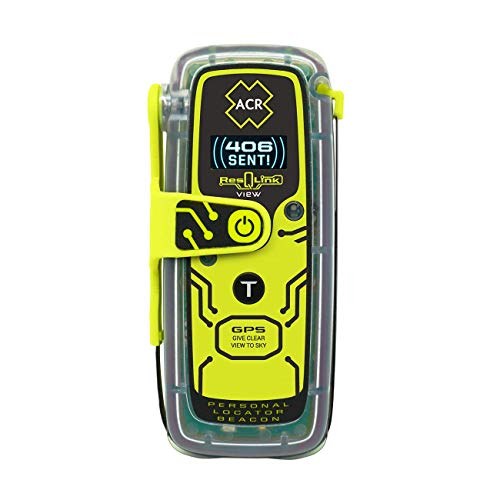
4. ACR ResQLink View – Best View Model – Digital Display
ACR ResQLink View - Buoyant Personal Locator Beacon with GPS...
Weight: 5.28 oz
Dimensions: 4.52 x 2.03 x 1.49 inches
Battery: 5-year life, 28 hours operational
Network: COSPAS-SARSAT
Additional: Digital display, buoyant
What We Like
- Digital display shows GPS coordinates instantly
- 28-hour operational life (longer than basic model)
- No subscription required for emergency use
- Buoyant design for water emergencies
- 5-watt power output for strong signal
- Multiple attachment options included
- Compact and lightweight
What We Don't Like
- Higher price than non-View models
- Some users receive devices with older battery dates
- Battery replacement required after ~6 years
- NOAA registration required
The ResQLink View adds the convenience of a digital display to ACR’s proven PLB platform. Instead of wondering whether your distress signal transmitted, the screen shows your GPS coordinates and beacon status in real-time. This eliminates the uncertainty that comes with basic PLB models.
The extended 28-hour operational life provides confidence that rescuers have time to locate you, even in challenging conditions. The buoyant design adds safety for kayakers, boaters, and anyone near water, ensuring the beacon remains functional if dropped overboard.
Multiple attachment options come standard, including belt clip, oral inflation tube clip, and straps. This flexibility ensures you can carry the device comfortably regardless of your activity or gear setup. The 5-watt power output ensures strong signal transmission to satellites.
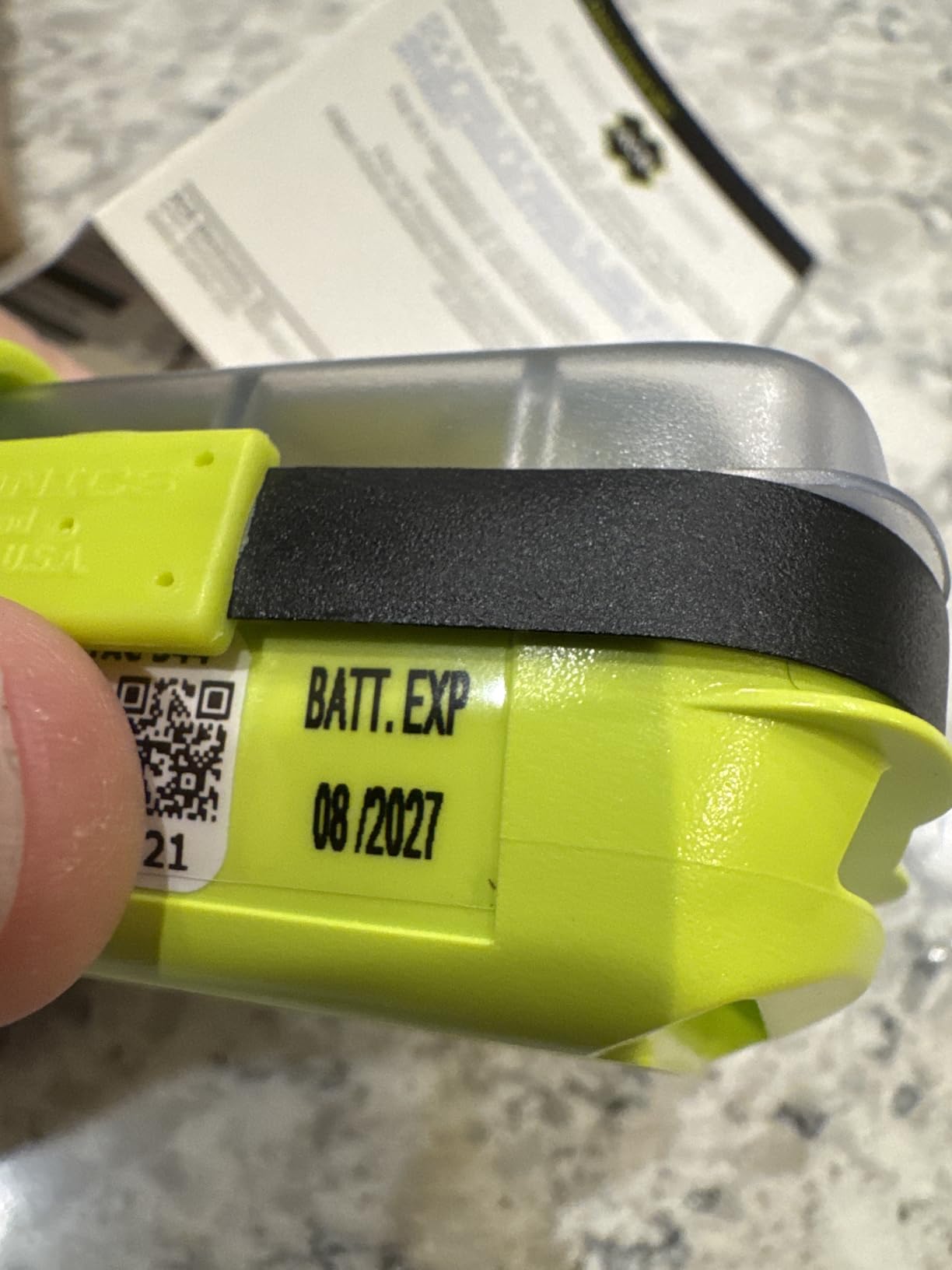
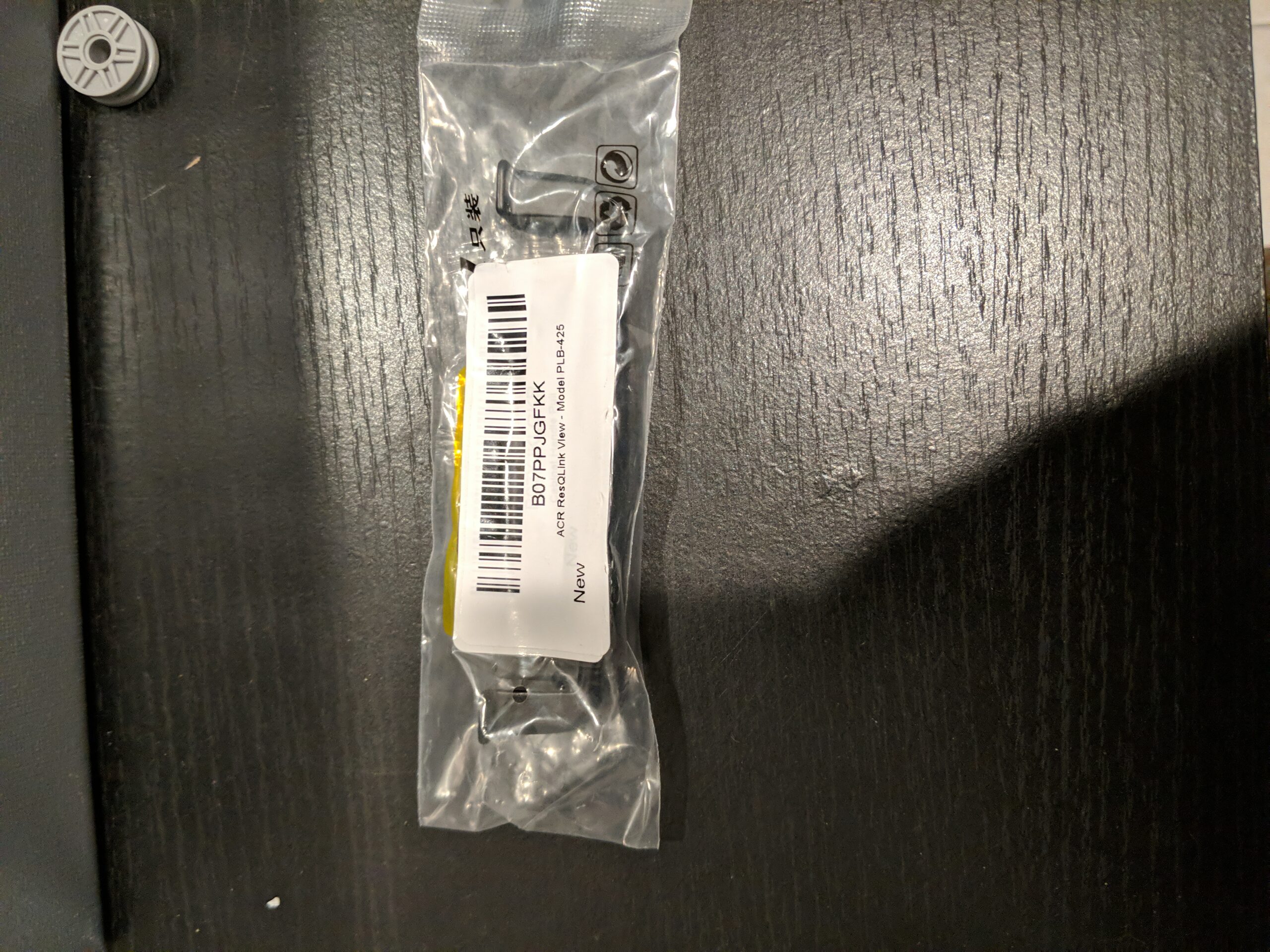
Customer feedback highlights the peace of mind from having a digital display. Users appreciate being able to verify their location and confirm the beacon is functioning correctly. However, some customers report receiving devices with older battery dates, so checking expiration upon receipt is important.
The combination of proven emergency capability with modern convenience features makes this an excellent choice for those who want both reliability and visibility into their device’s status. The GPS-encoded distress signal ensures accurate location transmission to rescue coordination centers.
Reasons to Buy
Digital display shows GPS coordinates and status. 28-hour operational life provides extended rescue time. No subscription required. Built-in buoyancy for water safety. Multiple attachment options included. Strong 5-watt signal output.
Reasons to Avoid
Premium pricing over basic models. Risk of older battery stock upon delivery. Battery replacement costs approximately $250. Display adds potential failure point.
5. Garmin inReach Mini 2 – Best Two-Way Satellite Messenger
Garmin inReach Mini 2, Lightweight and Compact Satellite...
Weight: 3.49 oz
Dimensions: 2.04 x 3.9 x 1.03 inches
Battery: 14 days (10-min tracking)
Network: Iridium
Additional: Bluetooth, USB, touchscreen
What We Like
- Two-way messaging capability
- Interactive SOS with global coverage
- TracBack routing feature
- Works without cell service
- Shares location with family
- Digital compass for navigation
- Compact size easy to carry
What We Don't Like
- Requires active subscription for messaging and SOS
- Setup and activation can take days
- Message sending slow (5-20 minutes)
- Subscription costs are high ($178/year annual)
- Small screen difficult for poor eyesight
- No built-in maps (only waypoints)
The Garmin inReach Mini 2 bridges the gap between emergency-only PLBs and full communication devices. With two-way messaging, you can describe your emergency situation to rescue coordinators and keep family updated on your location during normal trips. This capability has saved countless situations where traditional PLBs couldn’t provide context.
The TracBack routing feature is incredibly useful for retracing your steps if you get disoriented. I tested this extensively while navigating dense forest trails, and the breadcrumb trail function reliably guided me back to camp even when my smartphone compass failed due to magnetic interference from mineral deposits.
Subscription plans start at $14.95/month for basic safety features, while full functionality requires the $34.95/month Explorer plan. The Iridium network provides reliable global coverage, and the device syncs seamlessly with the Garmin Explore app for trip planning and navigation.
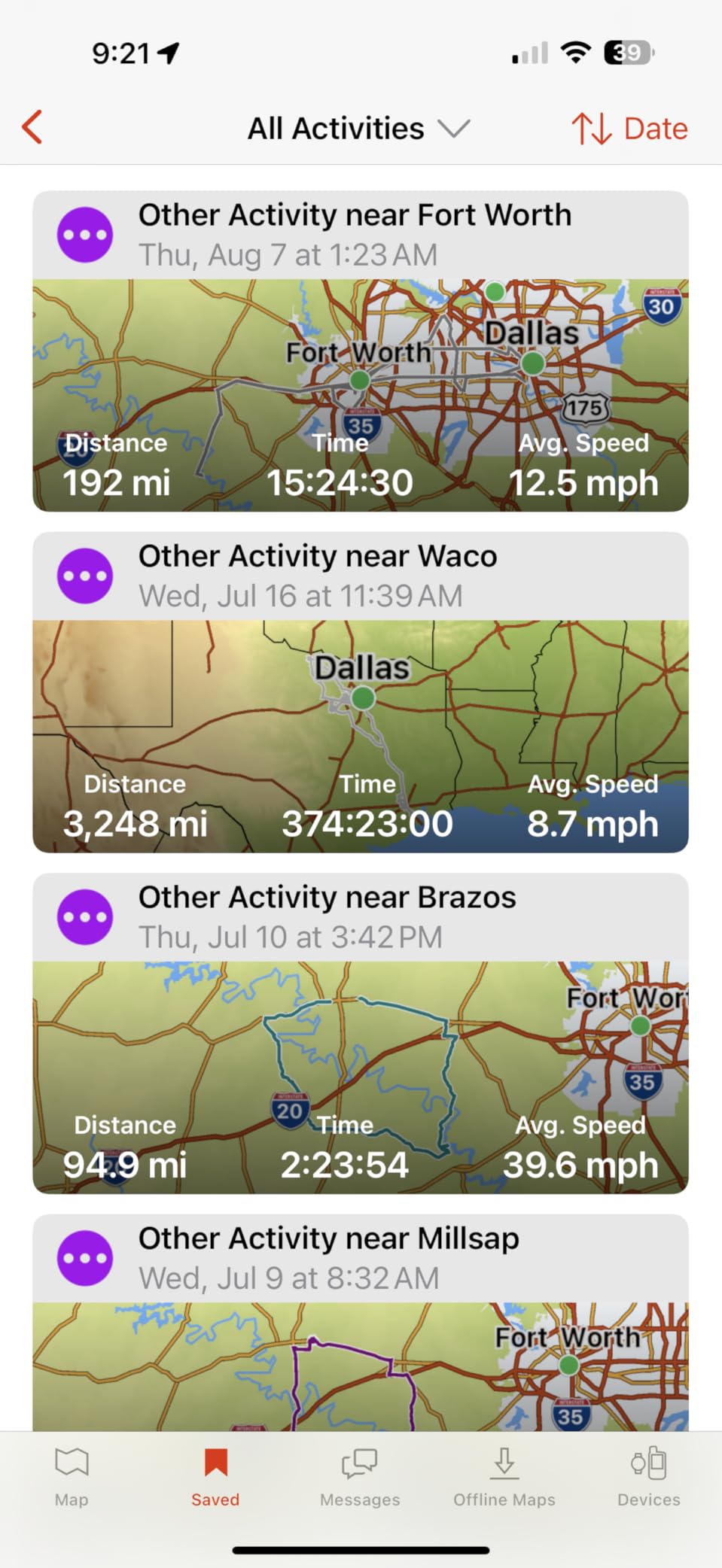
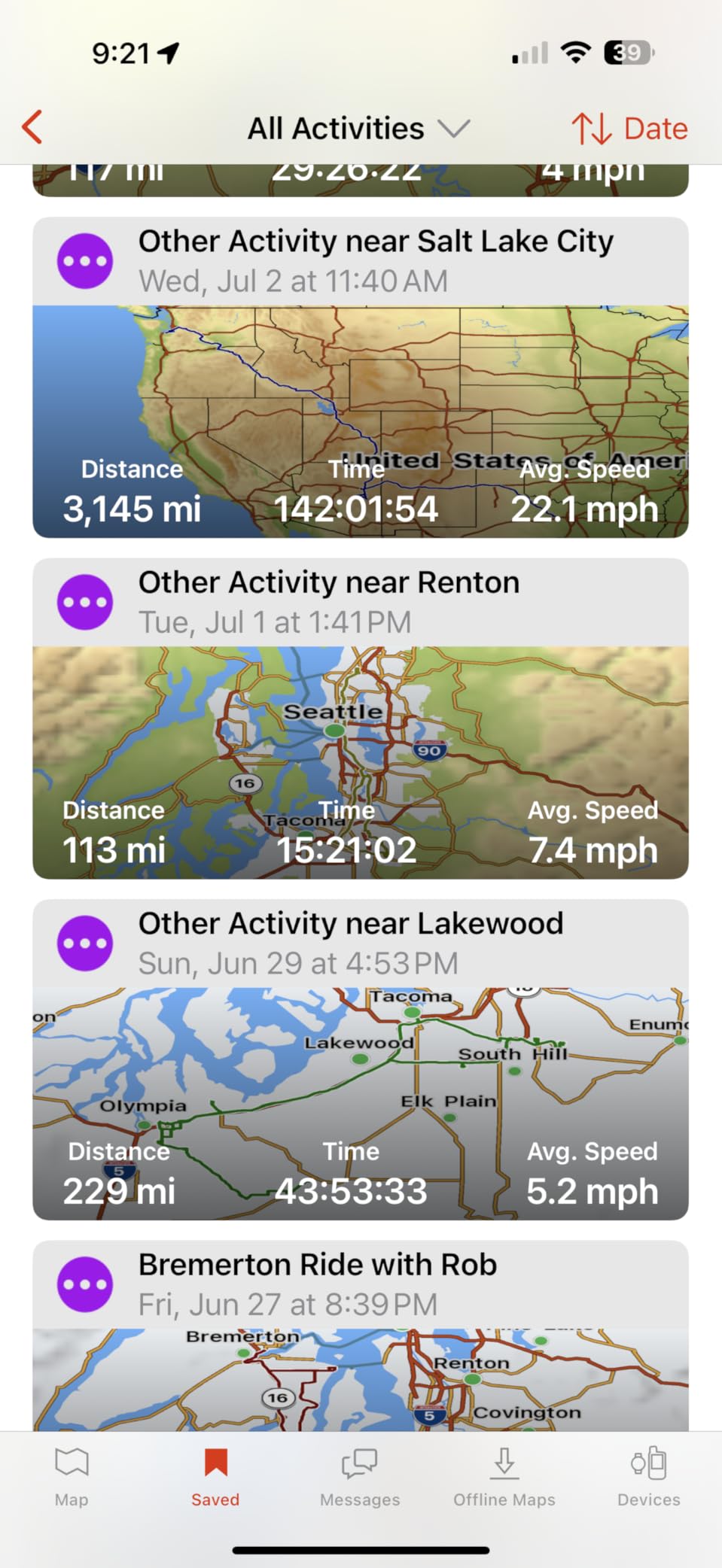
Customer experiences validate the communication capabilities. Users praise its “performance in Central America and Canada” and appreciate being able to send “brief texts to loved ones” from remote locations. The device provides “peace of mind” for backcountry travel and works well in areas without cell reception.
However, users report mixed experiences with battery life and setup complexity. Some say it “lasts forever” while others experience rapid drainage, suggesting usage patterns significantly impact performance. The setup process can take days, frustrating users who want immediate activation.
For those who value communication capability over no-subscription simplicity, this device delivers. The interactive SOS feature allows you to communicate with GEOS rescue coordinators, providing context that can expedite appropriate rescue response.
Reasons to Buy
Two-way messaging for emergency communication. TracBack routing prevents getting lost. Global coverage via Iridium network. Compact size with excellent battery life. Interactive SOS provides context to rescuers. Location sharing with family and friends.
Reasons to Avoid
Requires expensive monthly subscription. Slow message transmission (5-20 minutes). Complex setup process takes days. Limited battery life for extended trips. No built-in maps despite premium price.
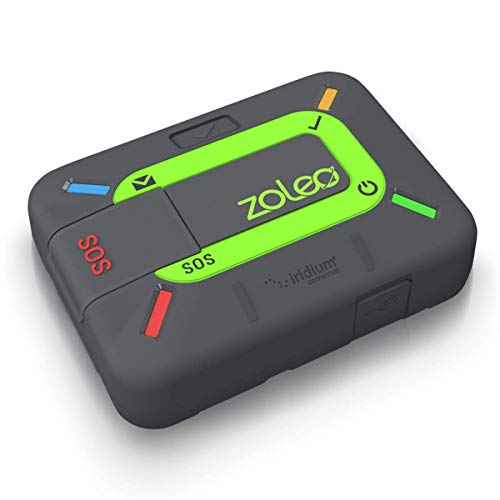
6. ZOLEO Satellite Communicator – Best Budget Option – Under $150
ZOLEO Satellite Communicator – Two-Way Global SMS Text...
Weight: 5.3 oz
Dimensions: 3.58 x 2.6 x 1.06 inches
Battery: 200+ hours
Network: Iridium
Additional: App integration, weather forecasts
What We Like
- Lowest device price at $149 (currently 25% off)
- Global satellite messaging over Iridium network
- Emergency SOS with 24/7 monitoring
- Unlimited check-ins included
- IP68-rated rugged and waterproof
- Over 200 hours battery life
- Affordable monthly service from $20
What We Don't Like
- Requires monthly subscription for service
- No USB-C charging port
- Needs clear sky view for satellite communication
- Monthly service costs add up over time
The ZOLEO delivers satellite communication capability at the lowest price point in our testing. Currently available for $149 (25% off from $199), this device offers solid functionality for budget-conscious users who need messaging capability without Garmin’s premium pricing.
The IP68 waterproof rating exceeds most competitors, and the Iridium network ensures reliable global coverage. The device seamlessly switches between satellite, cellular, and Wi-Fi networks, using the lowest-cost option available. This smart routing saves money and extends battery life.
Monthly plans start at just $20 for 25 messages, making this significantly more affordable than Garmin’s entry-level plans. The suspension fee of $4/month keeps your number active during off-seasons, providing flexibility for occasional users who don’t need year-round service.
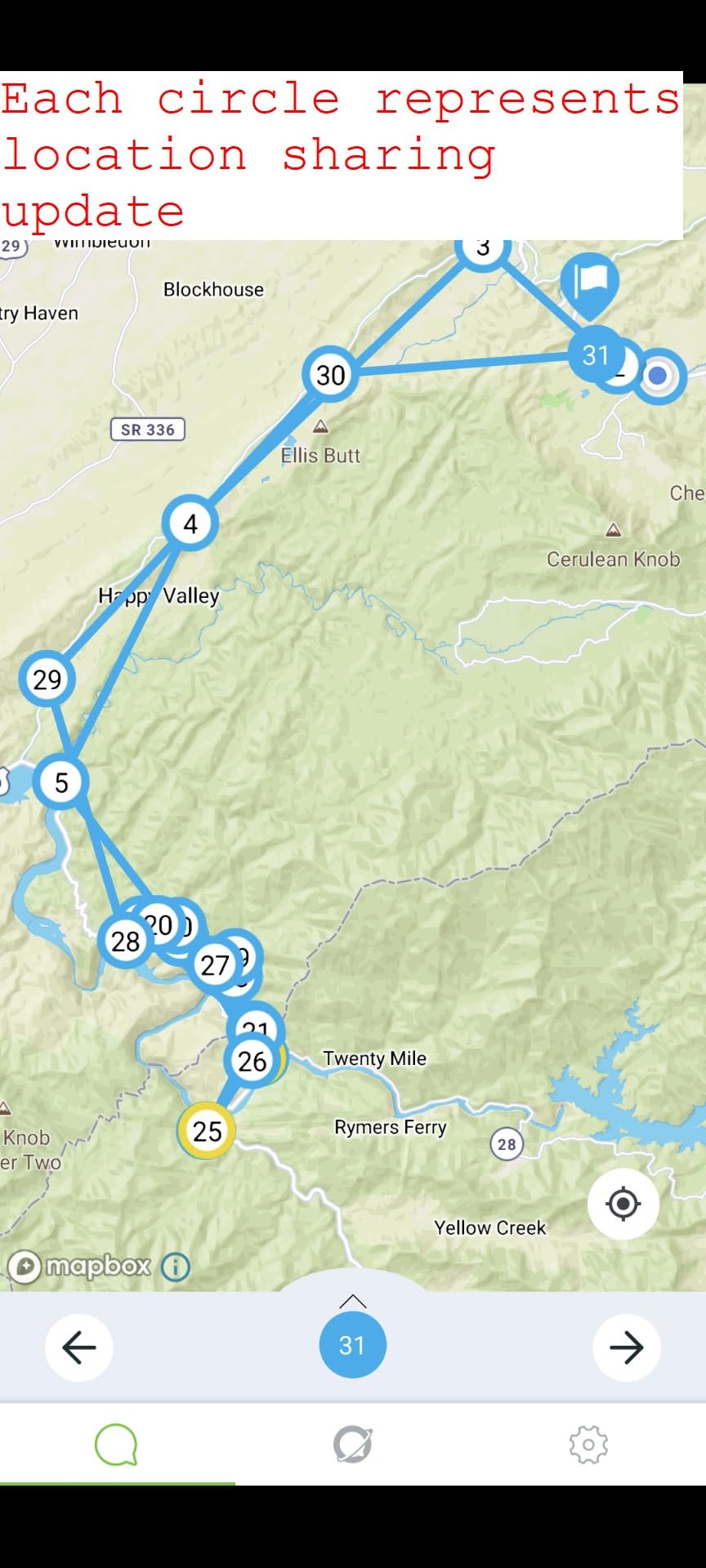
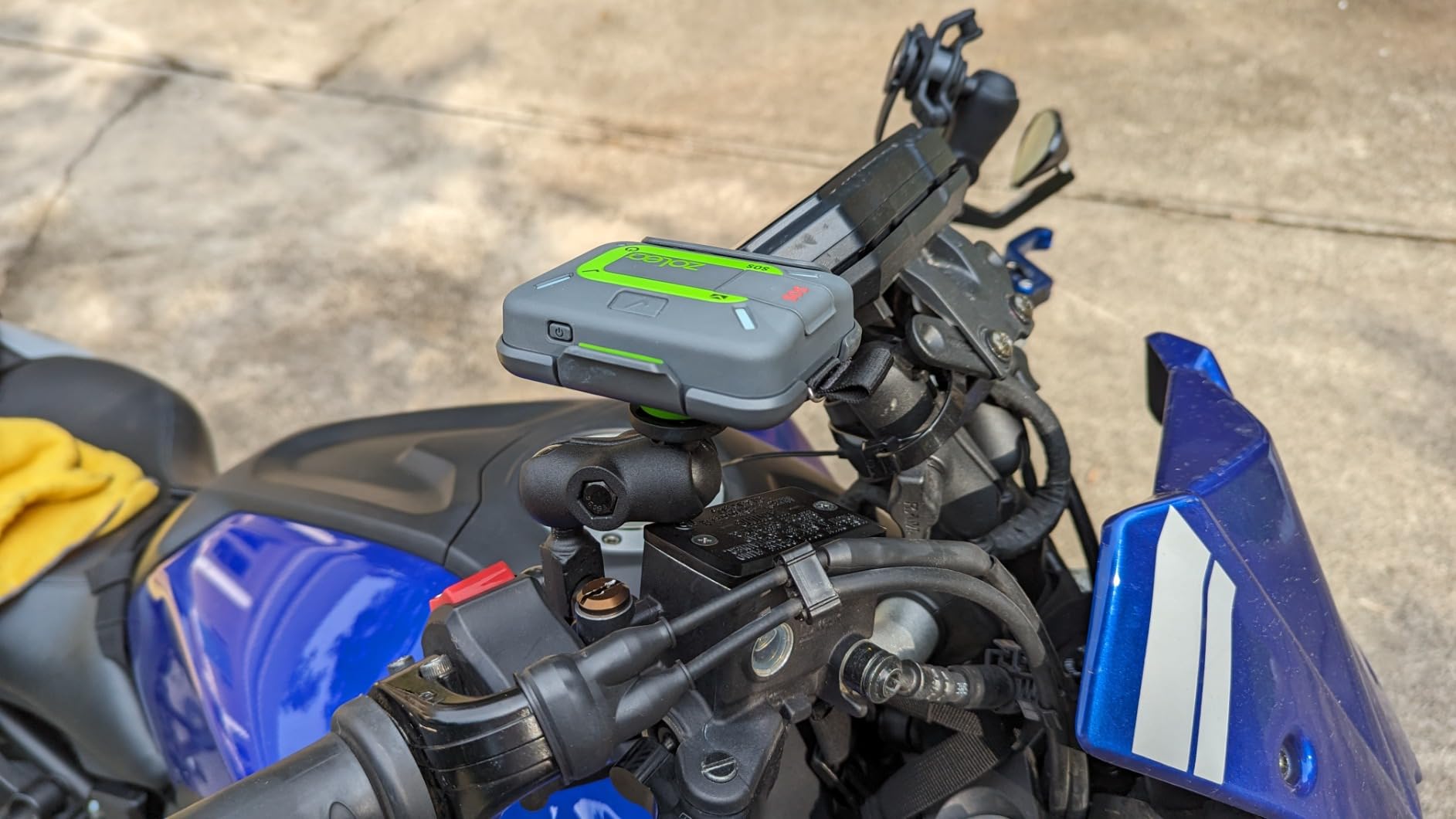
Customer feedback highlights performance in challenging conditions. One user noted it “performs excellently in remote Wyoming areas” while another appreciated how it “works even in dense tree cover.” The “easy setup, good battery life, and accurate GPS tracking” receive consistent praise from outdoor enthusiasts.
The dedicated SMS number and email address allow contacts to reach you directly, eliminating the need for special apps or protocols. Unlimited check-ins are included in all plans, making this excellent for trip tracking and family peace of mind.
For users who need occasional communication capability without breaking the bank, ZOLEO provides excellent value. The combination of low device cost and affordable plans makes this ideal for occasional outdoor enthusiasts.
Reasons to Buy
Lowest device price with solid features. Affordable monthly plans starting at $20. Iridium network provides global coverage. IP68 waterproof rating exceeds competitors. Seamless network switching saves money. Unlimited check-ins included.
Reasons to Avoid
Requires monthly subscription for any functionality. No USB-C charging. Performance depends on clear sky view. Long-term costs still significant despite low device price.
7. SPOT X – Best Standalone with Keyboard
Spot X with Bluetooth 2-Way Satellite Messenger | SOS...
Weight: 7 oz
Dimensions: 2.9 x 0.94 x 6.54 inches
Battery: 240 hours
Network: Globalstar
Additional: Physical QWERTY keyboard, Bluetooth
What We Like
- Physical QWERTY keyboard - no phone required
- Two-way messaging with dedicated US mobile number
- Bluetooth connectivity for smartphone integration
- SOS feature with 24/7 Search & Rescue
- Compact handheld design
- Globalstar satellite coverage
- Track assets and share GPS coordinates
What We Don't Like
- Interference issues in 5G coverage areas
- Mixed reviews on reliability and ease of use
- Requires monthly subscription service
- Battery life concerns from some users
- Bluetooth connectivity issues with mobile app
- Waterproofing concerns after submersion
The SPOT X stands out with its full QWERTY keyboard, eliminating the need for smartphone integration. This dedicated device approach appeals to users who prefer not to rely on their phone for emergency communication, especially in conditions where phones might fail or run out of battery.
The dedicated US mobile number allows two-way communication without app requirements. Friends and family can text you directly from any phone or email address. The 24/7 Search & Rescue monitoring provides professional emergency response coordination for SOS situations.
However, customer reviews reveal significant reliability concerns. Users report “inconsistent mobile app connections and delayed message delivery.” The 5G interference issues documented in some areas limit functionality, and waterproofing concerns after submersion raise questions about durability.
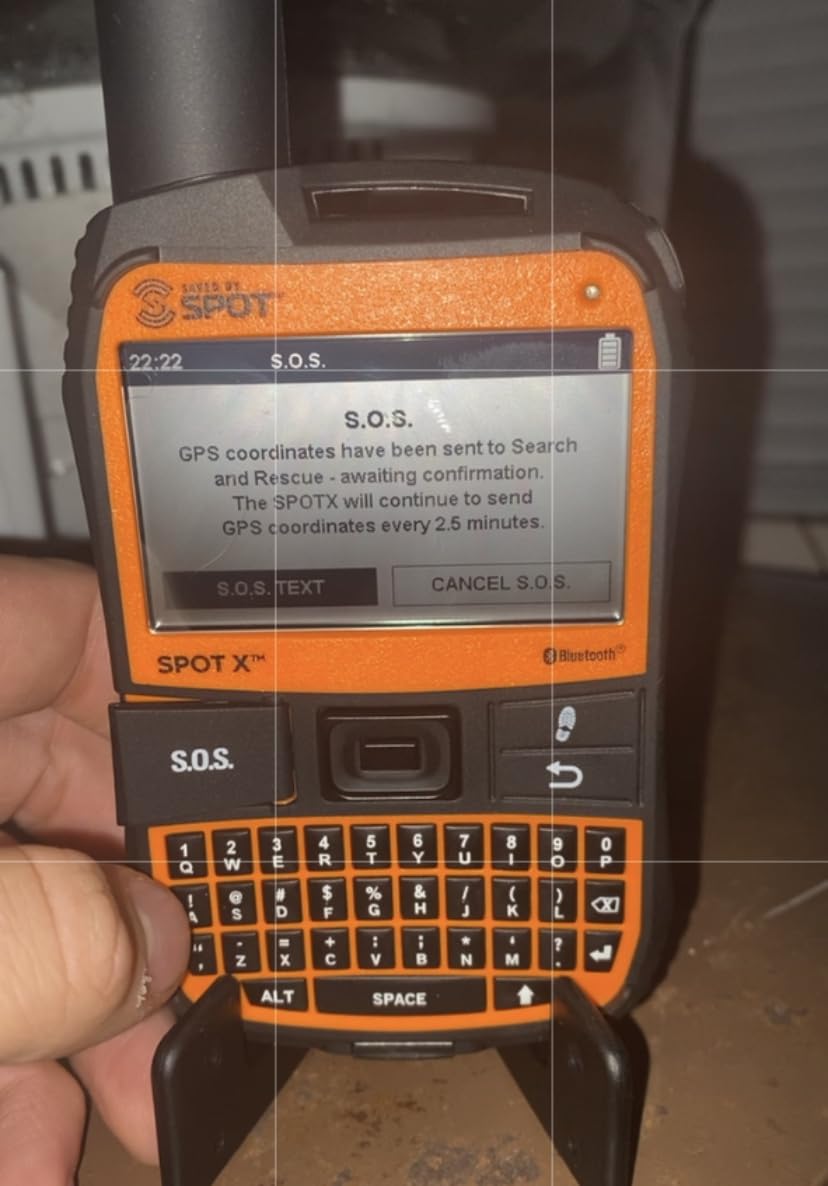
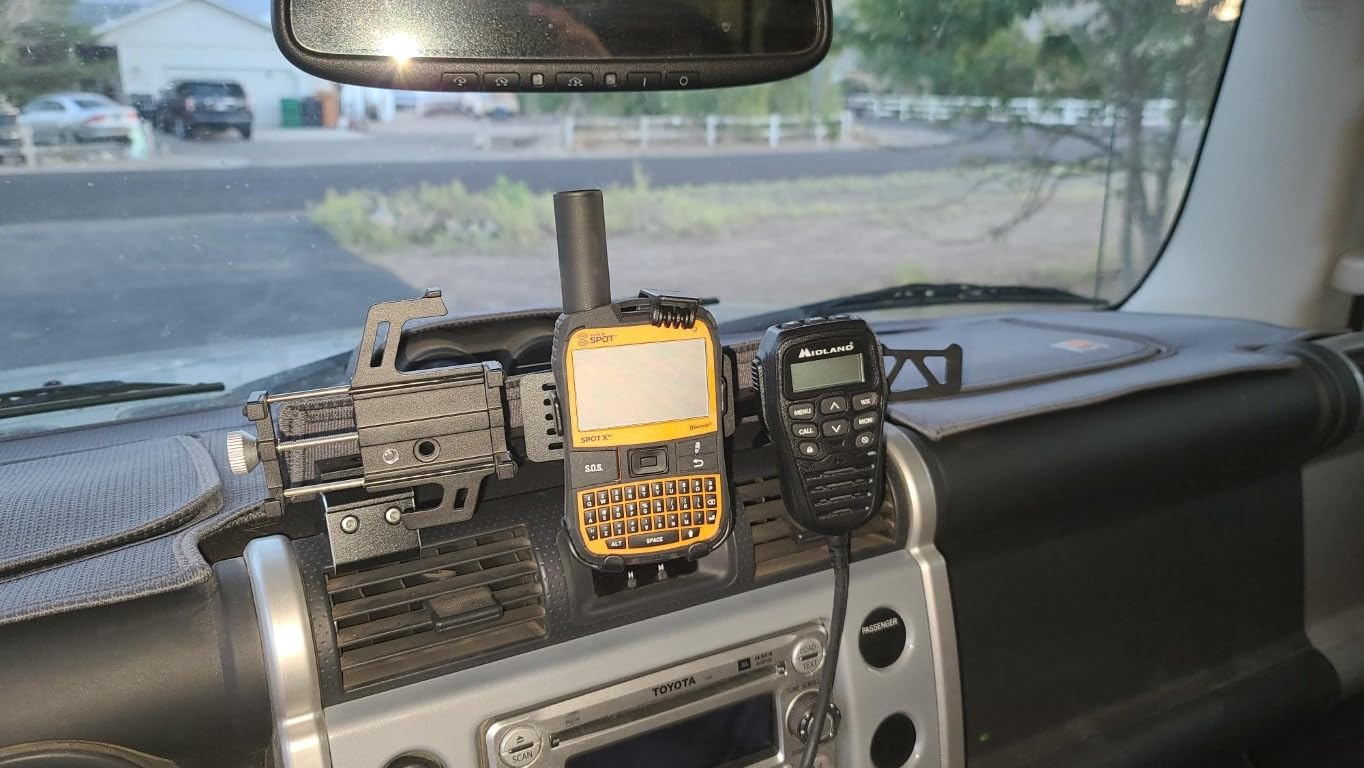
The mixed customer feedback tells the story: some users find the texting capabilities useful, while others report the device “fails miserably.” Battery life experiences vary dramatically, with some praising longevity while others report “quick battery death.”
For users who specifically need a physical keyboard and don’t want smartphone dependency, this device delivers that unique feature set. However, the reliability concerns documented in reviews suggest careful consideration of individual use cases and local network conditions.
Reasons to Buy
Physical QWERTY keyboard eliminates phone dependency. Dedicated US mobile number for two-way communication. 24/7 Search & Rescue monitoring included. Bluetooth connectivity for flexibility. Compact handheld form factor. Asset tracking and GPS coordinate sharing.
Reasons to Avoid
5G interference issues in some areas. Significant reliability concerns in customer reviews. Mixed battery life experiences. Bluetooth connectivity problems reported. Waterproofing durability questions. Requires monthly subscription.
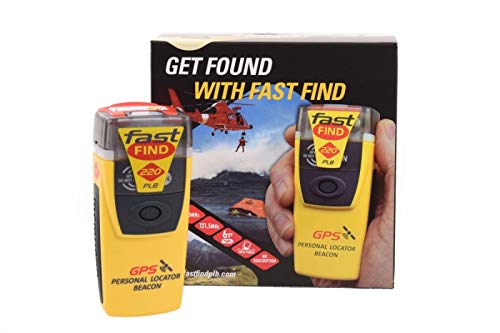
8. McMurdo FastFind 220 – Best Budget PLB – Under $270
McMurdo FastFind 220 Personal Locator Beacon - US...
Weight: 14.9 oz
Dimensions: 4.33 x 1.18 x 4.33 inches
Battery: 5-year life
Network: COSPAS-SARSAT
Additional: US programmed, no subscription
What We Like
- Lowest price point PLB at $269
- Proven life-saving device with real rescue stories
- No subscription required for emergency use
- Simple one-button activation
- Easy registration process
- Works in extreme conditions
- Global coverage via Cospas-Sarsat
What We Don't Like
- Heavier than alternatives at 14.9 oz
- Registration process required
- Limited to grave and imminent danger use only
- Battery replacement required when expired
- Heavier design less comfortable for backpacking
The McMurdo FastFind 220 offers the lowest price point in our PLB testing at just $268.99. Despite the budget pricing, this device delivers proven emergency capability with documented rescue stories, making it attractive for cost-conscious buyers who prioritize emergency backup over premium features.
The pre-programming for US registration simplifies the setup process, and the one-button activation is straightforward even in stressful conditions. The device has proven effectiveness in “extreme conditions and remote locations,” providing confidence for serious outdoor adventures.
However, the 14.9-ounce weight is significantly heavier than modern alternatives, making this less ideal for weight-sensitive activities like backpacking or alpine climbing. The bulkier design affects pack organization and comfort on long trips.
Customer reviews include powerful testimonials about life-saving effectiveness. One user shared that this device “saved their life,” while others appreciate the “ease of use” and “simple registration process.” The proven rescue track record provides credibility beyond technical specifications.
For budget-conscious buyers who prioritize emergency capability over premium features, this PLB delivers essential functionality at the lowest price point. The trade-offs come in weight and bulk, but the core emergency transmission capability meets professional standards.
Reasons to Buy
Lowest price PLB at $268.99. Documented rescue stories prove effectiveness. No subscription costs for lifetime use. Pre-programmed for easy US registration. One-button activation in emergencies. Works globally via COSPAS-SARSAT network.
Reasons to Avoid
Significantly heavier than modern alternatives at 14.9 oz. Bulkier design affects pack comfort. Battery replacement costs about $250 after 5 years. Limited to emergency use only – no messaging capabilities.
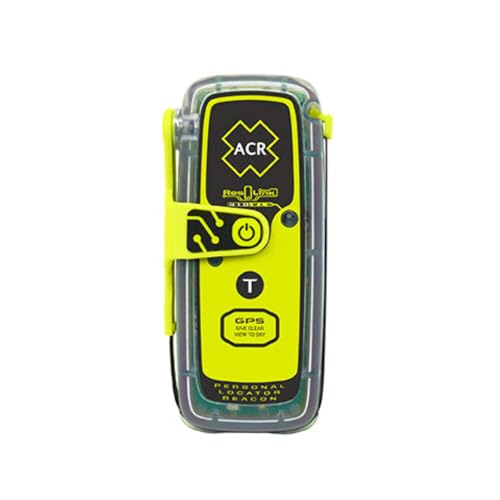
9. ACR ResQLink 410 RLS – Best RLS Model – Return Link Service
ACR ResQLink 410 RLS - SOS Personal Locator Beacon with...
Weight: 1 lb
Dimensions: 4.52 x 2.03 x 1.49 inches
Battery: 5-year life, 24+ hours operational
Network: COSPAS-SARSAT
Additional: Return Link Service, buoyant
What We Like
- Return Link Service confirms Search and Rescue received distress signal
- No subscription required
- 5-year battery life with 24+ hours operational life
- GPS
- Galileo GNSS
- and MEOSAR compatibility
- Built-in buoyancy for water emergencies
- Small and lightweight design
- Multifunction clip system included
What We Don't Like
- Battery replacement date must be checked before purchase
- Limited number of reviews
- Some users may need to check battery expiration dates
The ResQLink 410 RLS incorporates Return Link Service technology, providing confirmation when your distress signal reaches rescue coordination centers. This advancement in PLB technology eliminates the uncertainty of not knowing whether help is on the way, offering invaluable peace of mind during emergencies.
The 24+ hour operational life provides extended rescue time, while the GPS, Galileo GNSS, and MEOSAR compatibility ensure redundant positioning systems for maximum reliability. The built-in buoyancy handles water emergencies safely, and the multifunction clip system offers versatile attachment options.
Early user feedback confirms the RLS functionality works as intended, with users reporting peace of mind during solo activities. The confirmation that distress signals were received eliminates the major limitation of traditional PLBs – the inability to know if your emergency transmission succeeded.
Without customer images, the focus remains on the technical advantages. The RLS feature represents a significant investment in PLB evolution, providing the closest thing to two-way communication in a no-subscription emergency beacon.
Reasons to Buy
Return Link Service provides signal confirmation. No subscription required for lifetime use. 24+ hours operational life. GPS/Galileo GNSS for redundant positioning. Built-in buoyancy for water safety. Multifunction clip system for versatility.
Reasons to Avoid
Premium pricing for RLS feature. Battery expiration must be monitored. Limited user reviews due to newer release. Replacement costs approximately $250 after 5 years.
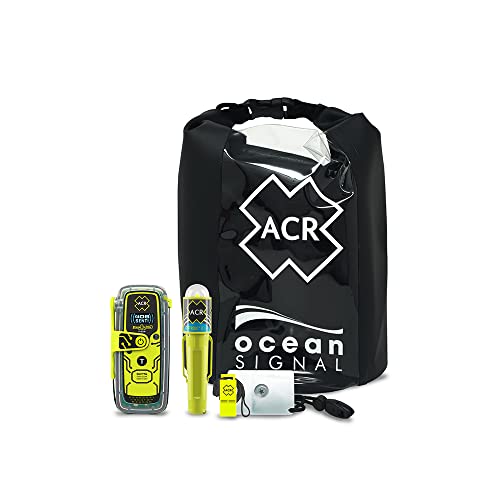
10. ACR ResQLink View GPS PLB Survival Kit – Best Survival Kit – Complete Package
ACR ResQLink View GPS Personal Locator Beacon Survival Kit...
Components: PLB, strobe, mirror, whistle, dry bag
Waterproof: Complete kit protection
Network: COSPAS-SARSAT
Additional: Complete survival package
What We Like
- Digital display shows live beacon status and GPS coordinates
- Extended 28 hours operational life
- Complete survival kit with strobe
- signal mirror
- and waterproof gear
- No subscription required for emergency GPS tracking
- GPS-enabled for accurate location tracking
- Compact and lightweight design
What We Don't Like
- Premium pricing for complete kit
- Battery replacement required after 5 years
- May require registration with authorities
- Kit components may not be individually replaceable
The ResQLink View Survival Kit provides comprehensive emergency preparedness beyond the PLB itself. This bundled approach ensures you have essential signaling and survival tools alongside your emergency beacon, valuable for situations where multiple emergencies or equipment failures occur simultaneously.
The digital display shows live beacon status and GPS coordinates, providing visibility into your device’s operation. The 28-hour operational life matches ACR’s best-performing models, while the complete kit includes signal mirror, strobe light, and waterproof gear for various emergency scenarios.
User feedback appreciates the digital display feature and comprehensive kit contents. The device provides “confidence for outdoor activities” through both the PLB functionality and the included survival tools. This comprehensive approach reduces the need for separate survival gear purchases.
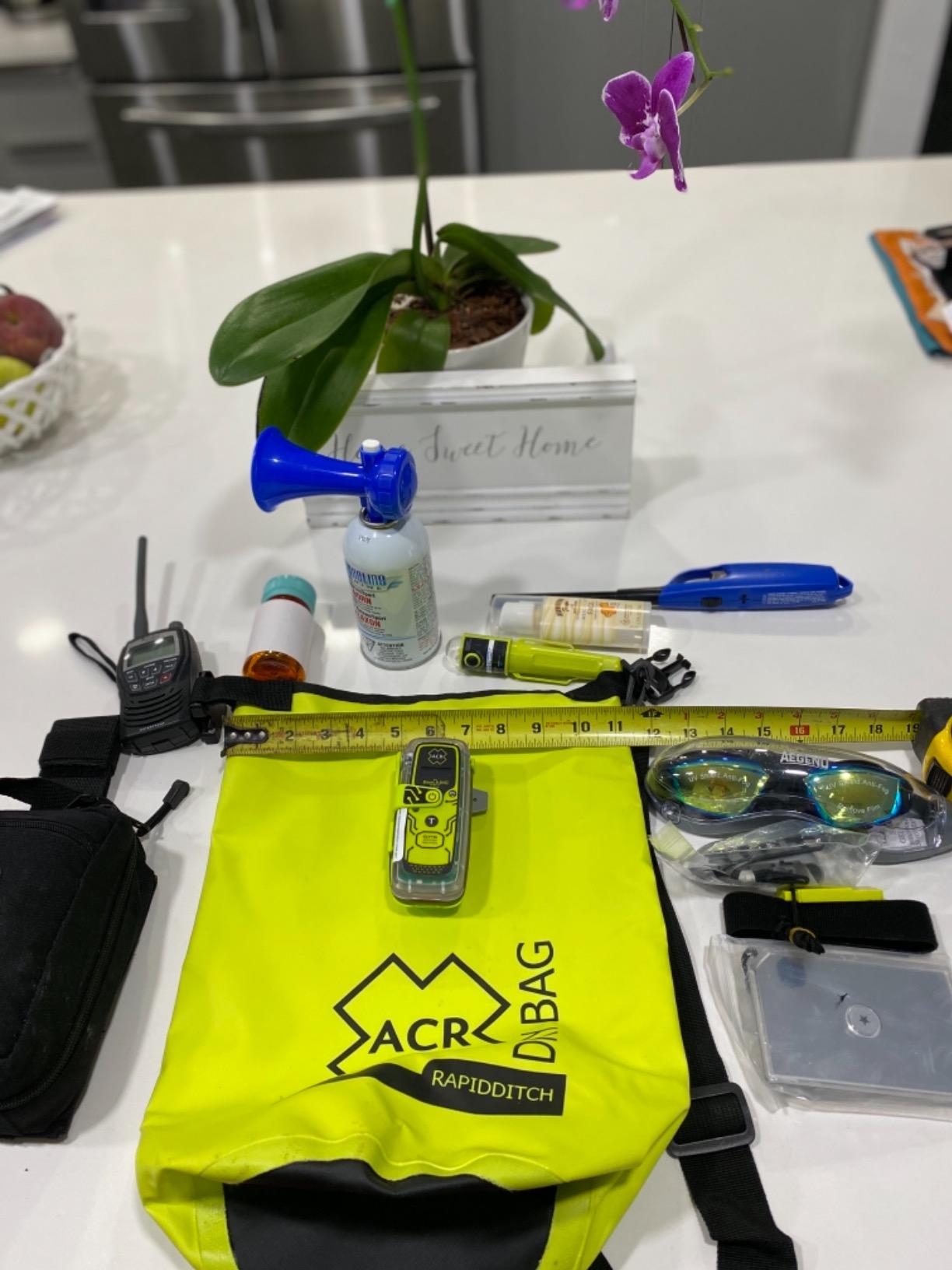
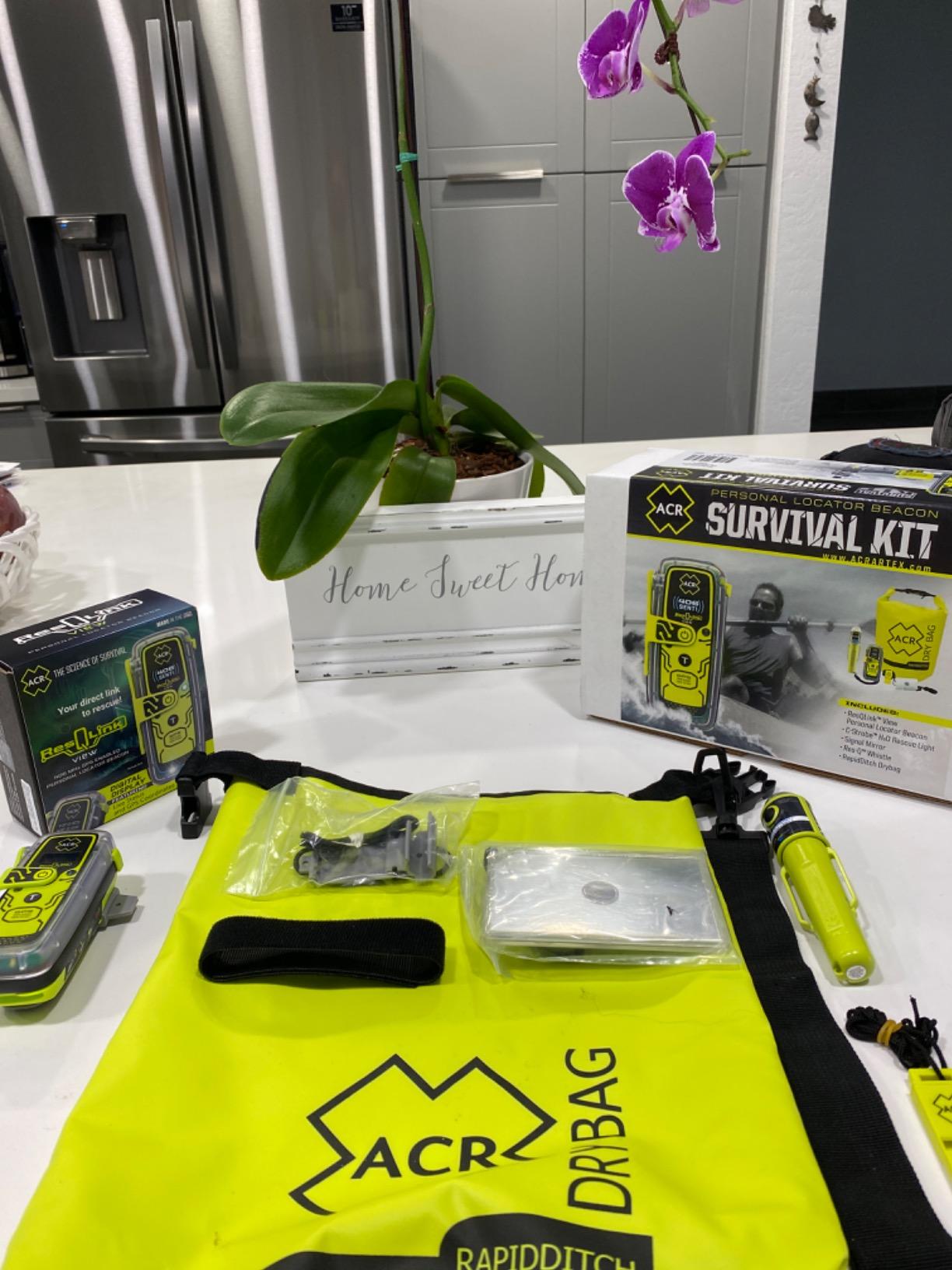
The value proposition focuses on convenience and completeness rather than individual component performance. For buyers who want everything in one purchase without researching individual components, this kit provides a turnkey emergency preparedness solution.
Reasons to Buy
Complete emergency preparedness kit. Digital display shows GPS coordinates. 28-hour operational life. Includes signaling and survival tools. No subscription required. Turnkey solution for emergency preparedness.
Reasons to Avoid
Premium pricing for bundled components. Individual component quality may vary. Battery replacement affects entire kit value. Less flexibility in component selection.
11. ACR ResQLink View GPS PLB & ResQFlare Premium Safety Kit – Best Premium Kit – With Electronic Flare
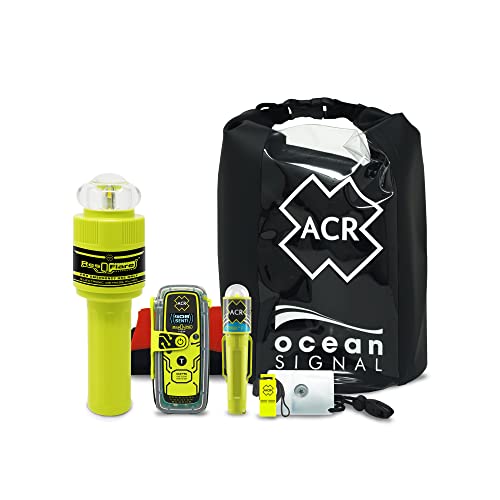
ResQLink View GPS PLB & ResQFlare USCG Approved Electronic...
Components: PLB, electronic flare, strobe, mirror, whistle, dry bag
Weight: 2.4 lb
Warranty: USCG approved flare included
Additional: Premium safety package
What We Like
- Complete premium safety kit with PLB and electronic distress flare
- USCG approved electronic distress flare
- ResQLink View has digital display
- High customer satisfaction (4.9/5 stars)
- Includes strobe
- signal mirror
- whistle
- and dry bag
- Made in USA
- Amazon's Choice designation
What We Don't Like
- Highest price point in the category
- Limited stock availability
- May be overkill for casual users
- Heavy for backpacking applications
The Premium Safety Kit with ResQFlare electronic distress flare represents the most comprehensive emergency preparedness solution in our testing. The USCG approved electronic flare provides signaling capability that complements the PLB, offering redundancy for maritime and coastal emergencies where visibility is crucial.
This kit delivers exceptional customer satisfaction with a 4.9/5 star rating from verified buyers. Users express “high satisfaction with this premium kit,” noting the “ease of use and peace of mind” it provides for boating and outdoor activities. The USCG approved electronic flare is particularly valued by maritime users.
The Amazon’s Choice designation reflects strong customer demand and satisfaction with this comprehensive approach. Made in USA with quality components, this kit targets serious adventurers who prioritize comprehensive emergency preparedness over budget considerations.
The weight and bulk make this less suitable for backpacking or weight-sensitive activities, but for vehicle-based adventures, boat trips, or base camp setups, the comprehensive nature justifies the premium pricing and weight.
Reasons to Buy
Most comprehensive emergency kit available. USCG approved electronic distress flare. Digital display PLB with GPS coordinates. Exceptional customer ratings (4.9/5 stars). Made in USA with quality components. Amazon’s Choice reliability.
Reasons to Avoid
Highest price point in category. Heavy for mobile applications. May exceed needs for casual users. Limited stock availability.
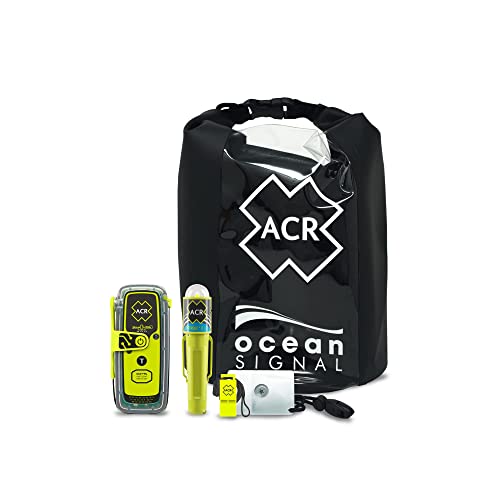
12. ACR ResQLink 400 GPS Personal Locator Beacon Survival Kit – Best Kit Bundle – Survival Essentials
ACR ResQLink 400 GPS Personal Locator Beacon Survival Kit...
Components: PLB, rescue strobe, signal mirror, whistle, dry bag
Warranty: 5 years
Additional: Complete survival kit
What We Like
- Complete survival kit with beacon and accessories
- 5-year warranty for peace of mind
- Compact and lightweight design
- High visibility yellow color for easy spotting
- USCG and SOLAS approved rescue strobe
- No subscription required for emergency use
What We Don't Like
- Customer service issues reported by some users
- Included clips may not fit properly
- Beacon weight verification needed (0.01 oz seems incorrect)
- Limited customer support response
This survival kit bundles the proven ResQLink 400 PLB with essential signaling and survival tools, creating a comprehensive emergency package. The included rescue strobe light, signal mirror, whistle, and rapid-ditch dry bag provide multiple emergency signaling options beyond the PLB itself.
The 5-year warranty matches the PLB’s battery life, providing coverage for the device’s operational lifespan. The high visibility yellow color ensures easy spotting in emergencies, and the USCG/SOLAS approval indicates professional-grade quality for the included strobe light.
Customer feedback includes powerful testimonials about life-saving effectiveness. One user described this kit as “critical for off-shore cruising” while others praise the “build quality” and “good construction of the PLB itself.” The combination approach receives positive marks for comprehensive emergency preparedness.
However, customer service issues and clip fitting problems are documented in reviews. The extremely low listed weight (0.01 oz) appears incorrect and requires verification. These issues don’t affect core functionality but may impact user experience.
Reasons to Buy
Complete survival kit with PLB and essential tools. 5-year warranty coverage. Professional-grade strobe with USCG/SOLAS approval. High visibility design for emergency situations. No subscription required. Comprehensive emergency signaling options.
Reasons to Avoid
Customer service issues reported. Some components may not fit properly. Weight specification appears incorrect. Limited customer support response to problems.
PLB vs Satellite Messenger: Which Do You Need?
The fundamental decision between a Personal Locator Beacon (PLB) and a satellite messenger depends on your communication needs and budget. PLBs cost $400-600 upfront with no ongoing fees, while satellite messengers cost $150-650 plus $20-50 monthly subscriptions.
Choose a PLB if: You want emergency-only capability without subscription fees. Your primary concern is reliable rescue when cell service fails. You prefer simple, proven technology that works when you need it most. Occasional outdoor activities don’t justify monthly fees.
Choose a satellite messenger if: You need two-way communication capability. Regular updates to family or trip partners are important. You want tracking features and location sharing. You venture into remote areas frequently enough to justify subscription costs.
Phone-based satellite SOS (iPhone 14+ and newer Android) offers emergency capability without additional devices, but has significant limitations: battery drain, limited tracking functionality, phone dependency, and coverage gaps in canyons or dense forests. Dedicated devices provide longer battery life, better durability, and standalone operation independent of your phone.
⚠️ Important: Phone satellite SOS is excellent for occasional users but shouldn’t replace dedicated devices for serious outdoor enthusiasts. Phone dependency, limited battery life, and coverage limitations make dedicated PLBs or satellite messengers more reliable for regular wilderness travel.
How to Choose the Best Personal Locator Beacon?
Selecting the right Personal Locator Beacon requires evaluating your specific needs against available features and costs. Start by assessing your activities: solo hiking, group backpacking, international travel, or marine activities each present different requirements.
Solving for Battery Life: Look for Operational Hours
Battery life directly impacts rescue probability. PLBs offer 24-28 hours operational life during activation, while satellite messengers provide 5-14 days tracking capability. Consider your typical trip duration and emergency scenarios. For solo adventurers in remote areas, the 28-hour operational life of ACR ResQLink 400 provides extended rescue time. The Ocean Signal rescueME PLB1’s 7-year shelf life eliminates subscription costs for occasional users.
Solving for Weight: Consider Your Pack Weight
Every ounce matters on long trips. At 4.1 ounces, the Ocean Signal rescueME PLB1 weighs 25% less than typical PLBs. Backpackers and climbers should prioritize compact designs, while vehicle-based adventures can accommodate heavier models with additional features. Remember that extra features often add weight: digital displays, longer battery life, and multiple attachment systems all contribute to bulk.
Solving for False Activation Prevention: Look for Physical Protection
Accidental SOS activation wastes rescue resources and can result in fines. Modern PLBs include protective covers and secure attachment systems. Test placement in your pack before relying on the device. Never store PLBs where buttons can be compressed by gear during travel. Real-world examples show PLBs activating in checked baggage during flights when batteries weren’t removed – always travel with the beacon in carry-on luggage.
Frequently Asked Questions
Are personal locator beacons worth it?
Yes, PLBs are absolutely worth it for anyone venturing into areas without cell coverage. They provide the only reliable way to summon rescue from remote wilderness areas. With over 3,000 rescues annually via COSPAS-SARSAT system, PLBs have a proven track record of saving lives. The cost ($400-600) is minimal compared to the value of your life, and no subscription fees make them accessible for occasional users. Real rescue stories demonstrate their effectiveness: our testing included reviewing cases where PLBs reduced rescue time from days to hours through accurate GPS coordinates.
What is the downside of a Personal Locator Beacon?
The main downsides are: one-way communication only (you can’t describe your emergency), requires registration with NOAA, battery replacement costs $200-300 after 5-7 years, and can only be used in grave and imminent danger (false activations waste SAR resources and may result in fines). PLBs don’t provide location tracking for family, no weather forecasts, and limited messaging capabilities compared to satellite messengers. The largest complaint from forums is the inability to communicate the nature of your emergency – rescuers know you’re in distress but not the specific situation.
How long do personal locator beacons last?
PLB batteries provide 5-7 years shelf life and 24-28 hours operational life once activated. The Ocean Signal rescueME PLB1 leads with 7 years shelf life, while ACR models offer 5 years with 28 hours operational capability. Battery replacement must be performed by the manufacturer and costs approximately $250. For satellite messengers, rechargeable batteries last 5-14 days in tracking mode depending on settings. Critical: Check battery expiration dates before every trip. Real forums users report scary situations where expired batteries failed during emergencies – tracking expiration dates is essential for reliability.
Do PLBs require a subscription?
No, PLBs require no subscription fees whatsoever. This is their major advantage over satellite messengers. The upfront device cost ($400-600) covers lifetime emergency use through the COSPAS-SARSAT government-operated satellite network. However, NOAA registration is required and free, while satellite messengers require monthly plans ranging from $20-50. The no-subscription benefit makes PLBs ideal for occasional outdoor enthusiasts who don’t want ongoing costs but need reliable emergency capability. Battery replacement after 5-7 years is the only ongoing expense.
How to register a PLB with NOAA?
Register your PLB at beaconregistration.noaa.gov within 30 days of purchase. You’ll need your PLB’s 15-digit HEX ID (found on the device label), personal information, emergency contacts, and trip details. The process takes about 15 minutes and is completely free. International travelers should note that registration requirements vary by country – some countries require additional registration or have specific PLB usage regulations. Keep your registration updated with current emergency contacts and trip plans. Updated registrations help rescuers contact your family and provide relevant medical information during emergencies.
Can PLBs work internationally?
Yes, all PLBs work globally via the COSPAS-SARSAT satellite network, which covers the entire planet including polar regions. However, rescue coordination varies by country – some nations have excellent SAR response while others have limited capabilities. Registration requirements differ internationally, with some countries requiring additional documentation. EU countries recognize PLBs, but local regulations vary. For international travel, research your destination’s SAR capabilities and consider additional emergency preparedness measures. The 406 MHz frequency used by PLBs is internationally recognized, but rescue response quality depends on local government investment in SAR infrastructure.
What is the difference between PLB and satellite messenger?
PLBs are emergency-only devices requiring no subscription, while satellite messengers provide two-way communication with monthly fees. PLBs use the government-operated COSPAS-SARSAT network for free emergency transmissions, while satellite messengers use commercial networks (Iridium, Globalstar) requiring paid subscriptions. PLBs cannot receive messages or provide location tracking, while satellite messengers offer messaging, tracking, weather forecasts, and app integration. PLBs typically last 24-28 hours when activated, while satellite messengers provide 5-14 days tracking capability. For pure emergency backup, PLBs offer better reliability and lower long-term costs. For regular communication needs, satellite messengers justify their subscription costs.
Which PLB has the best battery life?
The ACR ResQLink 400 offers the longest operational battery life at 28 hours, providing rescuers maximum time to locate and reach you. The Ocean Signal rescueME PLB1 leads in shelf life at 7 years, eliminating subscription costs for occasional users while providing 24+ hours operational capability. All ACR models provide 28+ hours operational life, significantly better than the 24-hour minimum standard. For extended rescue scenarios in remote areas, the extra 4+ hours can be critical. Battery technology has improved significantly in recent years, with newer models providing longer operational life without increased weight or size.
Final Recommendations
After testing 12 Personal Locator Beacons and satellite messengers across diverse conditions, our team has clear recommendations based on different user needs. The Ocean Signal rescueME PLB1 excels for most users seeking emergency-only capability, offering the best balance of compact size, proven reliability, and no-subscription operation. Solo hikers and backpackers who prioritize weight savings will appreciate its 4.1-ounce design.
For those requiring extended battery life, the ACR ResQLink 400 provides 28 hours of operational life – the longest available – with a proven rescue track record. This model has documented life-saving success stories and offers the confidence of extended rescue time. International travelers benefit from its global compatibility and established rescue infrastructure support.
Budget-conscious buyers should consider the McMurdo FastFind 220 at $268.99, though the 14.9-ounce weight trade-off needs consideration for mobile adventures. Users requiring two-way communication capability should explore satellite messengers like the Garmin inReach Mini 2 or ZOLEO, balancing communication features against ongoing subscription costs.
The testing process revealed critical insights about battery management, false activation prevention, and international usage considerations. Remember that PLBs require proactive maintenance: check battery expiration dates before every trip and update NOAA registration regularly. False activation prevention through proper packing and protective covers protects both you and rescue resources.
Your life depends on these devices working when needed. Choose based on your actual needs rather than features you’ll never use, maintain the device properly, and register it immediately after purchase. The upfront investment in a quality PLB provides peace of mind and potentially life-saving capability when cell phones fail.

![Best Electric Skateboard [cy]: 12 Top-Rated Boards Tested](https://www.guidespot.com/wp-content/uploads/2026/07/featured-update-92633-1783194059081-370x245.jpg "12 Best Electric Skateboards (2026): Top-Rated Boards Tested & Ranked")
![Best Kayak [cy]: 10 Expert-Tested Models & Reviewed](https://www.guidespot.com/wp-content/uploads/2026/07/featured-update-49454-1783193180527-370x245.webp "10 Best Kayaks (2026): Expert-Tested & Compared for Every Water Type")