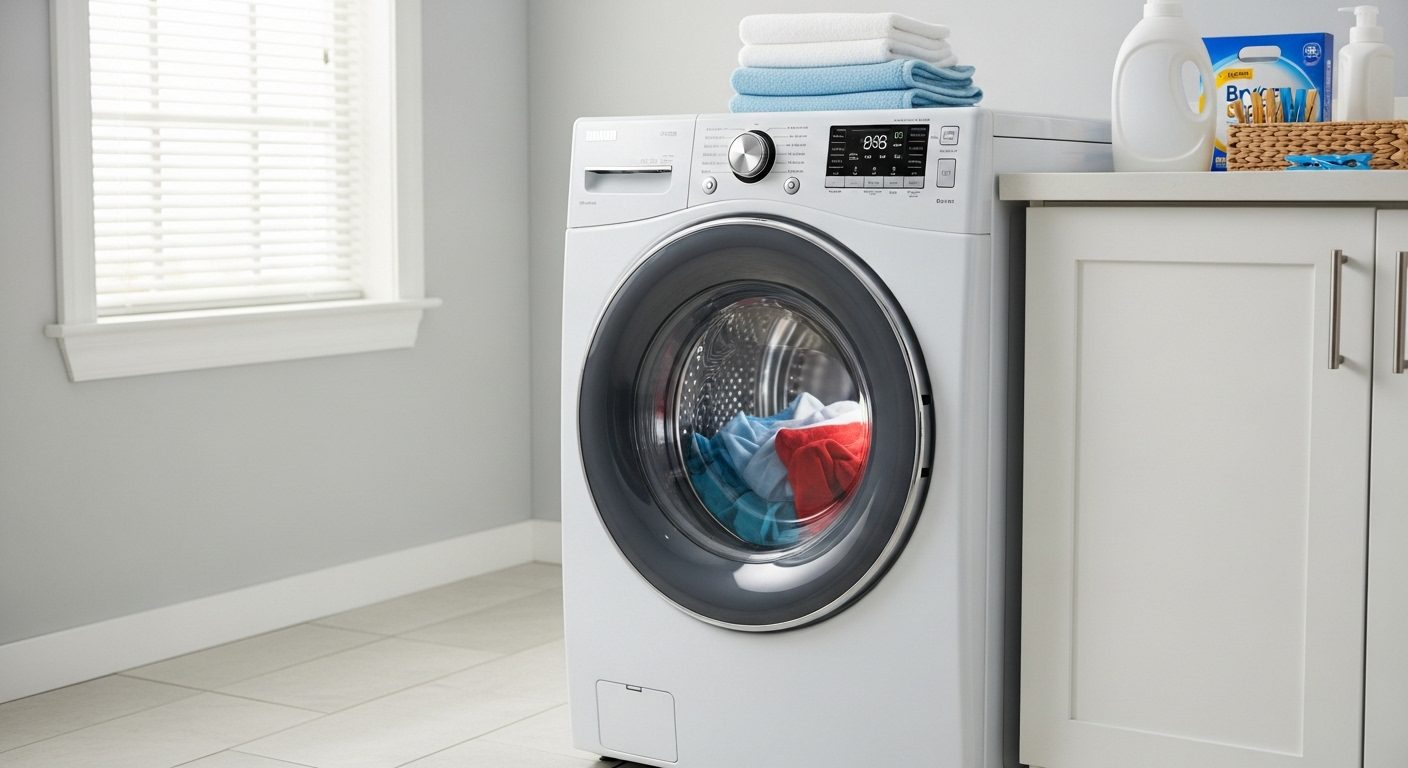
If you’re wondering how long your washing machine should last, you’re not alone. I get this question from homeowners all the time, especially when their washer starts making strange noises or leaving clothes less than fresh. After researching industry data and talking with appliance repair technicians, I’ve found that the average washing machine lasts between 10 to 13 years, though this varies significantly based on brand, usage, and maintenance habits.
The good news is that understanding what affects your washer’s lifespan can help you extend its life by several years and save thousands of dollars in replacement costs. Consumer Reports data shows that properly maintained washing machines can last 12 years on average, while premium brands like Speed Queen are tested to last 25 years in typical household use. But there’s much more to this story than just averages.
In this comprehensive guide, we’ll explore exactly how long different types and brands of washing machines last, what factors affect their durability, and when it makes sense to repair versus replace. I’ll share maintenance tips that can add years to your washer’s life and help you recognize the warning signs that indicate it’s time for a new machine.
Typical Washing Machine Lifespan by Type and Brand
Not all washing machines are created equal when it comes to longevity. Based on manufacturer testing data and real-world consumer reports, here’s what you can expect from different washer types and brands in 2026.
Front-Load vs. Top-Load Washing Machines
Top-load washing machines generally last 12 to 14 years, while front-load models typically run for 10 to 12 years. The difference comes down to mechanical complexity. Top-loaders have simpler designs with fewer seal points and less stress on bearings, which translates to fewer potential failure points over time.
Front-load washers, despite their excellent cleaning performance and efficiency, face unique challenges. The door seal (boot) experiences constant stress from the horizontal drum rotation and is prone to mold and tear issues. Additionally, the bearings in front-loaders support the full weight of the horizontal drum and wet laundry, leading to more wear over time compared to the vertical shaft bearings in top-loaders.
However, modern front-loaders have improved significantly. LG’s front-load models, which Consumer Reports rates as most reliable, now feature direct drive motors with fewer moving parts and improved drum bearings that extend operational life.
Premium Brand Longevity Leaders
When it comes to exceptional durability, three brands stand out from the crowd. Speed Queen leads the pack with an astounding 25-year tested lifespan for their residential models. These machines use commercial-grade components originally designed for laundromats, including metal gears instead of plastic and oversized bearings rated for millions of cycles.
Miele follows closely with machines tested for 20 years of use, which translates to approximately 5,000 wash cycles. Their German engineering focuses on over-building critical components – their drum bearings, for instance, are sealed units that never require lubrication and are designed to outlast the machine itself.
ASKO, another European manufacturer, also builds washers with a 20-year design life. Their stainless steel outer drums and heavy-duty shock absorbers are borrowed from professional laundry equipment, contributing to their exceptional longevity.
Mainstream Brand Performance
Among mainstream brands available at most appliance stores, reliability varies but generally falls within the 10 to 14-year range. Whirlpool and Maytag (both owned by Whirlpool Corporation) typically last 12 to 14 years. Appliance repair technicians consistently recommend these brands for parts availability and straightforward repairs that can extend machine life.
LG and Samsung, the Korean manufacturers that have gained significant market share, deliver 10 to 12 years of service on average. According to Consumer Reports member surveys, LG front-loaders have the lowest repair rate in the first five years of ownership, suggesting good long-term reliability potential.
GE and Electrolux round out the mainstream category with 10 to 12-year lifespans. Both offer comprehensive warranties and have strong service networks, which can be crucial for maintaining your washer throughout its life.
Budget Brand Expectations
Budget-friendly brands like Amana, Hotpoint, and Indesit typically last 7 to 9 years. While these machines cost less upfront, their shorter lifespan means higher cost per year of ownership. They often use plastic components where premium brands use metal, and their motors and bearings are rated for fewer cycles.
Key Factors That Affect Your Washing Machine’s Lifespan
Understanding what impacts washer longevity helps you make informed decisions about purchase, use, and maintenance. Here are the most critical factors that determine whether your machine lasts 7 years or 20.
Usage Frequency and Load Size
The average American household runs about 300 loads of laundry per year, which forms the basis for manufacturer lifespan estimates. If you’re doing 10 loads per week instead of the typical 6, you’re essentially aging your washer 66% faster. A machine rated for 12 years at average use might only last 7 to 8 years with heavy use.
Overloading is particularly damaging. When you stuff too many clothes into the drum, it strains the motor, transmission, and bearings. The extra weight also prevents proper water circulation, forcing the machine to work harder during agitation and spin cycles. I’ve seen countless washers fail prematurely because owners consistently ran oversized loads to save time.
Water Quality Impact
Hard water significantly shortens washing machine life. The minerals in hard water – primarily calcium and magnesium – accumulate on heating elements, valves, and drum surfaces. This buildup reduces efficiency and causes components to fail earlier. In areas with very hard water (above 10 grains per gallon), washers may last only 7 to 8 years without water softening.
The solution is straightforward: install a whole-house water softener or use washing machine cleaner monthly to remove mineral deposits. This single step can add 3 to 5 years to your washer’s operational life.
Installation and Leveling
Improper installation kills more washing machines than you might expect. An unlevel washer experiences excessive vibration during spin cycles, which loosens connections, damages bearings, and can crack the drum mounting spider (the component that connects the drum to the motor shaft).
Check your washer’s level every six months – it can shift over time, especially on wooden floors. Use a bubble level on top of the machine and adjust the feet until it’s perfectly level side-to-side and front-to-back. This simple check takes five minutes but can prevent thousands of dollars in damage.
Maintenance Habits
Regular maintenance is the difference between a washer that barely makes it to 10 years and one that runs strong for 15 or more. Yet most homeowners never perform basic washer maintenance beyond occasionally wiping down the exterior.
Monthly cleaning of the detergent dispenser prevents clogs that strain the water pump. Checking and cleaning the drain pump filter (on front-loaders) removes coins, buttons, and lint that can damage the pump impeller. Running a hot water cleaning cycle monthly with washer cleaner eliminates soap scum and biofilm that cause odors and reduce efficiency.
Essential Maintenance Tips to Extend Washer Life
Based on conversations with appliance repair professionals and manufacturer recommendations, here’s a maintenance schedule that can add years to your washing machine’s life.
Monthly Maintenance Tasks
Run a cleaning cycle with hot water and either commercial washing machine cleaner or two cups of white vinegar. This removes detergent residue, mineral deposits, and biofilm that accumulate in areas you can’t see. For front-loaders, wipe the door seal with a mixture of water and bleach (10:1 ratio) to prevent mold growth.
Clean the detergent dispenser drawer thoroughly. Pull it out completely (most have a release tab) and scrub away any hardened detergent or fabric softener. These buildups can clog the dispenser system and cause water to back up into the machine’s electronics.
Quarterly Maintenance
Every three months, inspect your washer hoses for bulges, cracks, or signs of wear. The rubber hoses that supply water to your machine typically last 3 to 5 years before needing replacement. Consider upgrading to braided stainless steel hoses, which last longer and are less prone to catastrophic failure.
Check and clean the drain pump filter if your front-loader has one (usually behind a small door at the bottom front of the machine). Have towels ready – water will spill out when you open it. Remove any debris and rinse the filter under hot water before reinserting.
Annual Professional Service
For premium washing machines (those costing over $1,000), annual professional maintenance makes economic sense. A technician will check motor brushes (if applicable), test water inlet valves, inspect the drum spider for cracks, and ensure all electronic components are functioning properly. This $150 to $200 annual investment can prevent major failures that cost $500 or more to repair.
Warning Signs Your Washing Machine Is Failing
Recognizing early warning signs helps you plan for replacement rather than facing an emergency when your washer suddenly stops mid-cycle with a full load of soggy clothes.
Performance Indicators
Clothes coming out still dirty or soapy indicates problems with water flow, agitation, or drainage. If you’re rewashing loads or adding extra rinse cycles regularly, your washer isn’t performing as designed. This often signals worn pump components or agitator dogs (in top-loaders) that need replacement.
Excessive cycle times suggest the machine is struggling to complete its programmed operations. Modern washers have sensors that extend cycle times when they detect issues like poor water flow or inadequate spinning. If your 45-minute normal cycle now takes 90 minutes, internal components are likely failing.
Physical Warning Signs
Unusual noises tell you a lot about impending failures. Grinding sounds during agitation often indicate worn bearings or transmission problems. Squealing during spin cycles suggests belt issues (in belt-driven models) or bearing failure. Loud banging means something is seriously wrong – usually broken drum mounts or suspension components.
Water leaks are never normal and always get worse over time. Door seal leaks in front-loaders start small but can quickly escalate to flooding. Leaks from underneath usually indicate pump seal failure or cracked hoses. Any persistent leak warrants immediate attention to prevent water damage to your home.
Excessive vibration, even when properly loaded and level, indicates worn suspension components or drum bearing failure. This problem accelerates wear on other components and can damage your flooring if left unaddressed.
Electronic and Control Issues
Error codes appearing frequently suggest control board problems or sensor failures. While individual sensors can be replaced relatively cheaply, control board failure often makes repair uneconomical. If your washer displays different error codes regularly or won’t complete cycles without intervention, the control system is likely failing.
When to Repair vs. Replace Your Washing Machine?
The repair versus replace decision involves multiple factors beyond just the immediate repair cost. Here’s a framework for making this important financial decision.
The 50% Rule
If the repair cost exceeds 50% of a comparable new washer’s price, replacement makes more financial sense. For example, if bearing replacement costs $600 and a similar new washer costs $900, you’re better off buying new. You’ll get a warranty, improved efficiency, and reset the lifespan clock.
Age Considerations
For washers under 5 years old, almost any repair makes sense if the machine was mid-range or premium quality originally. These machines have most of their lifespan remaining, making repairs good investments.
Between 5 and 10 years, evaluate each repair individually. Minor repairs like door seals, pumps, or valves are usually worthwhile. Major repairs like transmissions or drums require careful consideration of the machine’s overall condition and history.
After 10 years, limit repairs to those under $200 unless you own a premium brand with exceptional longevity potential. At this age, multiple components are likely nearing failure, and you could face a cascade of repairs.
Energy Efficiency Factor
Washing machine efficiency has improved dramatically over the past decade. A new Energy Star certified washer uses 25% less energy and 33% less water than models from 10 years ago. For a family doing 300 loads annually, this translates to $40 to $60 in yearly utility savings. Over a new washer’s 12-year lifespan, efficiency savings can offset a significant portion of the purchase price.
Smart Features and Modern Washer Longevity
The rise of smart washing machines with WiFi connectivity and app control raises new questions about longevity. These features add convenience but also introduce potential failure points that didn’t exist in traditional washers.
Software dependencies are a genuine concern. Unlike mechanical components that can function indefinitely if maintained, smart features rely on manufacturer app support and server infrastructure. When companies discontinue app support (typically after 5 to 10 years), you lose smart functionality even if the washer still cleans clothes perfectly.
However, smart features can actually extend washer life when used properly. Diagnostic apps alert you to problems before they cause damage. Automatic detergent dispensing prevents overuse that creates buildup and strain. Load sensing ensures you’re not overloading the drum. If you view smart features as tools for better maintenance rather than must-have conveniences, they become longevity assets.
Environmental Impact of Replacement Timing
The environmental cost of manufacturing and disposing of washing machines is substantial. Manufacturing a new washer produces approximately 240 kg of CO2 emissions. Add transportation and disposal of the old unit, and the carbon footprint grows significantly.
From an environmental perspective, extending your current washer’s life through repair and maintenance is almost always the greener choice, unless your current model is extremely inefficient (pre-2000 models). Even with efficiency improvements, it takes 5 to 7 years of energy savings to offset the environmental cost of manufacturing a replacement.
When you do replace, look for manufacturers with take-back programs that ensure proper recycling. Many retailers now offer free haul-away services that route old appliances to recycling facilities where metals are recovered and hazardous materials are properly handled.
Making Your Next Washer Last Longer
If you’re shopping for a new washing machine, certain features and practices can maximize its lifespan from day one.
Choose models with stainless steel drums over plastic. Stainless steel resists odors, doesn’t crack, and maintains its smooth surface throughout the washer’s life. The extra $50 to $100 for stainless steel pays for itself in longevity.
Direct drive motors, now common in LG and Samsung models, eliminate belts and reduce mechanical complexity. With fewer moving parts, there’s less to wear out or break. These motors also operate more quietly and efficiently than traditional belt-driven systems.
Consider your household’s actual needs rather than buying the largest capacity available. A properly sized washer that runs full loads experiences less mechanical stress than an oversized model running frequent small loads. For most families, 4.5 to 5.0 cubic feet capacity handles everything from daily clothes to comforters.
Invest in quality installation, including a drain pan, braided stainless steel hoses, and proper leveling. These additions might cost $100 to $150 but prevent thousands in water damage and ensure optimal operation from the start. For those interested in premium washing machines with advanced features, check out our detailed LG WM4000HWA review which covers one of the most reliable models available today.
Frequently Asked Questions
How long do Samsung washing machines typically last?
Samsung washing machines typically last 10 to 12 years with proper maintenance. Consumer Reports data shows Samsung models have average reliability ratings, with their front-loaders performing slightly better than top-loaders in longevity tests. The key to maximizing Samsung washer lifespan is regular cleaning of the debris filter and prompt addressing of error codes.
Is it worth repairing a 10-year-old washing machine?
It depends on the repair cost and the machine’s overall condition. For minor repairs under $200 (like replacing a door seal or water valve), it’s usually worth fixing a 10-year-old washer. However, major repairs exceeding $400 rarely make financial sense unless you own a premium brand like Speed Queen or Miele that’s designed for 20+ year operation.
What brand of washing machine lasts the longest?
Speed Queen consistently ranks as the longest-lasting washing machine brand, with their residential models tested for 25 years of use. Miele and ASKO follow closely with 20-year design lives. Among mainstream brands, Whirlpool and Maytag typically last 12 to 14 years, longer than most competitors.
How do I know when my washing machine is dying?
Key signs include excessive noise during operation, frequent error codes, clothes coming out still dirty or soapy, visible rust on the drum, persistent leaks, and excessive vibration even with balanced loads. If you’re experiencing multiple issues and your washer is over 8 years old, it’s likely approaching end of life.
Do front-load washers last as long as top-load washers?
Top-load washers generally last 2 to 3 years longer than front-loaders, averaging 12 to 14 years versus 10 to 12 years. The difference stems from simpler mechanical design and less stress on components. However, modern front-loaders from quality brands like LG have narrowed this gap significantly.
How often should I replace my washing machine hoses?
Replace rubber washing machine hoses every 3 to 5 years, even if they appear fine. Braided stainless steel hoses last 5 to 10 years. Mark the installation date on hoses with a permanent marker and inspect them quarterly for bulges, cracks, or corrosion at the connections.
What causes washing machines to break down most often?
The most common failure points are water pumps (clogged with debris), door seals (torn or moldy in front-loaders), control boards (electrical surges or moisture), bearings (worn from overloading), and inlet valves (clogged with mineral deposits). Regular maintenance addresses most of these issues before they cause failure.
Should I buy an extended warranty for my washing machine?
Extended warranties make sense for washing machines priced over $800, especially front-loaders with expensive components like sealed bearing units. Skip extended warranties on budget models under $500 – if major repairs are needed, replacement often makes more economic sense than repair.
Conclusion
Understanding how long washing machines last helps you make informed decisions about maintenance, repair, and replacement. While the average washer runs for 10 to 13 years, your specific machine’s lifespan depends on its brand, type, usage patterns, and maintenance routine. Premium brands like Speed Queen can last 25 years, while budget models might need replacement after 7 to 8 years.
The key to maximizing any washer’s lifespan is consistent maintenance. Simple tasks like monthly cleaning cycles, checking hoses, and keeping the machine level can add years of reliable service. When problems arise, use the 50% rule and consider your washer’s age to decide between repair and replacement.
Remember that environmental impact matters too. Extending your current washer’s life through proper care is almost always the greener choice than premature replacement. When you do need a new machine, invest in quality, size it appropriately for your needs, and maintain it from day one. With the right approach, your next washing machine could be spinning strong well into the 2040s.