A dirty mop doesn’t just spread germs around your floors—it can actually make your cleaning efforts counterproductive. Studies show that an uncleaned mop can harbor millions of bacteria, turning what should be a cleaning tool into a contamination spreader. Whether you’re maintaining a household mop or managing commercial cleaning equipment, proper mop cleaning and maintenance is essential for effective floor care and hygiene.
I’ve spent years working with various cleaning methods, and I can tell you that most people drastically underestimate how important regular mop maintenance really is. The difference between a properly maintained mop and a neglected one isn’t just about cleanliness—it’s about protecting your family’s health, extending the life of your cleaning equipment, and ensuring your floors actually get clean rather than just redistributed with bacteria.
In this comprehensive guide, we’ll cover everything from basic cleaning steps to professional-grade sanitization methods recommended by the CDC and EPA. You’ll learn how to clean different mop types, establish an effective maintenance schedule, and troubleshoot common issues like persistent odors and staining. Let’s transform your mop from a potential health hazard into the powerful cleaning tool it’s meant to be.
Why Proper Mop Cleaning Matters?
According to the Centers for Disease Control and Prevention (CDC), improper cleaning equipment maintenance is one of the leading causes of cross-contamination in both residential and commercial settings. When we skip proper mop cleaning, we’re essentially creating a mobile bacteria distribution system that can spread harmful pathogens throughout our living spaces.
The numbers are startling: a single dirty mop head can contain up to 8 million bacteria per 100 milliliters of water used. These microorganisms include E. coli, Salmonella, and Staphylococcus aureus—all of which can cause serious illnesses. Professional cleaning services report that properly maintained mops can reduce bacterial contamination by up to 99% compared to neglected equipment.
Beyond health concerns, regular mop maintenance extends equipment lifespan significantly. Professional cleaning companies like Alsco report that well-maintained mop heads can withstand 15-20 wash cycles, while neglected ones may need replacement after just 5-7 uses. This translates to substantial cost savings over time, especially for households that clean frequently or businesses that rely on cleaning equipment daily.
Materials and Supplies You’ll Need
Before we dive into the cleaning process, let’s gather the essential supplies. Having everything ready makes the cleaning process more efficient and ensures you won’t skip important steps due to missing materials.
Basic Cleaning Supplies
- Large bucket or utility sink (at least 5-gallon capacity)
- Hot water (minimum 140°F/60°C for proper sanitization)
- Dish soap or specialized mop cleaner
- White vinegar (for natural cleaning and odor removal)
- Baking soda (for stubborn stains and odors)
- Clean towels or paper towels for drying
- Rubber gloves for protection
Disinfection Supplies (EPA-Approved)
- Unscented chlorine bleach (6% or 8.25% sodium hypochlorite)
- Measuring cups for proper dilution
- Well-ventilated area or outdoor space
- Timer (contact time is crucial for proper disinfection)
- Alternative: EPA-registered quaternary ammonium compounds for those sensitive to bleach
Optional but Helpful Items
- Washing machine (for machine-washable mop heads)
- Mesh laundry bag (protects mop heads during machine washing)
- Clothesline or drying rack
- Essential oils (lavender or tea tree for natural antimicrobial properties)
- Scrub brush for stubborn buildup
Step-by-Step Mop Cleaning Process
Now let’s walk through the comprehensive cleaning process that works for most mop types. I’ll note specific variations for different materials as we go.
Step 1: Pre-Cleaning Preparation
Start by removing as much debris and loose dirt as possible from your mop. Shake it vigorously outdoors or over a trash can to dislodge dried particles. For string or strip mops, use your gloved hands to pull out any tangled hair, dust bunnies, or stuck-on debris. This pre-cleaning step prevents you from creating muddy water that reduces cleaning effectiveness.
Step 2: Initial Rinse
Fill your bucket with hot water (as hot as you can safely handle with gloves). Submerge the mop head completely and agitate it vigorously for 30 seconds. This initial rinse removes surface-level dirt and prepares the fibers for deeper cleaning. Dump this water—it will likely be quite dirty—and refill with fresh hot water.
Step 3: Deep Cleaning Soak
Create your cleaning solution by adding 2 tablespoons of dish soap or specialized mop cleaner to a gallon of hot water. For extra cleaning power, add 1/2 cup of white vinegar, which helps break down grease and eliminate odors. Submerge the mop head completely and let it soak for 10-15 minutes. During this time, the cleaning agents penetrate deep into the fibers to break down embedded dirt and bacteria.
Step 4: Agitation and Scrubbing
After soaking, work the mop head with your hands (wearing gloves) to release trapped dirt. Squeeze and release repeatedly, working the cleaning solution through all the fibers. For particularly dirty mops, use a scrub brush to work on stained areas. This mechanical action is crucial for removing biofilm—the protective layer bacteria create that makes them resistant to cleaning.
Step 5: Thorough Rinsing
Rinse the mop head under running hot water until the water runs completely clear. This step is critical—any remaining soap residue will attract dirt faster when you use the mop next time. Continue rinsing and squeezing until you see no suds and the water remains clear. This typically takes 2-3 minutes of continuous rinsing.
Step 6: Disinfection (CDC-Recommended)
Following CDC guidelines, prepare a disinfection solution using 1 tablespoon of bleach per gallon of water for general sanitization, or 4 tablespoons per gallon for heavy contamination situations. Submerge the clean mop head in this solution and let it sit for 5 minutes minimum—this contact time is essential for killing pathogens. Never mix bleach with other cleaning products, especially ammonia or acids, as this can create dangerous gases.
Step 7: Final Rinse and Drying
After disinfection, rinse the mop head thoroughly one more time to remove all bleach residue. Squeeze out as much water as possible, then hang the mop in a well-ventilated area with the mop head down to promote air circulation. Proper drying is crucial—damp mops breed bacteria and develop musty odors quickly. Ensure the mop is completely dry before storage, which typically takes 24-48 hours depending on humidity and air circulation.
Cleaning Different Mop Types
Not all mops are created equal, and each type requires slightly different care to maintain peak performance and longevity.
Microfiber Mops
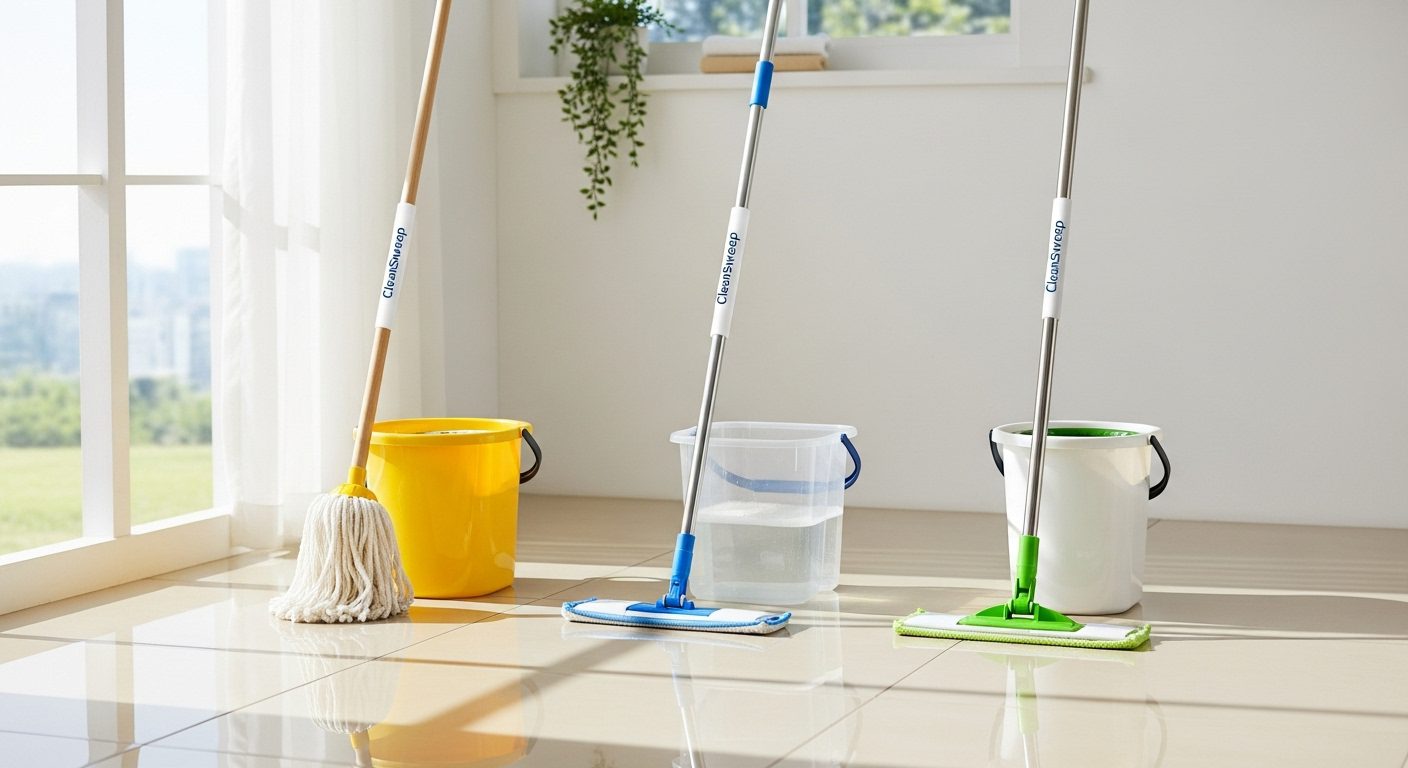
Microfiber mops have become increasingly popular due to their superior cleaning ability and eco-friendliness. These mops use tiny synthetic fibers that trap dirt and bacteria mechanically, requiring less water and chemicals than traditional mops.
For microfiber mops, avoid using fabric softener or bleach at full strength, as these can damage the fibers and reduce their effectiveness. Instead, wash microfiber mop heads in hot water (maximum 140°F) with a small amount of detergent. If machine washing, use a mesh bag and wash separately from other fabrics to prevent lint transfer. For disinfection, use a diluted bleach solution (1 teaspoon per gallon) for just 2 minutes, then rinse thoroughly.
The biggest mistake people make with microfiber is using too much heat when drying. Air drying is best, but if you must use a dryer, use the lowest heat setting. High heat melts the tiny fibers, destroying their cleaning ability permanently.
Cotton String Mops
Traditional cotton string mops are workhorses that can handle heavy-duty cleaning, but they require more maintenance than modern alternatives. Cotton absorbs and holds onto bacteria readily, making proper cleaning and disinfection even more critical.
Cotton mops benefit from a pre-soak in hot water with 1/4 cup of white vinegar per gallon, which helps break down organic matter and neutralize odors. These mops can handle stronger bleach solutions (up to 1/4 cup per gallon) for thorough disinfection. Machine washing is ideal for cotton mops—use the hot water setting with regular detergent and add 1/2 cup of baking soda to the wash cycle for extra deodorizing power.
Always ensure cotton mops are completely dry before storage. Their natural fibers are prone to mildew and rot when stored damp. Consider having two cotton mop heads so one can dry thoroughly while you use the other.
Sponge Mops
Sponge mops present unique cleaning challenges because their porous structure readily harbors bacteria and can be difficult to clean thoroughly. The EPA recommends replacing sponge mop heads more frequently than other types—every 2-3 months with regular use.
To clean a sponge mop, first rinse thoroughly with hot water to remove debris. Create a cleaning solution with 2 tablespoons of dish soap and 1/4 cup of vinegar per gallon of hot water. Submerge the sponge completely and work the solution through by squeezing repeatedly. For disinfection, sponge mops can be sanitized in the microwave (if removable and microwave-safe): saturate with water and microwave on high for 2 minutes. Alternatively, soak in a bleach solution (2 tablespoons per gallon) for 5 minutes.
The key to sponge mop longevity is ensuring complete drying between uses. Store with the sponge exposed to air, never pressed against a surface where moisture can be trapped.
Spin Mops
Spin mops offer convenience with their built-in wringing mechanism, but this same feature can trap dirt and bacteria in hard-to-reach places. Pay special attention to cleaning the spinner mechanism itself, as this area often harbors hidden contamination.
Remove the mop head according to manufacturer instructions and clean it following the microfiber or cotton guidelines above (depending on material). Clean the bucket and spinner mechanism with hot soapy water, paying attention to crevices where dirt accumulates. Disinfect the entire system monthly with a bleach solution, ensuring you rinse all components thoroughly to prevent corrosion of metal parts.
Maintenance Schedule and Best Practices
Establishing a regular maintenance schedule prevents bacteria buildup and extends mop life significantly. Here’s a professional-grade maintenance timeline based on usage frequency:
Daily Users (Commercial or Large Households)
- After each use: Rinse thoroughly with hot water and hang to dry
- Every 3 days: Deep clean with soap and water
- Weekly: Full disinfection with EPA-approved methods
- Monthly: Inspect for wear and replace if necessary
Weekly Users (Average Households)
- After each use: Rinse and air dry completely
- Bi-weekly: Deep clean and disinfect
- Monthly: Thorough inspection and deep sanitization
- Every 3-6 months: Replace mop head or thoroughly evaluate condition
Occasional Users
- After each use: Clean thoroughly—don’t store dirty even if using infrequently
- Before storage: Ensure completely dry to prevent mildew
- Before each use: Quick rinse to remove any dust accumulation
- Every 6-12 months: Replace or deep sanitize regardless of use frequency
Troubleshooting Common Mop Problems
Even with regular maintenance, mops can develop issues. Here’s how to address the most common problems:
Persistent Odors
If your mop still smells after cleaning, bacteria have likely formed biofilm deep in the fibers. Create a solution of 1 cup baking soda, 1/2 cup white vinegar, and 1 gallon of hot water. Soak the mop for 30 minutes, agitating every 10 minutes. Follow with standard disinfection. For severe cases, soak overnight in a solution of 1/4 cup bleach per gallon of water (ensure adequate ventilation).
Stubborn Stains
Stains on mop heads often indicate incomplete cleaning of previous messes. Pre-treat stained areas with a paste of baking soda and water, letting it sit for 15 minutes before regular cleaning. For grease stains, dish soap applied directly to the stain before washing works effectively. Remember that some staining is cosmetic and doesn’t affect cleaning ability—focus on sanitization over appearance.
Reduced Absorbency
Mops losing absorbency usually have residue buildup from cleaning products or hard water minerals. Strip the buildup by soaking in hot water with 1 cup of white vinegar per gallon for 2 hours. For microfiber mops specifically, avoid fabric softeners and dryer sheets, which coat fibers and reduce effectiveness permanently.
Fraying or Shedding
Some fraying is normal with use, but excessive shedding indicates it’s time for replacement. To minimize fraying, avoid wringing too aggressively, use appropriate water temperatures (not exceeding manufacturer recommendations), and trim loose threads rather than pulling them. Professional services typically replace mop heads showing more than 30% fiber loss.
Safety Considerations and Warnings
Cleaning mops involves handling potentially contaminated materials and chemical disinfectants. Always prioritize safety:
- Wear rubber gloves throughout the cleaning process to protect from bacteria and chemicals
- Ensure adequate ventilation when using bleach or other chemical disinfectants
- Never mix different cleaning chemicals—this can create toxic gases
- Keep cleaning supplies out of reach of children and pets
- Label any stored cleaning solutions clearly with contents and date
- Wash hands thoroughly after handling dirty mops, even when wearing gloves
- If you have respiratory sensitivities, consider wearing a mask during the cleaning process
Eco-Friendly Cleaning Alternatives
For those preferring environmentally conscious methods, several effective alternatives to chemical disinfectants exist:
Steam cleaning offers chemical-free sanitization—if you have access to a steam cleaner, run the mop head through a steam cycle after regular washing. The high temperature (typically above 200°F) kills most bacteria and viruses without chemicals.
Essential oils provide natural antimicrobial properties. Add 10-15 drops of tea tree oil or lavender oil to your cleaning solution. While not as powerful as bleach for disinfection, these oils offer moderate antimicrobial benefits and pleasant scents.
Hydrogen peroxide serves as a gentler alternative to bleach. Use a 3% solution (common household strength) undiluted for soaking mop heads. Allow 10 minutes of contact time for effective sanitization. This method is particularly suitable for colored mop heads that might be damaged by bleach.
Professional Standards and Commercial Considerations
Commercial cleaning operations follow stricter protocols than typical household cleaning. Understanding these standards can elevate your home cleaning practices:
Healthcare facilities typically use a color-coding system for mops to prevent cross-contamination between areas. Consider adopting a simplified version: use different mops for bathrooms versus kitchen areas. Commercial services also maintain detailed logs of mop maintenance—while this might seem excessive for home use, keeping a simple note of when you last deep-cleaned your mop ensures regular maintenance.
Professional cleaners replace mop heads on a strict schedule regardless of appearance, understanding that microscopic contamination isn’t visible. For home use, marking your calendar for regular replacement (every 3-6 months for frequent users) ensures you’re not using degraded equipment.
Frequently Asked Questions
How often should I clean my mop?
Clean your mop after every use with at least a thorough rinse, and perform a deep clean with disinfection weekly if you mop daily, or after every 3-4 uses for less frequent mopping. Never store a dirty mop, as bacteria multiply rapidly in moist environments.
Can I put my mop in the washing machine?
Most detachable cotton and microfiber mop heads are machine-washable. Use hot water (check manufacturer limits for microfiber), regular detergent, and skip the fabric softener. Use a mesh bag to prevent tangling, and wash mop heads separately from clothing to avoid cross-contamination.
What’s the best disinfectant for mops?
The CDC recommends bleach solutions as the most effective disinfectant: 1 tablespoon per gallon for routine disinfection, or 4 tablespoons per gallon for heavy contamination. Ensure 5 minutes of contact time. For bleach-sensitive materials, use EPA-registered quaternary ammonium compounds following label instructions.
Why does my mop still smell bad after cleaning?
Persistent odors indicate deep bacterial colonization or incomplete drying. Soak in a strong baking soda solution (1 cup per gallon) for 30 minutes, then disinfect with bleach. Ensure complete drying in a ventilated area. If odors persist after this treatment, it’s time to replace the mop head.
How do I know when to replace my mop?
Replace your mop head when you notice excessive fraying (more than 30% fiber loss), persistent odors despite cleaning, reduced absorbency that doesn’t improve with deep cleaning, or visible mold/mildew growth. Most mop heads last 3-6 months with regular use and proper maintenance.
Is vinegar enough to disinfect a mop?
While vinegar has some antimicrobial properties and works well for cleaning and deodorizing, it’s not a registered disinfectant and doesn’t kill all pathogens. Use vinegar for regular cleaning, but follow up with an EPA-approved disinfectant like diluted bleach for true sanitization, especially after cleaning bathrooms or areas with potential contamination.
Can I use the same mop for different areas of my house?
Ideally, no. Using the same mop throughout your house can spread bacteria from contaminated areas (like bathrooms) to cleaner spaces (like kitchens). If you must use one mop, clean bathrooms last and thoroughly disinfect the mop between different areas. Consider having at least two mops: one for bathrooms and one for living areas/kitchen.
Conclusion
Proper mop cleaning and maintenance might seem like a small detail in your household routine, but as we’ve seen, it makes a significant difference in both the effectiveness of your cleaning and the health of your living environment. By following the comprehensive steps outlined in this guide—from regular rinsing after each use to proper disinfection protocols recommended by the CDC and EPA—you’re not just maintaining a cleaning tool; you’re protecting your family’s health and maximizing your cleaning efficiency.
Remember that different mop types require slightly different care approaches, but the fundamental principles remain the same: remove dirt, eliminate bacteria, and ensure complete drying. Whether you’re maintaining a simple cotton string mop or a modern microfiber system, regular maintenance following professional standards will extend your mop’s life and keep it functioning at peak performance.
Start implementing these practices today, beginning with establishing a regular cleaning schedule appropriate for your usage level. Your floors—and your family’s health—will thank you for the extra attention to this often-overlooked aspect of home maintenance. A clean mop means truly clean floors, and now you have all the knowledge needed to achieve professional-level results in your own home.