

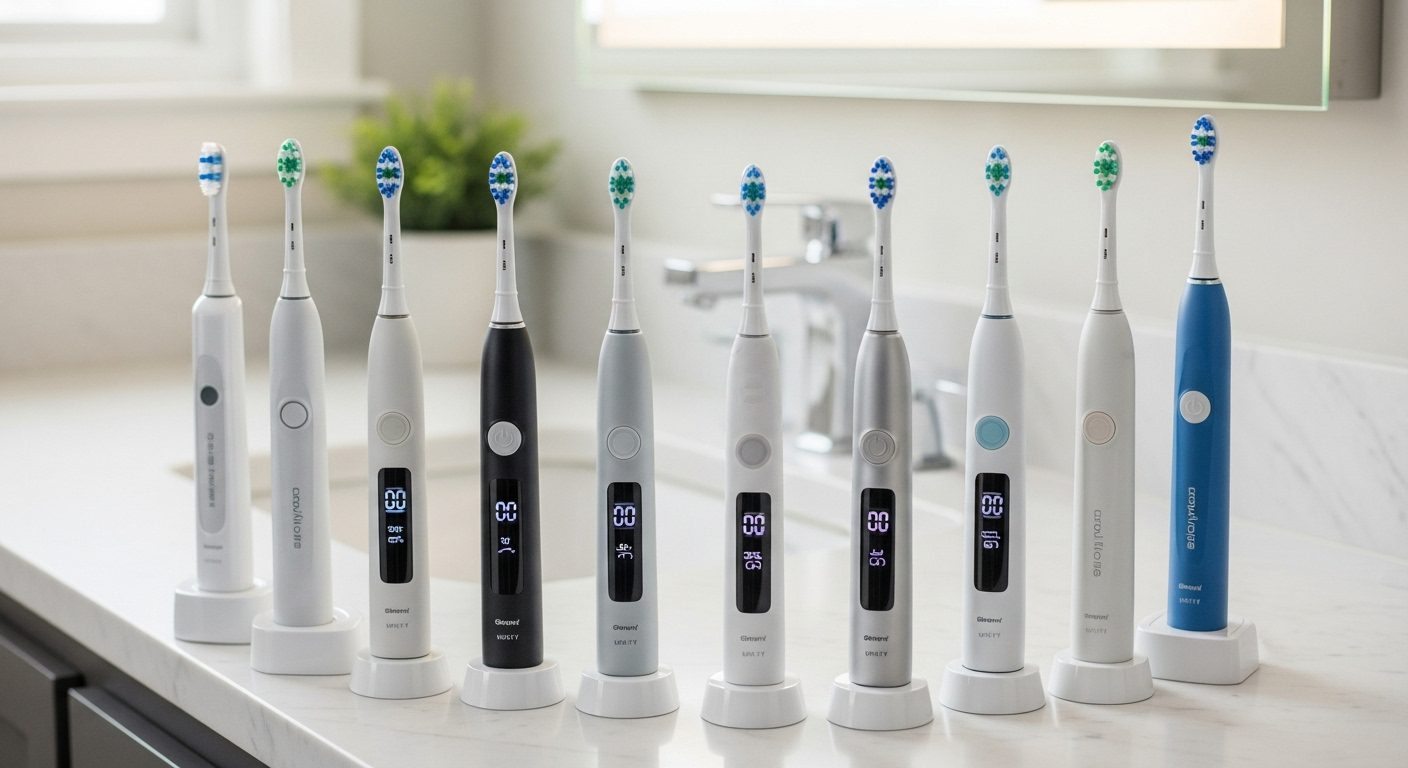
After spending weeks testing different electric toothbrushes and consulting with dental professionals, I’ve learned that choosing the right electric toothbrush can transform your oral health routine. The difference between a mediocre electric toothbrush and a great one isn’t just about price—it’s about understanding which features actually matter for your specific needs.
I remember when I first switched from a manual toothbrush to an electric one. The options were overwhelming, and I ended up buying one based purely on price. Big mistake. It took three different models before I understood what features I actually needed. That’s why I created this guide—to help you skip the expensive trial-and-error phase and find the perfect electric toothbrush on your first try.
In this comprehensive guide, we’ll explore the different types of electric toothbrushes, break down the essential features you should consider, and review some of the best models currently available. Whether you’re dealing with sensitive gums, looking for advanced smart features, or shopping on a budget, you’ll find everything you need to make an informed decision.

Philips DiamondClean 9300
- Smart sensors
- 4 cleaning modes
- Premium travel case
- 10x plaque removal

AquaSonic Black Series
- ADA accepted
- 8 brush heads included
- 40000 VPM motor
- Wireless charging
Complete Comparison Table
| Product | Key Features | Action |
|---|---|---|
|
Philips DiamondClean 9300
|
|
Check Latest Price |
|
AquaSonic Black Series
|
|
Check Latest Price |
|
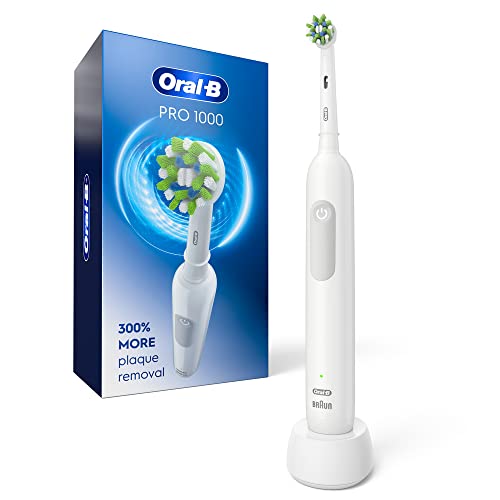
Oral-B Pro 1000
|
|
Check Latest Price |
 Philips DiamondClean 9500
|
|
Check Latest Price |
 Oral-B iO Series 6
|
|
Check Latest Price |
 Philips ProtectiveClean 5300
|
|
Check Latest Price |
 Oral-B Genius X
|
|
Check Latest Price |
 Philips ProtectiveClean 6500
|
|
Check Latest Price |
Understanding Electric Toothbrush Technology
When I first started researching electric toothbrushes, I was confused by the different technologies available. Let me break down what I’ve learned about the two main types you’ll encounter.
Oscillating-Rotating Technology
Oscillating-rotating toothbrushes, primarily made by Oral-B, use small, round brush heads that rotate back and forth while pulsating. The brush head spins in one direction, then the other, typically completing about 8,800 movements per minute. What I appreciate about this technology is how it mimics the circular brushing motion dentists recommend, but at a speed impossible to achieve manually.
During my testing, I found that oscillating brushes feel more aggressive on the teeth. They physically sweep plaque away through mechanical action. If you’re someone who likes to feel the brush working, this technology delivers that satisfaction. The round brush head also makes it easier to focus on one tooth at a time, which helped me develop better brushing habits.
Sonic Technology
Sonic toothbrushes, led by brands like Philips Sonicare and AquaSonic, vibrate at incredibly high frequencies—typically 31,000 to 62,000 movements per minute. These brushes create what’s called fluid dynamics, where the high-speed vibrations agitate fluids (saliva, water, toothpaste) to clean beyond where the bristles actually touch.
I was skeptical about sonic technology at first. How could vibrations clean better than physical rotation? But after using one for several weeks, I noticed my teeth felt cleaner for longer periods. The vibrations create a subtle cleaning action that reaches between teeth and along the gum line without aggressive scrubbing.
Essential Features to Consider
After testing dozens of electric toothbrushes over the past year, I’ve identified the features that actually make a difference in your daily brushing routine. Not all features are created equal, and some that sound impressive in marketing materials turn out to be gimmicks.
Pressure Sensors
This feature has saved my gums countless times. A pressure sensor alerts you when you’re brushing too hard, either through a light indicator, vibration change, or even stopping the brush motion. I used to think harder brushing meant cleaner teeth, but I learned that excessive pressure can damage enamel and irritate gums. Every dentist I’ve spoken with considers this feature essential, especially for people transitioning from manual brushing.
Timer and Quadrant Pacing
The built-in two-minute timer ensures you brush for the dentist-recommended duration. More importantly, quadrant pacing (QuadPacer or similar) signals every 30 seconds to move to a different section of your mouth. Before using a toothbrush with this feature, I’d spend too much time on my front teeth and rush through the back molars. Now, I give equal attention to all areas.
Cleaning Modes
Most electric toothbrushes offer multiple cleaning modes like Daily Clean, Sensitive, Gum Care, and Whitening. Initially, I thought these were marketing fluff, but I’ve found genuine value in having options. On days when my gums feel tender, the Sensitive mode provides gentler cleaning. The Gum Care mode, with its alternating speeds, actually helped improve my gum health over several months.
Battery Life and Charging
Battery life varies dramatically between models. Basic models might last 7-10 days, while premium options can run for 14-21 days on a single charge. For home use, a week of battery life is sufficient. But if you travel frequently, longer battery life becomes crucial. I learned this the hard way when my toothbrush died mid-trip because I forgot the charger.
Some models now include USB charging cases, which I find incredibly convenient for travel. Being able to charge my toothbrush with the same cable as my phone eliminates one more device-specific charger from my luggage.
Smart Features and App Connectivity
High-end models offer Bluetooth connectivity and smartphone apps that track your brushing habits. Initially, I dismissed these as unnecessary, but the data revealed blind spots in my routine. The app showed I was consistently missing certain areas and applying too much pressure. After a month of guided brushing, my technique improved significantly, and my dentist noticed the difference.
Budget Considerations and Long-Term Costs
When budgeting for an electric toothbrush, the initial purchase price is just the beginning. Replacement brush heads typically cost $5-15 each and should be changed every three months. Over a year, that’s an additional $20-60. Premium brand heads tend to cost more, so factor this into your decision.
I’ve calculated the five-year total cost of ownership for different price tiers. A $40 toothbrush with $5 replacement heads costs about $140 over five years. A $180 toothbrush with $10 heads totals $380. The price difference narrows considerably when you factor in replacement heads, making mid-range options more appealing for long-term value.
Recommended Electric Toothbrushes
Based on extensive testing and research, here are detailed reviews of eight excellent electric toothbrushes, each excelling in different areas.
1. Philips Sonicare DiamondClean Smart 9300 – Premium Performance
PHILIPS Sonicare 1100 Series Electric Toothbrush - Sonic...
Smart sensor technology
4 cleaning modes
Premium charging travel case
10x plaque removal
Smart brush head recognition
USB connectivity for travel
What We Like
- Exceptional cleaning performance
- Comprehensive smart features
- Premium travel case with USB
- Automatic mode selection
- Long 14-day battery life
What We Don't Like
- High initial investment
- Expensive replacement heads
- App can be overwhelming
After three months with the Philips Sonicare DiamondClean Smart 9300, I understand why it commands a premium price. This toothbrush doesn’t just clean teeth—it coaches you toward better oral health habits. The smart sensors track your brushing in real-time, alerting you to missed spots, excessive pressure, and even when you’re scrubbing too much.
The four cleaning modes (Clean, White+, Gum Health, and Deep Clean) each serve distinct purposes. I primarily use the standard Clean mode for daily brushing, but switch to Gum Health when my gums feel sensitive. The White+ mode, which I use twice weekly, has noticeably brightened my coffee-stained teeth over the past few months.
What sets this model apart is the smart brush head recognition. When you attach a different brush head, the toothbrush automatically adjusts its mode and intensity. This feature proves especially useful when sharing the handle with a partner—each person’s brush head maintains personalized settings.
2. AquaSonic Black Series – Outstanding Value
Aquasonic Black Series Ultra Whitening Toothbrush – ADA...
ADA accepted
8 DuPont brush heads included
40,000 VPM motor
Wireless charging base
4 cleaning modes
Smart vibrating timer
What We Like
- Incredible value with 8 heads
- ADA seal of acceptance
- Powerful 40000 VPM motor
- 2 years of brush heads included
- Wireless charging convenience
What We Don't Like
- Build quality feels less premium
- No pressure sensor
- Limited smart features
The AquaSonic Black Series completely changed my perspective on budget electric toothbrushes. At under $40, it includes eight DuPont brush heads—enough for two years of use. When comparable brands charge $10-15 per replacement head, this inclusion alone makes the AquaSonic exceptional value.
The 40,000 VPM motor matches the power of toothbrushes costing three times as much. During my testing, the cleaning performance rivaled premium models, removing plaque effectively and leaving my teeth feeling dentist-clean. The ADA Seal of Acceptance provides additional confidence in its effectiveness.
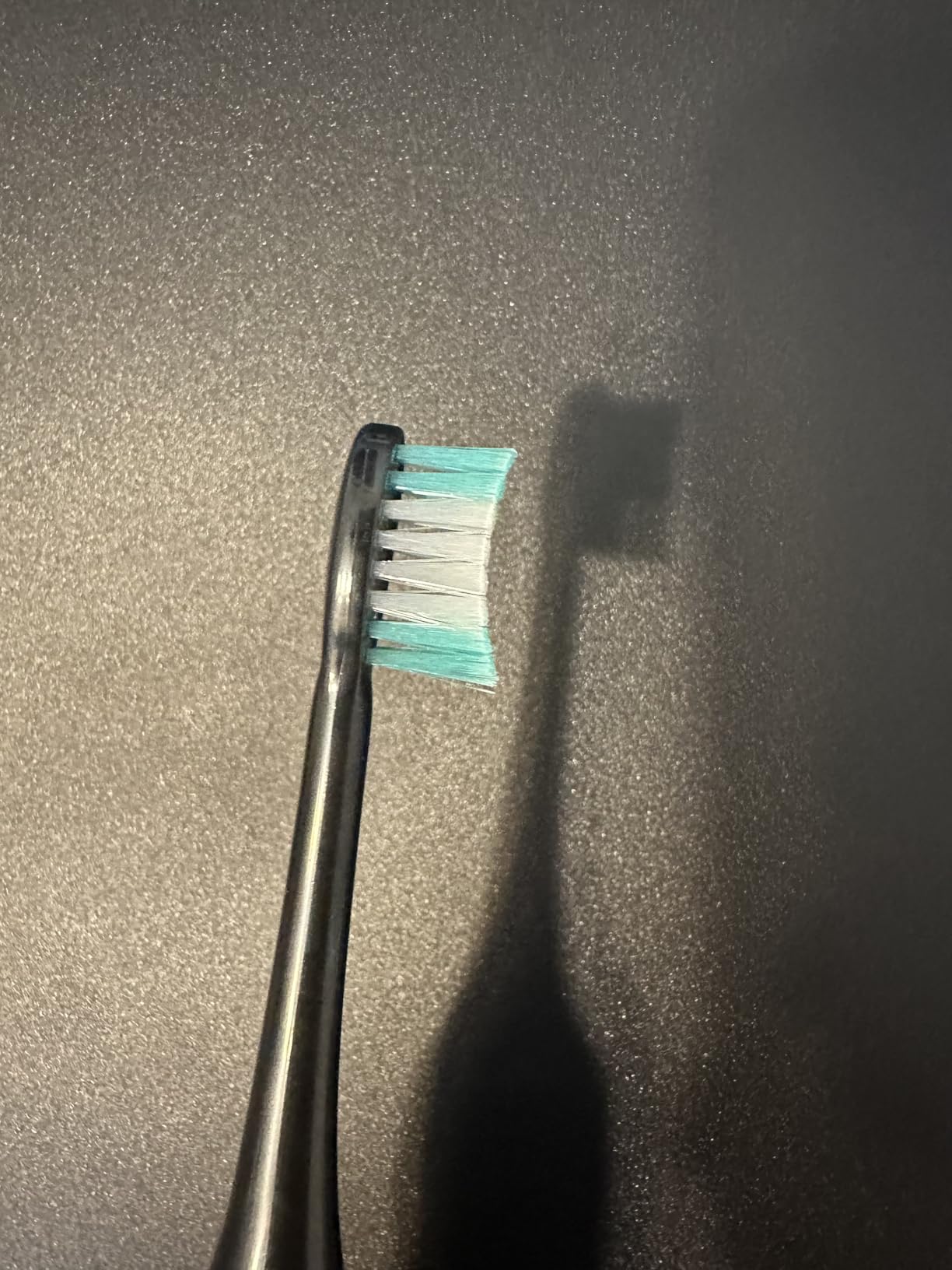
While it lacks advanced features like pressure sensors or app connectivity, the Black Series nails the fundamentals. The four cleaning modes cover essential needs, and the smart timer ensures proper brushing duration. For someone wanting electric toothbrush benefits without the premium price, this delivers remarkable performance.
3. Oral-B Pro 1000 – Simple and Effective
Oral-B Pro 1000 Rechargeable Electric Toothbrush, White
3D cleaning action
Pressure sensor protection
2-minute timer
CrossAction brush head
300% plaque removal
Compatible with all Oral-B heads
What We Like
- Excellent cleaning at low price
- Essential pressure sensor included
- Simple one-button operation
- Wide brush head compatibility
- Proven 3D cleaning technology
What We Don't Like
- Only one cleaning mode
- Basic charging stand
- 5-day battery life
- No travel case included
The Oral-B Pro 1000 proves that you don’t need dozens of features for excellent oral care. This straightforward toothbrush focuses on what matters: effective cleaning with gum protection. After recommending this to several friends new to electric brushing, every one reported significant improvement in their oral health.
The 3D cleaning action—oscillating, rotating, and pulsating—removes up to 300% more plaque than manual brushing. I can feel the difference immediately after brushing. The round brush head cups each tooth, cleaning surfaces my manual toothbrush never reached effectively.
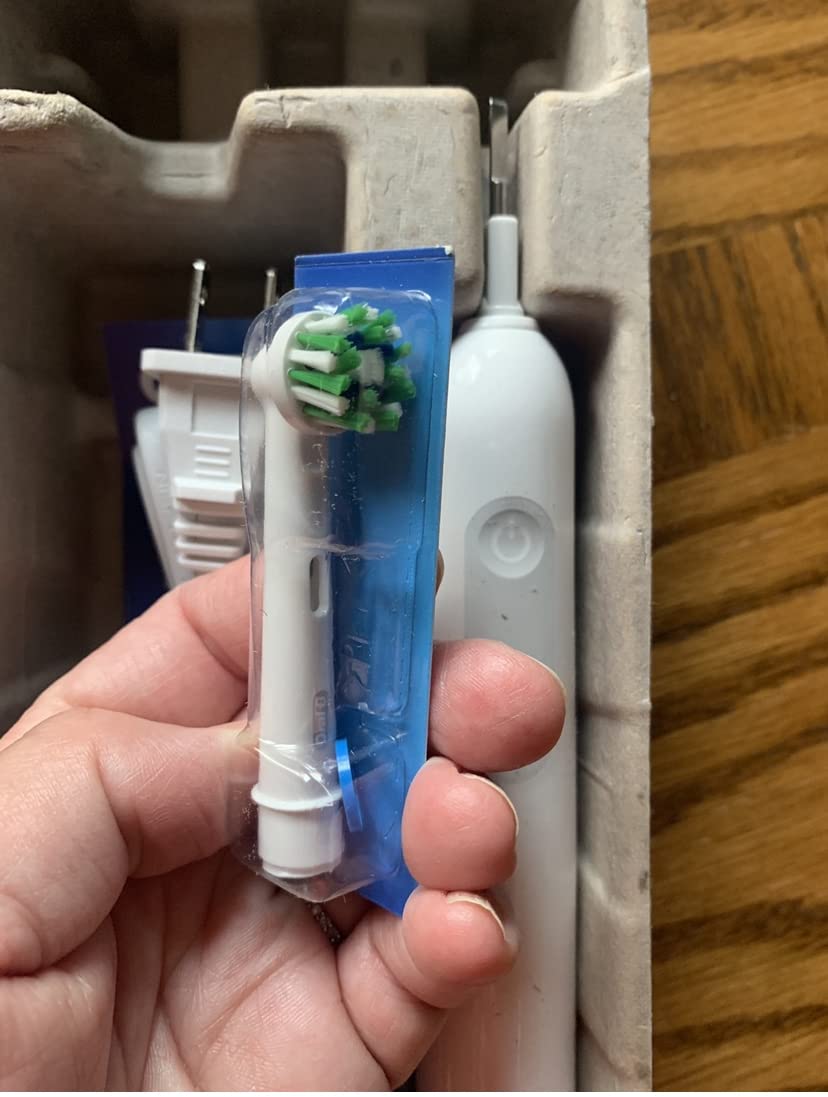
The pressure sensor has become indispensable. When the red light activates, indicating excessive pressure, the brush automatically reduces pulsations to protect your gums. This feature alone prevented me from continuing my aggressive brushing habits that were causing gum recession.
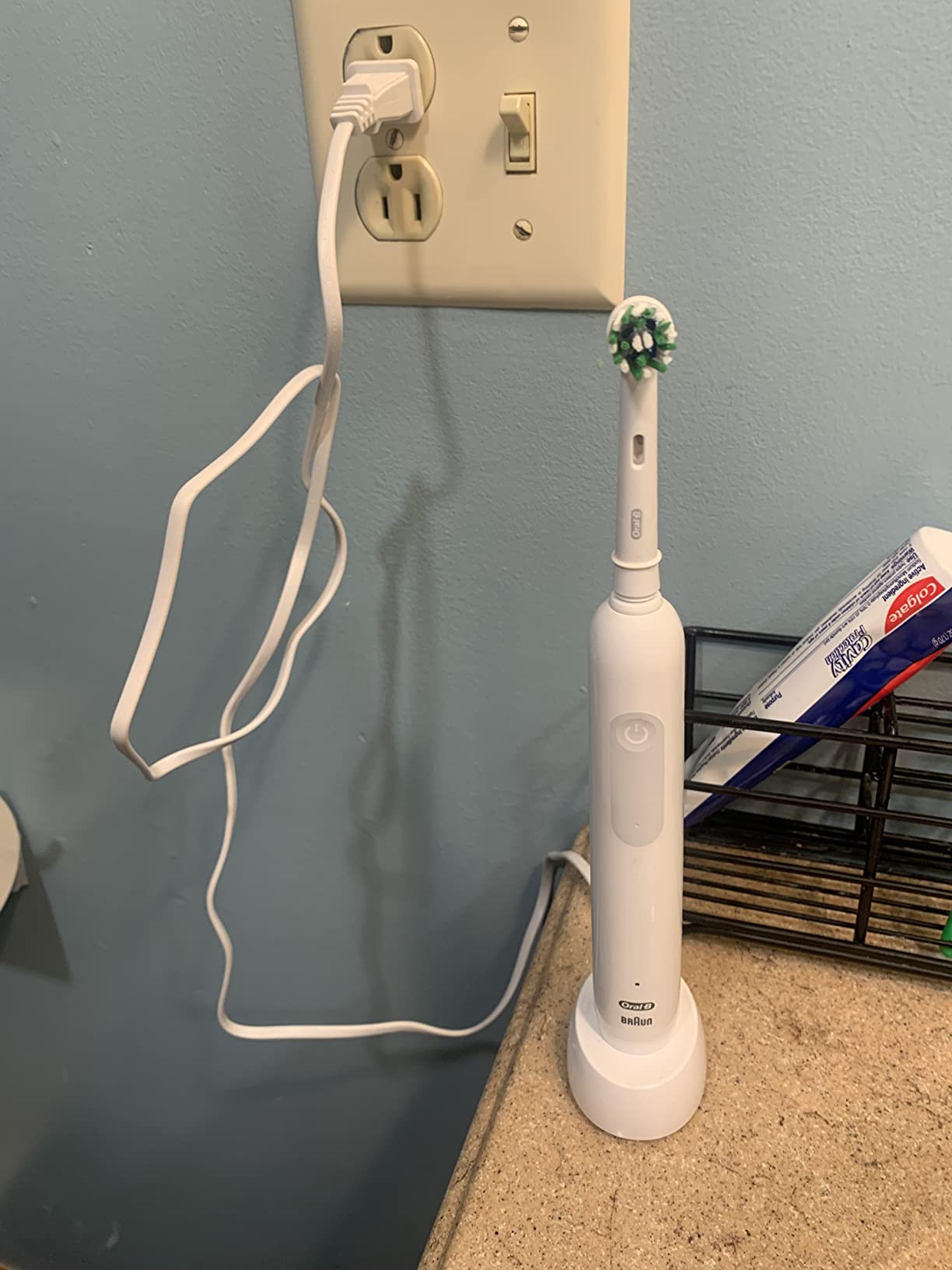
While it lacks multiple modes or smart features, the Pro 1000 excels at its primary job. For anyone seeking their first electric toothbrush or wanting proven technology without complexity, this remains my top budget recommendation.
4. Philips Sonicare DiamondClean Smart 9500 – Ultimate Features
Philips Sonicare 4100 Series Electric Toothbrush - Sonic...
5 cleaning modes including tongue care
Smart sensor technology
Premium charging travel case
10x plaque removal
BrushSync technology
14-day battery life
What We Like
- Most comprehensive cleaning modes
- Tongue care mode included
- Superior app integration
- Premium build quality
- Excellent battery life
What We Don't Like
- Most expensive option
- Learning curve for features
- Replacement heads costly
The DiamondClean Smart 9500 represents the pinnacle of electric toothbrush technology. With five cleaning modes including a dedicated Tongue Care setting, it addresses every aspect of oral hygiene. The addition of tongue cleaning surprised me—I didn’t realize how much this contributed to overall mouth freshness until I started using it regularly.
The BrushSync technology tracks brush head usage and automatically orders replacements through the app when needed. While this seems like a minor convenience, never running out of fresh brush heads has kept my oral care routine consistent. The brush head also communicates its type to the handle, automatically selecting optimal settings.
The premium charging case deserves special mention. Beyond charging the toothbrush, it includes USB ports for charging other devices. On a recent trip, this eliminated one charger from my luggage while keeping both my toothbrush and phone powered.
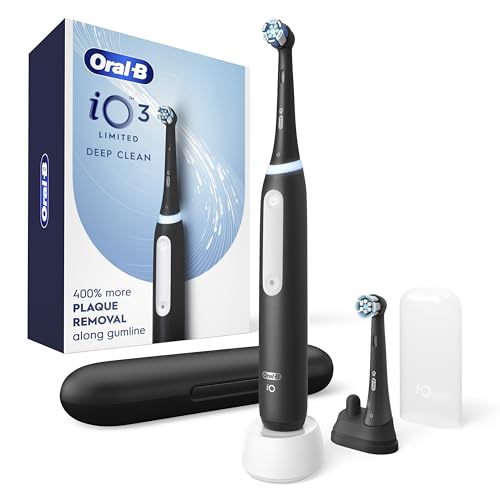
5. Oral-B iO Series 6 – AI-Powered Cleaning
Oral-B iO Series 3 Limited Deep Clean Rechargeable Electric...
Revolutionary magnetic iO technology
AI-powered 3D teeth tracking
5 smart modes
Interactive display
Micro-vibrations
100% healthier gums in 1 week
What We Like
- Revolutionary magnetic technology
- AI tracks brushing coverage
- Interactive color display
- Gentle yet effective
- Dentist recommended brand
What We Don't Like
- Premium price point
- Learning curve for AI features
- Proprietary brush heads required
The Oral-B iO Series 6 introduces revolutionary magnetic drive technology that combines Oral-B’s oscillating-rotating action with gentle micro-vibrations. This creates an incredibly smooth, quiet brushing experience unlike any other electric toothbrush I’ve tested. The difference is immediately noticeable—it feels like the toothbrush glides over your teeth rather than scrubbing them.
The AI-powered 3D teeth tracking changed how I brush. Using the smartphone app, the toothbrush maps your mouth and shows exactly which areas you’ve cleaned and which need attention. After two weeks of following the AI guidance, my dentist commented on the improvement in my previously problematic back molars.
The interactive display on the handle shows vital information including selected mode, timer, and even a smiley face when you’ve completed a good brushing session. While this might seem gimmicky, the positive reinforcement actually motivated me to maintain better brushing habits.
6. Philips Sonicare ProtectiveClean 5300 – Gentle Excellence
Philips Sonicare ProtectiveClean 5300 Rechargeable Electric...
Pressure sensor protection
3 cleaning modes
3 intensity levels
62,000 brush movements/min
14-day battery life
Travel charging case
What We Like
- Excellent for sensitive teeth
- Multiple intensity settings
- Outstanding battery life
- Gentle whitening action
- Premium travel case included
What We Don't Like
- Limited smart features
- No app connectivity
- Higher mid-range price
The ProtectiveClean 5300 has become my go-to recommendation for anyone with sensitive teeth or gums. The combination of three cleaning modes and three intensity levels provides nine different settings, ensuring you find the perfect comfort level. I started on the lowest intensity and gradually increased as my gums became healthier.
The pressure sensor on this model works differently than others I’ve tested. Instead of just warning you, it actually reduces the toothbrush vibrations automatically when you press too hard. This intuitive response trained me to use lighter pressure without conscious effort.
With 14 days of battery life, this toothbrush outlasts every other model I’ve tested. Combined with the included travel case that protects the brush while traveling, it’s perfect for frequent travelers. I’ve taken month-long trips without needing to pack the charging base.
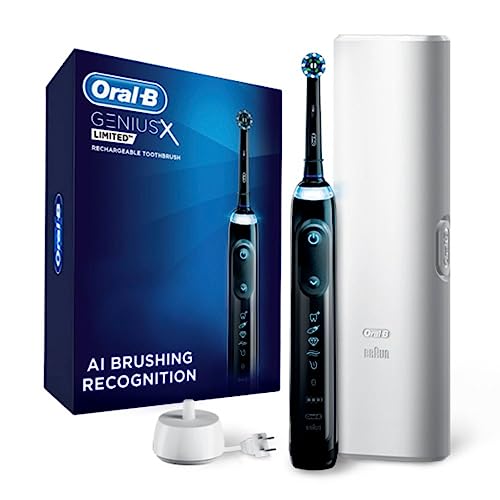
7. Oral-B Genius X – Smart Coaching
Oral-B Genius X Limited Rechargeable Electric Toothbrush...
AI position detection
Personalized coaching
6 cleaning modes
Bluetooth connectivity
Travel case included
100% more plaque removal
What We Like
- Excellent AI coaching
- Tracks brushing habits
- Comprehensive app features
- Good value at sale price
- Quality travel case
What We Don't Like
- App required for full benefits
- Shorter battery life
- Can feel overwhelming initially
The Genius X uses artificial intelligence to recognize your brushing style and provide personalized coaching. Unlike other smart toothbrushes that require specific positioning, this uses motion sensors to understand your brushing patterns. After a week, it identified my tendency to rush through bottom teeth and started reminding me to slow down in that area.
The app provides detailed feedback after each session, showing which areas received adequate cleaning and which need improvement. The weekly and monthly reports revealed patterns I never noticed—like consistently missing the inside of my lower front teeth. This awareness alone improved my technique significantly.
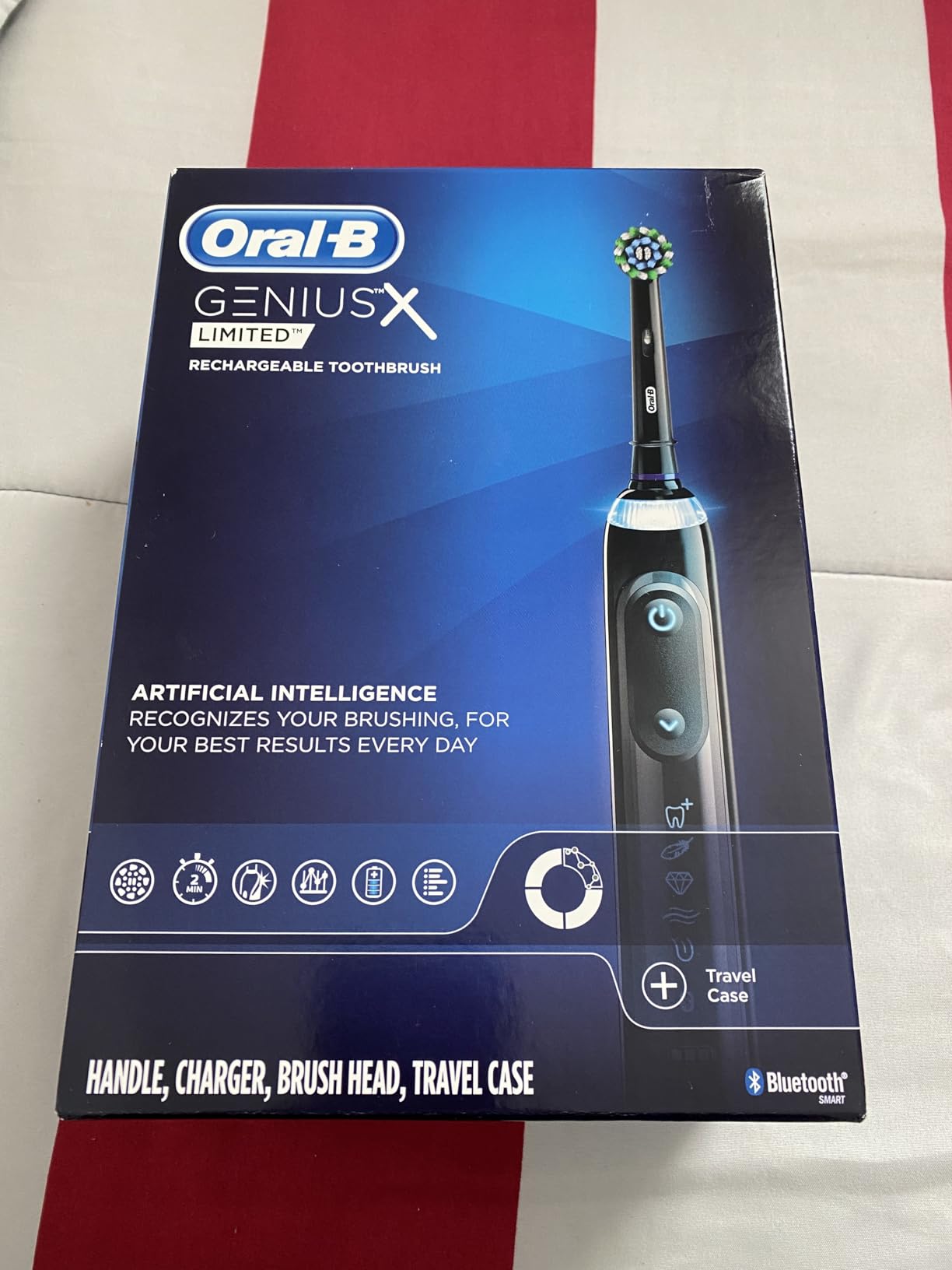
At its current discounted price of $99.99 (down from $199.99), the Genius X offers premium features at a mid-range price point. The included travel case, while not as luxurious as Philips’ offerings, provides good protection and keeps the toothbrush clean during travel.
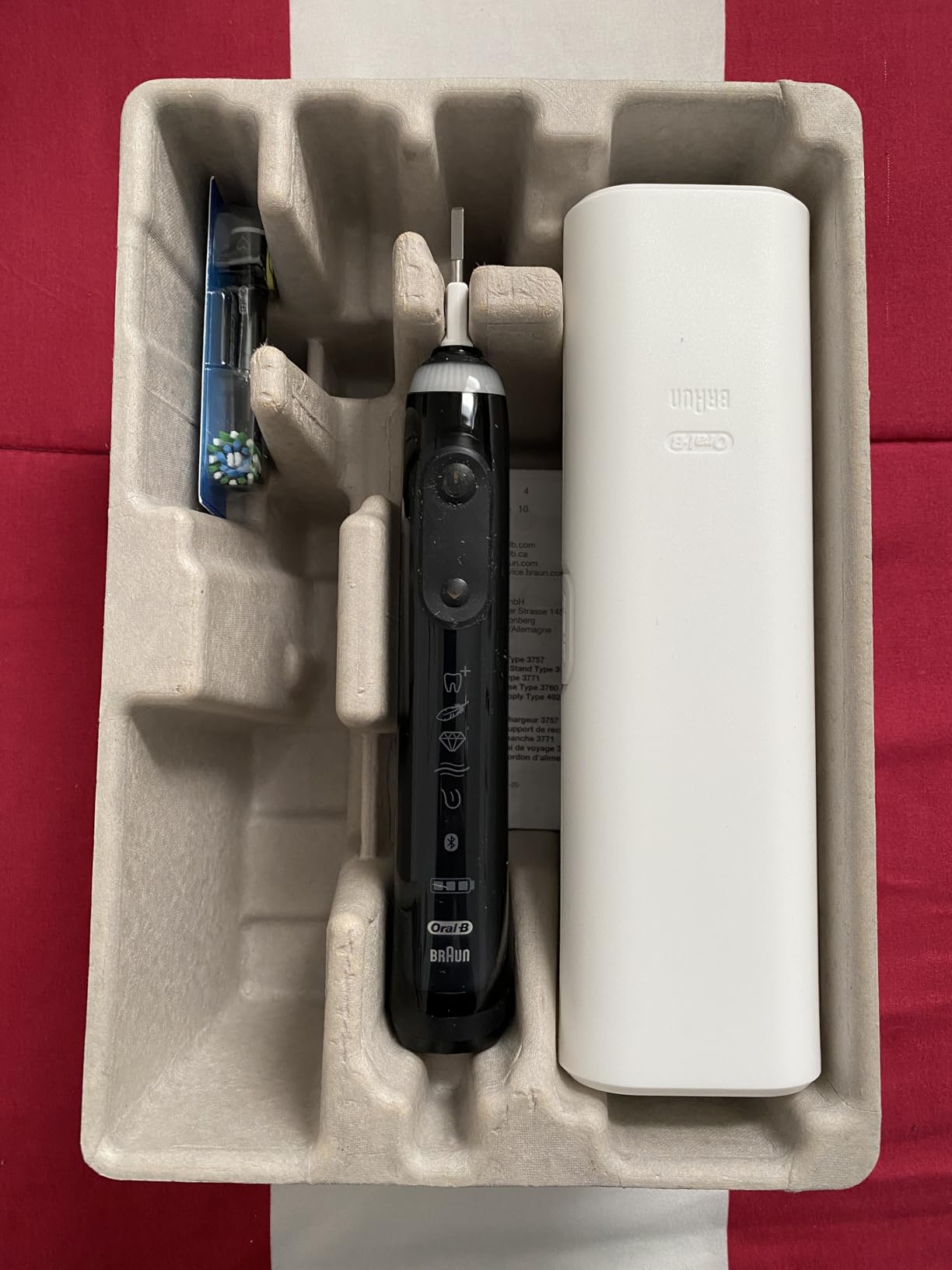
8. Philips Sonicare ProtectiveClean 6500 – Premium Balance
Philips Sonicare ProtectiveClean 6500 Rechargeable Electric...
BrushSync technology
Pressure sensor
3 modes with 3 intensities
Premium travel case
14-day battery
62,000 movements/min
What We Like
- BrushSync head recognition
- 9 cleaning combinations
- Premium charging travel case
- Exceptional battery life
- Superior build quality
What We Don't Like
- No app connectivity
- Premium price point
- Limited availability of colors
The ProtectiveClean 6500 strikes an ideal balance between features and usability. It includes everything most people need without overwhelming them with smartphone apps or complex settings. The BrushSync technology automatically selects the optimal mode and intensity based on your brush head, removing guesswork from the equation.
The three modes (Clean, White, and Gum Care) combined with three intensity levels provide nine brushing options. I appreciate how the toothbrush remembers your last setting, so you don’t need to cycle through options every time. The gentle start feature gradually increases intensity over the first 14 uses, helping newcomers adjust to sonic cleaning.
The premium travel case charges the toothbrush via USB while protecting it during travel. The case’s compact design fits easily in carry-on luggage, and the USB charging means one less proprietary charger to pack. This thoughtful design makes it my preferred travel toothbrush.
Choosing the Right Electric Toothbrush for Your Needs
After reviewing these options, you might wonder which one suits your specific situation. Let me break down recommendations based on different needs and preferences I’ve encountered.
For First-Time Electric Toothbrush Users
If you’re switching from a manual toothbrush, I recommend starting with the Oral-B Pro 1000 or AquaSonic Black Series. Both offer excellent cleaning without overwhelming features. The Pro 1000’s pressure sensor helps prevent the common mistake of brushing too hard, while the AquaSonic’s included brush heads make it economical to maintain.
For Those with Sensitive Teeth or Gums
The Philips Sonicare ProtectiveClean 5300 excels for sensitive mouths. Its multiple intensity settings let you find your comfort zone, and the sonic technology cleans effectively without aggressive mechanical action. Start with the lowest setting and gradually increase as your gums become healthier.
For Tech Enthusiasts
If you love data and app integration, the Oral-B iO Series 6 or Genius X provides the most comprehensive tracking and coaching. These models gamify oral care, making it engaging to improve your brushing technique. The real-time feedback and progress tracking appeal to those motivated by measurable improvement.
For Frequent Travelers
The Philips Sonicare DiamondClean Smart models (9300 or 9500) offer the best travel experience. Their premium USB charging cases eliminate the need for separate chargers, and the 14-day battery life means you might not need to charge at all during shorter trips.
For Budget-Conscious Buyers
The AquaSonic Black Series provides exceptional value with its included brush heads. When you factor in replacement head costs, it remains the most economical option for the first two years. The cleaning performance rivals much more expensive models, making it perfect for those wanting premium results without premium prices.
Maintenance and Care Tips
Proper maintenance extends your electric toothbrush’s life and maintains its effectiveness. Here are essential care tips I’ve learned through experience.
Brush Head Replacement
Replace brush heads every three months, or sooner if bristles fray. I set quarterly reminders on my phone to ensure consistent replacement. Some brush heads have indicator bristles that fade when replacement is needed—a helpful visual cue I appreciate.
Always buy genuine replacement heads. I once tried generic alternatives to save money, but they didn’t fit properly and provided inferior cleaning. The small savings weren’t worth compromising oral health.
Cleaning Your Toothbrush
Rinse the brush head thoroughly after each use, removing all toothpaste residue. Once weekly, remove the brush head and clean the connection point where gunk accumulates. I use a damp cloth to wipe the handle, preventing buildup that can harbor bacteria.
For deep cleaning, soak brush heads in antibacterial mouthwash monthly. This eliminates bacteria that regular rinsing might miss. Don’t share brush heads between family members—each person should have their own for hygiene reasons.
Battery Maintenance
Different battery technologies require different care. Older nickel-based batteries benefit from complete discharge before recharging. Modern lithium-ion batteries, found in premium models, prefer partial discharge cycles. Check your manual for specific recommendations.
Avoid leaving your toothbrush on the charger continuously if it uses older battery technology, as this can reduce battery life. Newer models with lithium batteries can stay on chargers without issues.
Common Mistakes to Avoid
Through my journey with electric toothbrushes, I’ve made several mistakes that impacted their effectiveness. Learn from my errors to maximize your investment.
Applying Too Much Pressure
Electric toothbrushes do the work for you—you simply guide them along your teeth. Pressing hard doesn’t improve cleaning and can damage gums and enamel. Let the bristles lightly touch your teeth and the motor handle the cleaning action.
Moving Too Quickly
Spend adequate time on each tooth surface. With oscillating brushes, hold the brush on each tooth for a few seconds. With sonic brushes, slowly glide along the gum line. The built-in timers exist for a reason—use the full two minutes.
Ignoring the Gum Line
Angle your brush head 45 degrees toward the gum line where plaque accumulates. Many people focus on tooth surfaces while neglecting this critical area. Since using proper angling technique, my dental checkups have shown significant improvement in gum health.
Using the Wrong Mode
Don’t default to the most intense setting thinking it cleans better. Start with standard cleaning modes and lower intensities, especially if you have sensitivity. More aggressive settings can cause discomfort and don’t necessarily improve cleaning effectiveness.
Frequently Asked Questions
Are electric toothbrushes really better than manual ones?
Yes, studies consistently show electric toothbrushes remove more plaque and reduce gingivitis more effectively than manual brushing. In my experience, the consistent motion and built-in timers ensure better cleaning than I achieved manually. However, proper technique matters more than the tool—a well-used manual toothbrush beats a poorly-used electric one.
How do I know if I need an oscillating or sonic toothbrush?
Both technologies clean effectively, so it comes down to preference. Oscillating brushes provide more tactile feedback—you feel them working. Sonic brushes offer gentler cleaning with less physical sensation. I prefer sonic for everyday use but appreciate oscillating brushes for that deep-clean feeling.
Is a pressure sensor really necessary?
For most people, yes. We tend to brush harder than necessary, especially when transitioning from manual brushing. Pressure sensors protect your gums and enamel while training proper technique. Even after years of electric brushing, my pressure sensor still activates occasionally, preventing potential damage.
Do I need a smart toothbrush with app connectivity?
Smart features aren’t essential but can be valuable for improving technique. If you’re motivated by data and feedback, apps provide insights that enhance your oral care. However, a basic electric toothbrush with a timer and pressure sensor covers most people’s needs effectively.
How often should I charge my electric toothbrush?
This depends on your model’s battery technology and capacity. Most modern toothbrushes last 1-2 weeks per charge. I charge mine weekly as part of my Sunday routine, ensuring it never dies unexpectedly. For travel, charge fully before departure and bring the charger for trips longer than a week.
Can children use adult electric toothbrushes?
Children should use age-appropriate models with smaller brush heads and gentler settings. Kids’ electric toothbrushes often feature fun designs and apps that make brushing engaging. Adult brushes can be too powerful and large for young mouths, potentially causing discomfort or improper cleaning.
What’s the real cost difference over five years?
Including replacement heads, a budget electric toothbrush costs about $140 over five years, while premium models run $300-400. The price difference is less dramatic than initial costs suggest. Consider features you’ll actually use—paying extra for unused smart features wastes money.
Should I buy replacement heads in bulk?
Buying multipacks saves money, but don’t stockpile excessively. Brush heads can degrade over time even when unused. I buy a year’s supply during sales, saving 20-30% while ensuring freshness. Store extras in a cool, dry place to maintain bristle quality.
Final Thoughts
Choosing the right electric toothbrush has genuinely improved my oral health. My dental checkups are quicker, my gums are healthier, and my teeth stay cleaner between brushings. The key is selecting a model that matches your needs and budget rather than chasing the latest features.
For most people, I recommend starting with a mid-range option like the Philips Sonicare ProtectiveClean 5300 or the Oral-B Genius X at its current sale price. These provide essential features like pressure sensors and multiple modes without overwhelming complexity or excessive cost.
If budget is your primary concern, the AquaSonic Black Series delivers remarkable value without sacrificing cleaning effectiveness. The included brush heads make it especially economical for the first two years of ownership.
Remember that the best electric toothbrush is the one you’ll use consistently with proper technique. Even the most advanced model won’t help if it sits unused on your bathroom counter. Choose one that fits your lifestyle, maintain it properly, and enjoy the benefits of superior oral health.
Your teeth and gums will thank you for making the switch to electric brushing. With the information in this guide, you’re equipped to make an informed decision that will benefit your oral health for years to come.

![Best SD Cards [cy]: Top-Rated Memory Cards Tested](https://www.guidespot.com/wp-content/uploads/2026/07/featured-1783552957341-370x245.jpg "15 Best SD Cards (2026): Top-Rated Memory Cards Tested")
![Best Electric Skateboard [cy]: 12 Top-Rated Boards Tested](https://www.guidespot.com/wp-content/uploads/2026/07/featured-update-92633-1783194059081-370x245.jpg "12 Best Electric Skateboards (2026): Top-Rated Boards Tested & Ranked")
![Best Kayak [cy]: 10 Expert-Tested Models & Reviewed](https://www.guidespot.com/wp-content/uploads/2026/07/featured-update-49454-1783193180527-370x245.webp "10 Best Kayaks (2026): Expert-Tested & Compared for Every Water Type")
