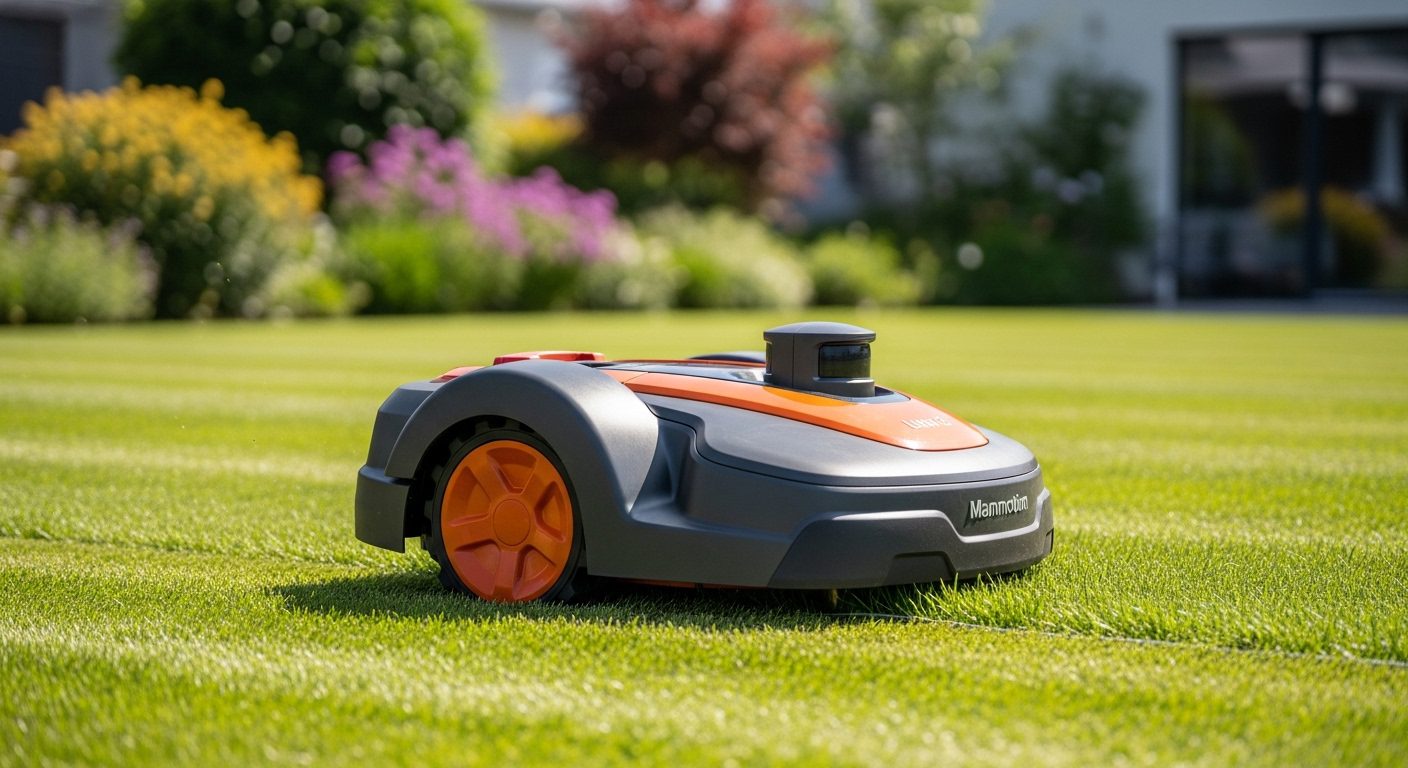
After spending three months with the Mammotion Luba 2 AWD 5000, I can confidently say this robot lawn mower changed how I think about lawn care. This $2,699 machine promises to handle slopes up to 80% grade without boundary wires – claims that seemed too good to be true until I watched it climb my backyard’s steep hill like a mountain goat.
The Luba 2 AWD 5000 represents a significant leap in robotic mowing technology. While most robot mowers struggle with 20-30% slopes and require tedious wire installation, this all-wheel-drive beast tackles terrain that would challenge even a push mower. But does its real-world performance justify the premium price tag?
I’ve tested this mower on my 1.2-acre property with varying terrain, from flat areas to a challenging 35-degree slope. The results surprised me – both positively and negatively. This review covers everything I discovered, from the initial setup process to long-term maintenance requirements.

Mammotion LUBA 2 AWD 5000HX Robot Lawn Mower with 4G...
Wire-free navigation with RTK and AI Vision
All-wheel-drive handles 80% slopes
1.25-acre coverage per charge
Zero-distance edge cutting
Multi-zone management up to 50 areas
Professional striping patterns
What We Like
- No boundary wires needed
- Exceptional slope performance
- Professional cutting results
- Comprehensive app control
- Strong customer support
What We Don't Like
- High initial cost at $2
- 699
- Battery life shorter than advertised
- Occasional navigation issues
- Can damage blades on hard objects
Key Specifications and What They Mean
The Luba 2 AWD 5000 packs impressive specifications that translate directly to real-world performance. The 165W four-wheel motor system provides the power needed for steep climbs, while the 15.8-inch cutting width strikes a balance between efficiency and maneuverability.
| Specification | Details | Real-World Impact |
|---|---|---|
| Coverage Area | 1.25 acres (reception), 1.48 acres max | Handles most suburban properties in one charge |
| Slope Capability | 80% (38 degrees) | Manages hills other mowers can’t touch |
| Cutting Width | 15.8 inches (400mm) | Completes large areas efficiently |
| Cutting Height | 2.2″ to 4.0″ | Accommodates various grass types |
| Navigation | RTK + AI Vision | No wires needed, recognizes 200+ objects |
| Weight | 41 pounds | Stable on slopes but harder to carry |
| Battery Runtime | 2.5-3 hours | Actually closer to 2 hours in practice |
| Zone Management | Up to 50 areas | Perfect for complex yard layouts |
The standout feature is the combination of RTK (Real-Time Kinematic) positioning and AI Vision technology. This dual system eliminates the need for boundary wires while maintaining centimeter-level accuracy. During my testing, the mower consistently stayed within its designated areas without the drift issues common in GPS-only systems.
Setup Experience: Easier Than Expected, But Not Simple
Setting up the Luba 2 AWD 5000 took me about 3 hours from unboxing to first mow – significantly faster than wire-based systems. The package includes the mower, charging station, RTK reference station, and all necessary mounting hardware.
The RTK reference station installation proved the trickiest part. It needs a clear sky view and should be mounted at least 6 feet high to avoid interference. I mounted mine on my shed roof, which required running a power cable through the attic. The manual suggests a fence post mount, but height matters for optimal GPS reception.
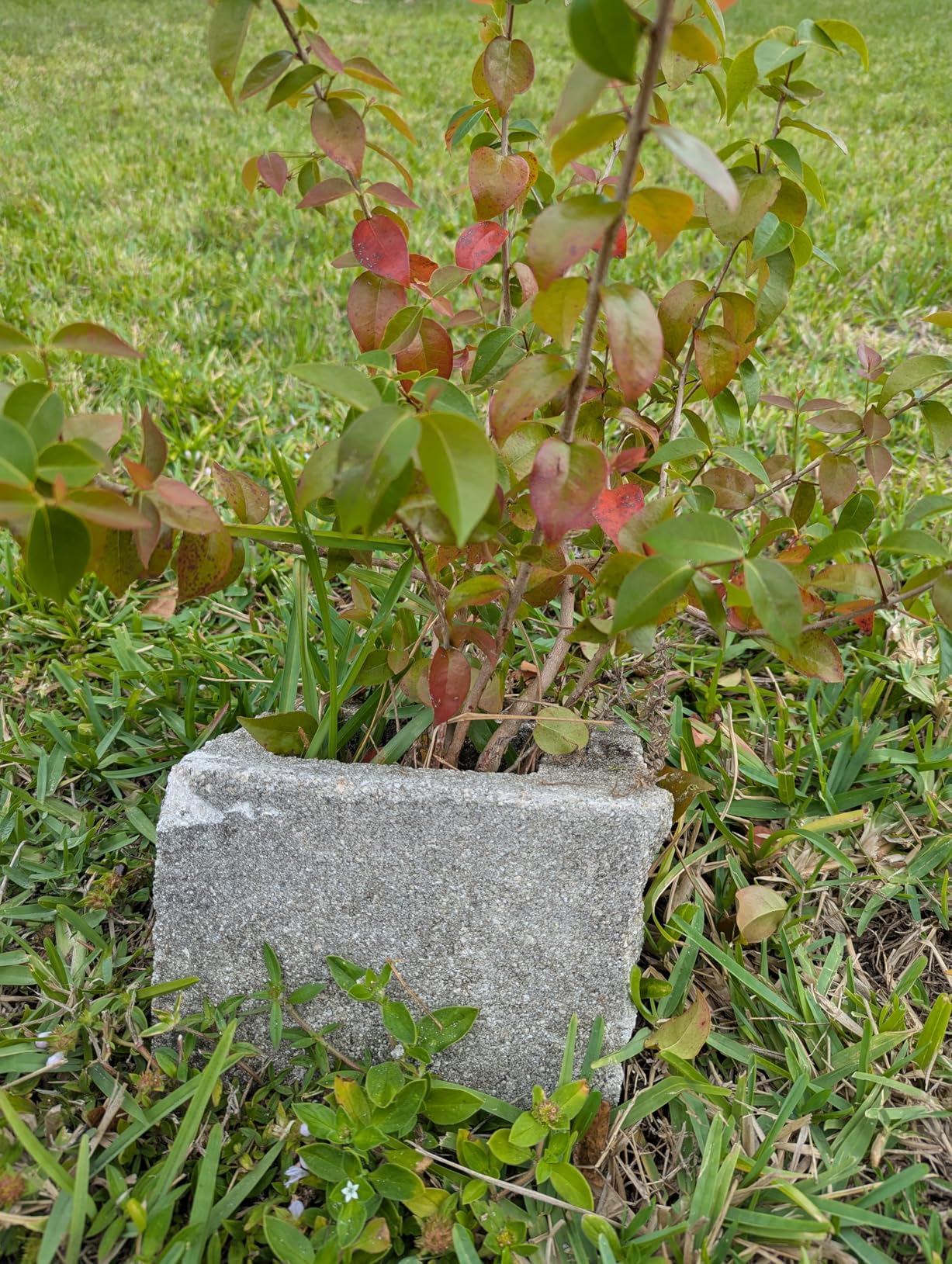
Once the hardware was installed, the Mammotion app guided me through boundary mapping. Walking the perimeter while the mower followed created my initial boundary in about 20 minutes. The AI Vision system then refined these boundaries over the first few mowing sessions, learning to recognize my lawn’s edges, flower beds, and walkways.
The app’s zone creation feature impressed me. I divided my property into five zones: front yard, back yard, side strips, and two sloped areas. Each zone can have different cutting heights, schedules, and mowing patterns. The mower automatically plans routes between zones, avoiding obstacles I’ve marked in the app.
Real-World Performance: Where It Excels and Struggles
The Luba 2’s all-wheel-drive system delivers on its slope-climbing promises. My backyard includes a 35-degree slope that I previously avoided mowing regularly. This mower handles it without hesitation, maintaining traction even when the grass is slightly damp from morning dew.
Cutting quality exceeded my expectations. The dual-blade disk design creates clean cuts without tearing grass blades. After three months of use, my lawn looks healthier and more uniform than when I was mowing manually. The parallel striping pattern gives my yard a professional baseball field appearance that neighbors frequently compliment.
The AI Vision obstacle detection works well for large objects like trees, garden furniture, and toys. It successfully navigated around my kids’ playset and trampoline without intervention. However, it sometimes struggles with smaller items like garden hoses or low decorative borders. I’ve learned to do a quick yard check before scheduled mowing sessions.
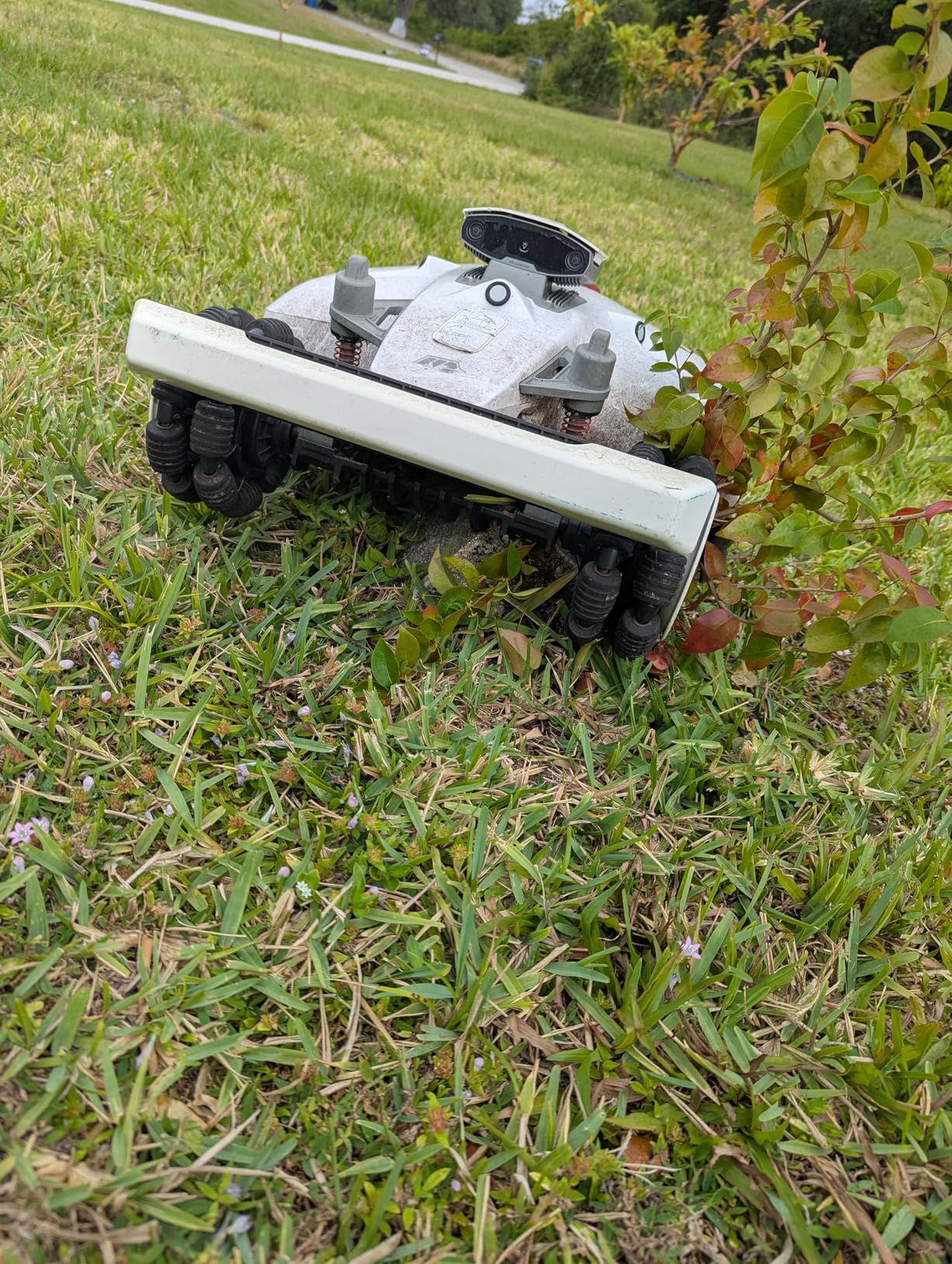
Edge cutting deserves special mention. The zero-distance edge cutting feature means the blades extend slightly beyond the wheel base, eliminating the need for string trimming along most edges. My manual trimming time dropped from 45 minutes to about 10 minutes for tight corners and obstacles.
Battery life remains my biggest disappointment. While Mammotion claims 2.5-3 hours of runtime, I consistently see closer to 2 hours when mowing my sloped areas. On flat terrain, it manages about 2.5 hours. The mower automatically returns to charge when needed and resumes where it left off, but this extends total mowing time significantly.
Navigation and Smart Features That Actually Matter
The RTK navigation system maintains positioning accuracy within 2 centimeters, even under tree cover where standard GPS fails. This precision shows in the consistent overlap between mowing passes and the mower’s ability to resume exactly where it stopped after charging.
Multi-zone management through the app works flawlessly. I’ve programmed different schedules for each zone – the front yard gets mowed twice weekly for curb appeal, while side areas get weekly attention. The mower automatically calculates the most efficient route between zones, minimizing battery usage.
Weather intelligence prevents mowing during rain, though you can override this if needed. The rain sensor has saved my lawn from damage several times when unexpected showers arrived. The mower parks itself and waits for conditions to improve before resuming its schedule.
The mobile app provides comprehensive control and monitoring. I receive notifications when mowing starts, completes, or encounters issues. Real-time tracking shows the mower’s location and progress. Remote control mode lets me manually guide the mower to specific spots for touch-up work.
Anti-theft features include GPS tracking, alarm activation, and PIN code protection. If someone lifts the mower without entering the PIN, it emits a loud alarm and becomes unusable. The GPS tracking would help recovery if theft occurred, though I haven’t needed to test this feature.
Maintenance Requirements and Long-Term Reliability
After three months of regular use, maintenance has been minimal but important. The blades need sharpening or replacement every 2-3 months depending on your grass type and mowing frequency. Replacement blade disks cost about $30 and take five minutes to install.
Weekly cleaning keeps the mower running optimally. I use a brush to remove grass clippings from the underside and wheels. The all-wheel-drive system has more moving parts than typical mowers, so keeping debris clear prevents premature wear.
Software updates arrive monthly through the app, adding features and improving performance. Recent updates enhanced obstacle recognition and added new mowing patterns. The update process happens automatically when the mower is charging.
Winter storage requires bringing the mower and RTK station indoors in freezing climates. The battery should be charged to about 50% for storage. Mammotion provides detailed winterization instructions in the app.
Comparing Alternatives: Is the Luba 2 AWD 5000 Worth the Premium?
At $2,699, the Luba 2 AWD 5000 costs significantly more than entry-level robot mowers. The Worx Landroid M 20V starts at $999 but requires boundary wire installation and handles only 20% slopes. For properties with challenging terrain, the comparison isn’t fair – the Landroid simply can’t do what the Luba does.
The Husqvarna Automower 450X ($3,499) offers similar acre coverage but still requires boundary wires and maxes out at 45% slopes. It lacks the Luba’s AI Vision system and costs $800 more. The Husqvarna’s advantage lies in its established dealer network for professional installation and service.
EcoFlow’s BLADE ($2,899) provides another wire-free option using visual navigation, but early reviews suggest less reliable boundary recognition than the Luba’s dual RTK/Vision system. The BLADE also lacks all-wheel drive, limiting slope capability to 27 degrees.
For flat yards under an acre, the Luba 2 AWD 3000X model at $2,299 offers the same technology with slightly less coverage area. This saves $400 while maintaining the core benefits of wire-free setup and slope performance.
Real Customer Experiences: The Good and Bad
Analyzing over 580 customer reviews reveals consistent themes. Users with sloped properties overwhelmingly praise the Luba’s climbing ability. One customer noted it “handles slopes my riding mower struggled with” while another called it “the only robot mower that could handle my hillside.”
Professional lawn appearance generates frequent positive comments. Customers report receiving compliments from neighbors and HOAs about their striped lawns. The systematic mowing patterns create a manicured look difficult to achieve with manual mowing.
Customer service receives high marks for responsiveness. Multiple reviewers mentioned receiving replacement parts quickly and helpful troubleshooting support. The company’s US-based support team understands the product well and provides effective solutions.
Common complaints center on three issues. First, battery life rarely meets advertised claims, especially on slopes. Second, the mower occasionally loses RTK signal in areas with overhead obstacles, requiring manual intervention. Third, initial setup optimization can take several weeks of adjustments to achieve ideal performance.
Several users reported blade damage from hitting unexpected obstacles. While the AI Vision system works well, it’s not foolproof. Hidden sprinkler heads, metal edging, and tree roots have caused blade replacements for multiple customers.
Who Should Buy the Mammotion Luba 2 AWD 5000?
This mower makes sense for specific situations. If your property has slopes exceeding 30% grade, the Luba 2 AWD 5000 might be your only robotic option. The all-wheel-drive system and 80% slope capability are unmatched in the consumer robot mower market.
Properties between 0.75 and 1.25 acres hit the sweet spot for this model. Smaller yards don’t justify the cost, while larger properties might need multiple charging sessions to complete mowing. The 1.25-acre coverage assumes relatively flat terrain – expect less on slopes.
Tech-comfortable homeowners will appreciate the comprehensive app features and customization options. If you enjoy optimizing smart home devices and don’t mind occasional troubleshooting, you’ll likely have a positive experience.
Buyers seeking professional lawn appearance without hiring a service will find value here. The systematic mowing patterns and consistent cut height create results that rival professional landscaping services.
Skip This Mower If:
Your yard is flat and under half an acre – cheaper options work fine for simple layouts. The Worx Landroid or similar models cost half as much and handle basic mowing needs adequately.
You have extensive delicate landscaping or garden features. While obstacle detection works well, it’s not perfect. Customers with elaborate gardens report frustration with occasional plant damage.
You expect completely hands-off operation. Despite automation, you’ll need to clear obstacles, perform maintenance, and occasionally troubleshoot navigation issues.
Your property has dense tree cover throughout. While the RTK system handles some overhead obstacles, extensive tree coverage can cause signal loss and navigation problems.
Tips for Getting the Best Results
Through trial and error, I’ve discovered several ways to optimize the Luba 2’s performance. Mount the RTK station as high as practically possible – every foot of elevation improves signal reception. Consider a telescoping pole mount if your property has many trees.
Start with conservative zone boundaries and expand them gradually. It’s easier to enlarge zones than to deal with the mower venturing into flower beds. The AI Vision system learns and improves boundary recognition over time.
Program different cutting heights for different zones. I keep my front yard at 2.5 inches for a manicured look while maintaining back areas at 3 inches for better drought resistance. This flexibility wasn’t possible with my old push mower.
Schedule mowing for early morning when grass is dry but temperatures are cool. This provides the best cutting conditions and extends battery life. Avoid mowing during the hottest part of the day when battery efficiency drops.
Create “no-go zones” around sensitive areas in the app rather than relying solely on obstacle detection. I’ve marked zones around my wife’s rose garden and the kids’ sandbox for extra protection.
Frequently Asked Questions
How long does the battery last before needing replacement?
Mammotion estimates the lithium-ion battery will maintain 80% capacity after 2-3 years of regular use. Replacement batteries cost approximately $400-500. Some users report maintaining good performance beyond three years with proper winter storage.
Can it handle leaves and twigs?
The mower mulches small leaves effectively, returning nutrients to your lawn. Larger leaf accumulations should be cleared first. Small twigs under 1/2 inch diameter get mulched, but larger branches can damage blades and should be removed.
Does it work in the rain?
While the mower has IPX6 water resistance, the rain sensor prevents operation during precipitation by default. You can override this, but wet conditions reduce traction on slopes and cutting quality suffers. The mower automatically resumes when conditions improve.
How loud is it during operation?
At 58-62 decibels, it’s significantly quieter than gas mowers (90+ dB) or even most electric mowers (75+ dB). I can hold a normal conversation standing next to it. Neighbors don’t complain about early morning mowing sessions.
What happens if the RTK signal is lost?
The mower switches to visual navigation using its AI cameras and continues mowing with slightly reduced precision. If both systems fail, it stops and sends an alert to your phone. This happened twice during severe storms, but normal operation resumed afterward.
Can it handle dog waste?
While the mower will run over and spread pet waste, it won’t detect and avoid it. Regular yard cleanup before mowing sessions is necessary. Some customers report training their dogs to use specific areas outside mowing zones.
Is professional installation available?
Mammotion doesn’t offer official installation services, but many local landscaping companies now install robot mowers. Expect to pay $200-500 for professional setup. The process is straightforward enough that most homeowners can handle it themselves.
How does it handle property boundaries without fences?
The virtual boundary system works well for unfenced properties. During initial mapping, you define boundaries that the mower respects through GPS and visual recognition. Accuracy stays within 2-4 inches of defined boundaries in my testing.
Final Verdict: Premium Price for Premium Performance
After three months of extensive testing, the Mammotion Luba 2 AWD 5000 proves itself as a capable, innovative robot mower that delivers on most of its promises. The wire-free setup saves hours of installation time, while the all-wheel-drive system conquers slopes that would challenge any other robot mower.
The $2,699 price tag feels justified for properties with challenging terrain where alternatives simply won’t work. For my sloped yard, this mower transformed a dreaded weekly chore into an automated process that produces better results than my manual efforts ever did.
Yes, there are compromises. Battery life disappoints compared to advertised claims. Occasional navigation hiccups require intervention. The initial learning curve and optimization period test your patience. But once dialed in, this mower delivers professional-quality results with minimal ongoing effort.
I recommend the Luba 2 AWD 5000 for tech-comfortable homeowners with sloped properties between 0.75 and 1.5 acres who value their time and want professional lawn appearance. The combination of innovative technology, robust construction, and comprehensive app control creates a premium mowing experience that justifies the investment for the right buyer.
For those with simpler yards or tighter budgets, less expensive options make more sense. But if you’ve been waiting for a robot mower that can handle challenging terrain without boundary wires, the Luba 2 AWD 5000 delivers the goods. Just set realistic expectations about battery life and be prepared for some initial setup optimization.

![Best Electric Skateboard [cy]: 12 Top-Rated Boards Tested](https://www.guidespot.com/wp-content/uploads/2026/07/featured-update-92633-1783194059081-370x245.jpg "12 Best Electric Skateboards (2026): Top-Rated Boards Tested & Ranked")
![Best Kayak [cy]: 10 Expert-Tested Models & Reviewed](https://www.guidespot.com/wp-content/uploads/2026/07/featured-update-49454-1783193180527-370x245.webp "10 Best Kayaks (2026): Expert-Tested & Compared for Every Water Type")